

For Patients
Dental FAQ.
Browse Dental Country FAQ categories for aligners, braces, implants, whitening, gum disease, insurance, and everyday oral care questions.
Categories
Browse by topic
- View All220
- Braces & Traditional Orthodontics11
- Clear Aligners11
- Crowns, Bridges & Restorations11
- Dental Anxiety & First Visits11
- Dental Implants11
- Dental Insurance, Cost & Financing11
- Dentures & Partial Dentures11
- Emergency Dental Care11
- Gum Disease & Periodontics11
- Invisalign vs Alternatives11
- Oral Hygiene & Home Care11
- Oral Surgery & Sedation11
- Pediatric Dentistry11
- Preventive Care & Cleanings11
- Root Canals & Endodontics11
- Sleep Apnea & Oral Appliances11
- Teeth Whitening11
- TMJ, Bite & Jaw Pain11
- Tooth Extraction & Wisdom Teeth11
- Veneers & Cosmetic Dentistry11
All Dental FAQ articles (Page 3)
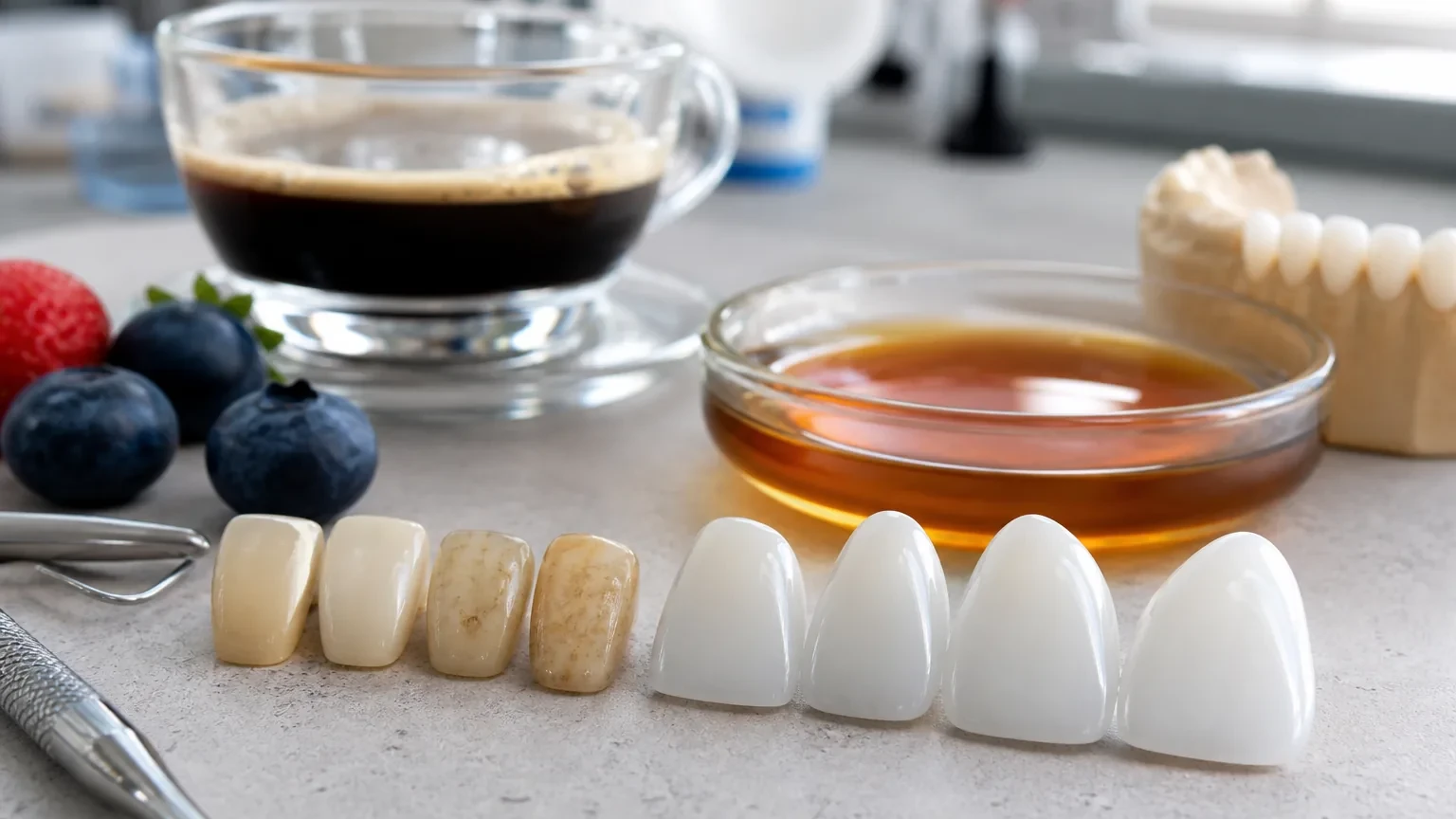
Do Veneers Stain?
Veneers are more stain-resistant than many natural tooth surfaces, but the answer depends on material, margin health, scratches, and habits.
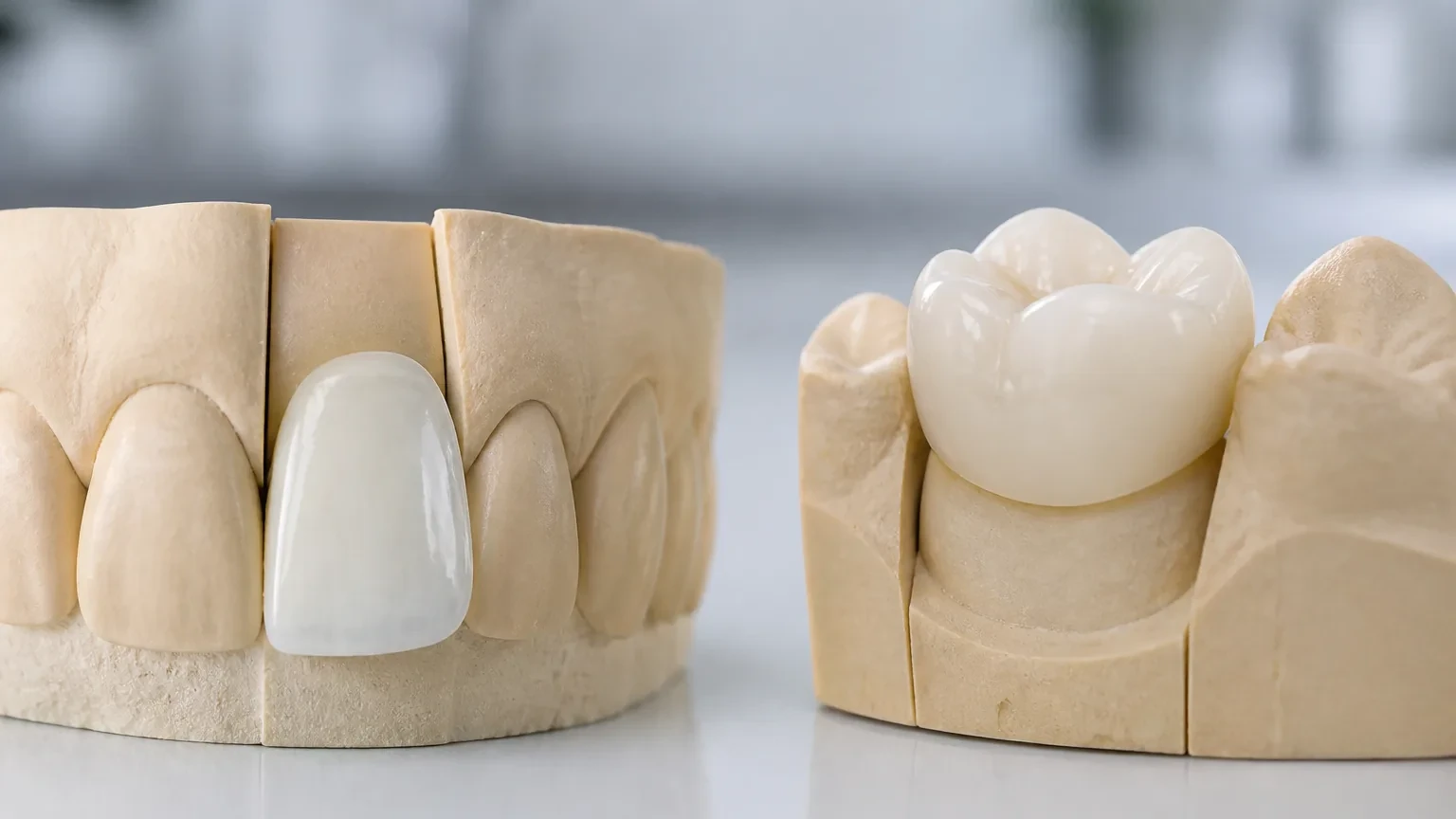
Veneers Vs Crowns: Which Do I Need?
Veneers and crowns can both improve a smile, but they solve different problems. The deciding issue is how much tooth needs protection.

Are Veneers Painful?
Veneer treatment is usually manageable, but comfort changes by stage: preparation, temporaries, bonding, and the first days of bite adjustment.
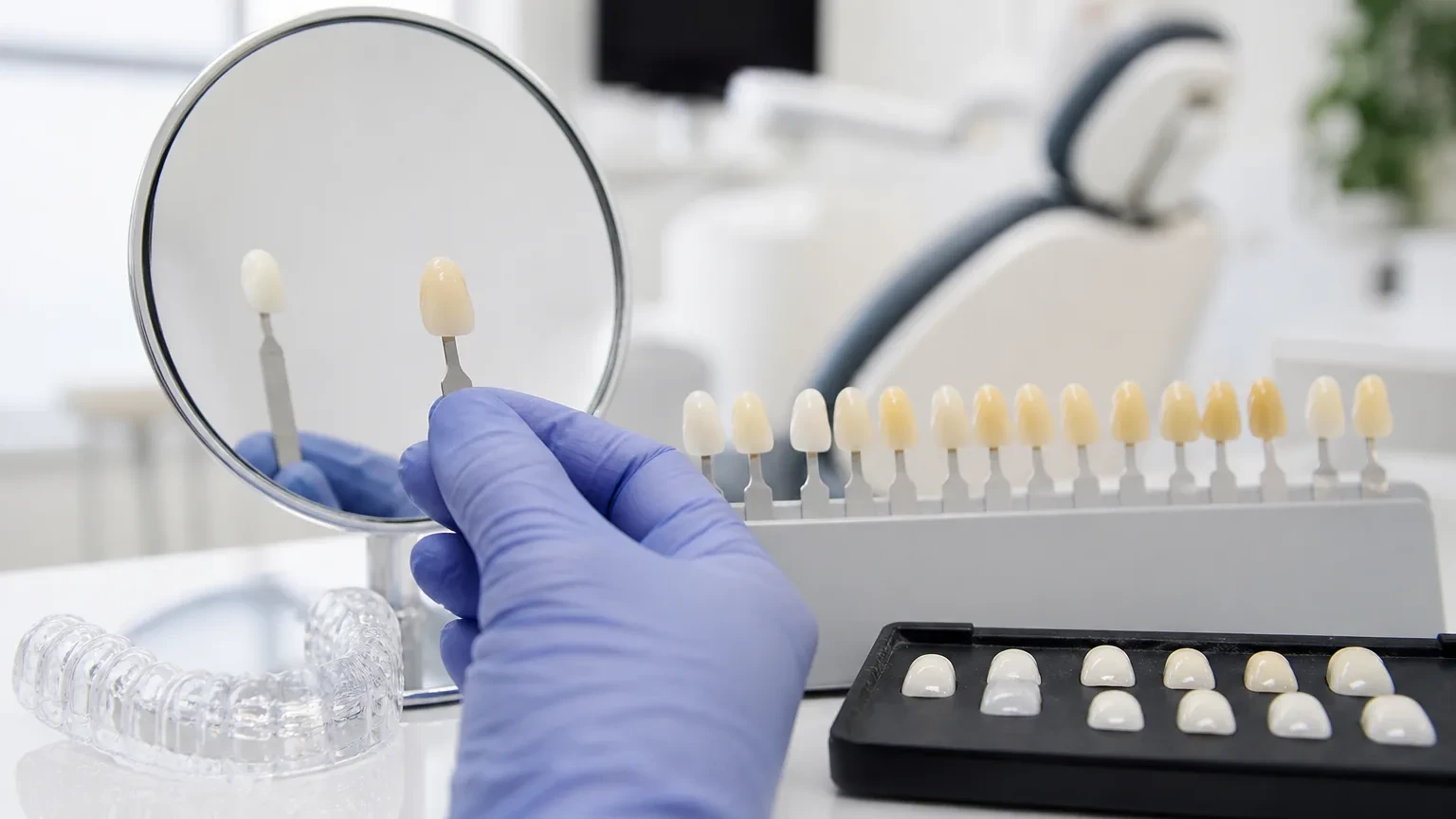
Can You Whiten Veneers?
Whitening can brighten natural enamel around veneers, but it will not turn old porcelain into a lighter shade. Matching is a planning problem.
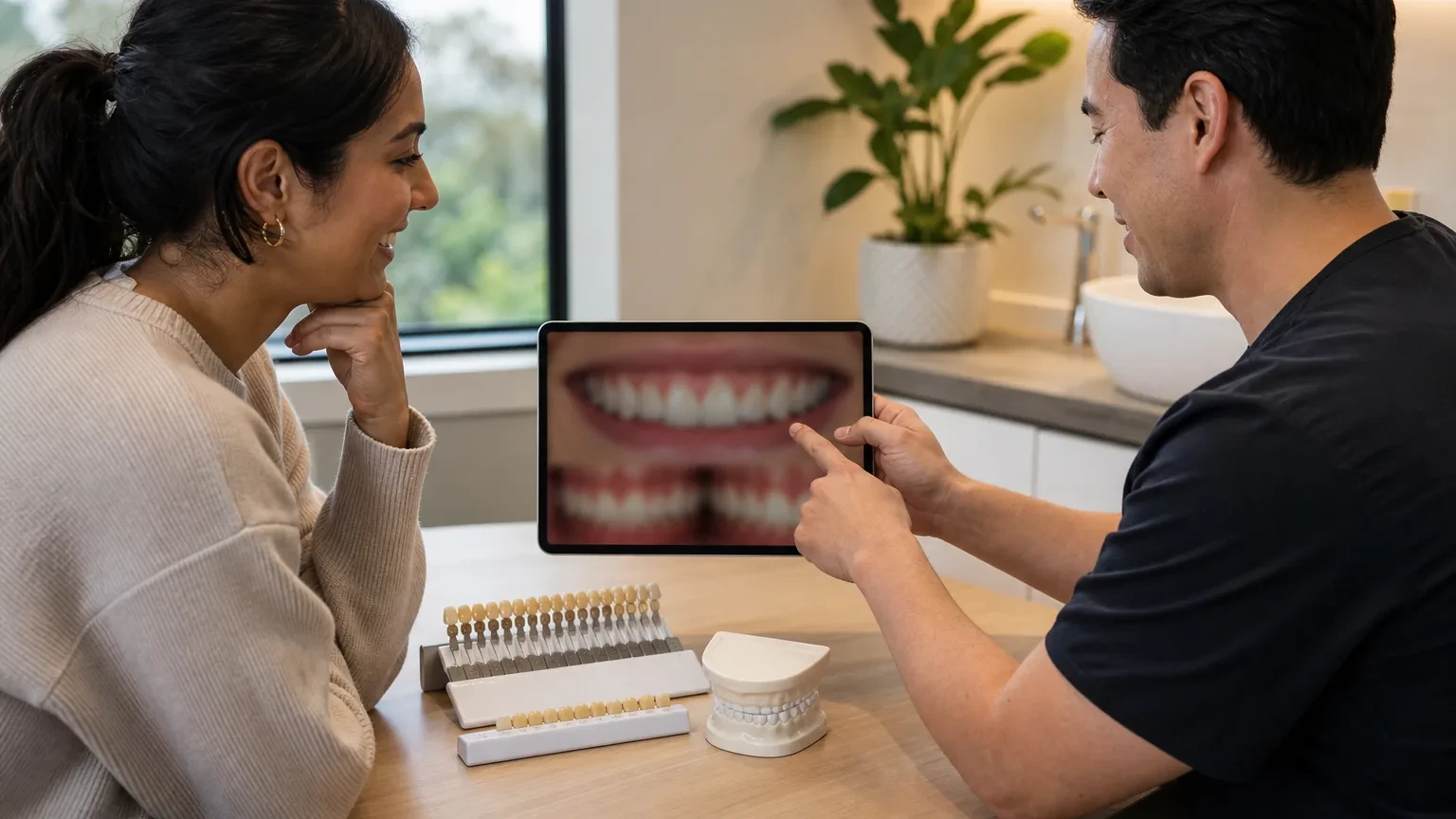
Who Is A Good Candidate For Veneers?
A good veneer candidate is not simply someone who wants whiter teeth. Gums, enamel, bite, habits, and expectations all need to line up.
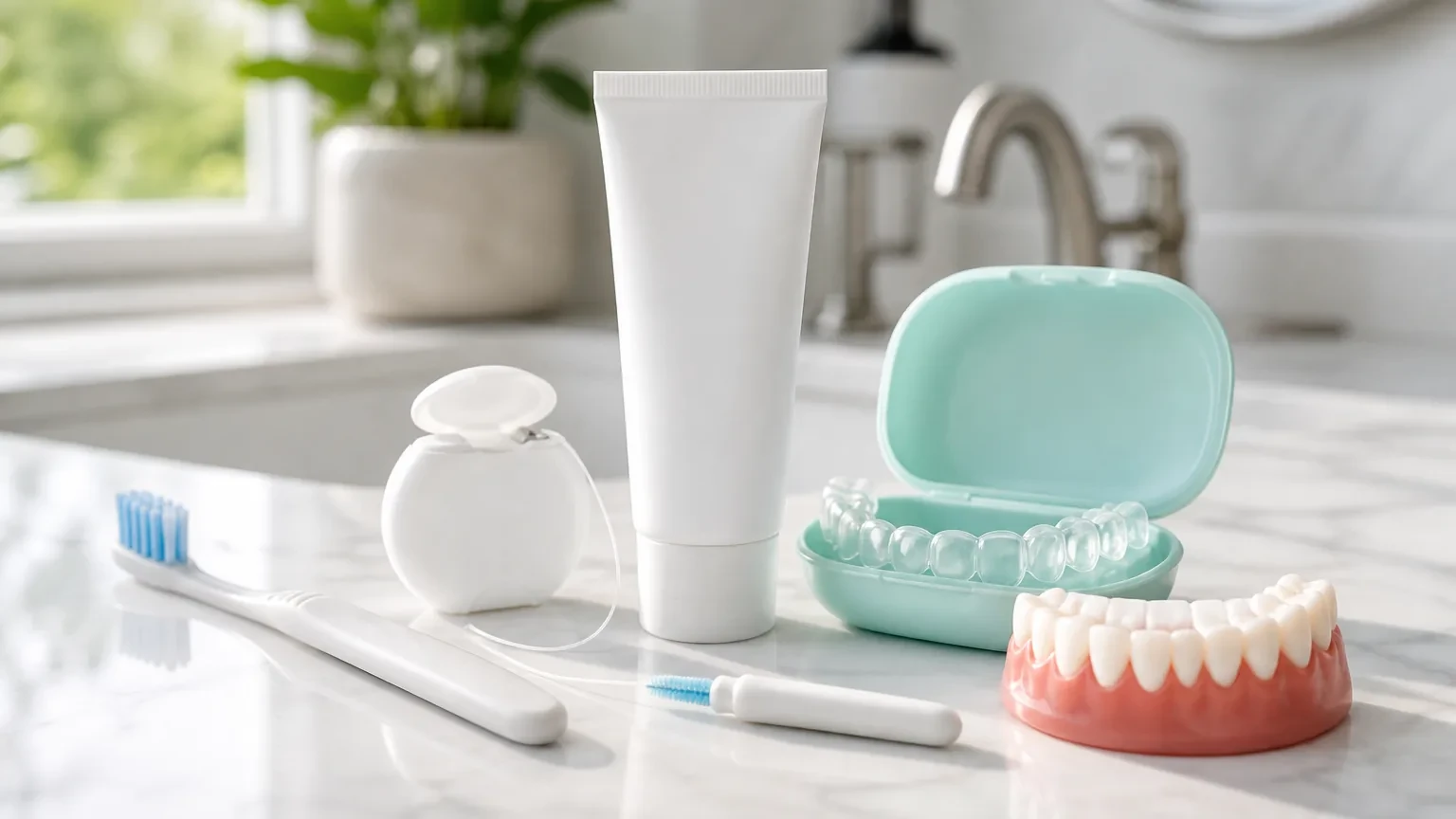
How Do You Care For Veneers?
Veneer care is mostly ordinary dentistry done carefully: clean the margins, protect the bite, avoid abuse, and check small changes early.
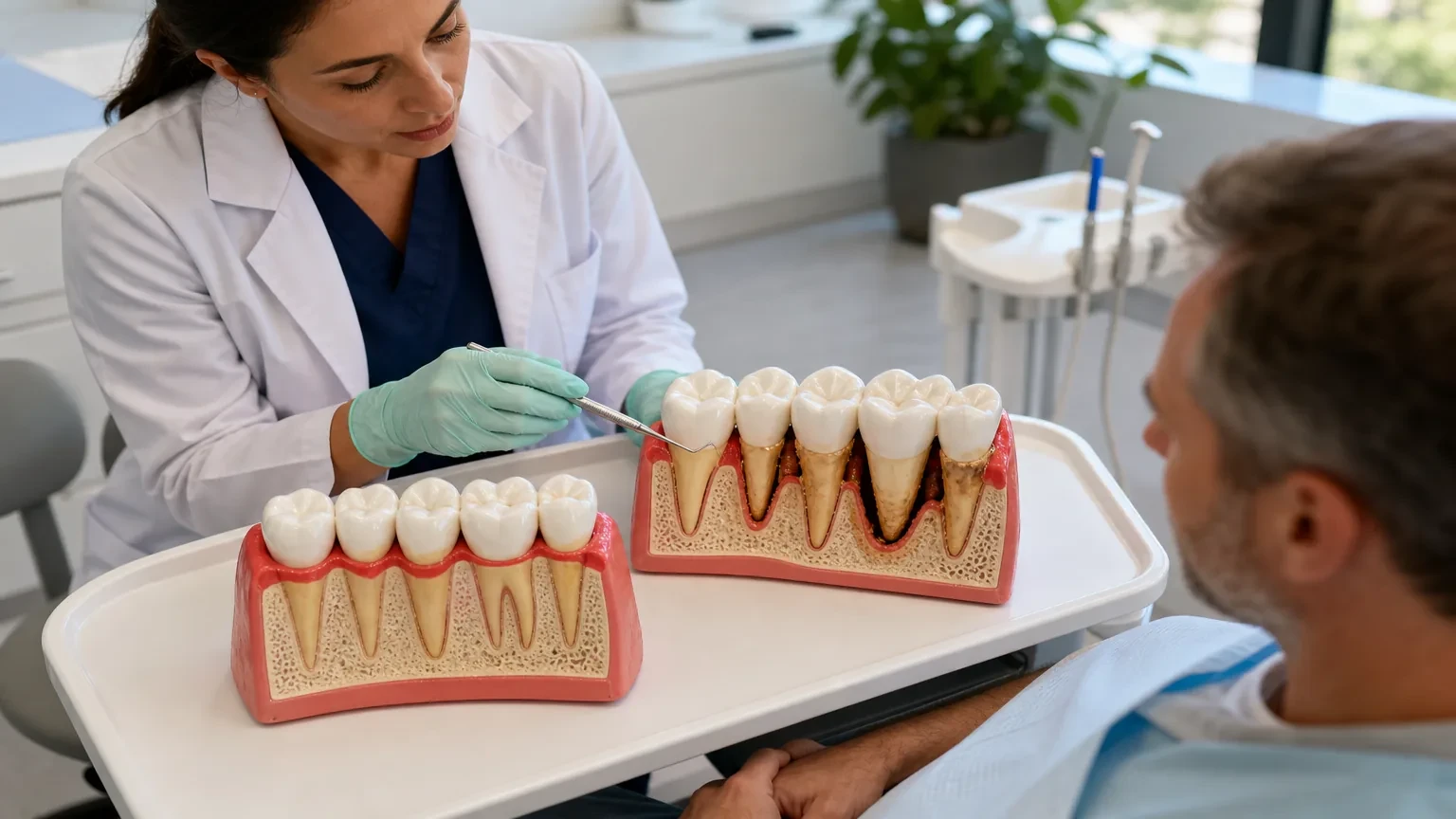
What Is The Difference Between Gingivitis And Periodontitis?
Gingivitis and periodontitis can both bleed quietly, but the real difference is whether deeper tooth support has started to break down.
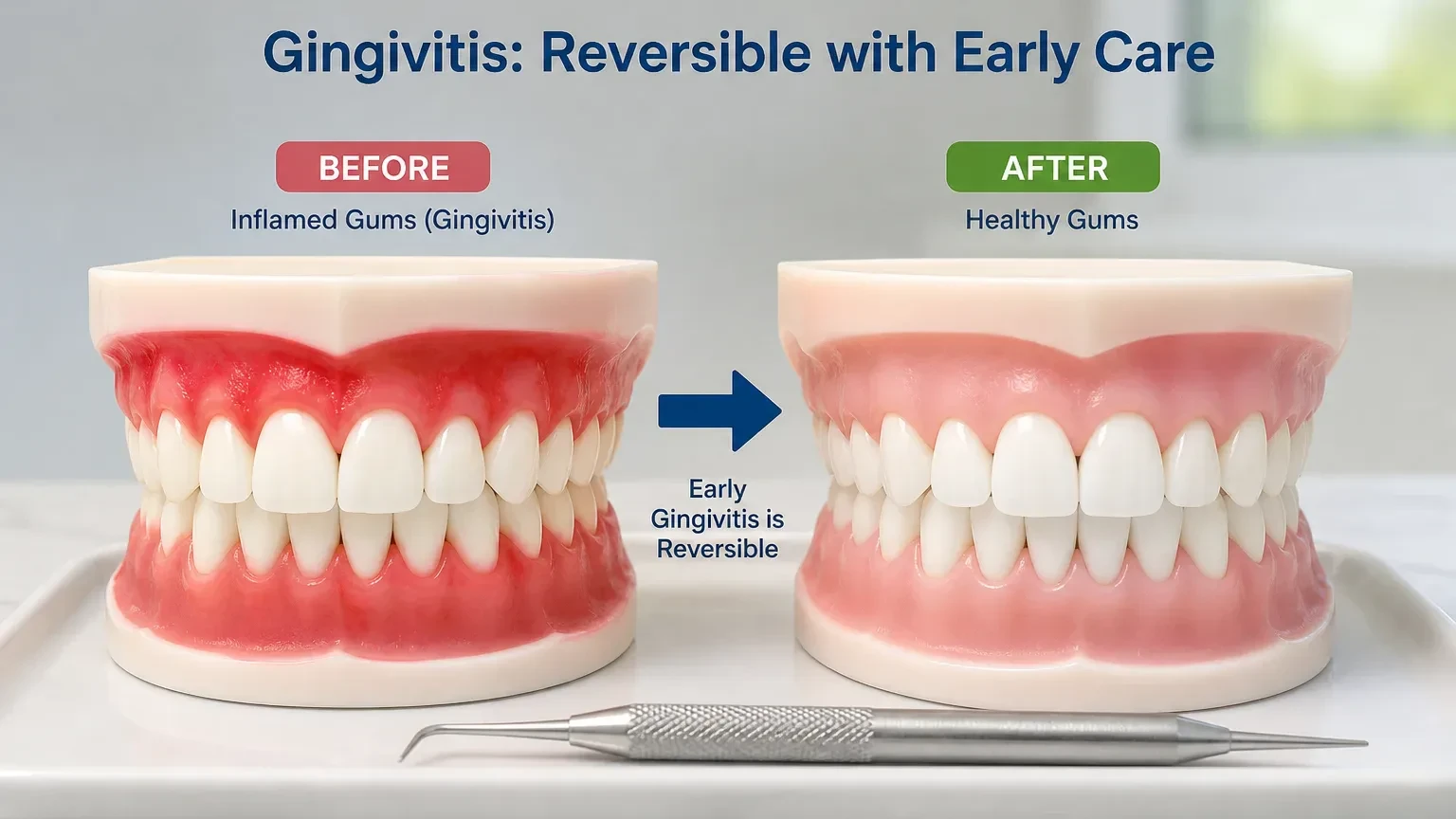
Is Gum Disease Reversible?
Gum disease reversibility depends on the stage. Inflamed gums can recover; lost bone support usually needs control, not a quick reset.
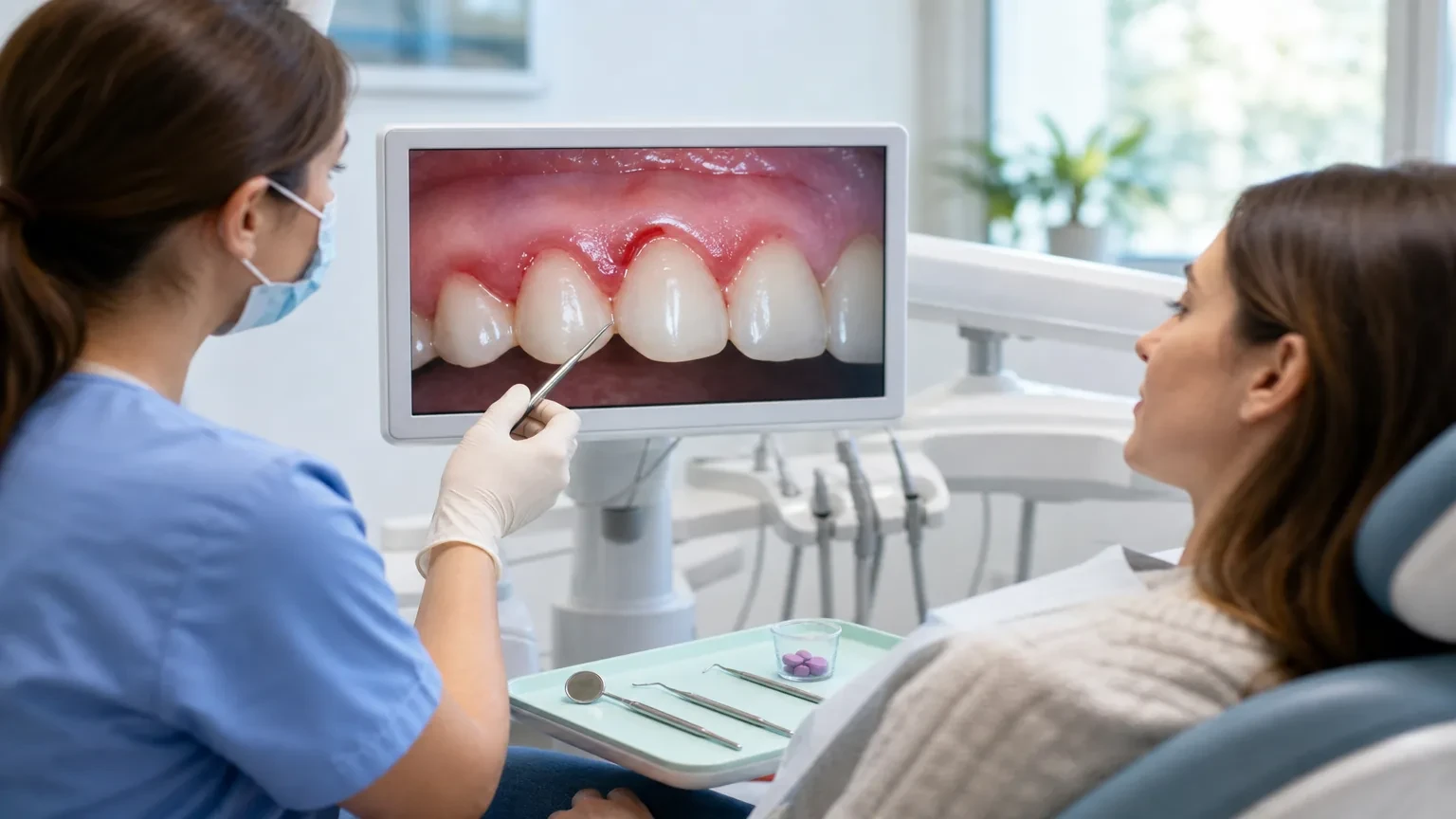
What Are Early Signs Of Gum Disease?
Early gum disease rarely announces itself with dramatic pain. Small bleeding, puffiness, and bad breath patterns are the clues to notice.
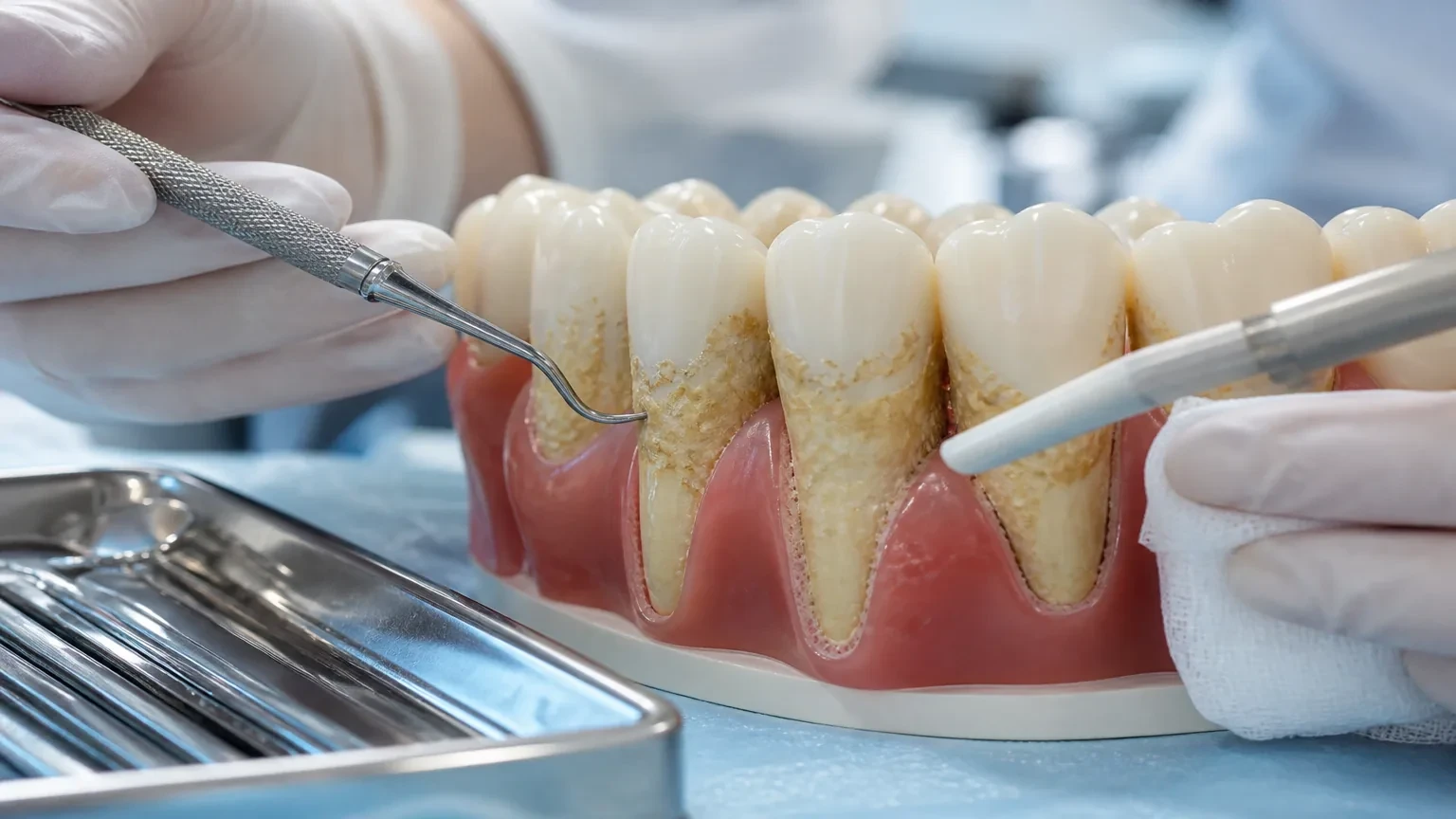
What Is Scaling And Root Planing?
Scaling and root planing is not a bigger version of polishing. It targets bacteria and tartar below the gumline where pockets stay inflamed.
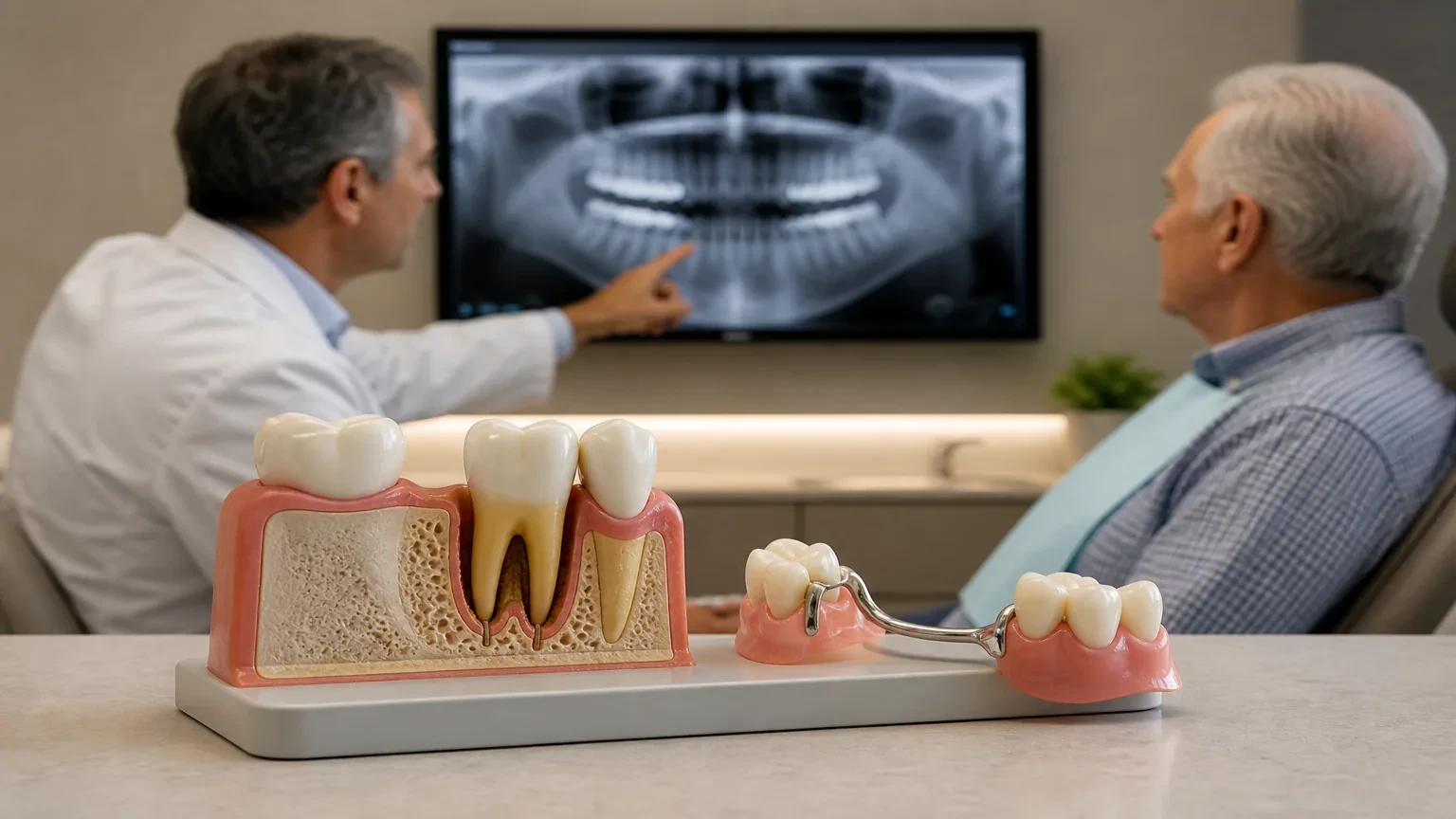
Can Gum Disease Cause Tooth Loss?
Gum disease can cause tooth loss by weakening support around the root, often long before the tooth itself looks badly damaged.
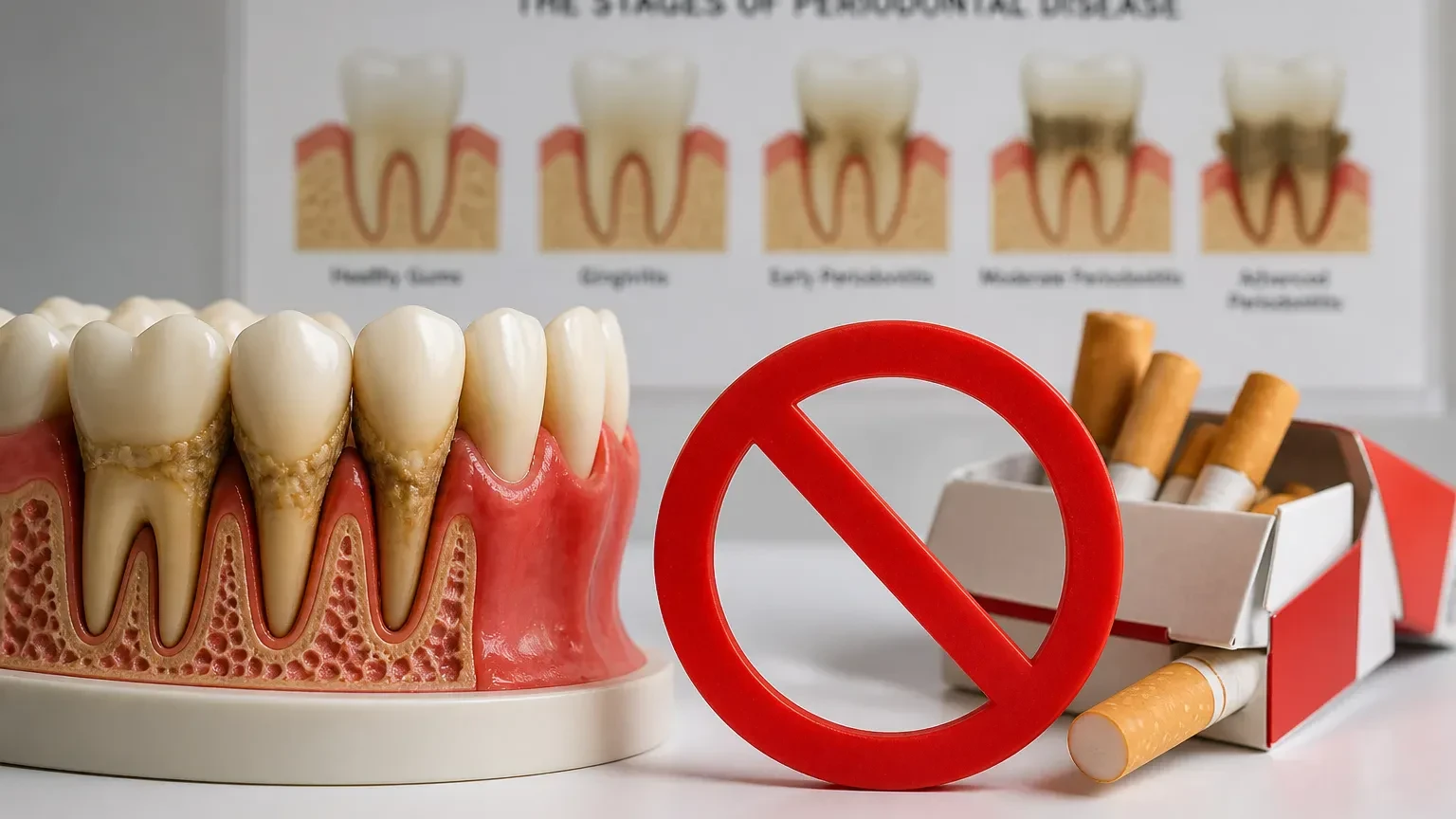
Does Smoking Cause Gum Disease?
Smoking does not just stain teeth. It changes gum disease risk, healing, bleeding patterns, and the odds that periodontal treatment will hold.

Can Pregnant Women Get Gum Disease?
Pregnancy can make gums react more strongly to plaque. Bleeding is common enough to notice, but it still deserves care and context.
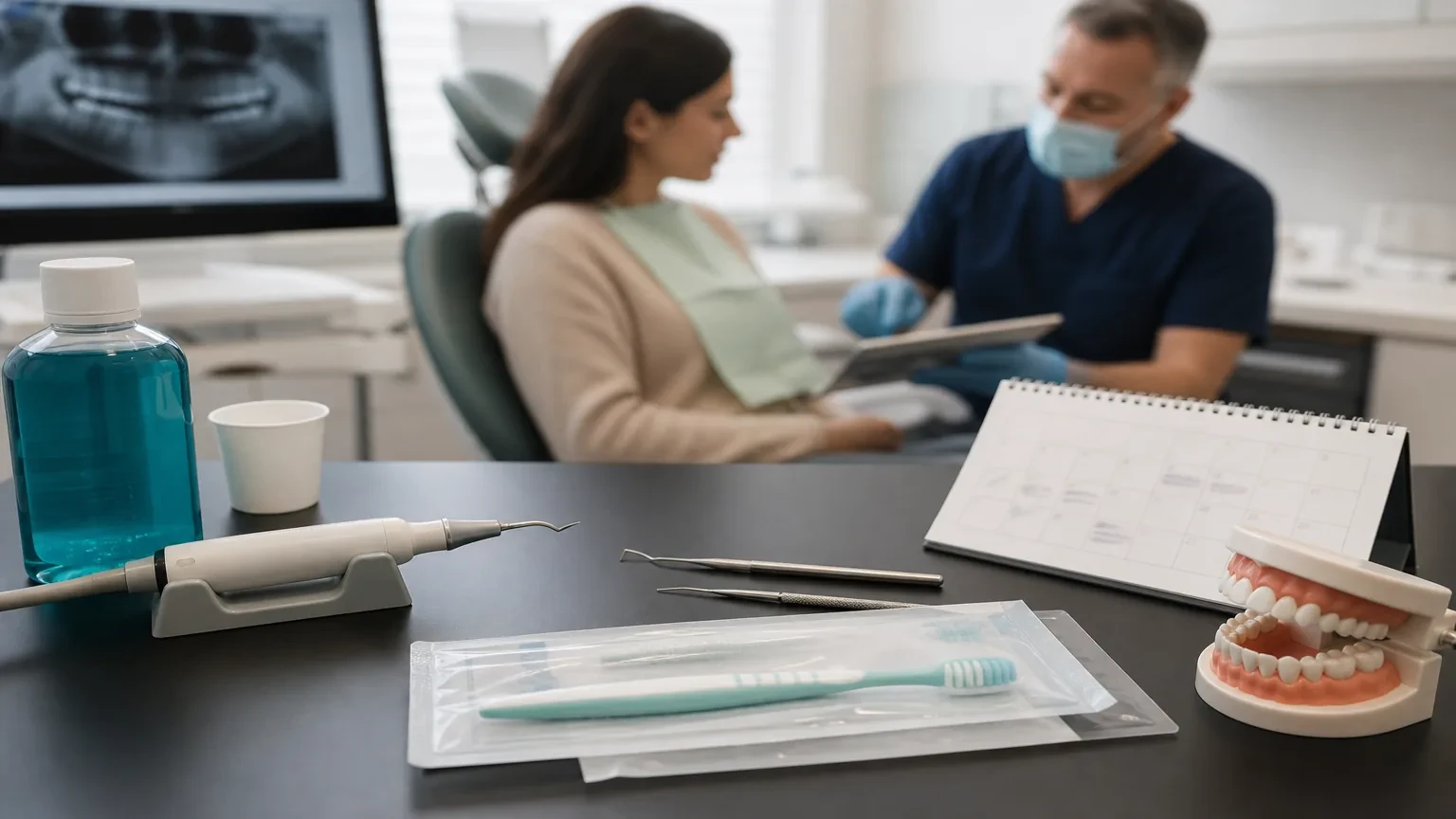
How Is Periodontal Disease Treated?
Periodontal treatment is a pathway, not a single cleaning. The plan changes with pocket depth, bone support, risk factors, and response.
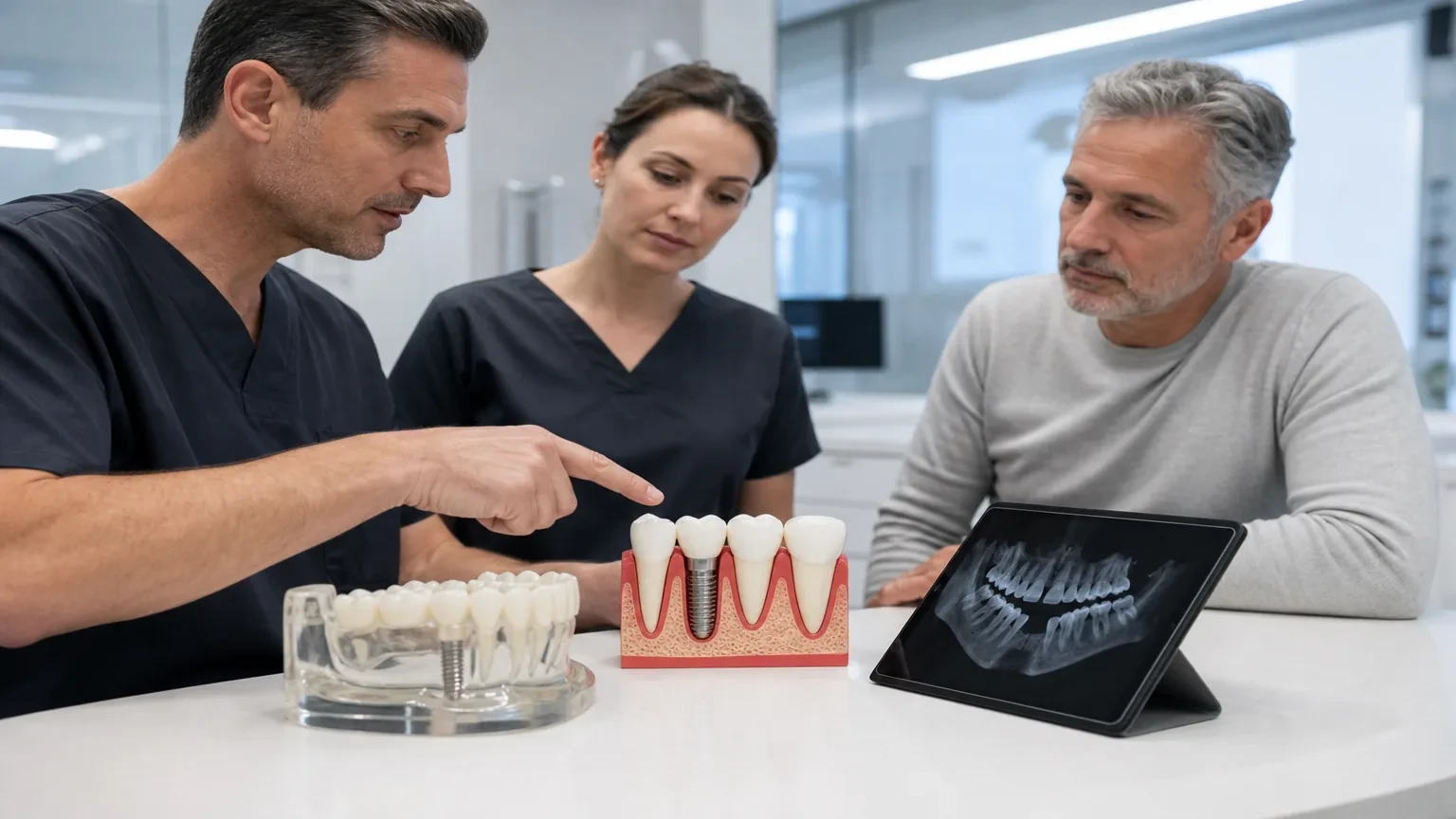
Can You Get Implants With Gum Disease?
Implants are not a shortcut around gum disease. The tissues that failed around teeth must be stable before an implant plan makes sense.
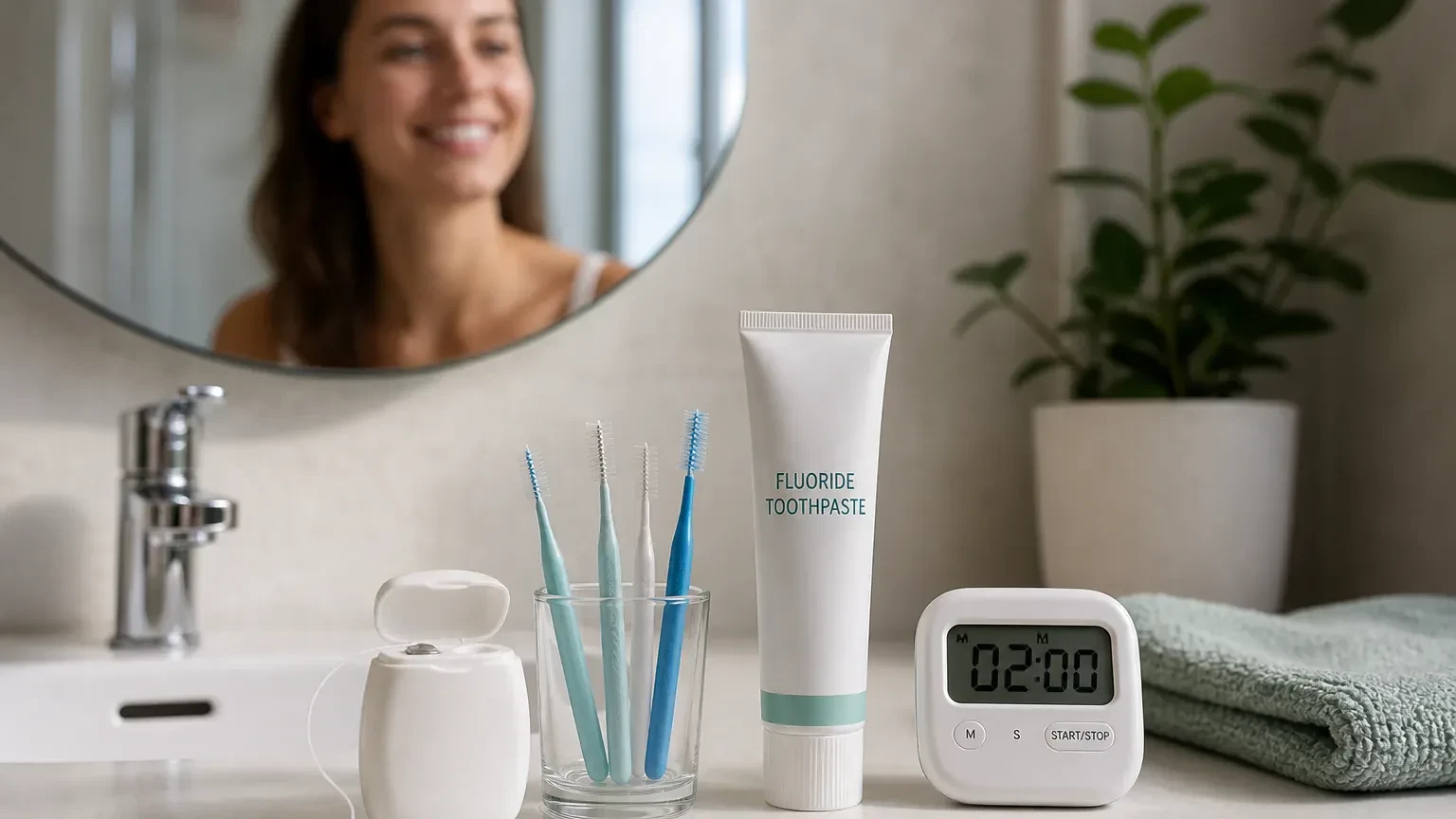
How Do You Prevent Gum Disease?
Gum disease prevention is built from small repeatable habits: clean the gumline, clean between teeth, control risks, and keep appointments.
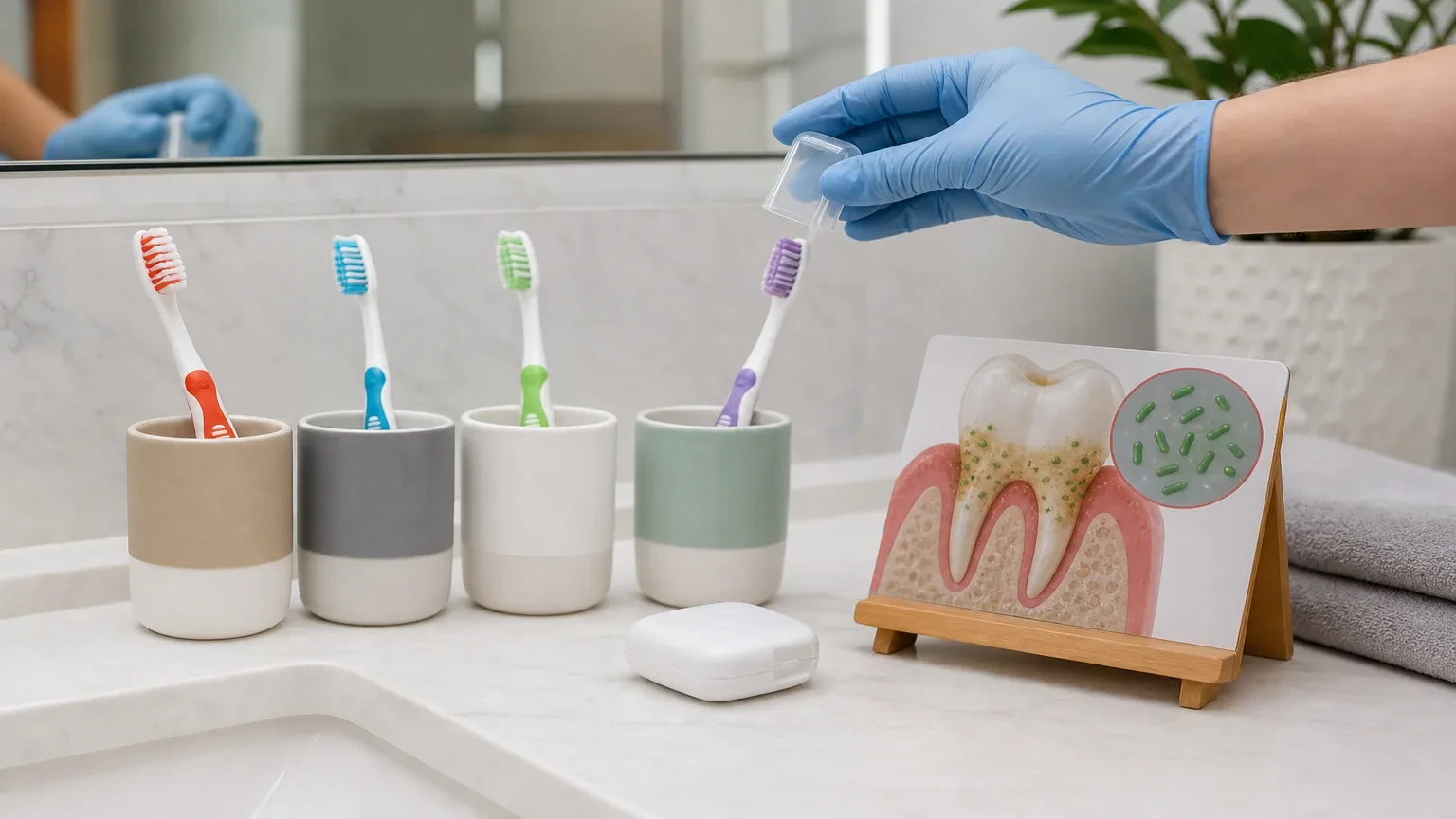
Is Gum Disease Contagious?
Gum disease is not caught like the flu, but saliva can share bacteria. Personal risk and daily plaque control decide whether disease takes hold.
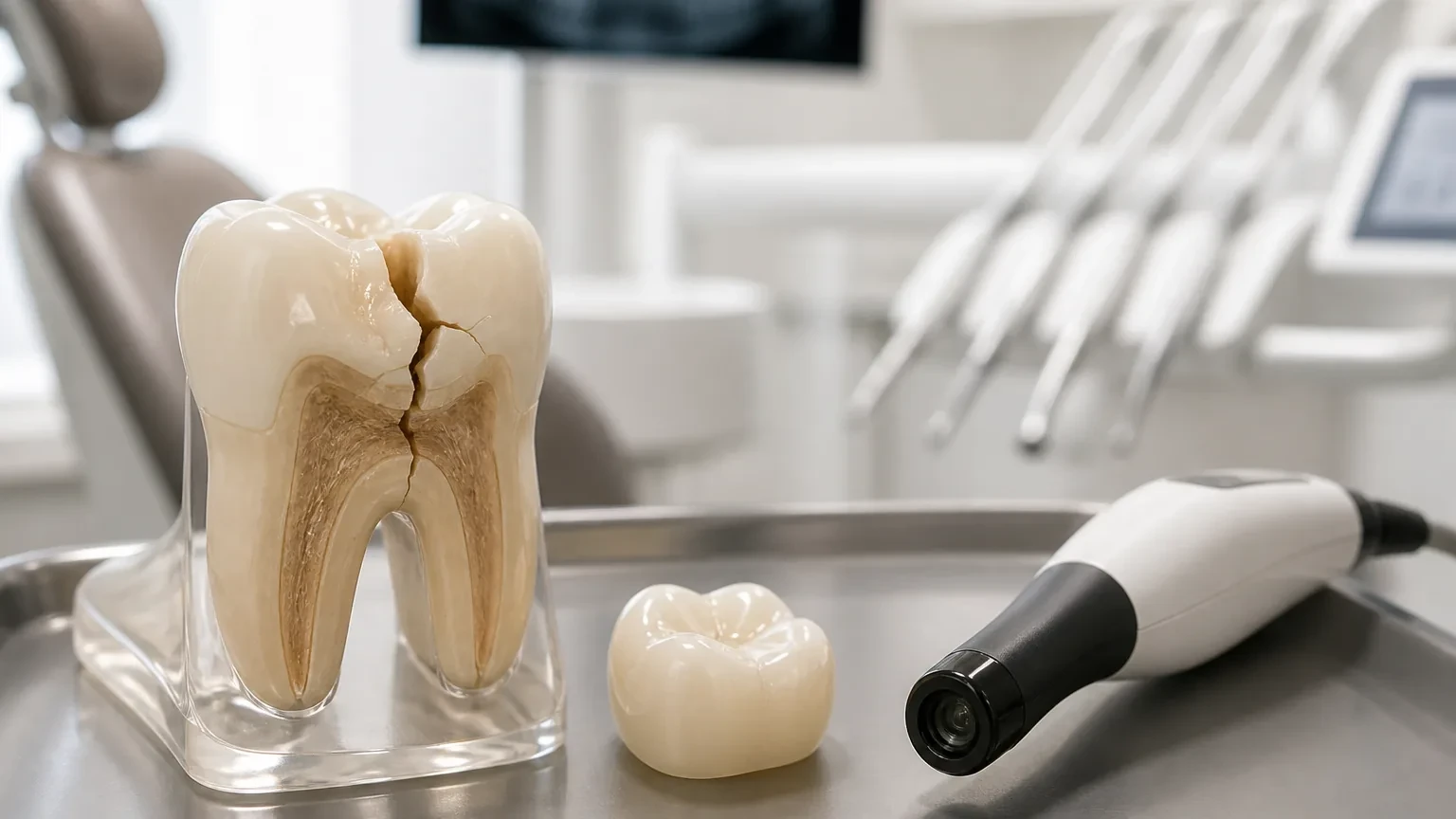
When Do You Need A Dental Crown?
A crown recommendation usually means the tooth needs reinforcement, not just a patch. The deciding clues are cracks, walls, bite, and remaining enamel.
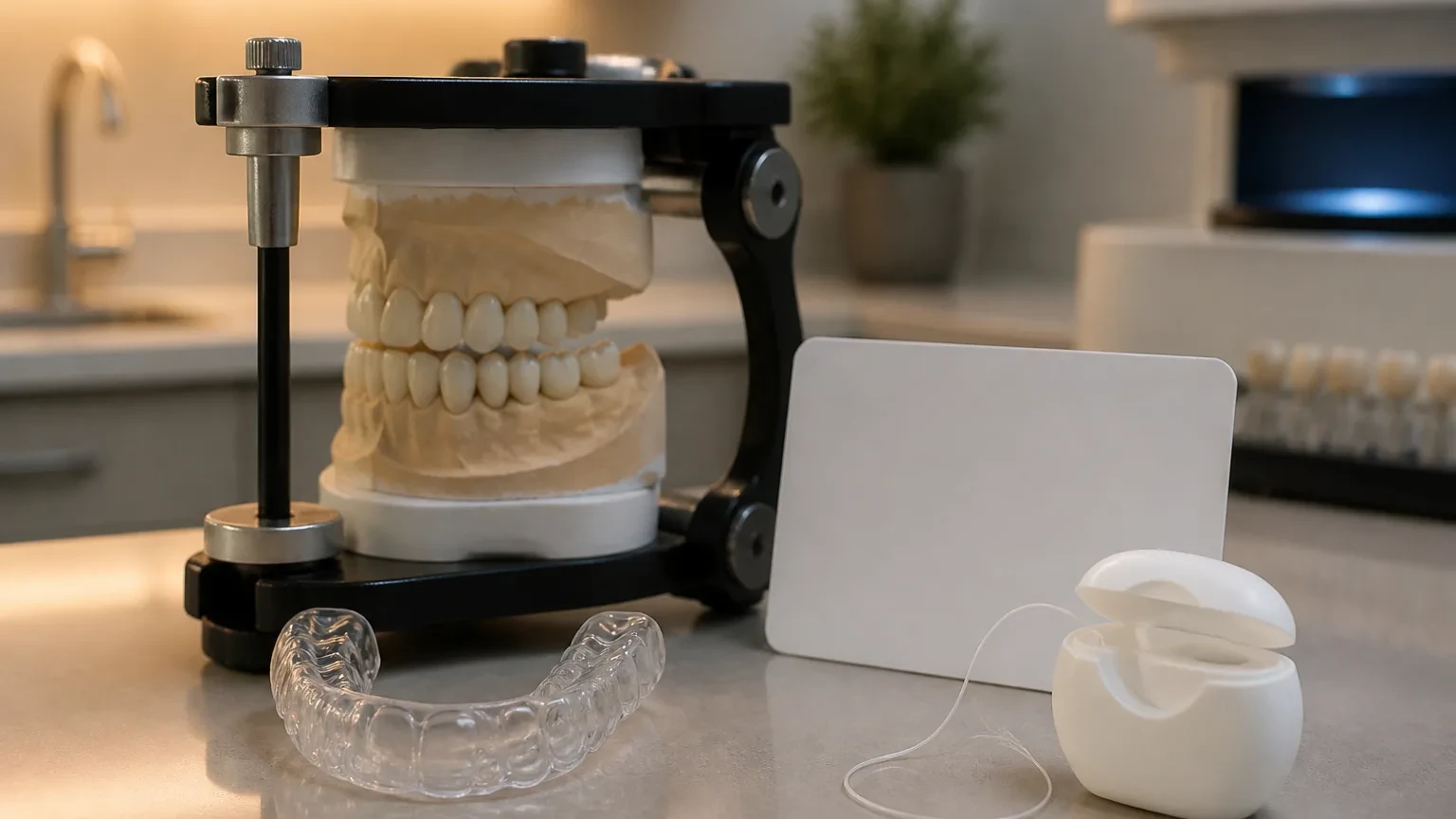
How Long Do Dental Crowns Last?
Crown lifespan is not a fixed warranty. The tooth underneath, the bite around it, and the edge where plaque collects decide much of the outcome.
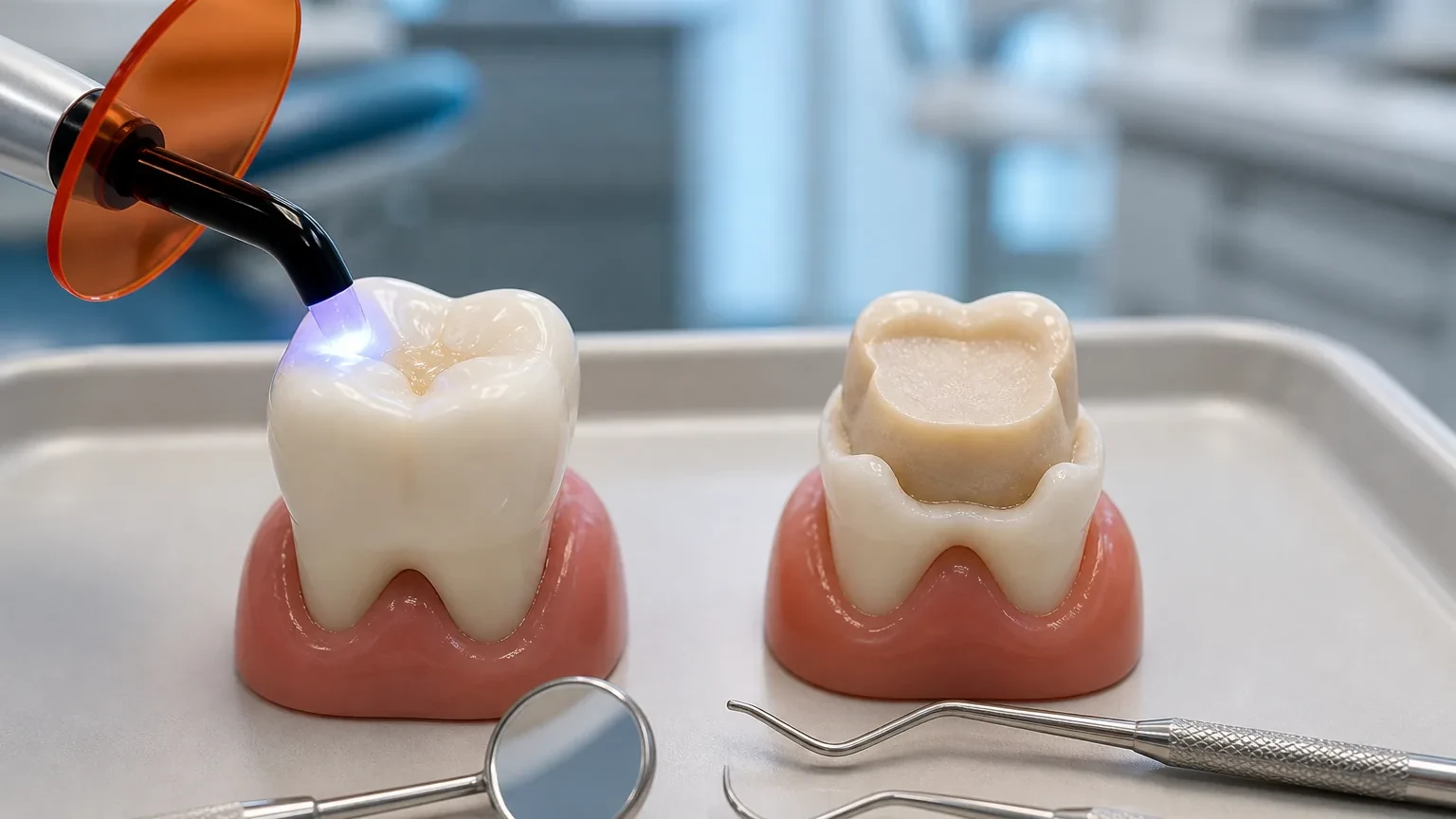
Crown Vs Filling: How Do Dentists Decide?
A filling replaces missing tooth. A crown protects what is left. The right choice depends on structure, cracks, bite, and how much tooth remains.
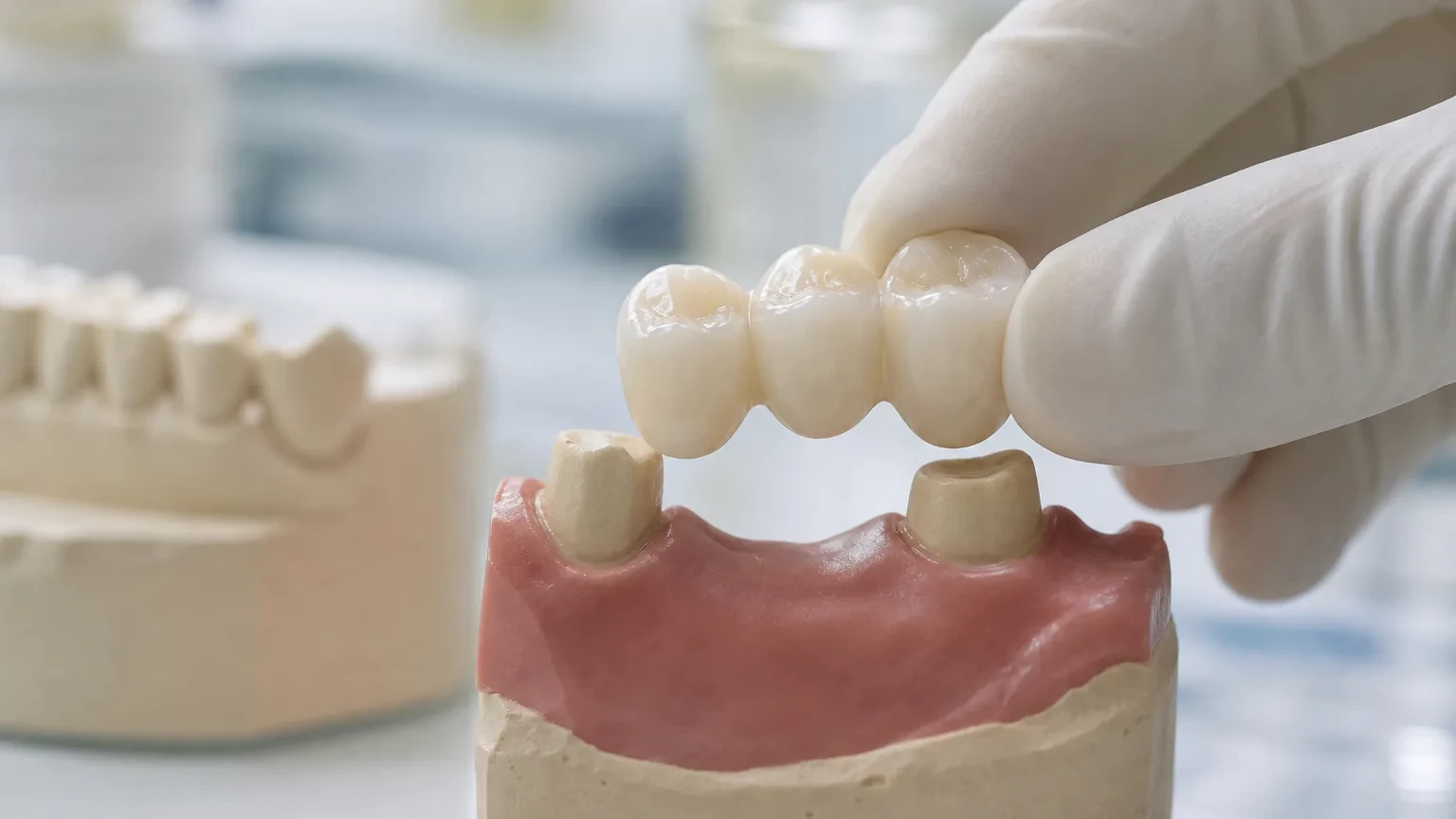
What Is A Dental Bridge?
A dental bridge fills a tooth gap with an artificial tooth supported by neighboring teeth or implants, but the anchors and cleaning plan matter.
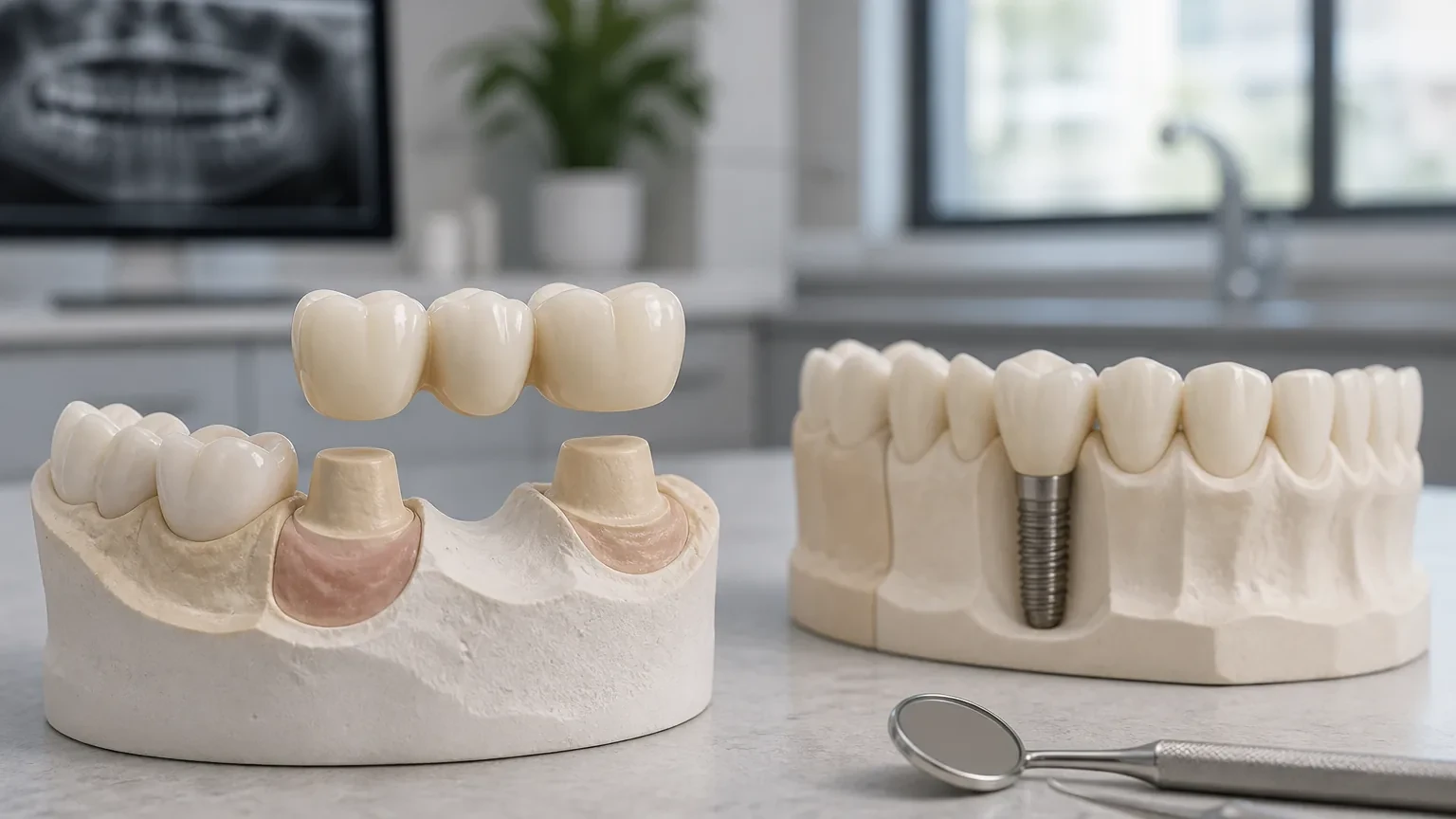
Dental Bridge Vs Implant: Which Is Better?
Bridges and implants both replace missing teeth, but they ask different things from bone, neighboring teeth, timeline, surgery, and maintenance.
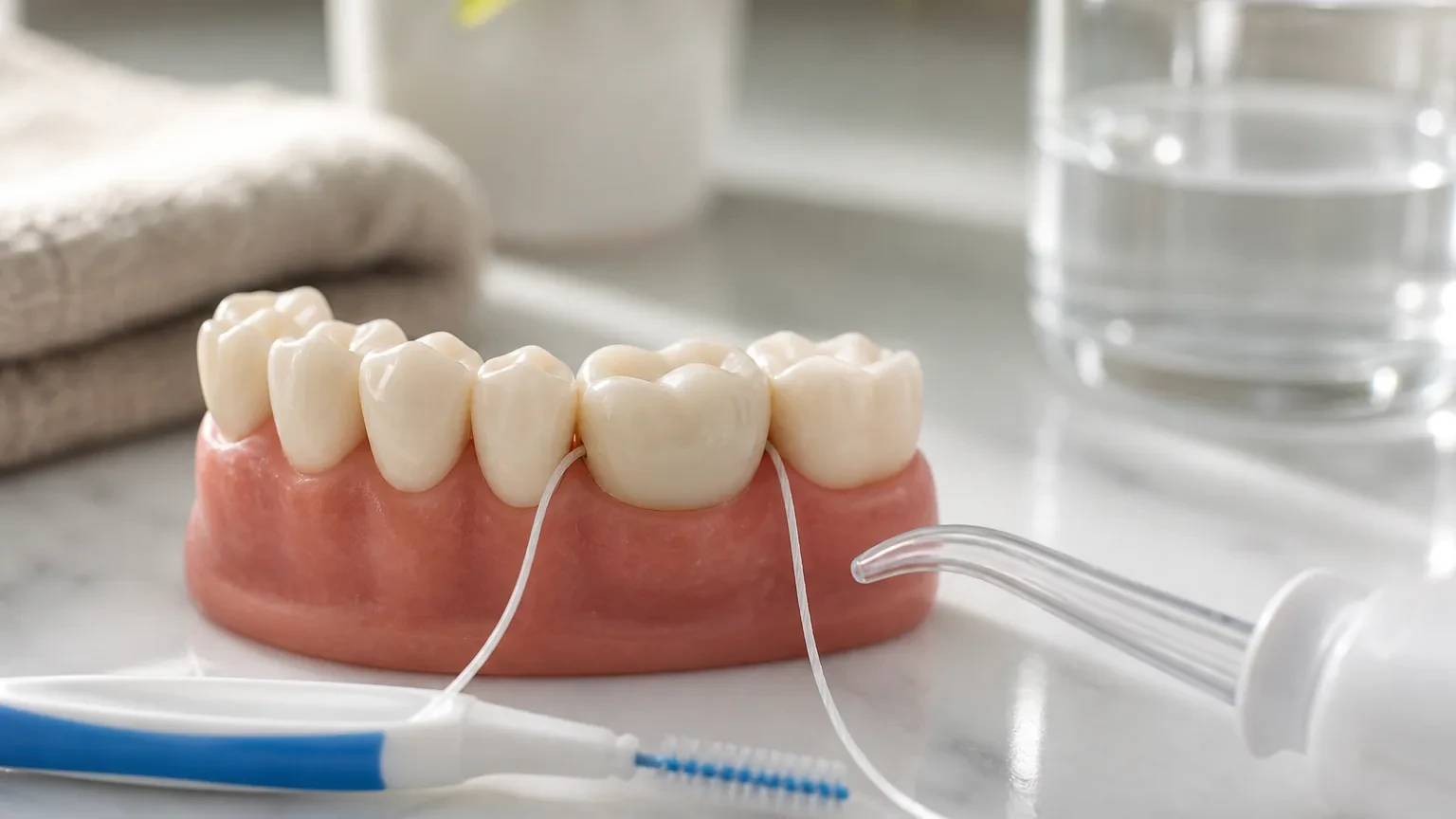
How Do You Care For A Dental Crown?
A crown is strong, but the tooth edge underneath still needs daily cleaning. Good crown care is mostly margin care, bite protection, and prompt checks.
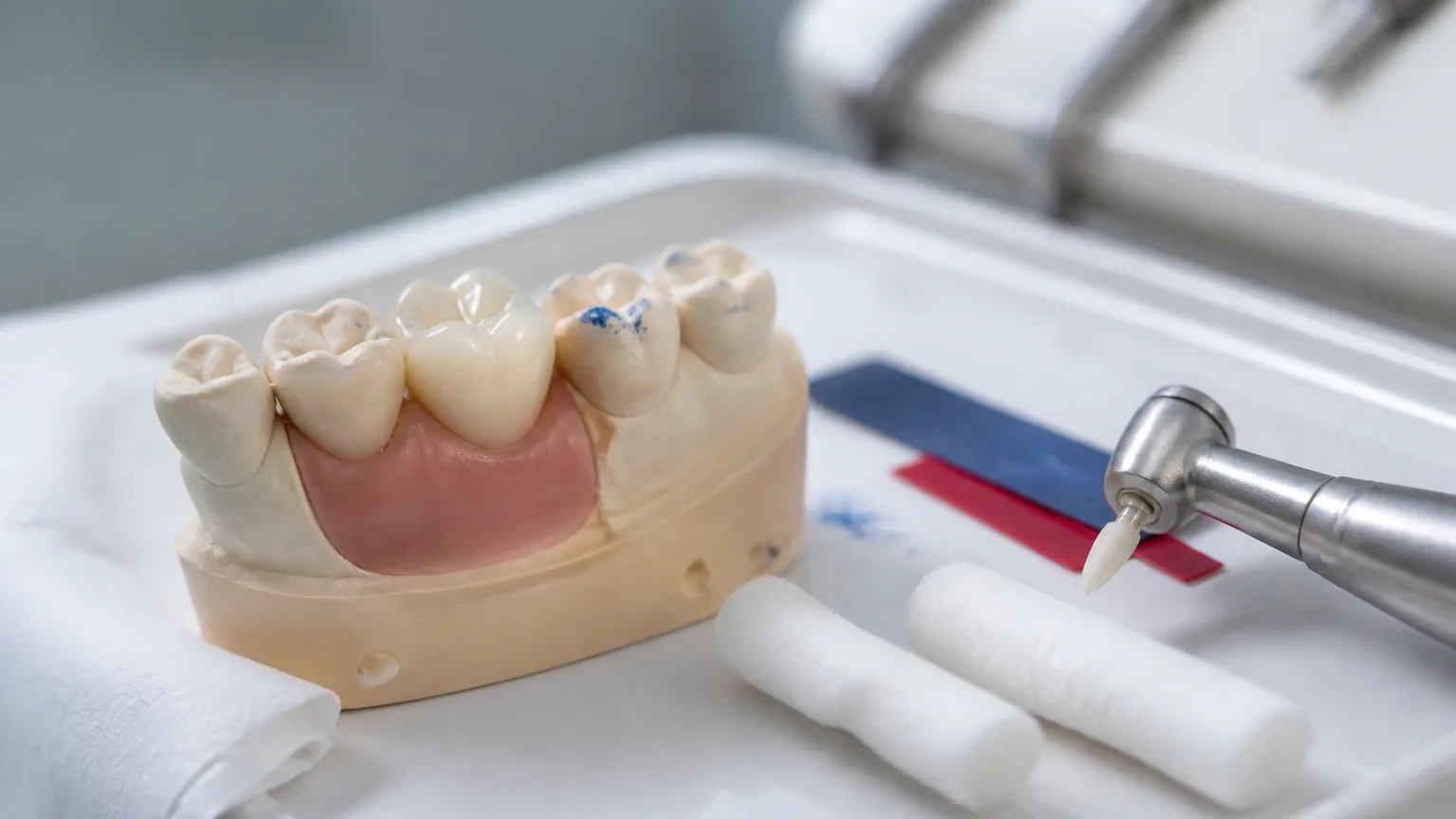
Why Does My Temporary Crown Hurt?
Temporary crown pain can be normal soreness, a high bite, gum irritation, or a sign the tooth needs attention before the final crown is placed.
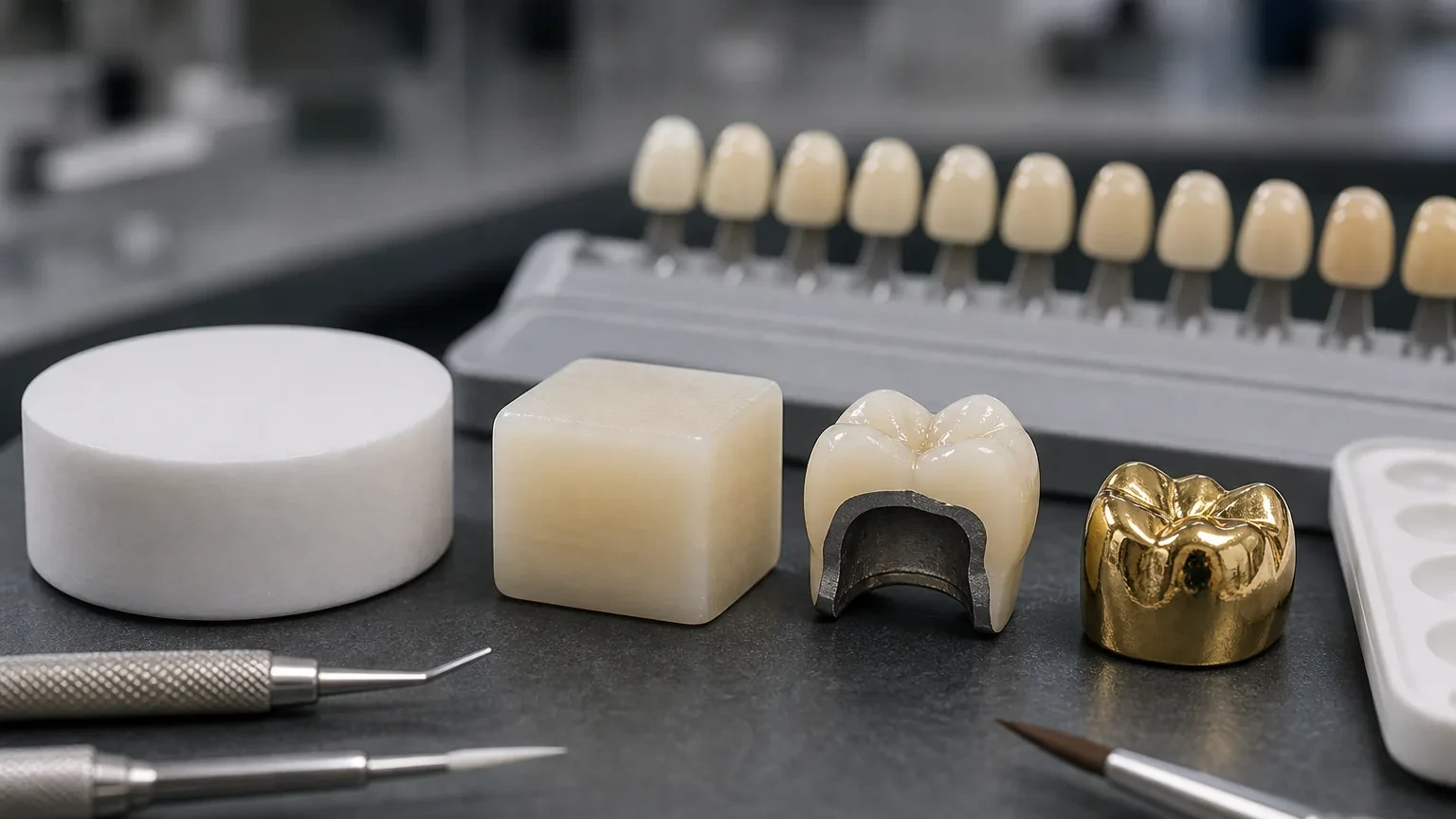
What Are Dental Crowns Made Of?
Crown materials differ in strength, appearance, thickness, wear, repair options, and cost. The best choice depends on the tooth and bite.

How Much Does A Dental Crown Cost?
A crown estimate is more than one line item. Material, buildup, root canal needs, insurance rules, and lab work can all change the final cost.
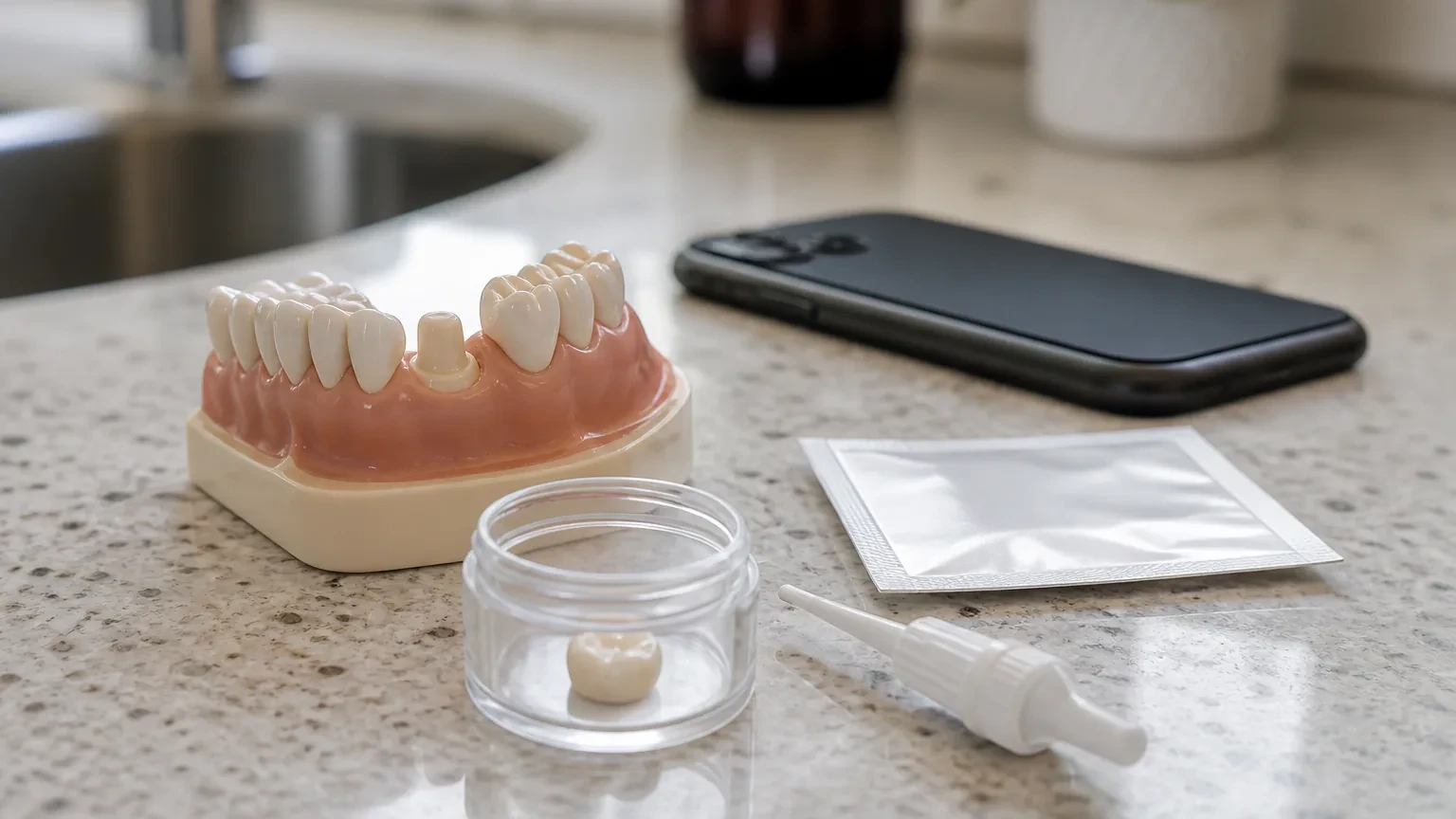
Can A Dental Crown Fall Off?
A crown can come off, and the first steps matter. Save it, protect the tooth, avoid chewing there, and call before trying home fixes.
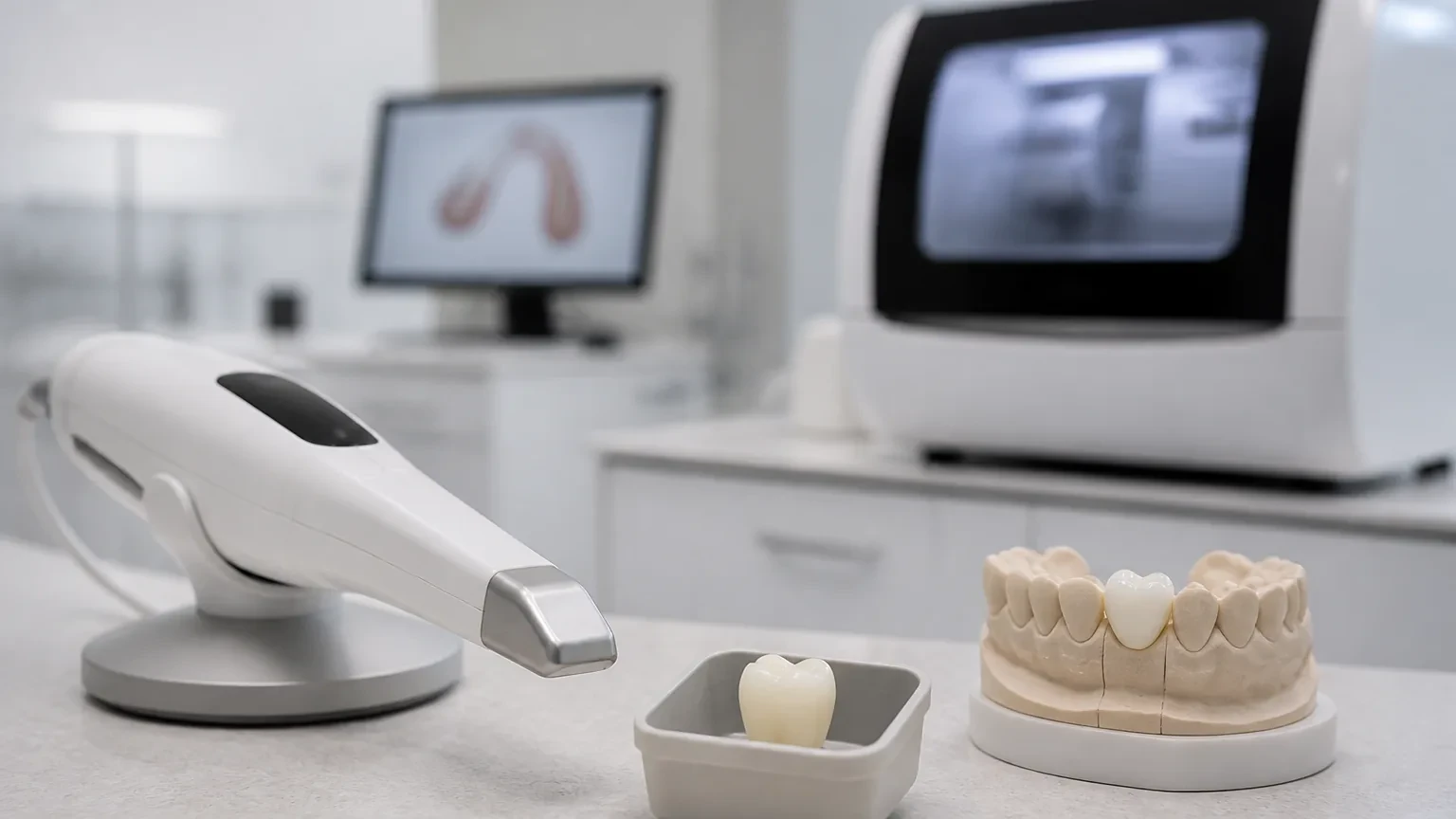
How Long Does It Take To Get A Crown?
A crown can be same-day or a two-visit lab process. The timeline depends on tooth preparation, scans, temporary needs, lab design, and symptoms.

When Should A Child First See The Dentist?
The first dental visit is less about drilling and more about timing, risk, comfort, feeding habits, brushing help, and giving parents a roadmap.
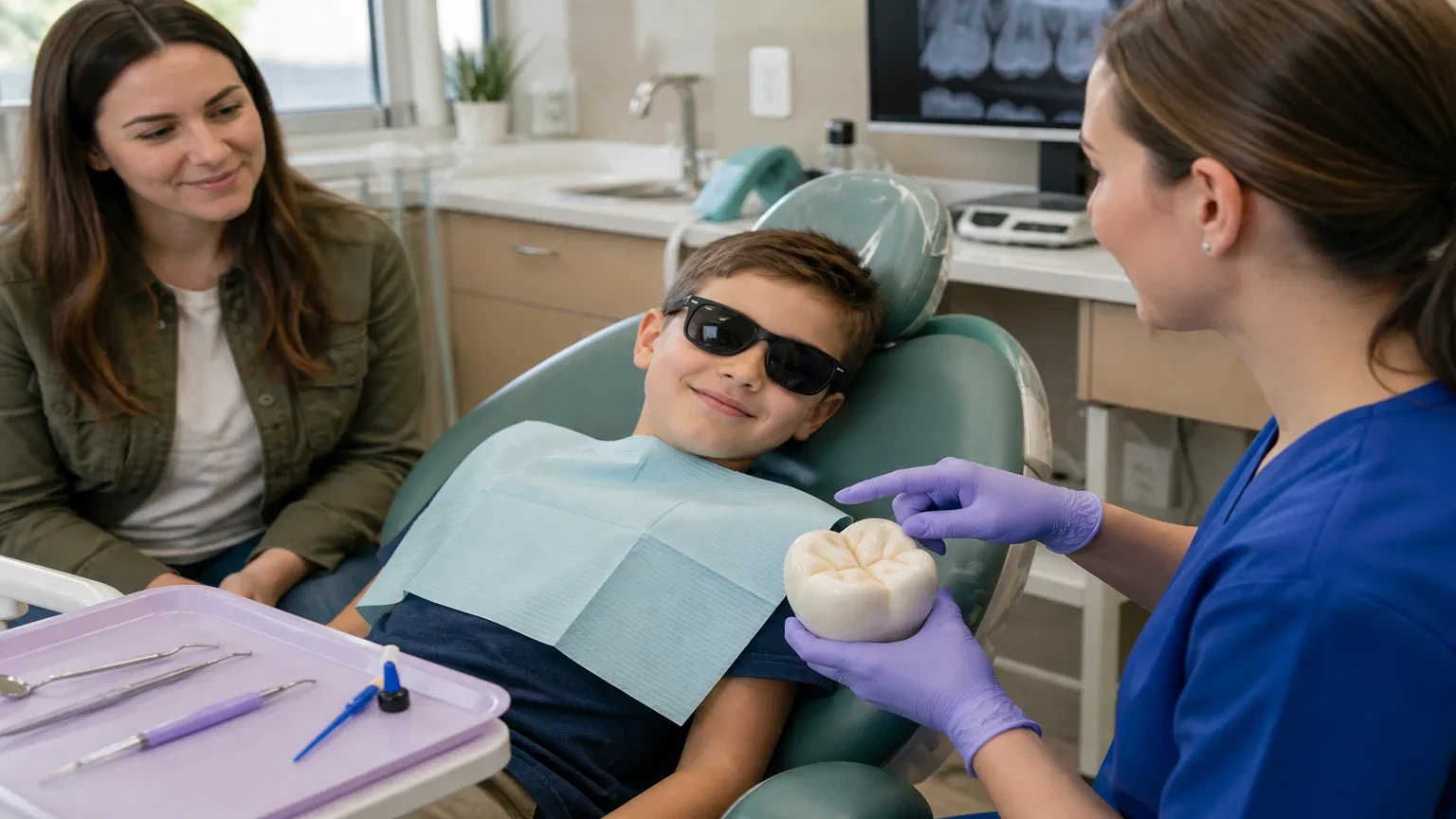
What Are Dental Sealants?
Sealants work like a raincoat for deep molar grooves. They reduce risk where toothbrush bristles often cannot clean well enough on their own.