
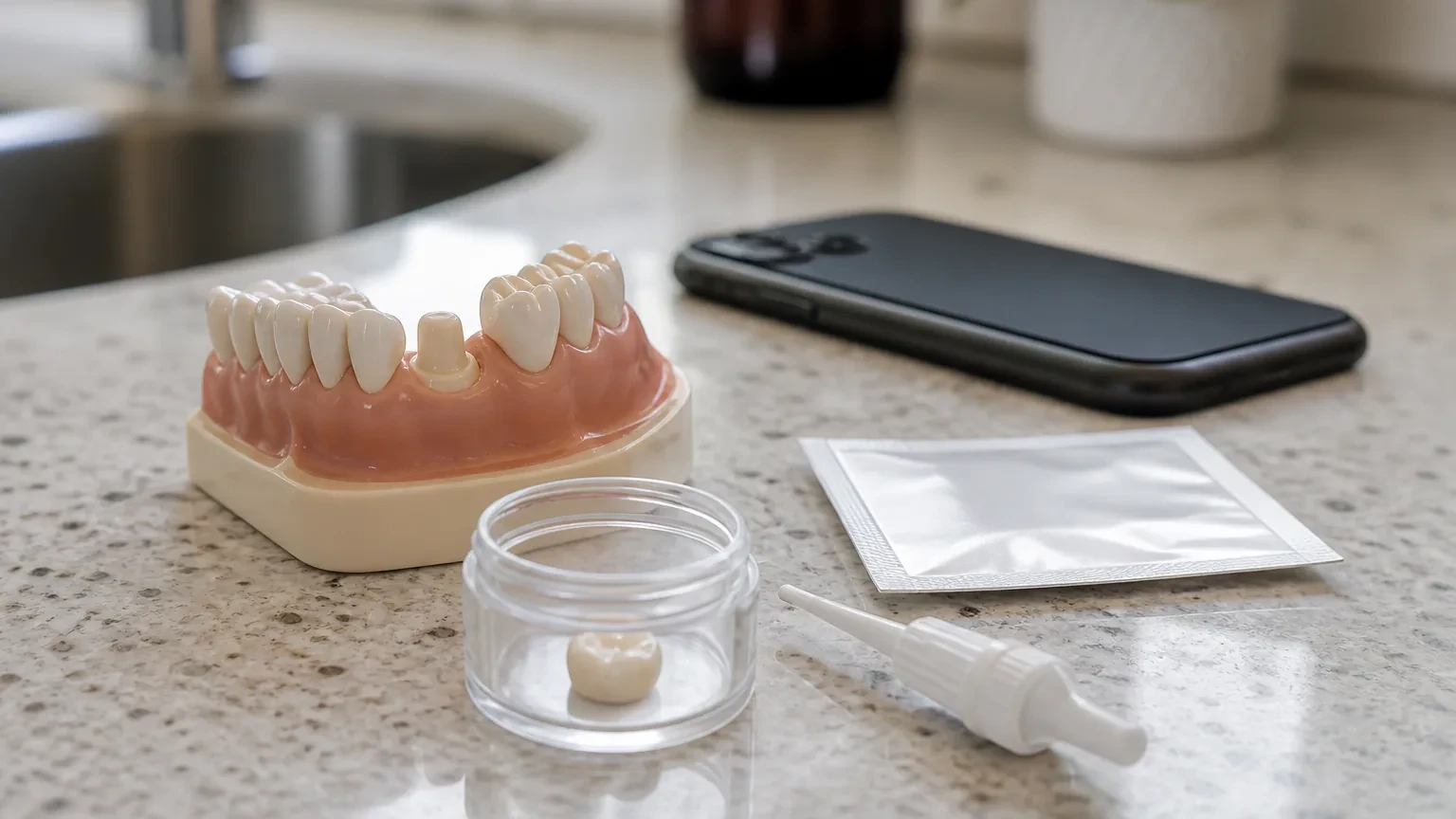
Can A Dental Crown Fall Off?
A dental crown can fall off from cement failure, decay, bite forces, fracture, or sticky foods. Learn what to save, avoid, and ask next soon.

Reviewed by Dr. Sean Myran, DMDDoctor of Dental Medicine, University of Pennsylvania
Yes, a dental crown can fall off. It may come loose because the cement seal failed, decay developed underneath, the tooth fractured, the bite overloaded it, or sticky food pulled it away. Sometimes the crown itself is intact. Sometimes it brings a piece of tooth or buildup with it. MouthHealthy describes crowns as restorations cemented over damaged teeth. Treat a loose crown as a dental problem even if pain is mild.
What To Do First
- Save the crown: place it in a bag or small container.
- Do not chew there: the exposed tooth can break or become sensitive.
- Call the dental office: explain whether the crown is loose, off, painful, or broken.
- Keep it clean: gently brush the area if you can tolerate it.
- Avoid super glue: household adhesives can damage tissue and complicate repair.
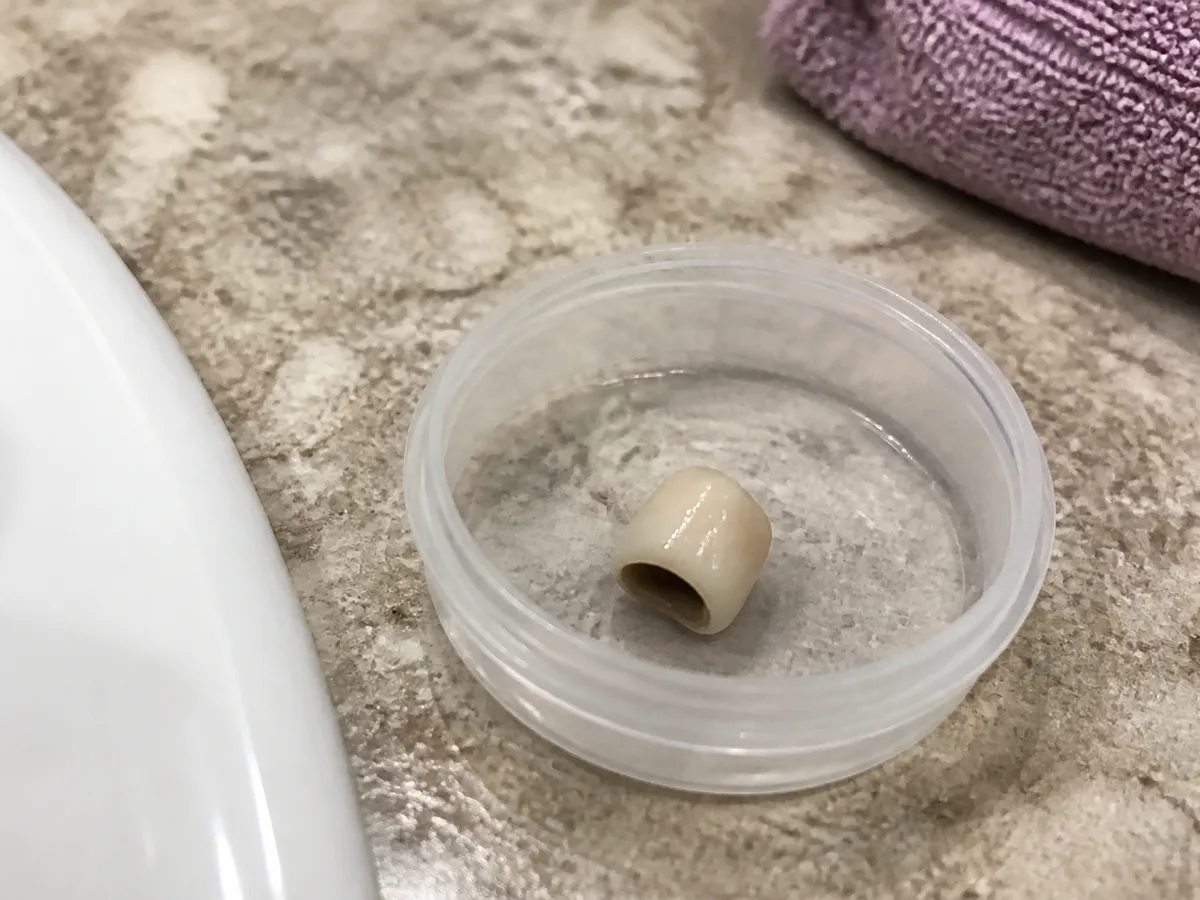 Saving the crown preserves options.
Keep the crown and protect the tooth
The dentist may be able to recement the crown if the fit is good and the tooth is sound. If decay, fracture, or a missing buildup caused the problem, a new restoration or additional treatment may be needed.
When It Is More Urgent
Call promptly if the exposed tooth is painful, sharp, bleeding, swollen, or sensitive to air and temperature. Swelling, fever, drainage, or severe throbbing can signal infection and should not wait. If the crown is on a front tooth, a temporary cosmetic solution may be possible, but the health of the tooth still comes first.
Drugstore temporary dental cement may help in some situations, but use it only after reading instructions and, ideally, after calling the dental office. Do not force a crown that does not seat fully. A crown that feels high can bruise the tooth or crack the remaining structure. Never sleep with a loose crown in your mouth because it can be swallowed or aspirated.
A crown that falls off repeatedly usually needs diagnosis, not stronger cement. The tooth may be too short, decayed, cracked, or overloaded by the bite. The crown may no longer fit because the tooth changed. A new buildup, crown lengthening, root canal treatment, extraction, implant, or bridge may need discussion depending on what remains.
Pay attention to what happened right before it came off. Sticky candy, floss pulling upward, a hard seed, or no obvious trigger all tell different stories. Also note whether there was odor, bleeding, black or brown material inside the crown, or a sharp tooth edge left behind. Those clues can point toward decay, cement washout, fracture, or a retention problem. The dentist will still need to examine it, but your description can help the office decide how quickly to schedule you.
If the crown is part of a bridge, the situation can be more complicated because more than one tooth may be connected. Avoid wiggling the bridge to test it, and call with the exact location that feels loose.
 The cause determines the repair.
The inside tells a story
Bring the crown to the visit so the dentist can inspect the cement, tooth fragments, decay pattern, and fit. If you need help quickly, use find a dentist and say that a crown has come off.
How To Lower The Risk Later
Keep crown margins clean, treat cavities early, wear a nightguard if prescribed, and avoid sticky or hard habits that tug or crack restorations. If your crown felt loose before it came off, mention when that started. For prevention routines, read How Do You Care For A Dental Crown?. If the tooth has been temporary crowned, see Why Does My Temporary Crown Hurt? for warning signs during the waiting period.
Related articles
Keep exploring related topics from Dental Country.
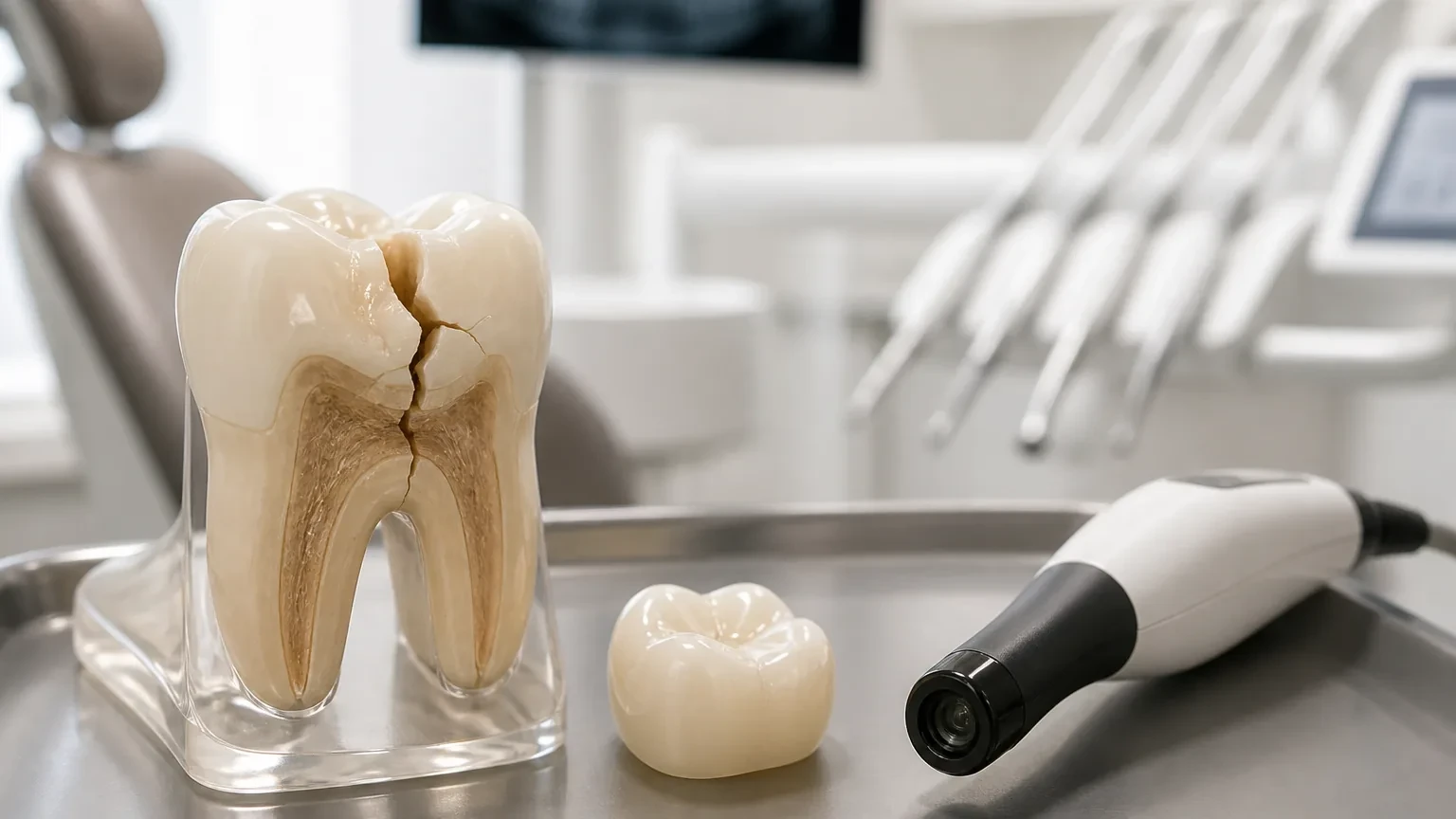
When Do You Need A Dental Crown?
A crown recommendation usually means the tooth needs reinforcement, not just a patch. The deciding clues are cracks, walls, bite, and remaining enamel.
Read article
How Long Do Dental Crowns Last?
Crown lifespan is not a fixed warranty. The tooth underneath, the bite around it, and the edge where plaque collects decide much of the outcome.
Read article
Crown Vs Filling: How Do Dentists Decide?
A filling replaces missing tooth. A crown protects what is left. The right choice depends on structure, cracks, bite, and how much tooth remains.
Read article
What Is A Dental Bridge?
A dental bridge fills a tooth gap with an artificial tooth supported by neighboring teeth or implants, but the anchors and cleaning plan matter.
Read article