
When Do You Need A Dental Crown?
A dental crown may be needed for cracked, weak, worn, root-canaled, or heavily filled teeth. Learn the signs dentists check before treatment.

Reviewed by Dr. Sean Myran, DMDDoctor of Dental Medicine, University of Pennsylvania
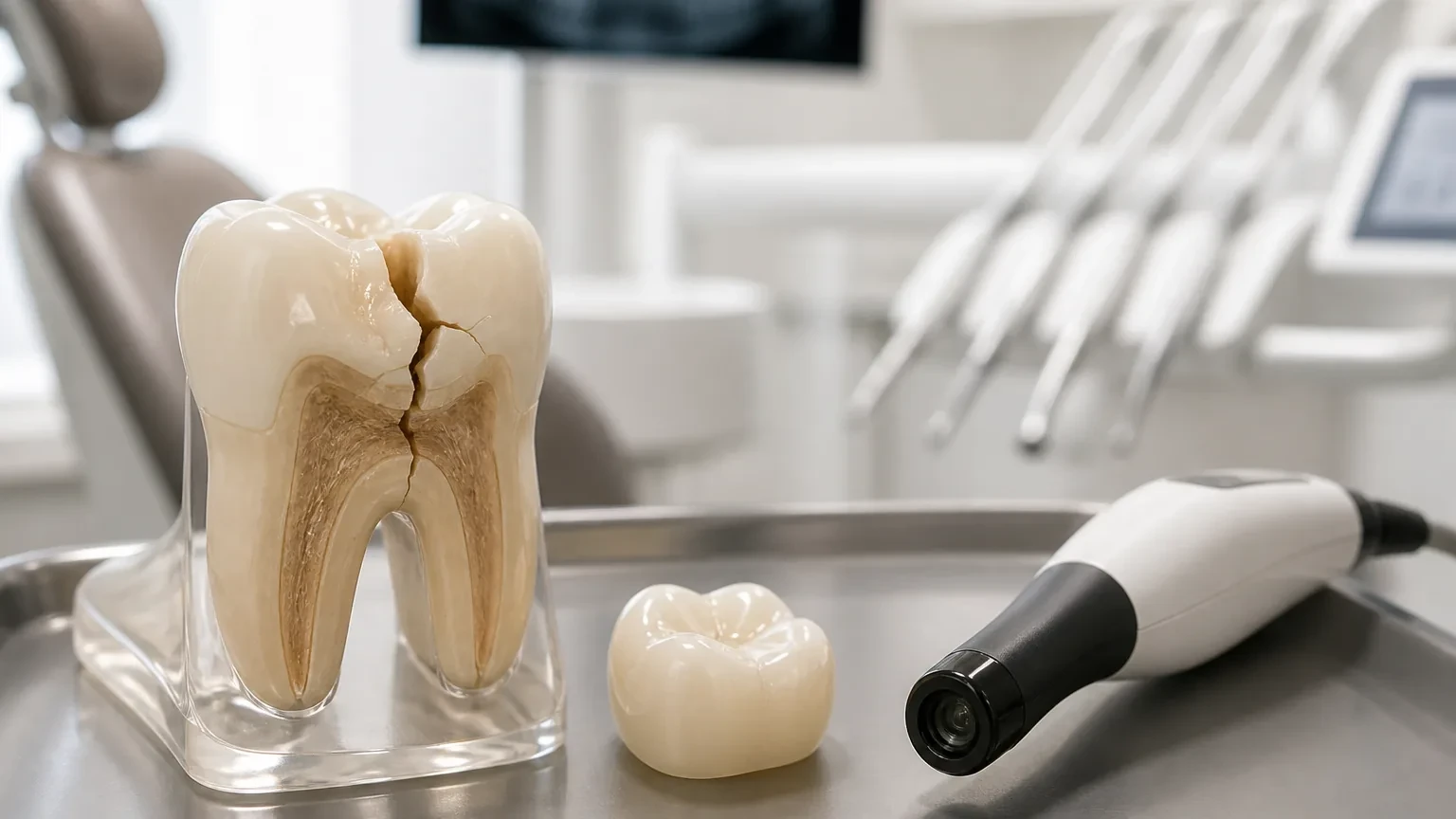
You may need a dental crown when a tooth no longer has enough strong structure to handle chewing with a filling alone. Crowns cover the visible part of the tooth, restore shape, and help spread bite forces over weakened walls. MouthHealthy explains that crowns restore a tooth's shape, size, strength, and appearance. The reason matters: a crown for a cracked molar is a different conversation from a crown used to hold a bridge or rebuild a badly worn tooth.
Crown Candidacy Checklist
- Large old filling: thin tooth walls remain after decay or replacement filling removal.
- Broken cusp: a chewing corner is missing or flexes under pressure.
- Crack symptoms: sharp pain appears when biting, releasing, or chewing on one side.
- Root canal history: a back tooth needs protection after internal treatment.
- Severe wear: grinding, erosion, or fractures have shortened or weakened the tooth.
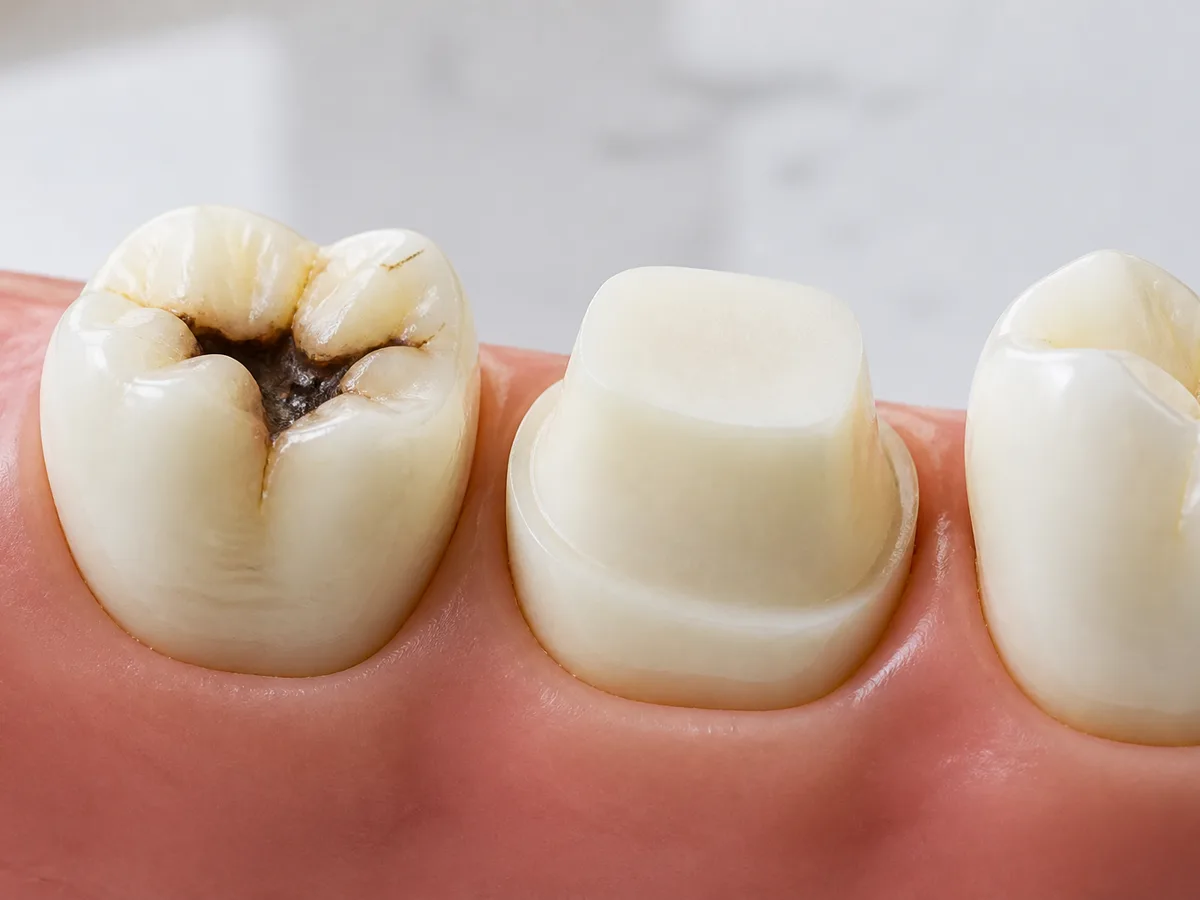 Coverage is chosen for support.
The amount of tooth left matters
A crown is often recommended when a filling would depend on tooth walls that are already too thin, cracked, or unsupported. Photos and X-rays can show whether the problem is mostly cosmetic, mostly structural, or both.
How Dentists Sort The Decision
Dentists look at the size of the defect, the depth of decay, the location of the crack, gumline access, and the way the tooth meets the opposing tooth. A small cavity in solid enamel may need a filling. A molar with one remaining wall may need a crown because the filling would be larger than the tooth it is trying to save. For the filling comparison, read Crown Vs Filling: How Do Dentists Decide?.
Timing also depends on symptoms. A quiet tooth with a planned crown can usually be scheduled normally. A tooth that hurts when biting, keeps losing pieces, or has swelling needs faster attention. If the nerve is inflamed or infected, root canal treatment may come before the crown. If the fracture extends below the gumline, extraction or an implant plan may be discussed instead.
Crowns are not only for emergencies. They can restore a tooth after trauma, support a bridge, cover an implant abutment, or improve shape when wear has changed how the teeth fit together. A careful plan should explain whether the crown protects the tooth, replaces missing structure, improves the bite, anchors another restoration, or does several of those jobs at once.
A second opinion can be useful when the tooth is quiet and the choice feels expensive or sudden. Bring recent X-rays if you have them and ask both offices to describe the same facts: how deep the filling is, whether a cusp is cracked, how close the damage sits to the nerve, and whether an onlay would protect enough tooth. If two dentists agree on the diagnosis but differ on timing, ask what sign would make the crown urgent. If they disagree on the diagnosis, ask what test or image would settle the question.
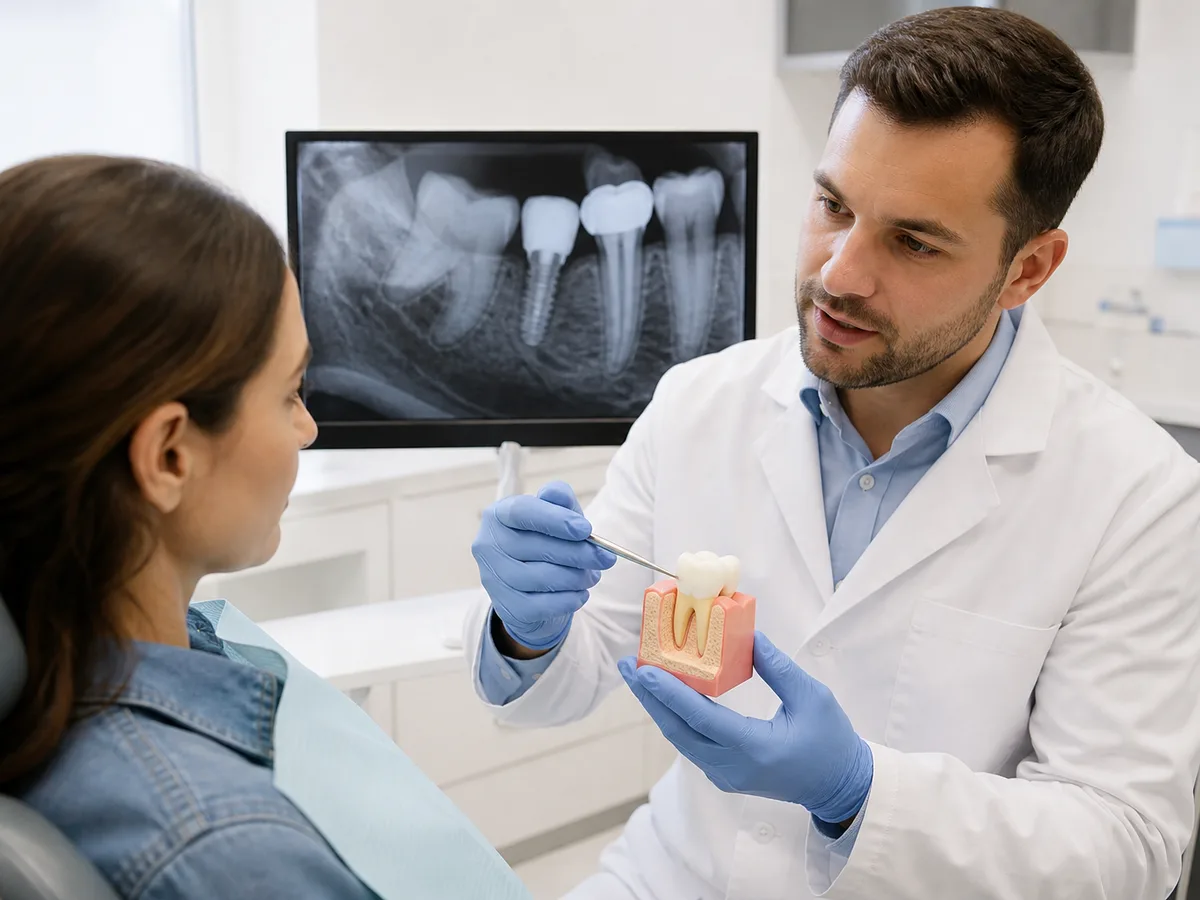 The clearest crown plans are visible.
Ask to see the evidence
Ask which finding makes a crown the best option and what could happen if treatment is delayed. If you need a local opinion, use find a dentist and mention any biting pain, broken edges, or root canal history when scheduling.
Questions Worth Asking
Ask whether an onlay, filling, or monitoring is reasonable and why one option is favored. Ask how much healthy tooth remains, whether a buildup is needed, how the crown margin will be cleaned, and how long the temporary phase will last. If you want to understand expected service life after treatment, see How Long Do Dental Crowns Last? and What Are Dental Crowns Made Of?.
Related articles
Keep exploring related topics from Dental Country.
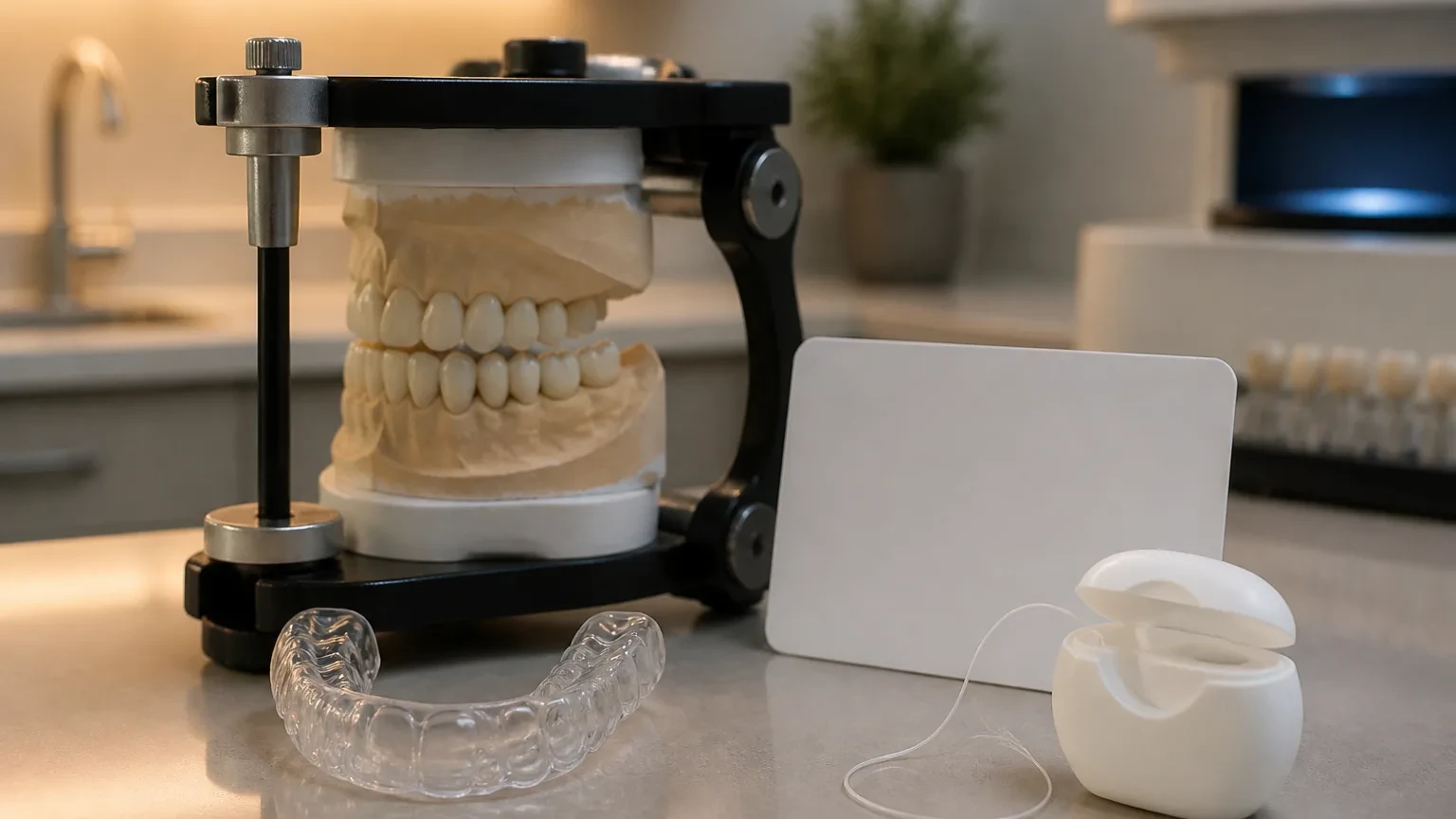
How Long Do Dental Crowns Last?
Crown lifespan is not a fixed warranty. The tooth underneath, the bite around it, and the edge where plaque collects decide much of the outcome.
Read article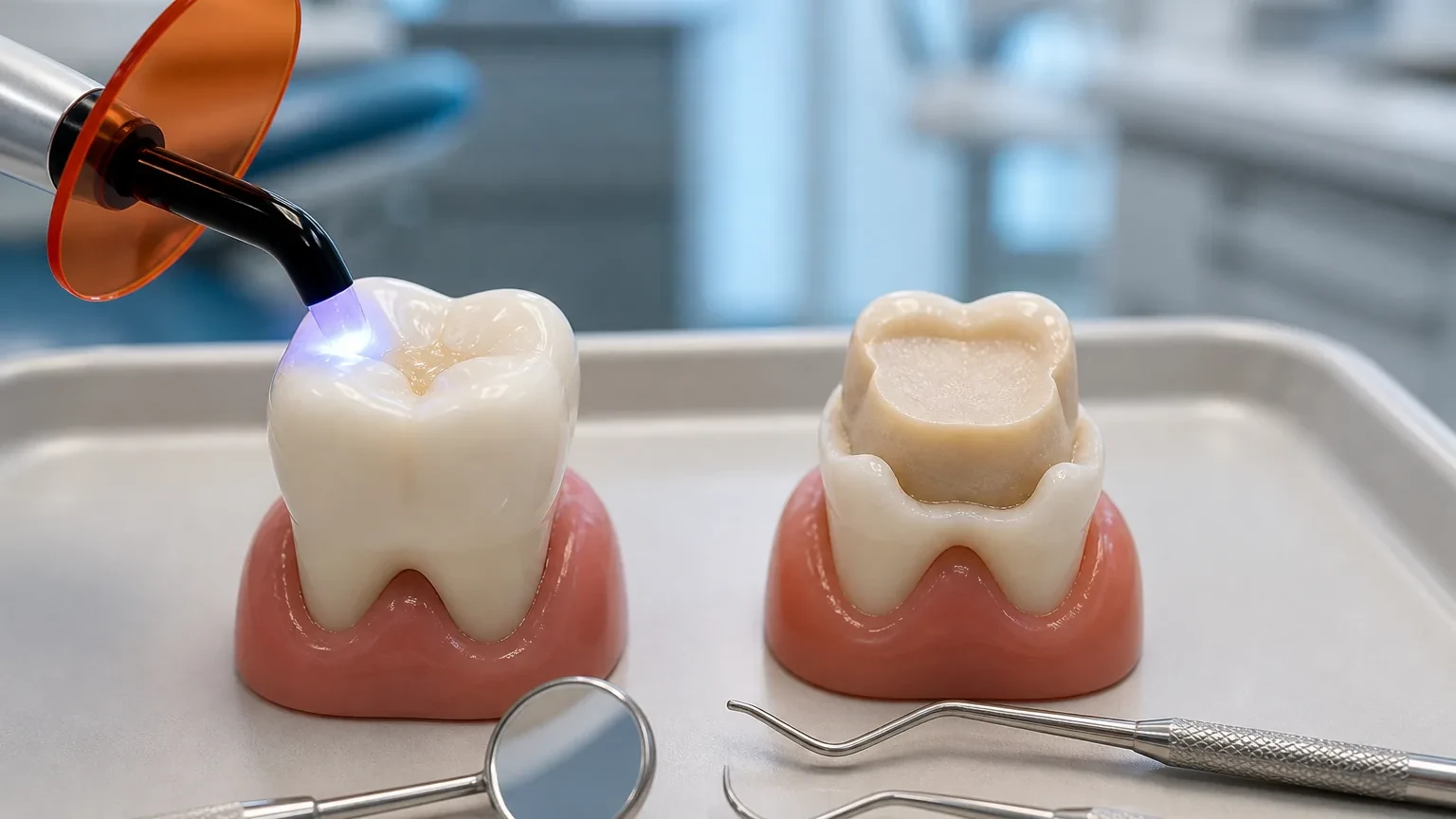
Crown Vs Filling: How Do Dentists Decide?
A filling replaces missing tooth. A crown protects what is left. The right choice depends on structure, cracks, bite, and how much tooth remains.
Read article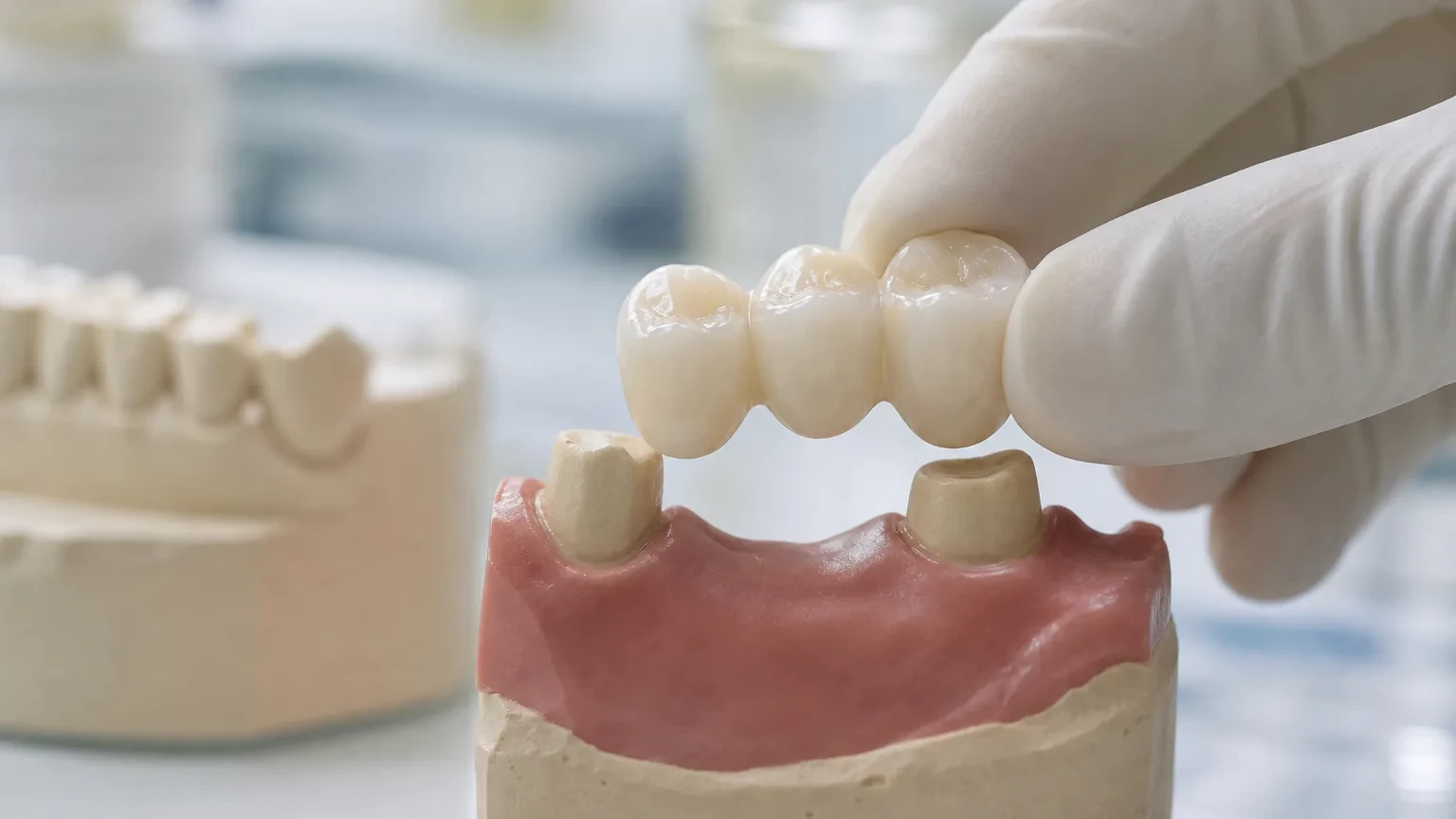
What Is A Dental Bridge?
A dental bridge fills a tooth gap with an artificial tooth supported by neighboring teeth or implants, but the anchors and cleaning plan matter.
Read article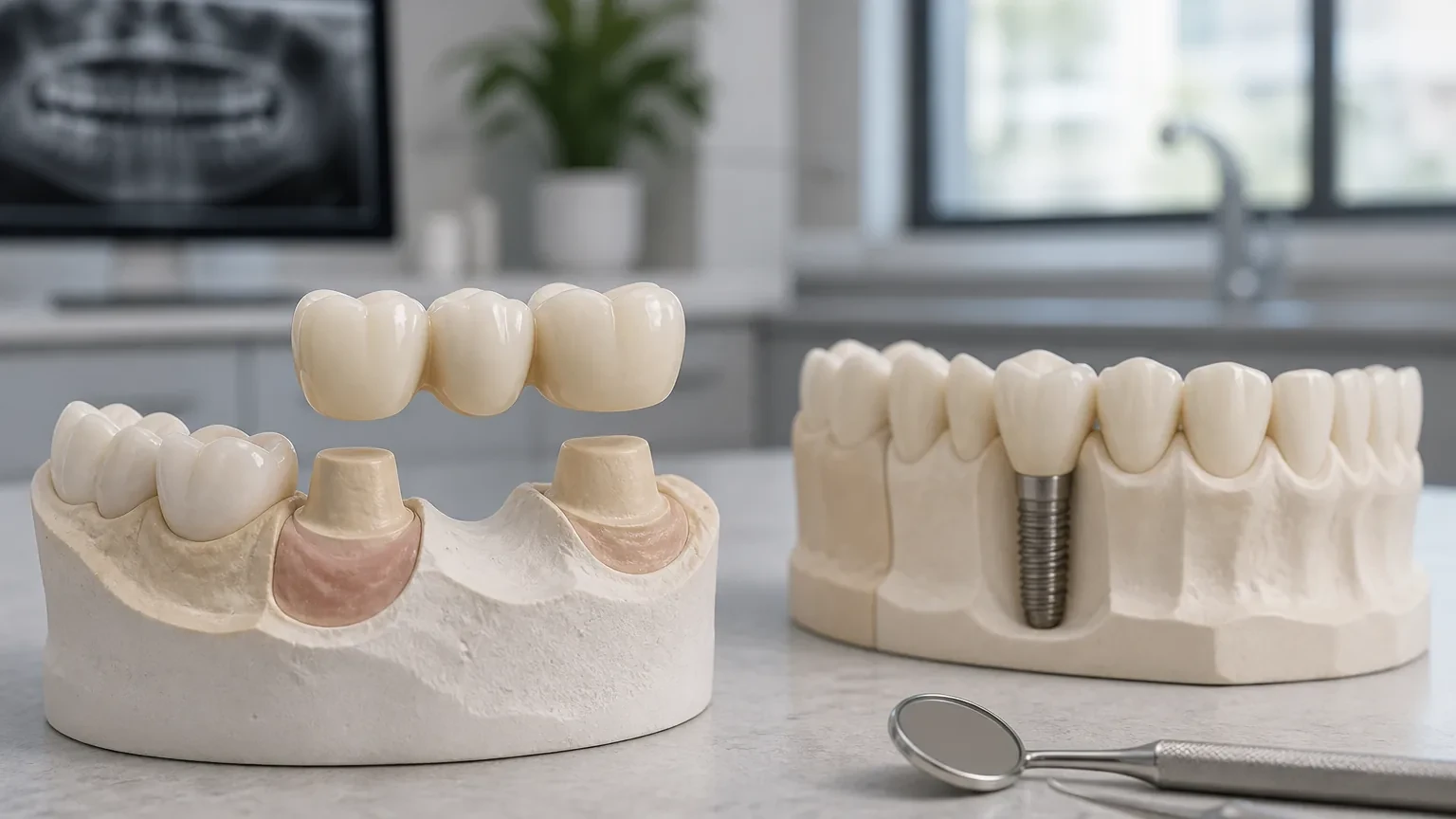
Dental Bridge Vs Implant: Which Is Better?
Bridges and implants both replace missing teeth, but they ask different things from bone, neighboring teeth, timeline, surgery, and maintenance.
Read article