
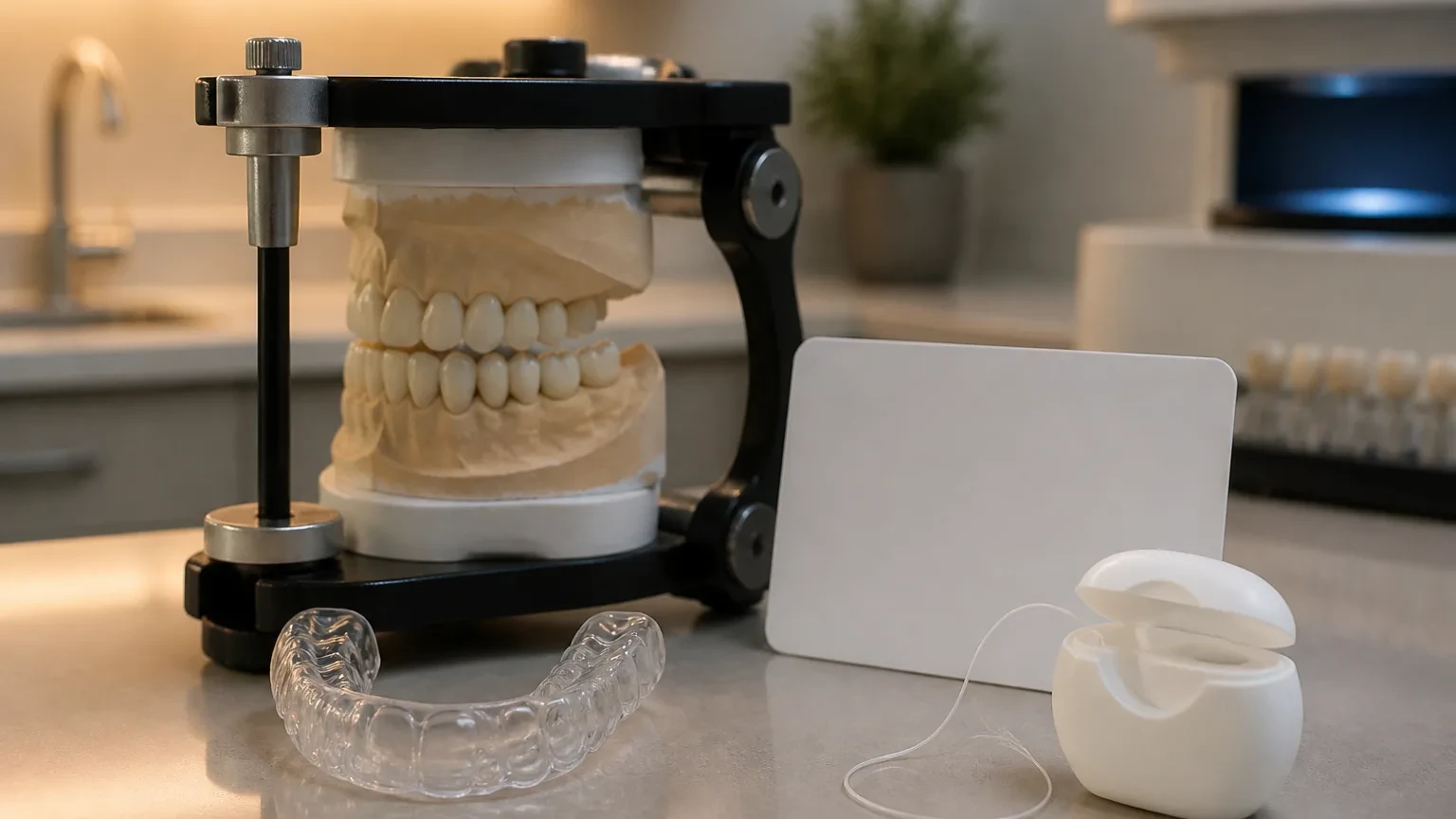
How Long Do Dental Crowns Last?
Dental crowns can last many years, but material, bite force, grinding, decay risk, margins, and home care all affect replacement timing over time.

Reviewed by Dr. Sean Myran, DMDDoctor of Dental Medicine, University of Pennsylvania
Dental crowns can last many years, but the honest answer is a range rather than a guarantee. A well-made crown on a stable tooth may serve for a decade or longer. Another crown may fail early if decay starts at the margin, a crack continues under the crown, or grinding overloads the restoration. MouthHealthy notes that crowns cover damaged teeth to restore strength and appearance, but the covered tooth still needs maintenance.
What Changes The Calendar
- Tooth foundation: more remaining tooth usually means better support.
- Material: zirconia, porcelain-fused-to-metal, ceramic, and metal crowns age differently.
- Bite forces: clenching, grinding, and edge-to-edge bites can chip or loosen crowns.
- Margin health: decay often starts where crown and tooth meet.
- Cleaning access: tight spaces and deep margins can make plaque harder to control.
 The margin is the quiet risk zone.
Longevity often starts at the edge
A crown can look fine from the chewing surface while a tiny margin problem develops near the gumline. Regular exams help catch leakage, decay, bite changes, and gum recession before replacement becomes urgent.
Why One Crown Outlasts Another
Two crowns placed on the same day can age differently because the mouths around them are different. A crown on a front tooth may face mostly speaking and smiling forces. A crown on a back molar may crush food thousands of times a day. A person with dry mouth, frequent snacking, reflux, or high cavity risk may need closer checks than someone with low plaque levels and steady saliva.
Material choice also matters, but it is not the only factor. Zirconia may resist fracture well in heavy bite areas. Layered porcelain can look beautiful but may chip if the bite is not managed. Gold or high noble metal crowns can be gentle on opposing teeth, though fewer patients choose their color for visible areas. For material details, see What Are Dental Crowns Made Of?.
Replacement is considered when decay reaches under the crown, the crown loosens repeatedly, the bite changes, porcelain fractures, a root problem appears, or the supporting tooth no longer has a good prognosis. Sometimes repair is possible. Other times the crown must come off so the dentist can see what remains underneath.
The age of a crown by itself is not a diagnosis. An older crown with clean margins, stable bone, and a comfortable bite may simply need routine monitoring. A newer crown with a high bite or rough open edge may need attention sooner. Keep a record of when the crown was placed, whether a root canal was done, and what material was used. Those details help a new dentist judge whether changes are normal aging or a sign that replacement planning should start.
If a crown feels different, schedule a check while the change is still small and easier to explain.
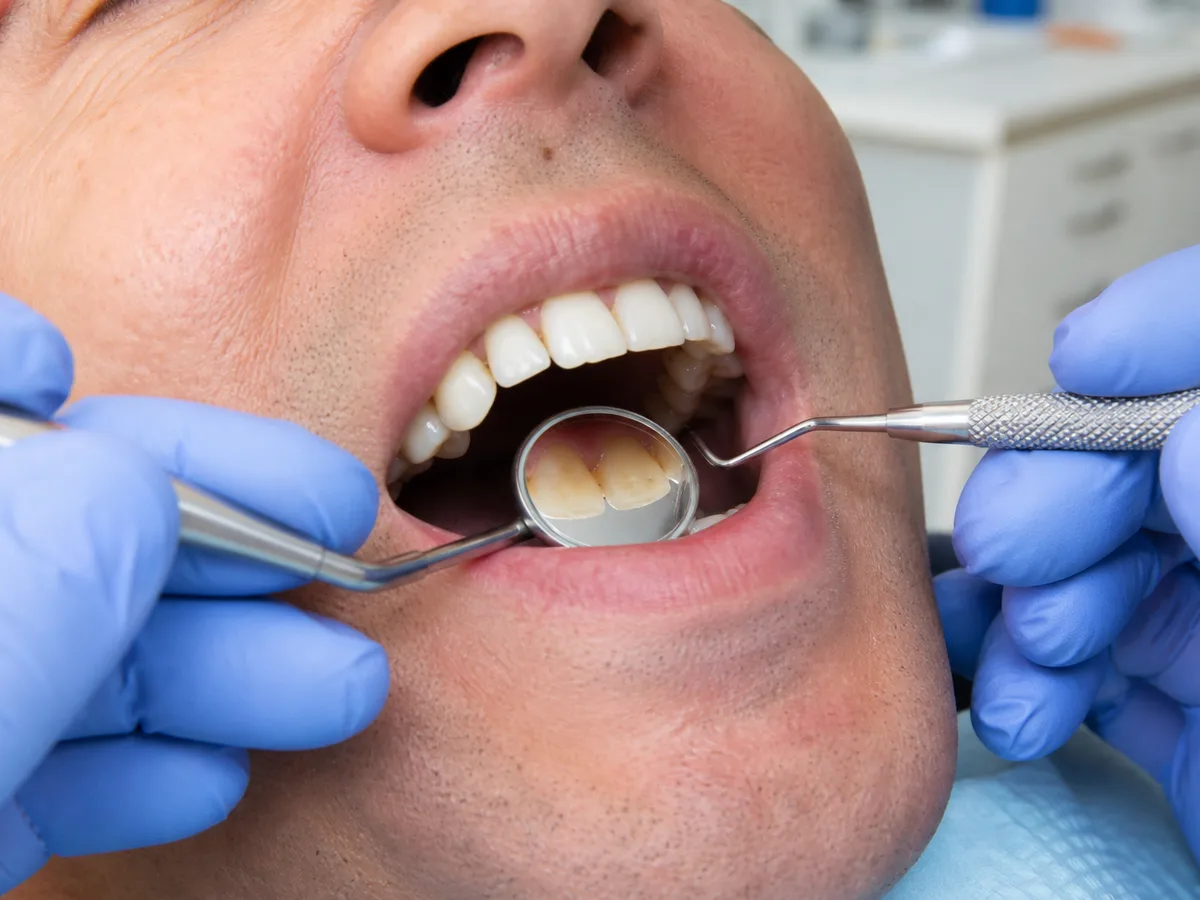 A guard can be cheaper than a remake.
Protect the crown from avoidable force
If you clench, grind, chew ice, or break restorations, ask whether a nightguard should be part of the crown plan. To schedule a crown check with a local office, use find a dentist and describe any looseness, roughness, or food catching.
How To Help A Crown Last
Brush the gumline, clean between teeth daily, keep recall visits, and report changes early. Avoid using crowned teeth to open packaging or crack shells. If floss shreds at one spot, the crown feels high, or a bad taste keeps returning near the margin, do not wait for pain. For daily maintenance habits, read How Do You Care For A Dental Crown? and compare cost planning in How Much Does A Dental Crown Cost?.
Related articles
Keep exploring related topics from Dental Country.
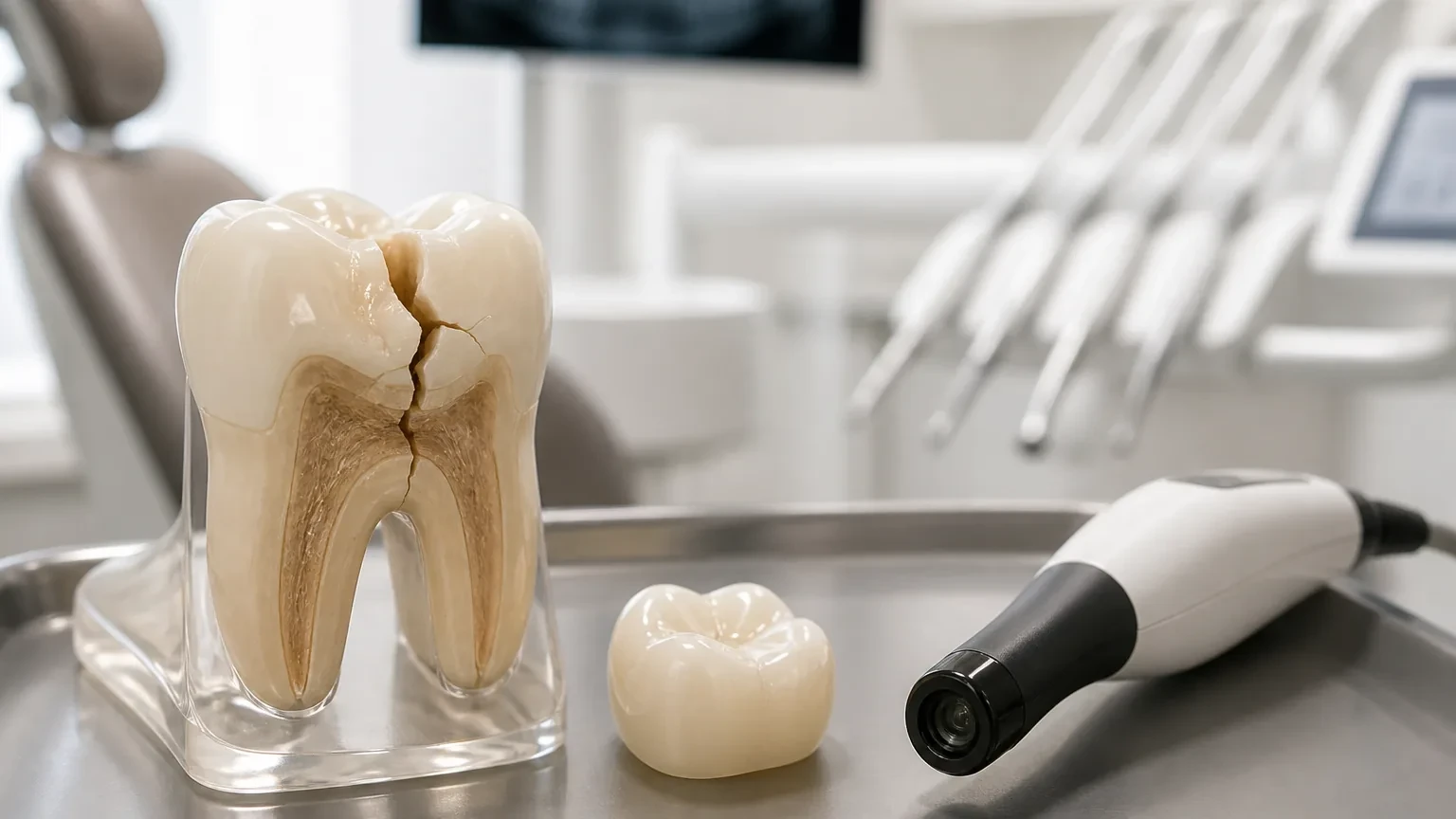
When Do You Need A Dental Crown?
A crown recommendation usually means the tooth needs reinforcement, not just a patch. The deciding clues are cracks, walls, bite, and remaining enamel.
Read article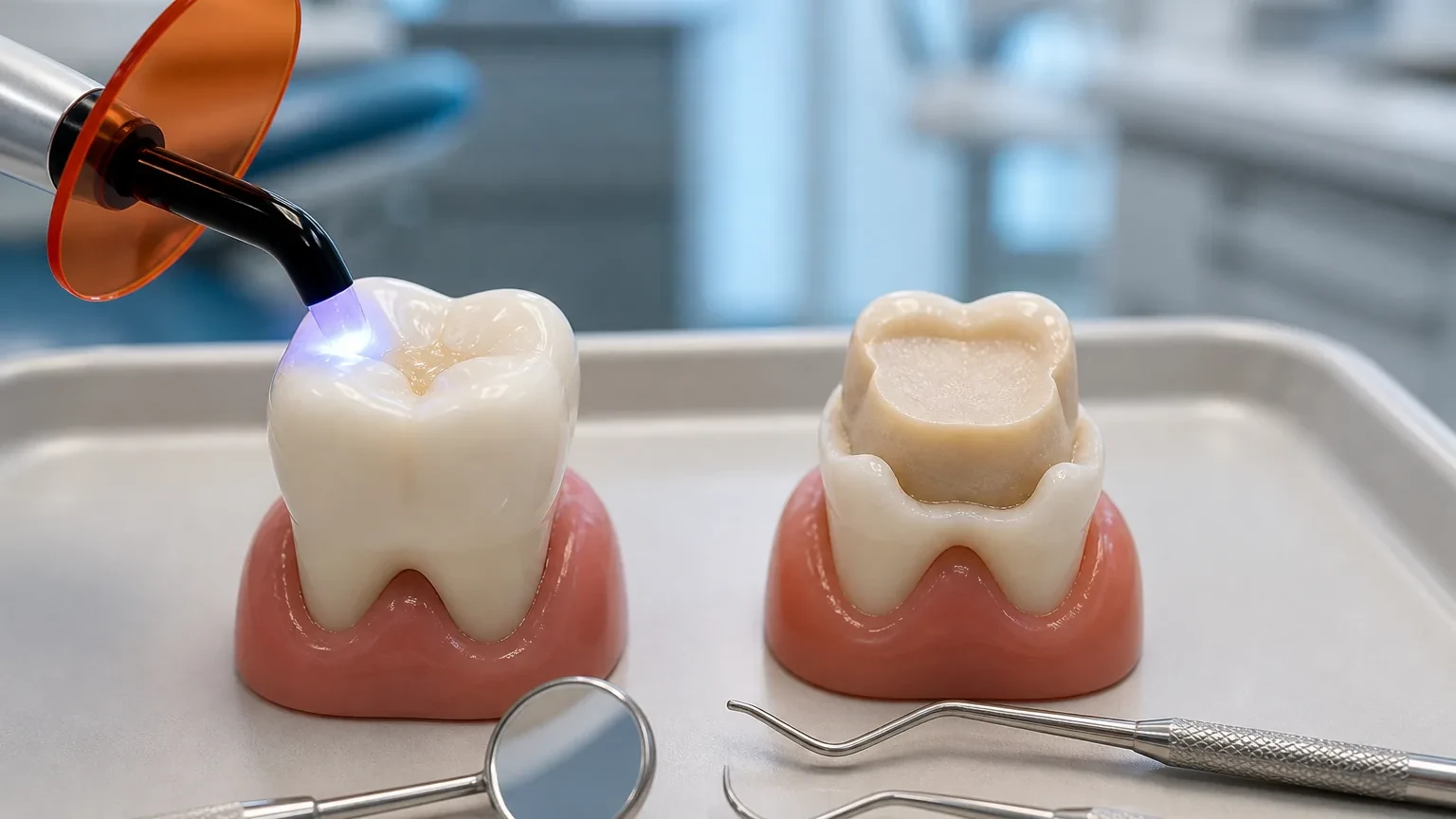
Crown Vs Filling: How Do Dentists Decide?
A filling replaces missing tooth. A crown protects what is left. The right choice depends on structure, cracks, bite, and how much tooth remains.
Read article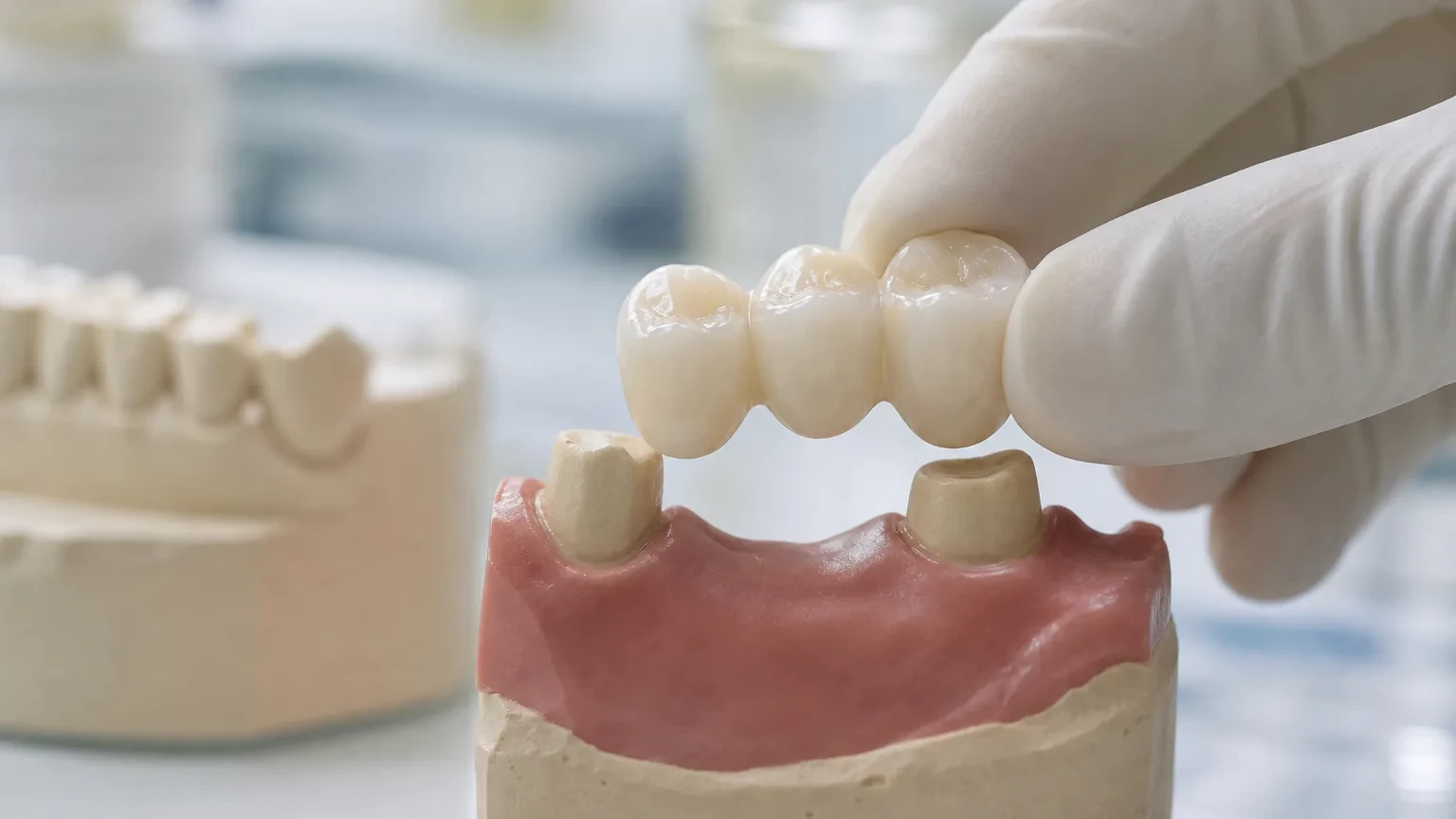
What Is A Dental Bridge?
A dental bridge fills a tooth gap with an artificial tooth supported by neighboring teeth or implants, but the anchors and cleaning plan matter.
Read article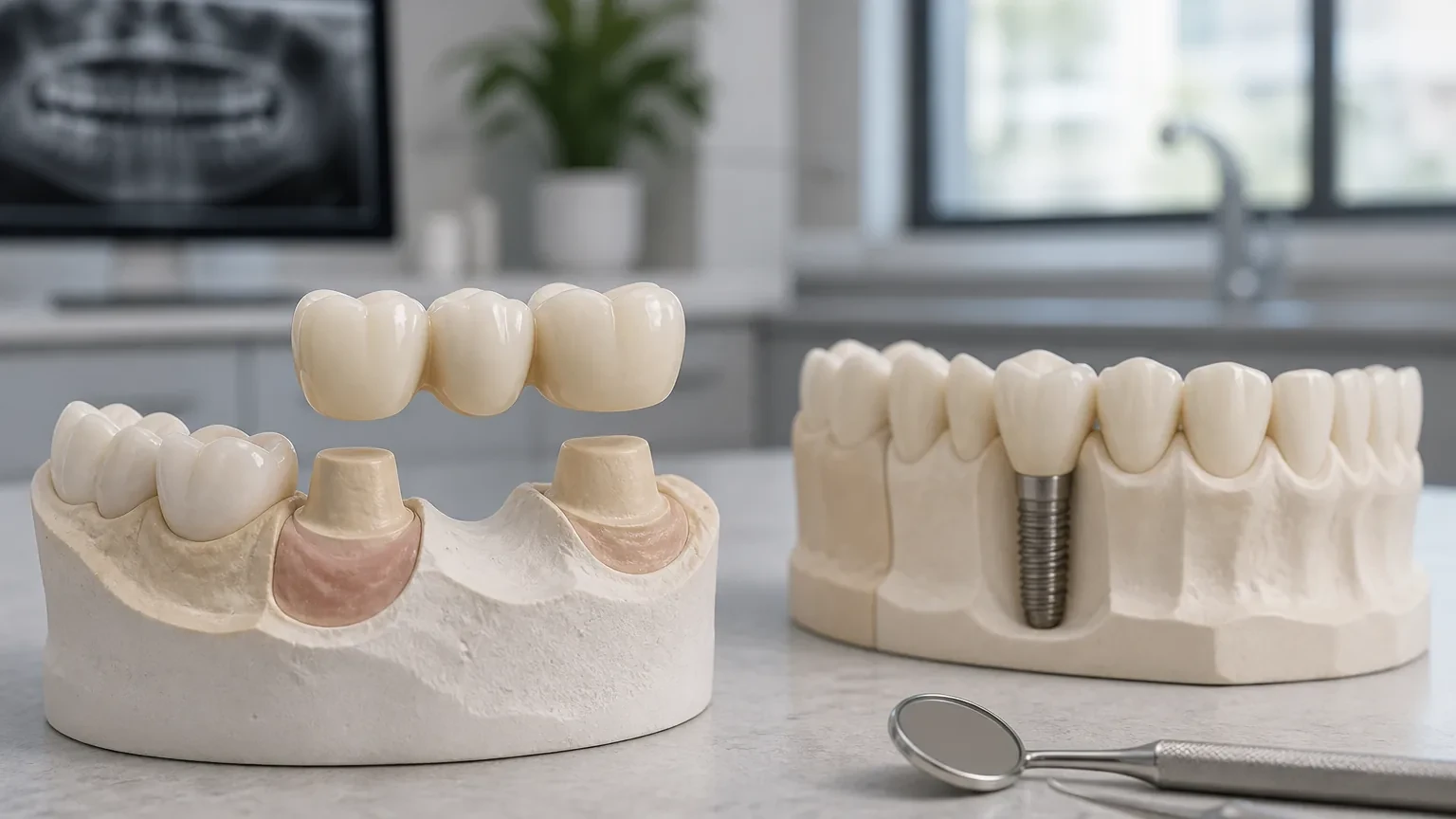
Dental Bridge Vs Implant: Which Is Better?
Bridges and implants both replace missing teeth, but they ask different things from bone, neighboring teeth, timeline, surgery, and maintenance.
Read article