
How Do You Care For A Dental Crown?
Care for a dental crown by cleaning the margin, flossing daily, avoiding destructive biting habits, managing grinding, and reporting changes early.

Reviewed by Dr. Sean Myran, DMDDoctor of Dental Medicine, University of Pennsylvania
You care for a dental crown by caring for the tooth and gumline around it. The crown material cannot get a cavity, but the natural tooth at the edge can. Plaque can also irritate the gum around the crown margin. MedlinePlus emphasizes brushing, flossing, and regular dental visits for oral health. That means crown care is not a special mystery; it is consistent cleaning with extra attention to the margin.
A Daily Crown Routine
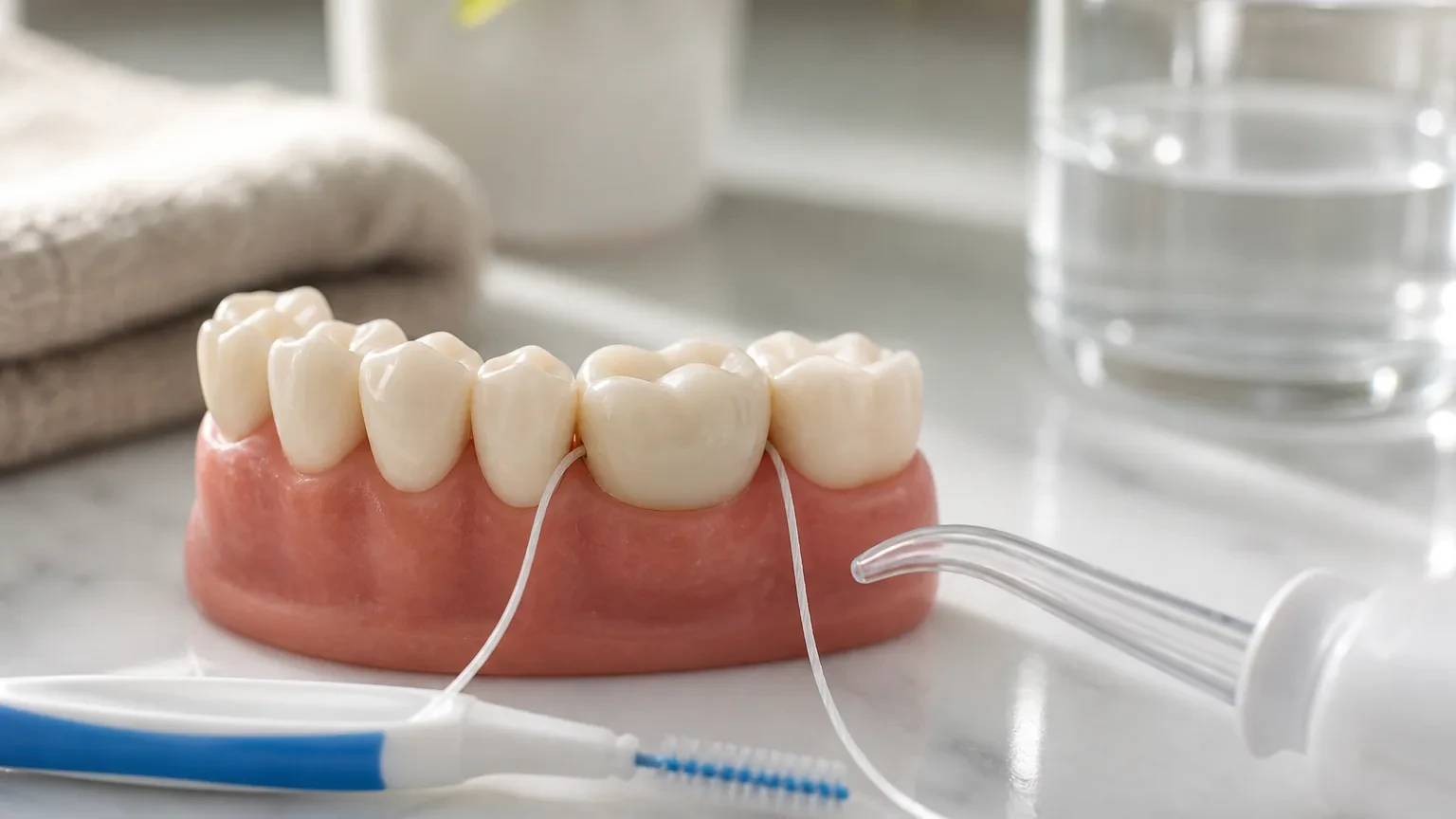
- Brush the margin: angle bristles gently where crown, tooth, and gum meet.
- Clean between teeth: floss, interdental brushes, or a water flosser can help depending on the space.
- Use fluoride: toothpaste and dentist-recommended rinses can lower decay risk around edges.
- Protect the bite: wear a nightguard if one is prescribed for grinding.
- Watch changes: report looseness, roughness, odor, or food catching.
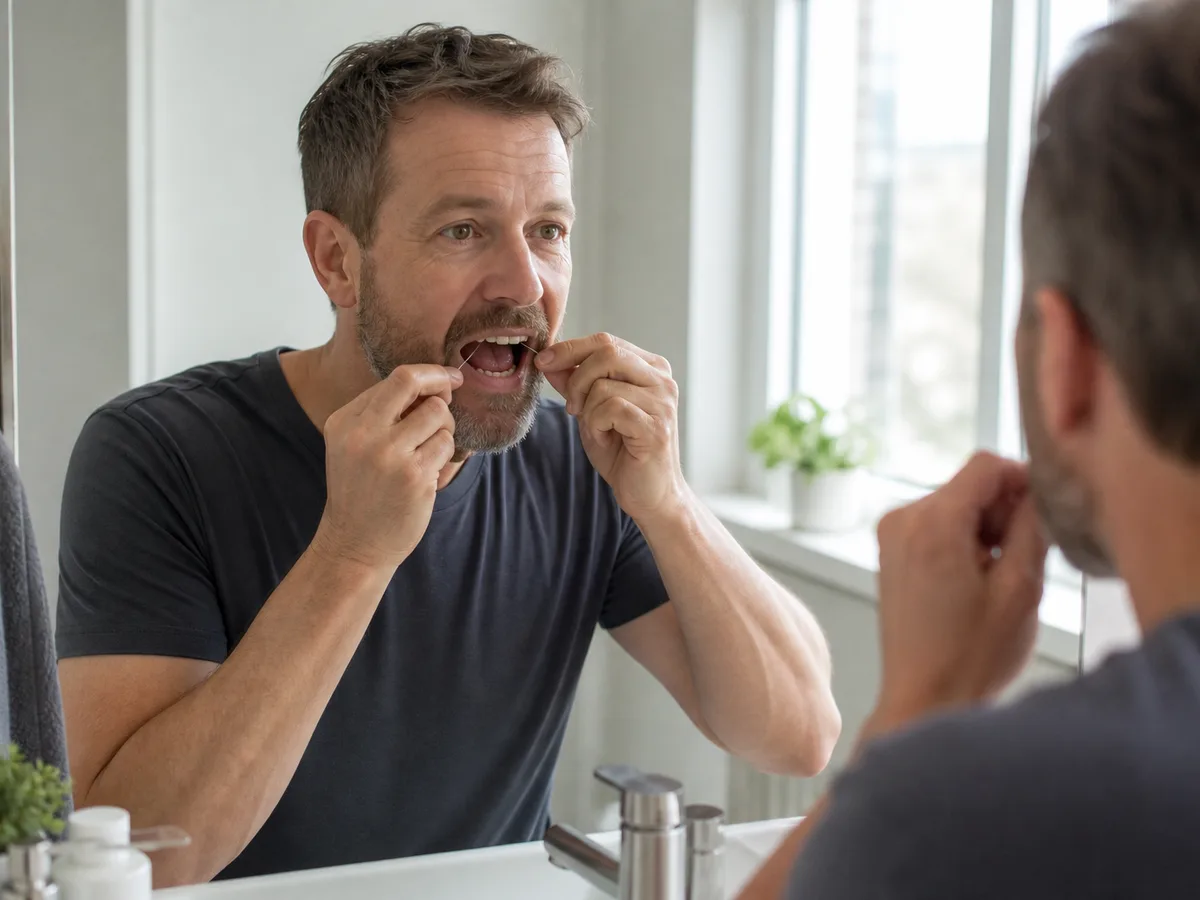 Margins reward gentle consistency.
Clean where the crown meets tooth
The crown-tooth margin is the most important cleaning target. If floss catches or shreds repeatedly, ask the office to check the contact and edge instead of forcing harder and irritating the gum.
Foods And Habits To Respect
A crown is built for normal chewing, not for cracking ice, opening packages, biting fingernails, or holding tools. Sticky candies can tug on temporary crowns and sometimes on older permanent crowns. Very hard foods can chip porcelain or stress the cement seal. You do not have to eat fearfully, but you should stop using crowned teeth as multipurpose tools.
Grinding and clenching deserve special attention. A crown may survive for years in a calm bite and fail quickly in a heavy grinding pattern. If you wake with jaw soreness, flatten tooth edges, or have a history of broken restorations, ask about a nightguard. For service-life factors, read How Long Do Dental Crowns Last?.
Checkups matter because many crown problems start quietly. The dentist can look for open margins, recurrent decay, bite marks, porcelain chips, gum inflammation, and X-ray changes around the root. A hygienist can suggest tools that fit the exact shape of your crown and surrounding teeth.
Diet patterns matter as much as brushing technique. Frequent sipping of sugary or acidic drinks can bathe the crown margin in conditions that favor decay. Dry mouth from medications, mouth breathing, or medical conditions can raise the same risk because saliva normally helps buffer acids. If you have had several cavities near crowns, ask about fluoride varnish, prescription toothpaste, salivary support, and recall intervals. The goal is to change the environment around the crown, not just replace restorations after they fail.
Electric brushes, water flossers, and small interdental brushes can help, but technique still matters. Bring your tools to a hygiene visit if you are unsure which size or angle reaches the crown margin without injuring the gum or leaving plaque behind between routine visits.
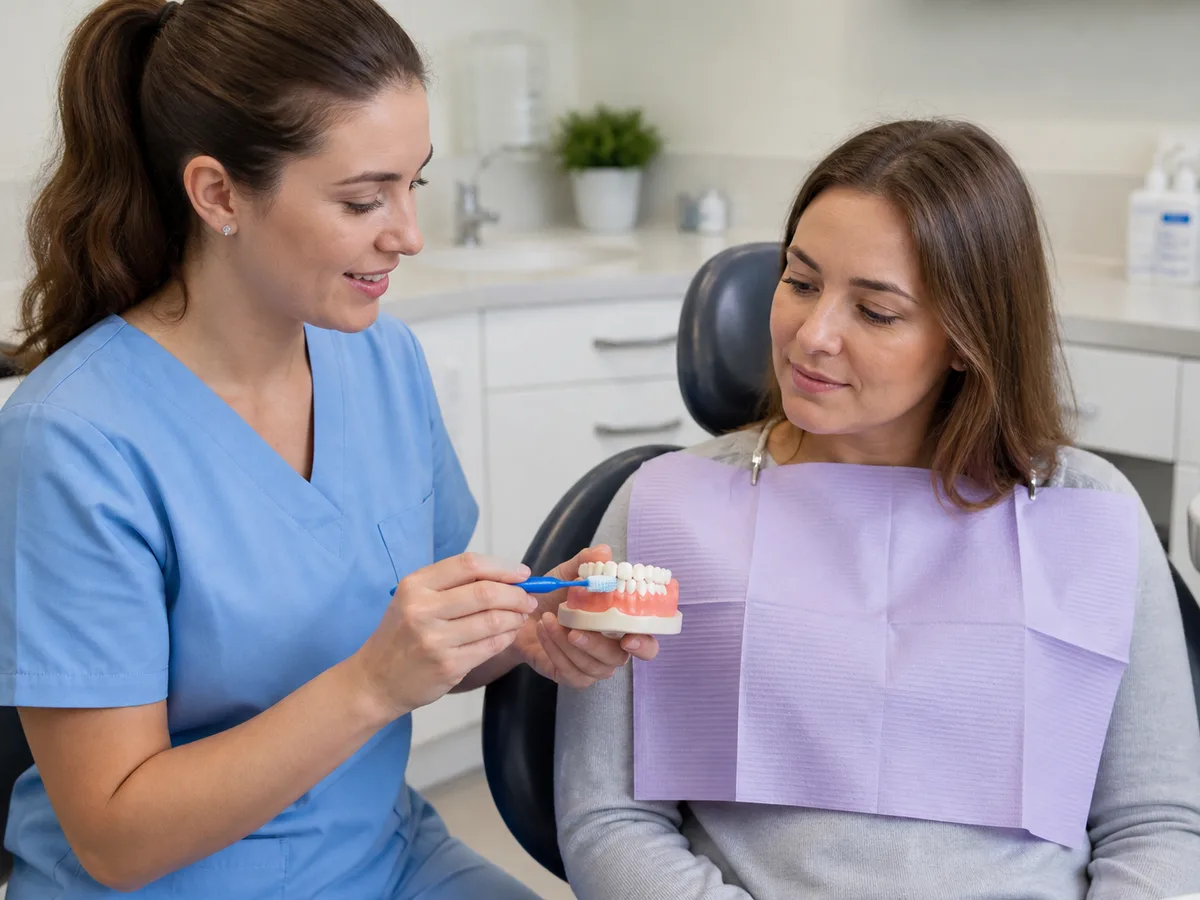 The best tool is the one that fits.
Match the tool to the space
Tight contacts may need floss. Wider spaces may clean better with small brushes. If you are overdue for a crown check or need help choosing tools, use find a dentist and ask for a restoration maintenance visit.
When To Call
Call if the crown feels loose, the bite suddenly feels high, gums swell near the crown, floss starts catching, a bad taste comes from one area, or pain appears when biting. Do not wait for severe pain before asking. A simple adjustment, recementation, or early decay repair is easier than treating a fractured tooth. If a crown actually comes off, follow the steps in Can A Dental Crown Fall Off? and keep the crown safe until you are seen.
Related articles
Keep exploring related topics from Dental Country.
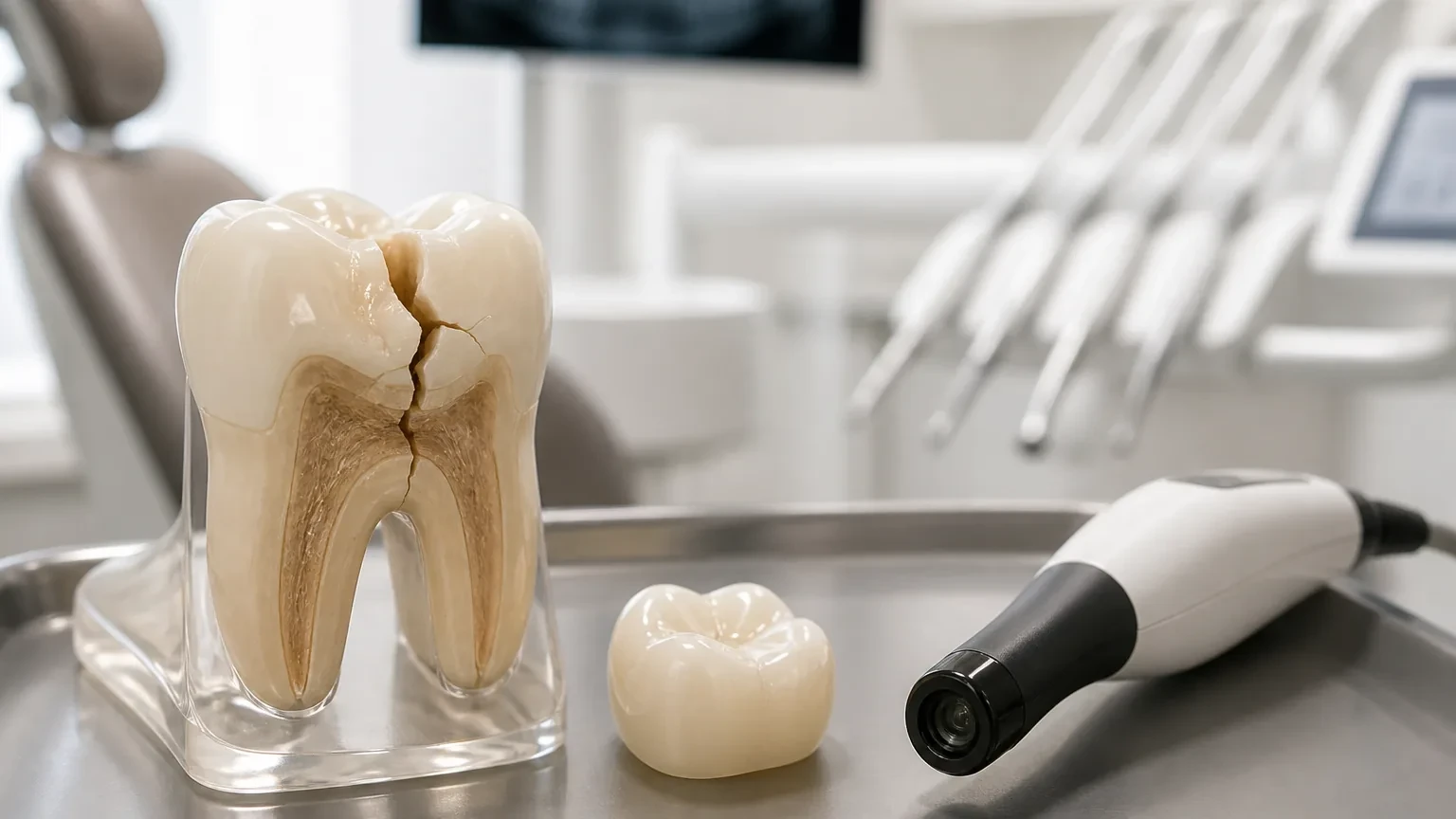
When Do You Need A Dental Crown?
A crown recommendation usually means the tooth needs reinforcement, not just a patch. The deciding clues are cracks, walls, bite, and remaining enamel.
Read article
How Long Do Dental Crowns Last?
Crown lifespan is not a fixed warranty. The tooth underneath, the bite around it, and the edge where plaque collects decide much of the outcome.
Read article
Crown Vs Filling: How Do Dentists Decide?
A filling replaces missing tooth. A crown protects what is left. The right choice depends on structure, cracks, bite, and how much tooth remains.
Read article
What Is A Dental Bridge?
A dental bridge fills a tooth gap with an artificial tooth supported by neighboring teeth or implants, but the anchors and cleaning plan matter.
Read article