
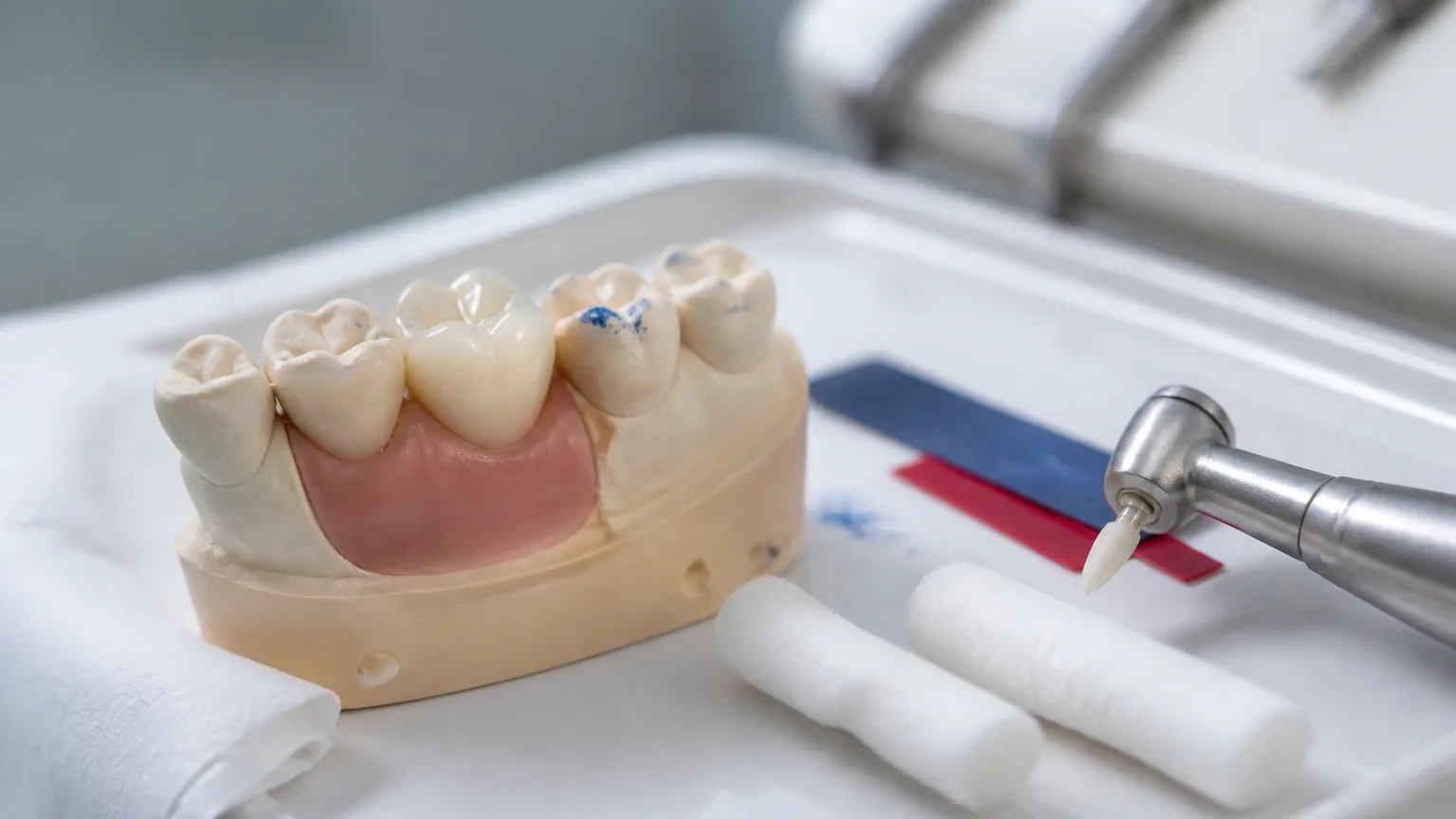
Why Does My Temporary Crown Hurt?
A temporary crown can hurt from bite height, gum irritation, exposed dentin, cement leakage, cracked tooth symptoms, or nerve inflammation signs.

Reviewed by Dr. Sean Myran, DMDDoctor of Dental Medicine, University of Pennsylvania
A temporary crown can hurt because the tooth was recently shaped, the gum was irritated, the bite is slightly high, the cement seal is imperfect, or the tooth nerve was already inflamed before treatment. Mild soreness for a short time can be expected. Sharp biting pain, swelling, throbbing, or a temporary crown that feels loose should be checked. MouthHealthy explains that crown treatment may involve a temporary crown while the final crown is made.
Common Temporary Crown Causes
- High bite: the temporary hits first and bruises the tooth ligament.
- Gum tenderness: preparation and impressions can leave the gum sore.
- Dentin sensitivity: cold or sweets reach freshly prepared tooth structure.
- Weak seal: temporary cement can wash out or loosen.
- Crack or nerve issue: the original tooth problem may still be active.
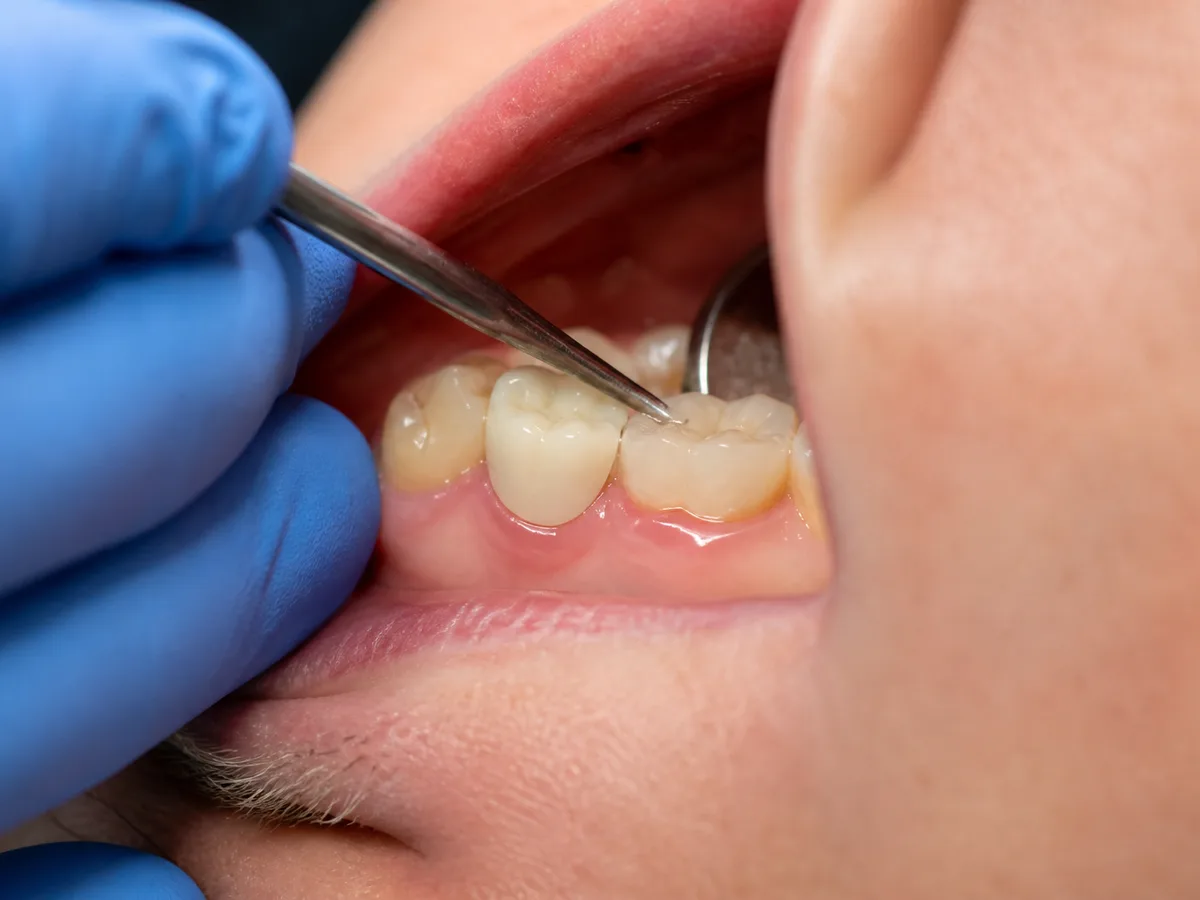 Do not tough out a high temporary.
A high bite is often fixable quickly
If the temporary crown touches before the other teeth, each bite can pound on the tooth. A small adjustment may calm the ligament and make the waiting period much easier.
What You Can Try Carefully
Chew on the other side if biting is tender. Avoid sticky candy, gum, hard crusts, ice, and foods that tug at the temporary. Brush gently around the gumline. If flossing, slide the floss out sideways rather than snapping upward, which can pull the temporary loose. Use pain relievers only as directed on the label or by your clinician.
Temperature sensitivity may improve as the tooth settles, but it should not escalate. A short zing to cold is different from lingering pain, spontaneous throbbing, or waking at night. Those stronger symptoms can mean the nerve is not recovering normally. If the tooth had a deep cavity or crack, root canal treatment may need to be discussed before the final crown is cemented.
A loose temporary deserves a call because exposed tooth structure can become sensitive and the prepared tooth can shift. If it comes off, do not sleep with it loose in your mouth. Save it, call the office, and ask whether they want you to use temporary dental cement from a pharmacy or come in directly.
Track the pattern instead of only rating the pain. Write down whether discomfort happens with cold, heat, sweets, chewing, flossing, or touching the gum. Notice whether it fades quickly or lingers. A gum sore from the procedure should usually trend better. A high bite often hurts with chewing and may feel bruised. Nerve irritation may throb, linger, or wake you. Those differences help the dentist decide whether to adjust the temporary, recement it, test the nerve, or delay the final crown.
Do not cancel the final crown visit because the temporary feels fine, and do not assume pain means the final crown is impossible. The temporary phase is a test period that gives the dentist useful feedback before permanent cement is used on the tooth.
 Specific symptoms speed triage.
Call when pain changes character
Tell the office whether pain is cold, hot, biting, throbbing, gum soreness, or looseness. If you need urgent local help, use find a dentist and explain that a temporary crown is painful or loose.
Before The Final Crown Goes On
Do not cement the final crown over unresolved symptoms without asking what they mean. The dentist may check the bite, X-ray the tooth, test the nerve, inspect the margins, or remake the temporary. For the overall appointment sequence, see How Long Does It Take To Get A Crown?. If the temporary comes off completely, the steps in Can A Dental Crown Fall Off? also apply until you get professional instructions.
Related articles
Keep exploring related topics from Dental Country.
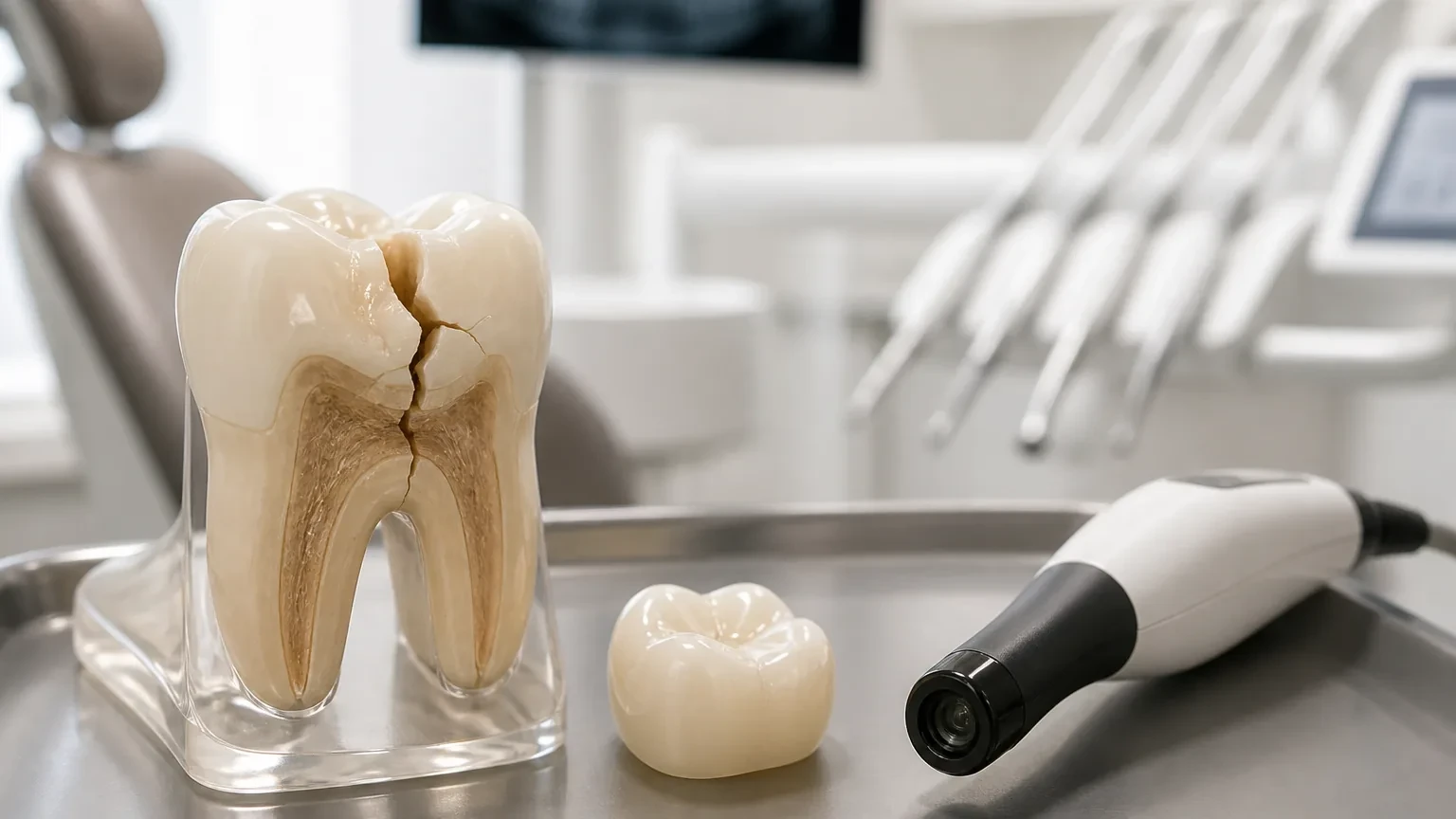
When Do You Need A Dental Crown?
A crown recommendation usually means the tooth needs reinforcement, not just a patch. The deciding clues are cracks, walls, bite, and remaining enamel.
Read article
How Long Do Dental Crowns Last?
Crown lifespan is not a fixed warranty. The tooth underneath, the bite around it, and the edge where plaque collects decide much of the outcome.
Read article
Crown Vs Filling: How Do Dentists Decide?
A filling replaces missing tooth. A crown protects what is left. The right choice depends on structure, cracks, bite, and how much tooth remains.
Read article
What Is A Dental Bridge?
A dental bridge fills a tooth gap with an artificial tooth supported by neighboring teeth or implants, but the anchors and cleaning plan matter.
Read article