
What Is The Difference Between Gingivitis And Periodontitis?
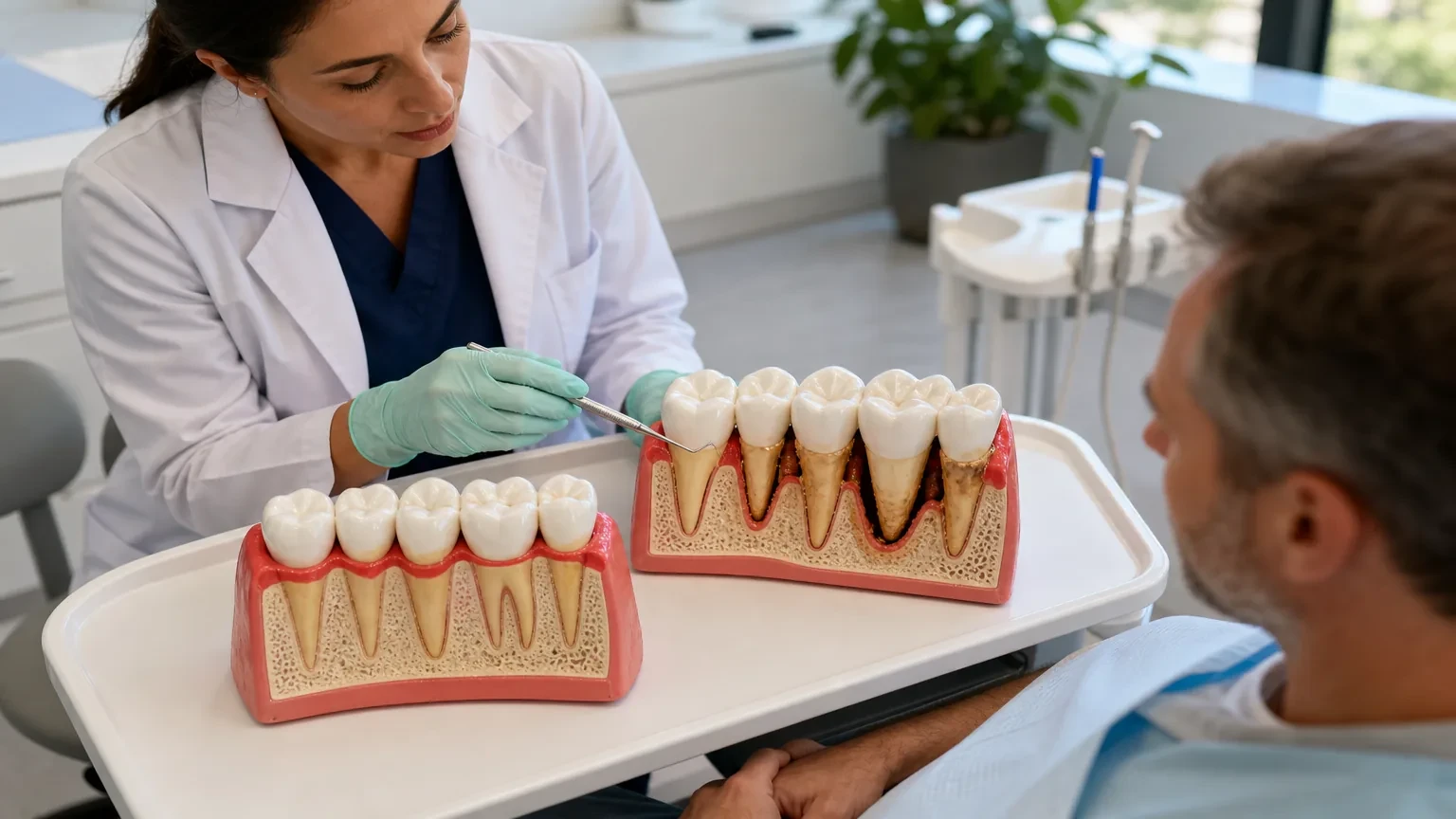
Gingivitis affects gum tissue and can often improve with early care; periodontitis reaches bone support and needs deeper ongoing treatment plans.

Reviewed by Dr. Sean Myran, DMDDoctor of Dental Medicine, University of Pennsylvania
Gingivitis is inflammation limited to the gum tissue around the teeth. Periodontitis is a more advanced periodontal infection that affects the ligament and bone holding teeth in place. The two can look similar in a bathroom mirror because both may cause bleeding, redness, and swelling. The difference is depth and damage. CDC explains that periodontal disease can progress from gum inflammation to loss of bone around teeth, which is why a dental exam matters even when symptoms feel mild.
Gingivitis And Periodontitis Compared
| Factor | Gingivitis | Periodontitis |
|---|---|---|
| Main tissue involved | Gum tissue at the margin | Gums, ligament, and bone support |
| Common signs | Bleeding, puffiness, tenderness, bad breath | Bleeding, deeper pockets, recession, loose or shifting teeth |
| Bone loss | Not expected | Present or at risk of progressing |
| Typical care | Cleaning, better daily plaque removal, risk control | Deep cleaning, periodontal maintenance, sometimes surgery or specialist care |
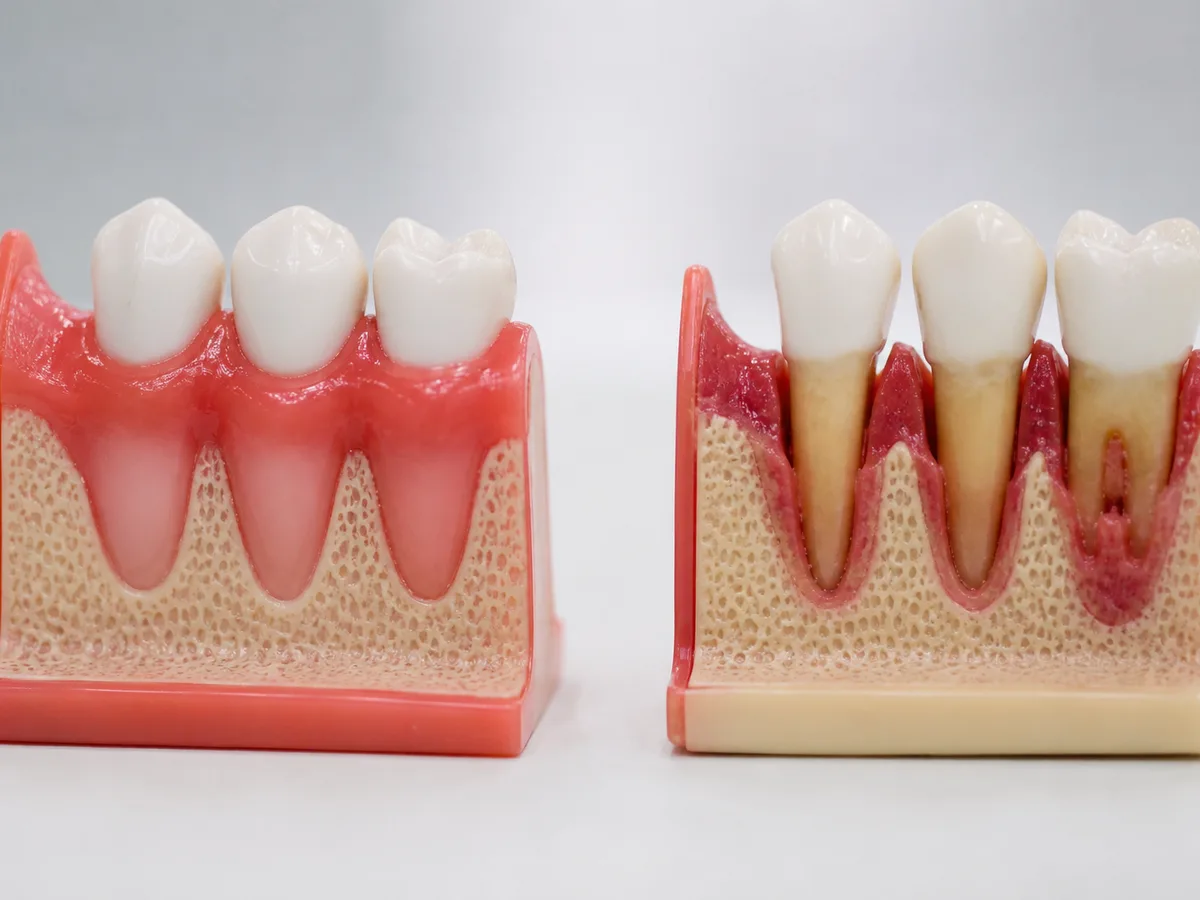 Depth is the clinical clue.
The probe finds what eyes miss
A gum pocket measurement shows how far inflammation extends below the gumline. Shallow bleeding areas may fit gingivitis. Deeper pockets, bone changes on X-rays, or loose teeth point toward periodontitis. Pain is not a reliable dividing line because both conditions can be quiet.
Why The Distinction Changes Treatment
Gingivitis can often improve when plaque and tartar are removed and daily cleaning becomes more consistent. That does not mean it is harmless. Untreated inflammation gives bacteria time to move into areas that are harder to clean. If you are wondering whether early changes can improve, Is Gum Disease Reversible? explains the stage-by-stage answer.
Periodontitis is different because bone support may already be reduced. Treatment is about controlling infection, slowing or stopping further breakdown, and keeping teeth stable. A periodontist may be involved when pockets are deep, bone loss is uneven, teeth are mobile, or surgery might improve access for cleaning. For the care sequence, see How Is Periodontal Disease Treated?.
Diagnosis combines pocket depths, bleeding points, gum recession, X-rays, bite forces, medical history, tobacco use, and home cleaning habits. Diabetes, smoking, some medicines, dry mouth, and family history can change risk. A person with mild-looking gums may still need close periodontal monitoring if the measurements and X-rays show deeper support loss.
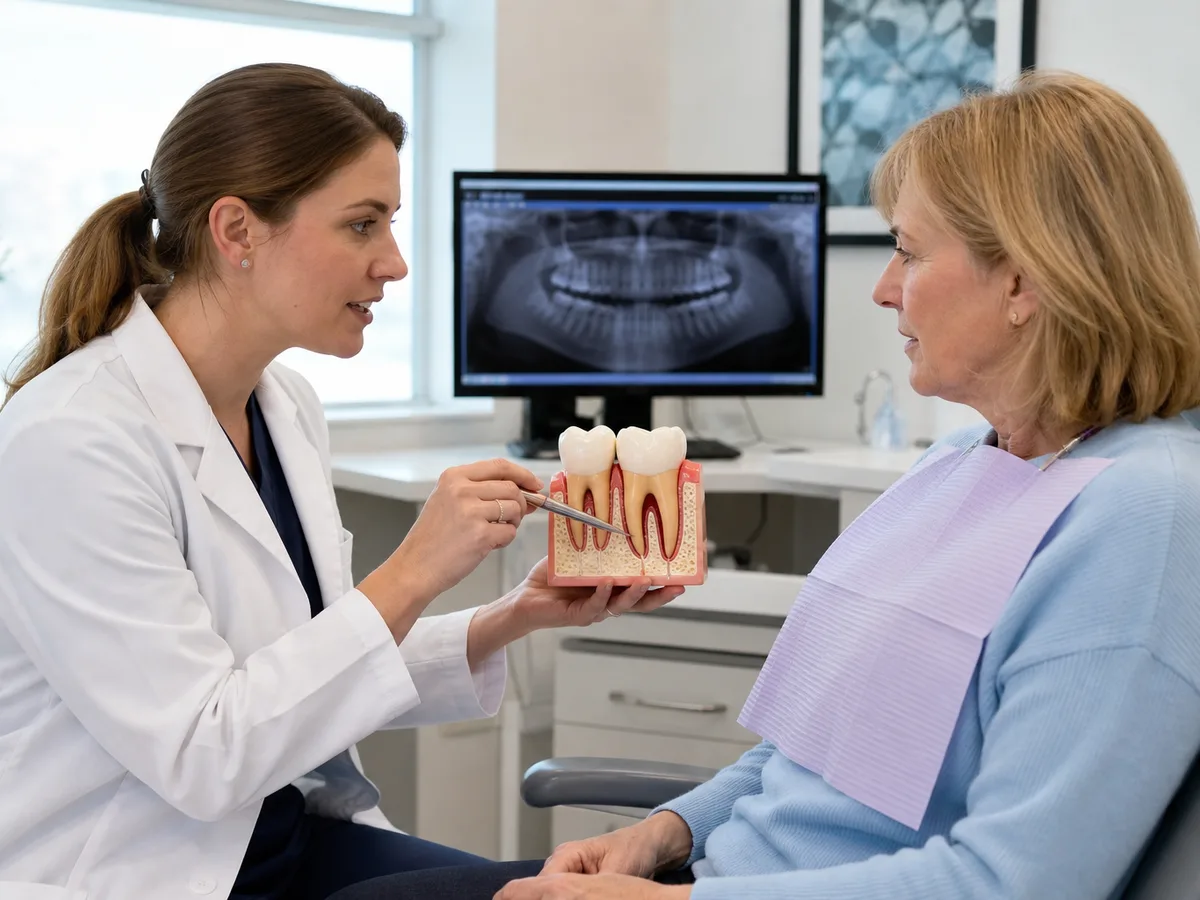 A measured diagnosis beats guessing.
Ask for your numbers
Pocket depths, bleeding sites, and bone levels make the conversation concrete. If you need a local exam, use find a dentist and ask whether the visit includes periodontal charting and X-rays when appropriate.
How To Read Bleeding Gums
Bleeding is common, but it should not be treated as normal. If gums bleed while brushing, start with careful cleaning at the gumline and schedule an exam if it persists. A dentist can tell whether the problem is gingivitis, periodontitis, a rough filling, aggressive brushing, medication effects, or another issue. The difference between the two diseases is not shame or effort; it is whether support around the teeth is still intact.
For symptom patterns that deserve attention, read What Are Early Signs Of Gum Disease?.
A practical next step is to ask the clinician to explain the diagnosis tooth by tooth. Some mouths have gingivitis in one area and periodontitis in another, especially around crowded lower front teeth, old restorations, or molars that are difficult to clean. That mixed picture is why treatment may include a regular cleaning in some areas and deeper periodontal therapy in others. Follow-up also matters. If bleeding improves and pocket depths stay shallow, gingivitis may have been the main issue. If pockets remain deep or X-rays show bone loss, the plan usually shifts toward maintenance and long-term monitoring.
If you remember only one detail, make it the measurement. Gum color starts the conversation, but pocket depths and X-rays decide whether the problem is still early.
Related articles
Keep exploring related topics from Dental Country.
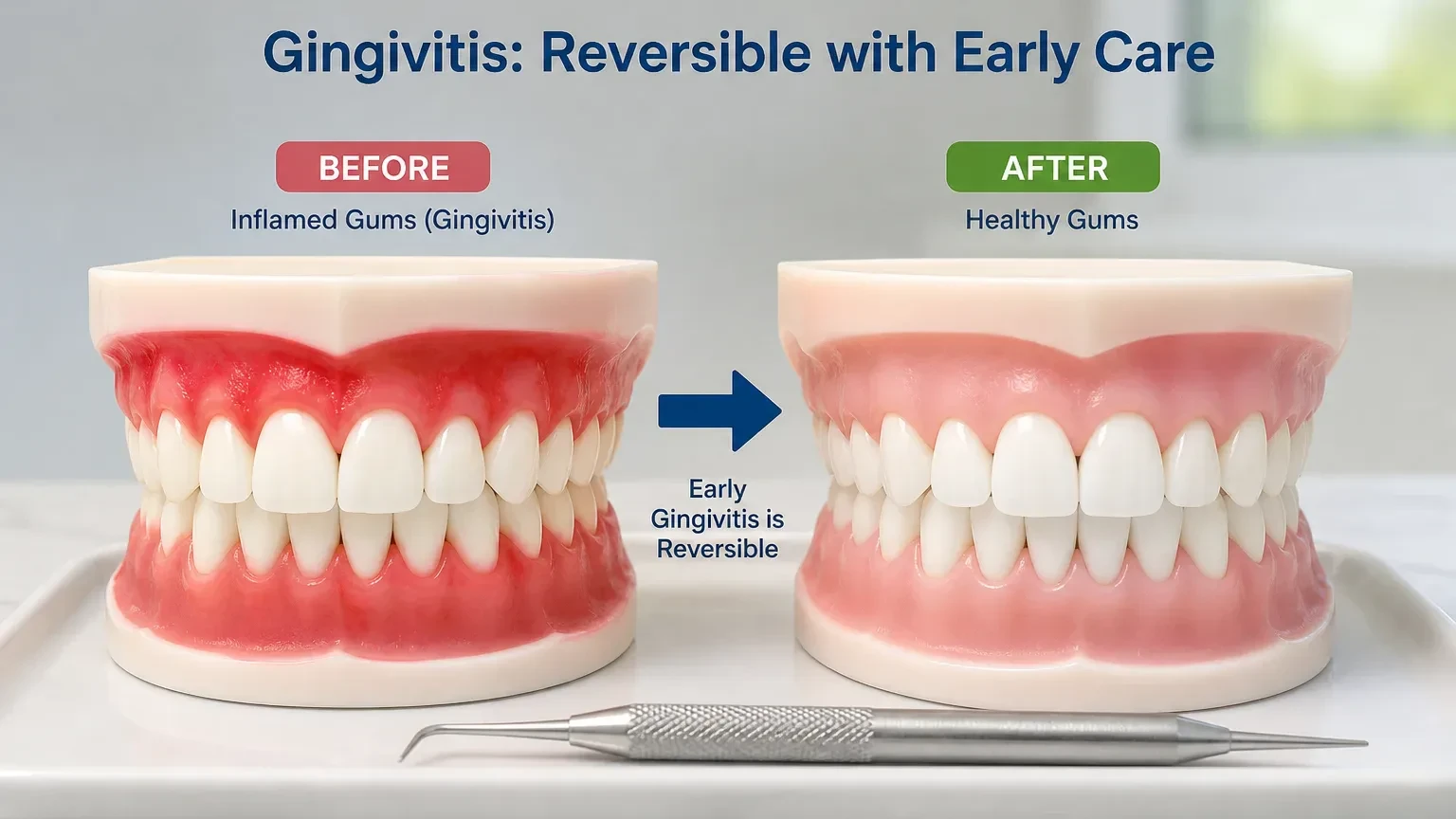
Is Gum Disease Reversible?
Gum disease reversibility depends on the stage. Inflamed gums can recover; lost bone support usually needs control, not a quick reset.
Read article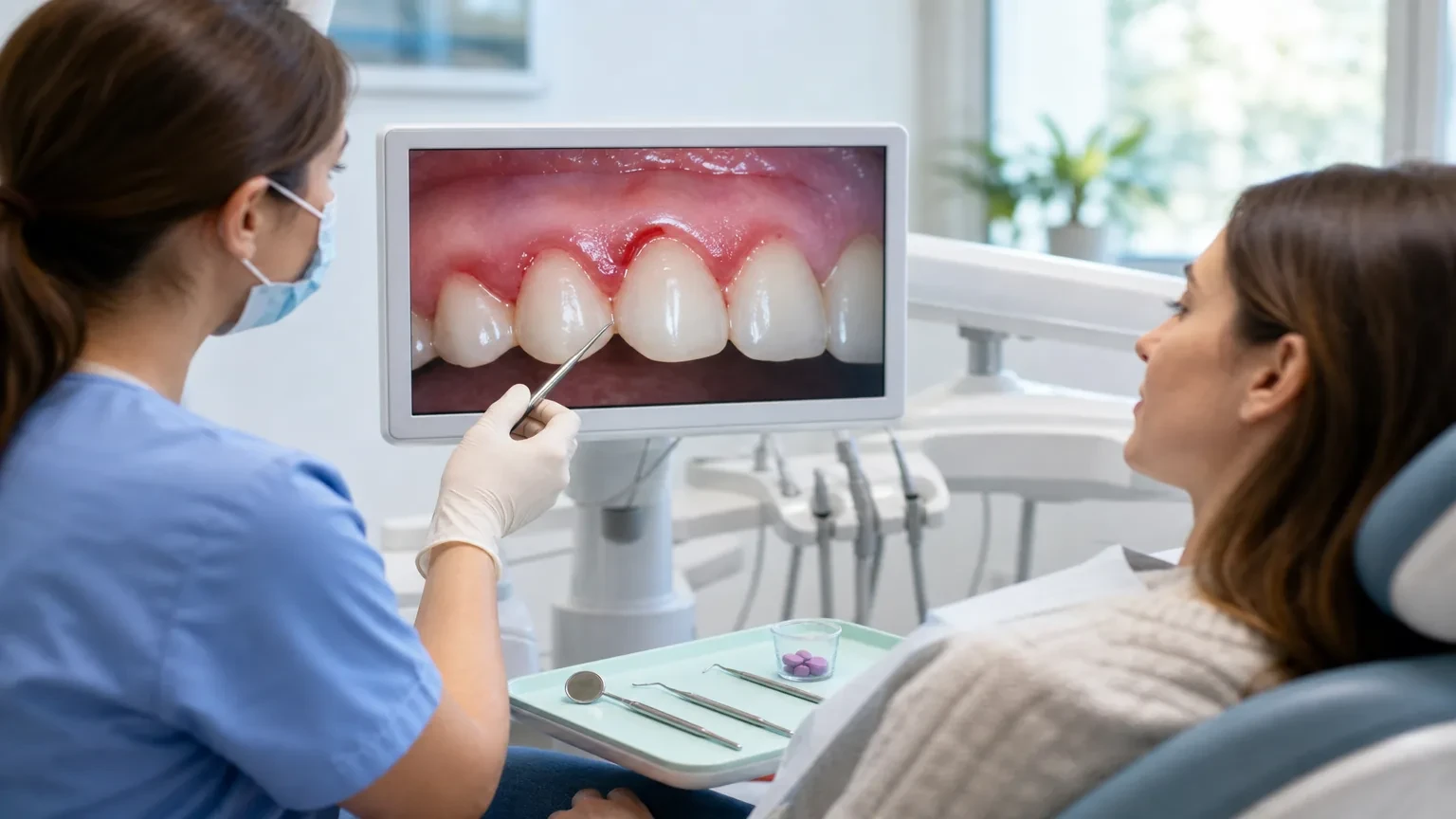
What Are Early Signs Of Gum Disease?
Early gum disease rarely announces itself with dramatic pain. Small bleeding, puffiness, and bad breath patterns are the clues to notice.
Read article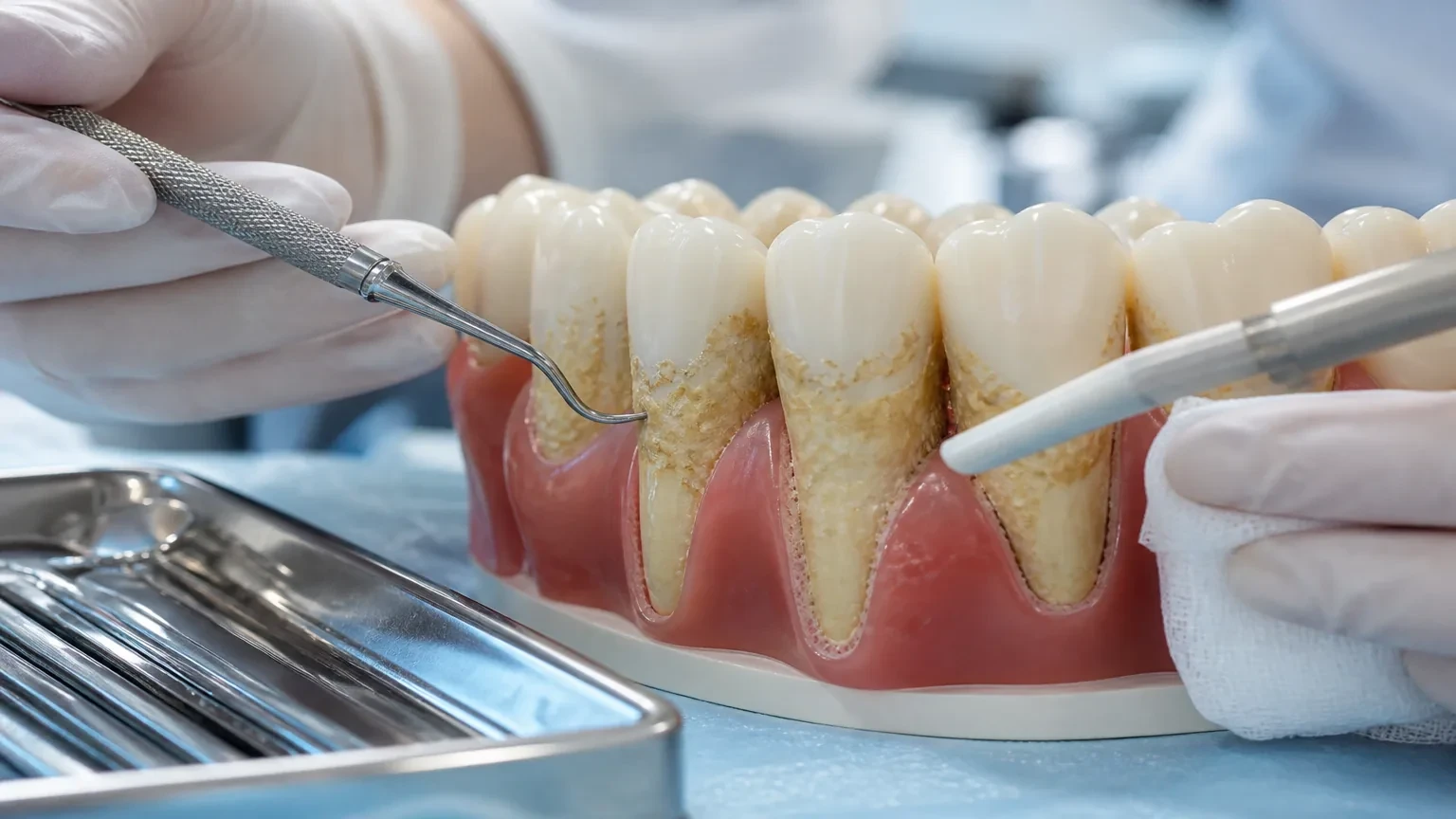
What Is Scaling And Root Planing?
Scaling and root planing is not a bigger version of polishing. It targets bacteria and tartar below the gumline where pockets stay inflamed.
Read article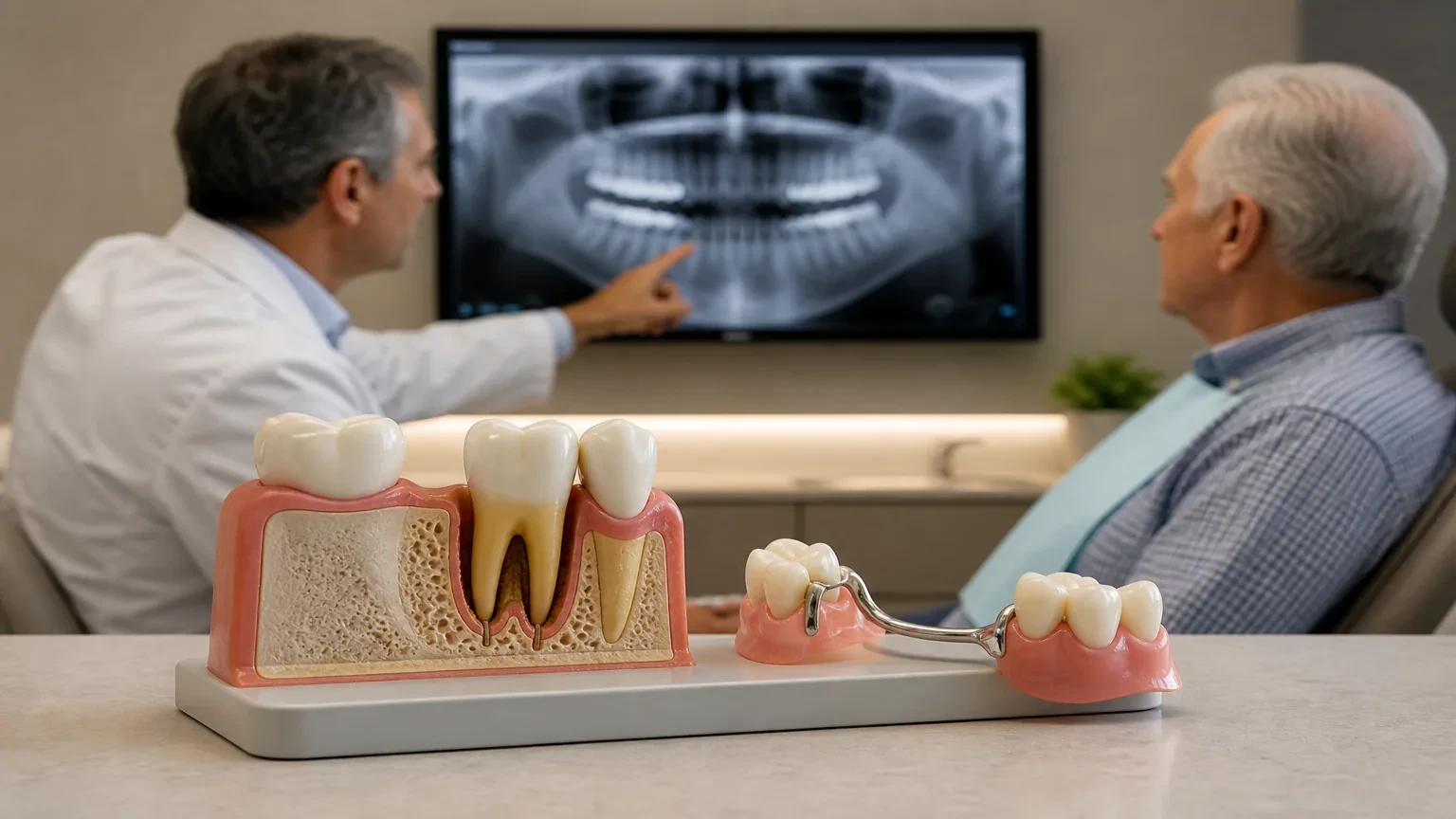
Can Gum Disease Cause Tooth Loss?
Gum disease can cause tooth loss by weakening support around the root, often long before the tooth itself looks badly damaged.
Read article