
What Is Scaling And Root Planing?
Scaling and root planing is deep cleaning below the gumline to remove tartar and smooth roots. Learn how the procedure works and what follows.

Reviewed by Dr. Sean Myran, DMDDoctor of Dental Medicine, University of Pennsylvania
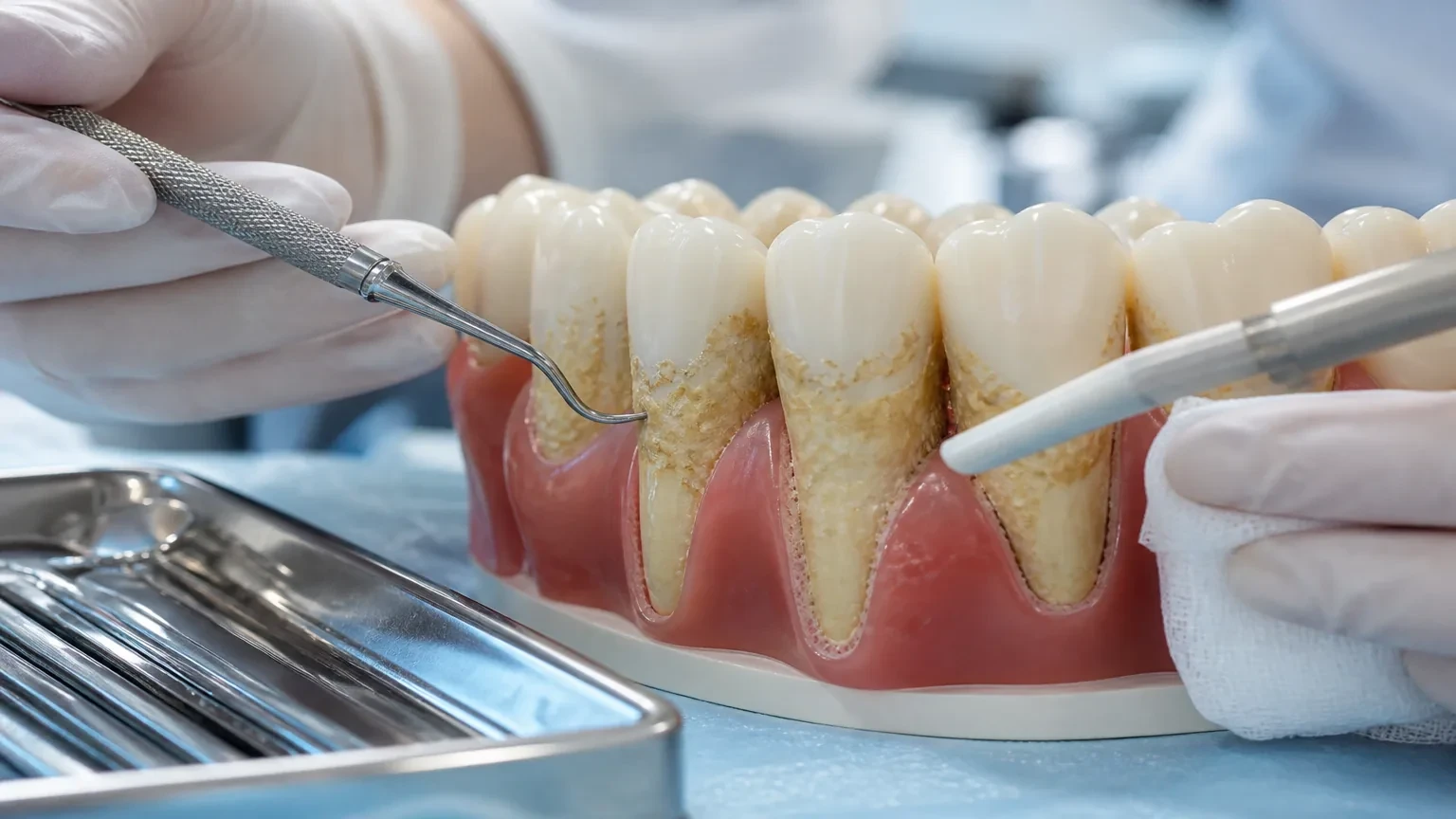
Scaling and root planing is a nonsurgical periodontal treatment often called a deep cleaning. Scaling removes plaque and tartar from tooth surfaces above and below the gumline. Root planing smooths or cleans the root surface so inflamed tissue can heal more predictably and bacteria have fewer rough areas to cling to. Mayo Clinic describes scaling and root planing as treatments that remove tartar and smooth root surfaces.
How The Visit Usually Works
- Measurements first: pocket depths, bleeding, recession, and X-rays guide the plan.
- Numbing if needed: local anesthetic may be used so deeper cleaning is comfortable.
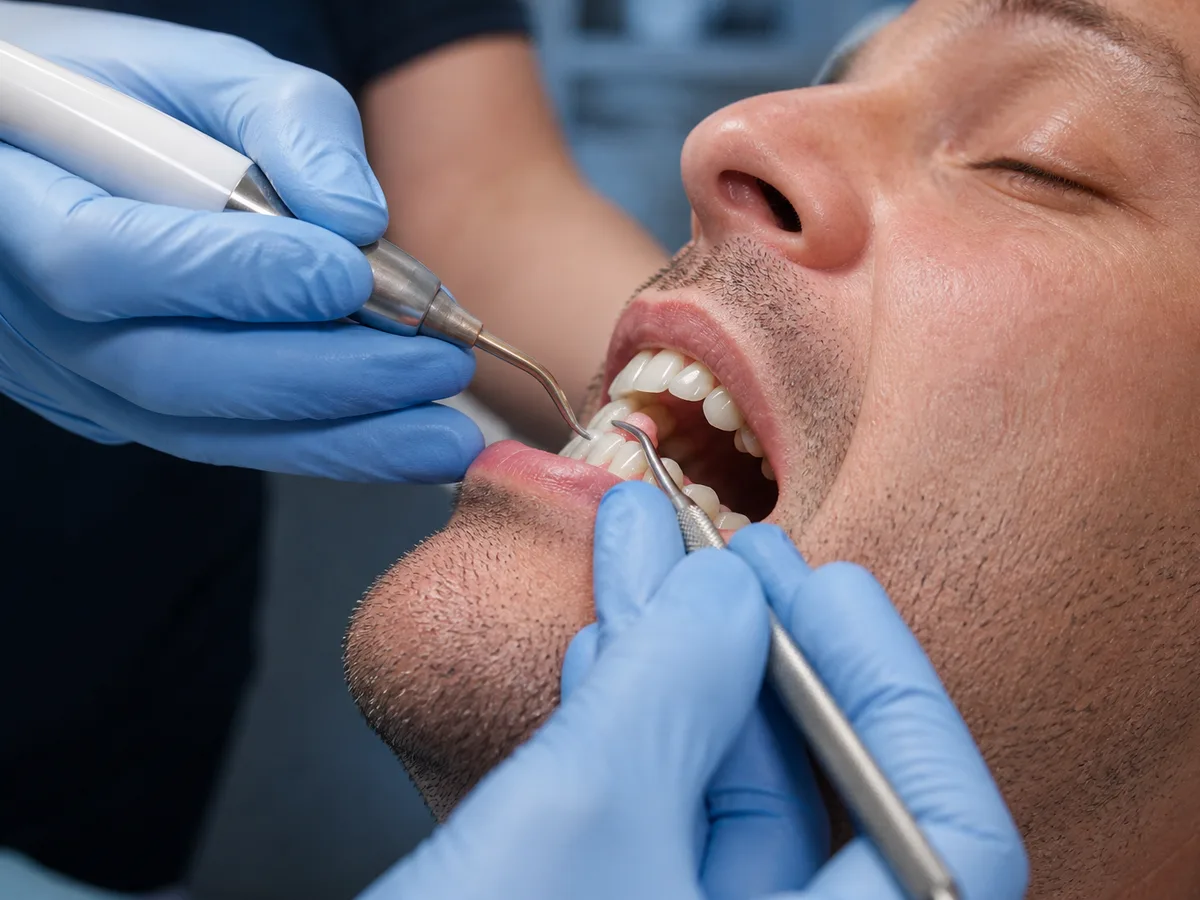
- Scaling: ultrasonic and hand instruments remove deposits from teeth and roots.
- Root cleaning: rough infected areas are smoothed or cleaned to reduce irritation.
- Aftercare: the office reviews tenderness, home cleaning, and maintenance timing.
 The map guides the cleaning.
Deep cleaning follows measurements
The recommendation should come from charting, not from the word deep alone. Ask which areas have pockets, which quadrants need treatment, and whether the plan is one visit, two visits, or staged around comfort and insurance.
How It Feels And What Recovery Is Like
During treatment, patients usually feel vibration, water, scraping pressure, and jaw fatigue rather than sharp pain if the area is properly numb. Afterward, gums may feel tender, teeth may be temporarily sensitive to cold, and a little bleeding can occur. These effects should improve. Call if swelling, worsening pain, fever, or a bite that suddenly feels wrong develops.
A deep cleaning is not a cure by itself if daily plaque keeps returning or risk factors remain uncontrolled. The goal is to reduce bacterial load and inflammation so pockets become easier to maintain. Some areas respond well. Other deep, narrow, or hard-to-clean pockets may still need periodontal maintenance, localized medication, surgery, or specialist evaluation. For the broader sequence, see How Is Periodontal Disease Treated?.
Patients often ask whether scaling and root planing will make teeth loose. The procedure does not remove healthy bone. Sometimes teeth feel different after swollen tissue shrinks or heavy tartar is removed from around them. That feeling should be discussed at follow-up because mobility may reveal how much periodontal support was already compromised.
 Healing is measured after treatment.
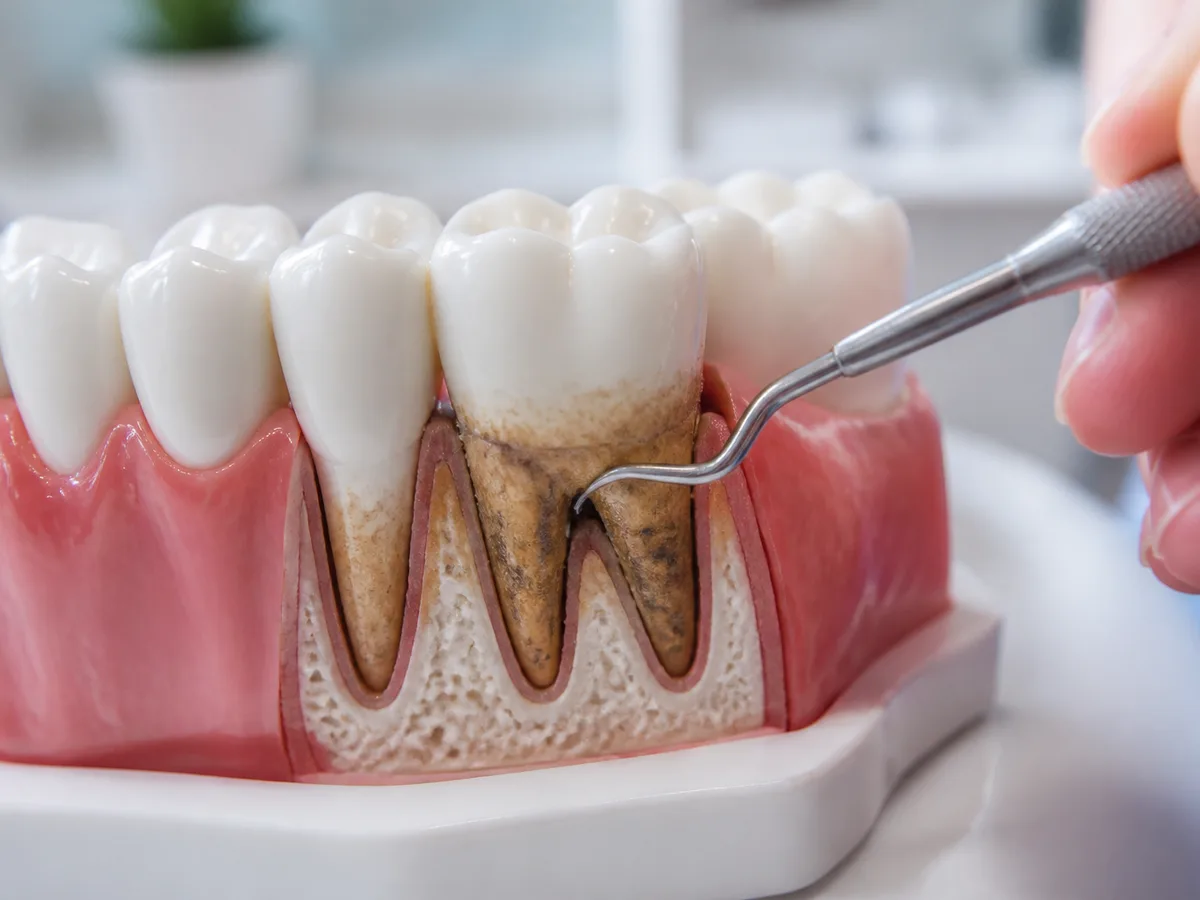
The follow-up decides the next step
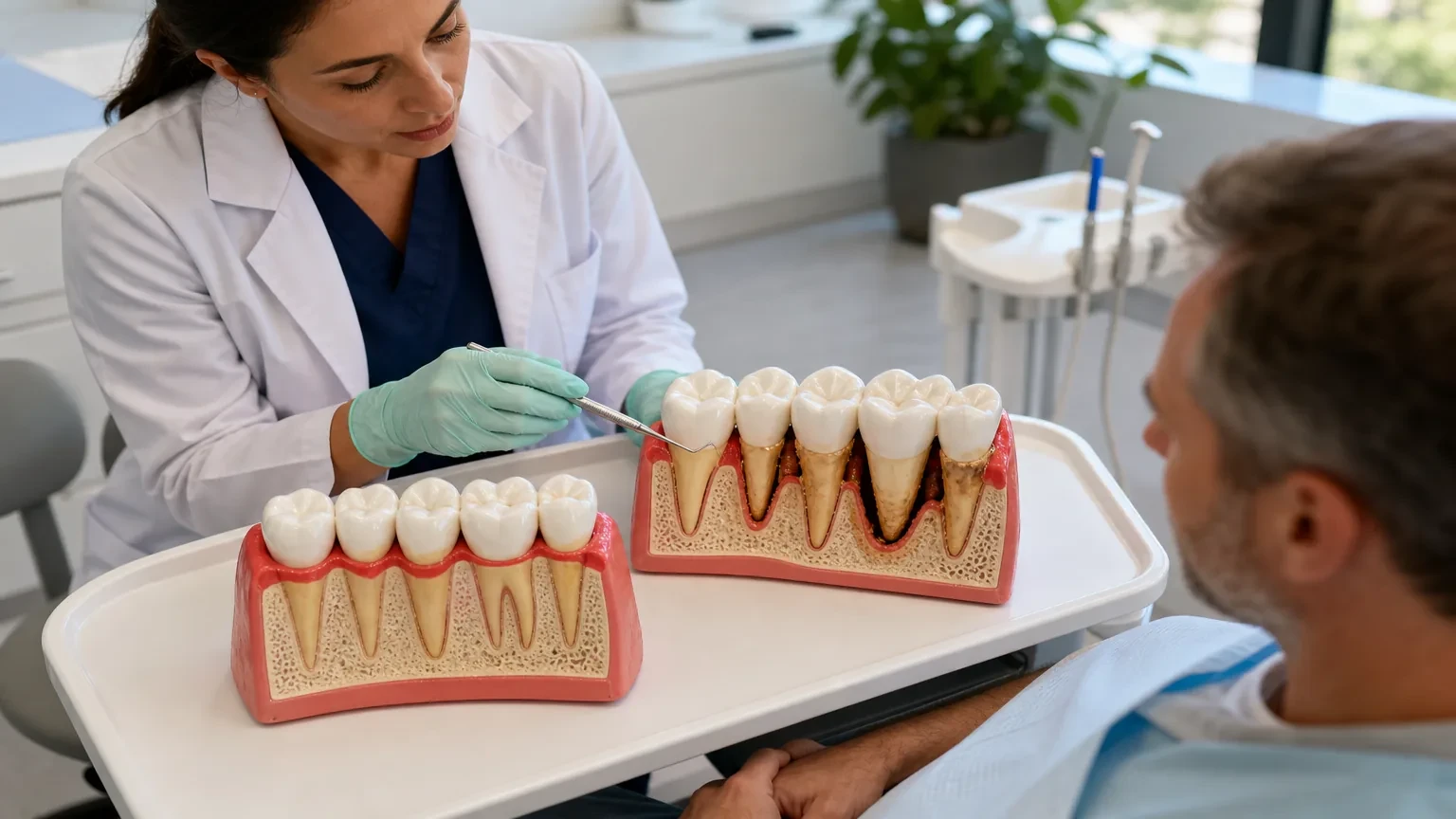
A recheck lets the team see whether bleeding and pocket depths improved. If you need this type of periodontal evaluation, use find a dentist and ask whether the office provides periodontal charting and maintenance visits.
What To Ask Before Scheduling
Ask which teeth are involved, whether anesthetic is planned, what the fee includes, how long the mouth may be numb, what to eat afterward, and when the re-evaluation happens. If the reason for treatment is unclear, ask to see the pocket chart and X-rays. Scaling and root planing makes the most sense when it is tied to measured inflammation below the gumline, not offered as a vague upgraded cleaning.
For prevention after treatment, How Do You Prevent Gum Disease? gives a daily routine that helps keep pockets calmer between visits.
Insurance language can make the procedure sound confusing because treatment may be billed by quadrant, by full mouth, or with maintenance visits afterward. Ask for the clinical reason first, then the financial estimate. A clear explanation should connect the fee to pocket depths, bleeding, tartar location, and how many appointments are expected. Also ask whether antibiotics, irrigation, desensitizing products, or follow-up X-rays are included or separate. Knowing the sequence lowers anxiety because scaling and root planing is not meant to be mysterious; it is a targeted attempt to clean root areas that routine polishing cannot reach.
After treatment, keep the recheck. That visit shows whether the cleaned roots are easier to maintain or whether deeper pockets need a new plan.
Related articles
Keep exploring related topics from Dental Country.
What Is The Difference Between Gingivitis And Periodontitis?
Gingivitis and periodontitis can both bleed quietly, but the real difference is whether deeper tooth support has started to break down.
Read article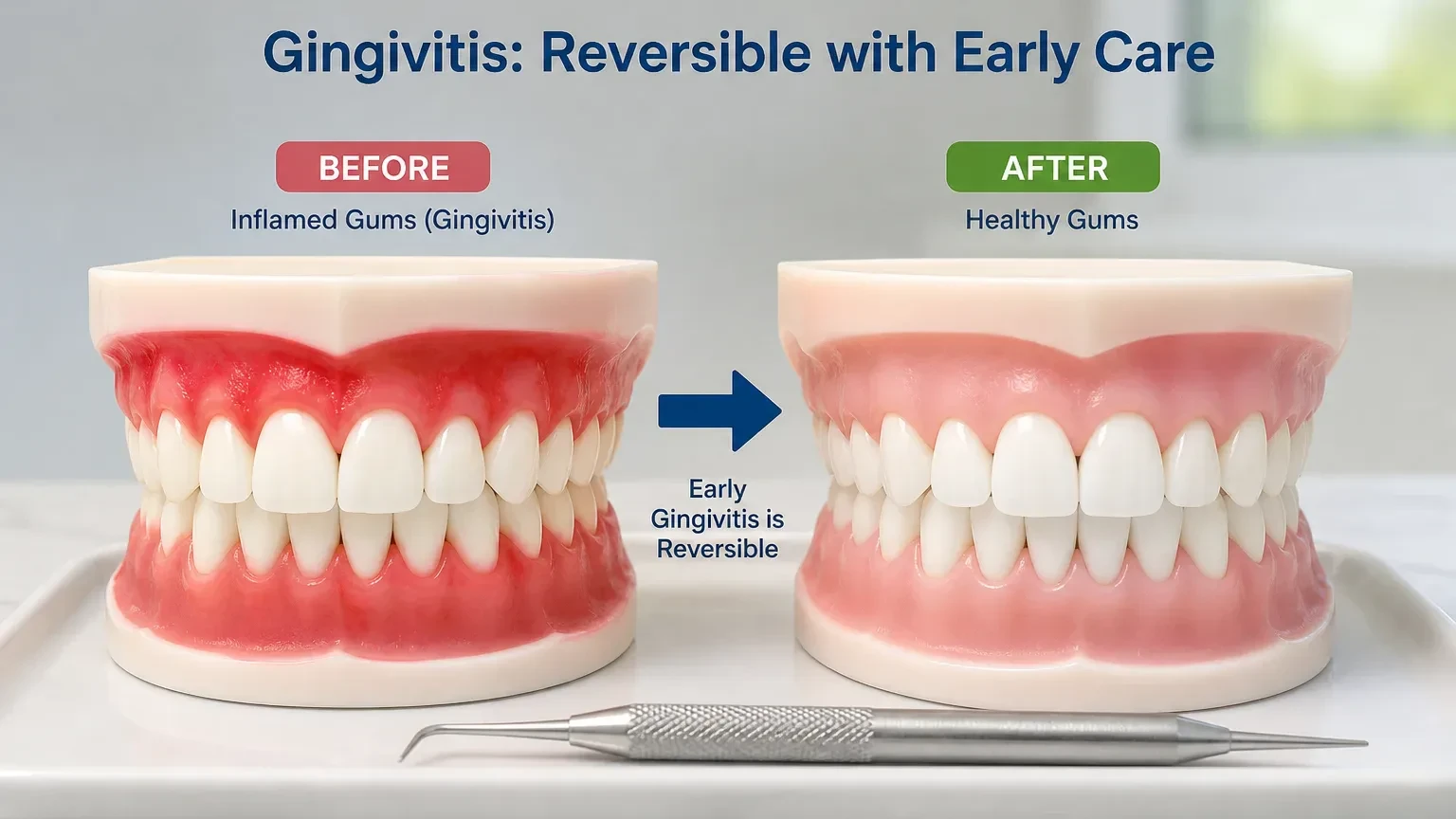
Is Gum Disease Reversible?
Gum disease reversibility depends on the stage. Inflamed gums can recover; lost bone support usually needs control, not a quick reset.
Read article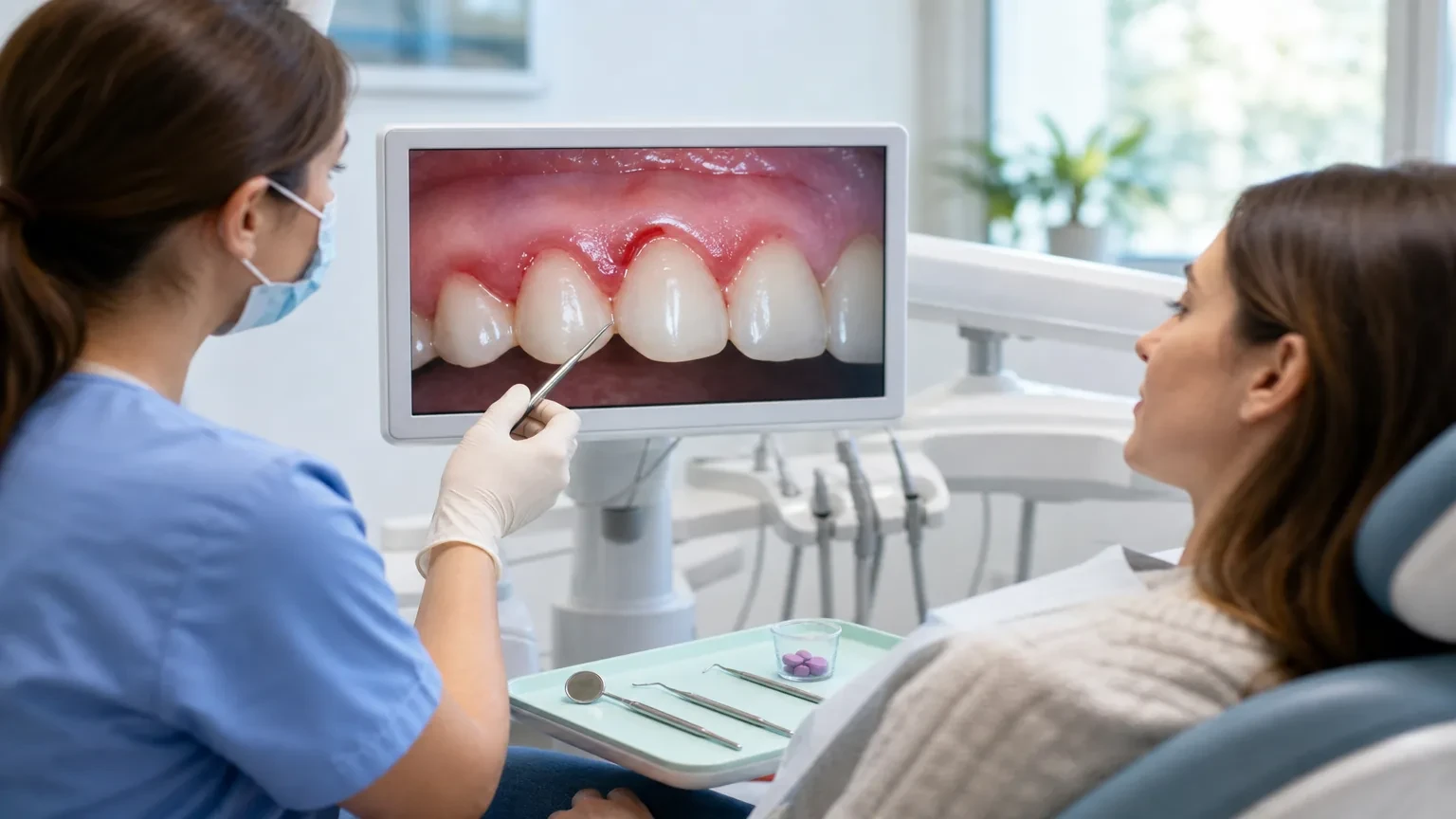
What Are Early Signs Of Gum Disease?
Early gum disease rarely announces itself with dramatic pain. Small bleeding, puffiness, and bad breath patterns are the clues to notice.
Read article
Can Gum Disease Cause Tooth Loss?
Gum disease can cause tooth loss by weakening support around the root, often long before the tooth itself looks badly damaged.
Read article