
Is Gum Disease Reversible?
Gingivitis can often be reversed, while periodontitis usually needs long-term control. Learn which gum disease stages can improve and why over time.

Reviewed by Dr. Sean Myran, DMDDoctor of Dental Medicine, University of Pennsylvania
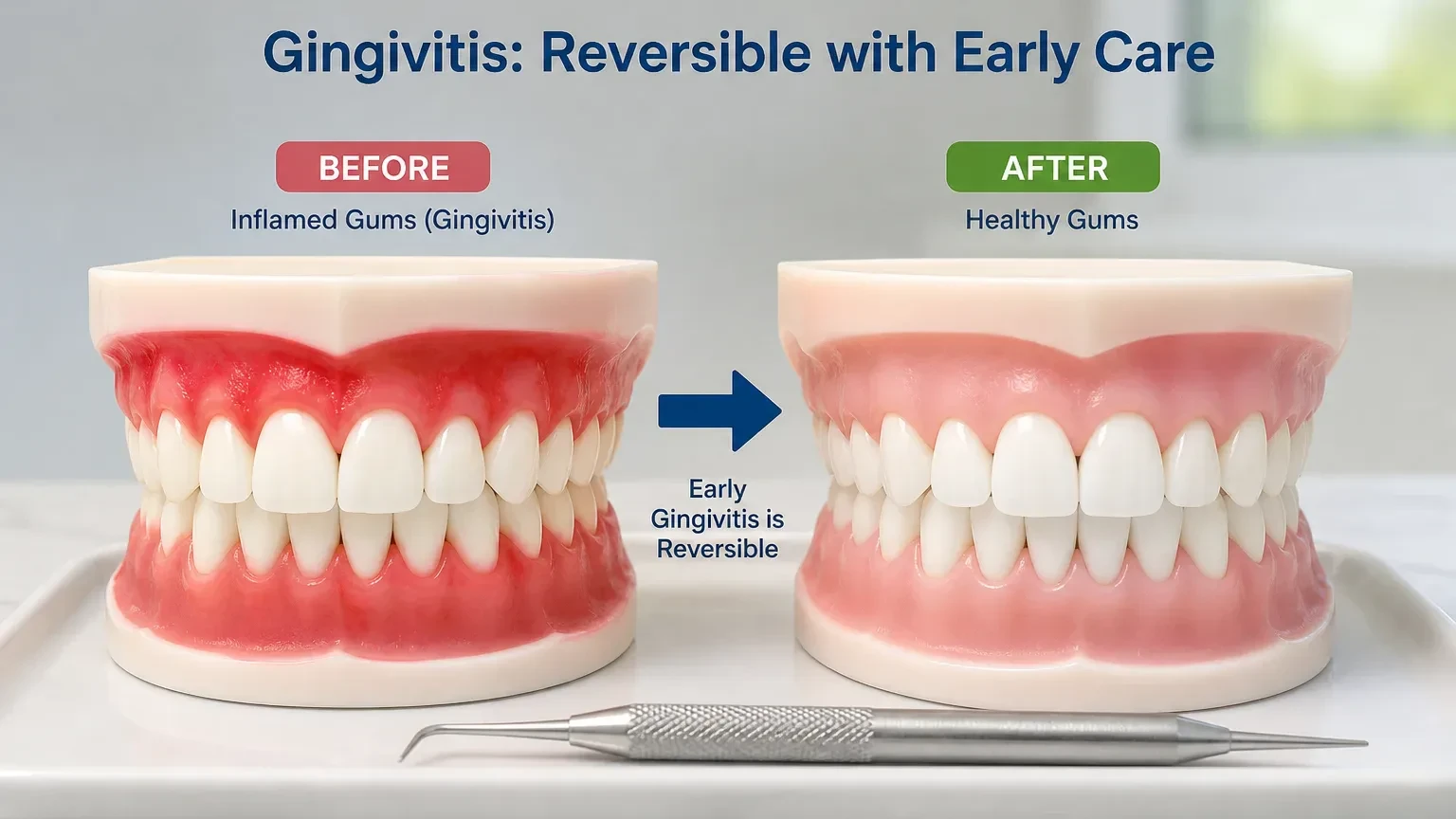
Gum disease is reversible only in its earliest form. Gingivitis, which means inflamed gums without permanent bone loss, can often improve with a professional cleaning and better daily plaque control. Periodontitis is different. Once the ligament and bone around teeth are damaged, treatment can reduce infection and stabilize the mouth, but it usually does not make the support exactly like it was before. The American Academy of Periodontology describes gingivitis and periodontitis as different stages of gum disease.
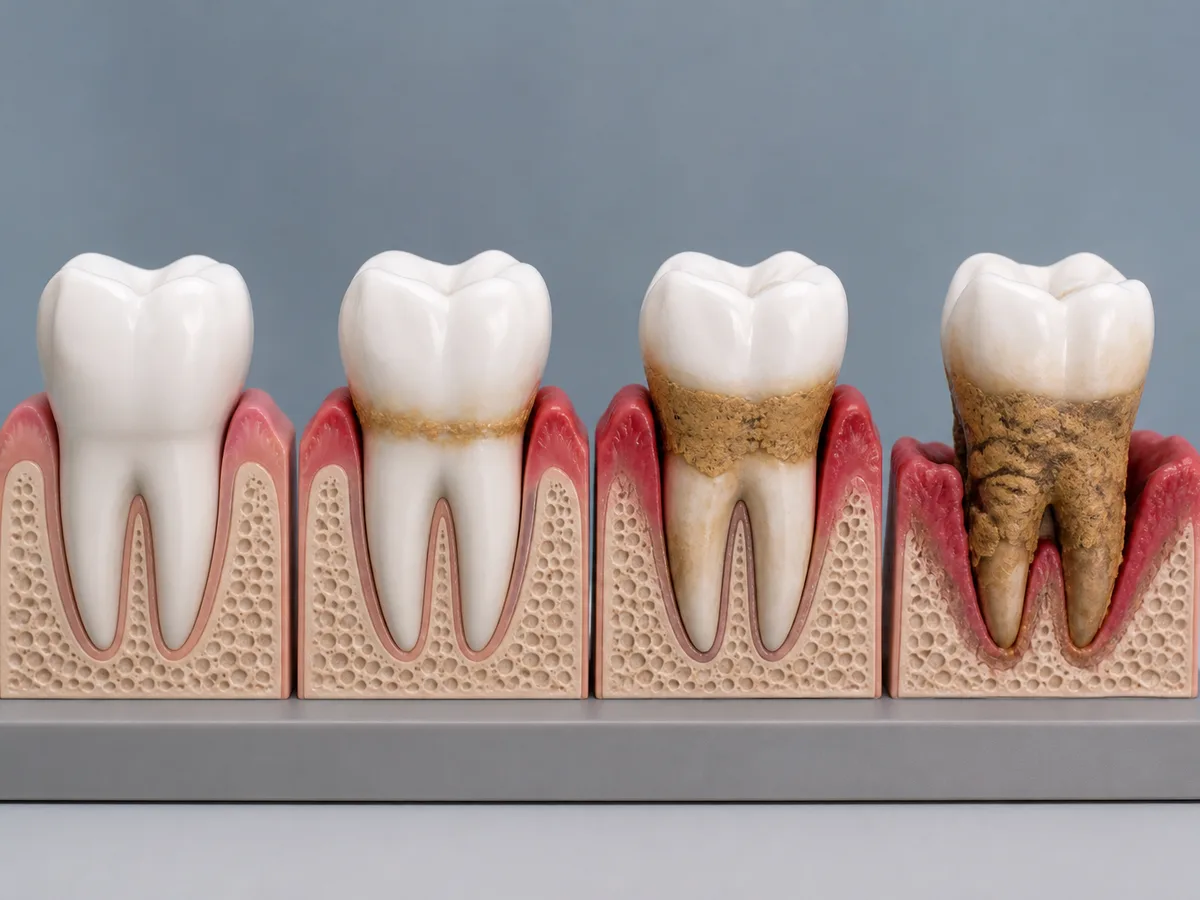
A Stage-By-Stage Way To Think About Reversal
- Gum irritation: brushing changes and cleaning may calm early redness quickly.
- Gingivitis: bleeding and swelling can often reverse when plaque and tartar are controlled.
- Early periodontitis: pockets and infection may improve, but lost support needs maintenance.
- Advanced periodontitis: care focuses on saving teeth, reducing infection, and preventing more loss.
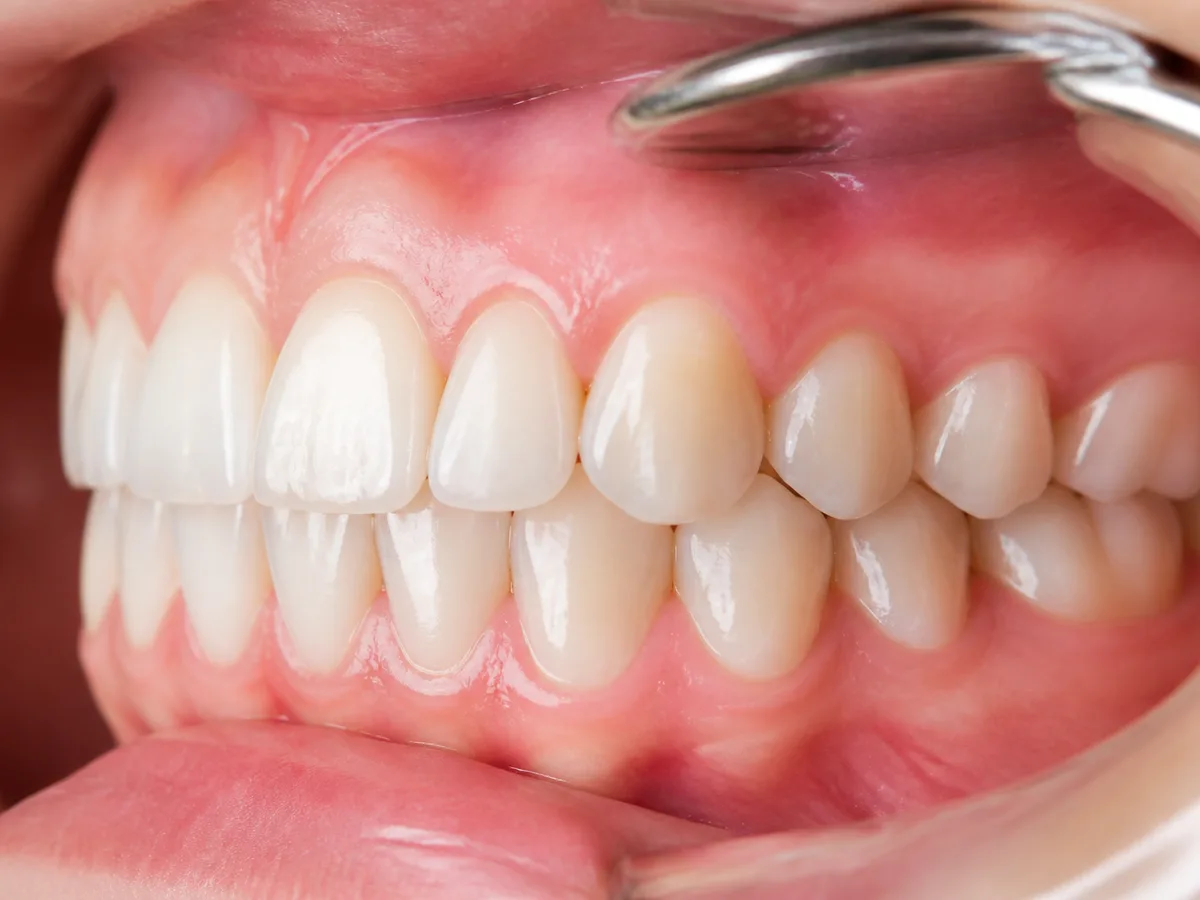 The stage decides the goal.
Reversible does not mean ignorable
Early gum inflammation is a chance to act, not a reason to wait. Bleeding that disappears after better cleaning is encouraging, but persistent bleeding, pockets, or bone changes need a dental plan rather than repeated home experiments.
What Can Improve
Bleeding, swelling, tenderness, bad breath, and plaque levels can improve dramatically. Pocket depths may also shrink when inflammation goes down, especially if swollen gums were making the pockets seem deeper. Scaling and root planing may be recommended when tartar and bacteria sit below the gumline. If that procedure has been mentioned, What Is Scaling And Root Planing? explains how it works.
What usually does not fully return is bone that has already been lost around teeth. Some specialized regenerative procedures can rebuild selected defects, but they are case-specific and not the same as turning back the clock for the entire mouth. A periodontist looks at defect shape, tooth stability, cleaning access, smoking status, diabetes control, and whether the tooth has a useful long-term prognosis.
Reversibility also depends on the causes that keep inflammation active. Tobacco, uncontrolled diabetes, dry mouth, crowded teeth, old rough fillings, heavy tartar, and skipped maintenance visits can keep gums unstable even after a good first response. Treatment is more predictable when those risks are named and addressed instead of treating the cleaning as a one-time rescue.
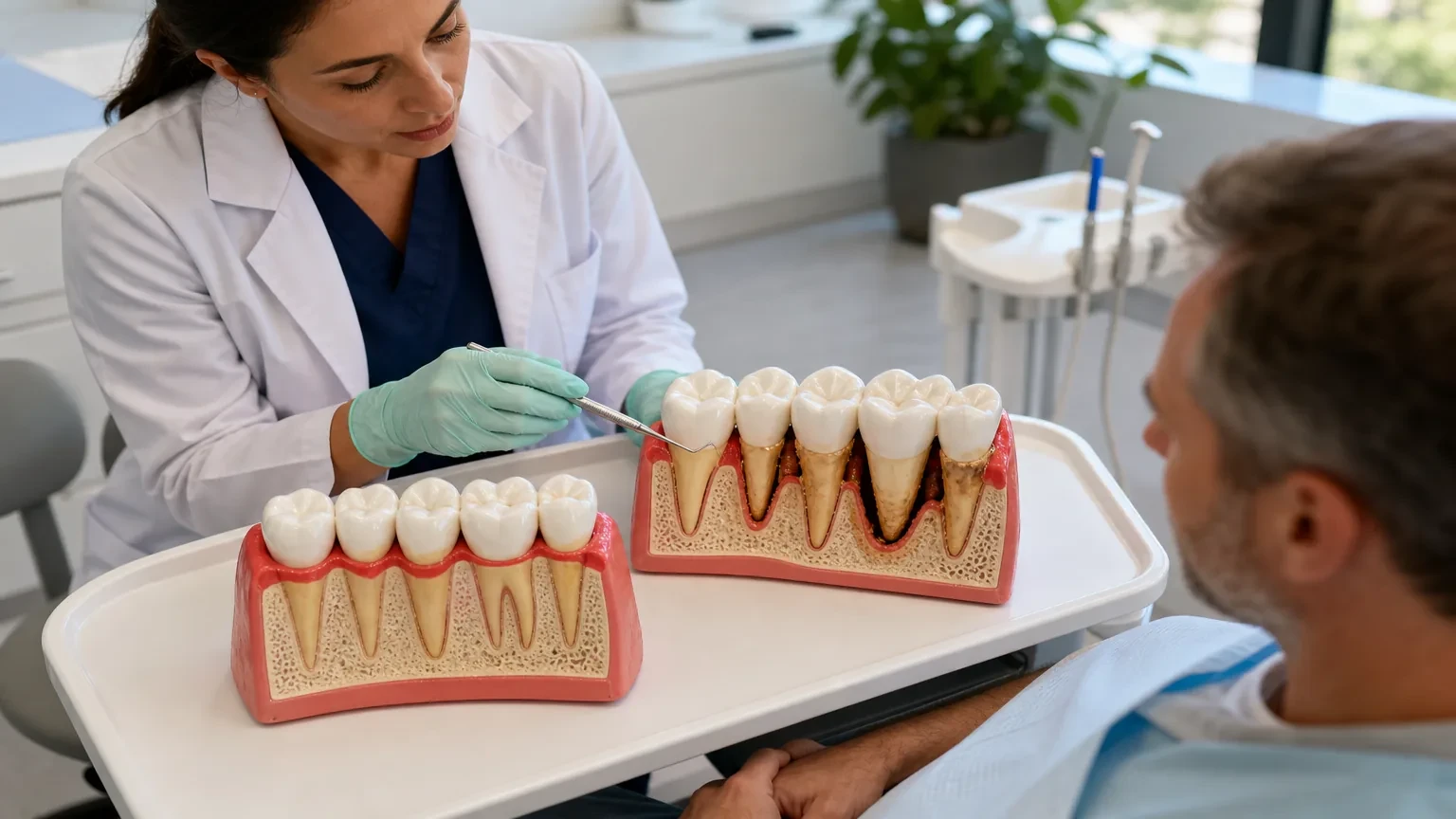
 Controlled disease still needs follow-up.
Stability is a win
For periodontitis, success often means less bleeding, shallower maintainable pockets, fresher breath, and teeth that stop loosening. To get your stage checked, use find a dentist and ask for periodontal measurements, not just a visual look.
How To Know Which Stage You Have
You cannot reliably stage gum disease at home. A mirror does not show bone levels, and pain is often absent until late. Ask for pocket depths, bleeding scores, gum recession measurements, and X-rays. If you are comparing symptoms, What Is The Difference Between Gingivitis And Periodontitis? gives the practical distinction.
The honest answer is hopeful but specific: gingivitis can often reverse, periodontitis can often be controlled, and advanced disease may still have teeth worth saving. The sooner the stage is identified, the more likely treatment can stay conservative and maintenance can protect the result.
The language can feel discouraging, but control is meaningful. Many patients keep teeth for years after a periodontitis diagnosis because pockets become cleaner, bleeding drops, and maintenance visits catch relapse early. Think of it like managing blood pressure rather than healing a cut. The condition may need repeated attention, yet the trend can improve. Ask the office which sites are expected to heal after initial therapy and which sites are being watched because of anatomy or bone loss. That distinction makes the follow-up visit easier to understand and helps you see progress even when the word reversible no longer fully applies.
The sooner the stage is measured, the less guesswork there is. Reversal, repair, and control are different goals, and each can still be valuable.
Related articles
Keep exploring related topics from Dental Country.
What Is The Difference Between Gingivitis And Periodontitis?
Gingivitis and periodontitis can both bleed quietly, but the real difference is whether deeper tooth support has started to break down.
Read article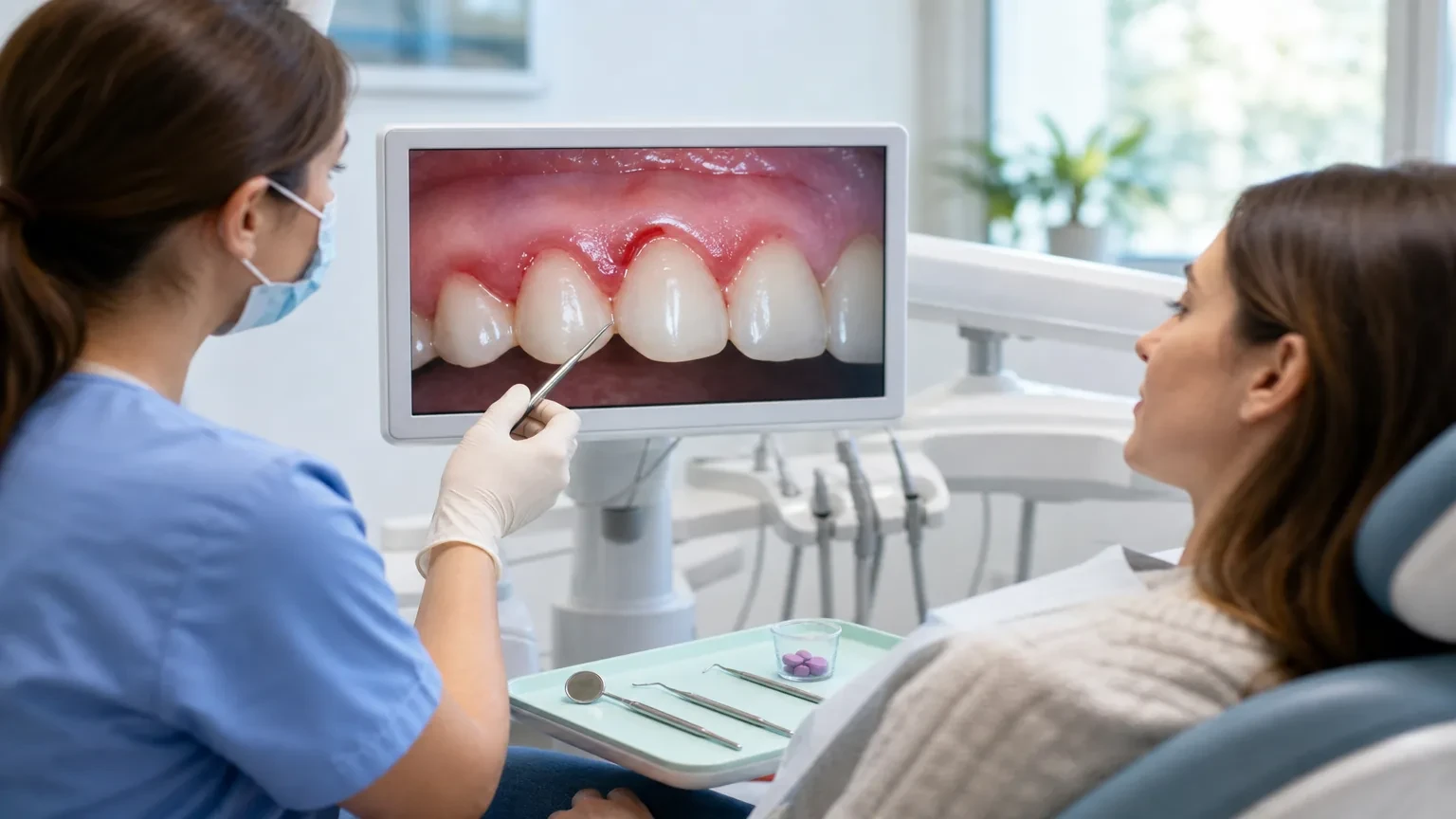
What Are Early Signs Of Gum Disease?
Early gum disease rarely announces itself with dramatic pain. Small bleeding, puffiness, and bad breath patterns are the clues to notice.
Read article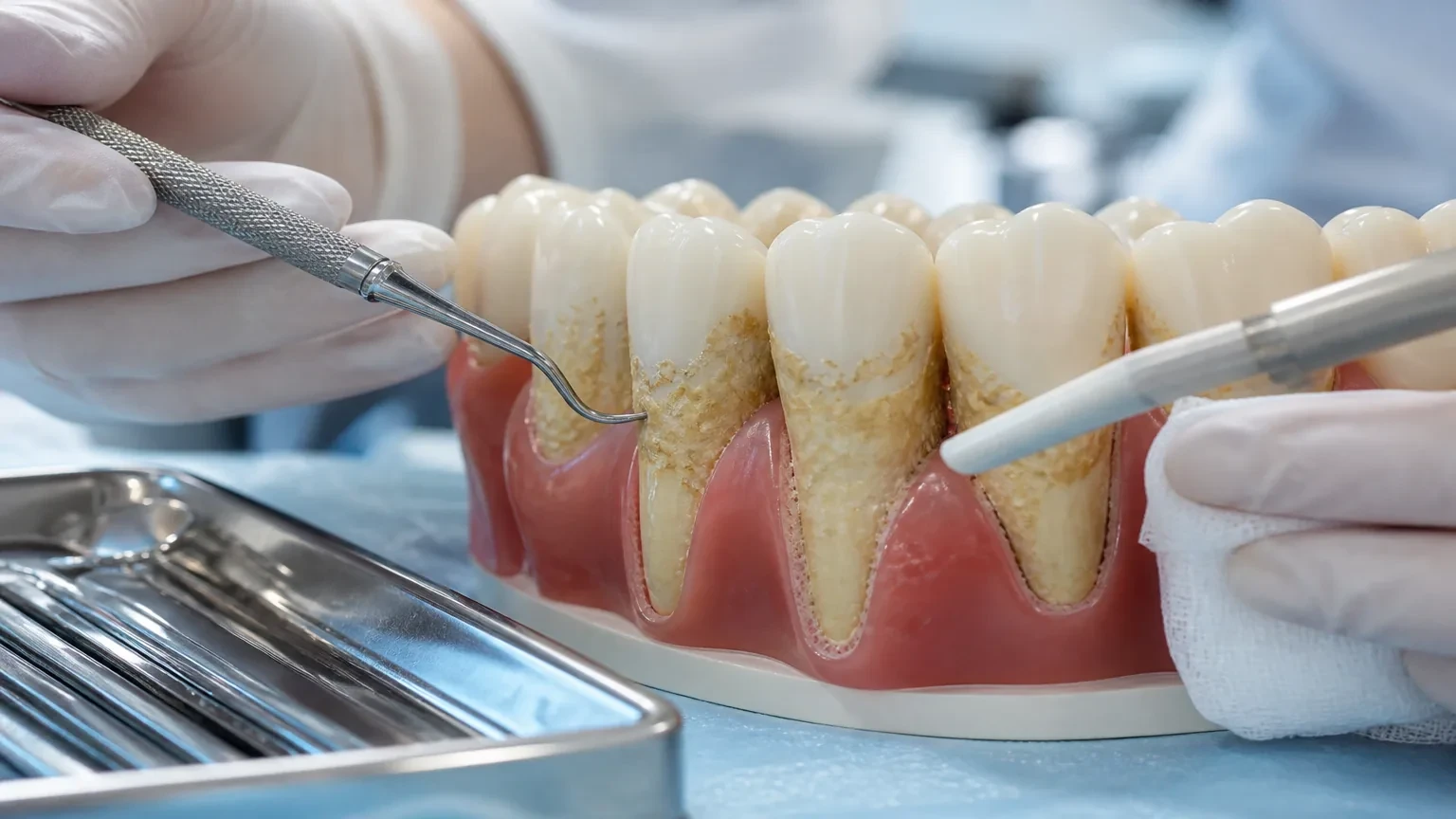
What Is Scaling And Root Planing?
Scaling and root planing is not a bigger version of polishing. It targets bacteria and tartar below the gumline where pockets stay inflamed.
Read article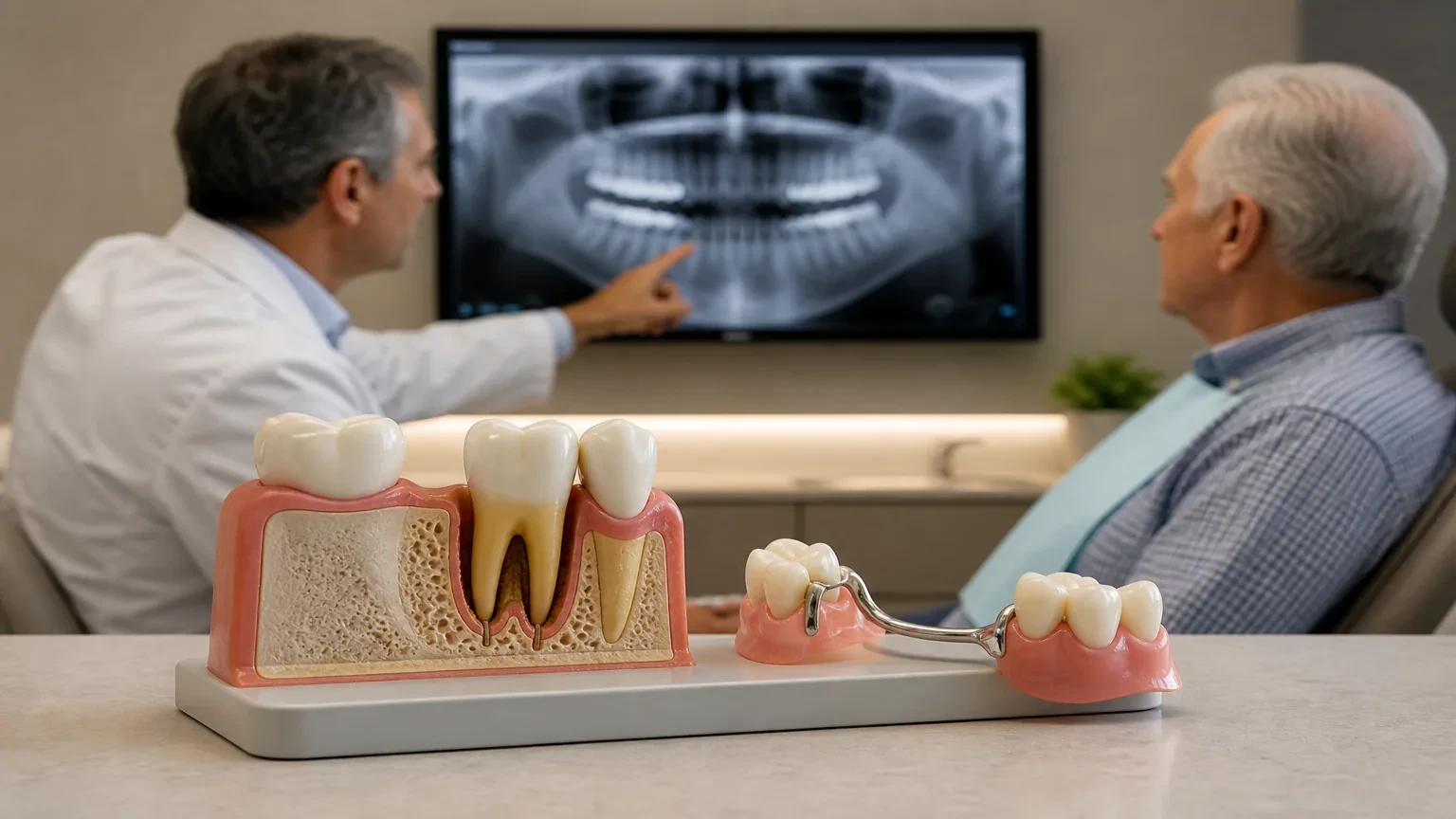
Can Gum Disease Cause Tooth Loss?
Gum disease can cause tooth loss by weakening support around the root, often long before the tooth itself looks badly damaged.
Read article