
What Are Early Signs Of Gum Disease?
Early gum disease signs include bleeding, puffiness, bad breath, tender gums, recession, and subtle pocket changes. Learn when to schedule care.

Reviewed by Dr. Sean Myran, DMDDoctor of Dental Medicine, University of Pennsylvania
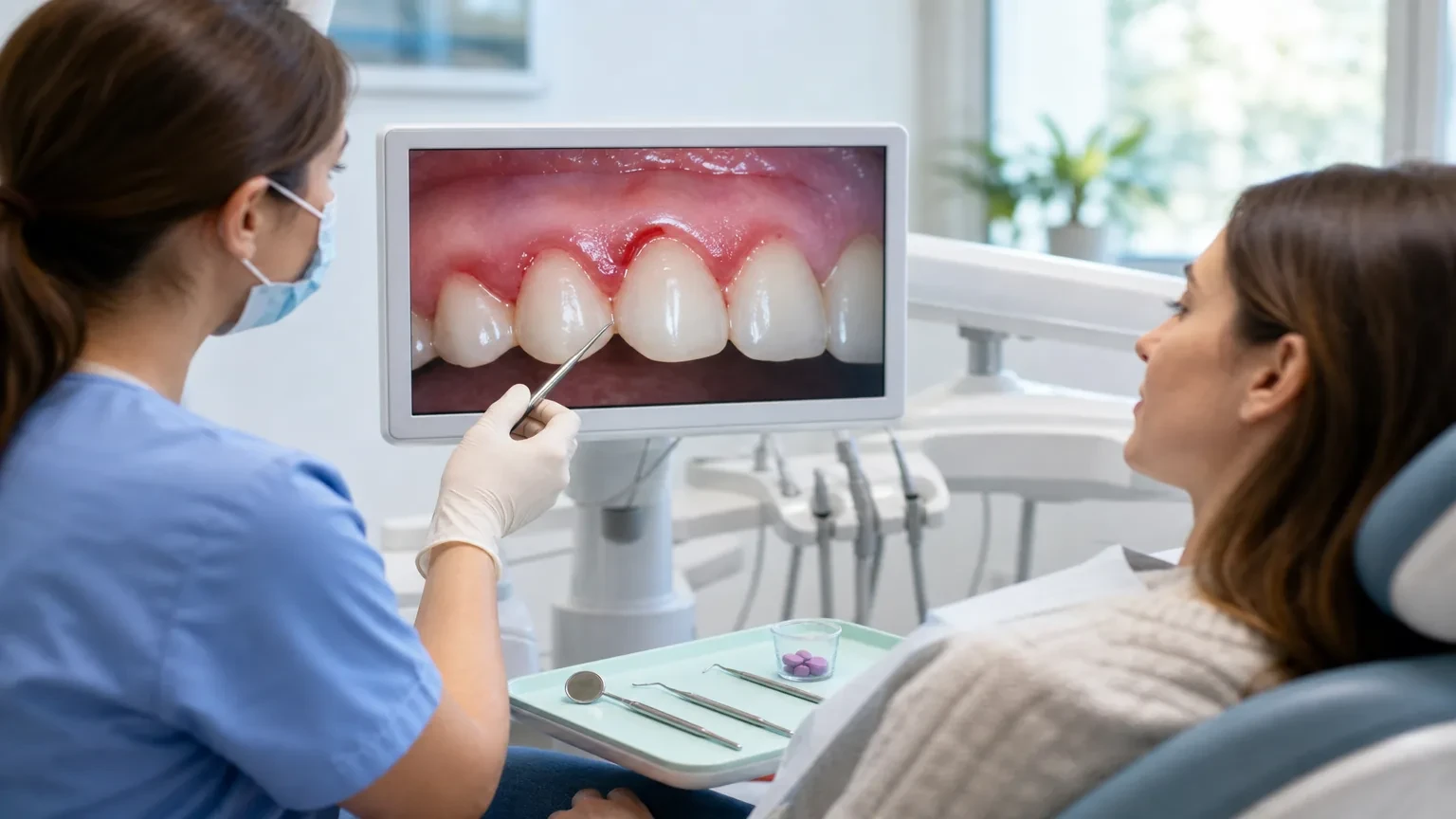
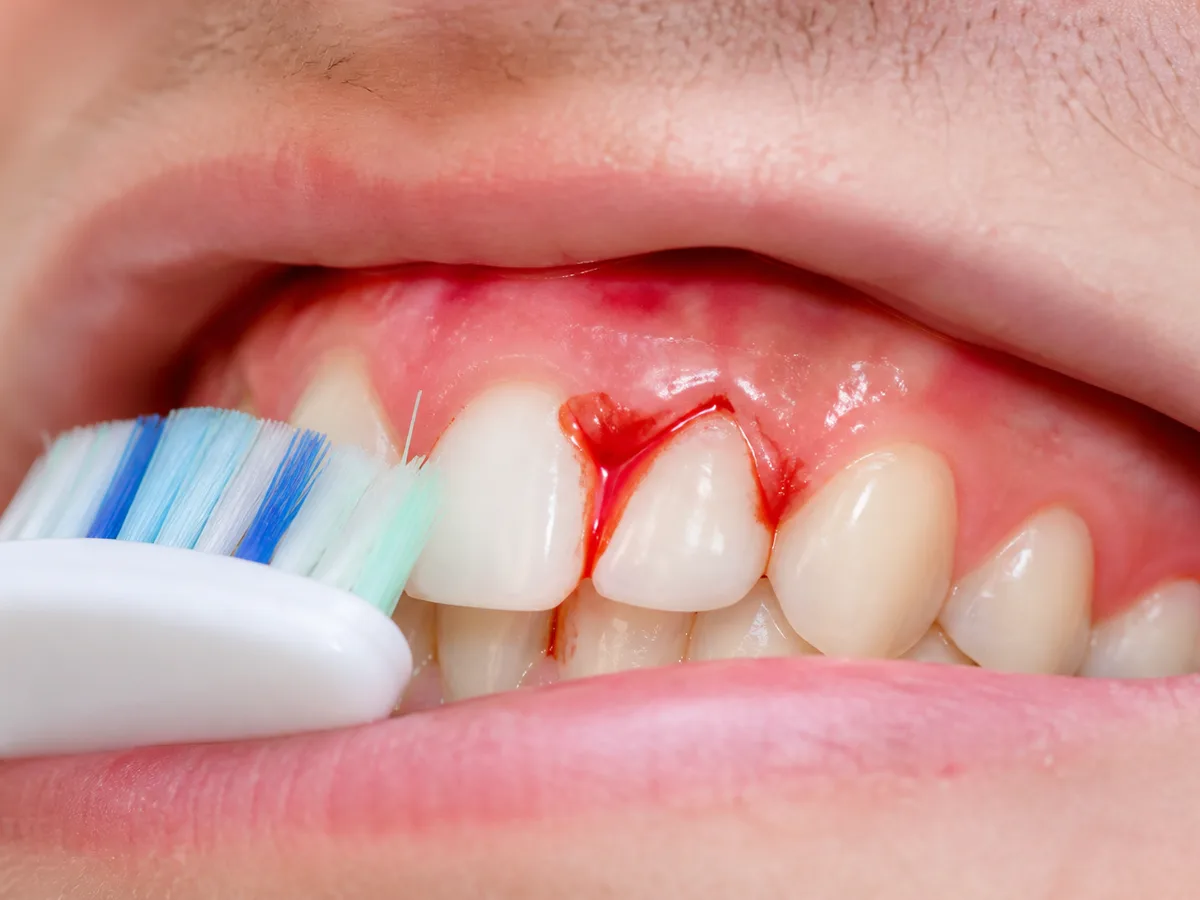
Early gum disease often starts quietly. The most common clues are bleeding when brushing or flossing, puffy gum edges, tenderness, bad breath that returns quickly, a bad taste, gum recession, or a spot that traps food more than it used to. Pain may be absent. MedlinePlus lists bleeding gums, tender gums, and bad breath among gum disease symptoms, which matches what many patients notice before they realize the pattern is not random.
Symptom Checklist
- Bleeding: pink in the sink, bleeding floss, or one area that bleeds repeatedly.
- Texture change: gums look puffy, shiny, or swollen around the teeth.
- Breath or taste: odor returns soon after brushing or a bad taste appears near one area.
- Recession: teeth look longer or cold sensitivity appears near the gumline.
- Food trapping: seeds, meat fibers, or floss catch in a new place.
- Loose feeling: a tooth feels different when biting or cleaning.
 Small signs deserve context.
Bleeding is a message
A little blood is easy to explain away, especially after flossing less often. If the same area bleeds for more than a short adjustment period, schedule a check. Healthy gums usually tolerate gentle cleaning without repeated bleeding.
When Signs Are Easy To Miss
Some early signs hide behind habits or medical changes. New medication can cause dry mouth. Pregnancy can make gums react more strongly to plaque. Smoking can reduce bleeding while still raising periodontitis risk. Diabetes can make inflammation harder to control. If pregnancy is part of the question, Can Pregnant Women Get Gum Disease? explains why gum changes should be taken seriously.
Bad breath is another tricky sign. It can come from dry mouth, tonsil stones, reflux, sinus drainage, diet, or cavities, not only gum disease. Still, gum pockets and tartar can create odor that brushing the tongue will not fix. A dental cleaning and periodontal charting can separate surface plaque from deeper inflammation.
Recession and sensitivity need attention even when gums are not swollen. A tooth may look longer because gum tissue has pulled back, because brushing is too aggressive, or because periodontal support has changed. Your dentist can check pocket depth and the location of the gum attachment before suggesting toothpaste, cleaning changes, a gum graft consult, or periodontal treatment.
 Specific symptoms lead to better exams.
Track patterns, not panic
Bring useful details: when bleeding started, which teeth trap food, whether breath changes by morning or all day, and whether any tooth feels loose. Use find a dentist if you need an exam with gum measurements and X-rays.
What To Do Next
Do not stop cleaning because gums bleed. Gentle brushing at the gumline and interdental cleaning are usually part of improvement, but technique matters. Avoid scrubbing hard enough to injure the tissue. If signs persist, the exam should include pocket measurements and X-rays so gingivitis can be separated from periodontitis. For that comparison, read What Is The Difference Between Gingivitis And Periodontitis?.
Early signs are not a diagnosis by themselves. They are reasons to look closer while treatment is usually simpler. If the problem is gingivitis, care may be a cleaning and better daily habits. If it is periodontitis, early action can reduce the chance of tooth looseness later.
Take photos only as a memory aid, not as a diagnosis. Lighting, lip position, and phone cameras can make gums look better or worse than they are. More useful records are simple notes: which area bleeds, whether floss smells bad after one contact, whether a tooth traps food, and whether symptoms improved after a cleaning. Bring that list to the appointment. It helps the hygienist focus coaching on the places you actually struggle to clean. Early gum disease is often solved through a combination of professional removal of tartar and a few very specific habit changes, not a dramatic new product shelf.
When in doubt, report change rather than intensity. A mild symptom that repeats in the same place is often more useful than one dramatic afternoon.
Related articles
Keep exploring related topics from Dental Country.
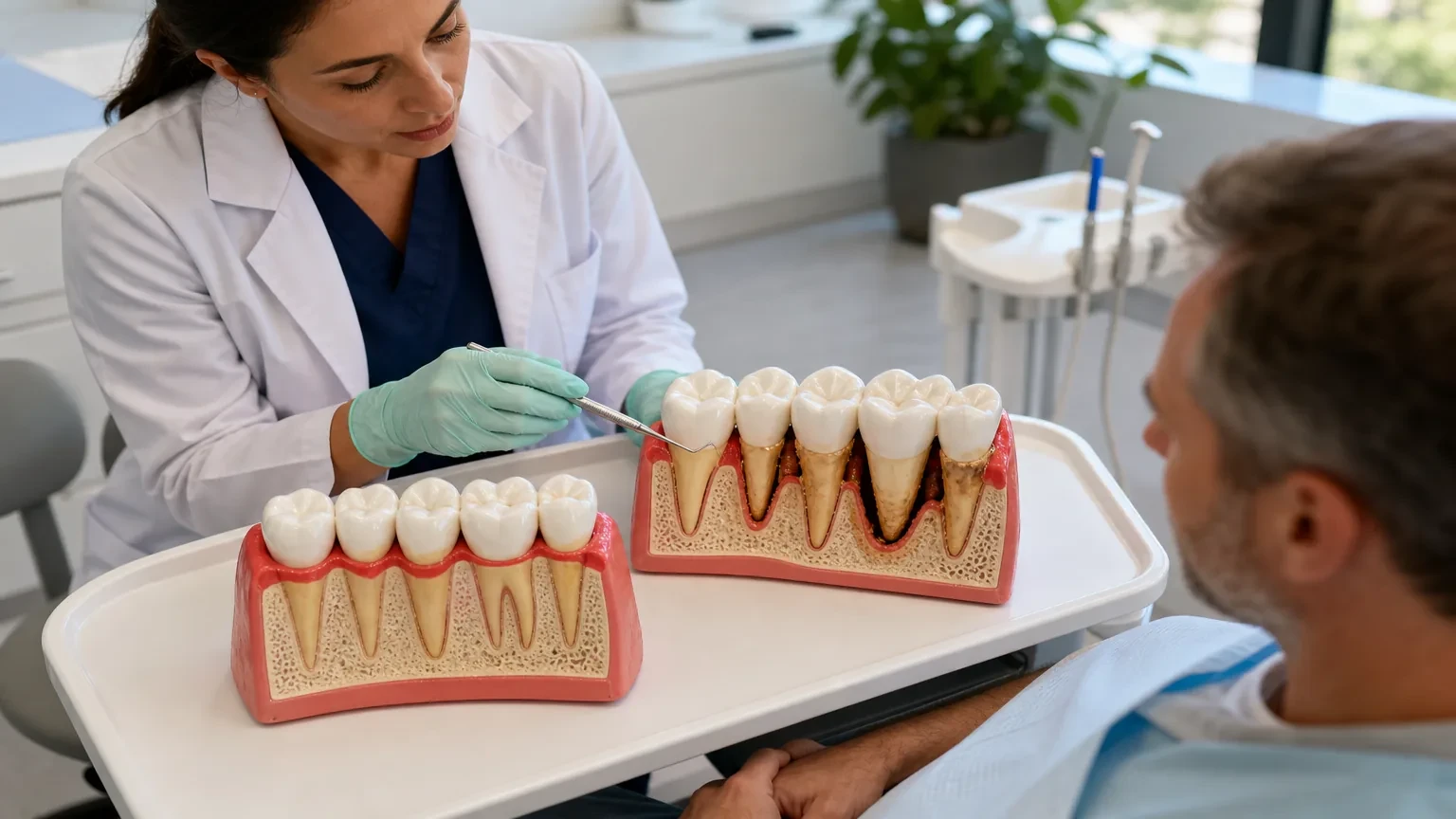
What Is The Difference Between Gingivitis And Periodontitis?
Gingivitis and periodontitis can both bleed quietly, but the real difference is whether deeper tooth support has started to break down.
Read article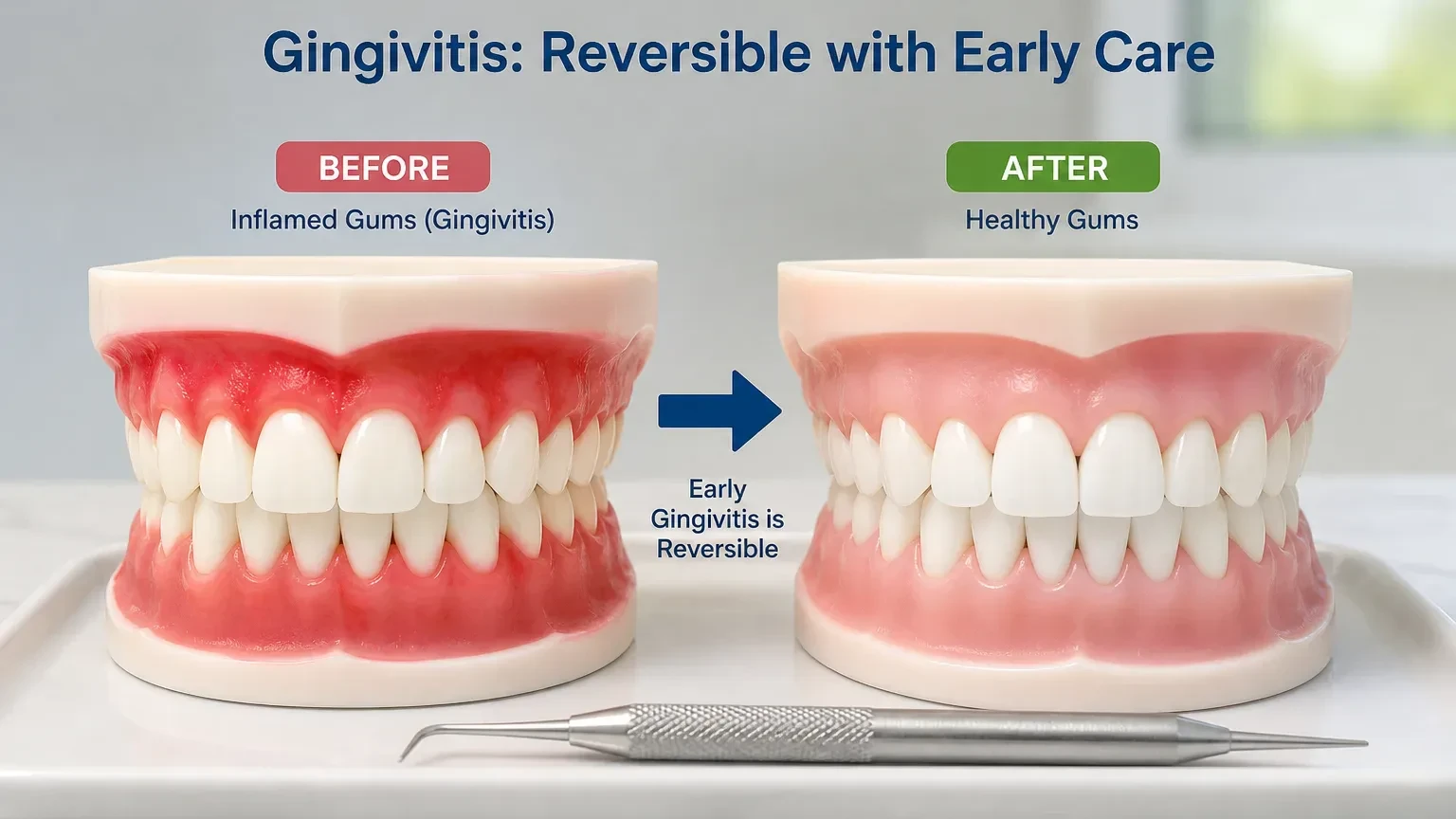
Is Gum Disease Reversible?
Gum disease reversibility depends on the stage. Inflamed gums can recover; lost bone support usually needs control, not a quick reset.
Read article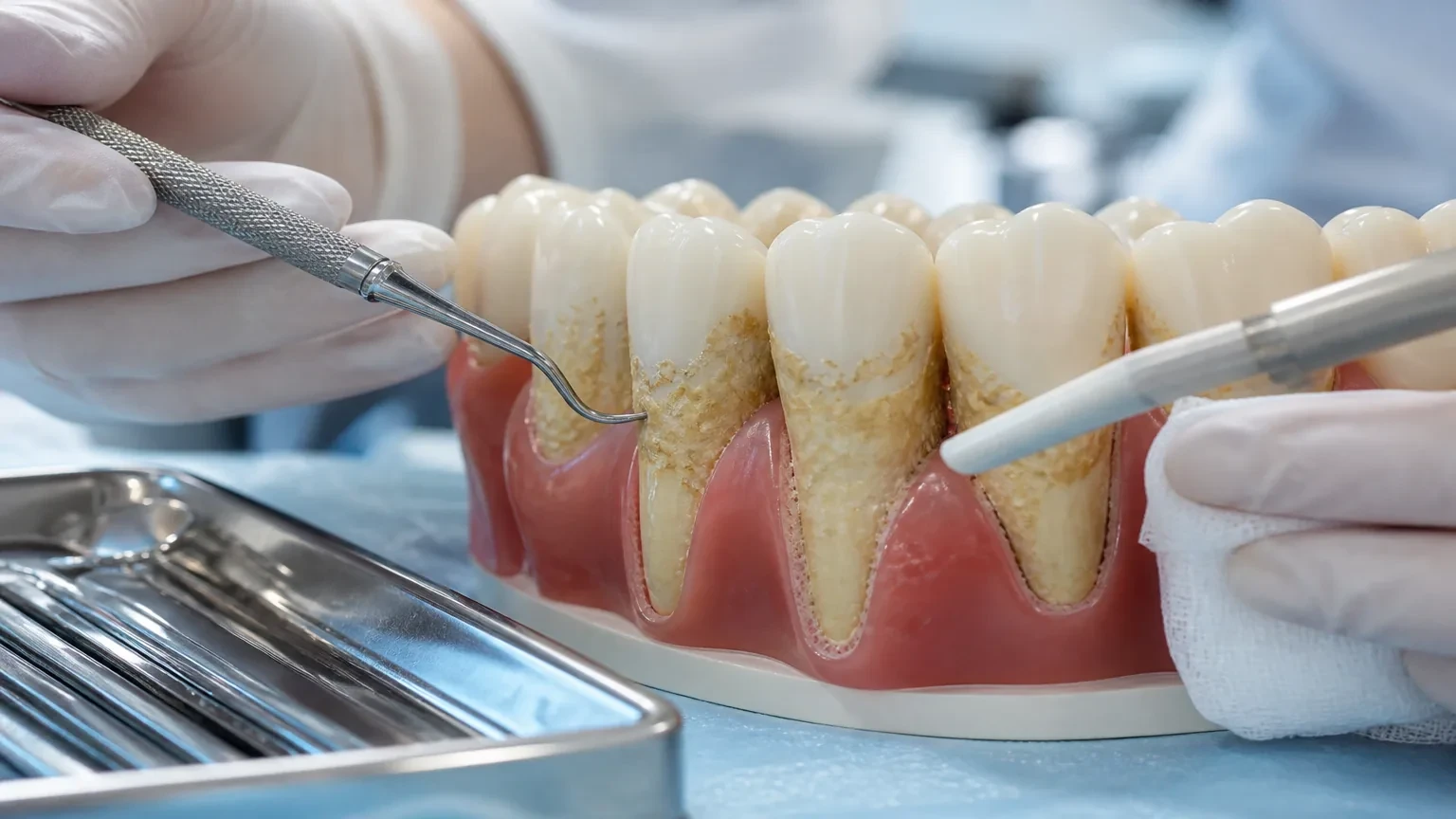
What Is Scaling And Root Planing?
Scaling and root planing is not a bigger version of polishing. It targets bacteria and tartar below the gumline where pockets stay inflamed.
Read article
Can Gum Disease Cause Tooth Loss?
Gum disease can cause tooth loss by weakening support around the root, often long before the tooth itself looks badly damaged.
Read article