
Can Pregnant Women Get Gum Disease?
Pregnant women can get gum inflammation and periodontal disease. Learn symptoms, dental visit safety, daily care, and when to call promptly.

Reviewed by Dr. Sean Myran, DMDDoctor of Dental Medicine, University of Pennsylvania
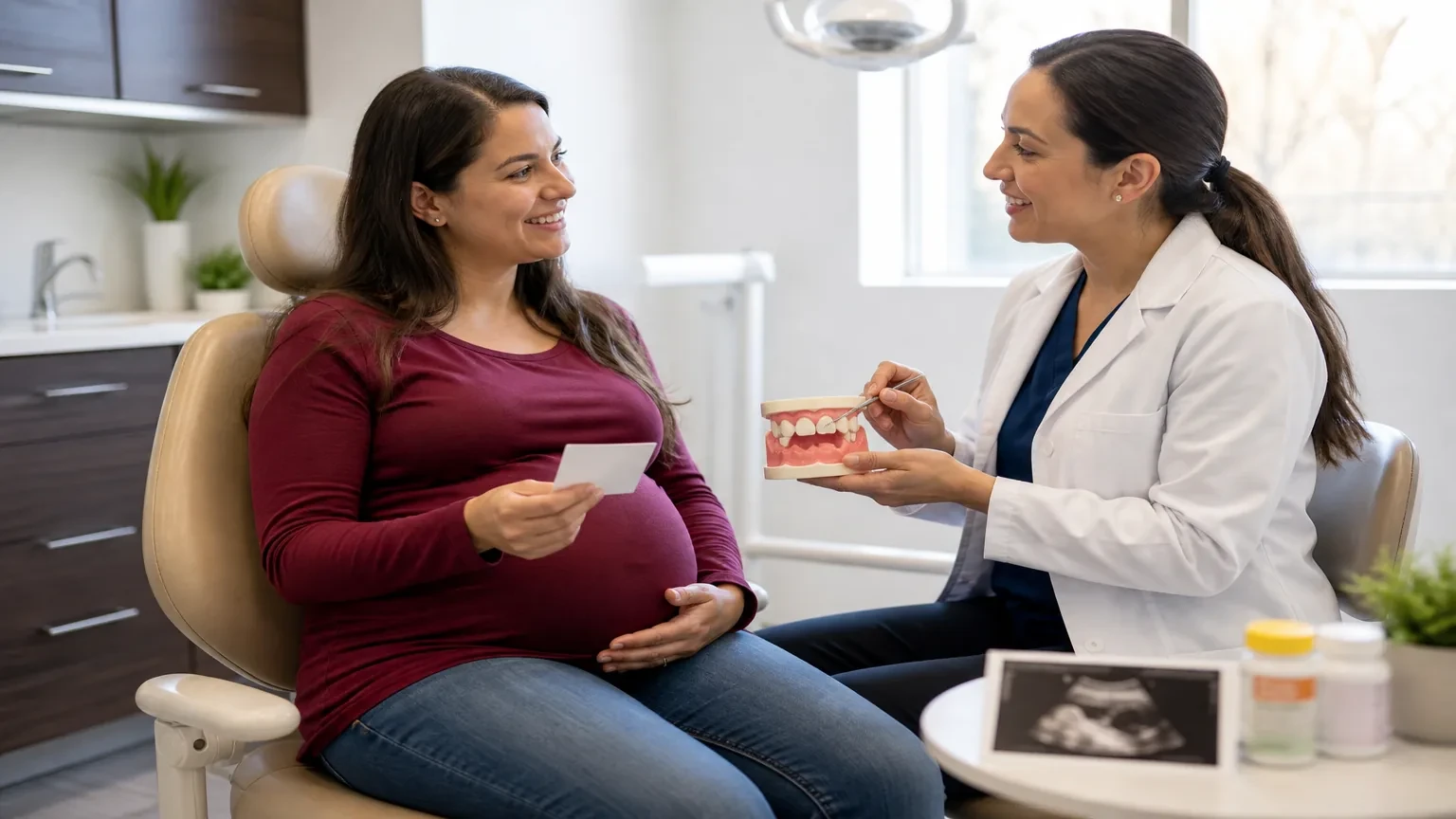
Pregnant women can get gum disease, and pregnancy hormones can make gums react more strongly to plaque. Many people notice bleeding, swelling, tenderness, or a small overgrowth area sometimes called a pregnancy tumor. Those changes do not mean dental care should wait until delivery. MouthHealthy says dental care is important during pregnancy and advises telling the dentist you are pregnant. The dentist can tailor X-rays, positioning, medication choices, and timing to the pregnancy.
Pregnancy Gum Changes To Watch
- Bleeding gums: especially during brushing or flossing.
- Puffiness: swollen gum edges around several teeth.
- Tender spots: areas that hurt when touched or trap food.
- Bad breath: odor that returns quickly despite brushing.
- Localized swelling: a bump or overgrowth that bleeds easily.
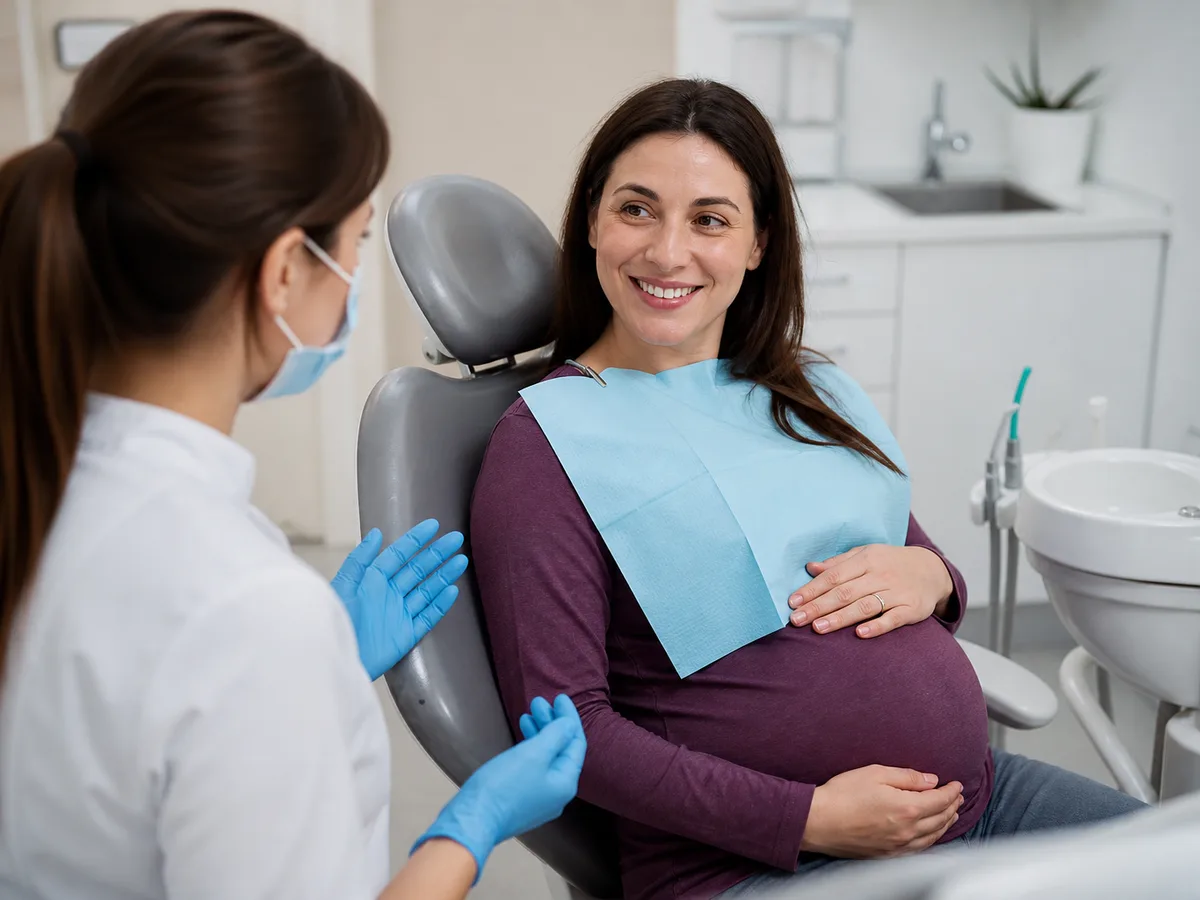 Inflamed gums still need plaque control.
Hormones raise the reaction
Pregnancy does not create plaque out of nowhere, but it can amplify the gum response to plaque that is already present. That is why gentle daily cleaning and professional care can make such a difference.
Is Dental Treatment Safe During Pregnancy?
Routine dental care is commonly provided during pregnancy, and delaying infection care can create bigger problems. Tell the office how far along you are, whether the pregnancy is high risk, what medications you take, and who your prenatal clinician is. The dental team can decide which X-rays are necessary, use shielding and modern low-dose techniques when imaging is needed, and choose local anesthetic or antibiotics only when appropriate.
Gingivitis during pregnancy may improve after delivery, but waiting is not a plan if bleeding is heavy, swelling is localized, or periodontal pockets are present. Periodontitis can exist before pregnancy and continue during it. If you are trying to understand the stage, What Is The Difference Between Gingivitis And Periodontitis? separates gum inflammation from support loss.
Nausea can make oral care harder. Rinse with water after vomiting, wait before brushing if your mouth is acidic, and ask about fluoride if erosion or sensitivity appears. Frequent snacking can feed plaque, so water and a steady cleaning routine matter. If flossing causes bleeding, switch to gentler technique rather than stopping completely, then ask the hygienist to show what fits safely between your teeth.
 Dental and prenatal teams can align.
Coordinate care when needed
If the pregnancy is high risk or medication questions are complex, the dentist can coordinate with your prenatal clinician. Use find a dentist if you need an office comfortable with prenatal dental visits.
When To Call Promptly
Call if you have facial swelling, fever, pus, severe tooth pain, a gum bump that drains, bleeding that is heavy or one-sided, or a tooth that feels loose. These signs need evaluation rather than reassurance. For home prevention basics that still apply during pregnancy, see How Do You Prevent Gum Disease?.
Pregnancy can make gums more sensitive, but it should not make you feel stuck. A measured dental visit can protect comfort now and make postpartum care easier when sleep and schedules become harder.
Plan the appointment around comfort. Later in pregnancy, lying flat can feel uncomfortable, so the team may adjust chair position or offer breaks. Morning sickness may make early appointments harder, while fatigue may make long visits difficult. Tell the office what part of the day works best and bring questions about toothpaste, rinses, nausea, and bleeding. If a cleaning is recommended, ask what symptoms should improve afterward and what should be checked again postpartum. The goal is steady, practical care during pregnancy, not waiting until everything feels easier after the baby arrives.
Bleeding gums during pregnancy are common enough to discuss openly and important enough to evaluate. Comfortable, coordinated care is usually possible.
Related articles
Keep exploring related topics from Dental Country.
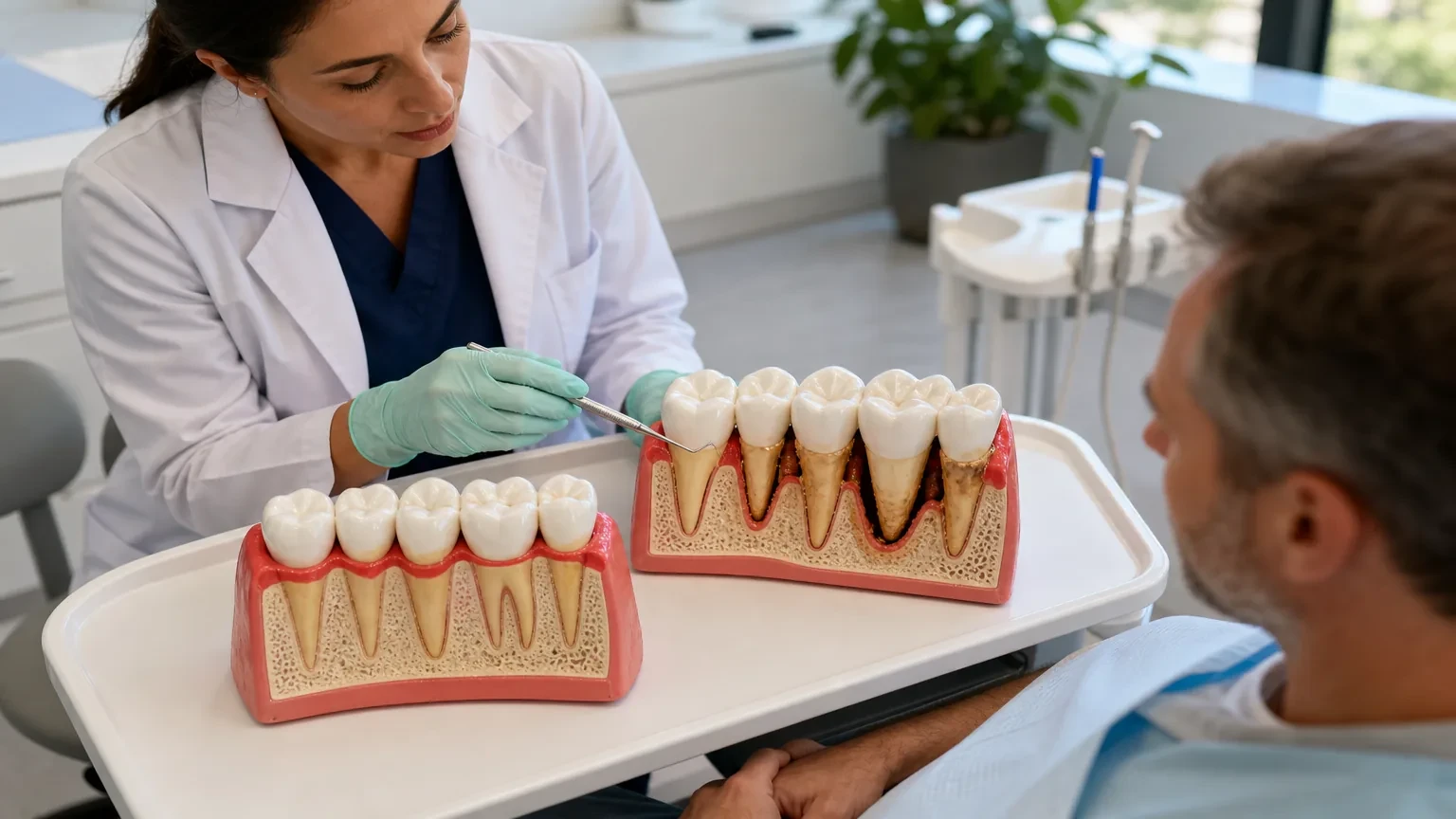
What Is The Difference Between Gingivitis And Periodontitis?
Gingivitis and periodontitis can both bleed quietly, but the real difference is whether deeper tooth support has started to break down.
Read article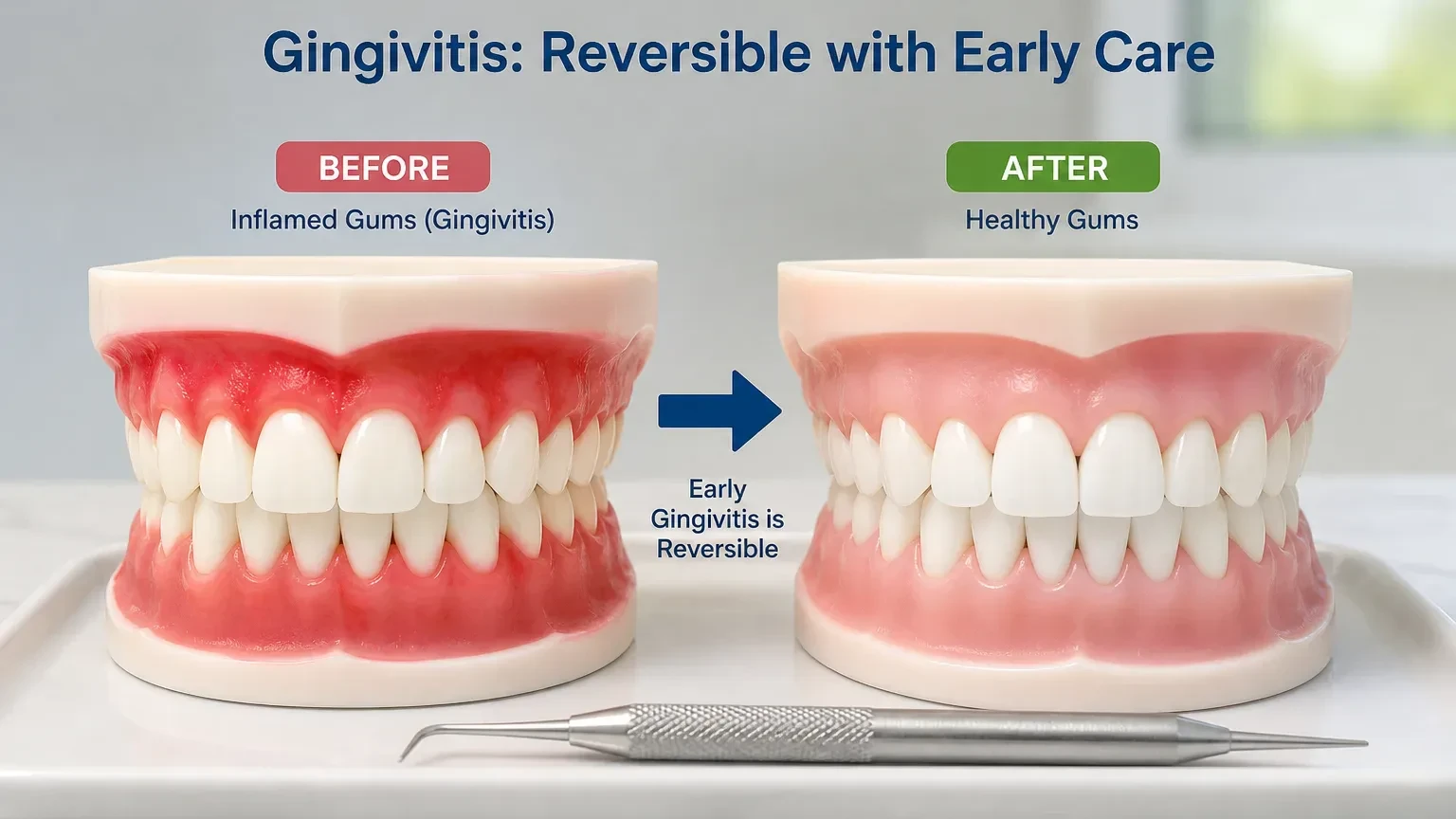
Is Gum Disease Reversible?
Gum disease reversibility depends on the stage. Inflamed gums can recover; lost bone support usually needs control, not a quick reset.
Read article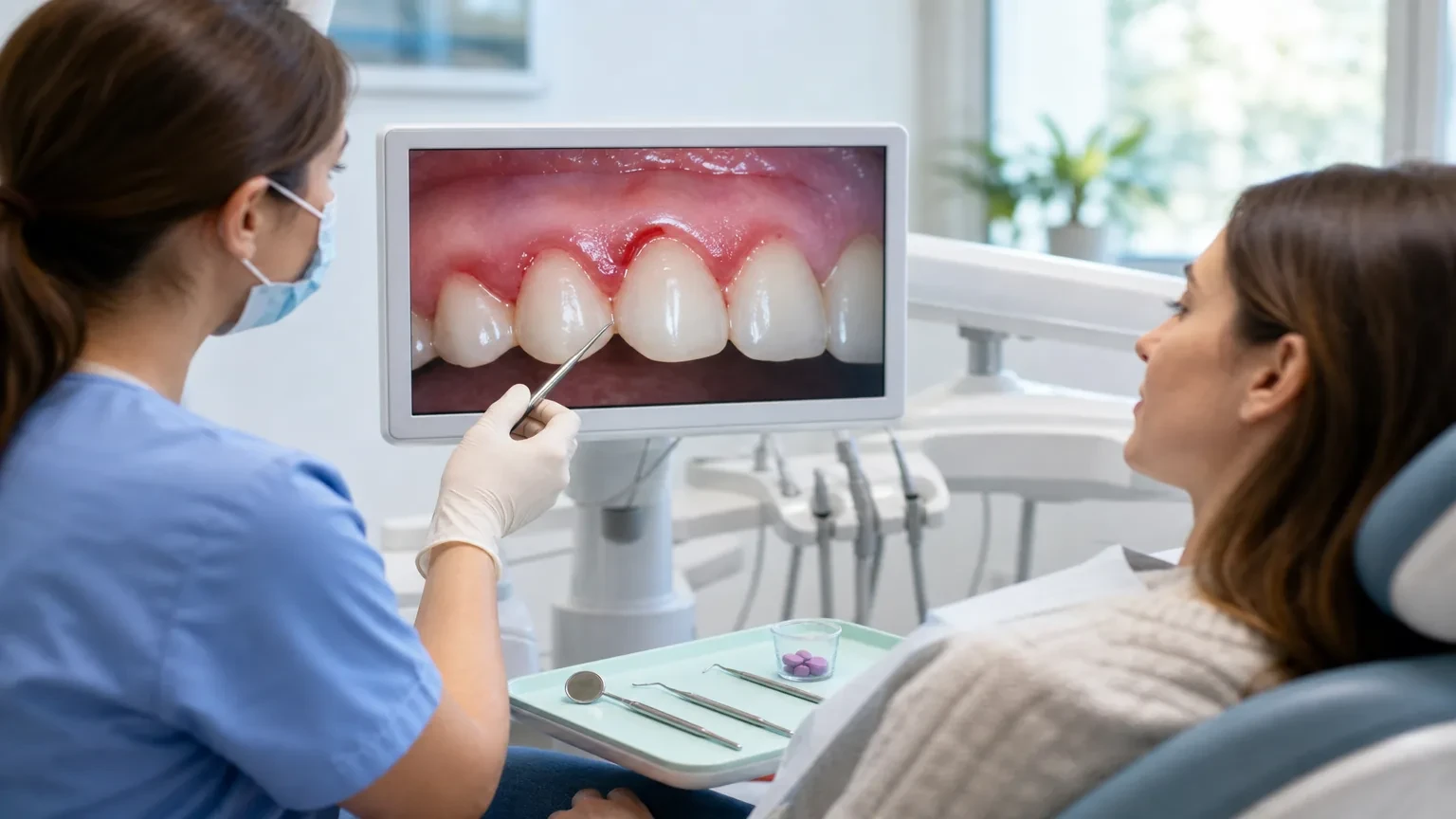
What Are Early Signs Of Gum Disease?
Early gum disease rarely announces itself with dramatic pain. Small bleeding, puffiness, and bad breath patterns are the clues to notice.
Read article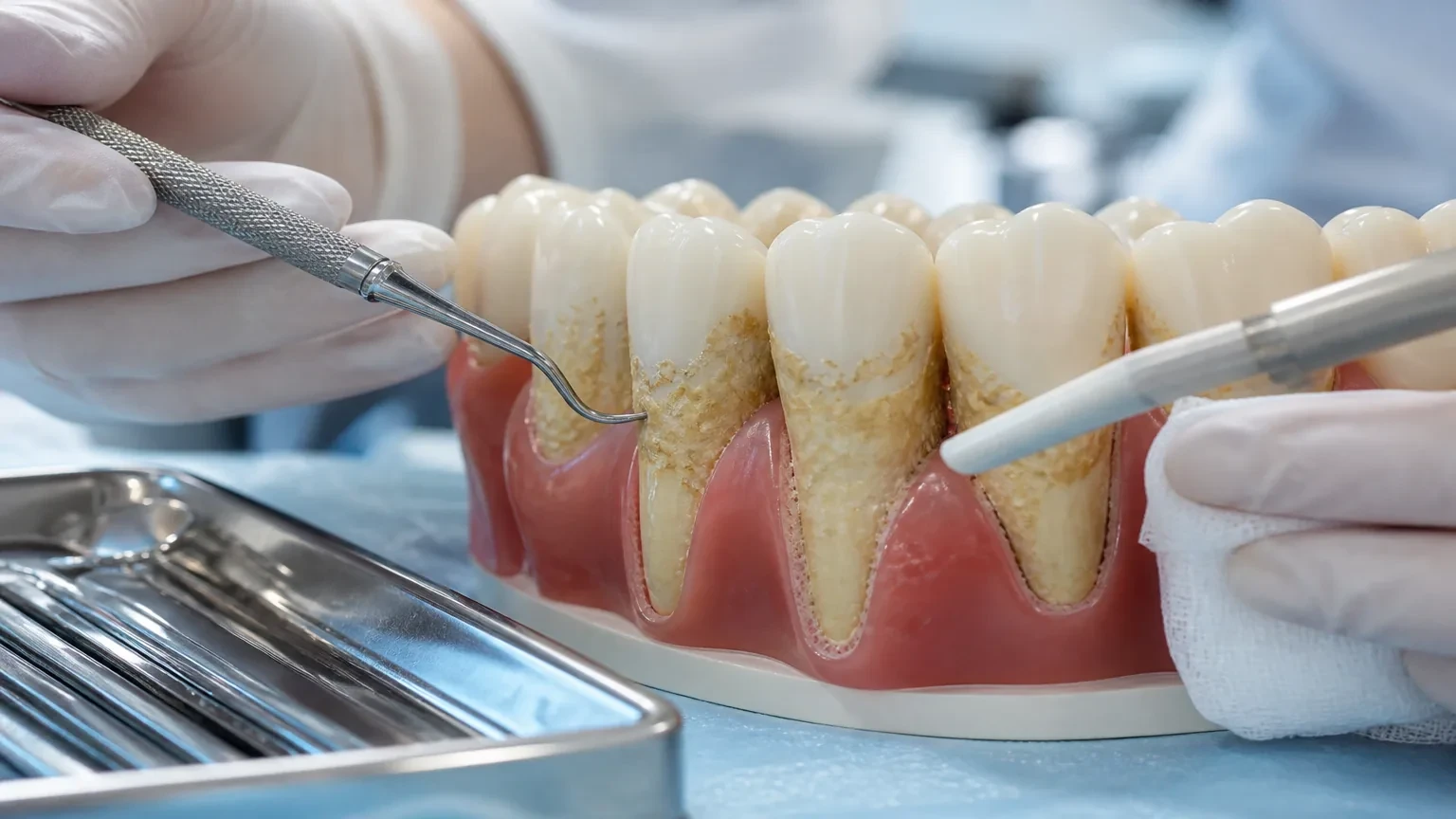
What Is Scaling And Root Planing?
Scaling and root planing is not a bigger version of polishing. It targets bacteria and tartar below the gumline where pockets stay inflamed.
Read article