
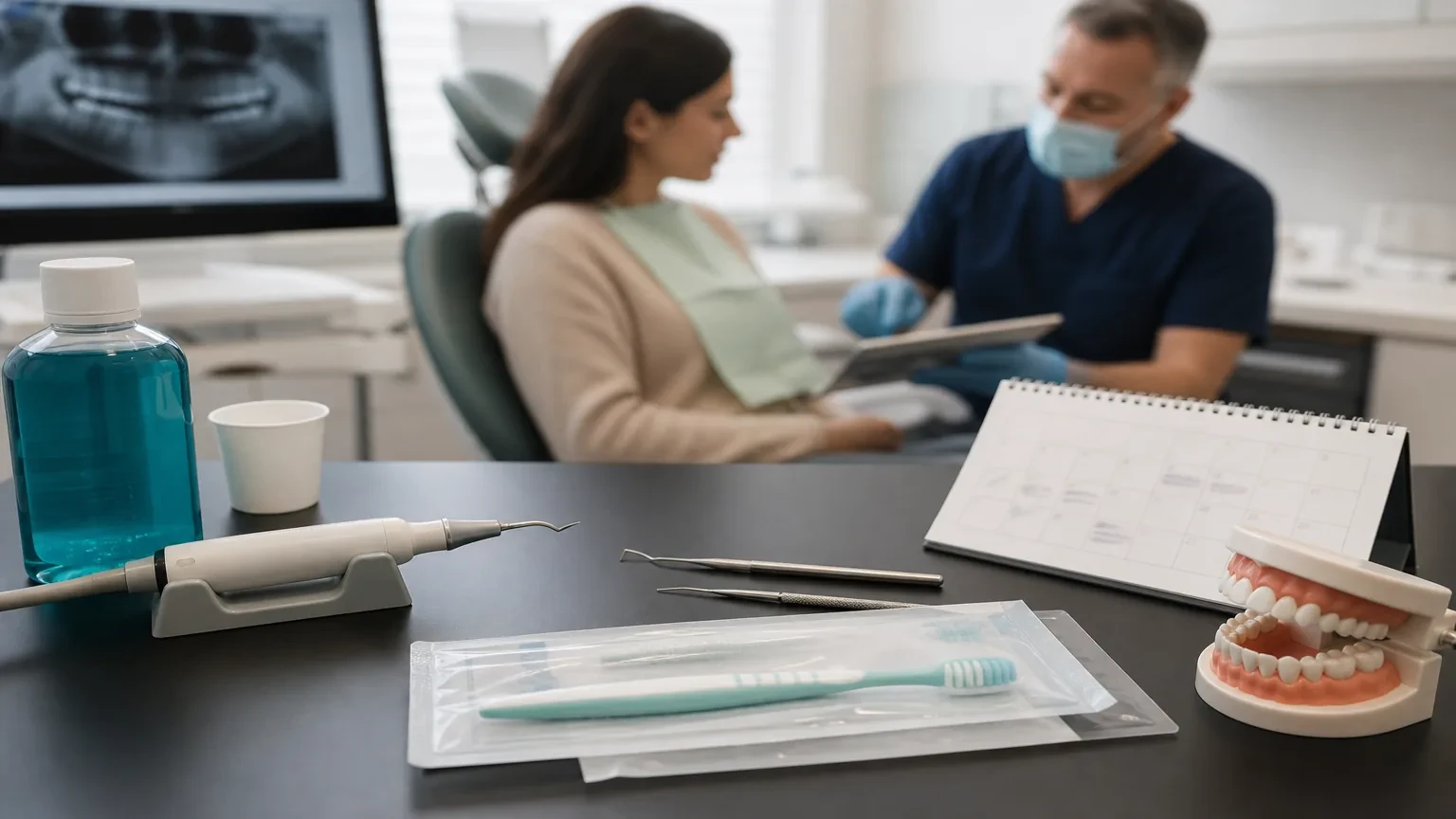
How Is Periodontal Disease Treated?
Periodontal disease treatment may include deep cleaning, risk control, maintenance, medication, surgery, or referral based on pocket depth and bone loss.

Reviewed by Dr. Sean Myran, DMDDoctor of Dental Medicine, University of Pennsylvania
Periodontal disease is treated by reducing infection below the gumline, controlling risk factors, and keeping teeth maintainable over time. The plan depends on pocket depths, bleeding, tartar, bone levels, tooth looseness, medical history, smoking, and how well the first phase works. The American Academy of Periodontology describes nonsurgical and surgical periodontal treatment options. A good plan names the stage and the next measurement point.
A Common Treatment Pathway
- Diagnosis: periodontal charting, X-rays, risk review, and tooth prognosis.
- Initial therapy: scaling and root planing, home-care coaching, and risk control.
- Re-evaluation: pockets and bleeding are measured again after healing.
- Additional treatment: localized medicine, bite adjustment, surgery, or referral may be discussed.
- Maintenance: cleanings on a periodontal schedule to keep disease stable.
 Measurements make care specific.
Treatment starts with a map
Pocket numbers tell the clinician where bacteria hide and which areas are responding. Without that map, treatment can become a generic cleaning instead of a periodontal plan matched to the mouth.
What Happens After Deep Cleaning
Scaling and root planing is often the first active step when tartar and bacteria sit below the gumline. If you want the procedure details, What Is Scaling And Root Planing? walks through the visit. After healing, the office rechecks bleeding and pocket depths. Some sites shrink enough for maintenance. Others remain deep because of bone shape, root anatomy, furcations, or persistent inflammation.
When pockets remain hard to maintain, periodontal surgery may improve access for cleaning, reshape damaged bone, or attempt regeneration in selected defects. Not every pocket needs surgery, and not every tooth is a good candidate. A periodontist weighs tooth importance, mobility, bone pattern, smoking, diabetes control, hygiene, and long-term value before recommending a procedure.
Medication can play a limited role. Local antibiotics, antimicrobial rinses, or systemic antibiotics may be used in specific situations, but they do not replace mechanical cleaning and plaque control. Treatment also includes risk work: quitting tobacco, improving diabetes control with a physician, adjusting bite overload, treating decay, and choosing cleaning tools that the patient can actually use every day.
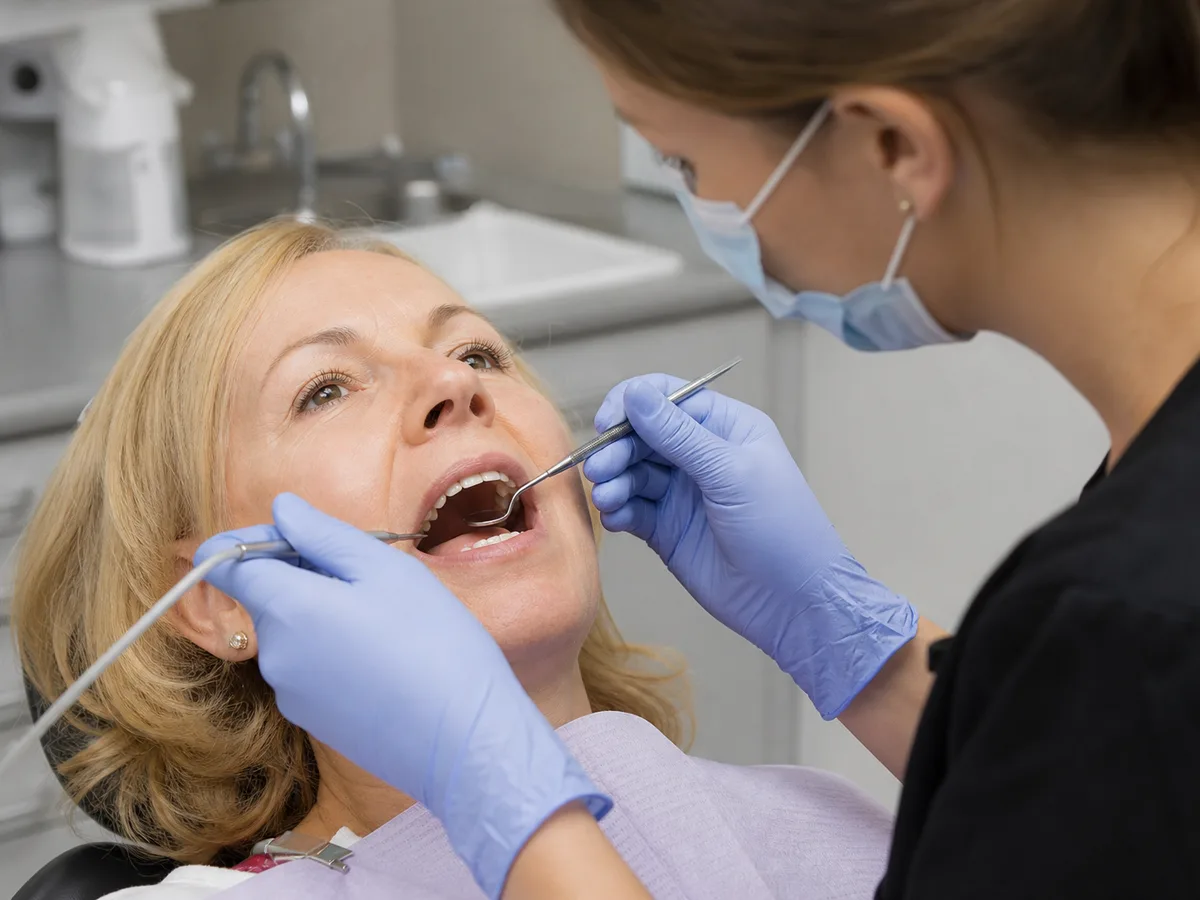 Stable gums need regular monitoring.
Maintenance is active treatment
Periodontal maintenance visits are usually more frequent than routine cleanings because bacteria recolonize deep areas. If you need care or a second opinion, use find a dentist and ask whether the office treats periodontal disease or refers to a periodontist.
How To Judge Progress
Progress is measured by less bleeding, shallower or more maintainable pockets, reduced swelling, better breath, stable X-rays, and teeth that are not getting looser. The goal is not a perfect chart in every advanced case. It is a mouth that can be maintained without ongoing destruction. If you are wondering whether treatment can reverse your stage, read Is Gum Disease Reversible?.
Ask what would change the plan: a pocket that stays deep, a tooth that becomes mobile, a new smoking habit, or a missed maintenance pattern. That answer turns periodontal treatment from a vague series of cleanings into a trackable health plan.
Costs and timing should follow the same pathway. Ask whether the estimate covers initial therapy only or also the re-evaluation and periodontal maintenance. If surgery or referral might be needed, ask what findings would trigger that recommendation and when that decision would be made. Patients often feel more comfortable when the plan has checkpoints instead of open-ended cleanings. A checkpoint might be six weeks after scaling and root planing or at the next maintenance visit. At that point, numbers and bleeding patterns decide whether treatment is working or whether a different approach is needed.
Good periodontal care should feel trackable. You should know the starting measurements, the next checkpoint, and what result would change the plan.
Related articles
Keep exploring related topics from Dental Country.
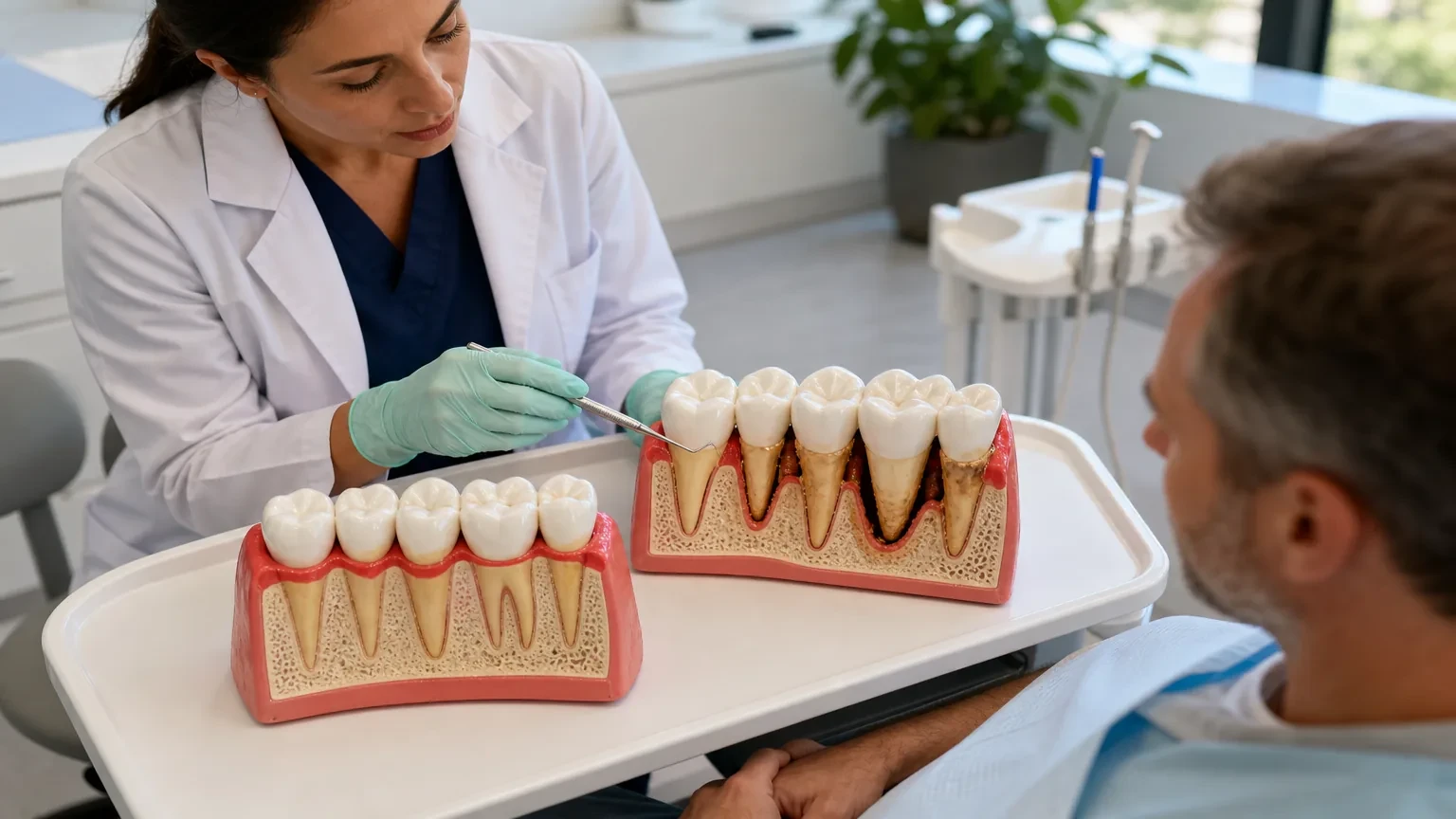
What Is The Difference Between Gingivitis And Periodontitis?
Gingivitis and periodontitis can both bleed quietly, but the real difference is whether deeper tooth support has started to break down.
Read article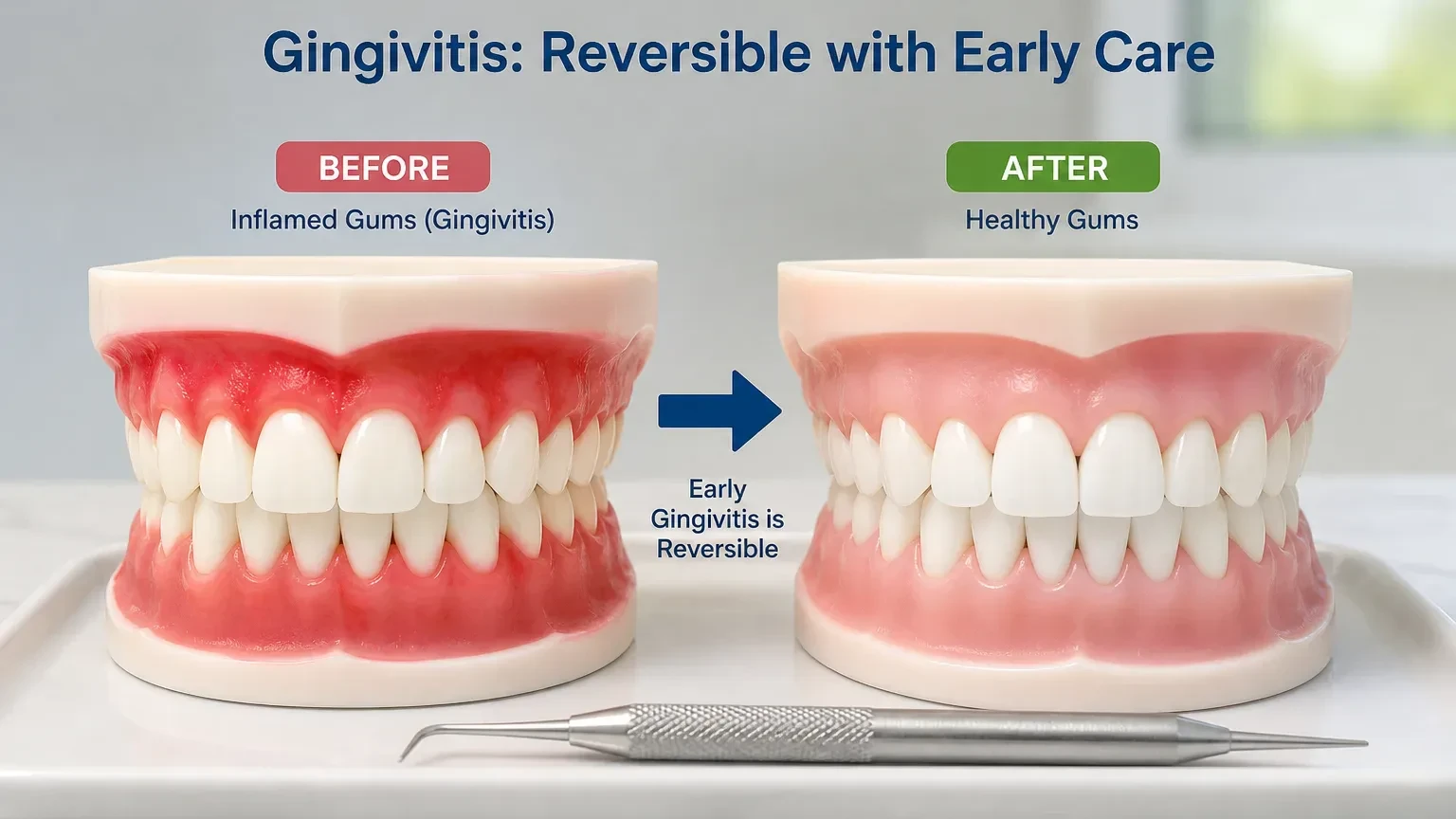
Is Gum Disease Reversible?
Gum disease reversibility depends on the stage. Inflamed gums can recover; lost bone support usually needs control, not a quick reset.
Read article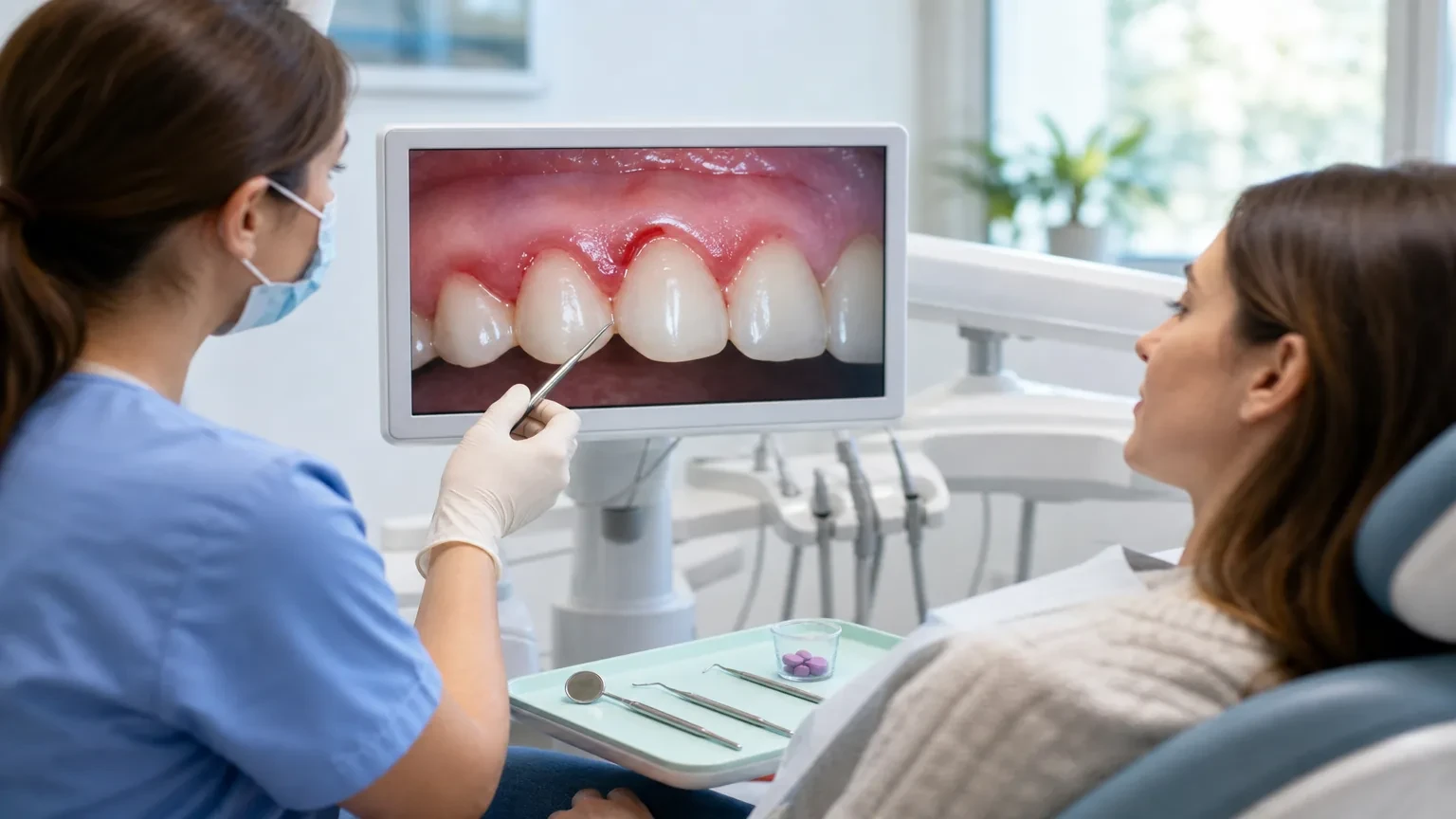
What Are Early Signs Of Gum Disease?
Early gum disease rarely announces itself with dramatic pain. Small bleeding, puffiness, and bad breath patterns are the clues to notice.
Read article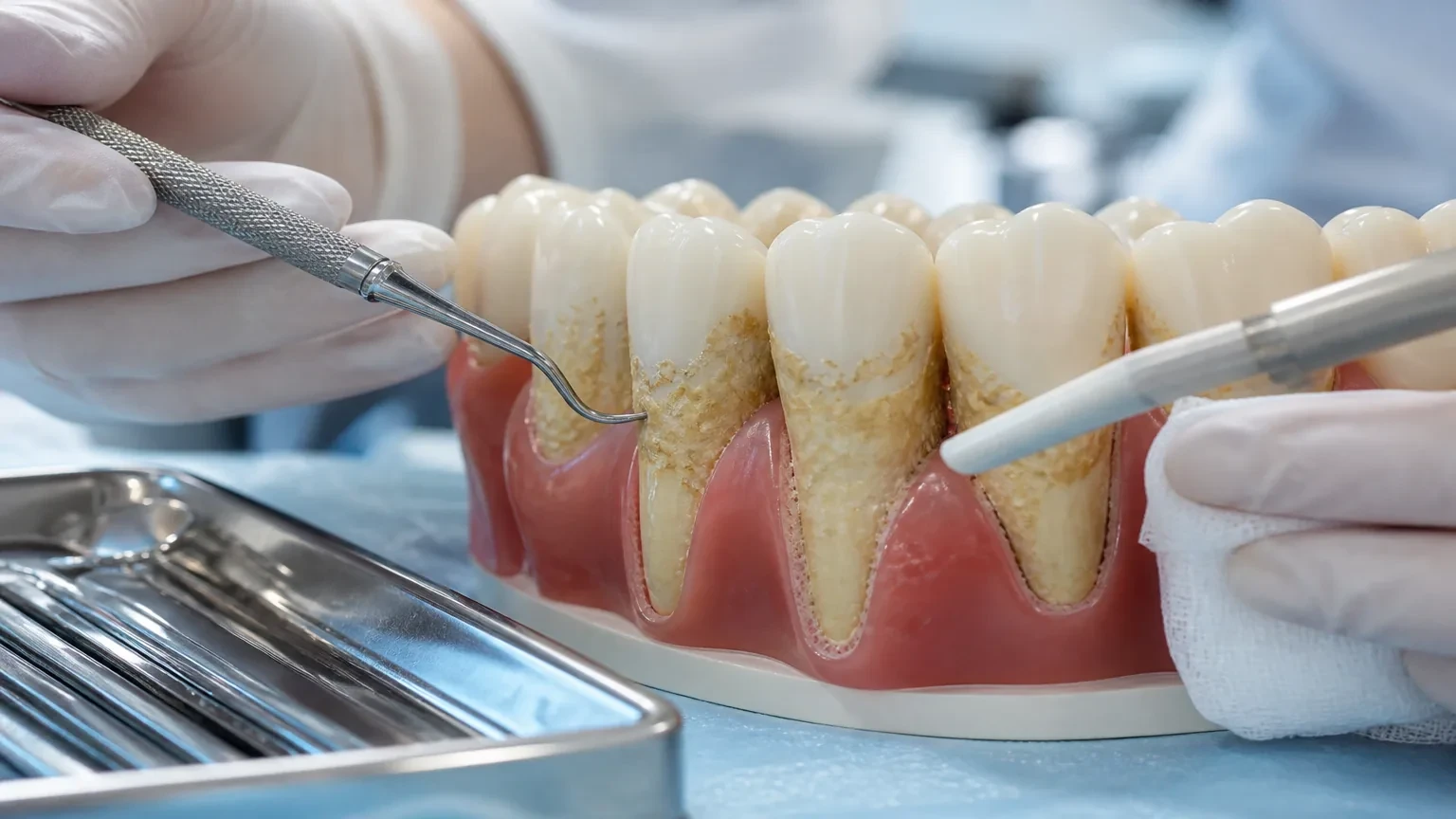
What Is Scaling And Root Planing?
Scaling and root planing is not a bigger version of polishing. It targets bacteria and tartar below the gumline where pockets stay inflamed.
Read article