

For Patients
Dental FAQ.
Dental sedation and oral surgery FAQ covering nitrous, IV sedation, recovery, bone grafts, prep steps, driving limits, and safety rules.
FAQ categories
Browse by topic
- View All220
- Braces & Traditional Orthodontics11
- Clear Aligners11
- Crowns, Bridges & Restorations11
- Dental Anxiety & First Visits11
- Dental Implants11
- Dental Insurance, Cost & Financing11
- Dentures & Partial Dentures11
- Emergency Dental Care11
- Gum Disease & Periodontics11
- Invisalign vs Alternatives11
- Oral Hygiene & Home Care11
- Oral Surgery & Sedation11
- Pediatric Dentistry11
- Preventive Care & Cleanings11
- Root Canals & Endodontics11
- Sleep Apnea & Oral Appliances11
- Teeth Whitening11
- TMJ, Bite & Jaw Pain11
- Tooth Extraction & Wisdom Teeth11
- Veneers & Cosmetic Dentistry11
Oral Surgery & Sedation
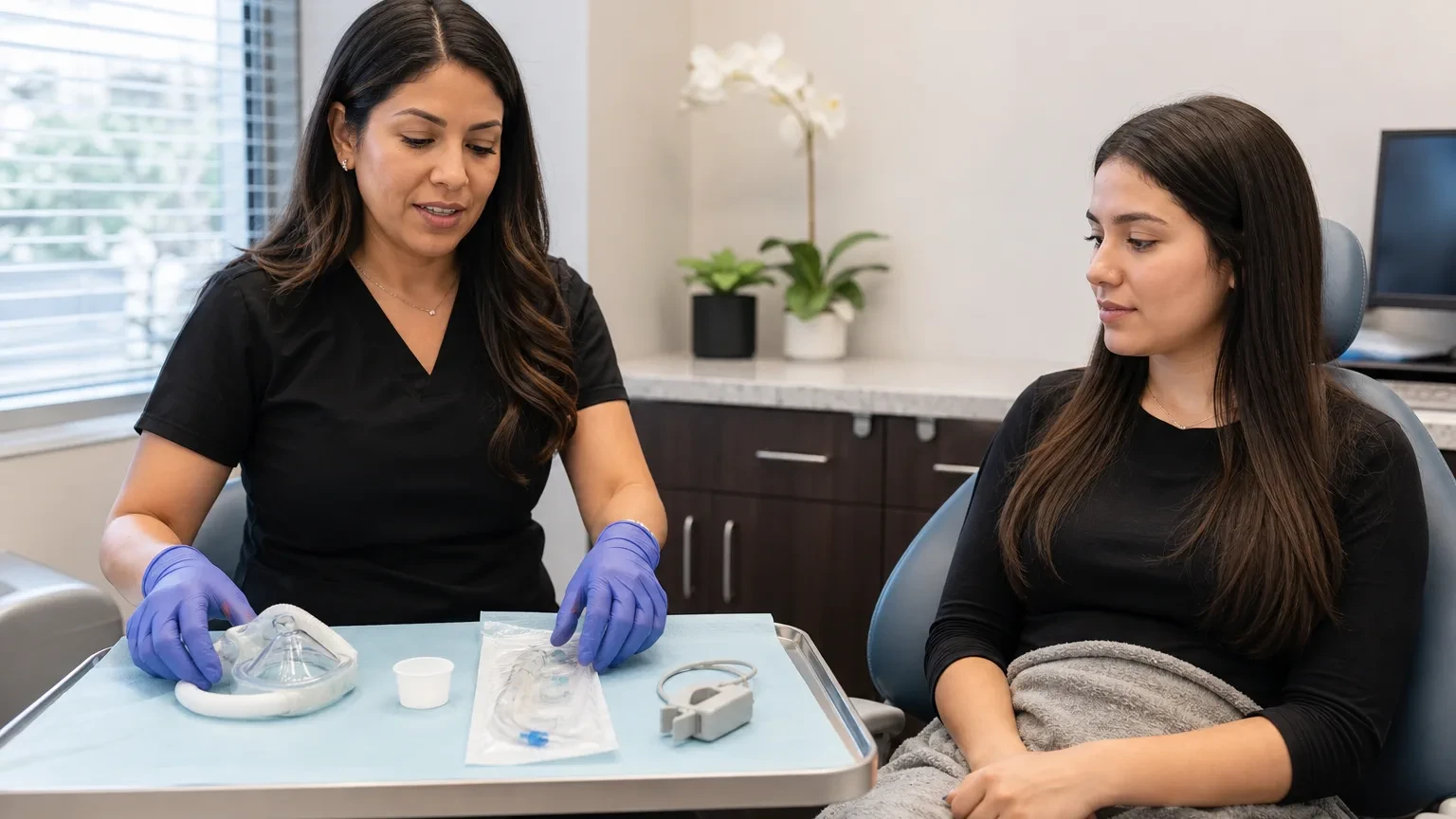
What Types Of Dental Sedation Are There?
Dentists match sedation to the procedure and your health—from light nitrous oxide to deeper IV or general anesthesia—so “sedation” is a spectrum, not one drug.

Is IV Sedation Safe For Dental Work?
IV sedation is often used safely for dental and oral surgery when patients are screened, monitored, and matched to an appropriately trained team—but it is not risk-free for every health profile.

What Is Nitrous Oxide At The Dentist?
Nitrous oxide at the dentist is a mild inhaled sedative blended with oxygen that eases anxiety while you remain awake and able to respond—effects that typically fade soon after the mask comes off.

Can You Drive After Dental Sedation?
Plan on not driving after oral or IV dental sedation—judgment and reflexes can stay impaired even if you feel “fine”—while nitrous-only visits sometimes allow driving once you are fully clear per office rules.
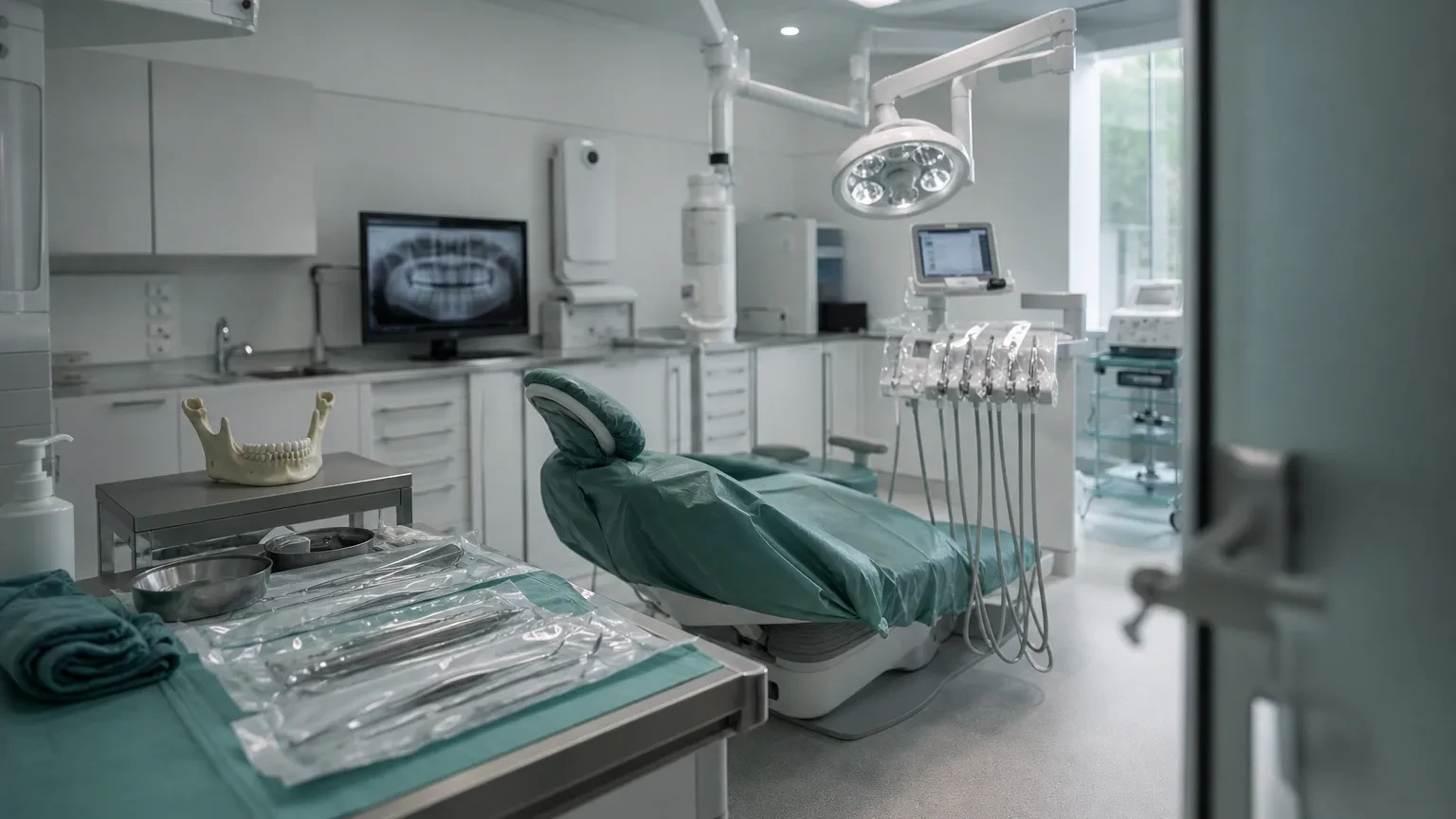
What Is Oral Surgery In Dentistry?
Oral surgery in dentistry means procedures on the teeth, gums, jaws, and related tissues—from extractions and implants to biopsies—done by general dentists or oral surgeons depending on complexity.

How Do You Prepare For Oral Surgery?
Preparing for oral surgery means finishing paperwork and medical disclosures early, following fasting and medicine instructions, arranging an escort, and setting up a soft-food recovery space at home.
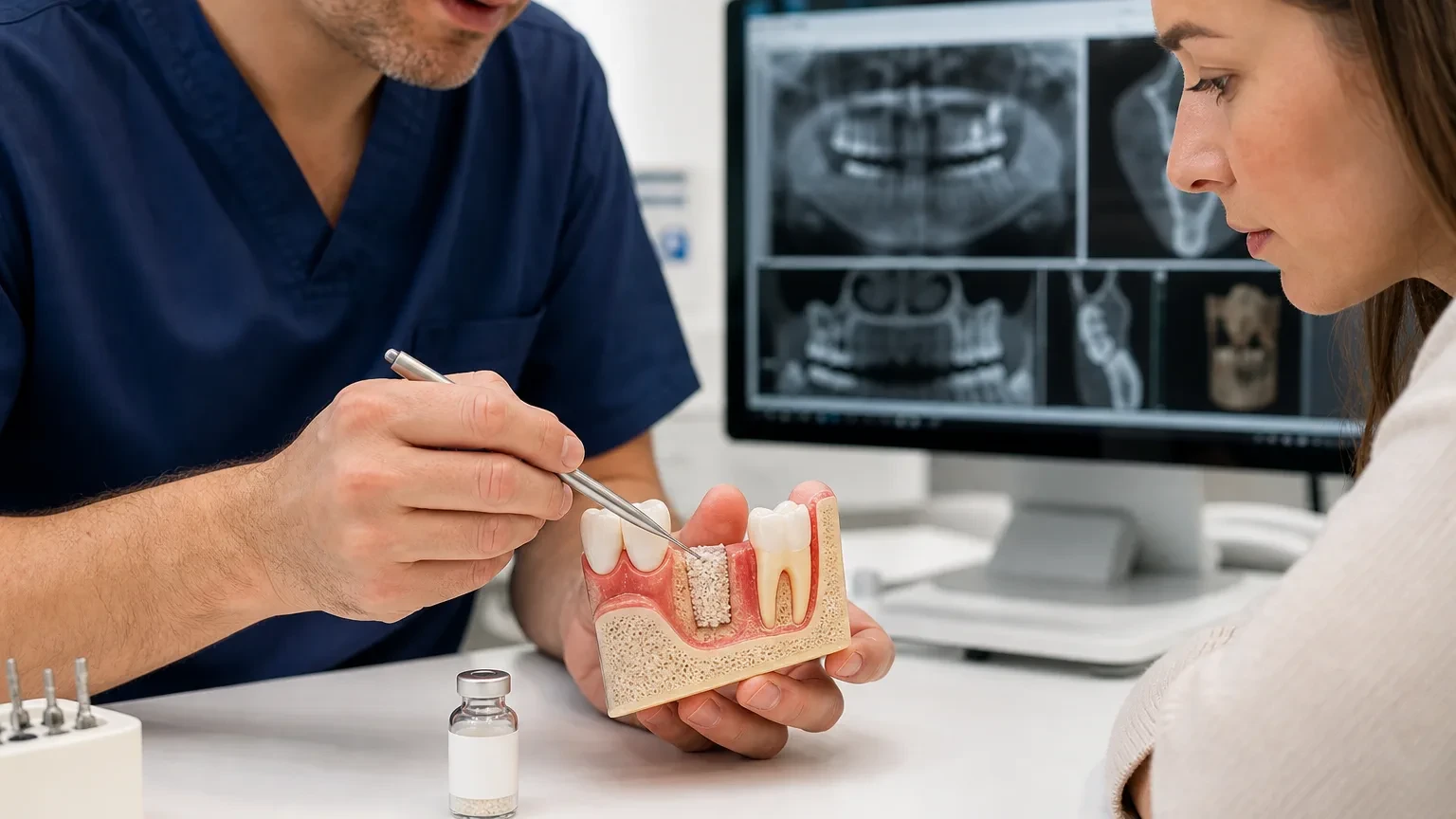
What Is A Dental Bone Graft?
A dental bone graft places bone or bone-substitute material to rebuild or preserve jawbone—often after extraction or before implants—with healing measured in months, not days.

How Painful Is Oral Surgery Recovery?
Oral surgery recovery discomfort is usually strongest for one to three days and then improves with medicine, ice, and rest—while rising pain after day three deserves a prompt call.
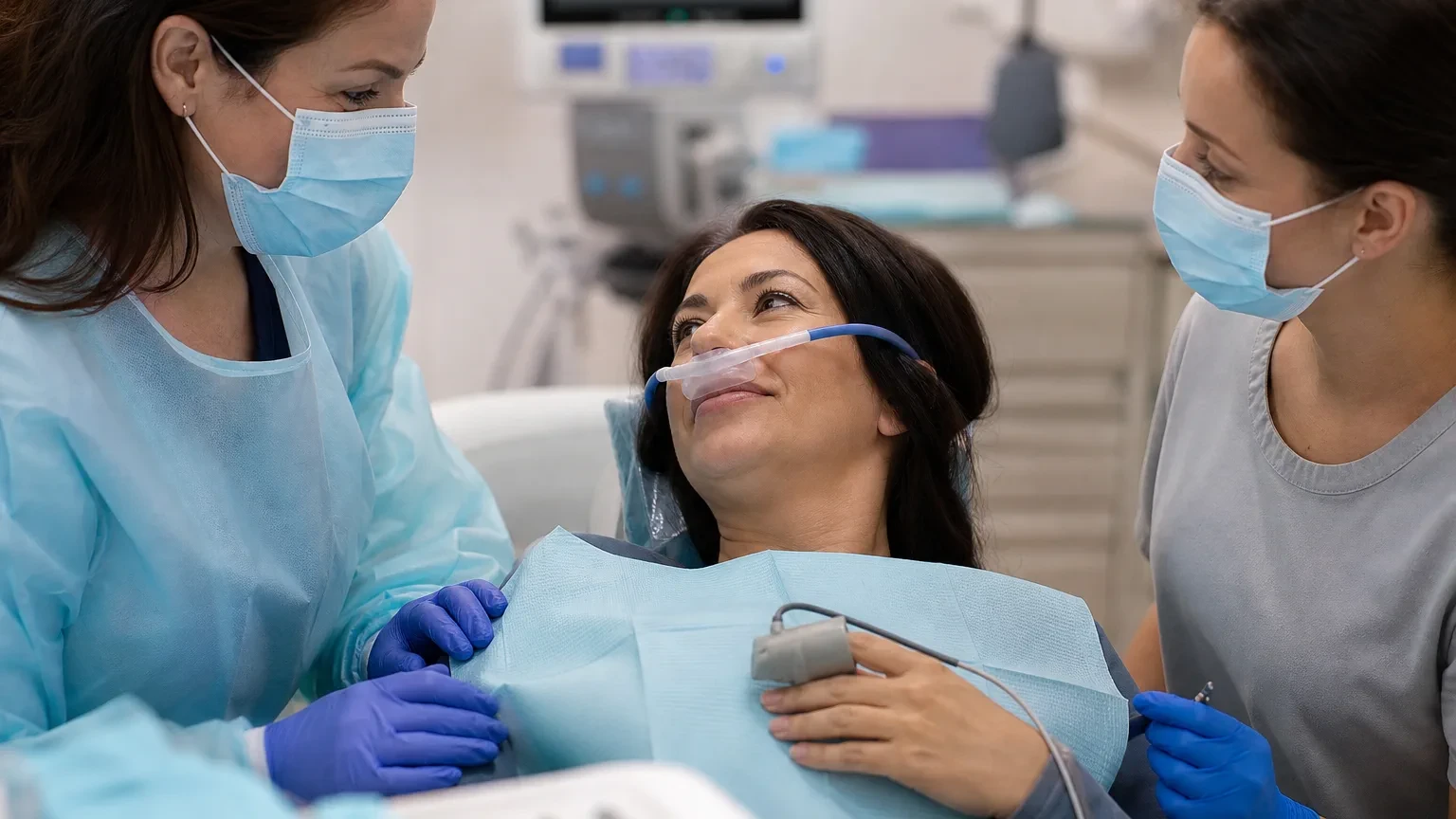
What Is Conscious Sedation At The Dentist?
Conscious sedation at the dentist means you are calmed with medicine yet remain arousable and able to respond—deeper than nitrous alone for some people, but not the same as general anesthesia.

Who Should Not Get Dental Sedation?
People with certain heart, lung, airway, pregnancy, or drug-interaction risks may need delayed, lighter, or hospital-based dental sedation—screening exists to catch those limits before medicine is given.

How Long Does Dental Sedation Last?
Dental sedation duration depends on the method: nitrous usually clears quickly, while oral or IV medicines can affect alertness for hours—so plan rest, an escort, and a quiet routine afterward.