
Who Should Not Get Dental Sedation?
Some health histories mean dental sedation should be delayed, lightened, or moved to a hospital. Use this caution checklist and know when to ask.

Reviewed by Dr. Sean Myran, DMDDoctor of Dental Medicine, University of Pennsylvania
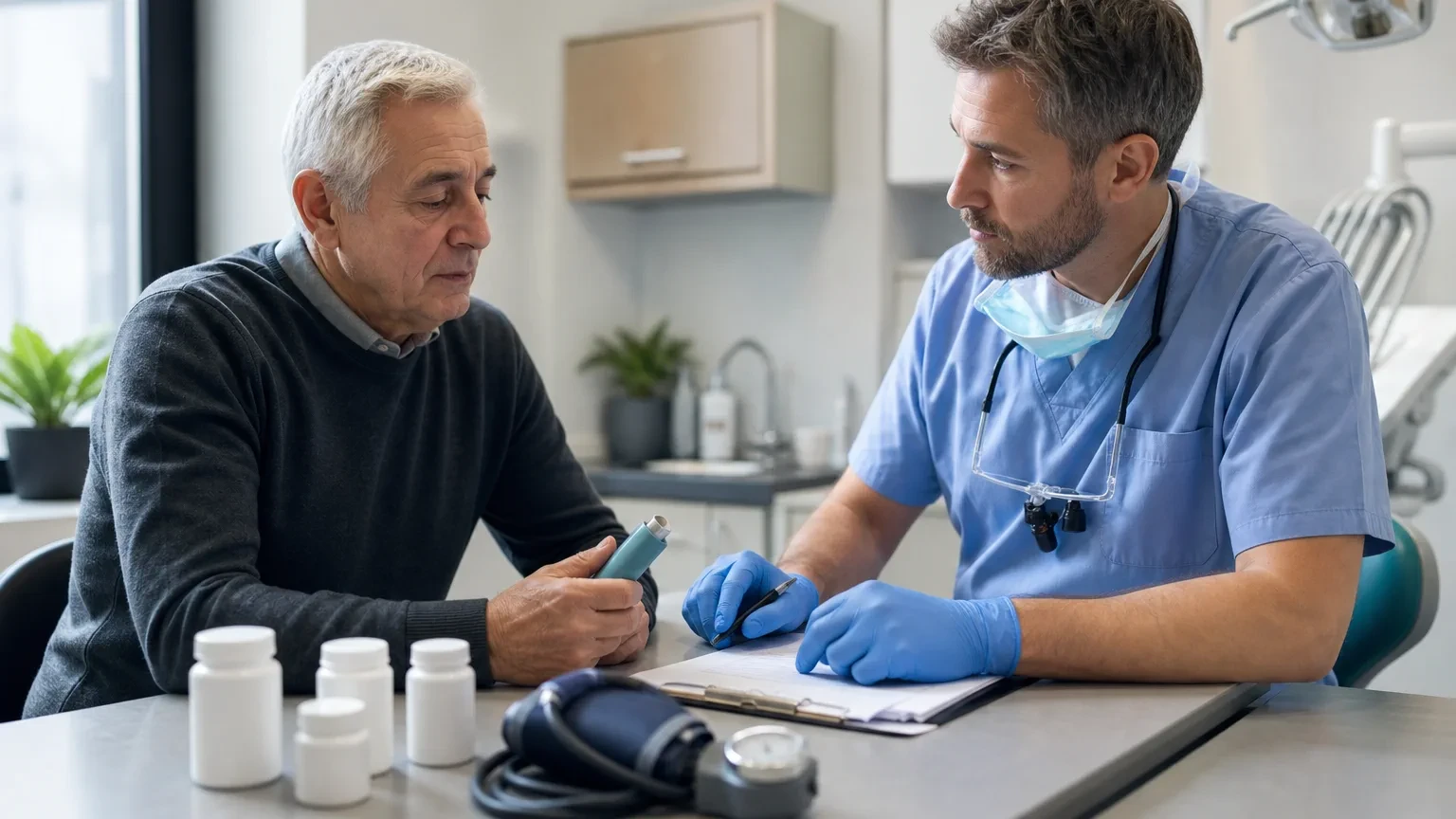
Nobody should receive dental sedation without screening—and some people should not receive certain depths in an ordinary dental office at all until risks are managed. Absolute and relative cautions include unstable medical disease, difficult airways, significant untreated sleep apnea for deeper plans, pregnancy for many elective sedatives, active respiratory infection, and dangerous drug interactions. MouthHealthy stresses that overall health, allergies, and anxiety level help determine which approach is best. A checklist organizes what to tell your clinician; it does not replace their decision.
“Should not” sometimes means “not today,” “not that deep,” or “not in this setting.” That nuance matters. Connect cautions to IV sedation safety and what conscious sedation involves.
Caution Checklist Worth Sharing
- Heart and circulation: recent heart attack, unstable angina, uncontrolled hypertension, advanced heart failure.
- Breathing and airway: severe COPD/asthma flare, known difficult intubation, large tonsils with obstruction symptoms, significant sleep apnea.
- Neurologic / cognitive: conditions that impair cooperation or prior severe anesthesia reactions.
- Pregnancy and nursing: elective sedation timing needs obstetric guidance.
- Medicines and substances: opioids, benzodiazepines, alcohol misuse, cannabis, MAOIs, or other agents your team must reconcile.
- Illness day-of: fever, productive cough, vomiting—reason to reschedule many sedated visits.
- Empty stomach rules broken: non-compliance with fasting can cancel deeper sedation for safety.
AAOMS underscores training, evaluation, and preparedness as pillars of outpatient anesthesia practice. Patient selection is how those pillars start. Hiding recreational drug use or sleep-apnea equipment use raises risk more than postponement does.
Children and medically complex adults may still receive sedation, but often under stricter protocols or with dental anesthesiologists / hospital teams. Older adults may need dose adjustments and longer recovery observation. Allergy to a specific drug is not an allergy to “all sedation”—alternatives may exist.
If you were told you are “not a candidate,” ask which factor drove that call and whether clearance, weight management for airway risk, different drugs, or a hospital OR would reopen options. Bring primary-care or specialist notes rather than arguing from memory.
Same-day red flags deserve respect: arriving with a fever, admitting you ate a full breakfast against NPO orders, or showing up without the required escort. Cancellation can feel inconvenient; proceeding anyway can be dangerous. A careful office will rather reschedule than push medicine through a preventable risk.
 Lists beat guesswork.
Hidden history is the real hazard
Print bottles or portal medication lists—including inhalers, blood thinners, and psychiatric medicines. Mention OTC sleep aids and CBD. If you use CPAP, say how many nights you wear it. Screening questions can feel personal; accurate answers keep you in the right facility with the right depth. Offices that rush past history to sell “sleep dentistry” are not doing you a favor.
When To Seek Care Or A Second Setting
- Your dentist declines office sedation for medical reasons—ask about referral pathways.
- You have prior anesthesia complications—obtain records before elective surgery.
- You need urgent dental surgery while medically unstable—coordinate with physicians; delay may still be safer than deep office sedation.
- Anxiety is extreme but health risks are high—ask about lighter options or staged treatment.
 Setting can solve a hard no.
The right place is part of the yes
A “no” to chairside IV sedation can still be a “yes” to care in a surgery center with medical anesthesia support. Ask for that path explicitly. For clinicians who screen carefully and refer when needed, use Find a Dentist and mention complex medical history and sedation needs when you book. Knowing who should wait—or relocate—is how sedation stays a help instead of a hazard.
Some people should not receive certain dental sedation plans until risks change or the setting upgrades. Use the checklist to brief your team, respect screening decisions, and ask what safer path still gets your dental work done.
Related articles
Keep exploring related topics from Dental Country.
What Types Of Dental Sedation Are There?
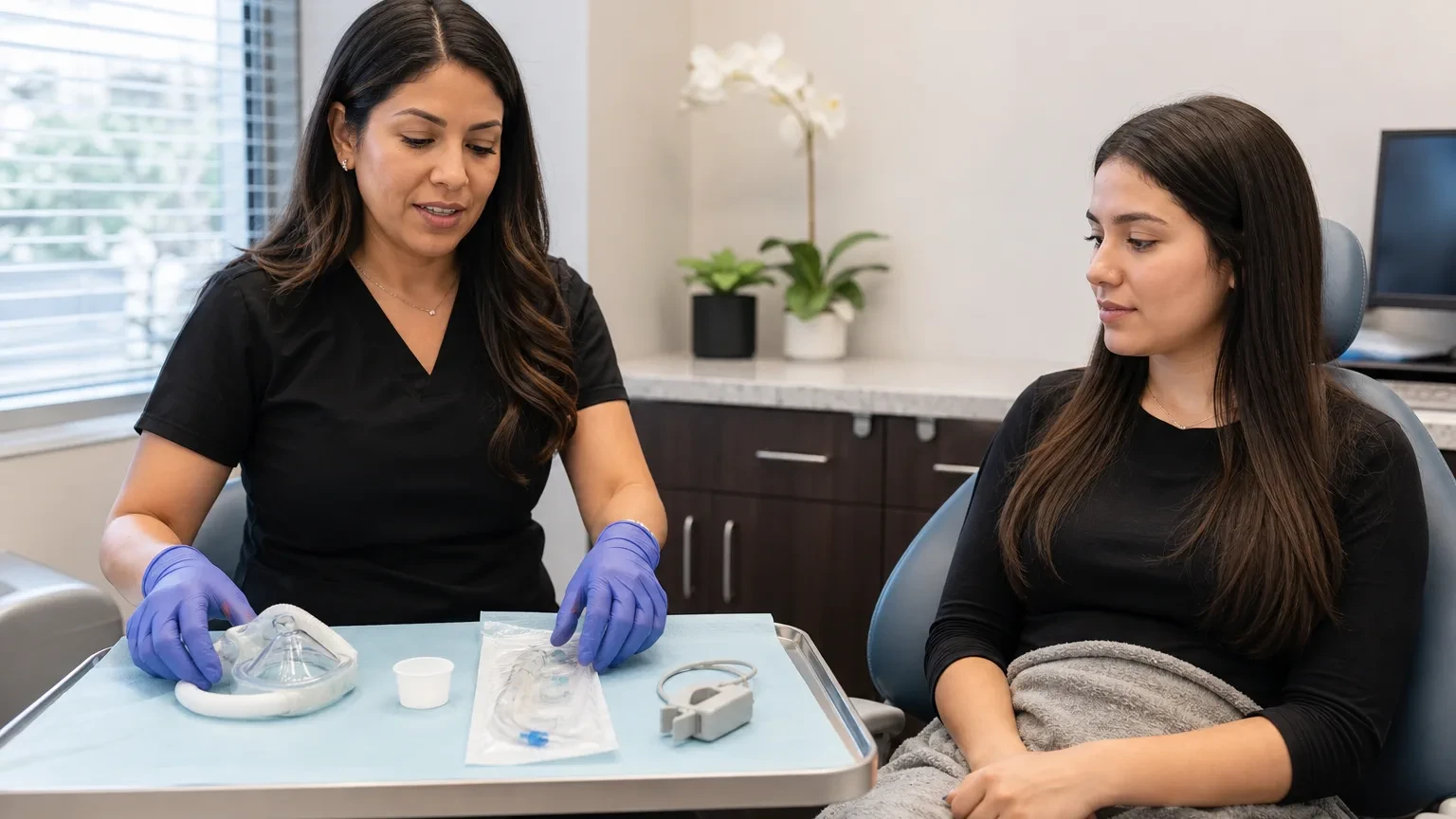
Dentists match sedation to the procedure and your health—from light nitrous oxide to deeper IV or general anesthesia—so “sedation” is a spectrum, not one drug.
Read article
Is IV Sedation Safe For Dental Work?
IV sedation is often used safely for dental and oral surgery when patients are screened, monitored, and matched to an appropriately trained team—but it is not risk-free for every health profile.
Read article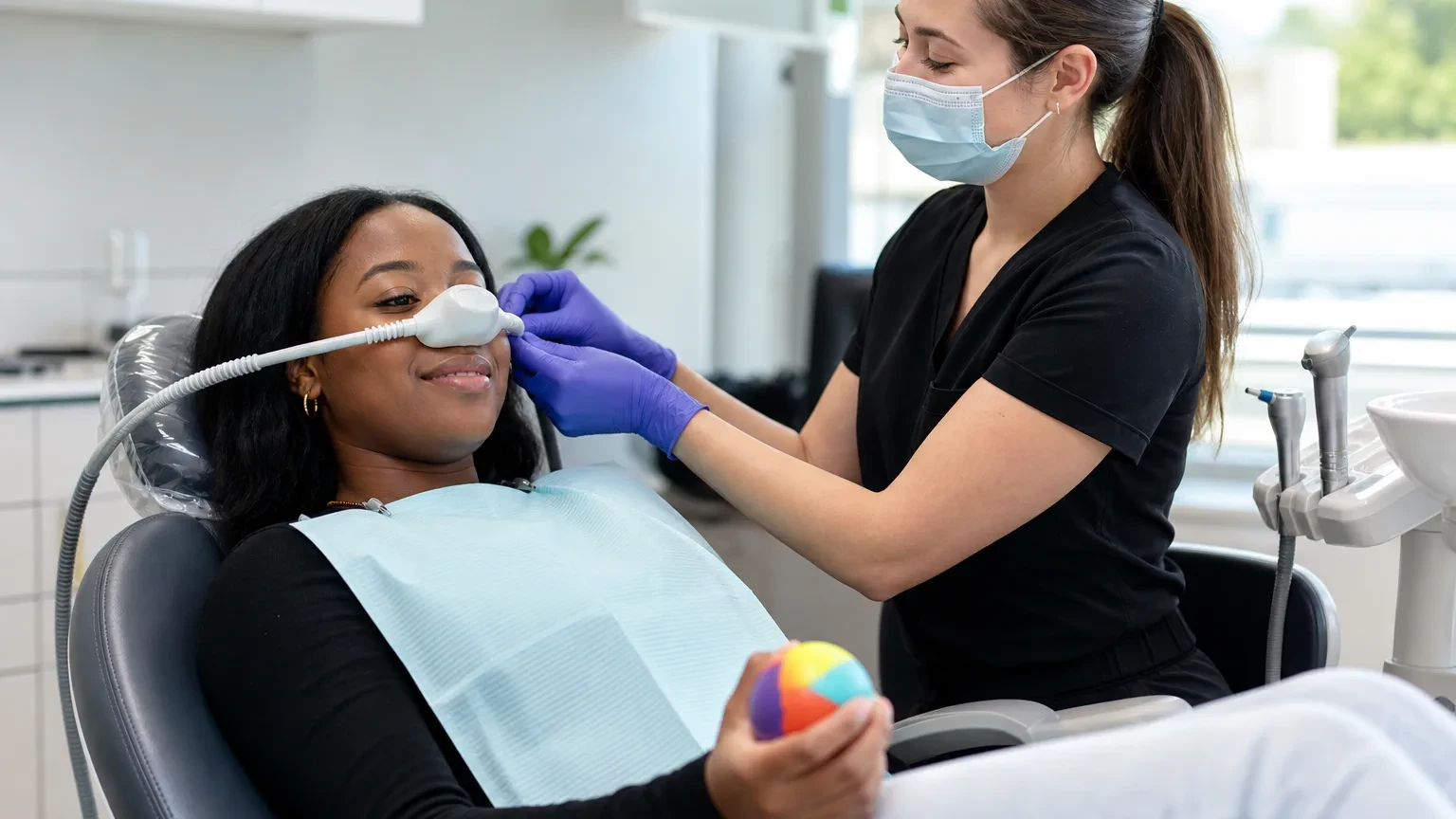
What Is Nitrous Oxide At The Dentist?
Nitrous oxide at the dentist is a mild inhaled sedative blended with oxygen that eases anxiety while you remain awake and able to respond—effects that typically fade soon after the mask comes off.
Read article
Can You Drive After Dental Sedation?
Plan on not driving after oral or IV dental sedation—judgment and reflexes can stay impaired even if you feel “fine”—while nitrous-only visits sometimes allow driving once you are fully clear per office rules.
Read article