

Is IV Sedation Safe For Dental Work?
IV sedation can be safe for many dental patients when screening, monitoring, and training are solid. See who faces higher risk and what to ask first.

Reviewed by Dr. Sean Myran, DMDDoctor of Dental Medicine, University of Pennsylvania
IV sedation can be a safe option for many people having dental or oral surgery when the team screens your health, monitors you continuously, and holds the training and permits required for that sedation depth. It is not automatically safe for everyone, and “safe enough” depends on medical history, airway risk, the planned drugs, and the facility. AAOMS emphasizes extensive training, continuing education, and office anesthesia evaluation standards for surgeons who deliver sedation and general anesthesia. Risk framing—who is affected, what changes the plan, and the safer path forward—beats a simple yes/no.
Who is affected: healthy adults needing longer procedures or strong anxiety control often do well with carefully delivered IV sedation. What changes the plan: uncontrolled medical disease, difficult airways, significant sleep apnea, certain heart or lung conditions, pregnancy, and drug interactions. A safer path forward is honest disclosure, possible medical clearance, and sometimes a hospital or surgery-center setting instead of a routine chairside visit. Pair this with who may not be a candidate and how IV compares with other levels.
Lower Risk Versus Higher Stakes Decisions
- Lower-stakes context: ASA-healthy patients, clear airways, experienced team, appropriate monitoring, and a procedure that truly needs IV depth.
- Shared decision: choosing IV sedation after discussing alternatives such as nitrous, oral sedation, or breaking treatment into shorter visits.
- Higher stakes: poorly controlled systemic disease, prior anesthesia problems, suspected difficult intubation, or inadequate fasting.
- Unsafe shortcut: seeking the deepest sedation available without disclosing medicines, recreational drugs, or sleep-apnea history.
MouthHealthy notes that overall health, allergies, anxiety, and procedure type guide which approach is best. Safety is a process: history, exam, informed consent, monitoring, recovery criteria, and emergency readiness—not a slogan on a website.
Ask who pushes the medicine, who watches the monitors, and what equipment is immediately available for airway support. State rules vary on permits for moderate versus deep sedation. If your dentist refers you to an oral surgeon or brings in a dentist anesthesiologist, that can be a strength for complex cases rather than a red flag.
Side effects can include drowsiness, nausea, temporary memory gaps for the appointment, or irritation at the IV site. Serious complications are uncommon in well-selected patients but are why screening exists. Never drive yourself after IV sedation; arrange a responsible adult escort as instructed.
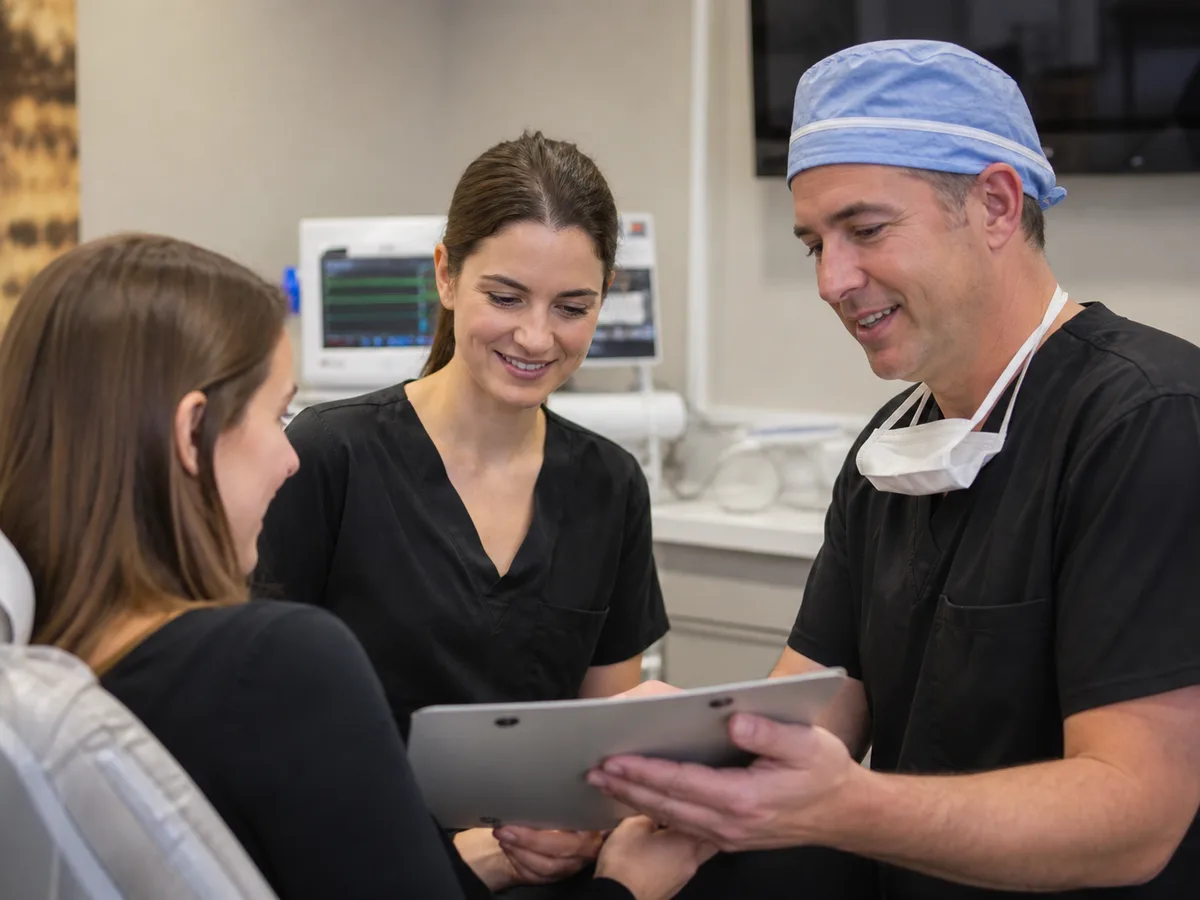 Protocols make “safe” concrete.
Monitoring is part of the safety claim
Safe IV sedation looks boring on purpose: oxygen levels, blood pressure, heart rate, and responsiveness checked throughout, with a team that can respond if something drifts. Ask what monitors will be used and how recovery is scored before you leave. If an office cannot describe monitoring or emergency protocols in plain language, pause. For higher medical complexity, ask whether a hospital or ambulatory surgery center is wiser even if it is less convenient. Convenience should not outrank airway and medical readiness.
Safer Path Forward
- Share full medical, medication, and prior anesthesia history—including cannabis, opioids, and sleep apnea.
- Ask whether IV sedation is necessary or if a lighter option could work.
- Confirm training, permits, monitoring, fasting rules, and escort requirements.
- Get written aftercare and emergency contacts before surgery day.
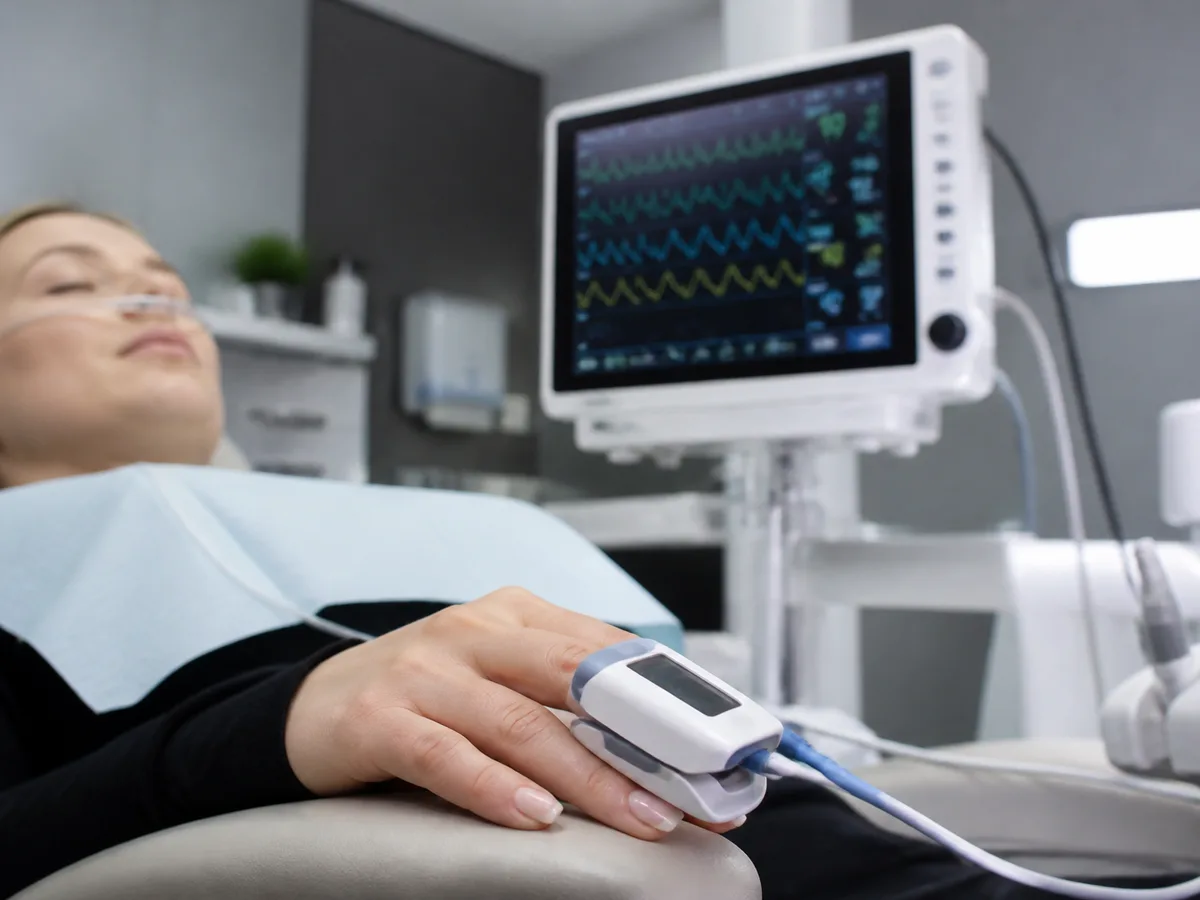 Screening is the first dose of safety.
Disclosure lowers preventable risk
Bring a printed medication list and recent specialist notes if you have heart, lung, or neurologic care. Mention driving restrictions after sedation so logistics are planned early. For a clinician who treats IV sedation as a monitored medical service—not a spa upgrade—use Find a Dentist and note that you need an IV sedation consult with medical review when you schedule. Safety is collaborative: your honesty plus their protocols.
IV sedation can be safe for dental work when patient selection, monitoring, and training align. Treat it as a medical decision with real benefits and real limits—not as risk-free sleep.
Related articles
Keep exploring related topics from Dental Country.
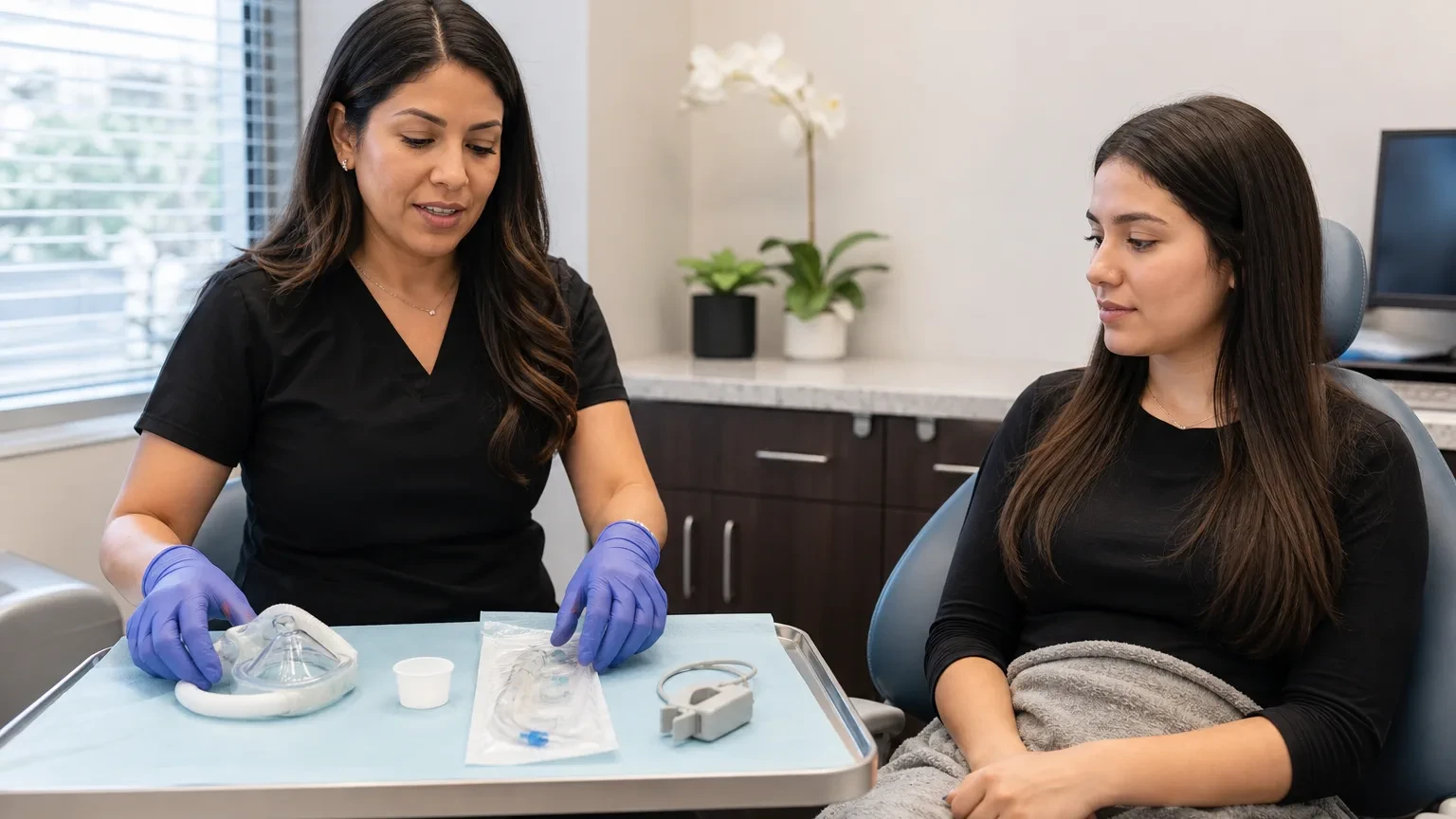
What Types Of Dental Sedation Are There?
Dentists match sedation to the procedure and your health—from light nitrous oxide to deeper IV or general anesthesia—so “sedation” is a spectrum, not one drug.
Read article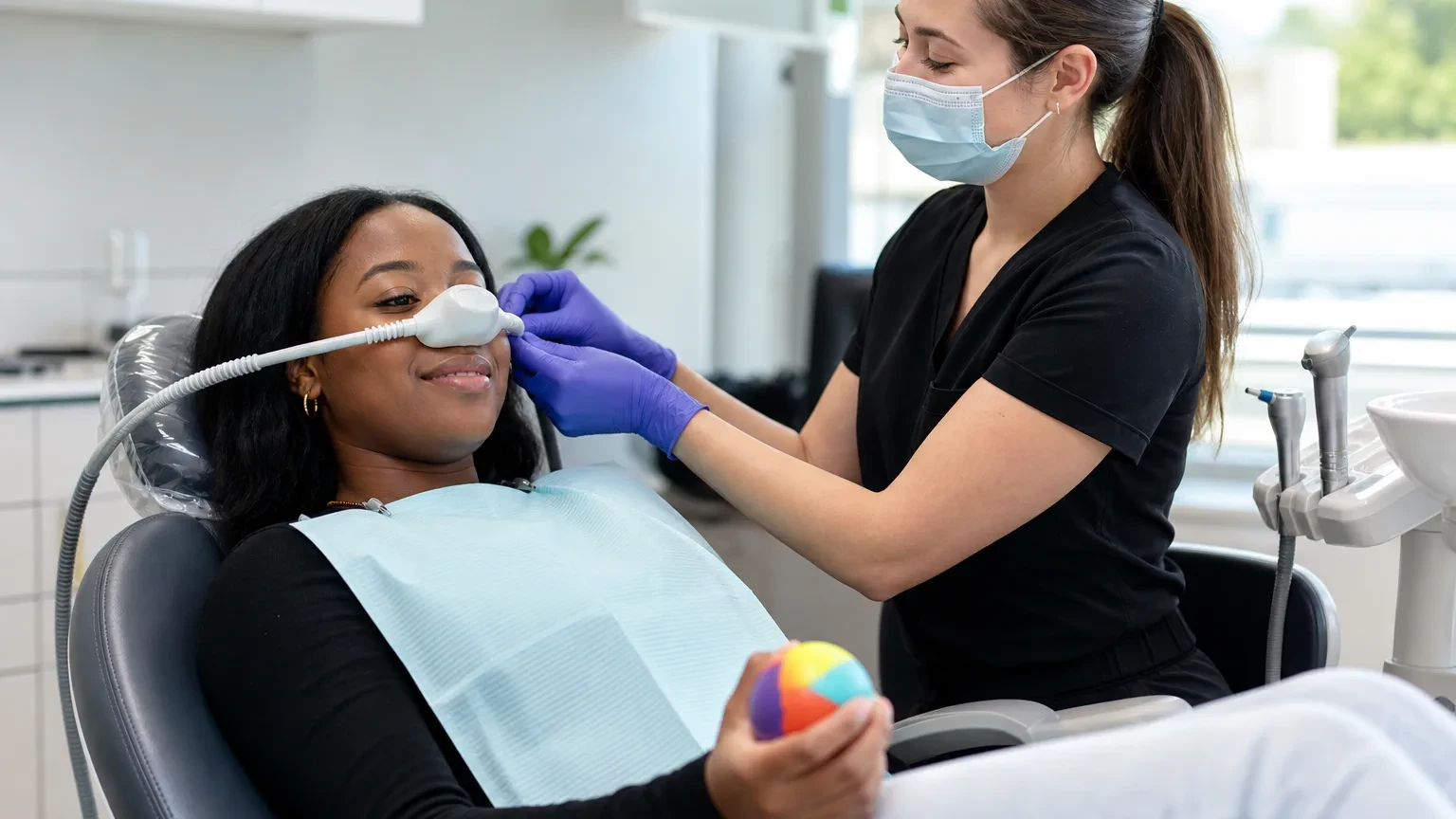
What Is Nitrous Oxide At The Dentist?
Nitrous oxide at the dentist is a mild inhaled sedative blended with oxygen that eases anxiety while you remain awake and able to respond—effects that typically fade soon after the mask comes off.
Read article
Can You Drive After Dental Sedation?
Plan on not driving after oral or IV dental sedation—judgment and reflexes can stay impaired even if you feel “fine”—while nitrous-only visits sometimes allow driving once you are fully clear per office rules.
Read article
What Is Oral Surgery In Dentistry?
Oral surgery in dentistry means procedures on the teeth, gums, jaws, and related tissues—from extractions and implants to biopsies—done by general dentists or oral surgeons depending on complexity.
Read article