
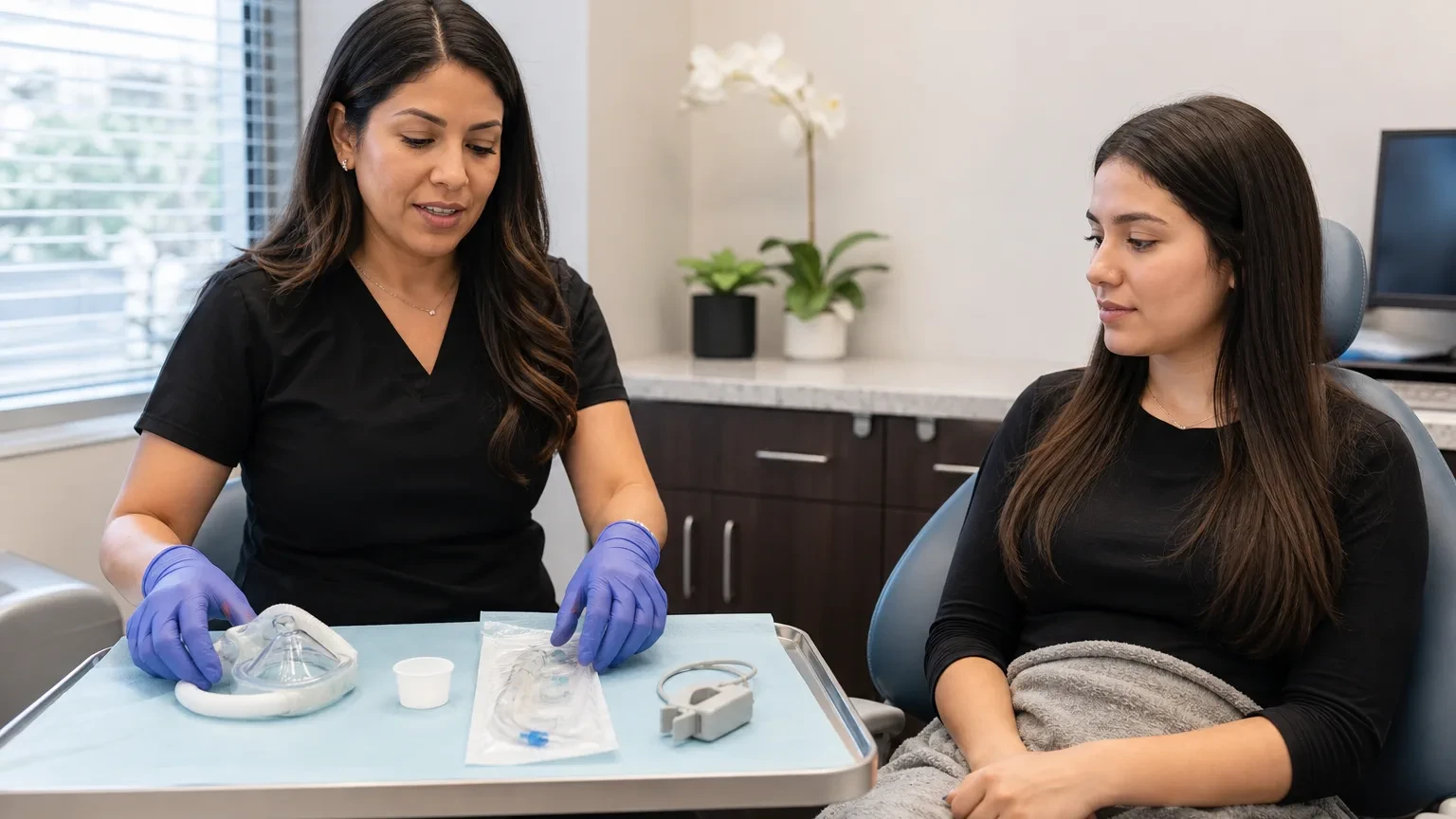
What Types Of Dental Sedation Are There?
Dental sedation ranges from nitrous oxide to oral pills, IV sedation, and general anesthesia. Compare levels, what you feel, and how dentists choose.

Reviewed by Dr. Sean Myran, DMDDoctor of Dental Medicine, University of Pennsylvania
Dental sedation is not a single medicine. Offices may offer nitrous oxide (“laughing gas”), oral sedative pills, intravenous (IV) sedation, deep sedation, or general anesthesia—often alongside local anesthetic that numbs the teeth and gums. MouthHealthy explains that some drugs control pain, some help you relax, and others create a deep sleep-like state, with choices based on the procedure, health, allergies, and anxiety. Comparing types side by side helps you ask clearer questions than “Will I be knocked out?”
Local anesthetic is not sedation; it blocks pain signals in a specific area while you stay fully awake. Sedation changes how alert or anxious you feel. Deeper levels need more monitoring, stricter fasting rules, and a ride home. Cross-check what conscious sedation means and how nitrous oxide works as you read the comparison below.
Sedation Types At A Glance
- Nitrous oxide: inhaled with oxygen; you stay awake and responsive; effects usually fade soon after the mask is removed.
- Oral sedation: a prescribed pill taken before treatment; you may feel drowsy and less anxious, with slower recovery than nitrous alone.
- IV sedation: medicine through a vein for moderate to deeper sedation; dosing can be adjusted during care when appropriate.
- Deep sedation / general anesthesia: you may be barely responsive or fully unconscious; typically reserved for complex surgery or special medical/behavioral needs.
- Local anesthetic: still used with most sedation so the surgical site itself stays numb.
The American Association of Oral and Maxillofacial Surgeons notes that oral and maxillofacial surgeons train extensively to deliver local anesthesia, sedation, and general anesthesia safely in appropriate office settings. Training, permits, and emergency readiness matter as much as the drug name on the consent form.
“Better” is not always deeper. A short filling for a mildly nervous adult may need only nitrous; impacted wisdom teeth or lengthy bone work may warrant IV sedation or a hospital/ASC setting. Heart disease, sleep apnea, pregnancy, and certain medicines can shift the recommendation toward lighter options—or toward a medically supervised facility. Ask which level is planned in plain language: relaxed and awake, sleepy but arousable, or unconscious.
Cost, fasting instructions, and escort rules also differ by level. Nitrous often allows a quicker return to normal activities; oral and IV sedation usually mean no driving that day. Confirm who will monitor oxygen, blood pressure, and responsiveness, and whether a separate anesthesia provider will be present for deeper care.
 Match the route to the case.
Delivery route changes the experience
Inhaled, swallowed, and intravenous routes feel different even when the goal—comfort—is the same. Nitrous starts and stops quickly. Pills need lead time and can leave you groggy longer. IV lines allow titration but require venous access and closer monitoring. Ask your team which route they propose and why it fits your procedure length and medical history. If two offices recommend very different depths for the same surgery, ask what health or complexity factors drove each plan rather than shopping only for the deepest sleep.
Questions That Clarify The Choice
- What sedation level is planned, in everyday words?
- Who administers and monitors it, and what training or permits do they hold?
- Do I need to fast, stop any medicines, or arrange a ride?
- How does this compare with IV sedation safety considerations for my health profile?
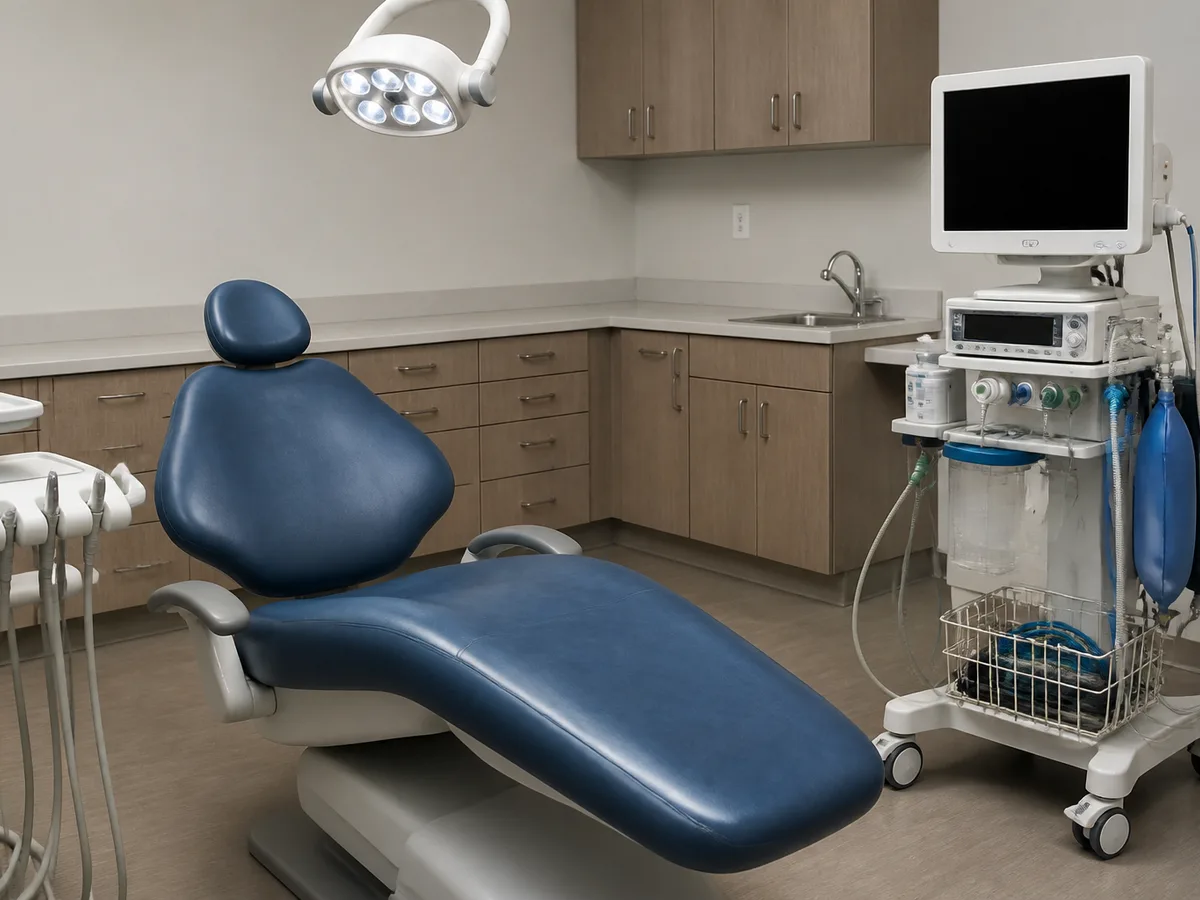 Clarity beats vague “you’ll sleep.”
Names matter less than the safety plan
Bring a medication list, allergy history, and notes about prior reactions to anesthesia. Ask how recovery is judged before discharge and what to do if nausea or unusual sleepiness lasts into the evening. For a practice that explains options without pushing unnecessary depth, use Find a Dentist and mention both the planned oral surgery and your anxiety or medical concerns when you book. Understanding the spectrum keeps sedation a tool—not a marketing buzzword.
Types of dental sedation span light relaxation to general anesthesia. Compare what you will feel, how you will get home, and who monitors you—then choose the lightest effective plan your clinician supports for your procedure and health.
Related articles
Keep exploring related topics from Dental Country.

Is IV Sedation Safe For Dental Work?
IV sedation is often used safely for dental and oral surgery when patients are screened, monitored, and matched to an appropriately trained team—but it is not risk-free for every health profile.
Read article
What Is Nitrous Oxide At The Dentist?
Nitrous oxide at the dentist is a mild inhaled sedative blended with oxygen that eases anxiety while you remain awake and able to respond—effects that typically fade soon after the mask comes off.
Read article
Can You Drive After Dental Sedation?
Plan on not driving after oral or IV dental sedation—judgment and reflexes can stay impaired even if you feel “fine”—while nitrous-only visits sometimes allow driving once you are fully clear per office rules.
Read article
What Is Oral Surgery In Dentistry?
Oral surgery in dentistry means procedures on the teeth, gums, jaws, and related tissues—from extractions and implants to biopsies—done by general dentists or oral surgeons depending on complexity.
Read article