
For Patients
Dental FAQ.
Oral hygiene FAQ covering electric versus manual toothbrushes, flossing, mouthwash, toothpaste choices, tongue cleaning, and bad breath.
FAQ categories
Browse by topic
- View All220
- Braces & Traditional Orthodontics11
- Clear Aligners11
- Crowns, Bridges & Restorations11
- Dental Anxiety & First Visits11
- Dental Implants11
- Dental Insurance, Cost & Financing11
- Dentures & Partial Dentures11
- Emergency Dental Care11
- Gum Disease & Periodontics11
- Invisalign vs Alternatives11
- Oral Hygiene & Home Care11
- Oral Surgery & Sedation11
- Pediatric Dentistry11
- Preventive Care & Cleanings11
- Root Canals & Endodontics11
- Sleep Apnea & Oral Appliances11
- Teeth Whitening11
- TMJ, Bite & Jaw Pain11
- Tooth Extraction & Wisdom Teeth11
- Veneers & Cosmetic Dentistry11
Oral Hygiene & Home Care

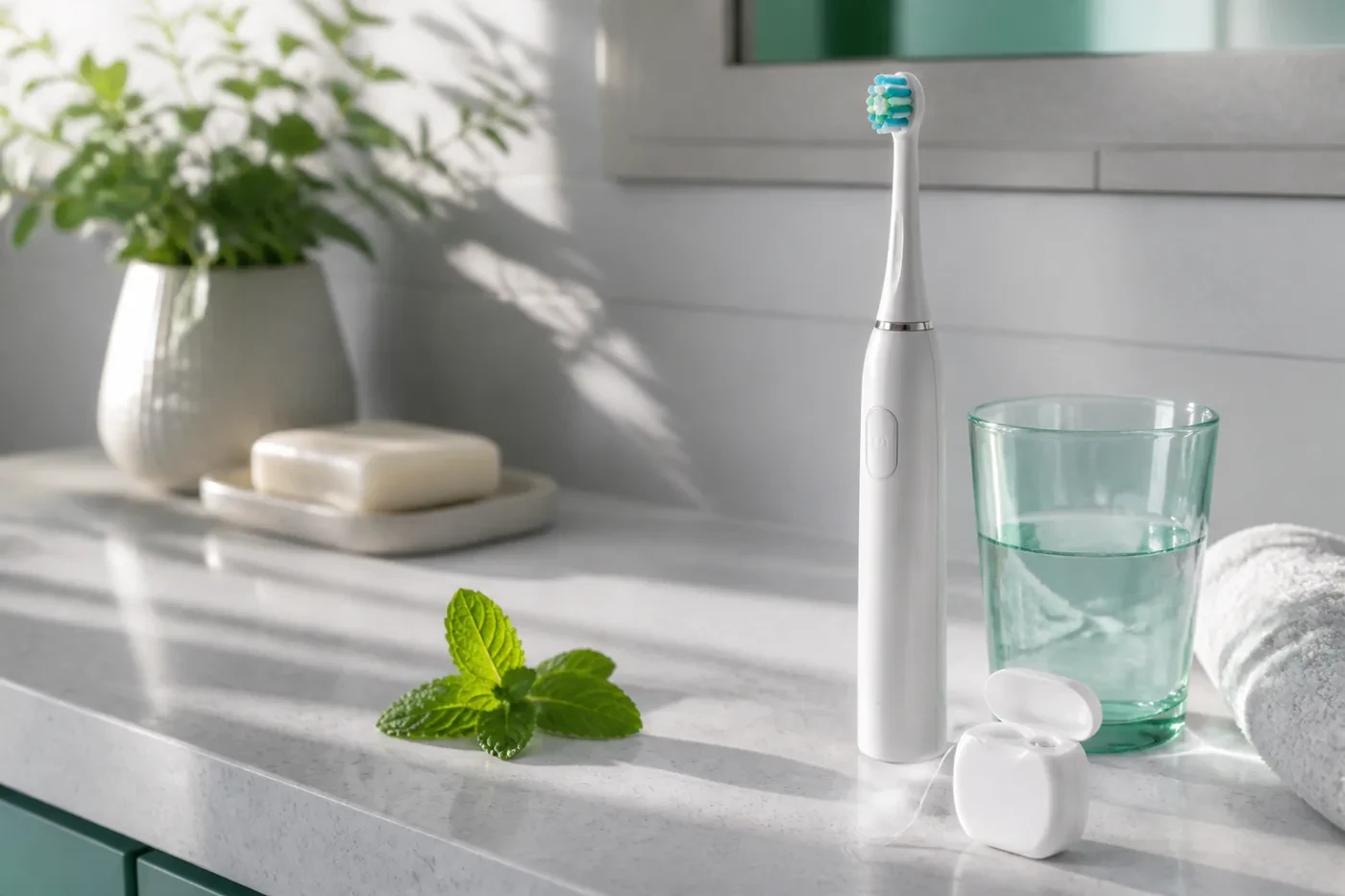
Electric Vs Manual Toothbrush: Which Is Better?
Neither brush wins by brand alone: powered heads help many adults stay thorough, while a well-angled soft manual brush still clears plaque when used carefully for two minutes.
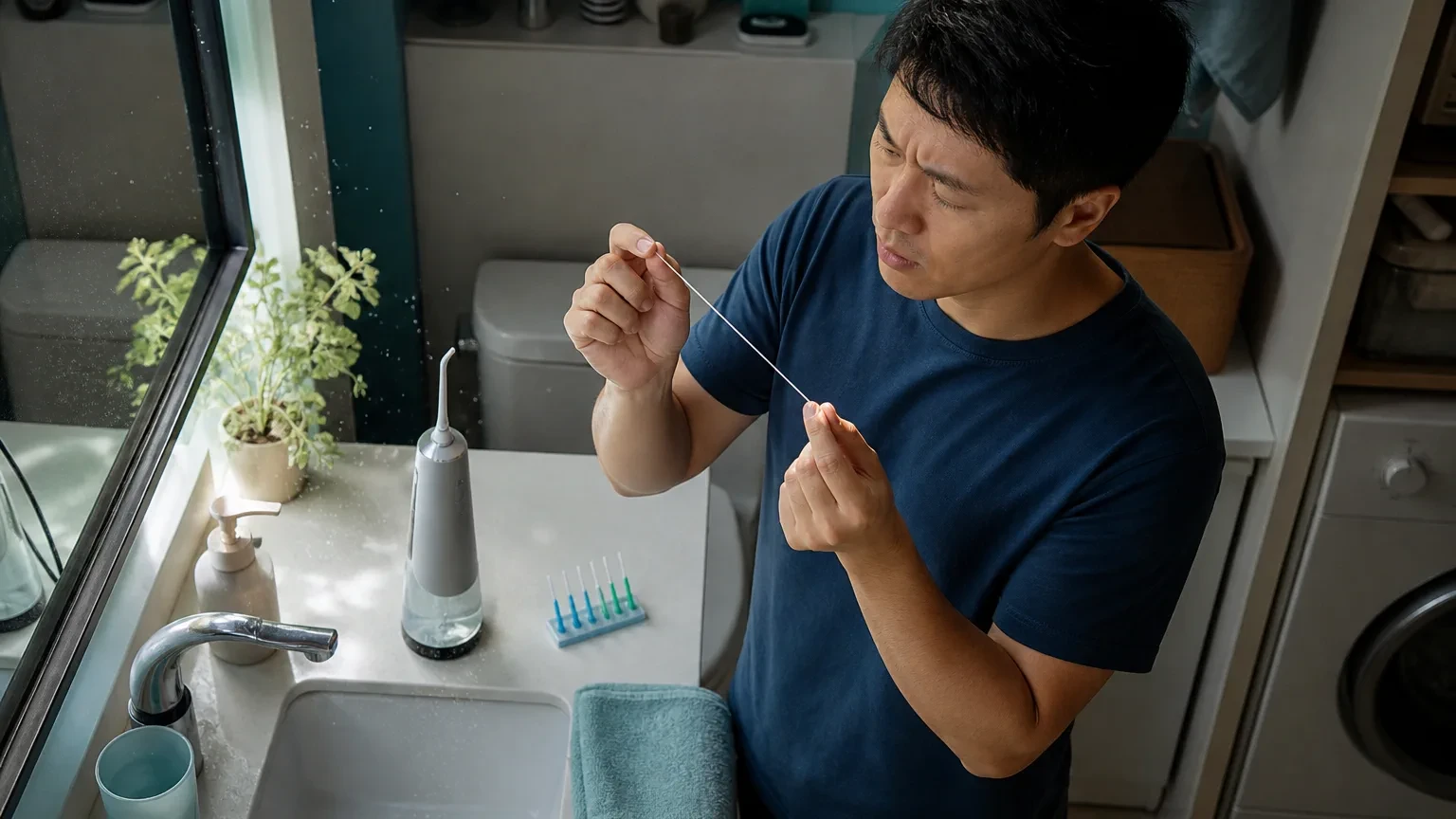
Floss Vs Water Flosser: Which Should You Use?
Traditional floss scrapes contact points; water flossers flush pockets and hardware. Many mouths do best when the tool matches anatomy—and some use both.

How Often Should You Floss?
Most adults should clean between teeth once every day; higher gum inflammation, orthodontic hardware, or frequent food packing can justify careful extra sessions.
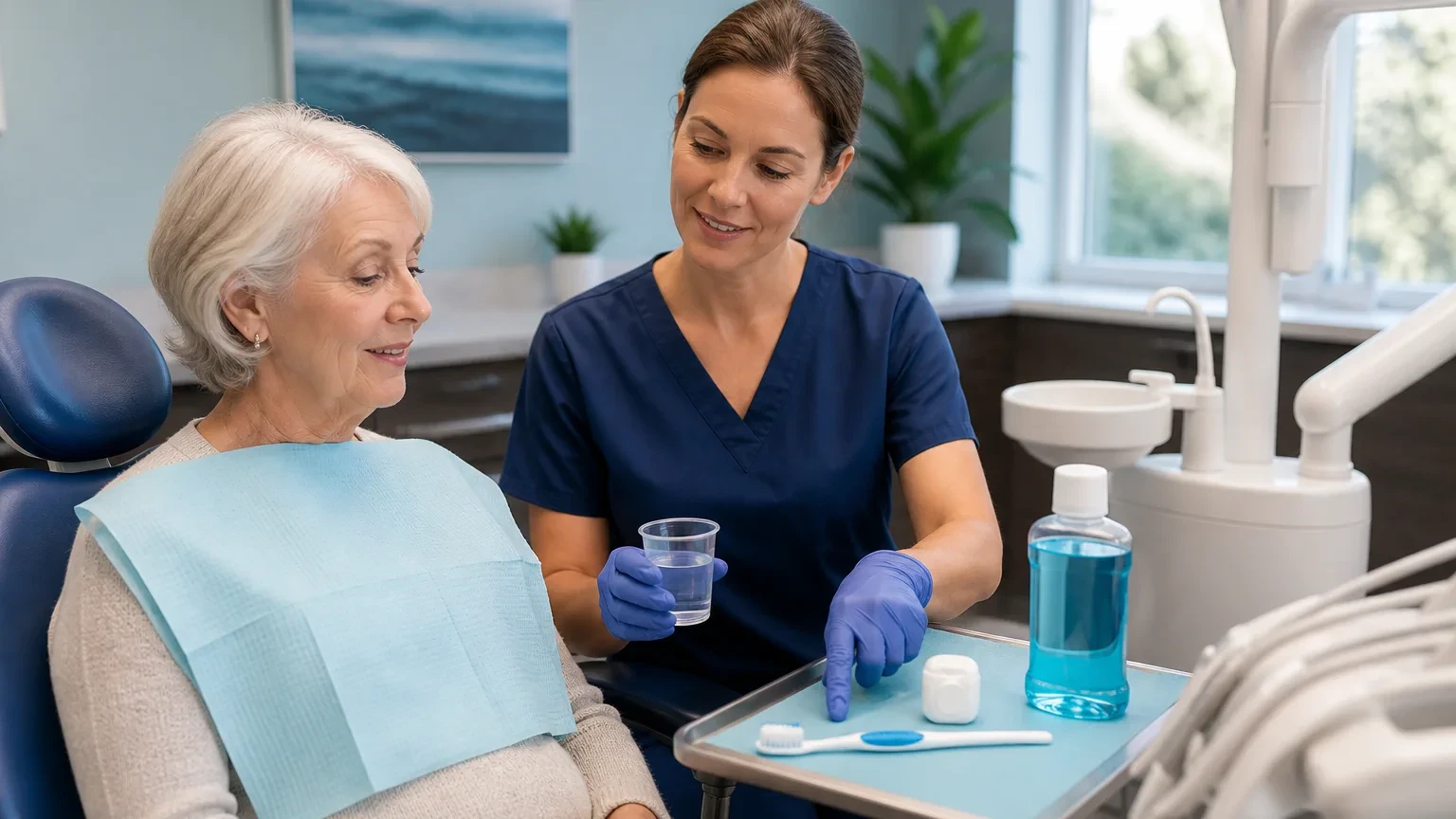
Is Mouthwash Necessary?
Rinses are optional helpers: fluoride formulas may support enamel, antiseptic ones can reduce germs short-term, yet neither substitutes for mechanical plaque removal.
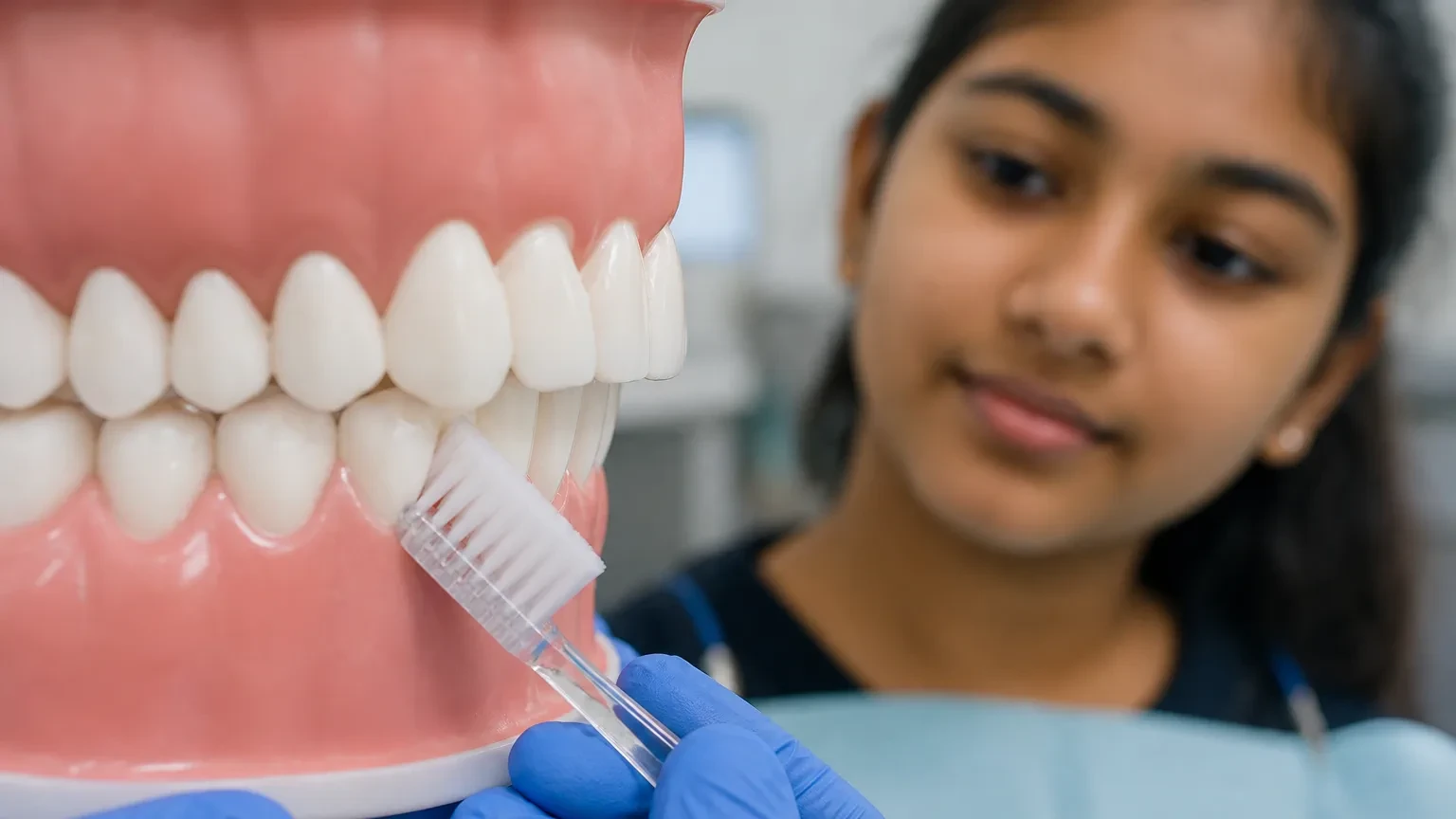
How Do You Brush Your Teeth Properly?
Proper brushing is paced and angled: soft bristles at the gumline, short strokes on every face of each tooth, about two minutes, twice daily with fluoride paste.
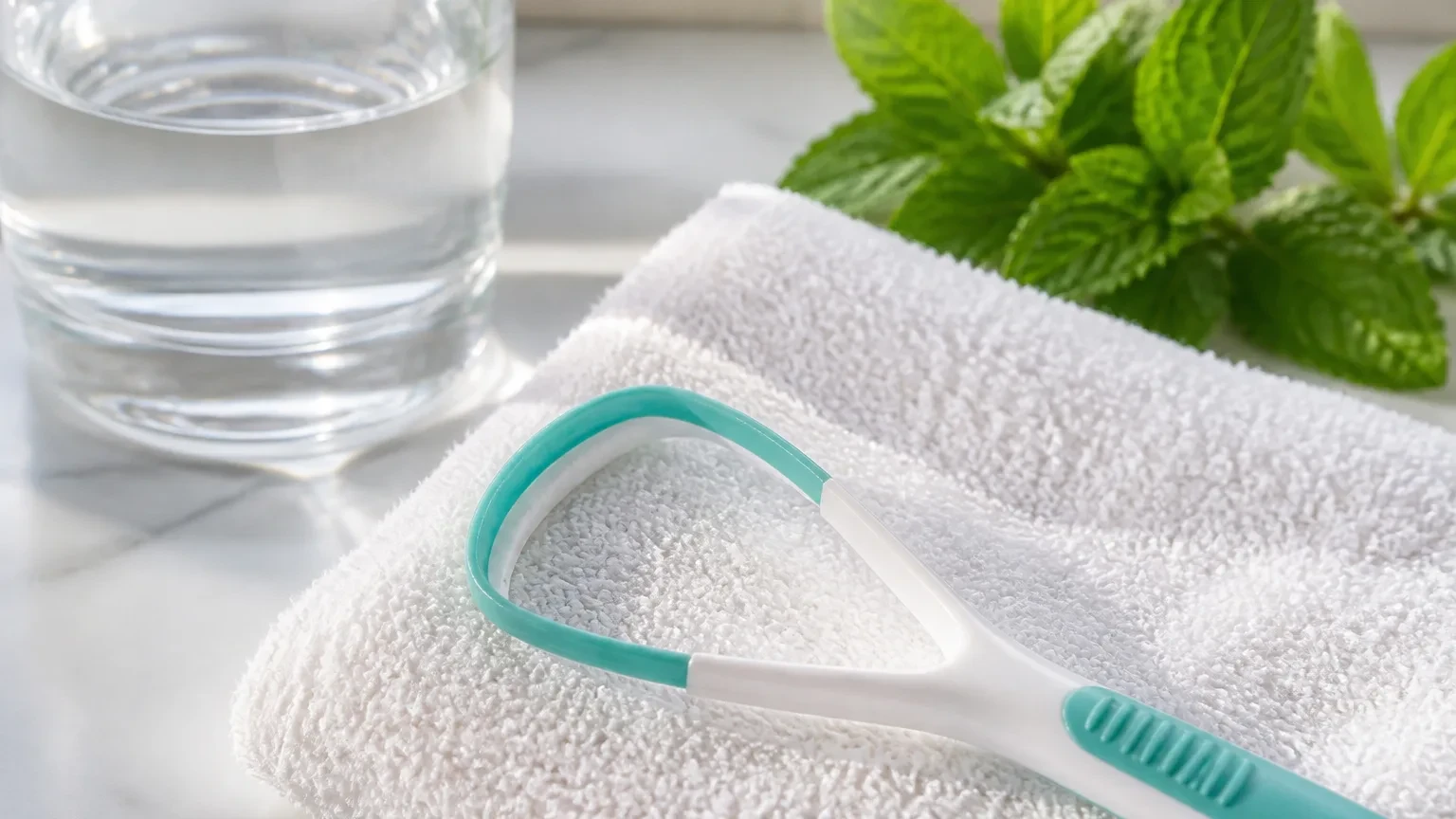
Should You Brush Your Tongue?
Yes for many people: the tongue’s rough surface holds bacteria and food film that fuel morning breath, and gentle daily cleaning often helps more than mint alone.

What Toothpaste Should You Use?
Start with fluoride for cavity defense, then layer sensitivity, tartar-control, or whitening features only when they match your exam findings and comfort.
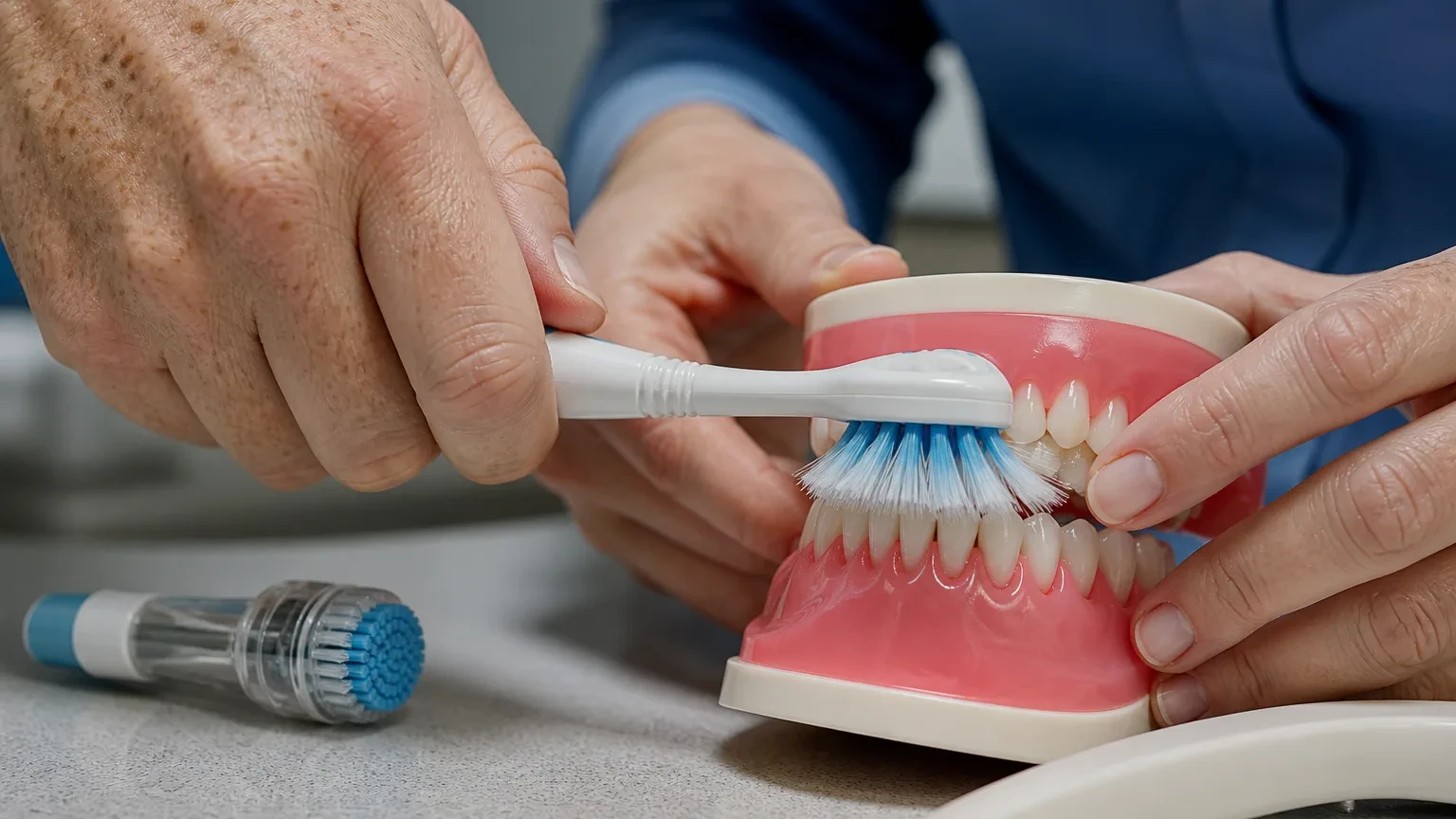
Can You Brush Too Hard?
Hard brushing can notch teeth and thin gum margins; soft bristles, lighter pressure, and better angles clean plaque without sanding the tooth neck.
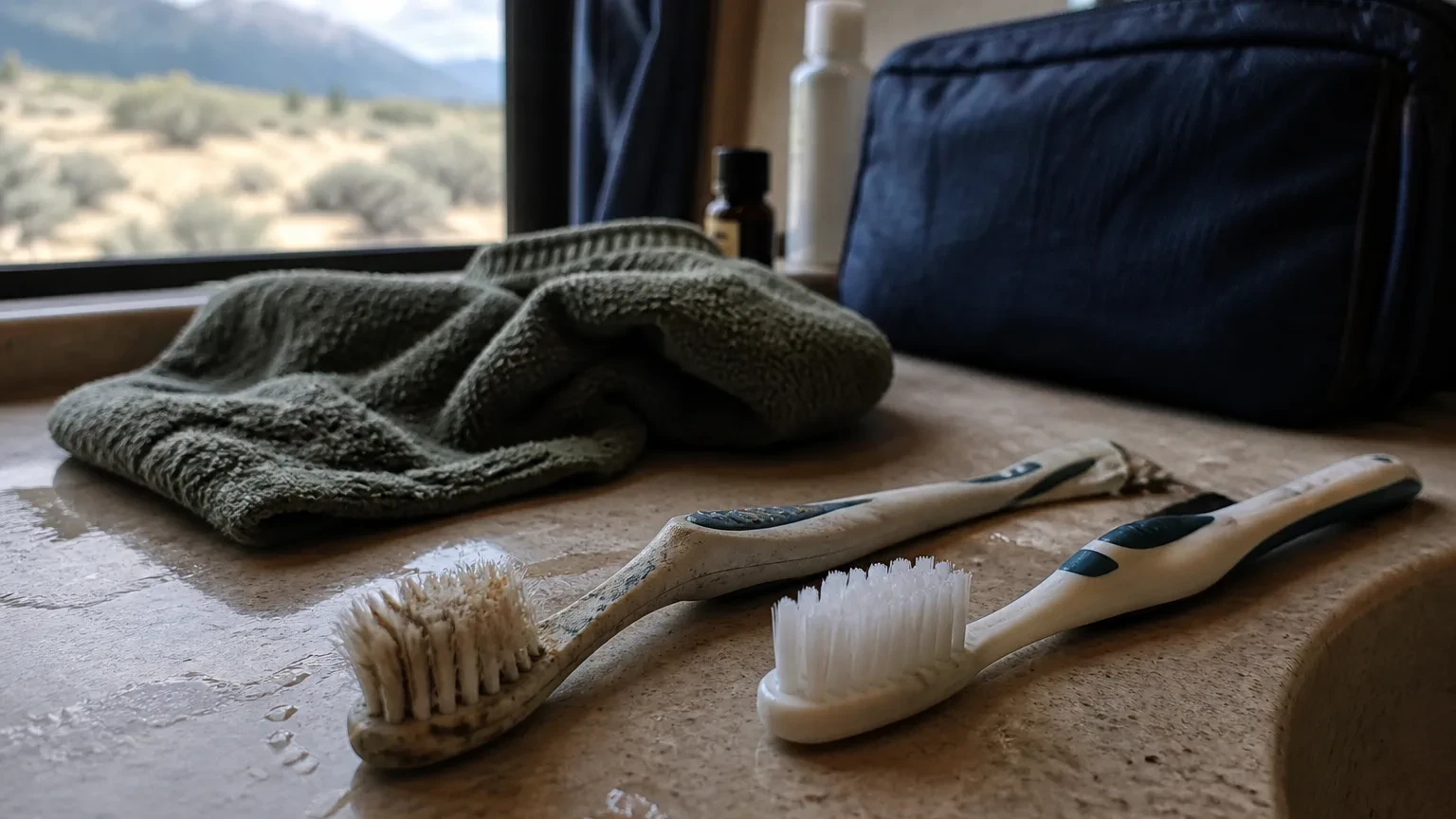
When Should You Replace Your Toothbrush?
Plan on a new brush or head every three months, and swap sooner if bristles splay, you recover from a contagious illness, or cleaning feels ineffective.

Is It Bad To Brush Right After Eating?
After acidic meals or sodas, enamel is temporarily softer—waiting and rinsing with water is kinder than scrubbing immediately, while neutral snacks are less urgent.

How Do You Get Rid Of Bad Breath?
Fresher breath usually starts with cleaning the tongue and between teeth, staying hydrated, and fixing gum inflammation—persistent odor needs a professional source check.