

How Do You Get Rid Of Bad Breath?
Bad breath often improves with tongue cleaning, flossing, hydration, and treating gum issues. Learn common causes and when to see a dentist sooner.

Reviewed by Dr. Sean Myran, DMDDoctor of Dental Medicine, University of Pennsylvania
You get rid of most everyday bad breath by thinning tongue coating, cleaning between teeth, brushing with fluoride toothpaste, staying hydrated, and treating gum inflammation—not by layering stronger mints over uncleared plaque. MouthHealthy explains that bad breath can come from food, dry mouth, gum disease, and poor cleaning, and that tongue cleaning helps. If odor survives solid hygiene, look for sinus, tonsil, reflux, or medical causes with your dentist and physician.
Morning breath is common because saliva slows overnight. A coated tongue and uncleared contacts intensify the smell. Start with tongue cleaning and daily flossing, then judge whether mouthwash is only masking—see whether mouthwash is necessary.
Skip the trap of chewing gum all day while never cleaning under the gumline. Freshness that lasts usually follows mechanical cleaning and saliva support. If you wake with a sour taste after late-night sweets or alcohol, treat that as a cue to tighten the night routine rather than only buying a louder mint for the commute.
Common Causes To Rule Through
- Tongue film and food debris between teeth or under appliances.
- Gingivitis or periodontitis with bleeding and pocket odor.
- Dry mouth from medicines, mouth breathing, or low water intake.
- Smoking or tobacco residue and gum effects.
- Diet spikes such as garlic, onions, or frequent protein-heavy keto shifts.
- Non-mouth sources such as sinus drainage, tonsil stones, or reflux.
MedlinePlus lists causes of bad breath ranging from dental issues to dry mouth and other medical conditions. Cautious home care helps many cases; it is not a promise that every odor is harmless or purely dental.
What can I do tonight?
Floss or irrigate, brush gently for two minutes, clean the tongue, drink water, and skip smoking. Avoid aggressive scraping that leaves the tongue raw. If you wear a night guard or retainer, wash it—reseating a smelly tray undoes the routine.
When is mint not enough?
If coworkers notice odor within an hour of rinsing, or you taste a persistent metallic or foul note, schedule a dental exam. Gum disease and cavities can harbor bacteria mints never reach. Bring medicine lists that cause dryness.
Could it be something beyond teeth?
Yes. Post-nasal drip, tonsil stones, uncontrolled diabetes signs, or reflux deserve medical attention alongside dental cleaning. Dentists can help rule out oral sources first so you are not guessing alone.
 Overnight cleanliness shapes morning breath.
Clear the sources before bedtime
Night is the highest-yield window because hours will pass without food-driven saliva spikes. Clean contacts, brush, then tongue, and leave fluoride on the teeth rather than rinsing it all away unless told otherwise. Run a humidifier if dry air worsens morning odor. Replace worn brush heads so you are not polishing with a matted tip. If a water flosser helps you actually finish interdental cleaning, use it—compliance beats an unused floss spool in a drawer.
When To Seek Care Sooner
- Bleeding gums, loose teeth, or pus near a tooth.
- Sudden odor with tooth pain or swelling.
- Dry mouth so severe that speaking feels sticky all day.
- Odor lasting weeks despite careful cleaning.
- White patches, sores, or tonsil stones that keep returning.
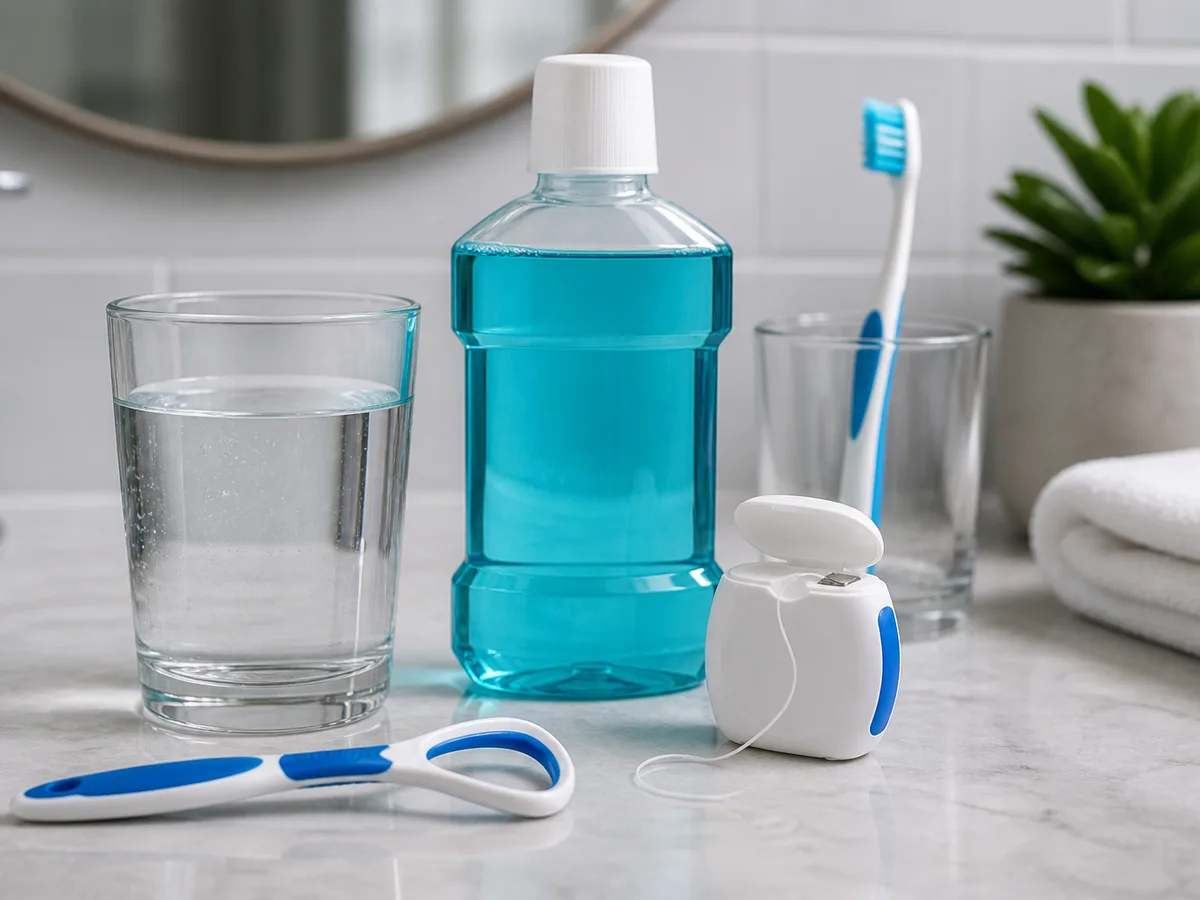 Persistent odor deserves a real exam.
Source hunting beats stronger mints
Expect gum charting, a look at the tongue and tonsil area, and questions about diet, sinuses, and medicines. Cleaning tartar may abruptly improve odor when gum pockets were the reservoir. Ask whether a short antimicrobial rinse is appropriate or whether dry-mouth products would help more. For a thorough expert look, use Find a Dentist and mention how long the breath concern has lasted when you book so enough exam time is reserved. Honest notes about tobacco or vaping improve the plan.
Getting rid of bad breath is usually a source project: tongue, floss, gums, saliva, and sometimes medical care. Freshening products help after those basics, not instead of them.
Related articles
Keep exploring related topics from Dental Country.

Electric Vs Manual Toothbrush: Which Is Better?
Neither brush wins by brand alone: powered heads help many adults stay thorough, while a well-angled soft manual brush still clears plaque when used carefully for two minutes.
Read article
Floss Vs Water Flosser: Which Should You Use?
Traditional floss scrapes contact points; water flossers flush pockets and hardware. Many mouths do best when the tool matches anatomy—and some use both.
Read article
How Often Should You Floss?
Most adults should clean between teeth once every day; higher gum inflammation, orthodontic hardware, or frequent food packing can justify careful extra sessions.
Read article
Is Mouthwash Necessary?
Rinses are optional helpers: fluoride formulas may support enamel, antiseptic ones can reduce germs short-term, yet neither substitutes for mechanical plaque removal.
Read article