
How Often Should You Floss?
Daily flossing is the usual target, but bleeding gums, braces, or food traps may mean extra passes. Learn how risk shapes your interdental schedule.

Reviewed by Dr. Sean Myran, DMDDoctor of Dental Medicine, University of Pennsylvania
Most people do well flossing—or using another interdental cleaner—once every day, ideally before bedtime so plaque does not sit overnight. Frequency is risk framing: healthy, stable gums may stay comfortable on that once-daily rhythm, while bleeding margins, braces, bridges, or teeth that pack food after every lunch may need an extra midday pass in problem spots. MouthHealthy recommends cleaning between teeth daily with floss or interdental cleaners. Skipping for a week and “catching up” with aggressive sawing usually irritates tissue more than it helps.
Twice-a-day flossing is not automatically better if technique is harsh. Gentle, complete coverage once daily beats rushed, bleeding sessions three times a day. If your dentist has diagnosed gingivitis or you are healing after deep cleaning, they may ask for meticulous daily interdental care plus shorter hygiene recalls. Pair the schedule with the floss or water-flosser tool that fits you.
Who Often Needs Closer Interdental Attention
- Bleeding or puffy gums: daily cleaning is non-negotiable while inflammation settles.
- Orthodontics and fixed retainers: wires create shelves; add threaders or irrigators.
- Implants and bridges: plaque around abutments needs dedicated tools on a firm daily cadence.
- Wide gaps or periodontal pockets: sized interdental brushes may outperform thin floss—ask for sizing.
- Dry mouth or high cavity risk: contacts decay quietly; missing days matters more—see fluoride toothpaste choices.
CDC oral health prevention guidance stresses brushing, flossing, and regular dental care as core habits. Frequency advice assumes the cleaner actually reaches under the contact. Floss that only pops through and leaves does not count as a full session.
Build the habit onto an anchor you already keep. Many adults floss after the night brush so fluoride paste sits on cleaner contacts. Others clear lunch traps at work with soft picks, then do a full floss at home. If evenings are chaotic, park floss beside your phone charger and clear the two molars that always catch meat first—then expand. Perfectionism that delays starting is riskier than an imperfect but daily routine.
Parents helping kids can treat flossing frequency as a coached skill: once daily with supervision until the child can C-shape without snapping onto the gum. Teens in aligners still need contact cleaning because trays can press plaque against enamel overnight if film was left behind.
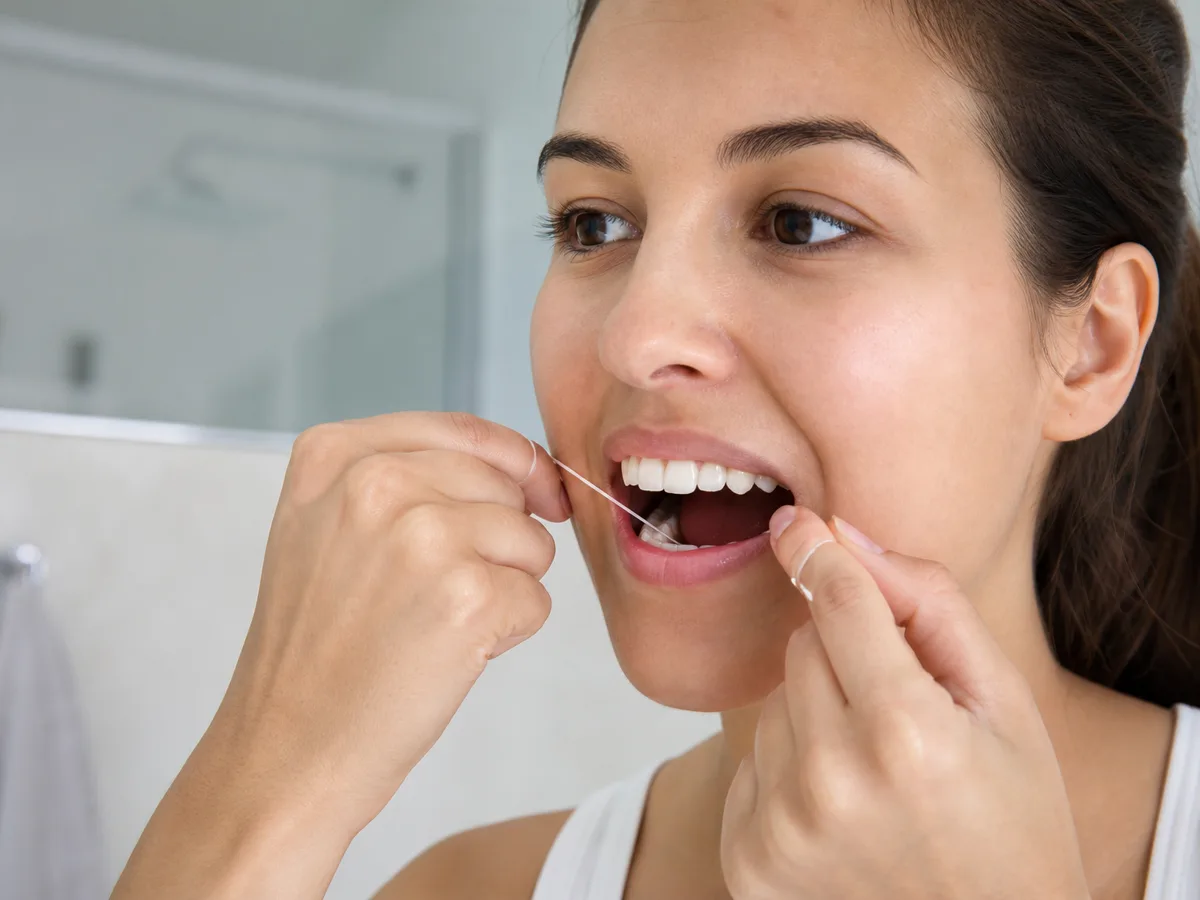 Consistency calms gums faster than intensity.
Same time beats random marathons
Choose one consistent slot and protect it like a medication time. If gums bleed for more than a week of gentle daily flossing, book a dental visit rather than quitting—persistent bleeding can mean tartar under the gum or a technique fault. People with diabetes or pregnancy-related gum changes often need that daily floor without fail. Ask your hygienist to mark the two or three sites that collect first so your extra midday pass, if needed, stays targeted instead of exhausting.
What Can Stretch Or Tighten The Rhythm
- Stable exams: once daily usually remains enough when bleeding scores improve.
- Rising inflammation: add coaching and keep daily cleaning while the office addresses calculus.
- New hardware: braces or a new bridge should trigger a technique revisit the same week.
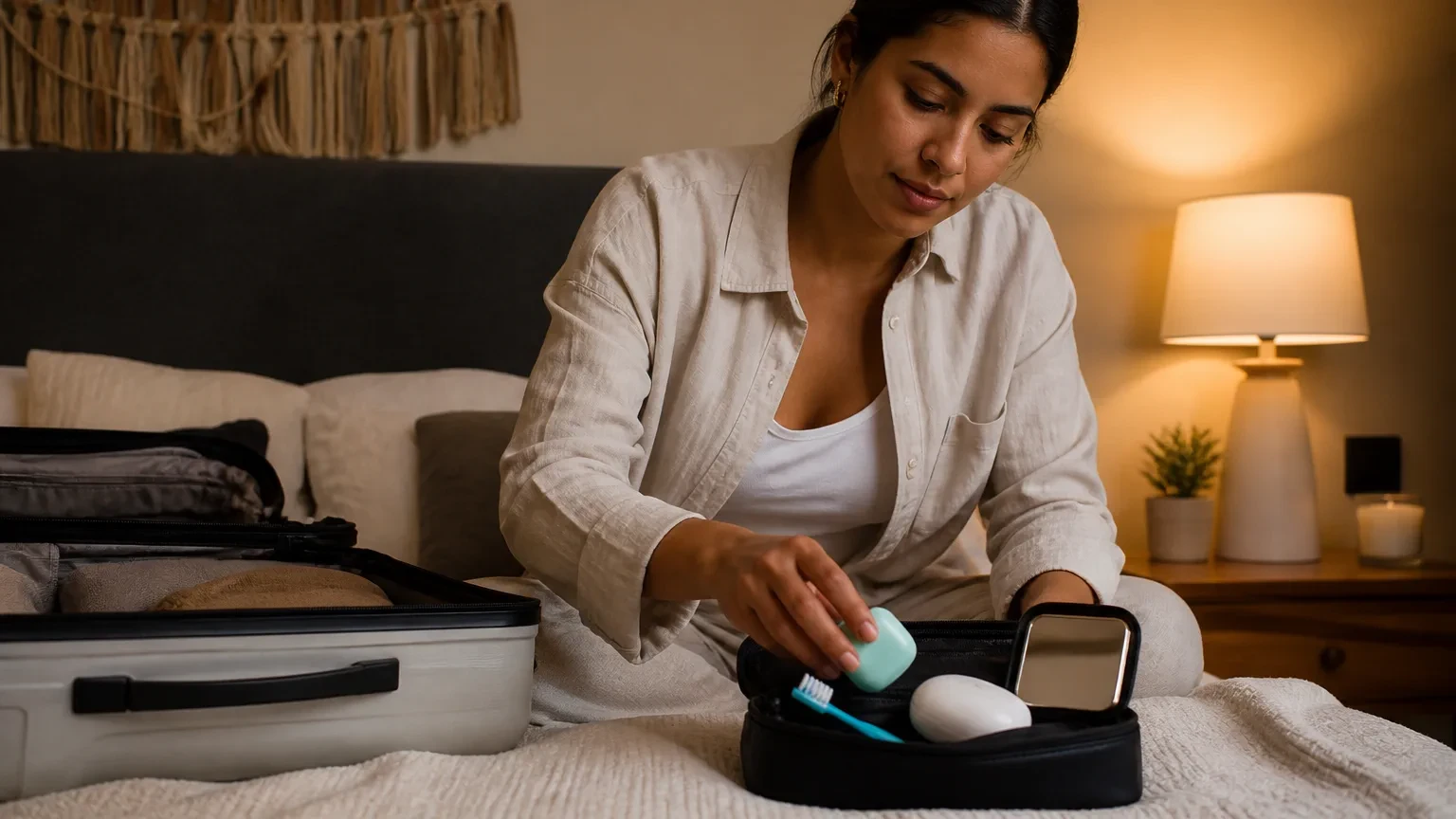
- Travel: pocket floss beats a ten-day gap—link the habit to your brushing routine so neither is skipped.
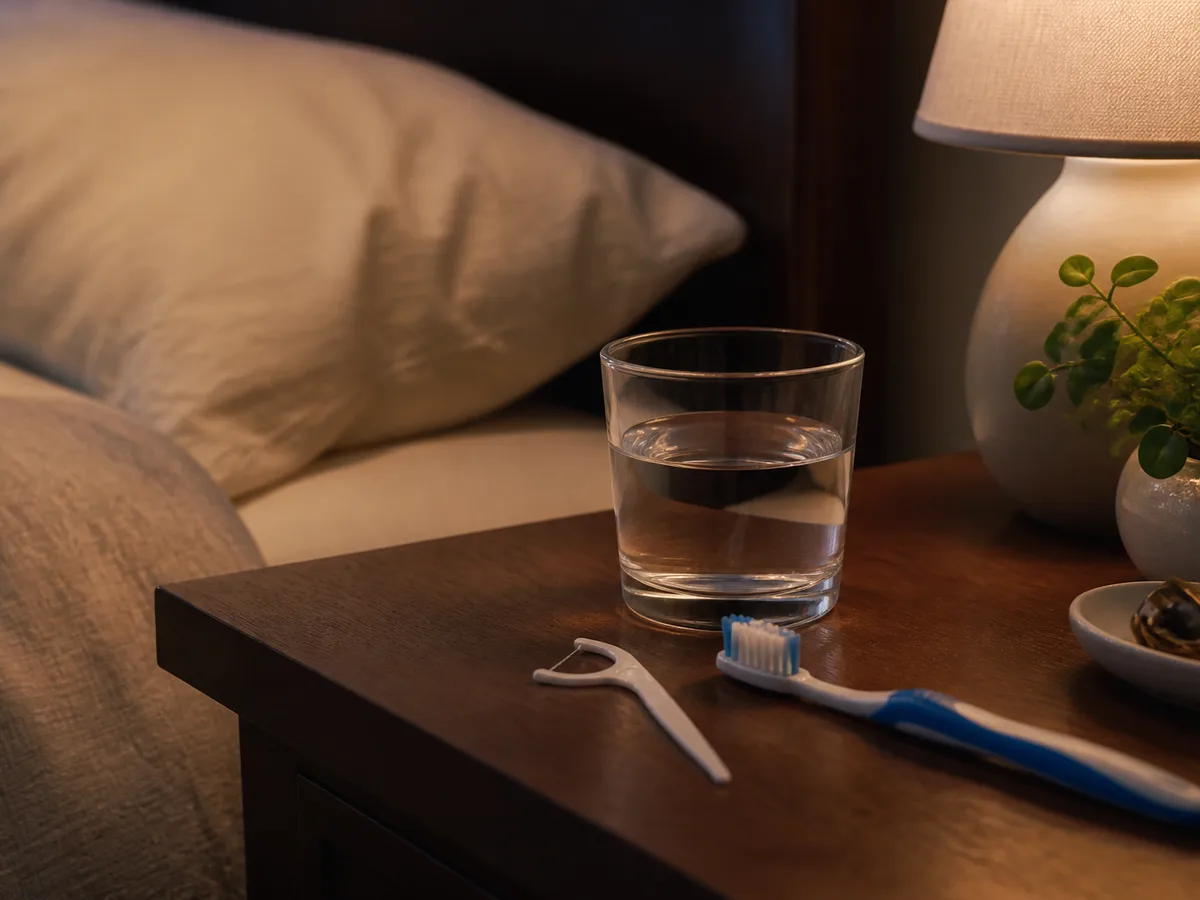 Charted sites make frequency practical.
Ask which spaces need extra passes
A quick chairside demo prevents months of flossing the easy front teeth while ignoring molar contacts. Bring the floss, picks, or irrigator you actually own. If string is painful around a rough edge, say so—smoothing a filling can restore a realistic daily schedule. For an office that will chart bleeding points and coach frequency without shame, use Find a Dentist and book a preventive visit focused on home care, not only a polish. Leave with written tool sizes when interdental brushes are recommended.
Floss often enough that overnight and between-meal films never become the default—usually once daily, with smart extras where your anatomy packs food. Frequency without gentle technique is just another way to irritate gums, so keep both on the plan.
Related articles
Keep exploring related topics from Dental Country.

Electric Vs Manual Toothbrush: Which Is Better?
Neither brush wins by brand alone: powered heads help many adults stay thorough, while a well-angled soft manual brush still clears plaque when used carefully for two minutes.
Read article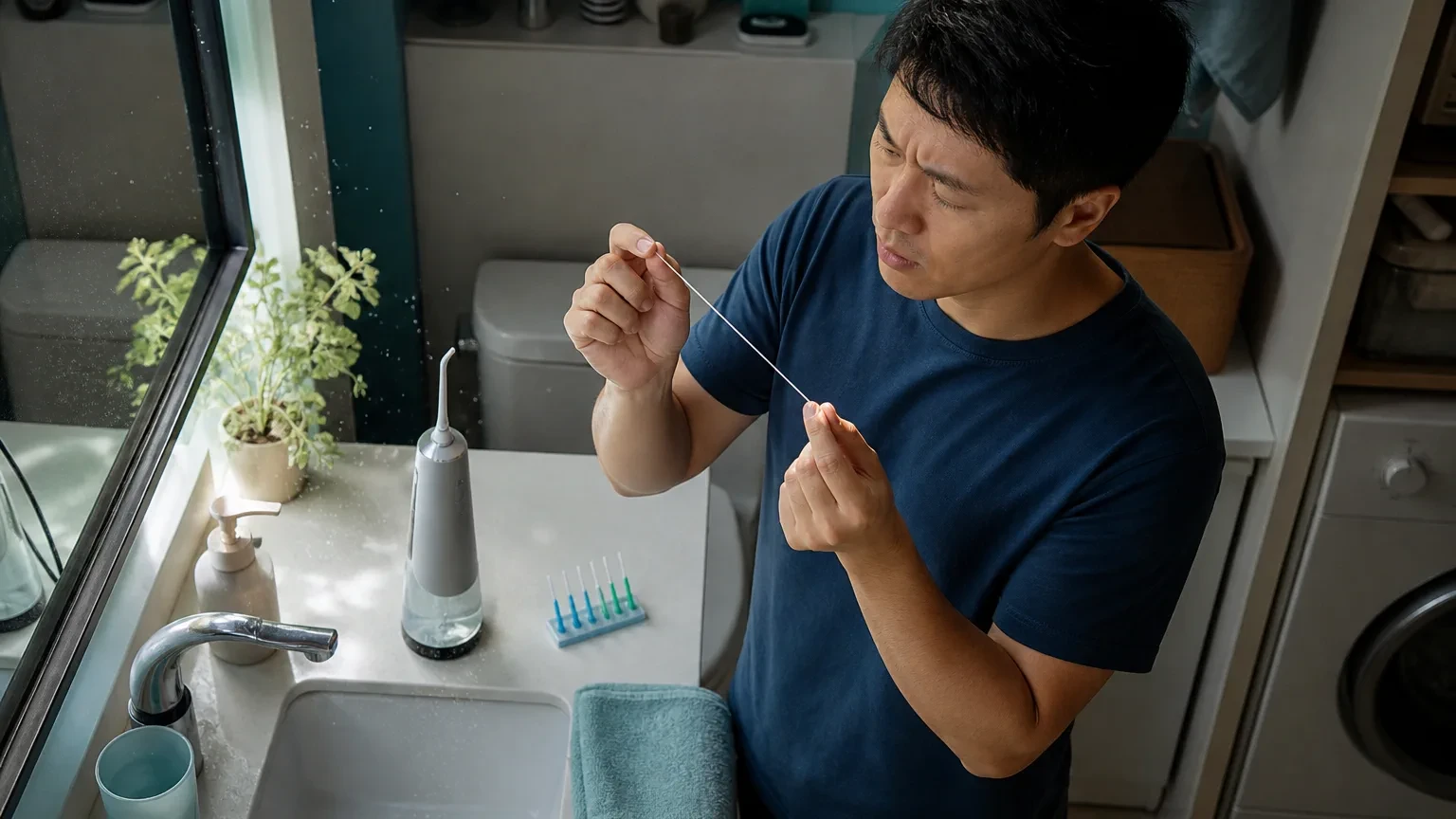
Floss Vs Water Flosser: Which Should You Use?
Traditional floss scrapes contact points; water flossers flush pockets and hardware. Many mouths do best when the tool matches anatomy—and some use both.
Read article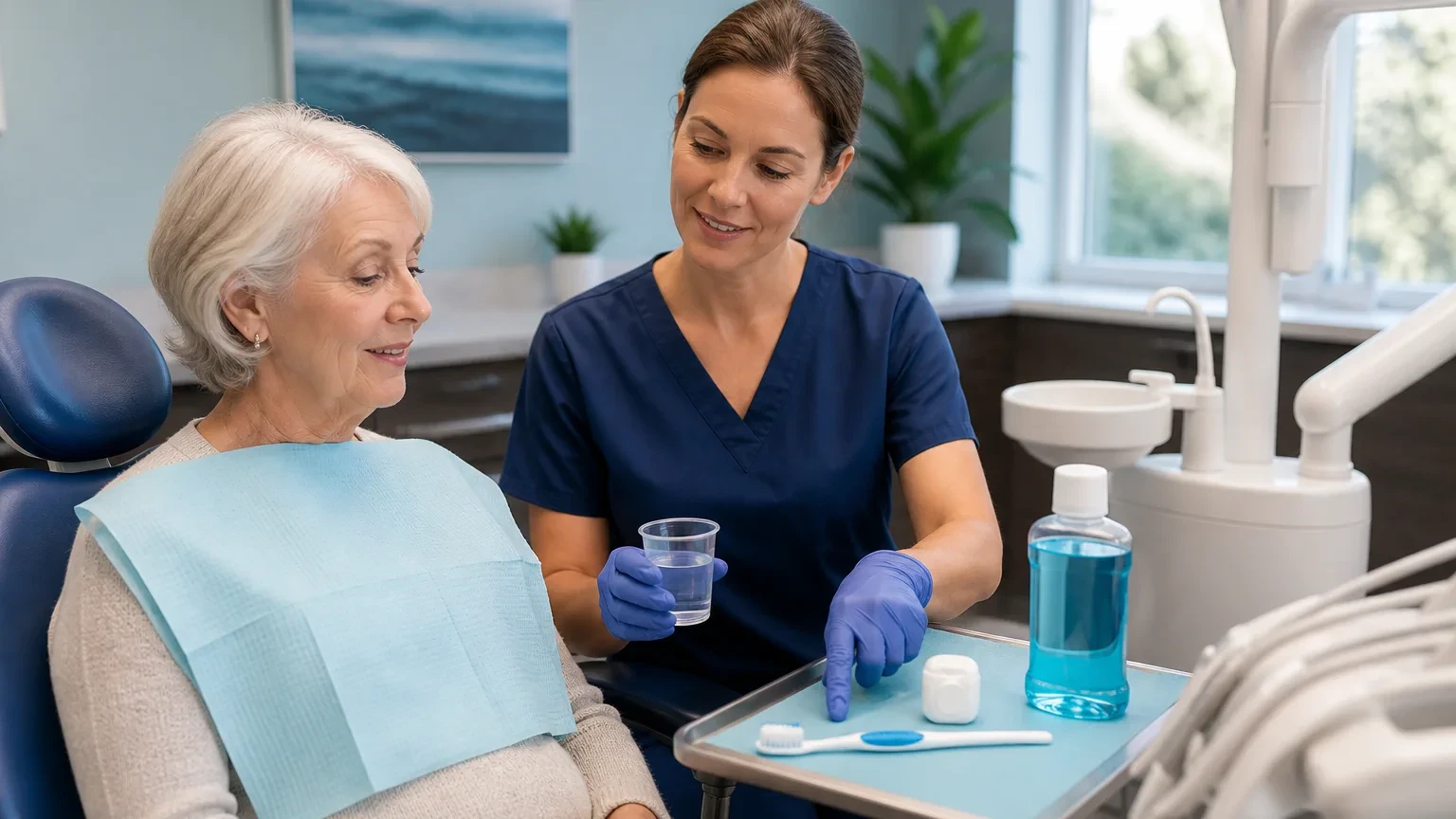
Is Mouthwash Necessary?
Rinses are optional helpers: fluoride formulas may support enamel, antiseptic ones can reduce germs short-term, yet neither substitutes for mechanical plaque removal.
Read article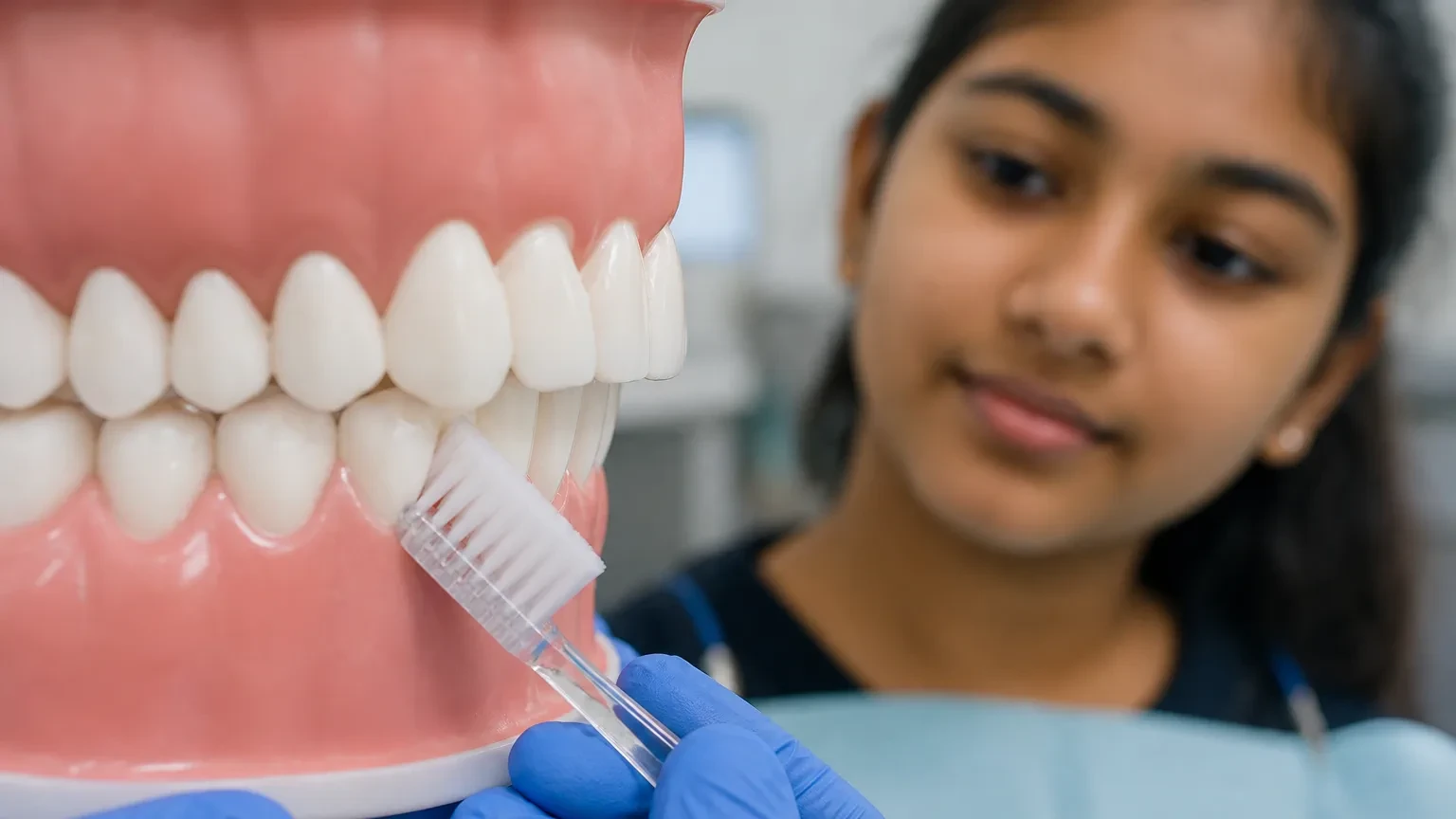
How Do You Brush Your Teeth Properly?
Proper brushing is paced and angled: soft bristles at the gumline, short strokes on every face of each tooth, about two minutes, twice daily with fluoride paste.
Read article