
Is Mouthwash Necessary?
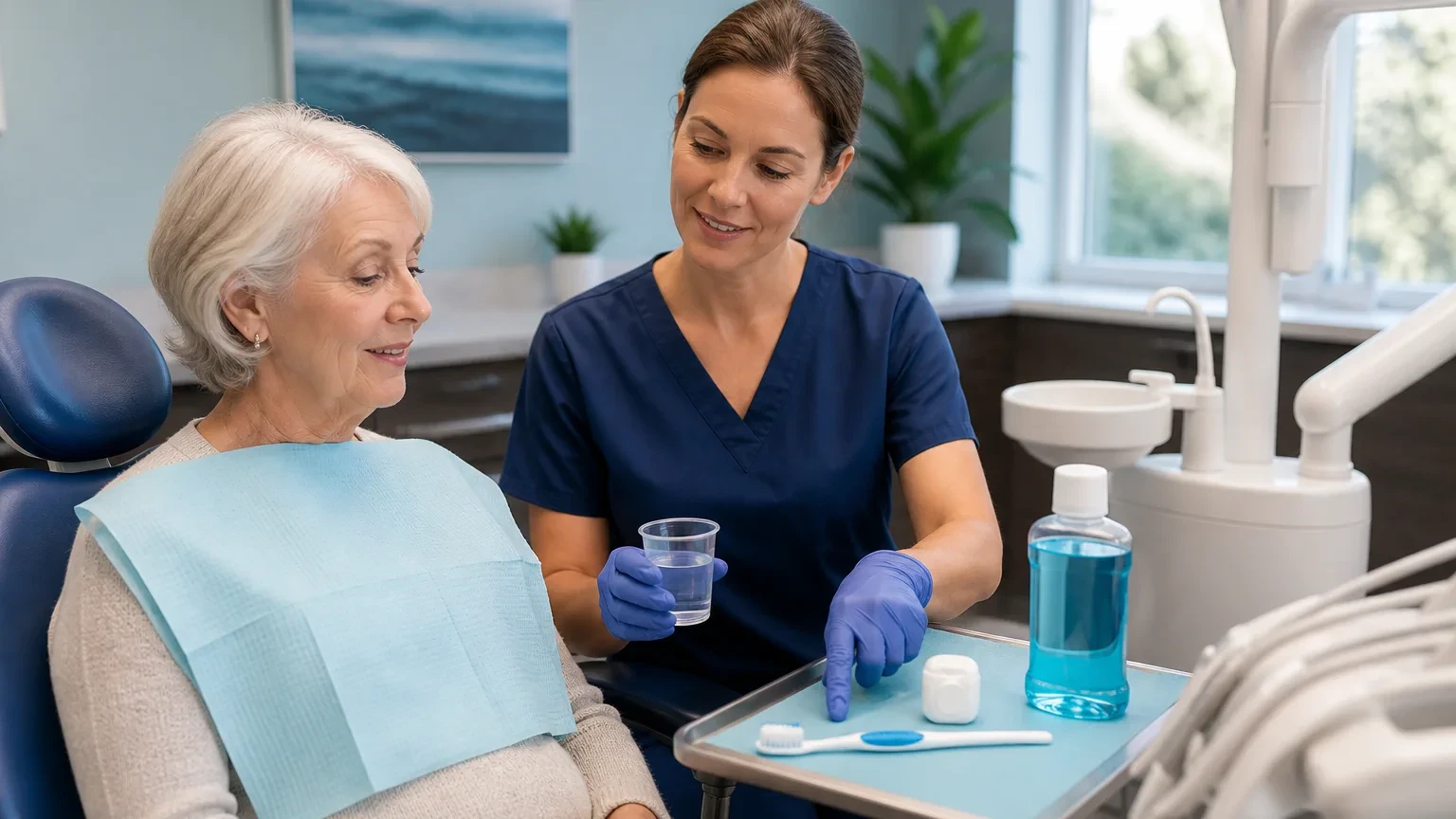
Mouthwash can freshen breath and deliver fluoride or antiseptic benefits, but it does not replace brushing or flossing. Learn myths versus when rinses help.

Reviewed by Dr. Sean Myran, DMDDoctor of Dental Medicine, University of Pennsylvania
Mouthwash is helpful for some people and unnecessary for others—it is not a required third pillar equal to brushing and flossing. A rinse can deliver fluoride, reduce bacteria temporarily, or freshen breath, but it does not scrape plaque off contacts the way floss does. MouthHealthy explains that mouthwash can be a helpful addition and notes that it is not a substitute for brushing and flossing. Necessity depends on your cavity risk, gum status, dry mouth, and whether a dentist prescribed a specific formula.
Myths treat the burn of alcohol as proof of cleaning power, or assume a minty feeling means plaque is gone. Facts look different: mechanical cleaning removes the sticky film; chemistry in a rinse supports what the brush and floss already started. If you hate flossing and only rinse, expect cleanings to show the same between-teeth tartar. Start with daily interdental cleaning before debating bottle brands.
Myths Versus Facts
- Myth: “Mouthwash replaces floss.” Fact: liquid does not wipe contact faces the way string or a brush does—see floss versus water flosser options.
- Myth: “Stronger burn means cleaner teeth.” Fact: alcohol content is not a purity score; some effective rinses are alcohol-free.
- Myth: “Kids should rinse like adults.” Fact: young children may swallow rinse; follow age labels and dentist advice.
- Myth: “Whitening rinses rebuild enamel.” Fact: many mainly mask stains briefly; fluoride still matters more for decay defense.
MedlinePlus notes that mouthwash may help reduce plaque and freshen breath when used with brushing and flossing. Therapeutic rinses with chlorhexidine are usually short-course prescriptions after surgery or for gum therapy—not casual forever swishes without guidance, because taste changes and stain can appear.
Cosmetic rinses mainly mask odor for hours. If bad breath returns quickly, look at tongue coating, dry mouth, and sinus or reflux issues rather than buying a louder mint—topics that overlap how to address bad breath. Fluoride rinses can help teens with braces or adults with root exposure when toothpaste alone is not enough, especially at night after cleaning.
Read labels for alcohol content, fluoride percentage, and age guidance. A bottle that promises “twenty-four-hour germ kill” still cannot wipe a sticky contact the way floss can. If a rinse stings cracked lips or triggers canker sores, pause and ask whether a milder formula—or no rinse—fits better while tissue calms. Saving the shelf space for a paste and interdental tool you will actually use is a rational choice, not a lesser routine.
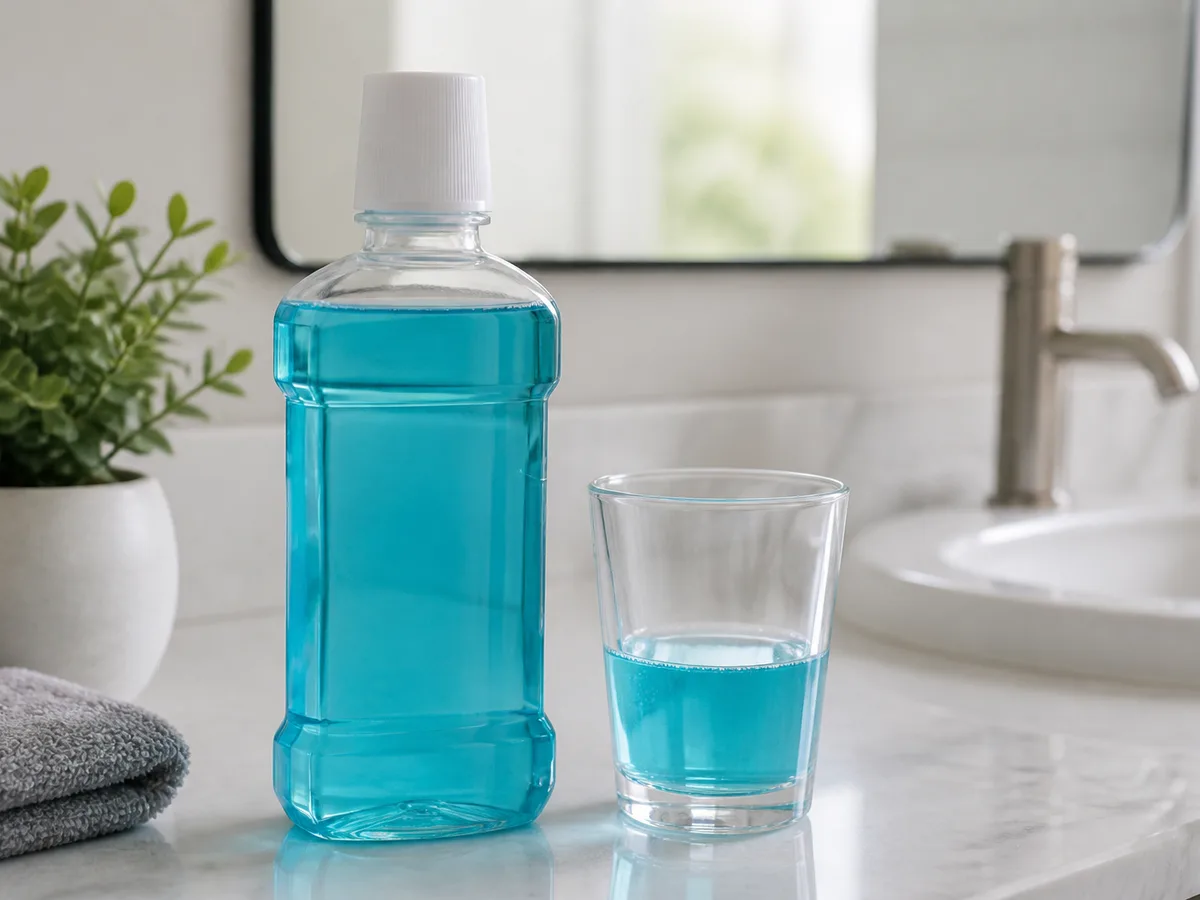 Rinse supports cleaning; it does not start it.
Sequence matters more than slogans
A practical order for many adults is floss or irrigate, brush with fluoride paste, then—if recommended—swish a fluoride rinse and avoid eating for the window on the label. Using mouthwash right before brushing can rinse away paste you meant to leave on teeth. If alcohol-based rinses dry your mouth, switch to alcohol-free. People with a history of oral sensitivity or mucosal irritation should ask before starting strong antiseptic formulas. Read the active ingredient, not only the flavor promise on the front.
When A Dentist May Call A Rinse Useful
- High cavity risk needing extra fluoride exposure.
- Short-term gum therapy with a prescribed antiseptic.
- Dry mouth strategies that include moisturizing or mild rinses.
- Orthodontic patients who trap food around brackets.
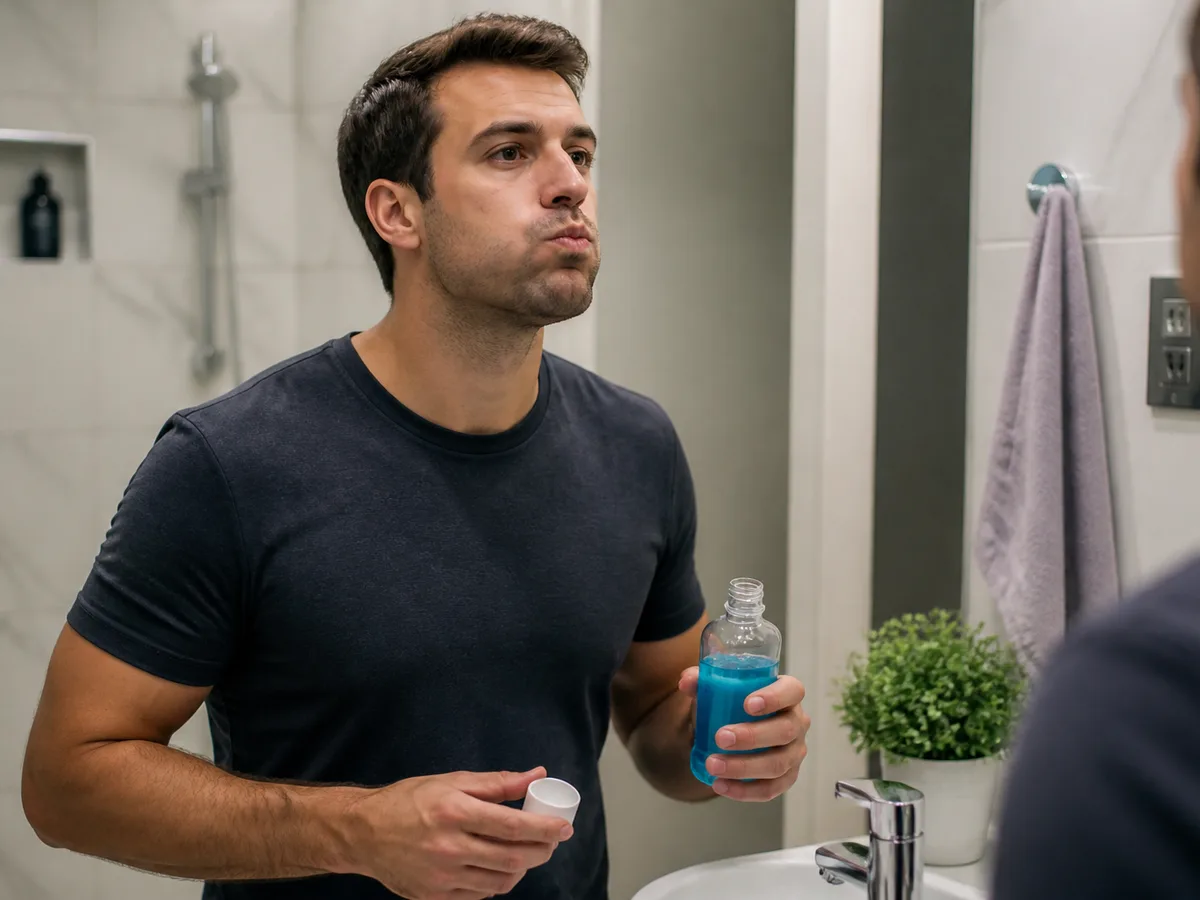 Prescription intent beats bathroom habit.
Make the bottle earn its shelf space
Bring your current rinse to a checkup and ask whether it matches your goals—fluoride, gum support, or freshness only. If your plaque scores are already excellent, you may save money and skip it. If cavities keep appearing between teeth, the conversation should prioritize flossing technique and fluoride before a minty upgrade. For tailored advice, use Find a Dentist and mention dry mouth medicines or recent fillings when you book. Leave with a yes, no, or “only this formula for two weeks” instead of a vague maybe.
Mouthwash is necessary only when your risk profile or a specific prescription says the chemistry adds value. For everyone else it is optional freshness—pleasant, secondary, and never a free pass to skip the tools that actually remove plaque.
Related articles
Keep exploring related topics from Dental Country.

Electric Vs Manual Toothbrush: Which Is Better?
Neither brush wins by brand alone: powered heads help many adults stay thorough, while a well-angled soft manual brush still clears plaque when used carefully for two minutes.
Read article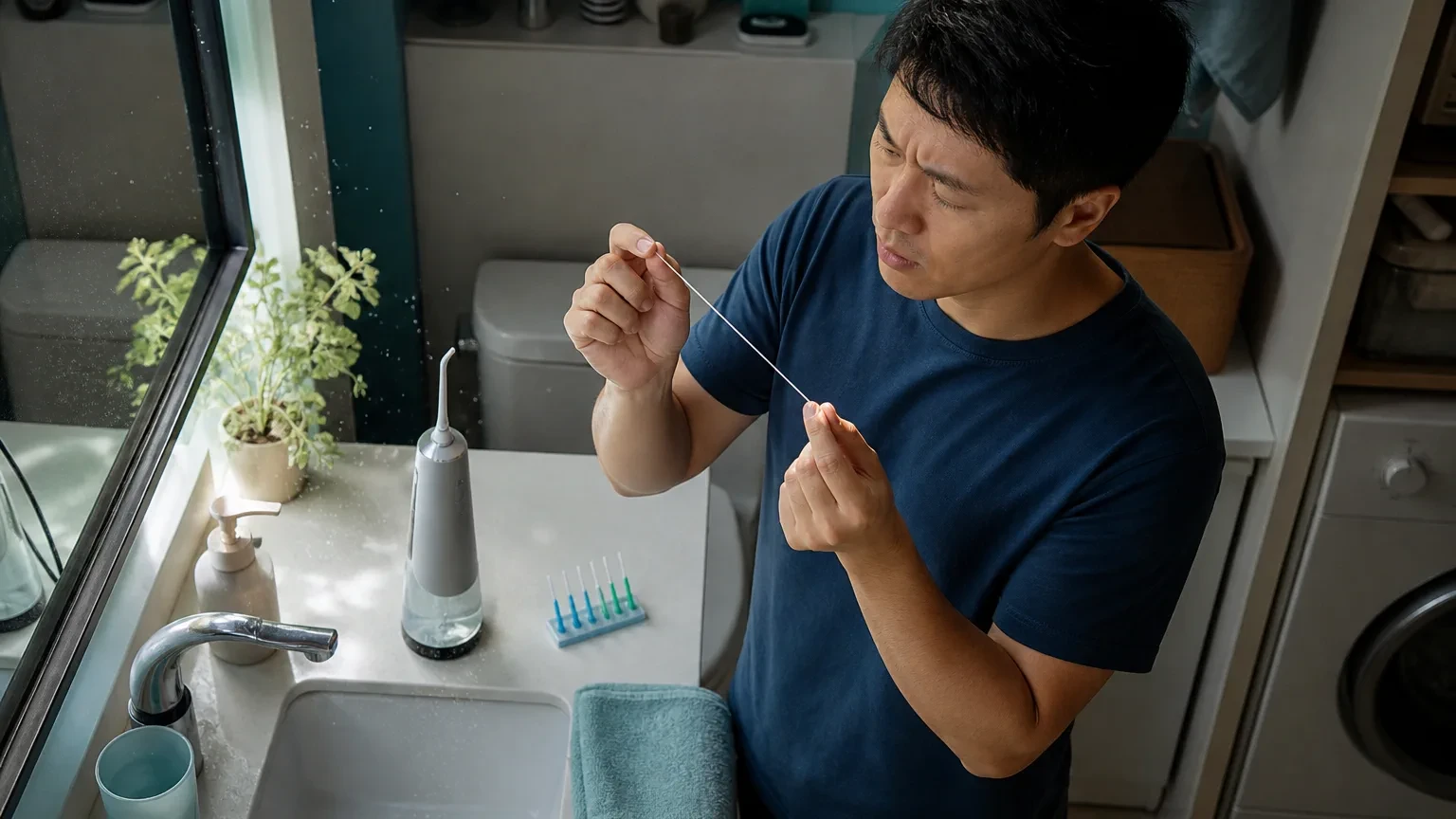
Floss Vs Water Flosser: Which Should You Use?
Traditional floss scrapes contact points; water flossers flush pockets and hardware. Many mouths do best when the tool matches anatomy—and some use both.
Read article
How Often Should You Floss?
Most adults should clean between teeth once every day; higher gum inflammation, orthodontic hardware, or frequent food packing can justify careful extra sessions.
Read article
How Do You Brush Your Teeth Properly?
Proper brushing is paced and angled: soft bristles at the gumline, short strokes on every face of each tooth, about two minutes, twice daily with fluoride paste.
Read article