

Electric Vs Manual Toothbrush: Which Is Better?
Electric and manual brushes both work when technique is solid. Compare plaque removal, ease of use, cost, and who benefits most from powered heads.

Reviewed by Dr. Sean Myran, DMDDoctor of Dental Medicine, University of Pennsylvania
Electric and manual toothbrushes can both keep teeth clean when you use a soft head, fluoride toothpaste, and about two minutes of careful strokes. Powered brushes often make consistency easier—especially for people who scrub too hard or rush—because timers and oscillating heads do more of the pacing. MouthHealthy notes that both electric and manual brushes can be effective when used correctly. The better brush is the one you will place at the gumline twice a day without shredding your gums.
A fair comparison looks at plaque removal, gum comfort, cost, travel, and learning curve—not at marketing claims about “dentist-clean” shine. Many clinical reviews find small average advantages for powered brushes, yet those gains disappear if the head is worn out or you skip evenings. Manual brushes cost less up front and pack easily; they demand better angulation and patience. Pair either choice with sound brushing technique and daily cleaning between teeth.
Electric Versus Manual At A Glance
- Plaque disruption: oscillating or sonic heads often reach crowded spots with less wrist work; a soft manual brush can match results with careful circles.
- Pressure control: many electrics flash when you press too hard—useful if hard brushing has worn enamel or gums.
- Timers: built-in two-minute cues reduce the “thirty-second rinse” habit.
- Cost: manuals win on sticker price; electrics add charger and replacement-head budgets.
- Dexterity: arthritis, limited grip, or braces often favor a powered handle.
Children and teens may prefer characters or app timers on powered models, but supervision still matters so paste is not swallowed in bulk. Adults with implants, bridges, or fixed retainers should ask which head shape clears the hardware without shredding floss or scratching acrylic. Neither tool replaces flossing on a regular cadence.
If you already brush well with a manual brush and your hygienist sees light plaque, upgrading is optional—not mandatory. If cleanings repeatedly show the same heavy film along the lower fronts despite “I brush hard,” switch focus from force to coverage and consider a powered head that slows your hand. Harder scrubbing is not the upgrade path.
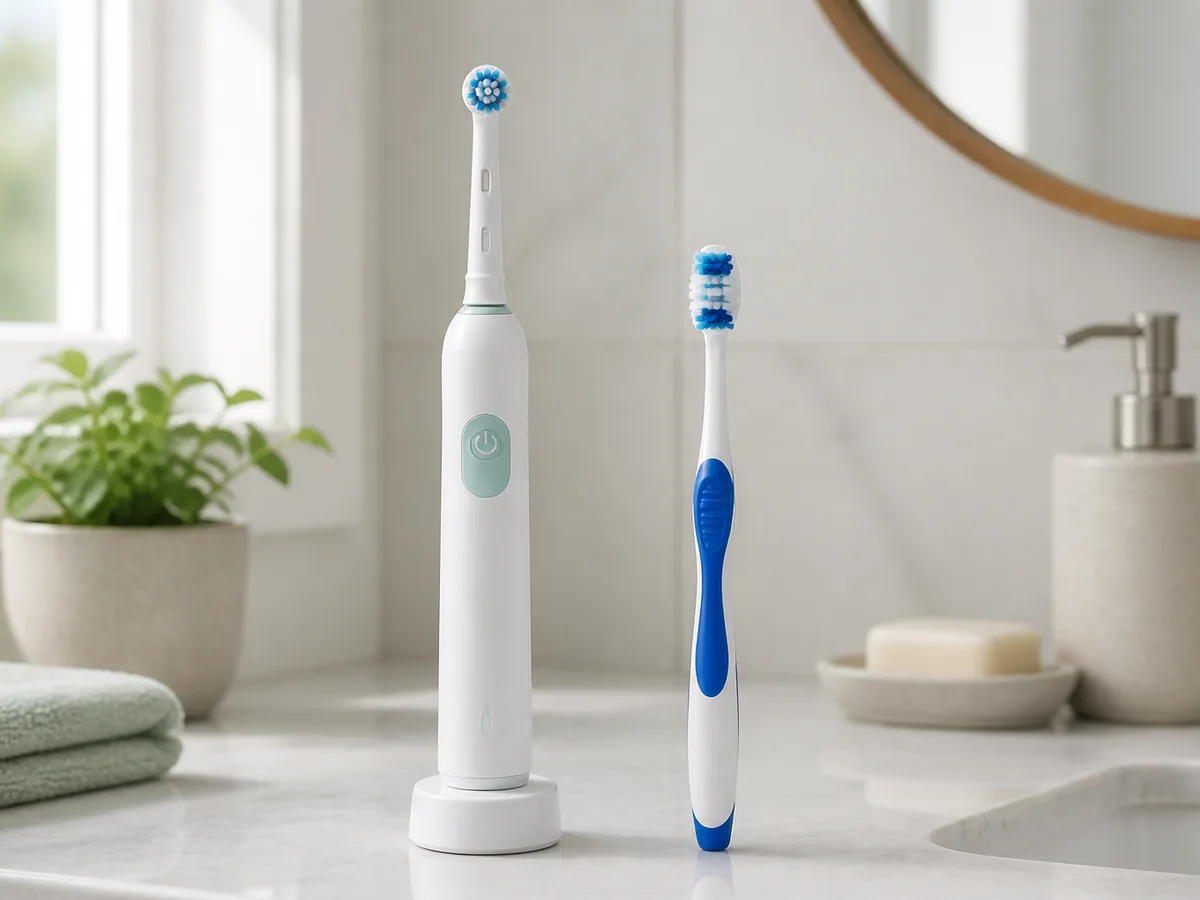 Guide the head; do not scrub over it.
Let the head do the oscillation
With an electric brush, rest soft bristles at a forty-five-degree angle and guide the head tooth by tooth instead of scrubbing as if it were a manual brush. Hover a few seconds per surface, including the tongue side of lower fronts where tartar loves to start. Replace the head when bristles flare—often around three months, and sooner after a contagious illness so you are not reusing a soaked head. If the handle feels bulky, try a smaller compact head before deciding powered brushes are not for you.
Questions That Settle The Choice
- Do my gums bleed from pressure more than from missed plaque?
- Will a timer honestly add sixty seconds I currently skip?
- Can I afford replacement heads, or will I keep a worn one too long?
- Does a hygienist see the same missed zones every visit?
Travel and charging habits also belong in the decision. A manual brush always works in a hotel glass; an electric brush needs a dry battery or cord, plus spare heads if you are gone for weeks. Some adults keep a soft manual brush in a gym bag and an electric handle at home so neither routine breaks when life gets busy. That hybrid approach still beats a single neglected tool.
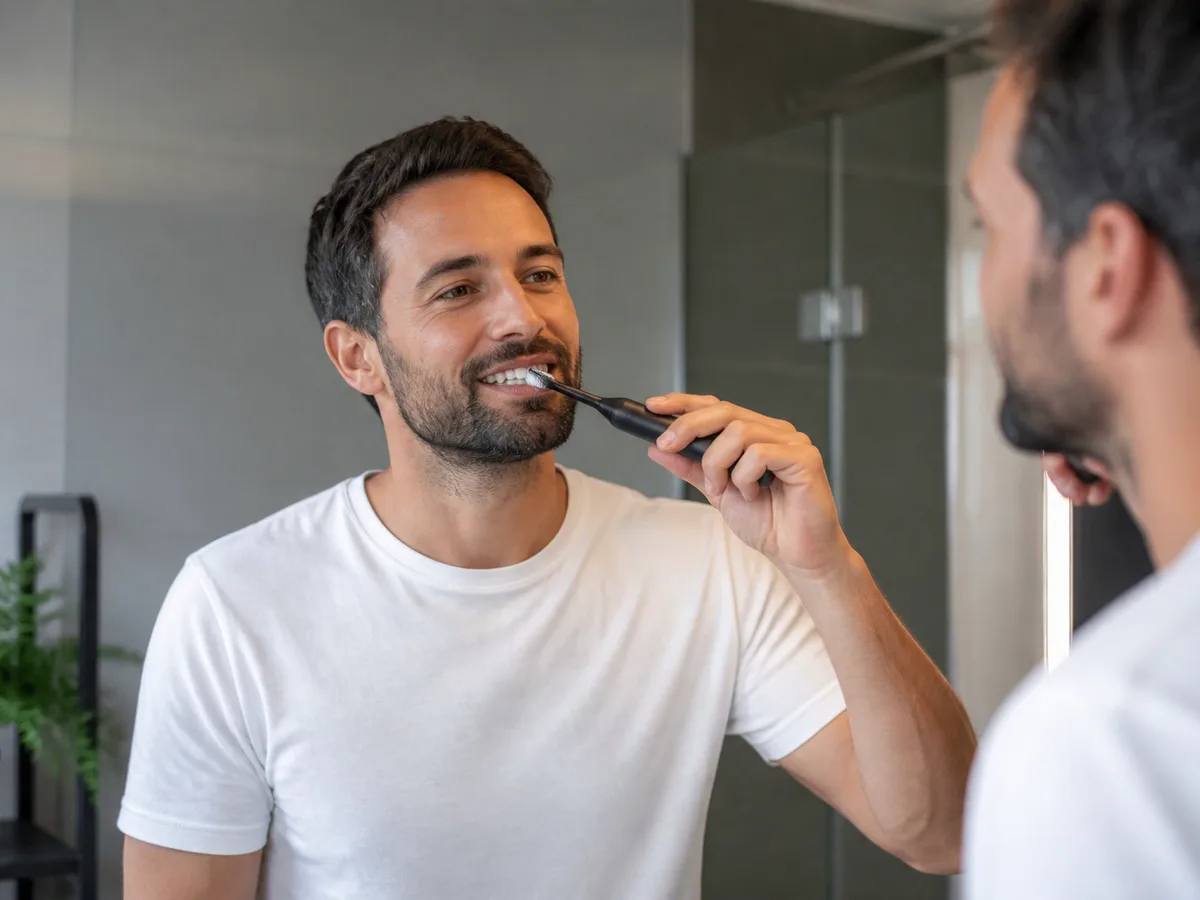 Soft bristles plus time beat hard scrubbing.
Manual still wins with disciplined angles
If you stay manual, pick soft bristles, a head small enough for your mouth, and a paste with fluoride unless your dentist directs otherwise. Sweep gently along the gumline, then chew surfaces, then tongue side. Two minutes feels long until you divide the mouth into quadrants. For coaching that matches your grip and restorations, use Find a Dentist and bring both brushes to a preventive visit so the team can watch your stroke—not only polish what remains. Technique beats logo every time.
Electric versus manual is less a rivalry than a fit test. Choose the handle that helps you cover every surface calmly twice a day, keep the head fresh, and protect the gumline—then spend your leftover attention on floss, tongue care, and smarter snacks.
Related articles
Keep exploring related topics from Dental Country.
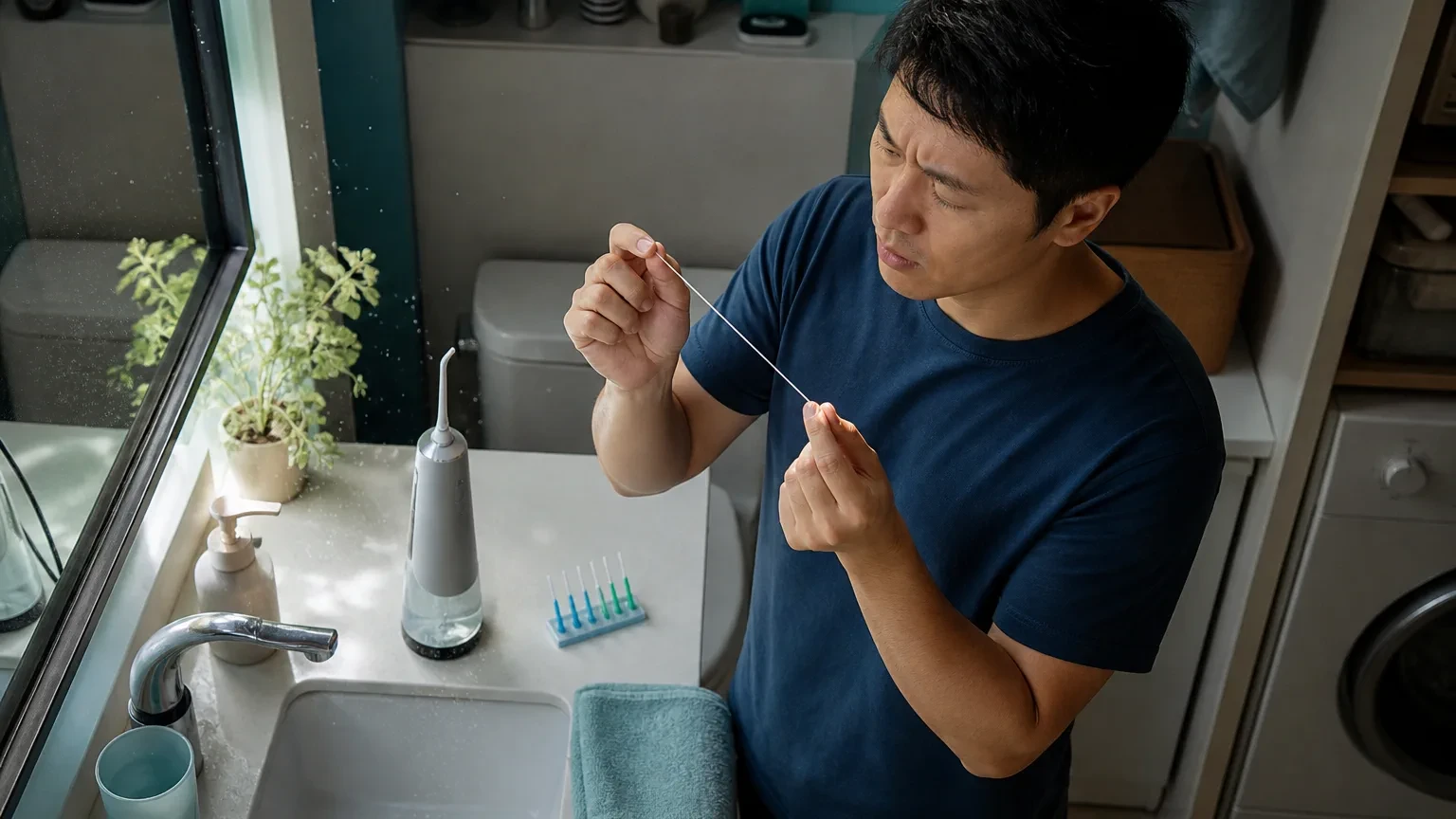
Floss Vs Water Flosser: Which Should You Use?
Traditional floss scrapes contact points; water flossers flush pockets and hardware. Many mouths do best when the tool matches anatomy—and some use both.
Read article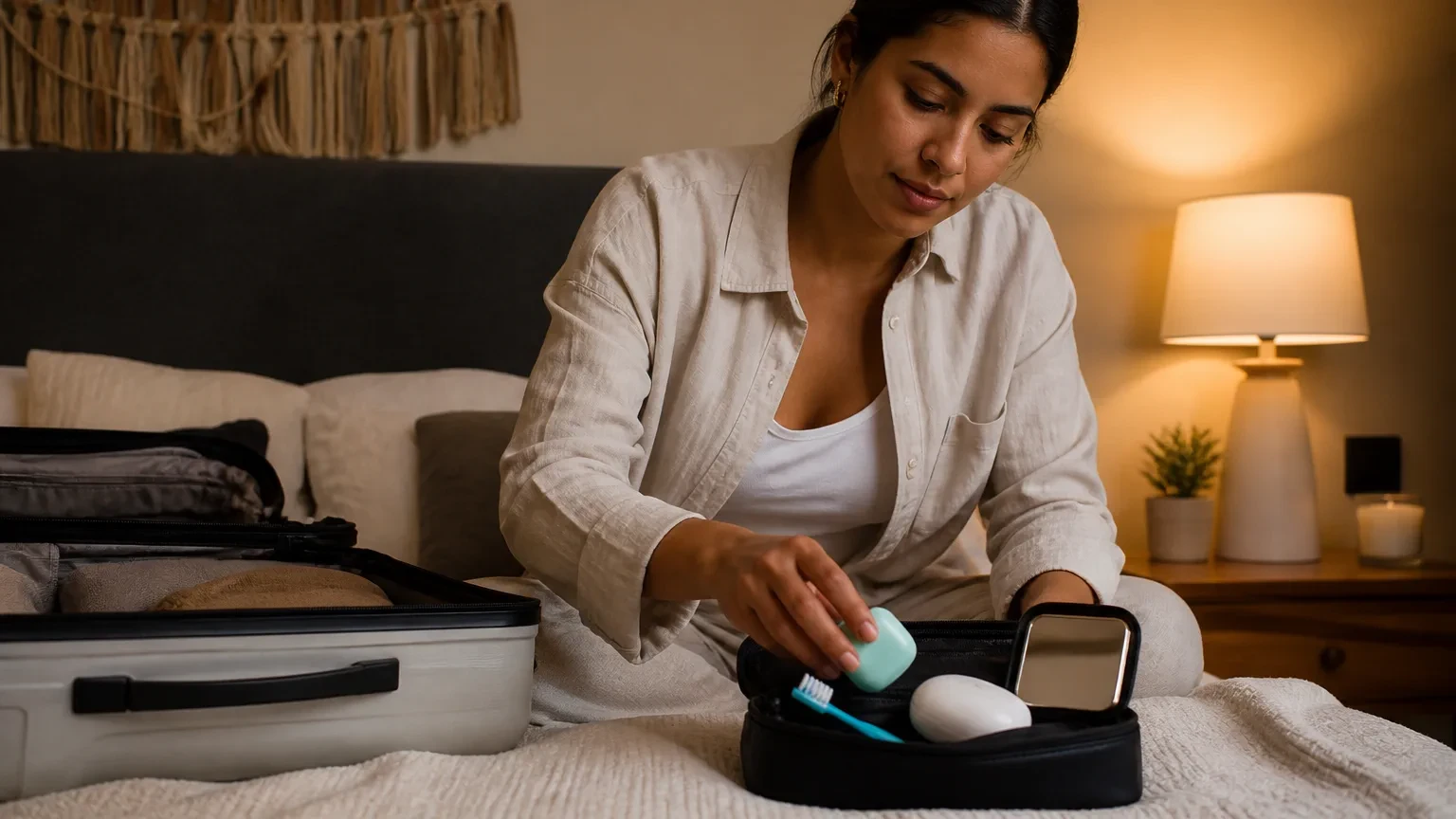
How Often Should You Floss?
Most adults should clean between teeth once every day; higher gum inflammation, orthodontic hardware, or frequent food packing can justify careful extra sessions.
Read article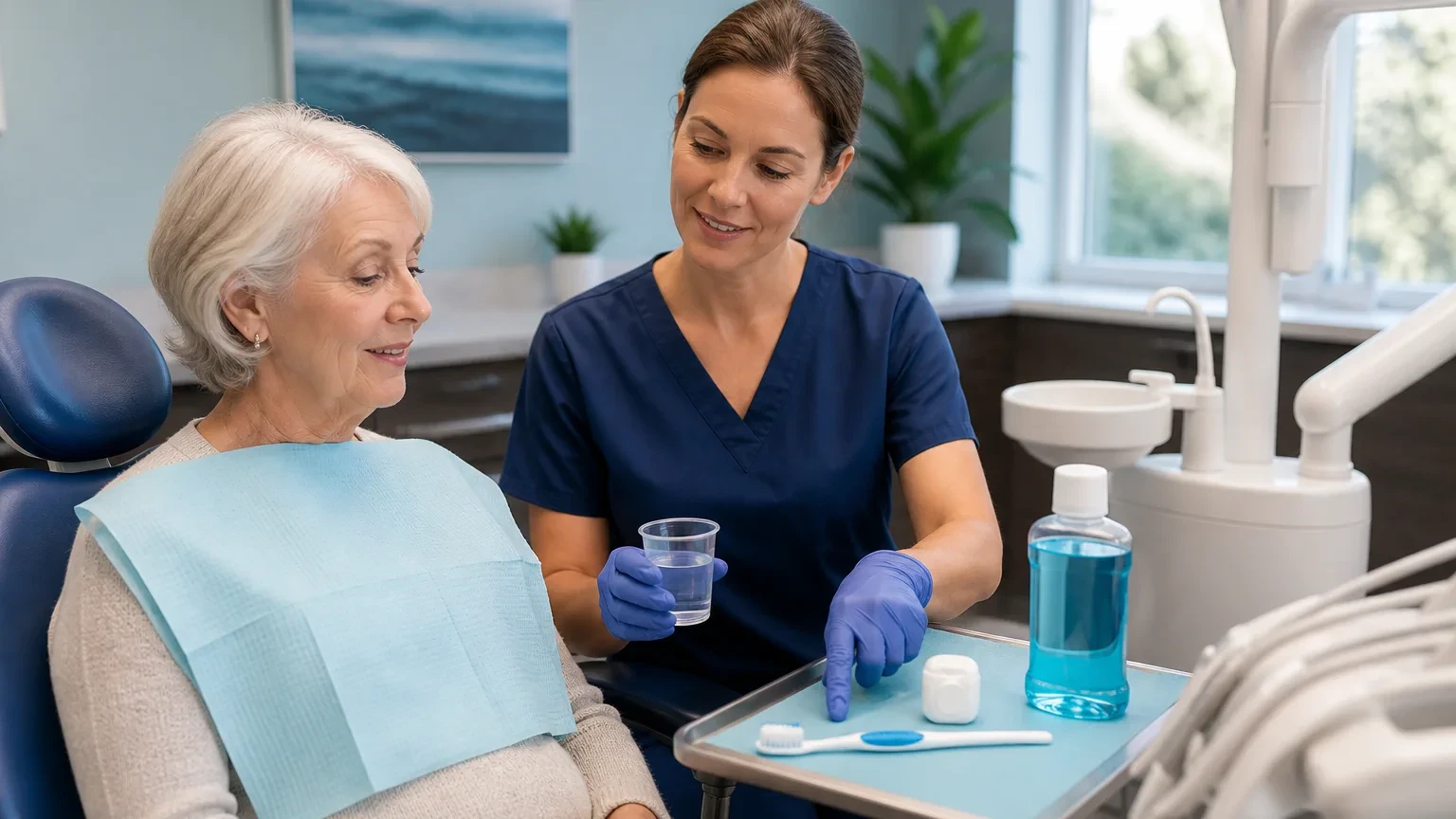
Is Mouthwash Necessary?
Rinses are optional helpers: fluoride formulas may support enamel, antiseptic ones can reduce germs short-term, yet neither substitutes for mechanical plaque removal.
Read article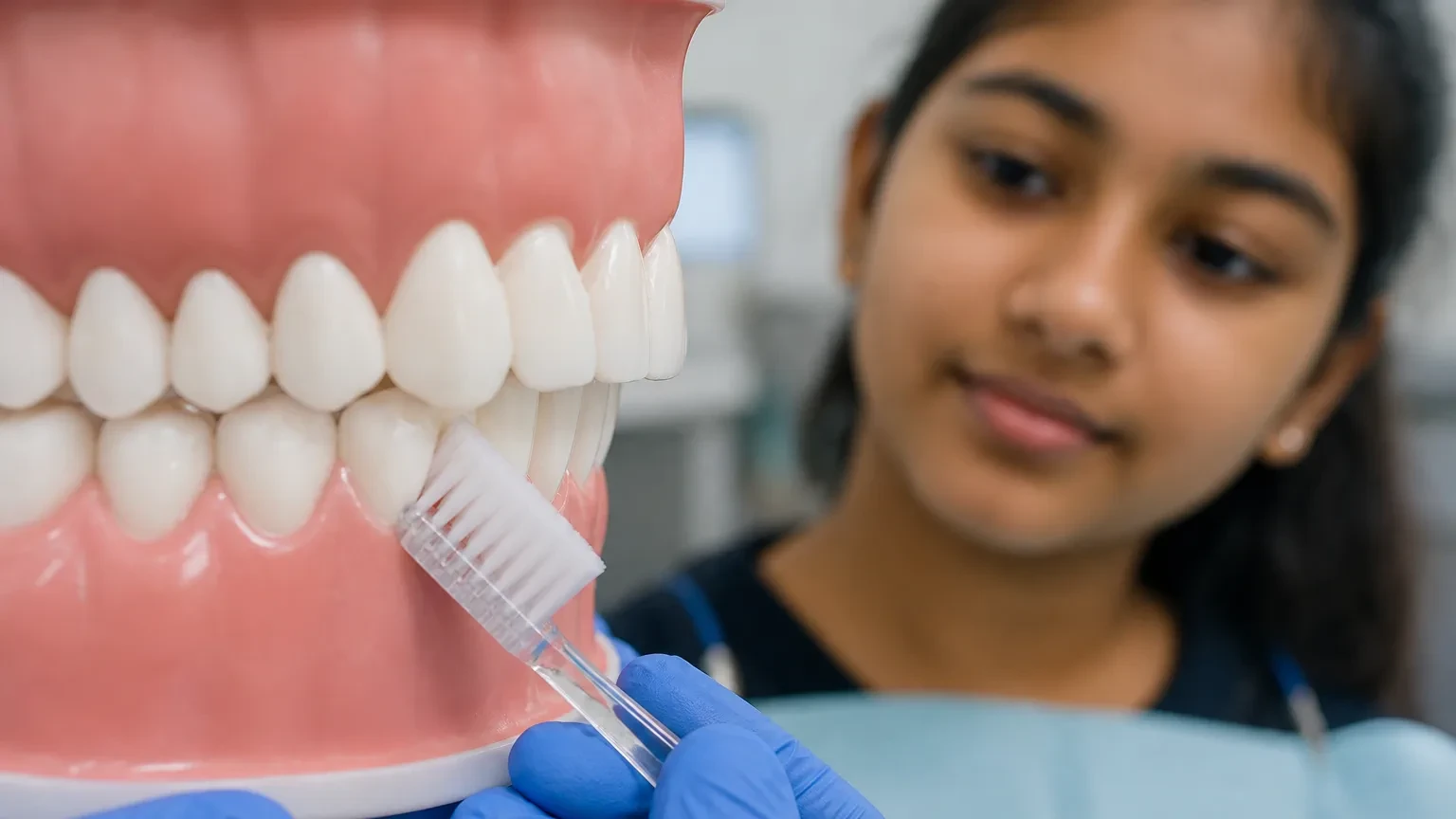
How Do You Brush Your Teeth Properly?
Proper brushing is paced and angled: soft bristles at the gumline, short strokes on every face of each tooth, about two minutes, twice daily with fluoride paste.
Read article