
Can You Brush Too Hard?
Yes—brushing too hard can wear enamel and push gums back. Learn the symptoms of abrasive technique and how to switch to safer daily pressure.

Reviewed by Dr. Sean Myran, DMDDoctor of Dental Medicine, University of Pennsylvania
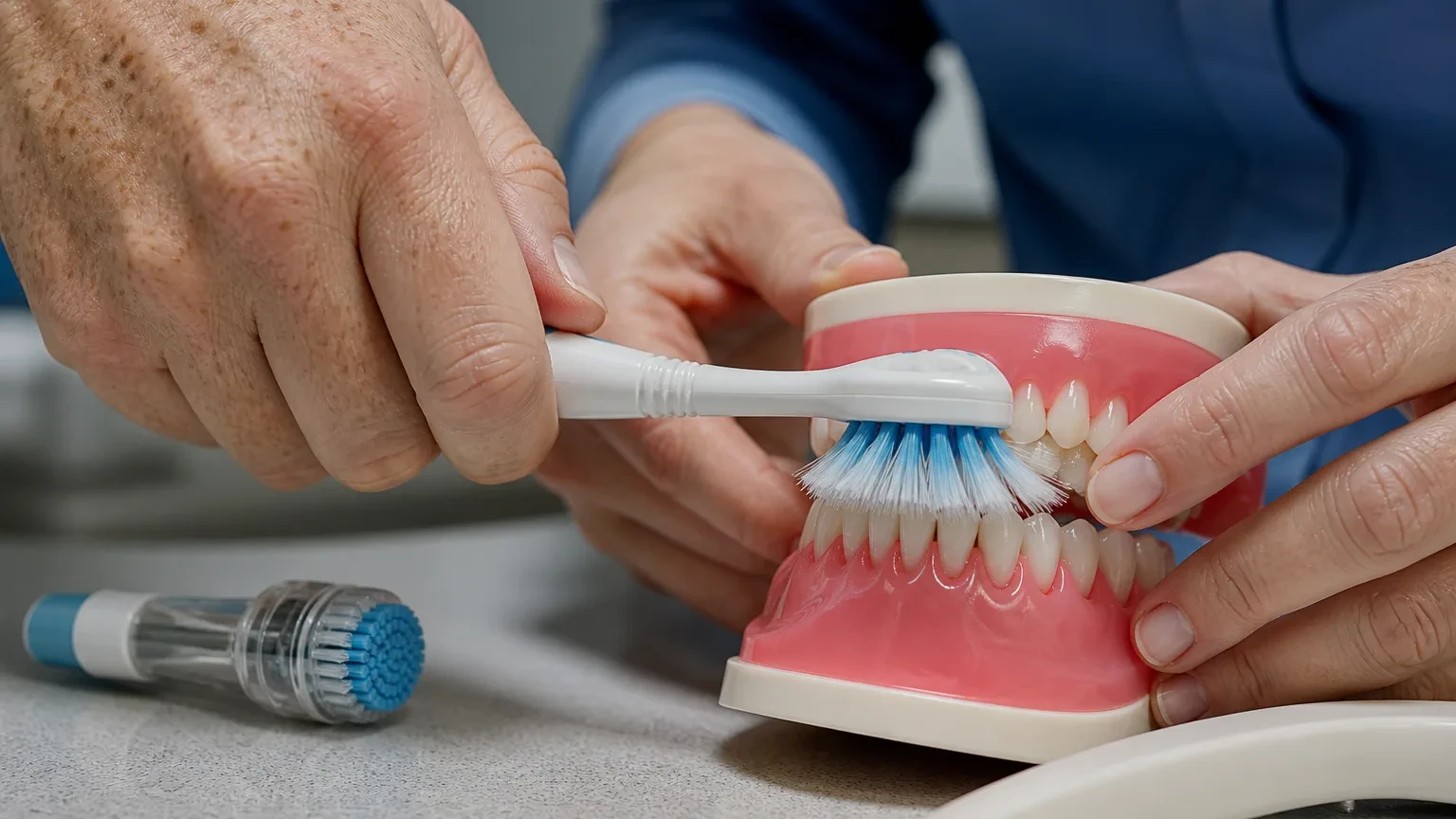
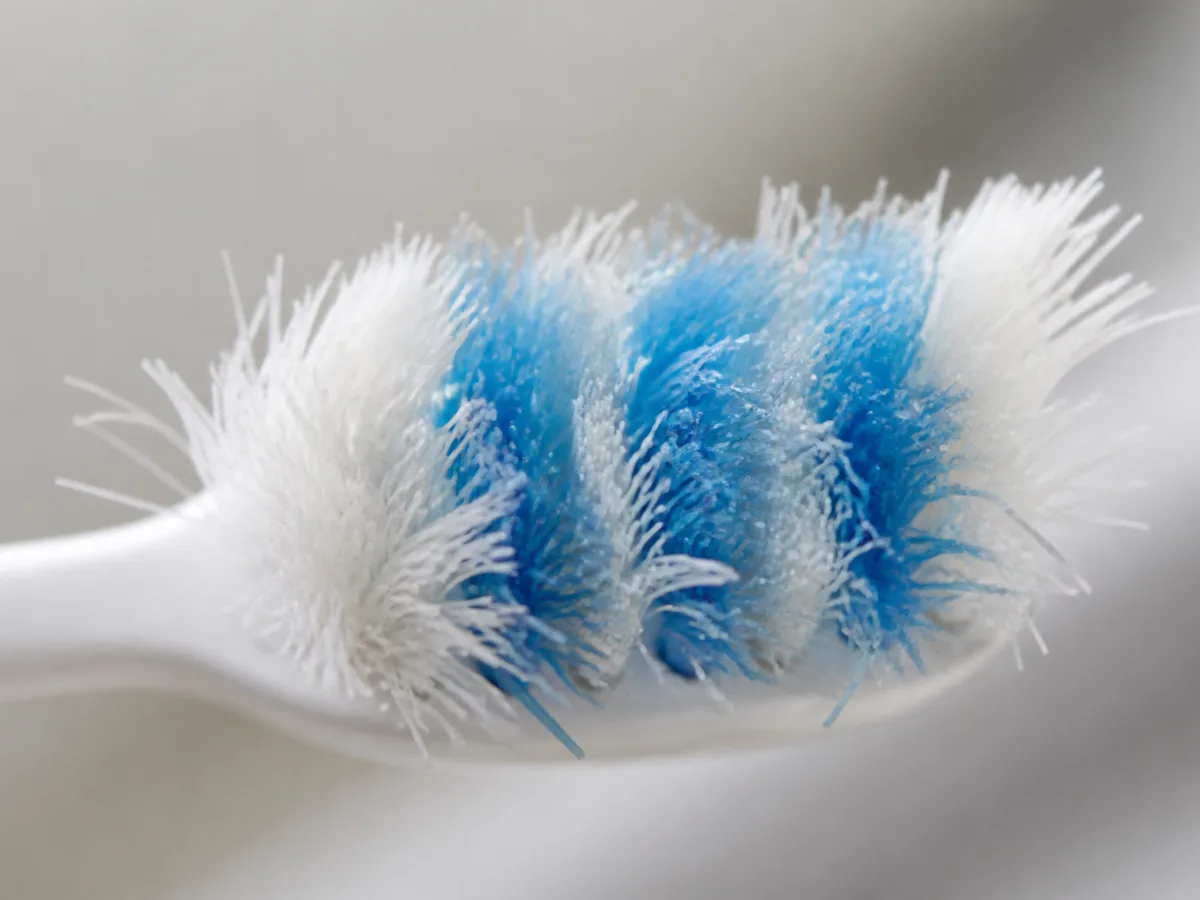
Yes—you can brush too hard. Aggressive scrubbing with a medium or hard brush can wear enamel near the gumline, create sensitive notches, and contribute to gum recession over time. Plaque is soft; it does not require sandpaper force. MouthHealthy recommends a soft-bristled brush and gentle strokes angled at the gumline. If your bristles flare within a few weeks, pressure—not mysterious “cheap plastic”—is usually the culprit.
A symptom checklist helps you catch the pattern early. Combine it with a technique reset from proper brushing steps and, when useful, a brush that warns on excess force—one reason some people prefer options in electric versus manual comparisons.
Many adults learned as children that “squeaky clean” meant hard horizontal strokes. That habit is hard to unlearn until someone shows the wedge-shaped notches it can leave on premolars. Softening your grip does not mean leaving plaque behind; it means spending the saved force on covering missed surfaces for a full two minutes.
Hard-Brushing Symptom Checklist
- Bristles fan out long before the three-month mark.
- Teeth ache with cold air near the gumline after brushing.
- Notches or grooves appear on the cheek side of premolars.
- Gums look scooped or teeth look longer in the smile-line area.
- Bleeding from scrubbing more than from gentle floss passes.
- Hygienist comments on abrasion or recommends softer technique.
MedlinePlus dental care guidance emphasizes brushing gently with a soft brush to protect gums and enamel. Recession has multiple causes—including genetics, gum disease, and piercings—so hard brushing may be one factor among several. Still, lowering force is a change you control immediately.
Switching to soft or extra-soft bristles can feel “too ticklish” for a week if you are used to a hard brush. That sensation usually fades as you trust short strokes. Sensitivity toothpaste may help comfort while notches are evaluated; it does not refill lost enamel. Avoid abrasive charcoal powders while you rehabilitate technique.
Athletes who brush in locker-room rushes and perfectionists who scrub until gums blanch are both high-risk for abrasion. Building a paced night routine—timer on, shoulders down—often protects teeth more than buying another “enamel repair” slogan paste.
 Lighter hands, longer coverage.
Think massage, not scouring pad
Try holding the brush with fingertips rather than a fist so you cannot lean your shoulder into the stroke. On an electric brush, let the head vibrate in place; gliding with heavy lean defeats pressure sensors. Spend extra seconds on coverage instead of force—plaque loses when you reach it, not when you punish enamel. If cold sensitivity lingers, ask whether notches need bonding or just fluoride varnish and time. Replace the head when bristles bend so you are not tempted to press harder to “feel cleaning.”
When To Seek Care
- Notches catch a fingernail or keep the tooth chronically sensitive.
- Gum recession progresses or roots look newly yellow and exposed.
- Pain lasts hours after brushing rather than fading quickly.
- You cannot tell whether bleeding is from technique or gum disease—book an exam.
Also revisit brush replacement timing so a worn, splayed head does not trick you into pressing harder for the same clean feeling.
 See the wear, then change the stroke.
Photos and mirrors make the case clear
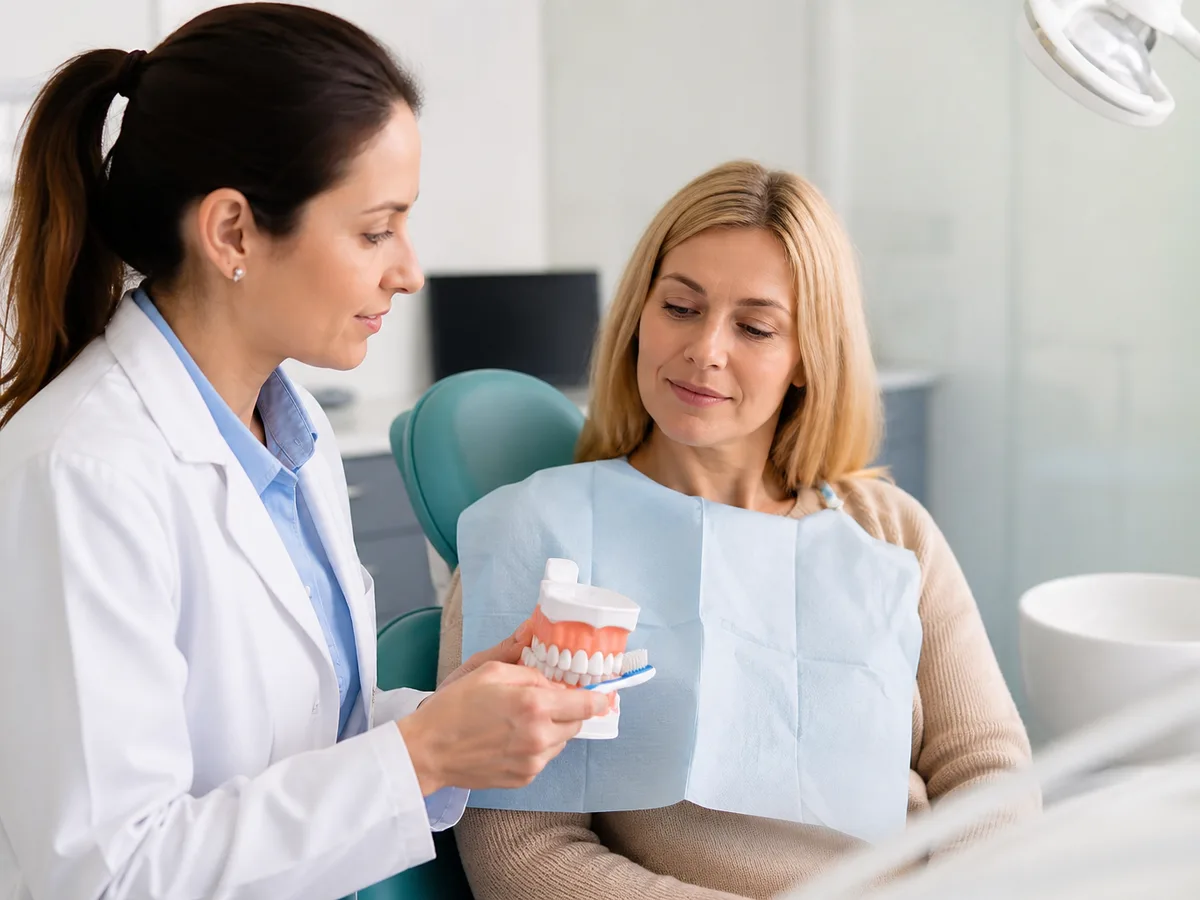
Ask for a mirror tour of any wedge-shaped notches and recession heights. Understanding the wear pattern makes light pressure feel purposeful rather than “not cleaning.” If bonding or desensitizing treatments are offered, clarify home-care changes that must accompany them so the notch does not deepen. For a dentist who coaches technique without blame, use Find a Dentist and mention sensitivity or flared bristles when you schedule. Bring your current brush—the splay pattern is diagnostic.
Brushing too hard is common and fixable. Soft bristles, lighter grip, full two-minute coverage, and a professional look at notches protect teeth better than another year of vigorous scrubbing.
Related articles
Keep exploring related topics from Dental Country.

Electric Vs Manual Toothbrush: Which Is Better?
Neither brush wins by brand alone: powered heads help many adults stay thorough, while a well-angled soft manual brush still clears plaque when used carefully for two minutes.
Read article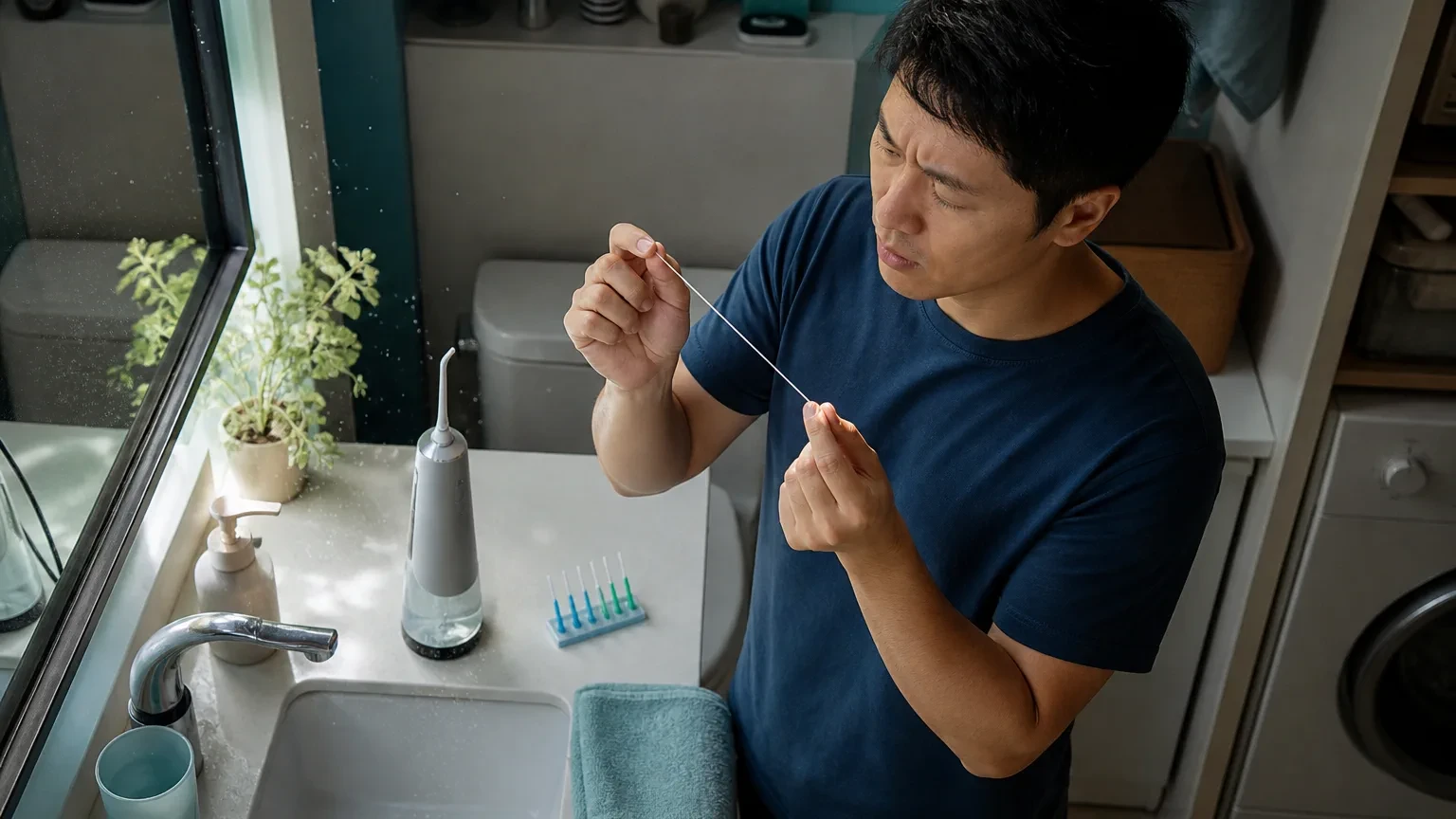
Floss Vs Water Flosser: Which Should You Use?
Traditional floss scrapes contact points; water flossers flush pockets and hardware. Many mouths do best when the tool matches anatomy—and some use both.
Read article
How Often Should You Floss?
Most adults should clean between teeth once every day; higher gum inflammation, orthodontic hardware, or frequent food packing can justify careful extra sessions.
Read article
Is Mouthwash Necessary?
Rinses are optional helpers: fluoride formulas may support enamel, antiseptic ones can reduce germs short-term, yet neither substitutes for mechanical plaque removal.
Read article