
When Should You Replace Your Toothbrush?
Replace toothbrushes or electric heads about every three months, sooner after illness or when bristles flare. Build a simple replacement routine that sticks.

Reviewed by Dr. Sean Myran, DMDDoctor of Dental Medicine, University of Pennsylvania
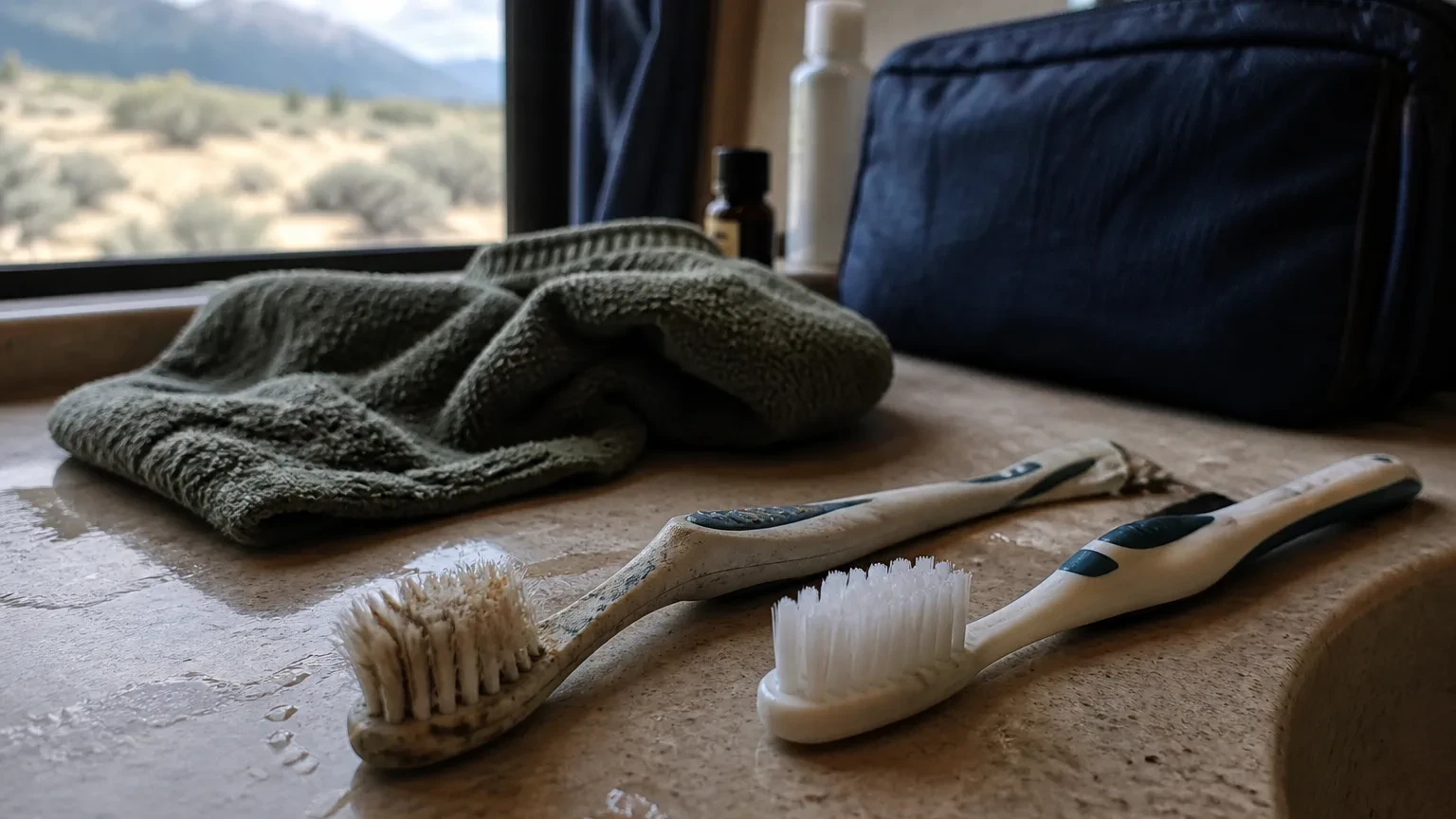
Replace a manual toothbrush or electric brush head about every three months, and sooner if bristles flare, splay, or you have just recovered from a cold, flu, or mouth infection. Worn bristles lose their gentle shape and clean less evenly, which tempts people to press harder. MouthHealthy recommends replacing your toothbrush every three to four months, or sooner if bristles are frayed. A replacement routine on the calendar beats waiting until the head looks shredded.
Think of this as home-care maintenance, similar to changing a furnace filter. Pair the reminder with seasons, dental recall visits, or subscription head deliveries so you do not reuse a bent brush for a year. Technique still matters—review how to brush properly—because a brand-new hard scrubber can still injure gums.
A Simple Replacement Routine
- Mark the start date on the handle with a marker or phone reminder for twelve weeks out.
- Inspect monthly: flared edges, flattened tips, or color-indicator fade mean swap now.
- After illness: start a fresh brush once you feel better so you are not reintroducing germs from a soaked head.
- Store upright to air-dry; avoid closed damp caps that keep bristles wet.
- Do not share brushes between people.
- Match soft bristles each time unless your dentist specifies otherwise—especially if hard brushing is a known issue.
CDC hygiene guidance advises replacing toothbrushes after illness and not sharing them. Electric users should track head changes even when the handle still feels new; the motor cannot compensate for a bald brush head. Travel brushes in sealed wet bags deserve a dry-out as soon as you unpack.
Kids’ brushes often need earlier swaps because chewing on bristles bends them faster. Keep a spare in the drawer so “we ran out” does not become a week of no brushing. If cost is a concern, store-brand soft manuals with the right technique outperform luxury handles with ancient heads.
Color-fade indicator bristles can help visual learners, yet they are not perfect clocks—sunlight and paste abrasives also bleach dyes. Trust the combination of the three-month mark and the splay test rather than one signal alone. Households can stock identical soft replacements so guests and teens are not stuck with a single mangled brush in a communal cup.
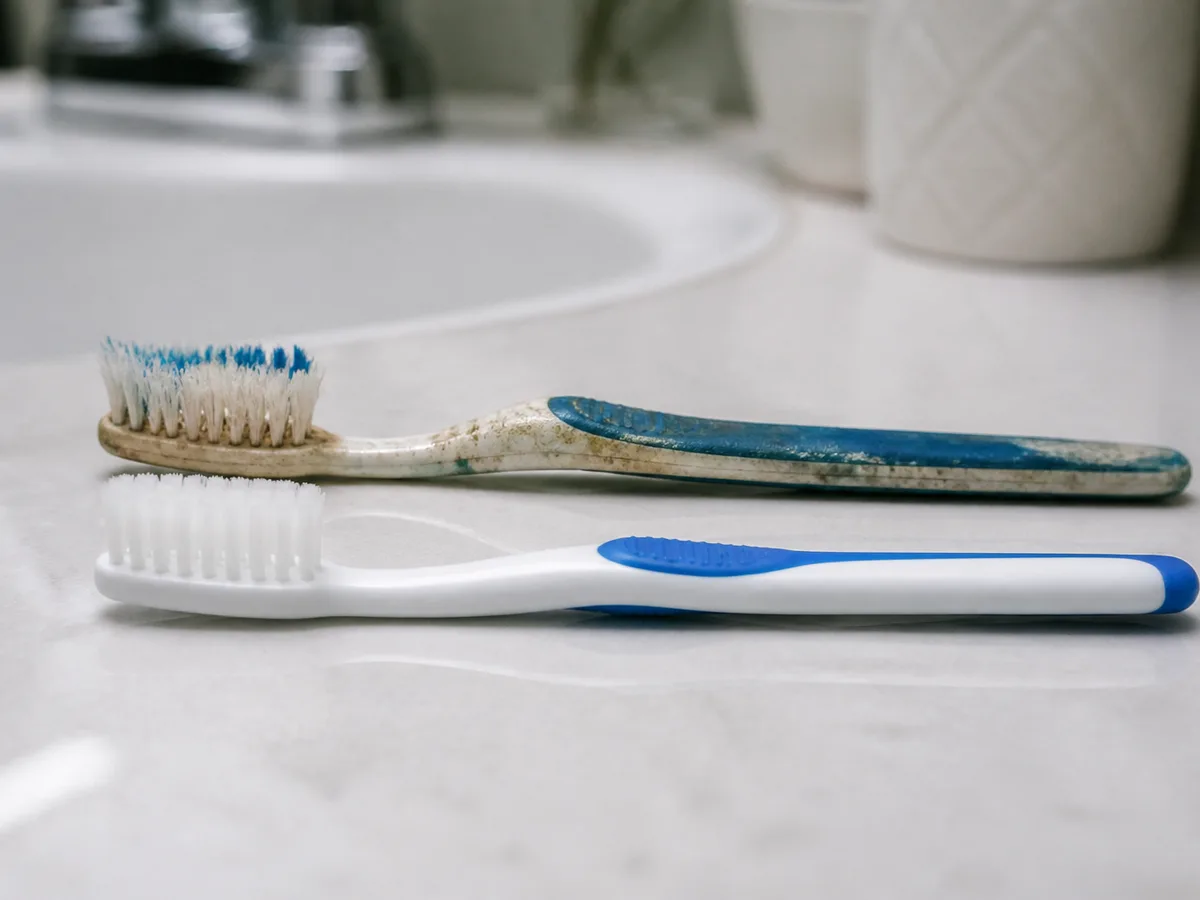 Frayed means finished—replace it.
Splay is your visual deadline
Hold old and new heads side by side under bathroom light. If the old bristles curve outward or look matted, cleaning efficiency has already dropped. People who press hard may destroy heads in six weeks—that is feedback to lighten pressure, not to buy harder bristles. Keep spare soft manuals or electric heads on hand so the swap is immediate. Recycling programs for used heads exist in some areas if you want a less wasteful routine.
Signals Beyond The Calendar
- Brushing suddenly feels scratchy or uneven.
- Gums bleed more after the head mats down.
- You dropped the brush on a dirty floor and cannot sanitize it confidently.
- Pet or toddler chewed the head.
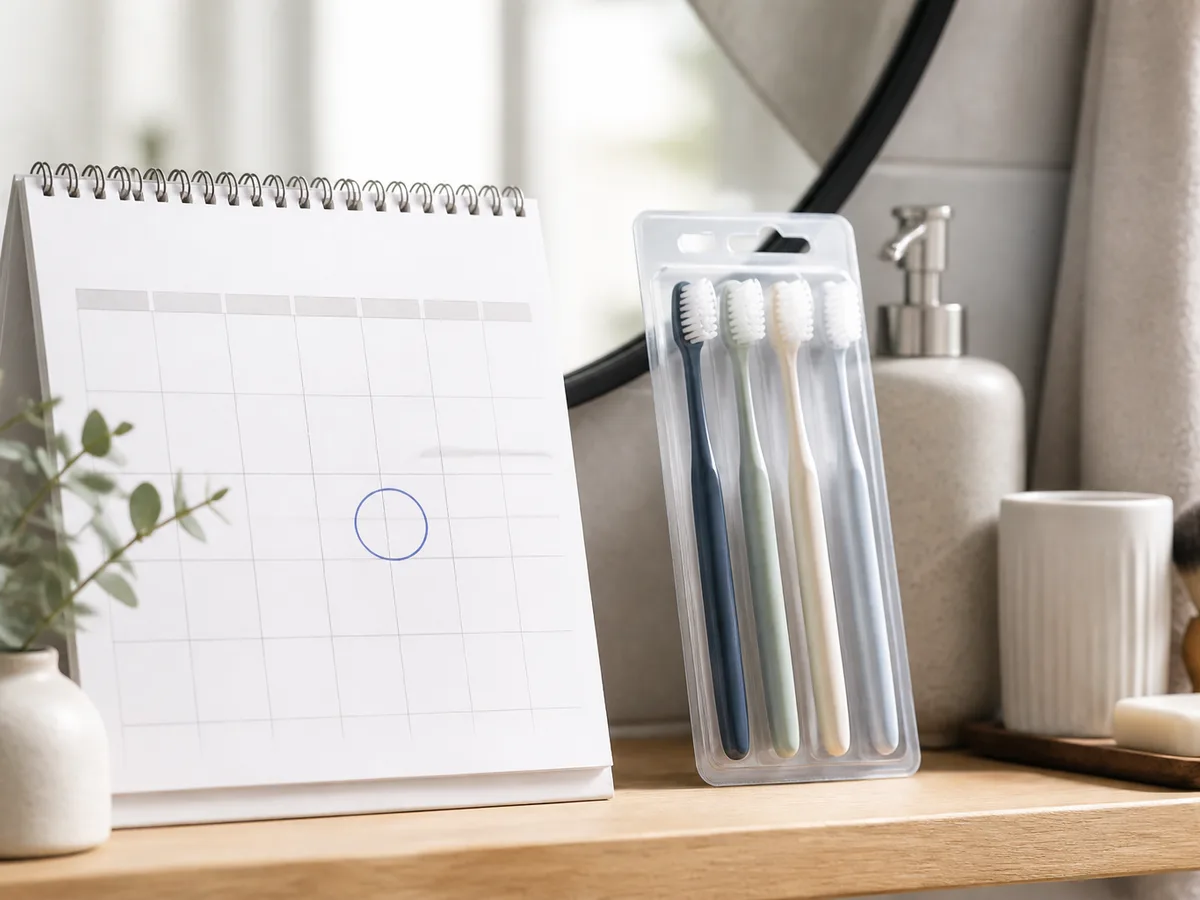 Reminders keep soft bristles in play.
Automate the swap before bristles fail
Set a recurring phone alert labeled “new brush head” every three months, and keep one spare sealed in the cabinet. If your dentist sees heavy plaque despite good effort, ask whether a worn head or missed angles is the main issue. For a checkup that includes home-care gear review, use Find a Dentist and bring your current brush to the visit. Pair replacement habits with the right toothpaste so both tools stay in sync.
Replace brushes on a three-month rhythm, accelerate after illness or fraying, and store them dry. Fresh soft bristles make gentle, thorough cleaning realistic again—especially when the rest of your routine is already solid. A cheap calendar habit here protects every other step you take with floss and fluoride.
Related articles
Keep exploring related topics from Dental Country.

Electric Vs Manual Toothbrush: Which Is Better?
Neither brush wins by brand alone: powered heads help many adults stay thorough, while a well-angled soft manual brush still clears plaque when used carefully for two minutes.
Read article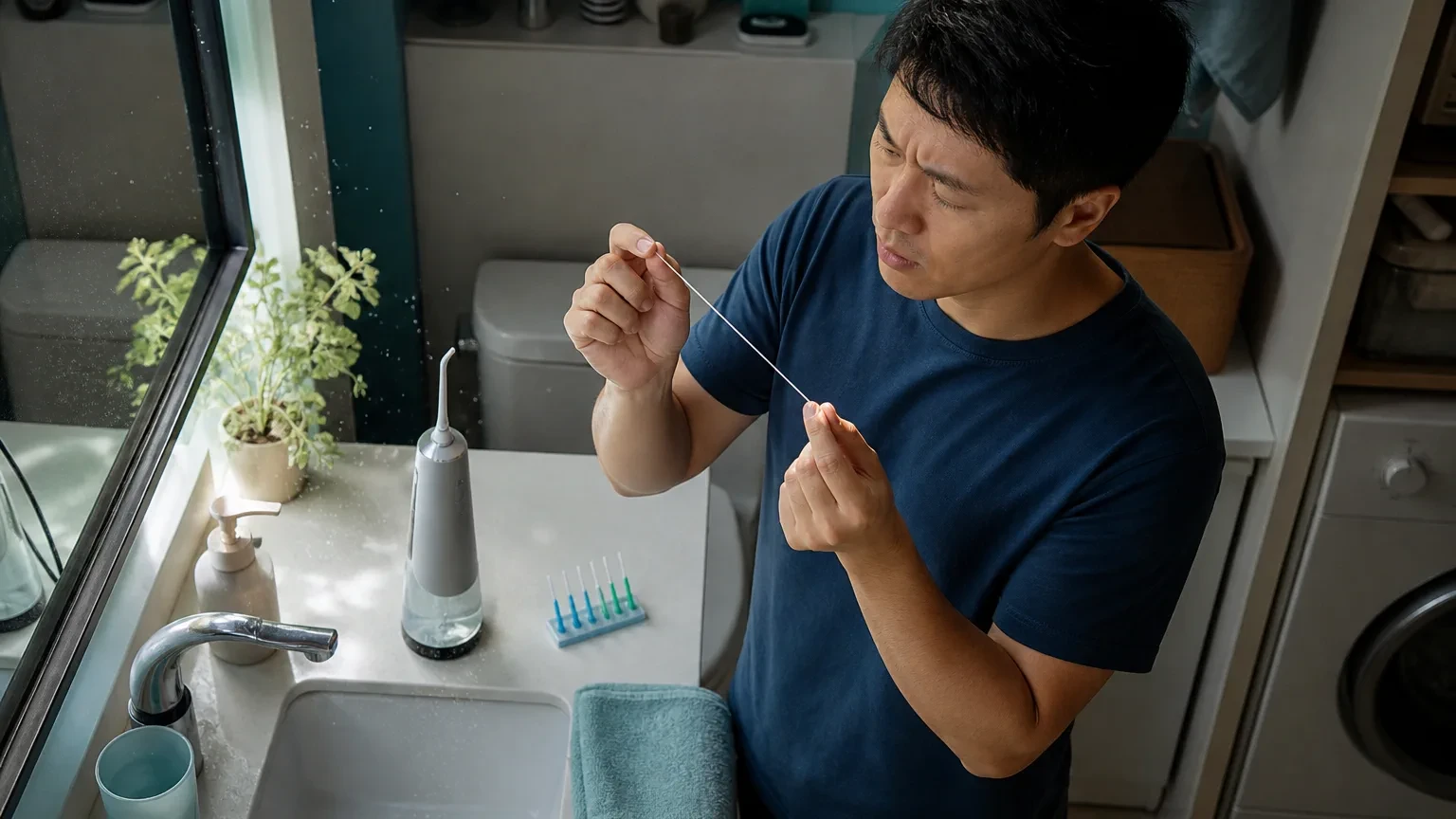
Floss Vs Water Flosser: Which Should You Use?
Traditional floss scrapes contact points; water flossers flush pockets and hardware. Many mouths do best when the tool matches anatomy—and some use both.
Read article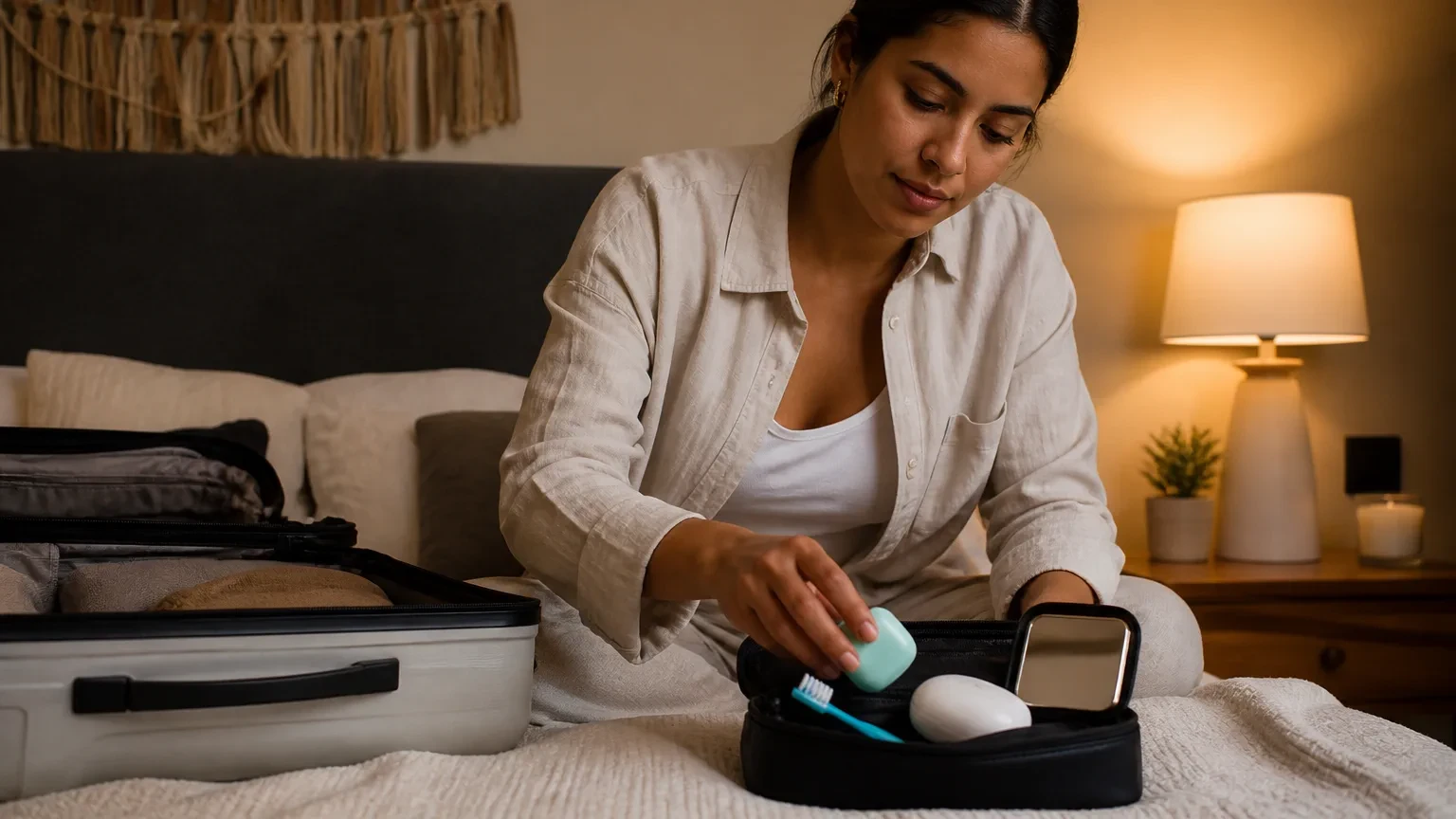
How Often Should You Floss?
Most adults should clean between teeth once every day; higher gum inflammation, orthodontic hardware, or frequent food packing can justify careful extra sessions.
Read article
Is Mouthwash Necessary?
Rinses are optional helpers: fluoride formulas may support enamel, antiseptic ones can reduce germs short-term, yet neither substitutes for mechanical plaque removal.
Read article