
Materials
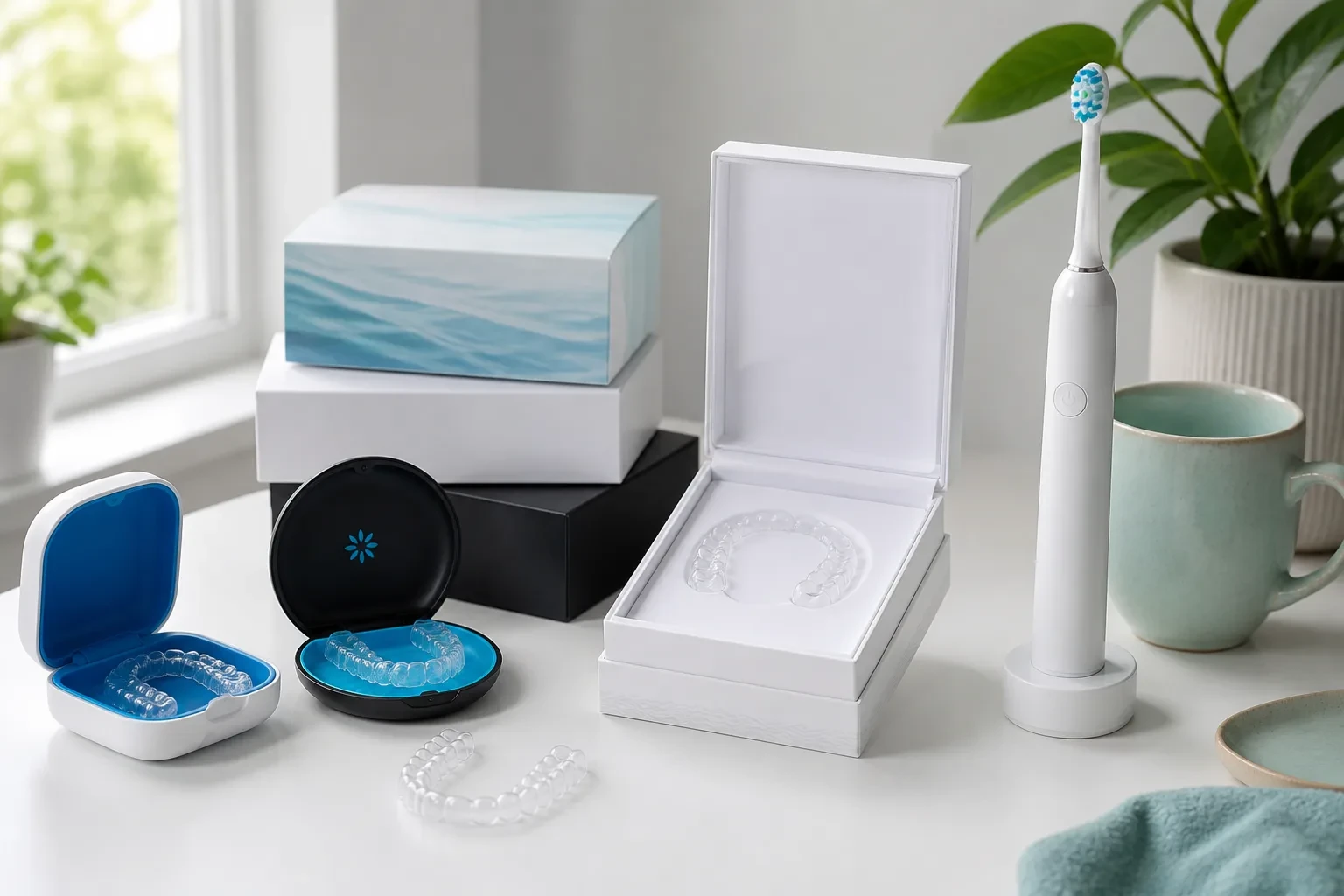
Impression materials, cements, adhesives, composites, burs, endo files, sealants and other dental consumables, grouped by the job each material does.
Summary
This hub collects our guides to the materials a practice orders again and again: impression materials and alginate, cements, adhesives and liners, composites and glass ionomers, burs and endodontic files, and preventive products such as sealants and fluoride varnish. Each guide compares the leading products and when to use which.

Impression Materials: Alginate vs VPS vs Polyether
Alginate, VPS (PVS), and polyether compared: what each records, how moisture and pour time change the cast, and which ADA specification applies.
Glass Ionomer Luting Cements: FujiCEM, RelyX Luting
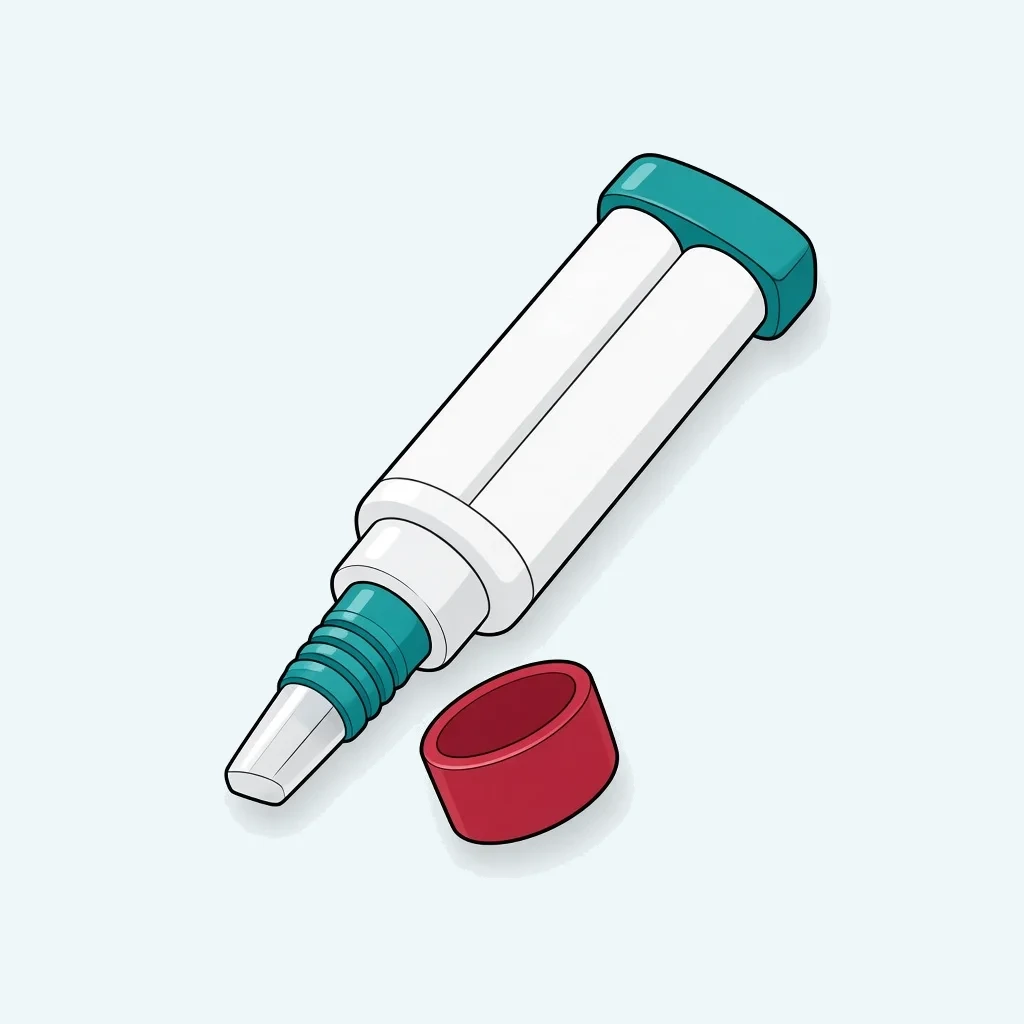
Compare 10 glass ionomer luting cements, including RelyX Luting Plus and FujiCEM Evolve, by delivery, ceramic use, and sources.
Temporary Cements: TempBond, TempGrip, NexTemp
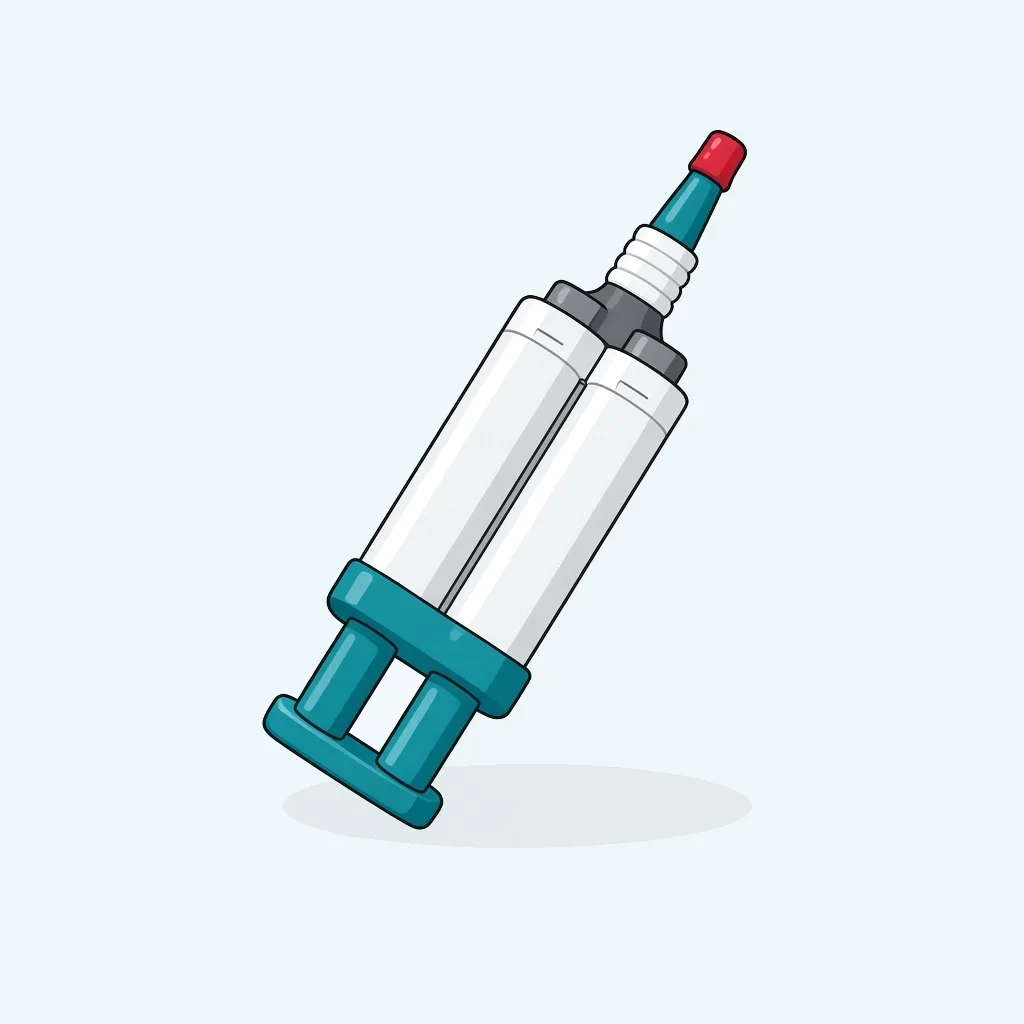
Temporary cements for provisionals: eugenol zinc oxide, noneugenol zinc oxide, and clear dual-cure resin.
Dental Bases and Liners: Dycal, Vitrebond, TheraCal
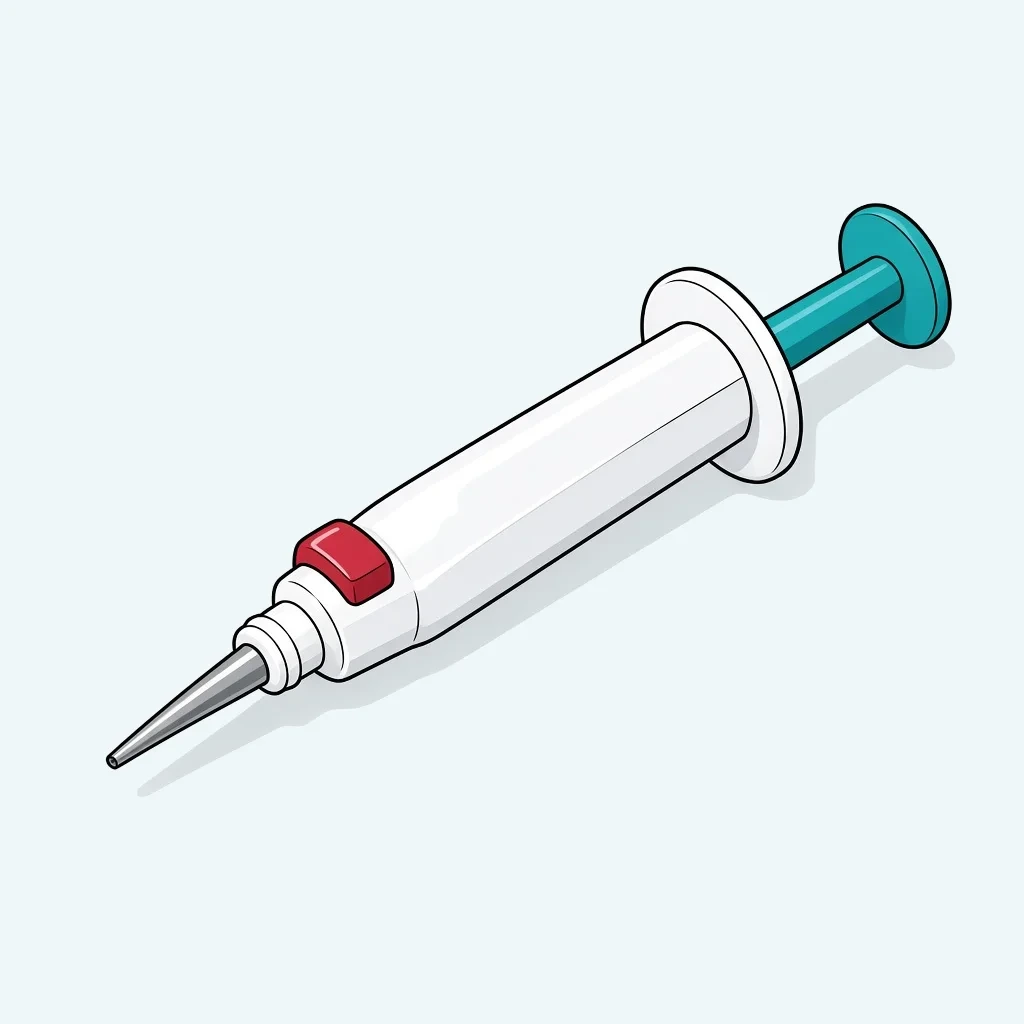
Compare 10 bases and liners, including Dycal and Vitrebond Plus, by chemistry, light cure, and pulp-capping instructions.
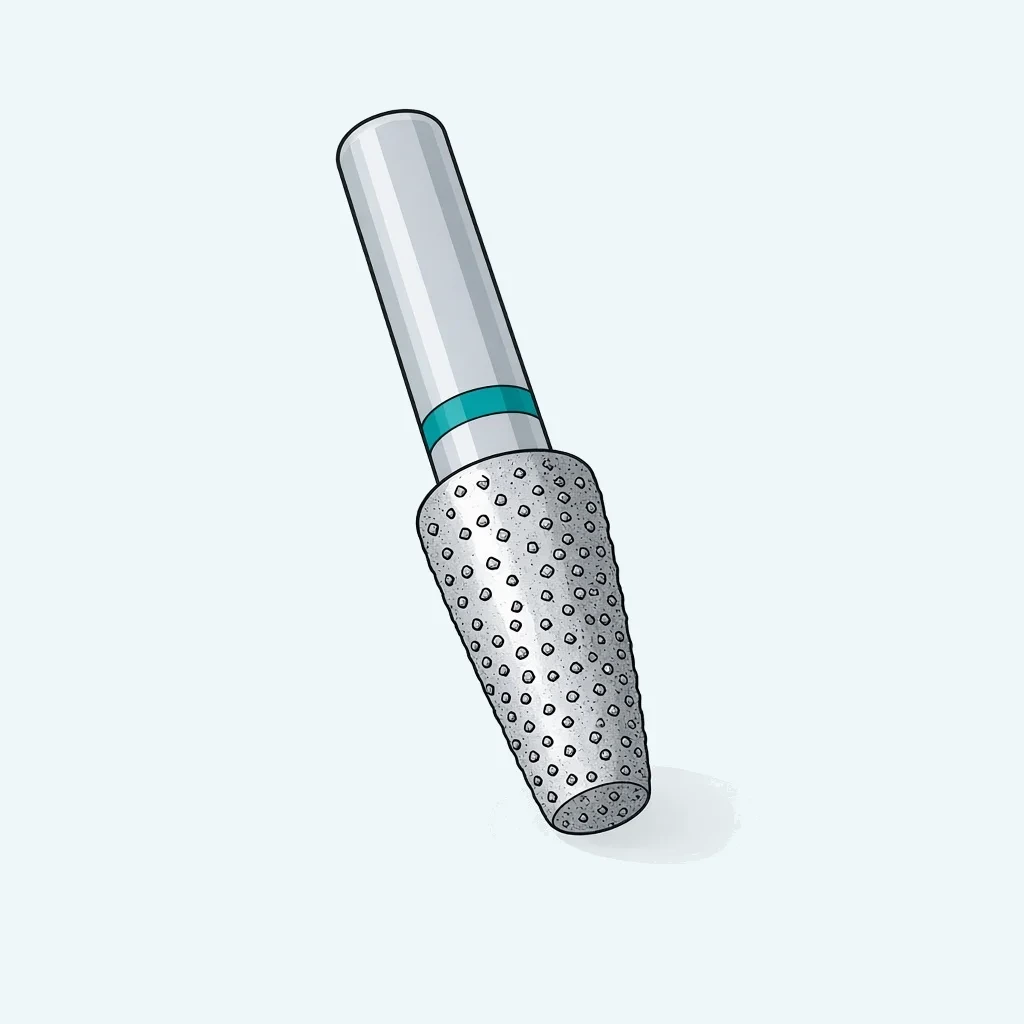
Diamond Burs: Grit, Shape and Single-Use vs Multi-Use
Diamond burs by grit color and shank, friction-grip or latch, and how Alpen, Spring, and Two Striper differ.
Latex Dam Sheets: Thin, Medium and Heavy Gauge
Latex dam sheets by gauge, size, and scent across Coltene Hygenic, Patterson Super Dam, Cranberry, and Medicom.

Rubber Dam Clamps: Winged vs Wingless, Ivory, Hygenic
Winged, wingless, Brinker, and serrated rubber dam clamps from Hu-Friedy, Coltene, and Kulzer.
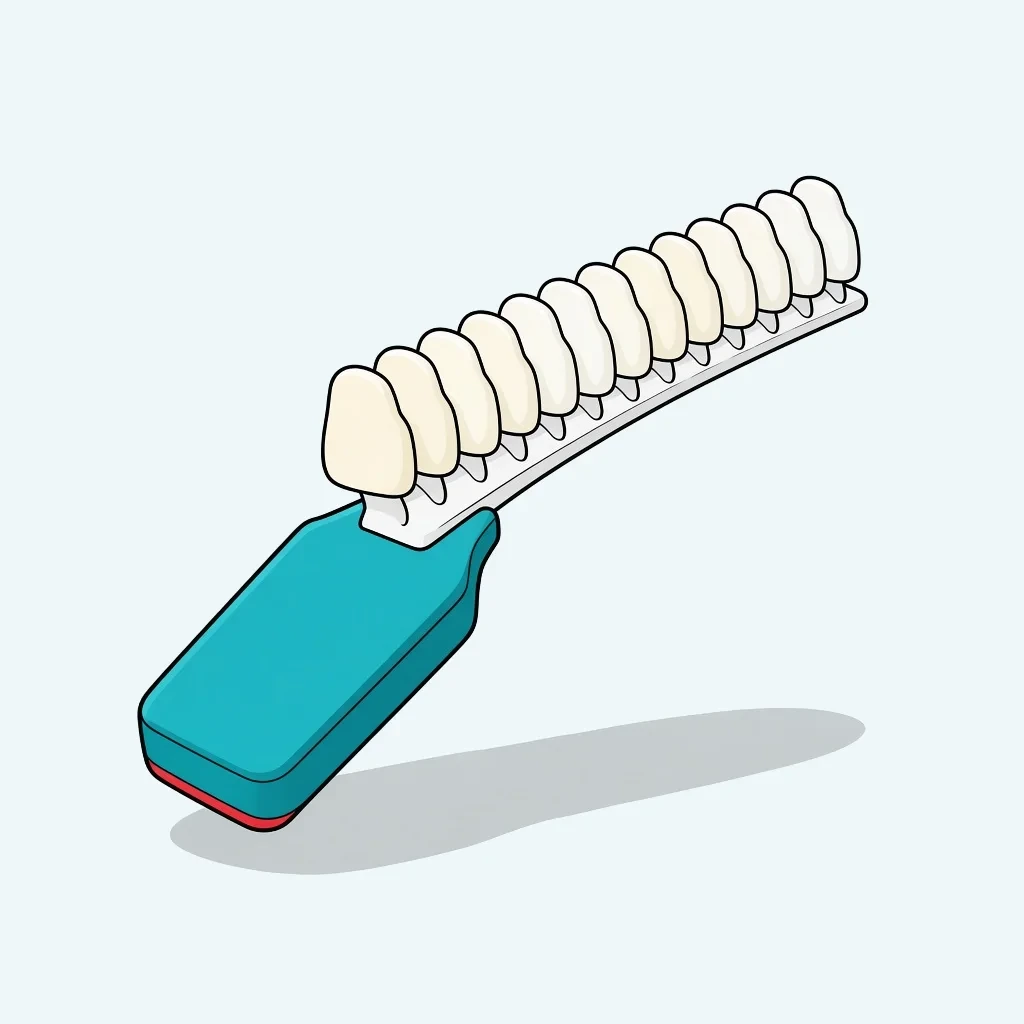
Dental Shade Guides: VITA Classical vs 3D-Master
Classical versus 3D-Master shade guides, bleach tabs, and how VITA, Trubyte, Spectra ST, and Chromascop differ.
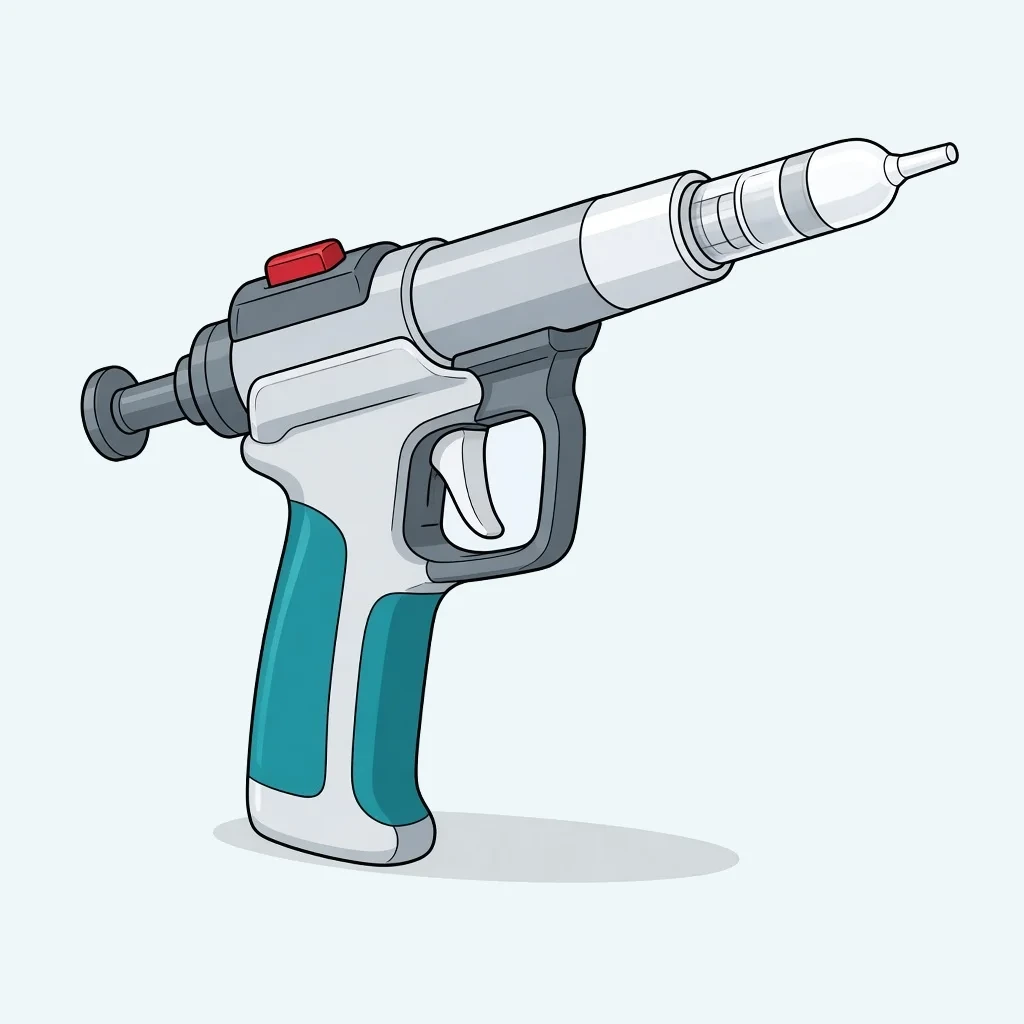
Glass Ionomer Restoratives: Fuji II LC, EQUIA Forte
Fuji II LC, EQUIA Forte, packable Fuji IX, and Ketac Silver cermet: glass ionomer restoratives compared.
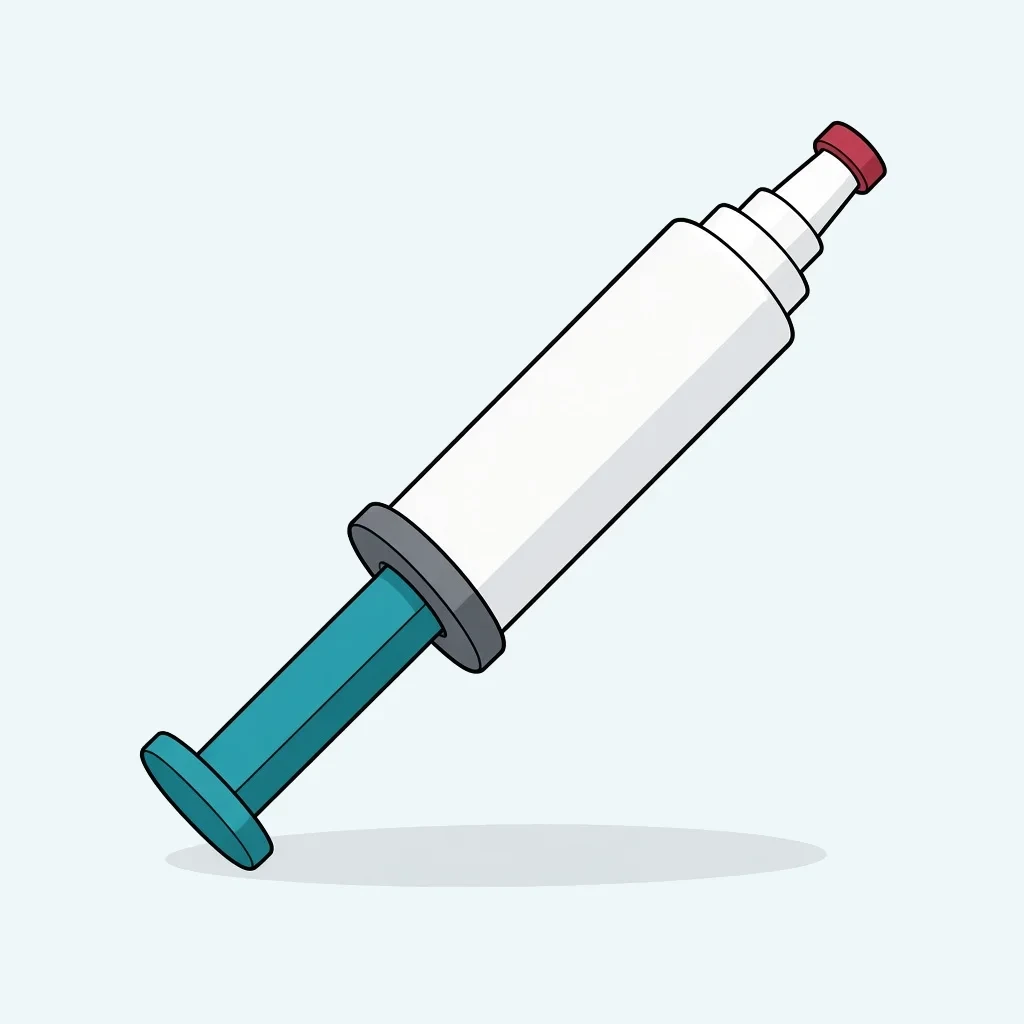
Packable Composites: Filtek P60, SureFil, Clearfil Majesty
Packable composites by increment and shade, and how Filtek P60, Majesty, QuiXX, SureFil, Heliomolar HB, and Rok differ.
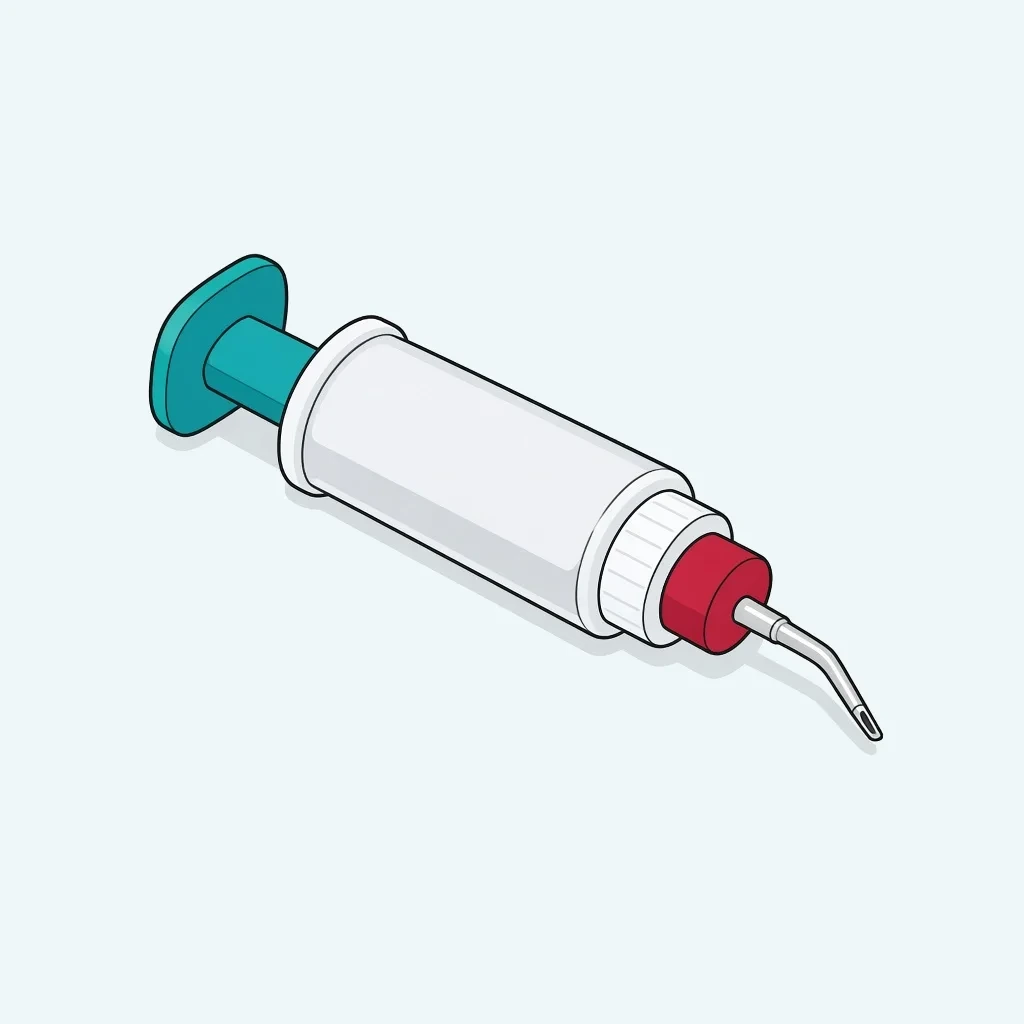
Flowable Composites: SDR flow+, Filtek, Tetric EvoFlow
Compare 10 flowable composites: SDR flow+ as a 4 mm base, Beautifil Flow Plus as a Giomer, and shade-matched liners, with sources.
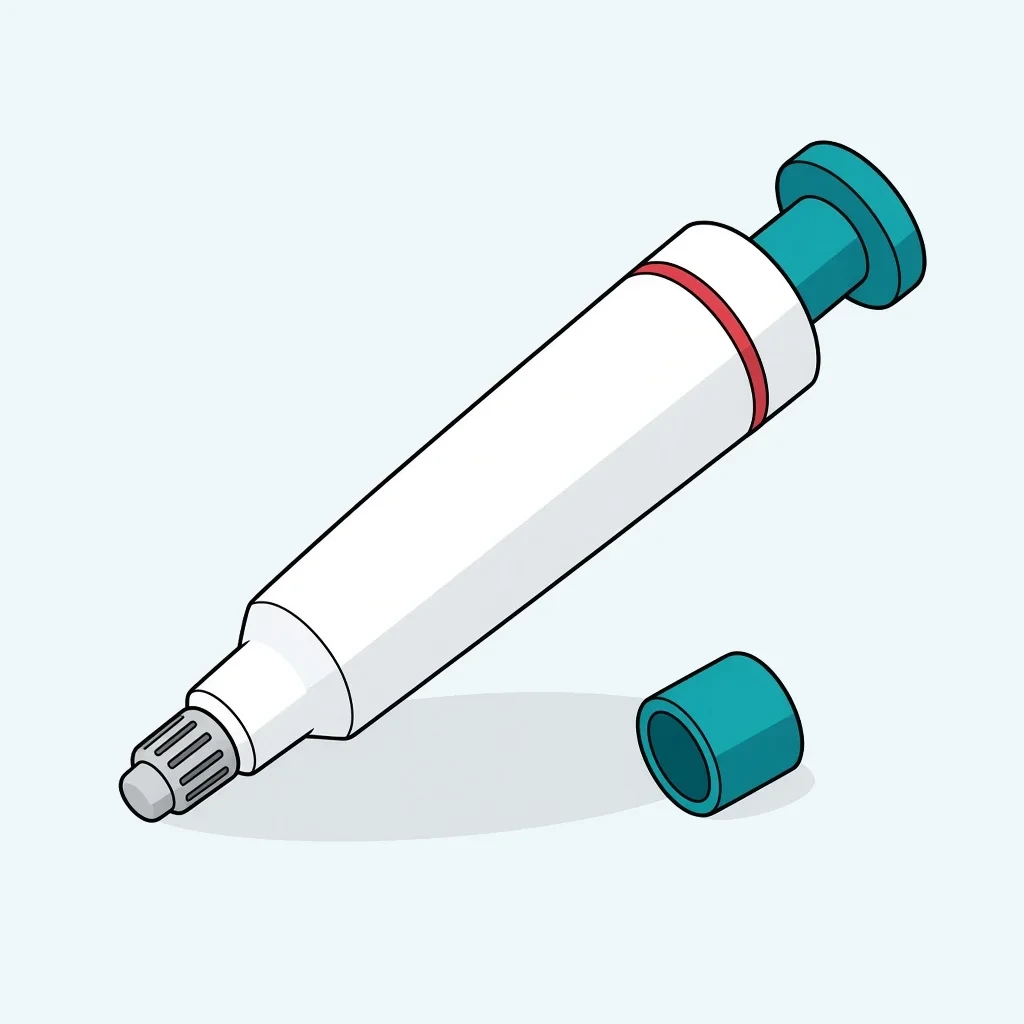
Universal Composites: Filtek Supreme, TPH, Tetric
Universal composites by shade system, with two bulk fills and an ORMOCER at 1.2% shrinkage.
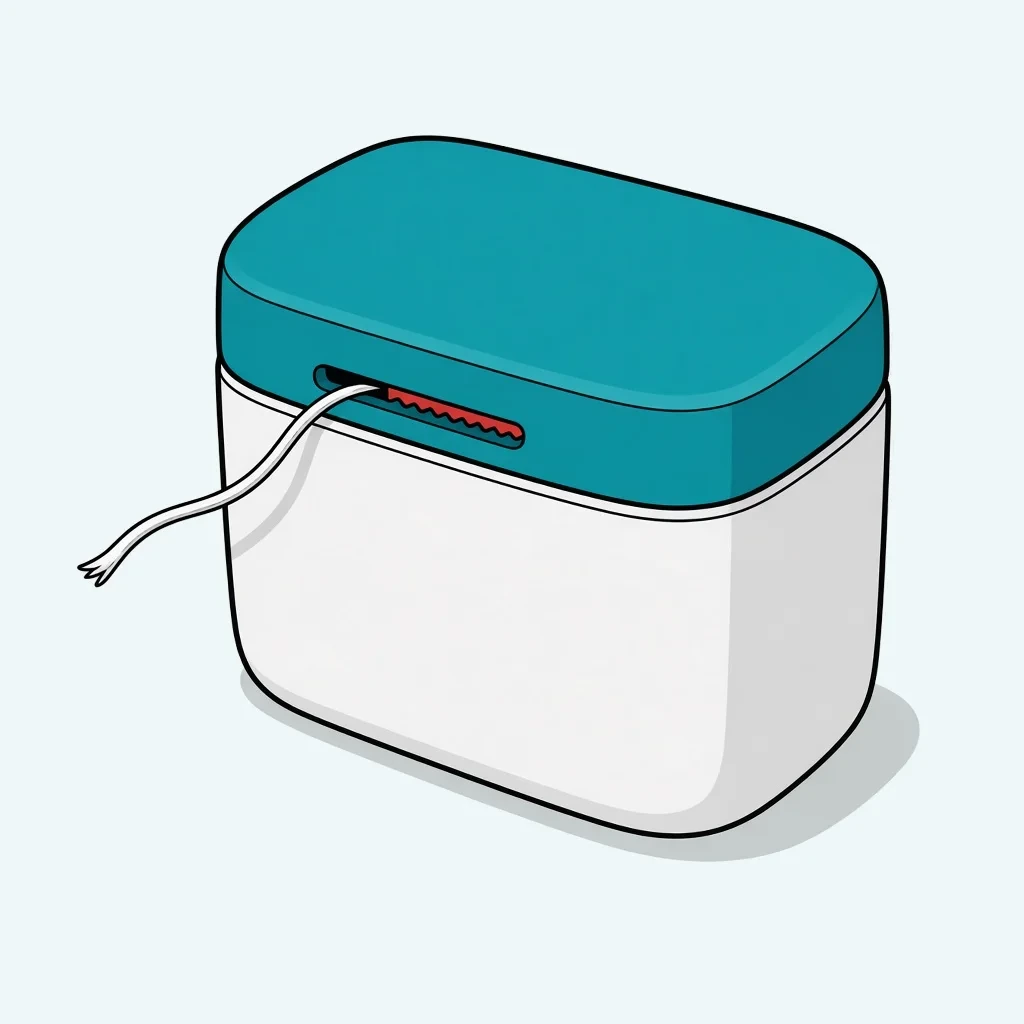
Dental Floss for Patients: Waxed, Glide and SuperFloss
Dental floss to stock: waxed nylon, PTFE, woven strands, pre-cut appliance floss, and single-use packets.
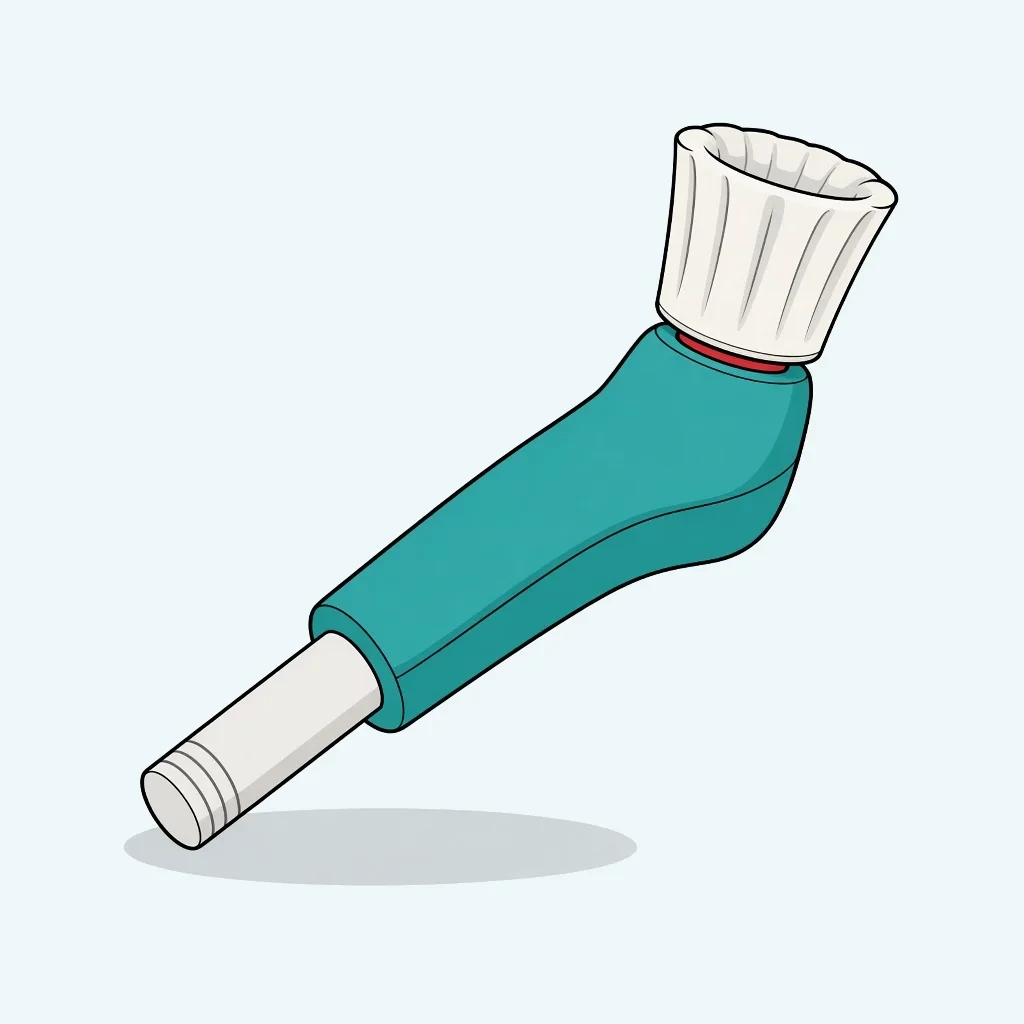
Disposable Prophy Angles: Nupro Freedom, Pivot, Vera
Disposable prophy angles by cup style, handpiece fit, and splatter across Nupro Freedom, Young Vera, and Pivot.
Fluoride Varnishes: Vanish, Profluorid, NUPRO White
5% sodium fluoride varnish in unit doses and a 10 ml tube, plus TCP, CPP-ACP, and CXP options.
Dental Sealants: Clinpro, Embrace WetBond, Helioseal
Color-change Clinpro, moisture-tolerant Embrace, clear Helioseal, and etch-free BeautiSealant pit-and-fissure sealants.
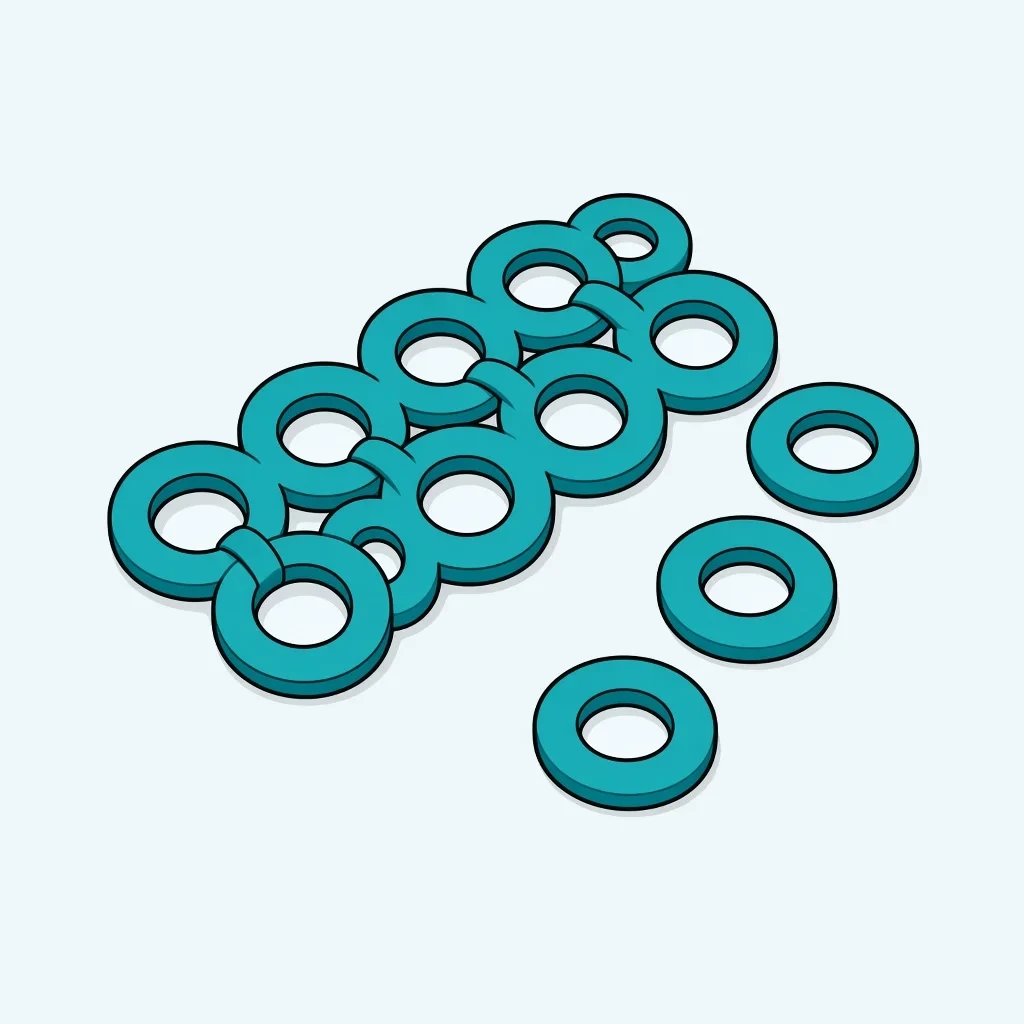
Orthodontic Elastomerics: Ligatures, Chain, Elastics
Patterson ligatures, chains, patient elastics, separators, and a color wheel: orthodontic elastomerics compared.
Dental Alginate: Jeltrate, Kromopan, Algitec Compared
Chromatic phases, Jeltrate Plus antimicrobial, AccuDent XD’s two viscosities, and Hydrogum 5’s five-day stability: alginates compared.
Endodontic Rotary Files: TF Adaptive, ZenFlex, K3
Compare 10 rotary files, including TF Adaptive, HyFlex CM, and HyFlex EDM, by motion, metal, and the speeds in the instructions.
Obturation Systems: Carrier-Based, Cartridges and Ovens
Carrier, warm vertical, or downpack obturation, and how the Kerr and Dentsply Maillefer systems differ.
Temporary Crown Materials: Protemp, Integrity, Luxatemp
Crown and bridge temporaries: bis-acryl pastes, a light-cured repair syringe, and preformed DirectCrown shells.
Inlay and Onlay Temporaries: IRM, Tempit, Fermit
Inlay and onlay temporaries IRM, Fermit N, Clip, DuoTEMP, and Tempit, which are not crown bis-acryl pastes.
Dental Burs: Diamond vs Carbide, Operative vs Lab
Diamond or carbide, friction-grip or latch: dental burs compared, and how Meisinger, SS White, and Midwest differ.
Dentin Desensitizers: Gluma, Telio CS, MicroPrime
Tooth desensitizers by chemistry: HEMA liquids, glutaraldehyde-free, silver diamine fluoride, chlorhexidine varnish, or calcium oxalate.
Resin Cements: Variolink, RelyX Unicem, Panavia SA
Compare 10 resin cements, including adhesive Variolink Esthetic and self-adhesive RelyX Unicem 2 and PANAVIA SA Cement Universal.
Dental Etching Gels: 37% vs 40% Phosphoric Acid
Intraoral etching gels from 34% to 40% phosphoric acid, including Etch-Rite, Kerr, Scotchbond, and Super Etch.
Denture Acrylics: Lucitone 199, Nature-Cryl, Unifast
Denture acrylics for every job: Lucitone 199 heat-cure bases, chairside relines, self-cure repairs, and milled PMMA discs.
Core Buildup Materials: LuxaCore, Clearfil DC, Ketac
Core buildup materials: dual-cure LuxaCore and Clearfil, a gray Ketac Silver cermet, or a light-only composite.
Dental Cements by Type: Temporary, GI and Resin
Five dental cements side by side: temporary zinc oxide, polycarboxylate, an RMGI liner, self-adhesive resin, and GI luting.
Dental Adhesives: Scotchbond, OptiBond, Clearfil SE
Scotchbond Universal, Single Bond 2, OptiBond Solo Plus, Clearfil SE Bond, and iBond, sorted by etch step.
How dental materials are grouped
Materials a practice orders fall into a few jobs: recording teeth and soft tissue, cementing a restoration, filling a cavity, or protecting a surface. An alginate impression is not a final impression for a crown, and a flowable composite is not a luting cement. The guides linked here compare those choices.
Reusable impression trays are the CDC’s example of a semicritical item: they contact mucous membranes and, because most semicritical dental items tolerate heat, they should be heat sterilized. A heat-sensitive semicritical item is replaced with a heat-tolerant or disposable alternative when one exists. Materials that are single-use stay single-use. The CDC says most single-use devices have no reprocessing instructions and are used for one patient and then discarded.
An impression is a choice of material and of how soon the cast is poured. Alginate is the usual material for study models, opposing arches, and other casts poured the same day. A physical impression for a crown or bridge that a lab will use is usually an elastomeric material such as a VPS or a polyether. Start with the impression materials guide, then the alginate guide when that is the powder the office stocks.
Cements follow the restoration and the preparation, not a brand family. A resin cement is the adhesive or self-adhesive paste used when the instructions call for a resin under ceramic, zirconia, or a post. A temporary material has to hold a provisional and then come off. Compare them in the resin cement guide and the temporary crown and bridge materials guide. Glass ionomer restoratives are a different chemistry, for an ionomer restoration rather than a resin composite.
Composites split by what they have to build. A flowable composite lines a box, a base, or a small restoration. A universal composite builds the contact and the occlusal surface. A core composite replaces missing tooth structure under a crown. See the flowable composite guide, the universal composite guide, and the core buildup guide.
Etch and adhesive have to be the system the instructions name. A self-adhesive cement does not use the same steps as an adhesive cement that needs a bonding agent. The etching gel guide and the adhesives guide cover that step. Bases and liners and desensitizers are the other materials placed under a restoration when the preparation calls for them. Before you order, name the substrate, whether the field will stay dry, and whether the restoration will block a curing light. Working time and shade range still come from the box you will stock.
Topics that now land here
Older lists for orthodontic wire, endodontic paper points, articulating paper, matrix bands, retraction cord, whitening gel, sutures, and finishing discs now redirect to this page. Brand pages for American Orthodontics, Ormco, and Clinician’s Choice redirect here too. The notes below say what each item is and which live guide to open.
Orthodontic wire
An orthodontic wire is the archwire that sits in the bracket slot. It is not an elastic, a spring, or a bracket. ISO 15841:2014 covers wires for fixed and removable appliances, including preformed archwires, and it excludes springs and other preformed components. The standard asks the manufacturer to state dimensions and mechanical properties so two wires can be compared. It does not choose a wire for a patient.
Match the wire to the brackets already bonded. The package should name the alloy, the cross-section, and whether the wire is a single strand or multistrand. A round wire and a rectangular wire do not do the same job in the same slot. Elastics and chain are a separate order. Compare those in the orthodontic elastomerics guide.
Endodontic paper points and gutta-percha
An absorbent paper point dries a canal or carries a small amount of liquid into it. It is not the root filling. ISO 7551:2023 specifies requirements for sterilized absorbent points, including a size system and a color code. Points are sold sterilized or non-sterilized. The standard does not itself test sterility. A claim that an unopened pack is sterile is the manufacturer’s claim. Size is the tip size. Taper is a separate marking. Order the sizes that match the files on the tray.
Gutta-percha and other polymeric obturating points are a different product. ISO 6877:2025 covers their dimensions and radiopacity. It does not cover the heat source or the injection gun. Files, motors, and apex locators are in the endodontic files guide, the endodontic motors guide, and the apex locators guide. Carriers and heated obturation units are in the obturation systems guide. A metal post from a retired list replaces missing root structure under a buildup. It is not a paper point. A medicament is the solution the labeling names for that canal.
Articulating paper and film
Articulating paper and film mark occlusal contacts. They are not impression material and they are not bite-registration paste. Thickness, paper versus film, and one color versus two are printed on the box. A thinner film marks a smaller contact and tears more easily when the tooth is wet. Forceps that hold the strip are instruments, so they are on the handpieces and instruments hub. Read the mark on the new restoration and on the neighboring teeth in the same bite before you change paper.
Matrix bands, strips, and wedges
A matrix band or a clear strip replaces the missing wall while composite sets. A wedge seals the box and holds the band. Metal bands and plastic strips from the retired lists are that same job in two materials. Metal is the usual posterior band. A clear strip lets the curing light through on an anterior. A wedge that is too small leaves an overhang. A wedge that is too large opens the contact. The composite itself is in the universal composite guide or the flowable composite guide.
Retraction cord and paste
Retraction cord, paste, and liquid open the sulcus so a margin can be recorded. Cord is packed. Paste and liquid are expressed. Medicated cord carries an agent. Plain cord does not. Read the agent before you pack it. The impression or the scan that follows is a separate purchase. Use the impression materials guide for a physical impression and the intraoral scanners guide for a file.
Whitening, sutures, and anesthetic needles
In-office bleaching gel and take-home gel are different concentrations and different instructions. Trays and barriers are not the gel. If the protocol calls for a light, that light is in the curing lights guide. Whitening does not change the shade of an existing crown. Read the concentration and whether the visit is chairside or trays at home.
An absorbable suture loses strength in tissue. A non-absorbable suture is removed. The package should name the material, the needle, and the size. Needle holders now land on the handpieces hub. An anesthetic needle is single-use. Gauge and length are printed on the hub. A smaller gauge number is a wider needle. Discard it in a sharps container, which is covered on the sterilization hub.
Finishing discs, polishers, and prophy paste
Finishing discs and strips shape a set composite. Polishers are the points and cups on a handpiece for the last step. Prophy paste goes in a cup. Prophylaxis powder goes in an air polisher. None of these is a bur. Cutting instruments are in the carbide bur guide and the diamond bur guide. Disposable angles are in the prophy angles guide. Follow the grit order on the disc you bought. A coarse disc after a fine one puts the scratches back. Lathe stones are lab tools and are on the CAD/CAM and lab hub.
Sources
Centers for Disease Control and Prevention
Sterilization and Disinfection. Dental Infection Prevention and Control.
Updated May 15, 2024cdc.gov (opens in a new tab)ISO 15841:2014
Dentistry — Wires for use in orthodontics.
ISO 7551:2023
Dentistry — Endodontic absorbent points.
ISO 6877:2025
Dentistry — Endodontic obturating materials.