
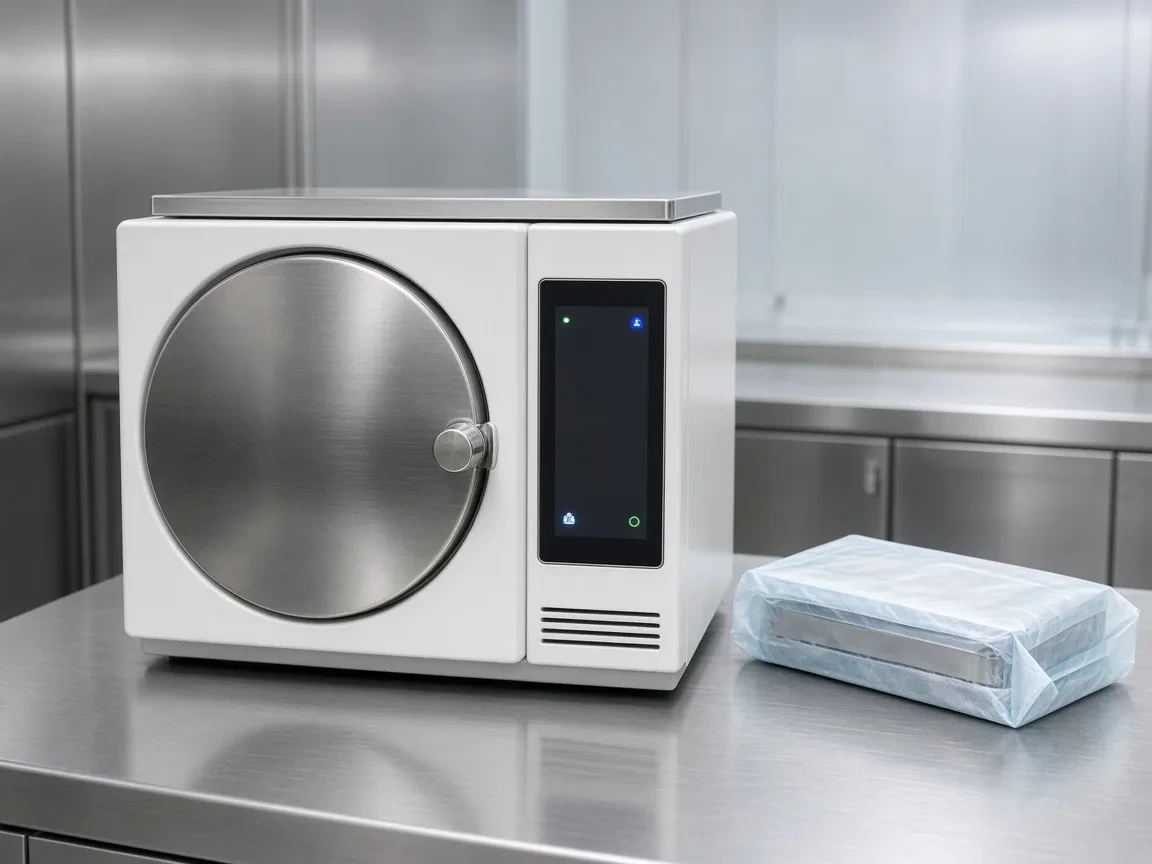
Sterilization
Dental sterilizers, ultrasonic cleaners, instrument washers, cassettes and handpiece lubricants: the equipment that cleans and sterilizes instruments.
Summary
These guides cover the equipment that takes a used instrument back to a sterile pack: ultrasonic cleaners and instrument washers, cassettes, handpiece cleaners and lubricants, and the sterilizer itself. This page follows the order the CDC sets for instrument processing, so you can see where each machine fits before you compare brands.
Instrument Washers: HYDRIM vs MELAtherm vs Miele
Instrument washers compared on cassette capacity and drying, and how SciCan HYDRIM, Melag, and Miele differ.
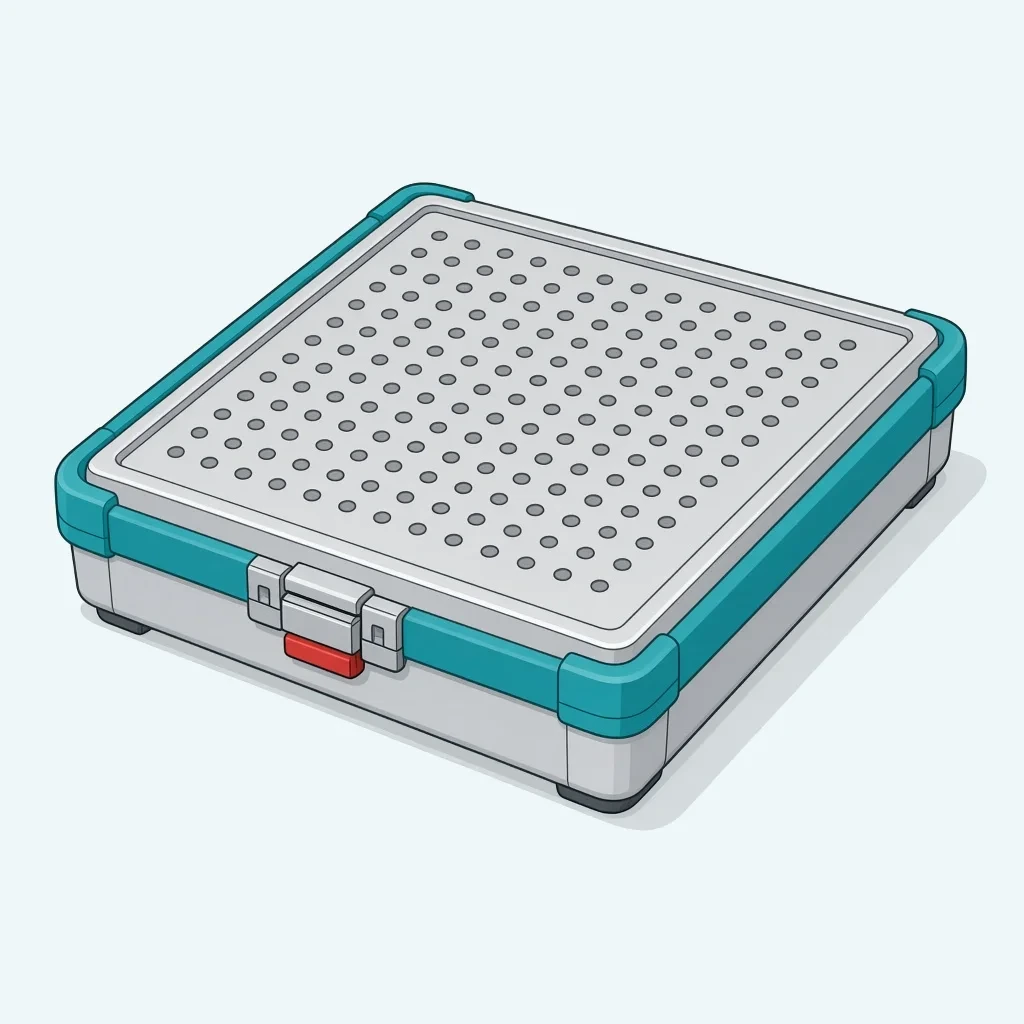
Instrument Cassettes: IMS Signature vs Infinity Sizes
Instrument cassettes by capacity and rails, and how IMS, compact, and E-Z Jett cassettes differ.
Handpiece Cleaners and Lubricants: Sprays and Systems
Handpiece cleaners and lubricants matched to the unit, with Morita, DentaLube, KaVo, Midwest, and NSK compared.
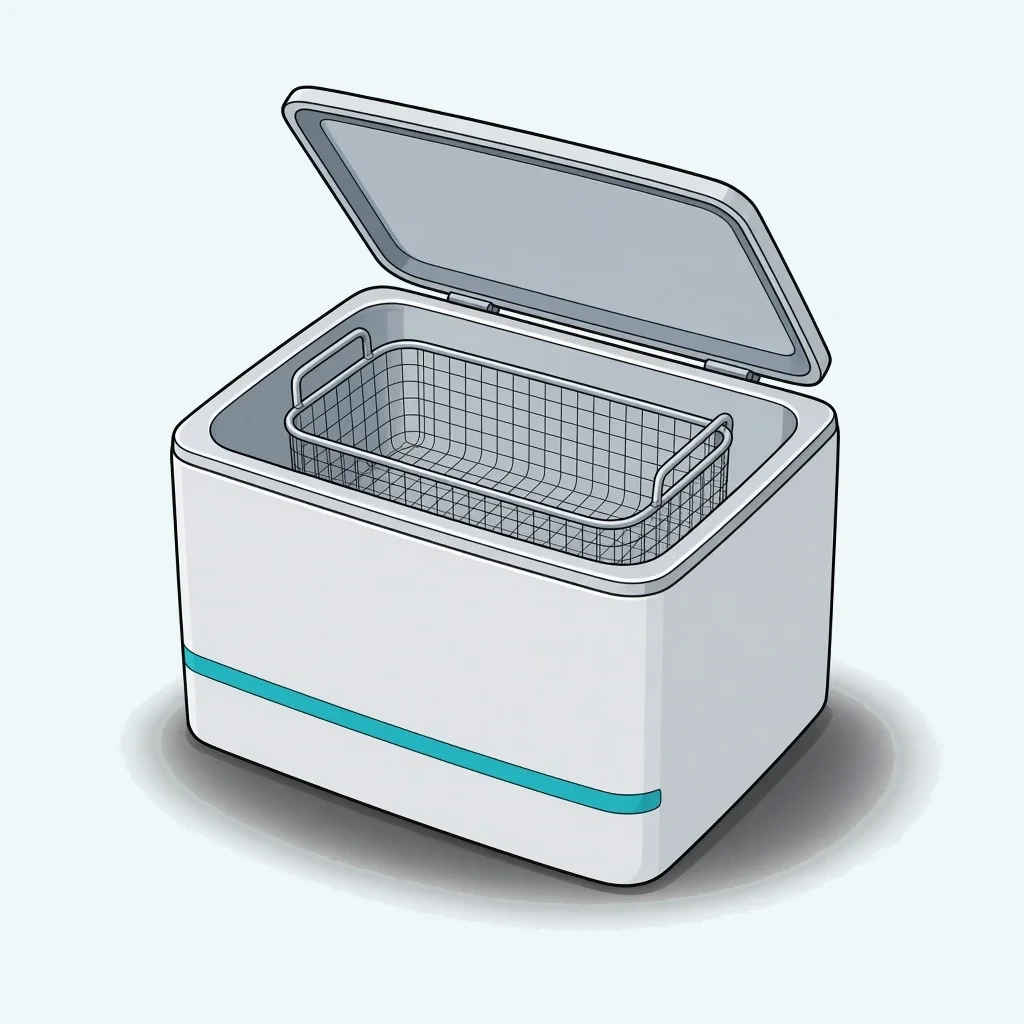
Dental Ultrasonic Cleaners: BioSonic, SweepZone, Crest
Ultrasonic cleaners compared on cassette fit, sweep, and heat, and how BioSonic, L&R, and Crest units differ.
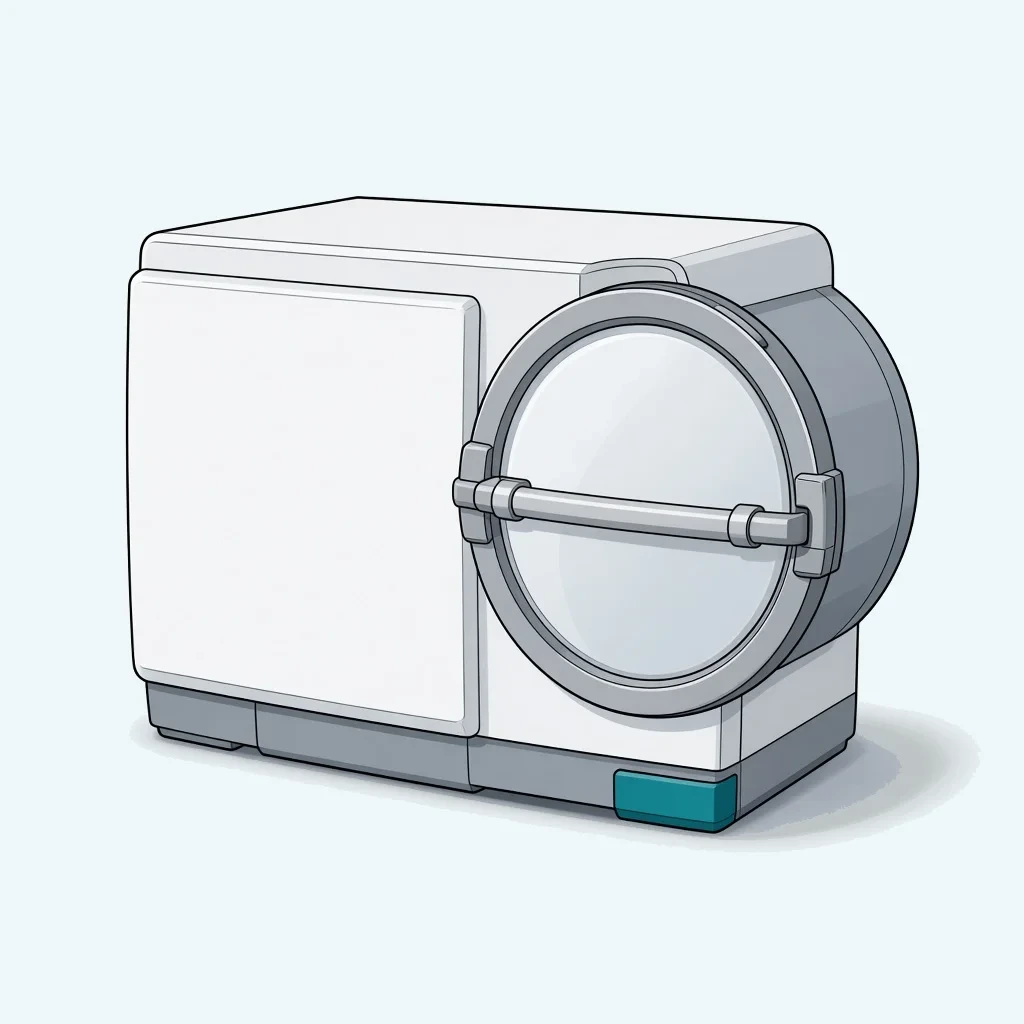
Dental Sterilizers: Midmark, STATIM, Tuttnauer, Lexa
Steam chamber, cassette, or dry-heat sterilizers for the dental office, and how Midmark, SciCan, Tuttnauer, and W&H differ.
How the CDC orders the equipment
Instrument processing is a sequence, not a single machine. The CDC’s dental sterilization summary says every step has to be done correctly, in order, every time. Cleaning removes debris and organic soil first. If blood or saliva stays on an instrument, it can shield microorganisms and compromise disinfection or sterilization. Automated cleaners, an ultrasonic cleaner or a washer-disinfector, are what the CDC recommends for that step, because they clean better and reduce the worker’s exposure to blood. Instruments are then dried, inspected, wrapped or packaged, and heat sterilized.
What gets sterilized depends on where the item touches the patient. Critical items, such as surgical instruments and periodontal scalers, penetrate soft tissue or bone and are heat sterilized. Semicritical items contact mucous membranes or non-intact skin. Most of those in dentistry tolerate heat and should be heat sterilized too. The CDC specifically says dental handpieces, low-speed motors, and reusable prophylaxis angles are heat sterilized between patients, not wiped. If a semicritical item cannot tolerate heat, replace it when a heat-tolerant or disposable alternative exists. Otherwise the minimum is high-level disinfection, and the manufacturer’s instructions control what the device can survive.
A sterilizer is checked three ways. A biological spore test, using organisms such as Geobacillus or Bacillus, is the most accepted monitor because it tests the process by killing known resistant organisms. The CDC says to spore-test at least weekly. Spore tests are periodic and the result is not immediate, so mechanical monitoring (pressure, temperature, and exposure time on every load) and chemical indicators are used as well. A chemical indicator goes inside every package. If that indicator cannot be seen from the outside, an external indicator is added. Mechanical and chemical indicators do not prove sterilization. They show that a parameter was reached and they separate processed packs from unprocessed ones. Records of the monitors and of equipment maintenance are part of the infection-prevention program, and they are what you use if a spore test comes back positive and instruments have to be recalled.
Sterile packs should ideally be stored in covered or closed cabinets. Inspect the wrap before you open it. A wet, torn, or punctured pack is cleaned, packaged, and heat sterilized again. The buying guides for the machines in this sequence are the sterilizer guide, the instrument washer guide, and the ultrasonic cleaner guide.
Topics that now land here
Pouches, wrap, indicator tape, spore-test strips, instrument cassettes, sharps containers, and chemical sterilants now redirect to this page. They are supplies for the sequence above. They are not a second sterilizer. The machines remain the sterilizer guide, the instrument washer guide, and the ultrasonic cleaner guide.
Pouches, wrap, and indicator tape
A pouch or a wrap holds instruments after they are cleaned and dried, so they can be sterilized and stored. The CDC says packages should be labeled with the sterilizer, the cycle or load number, the date, and an expiration date if you use one. That label is how you recall a load. Indicator tape and the chemical indicator are not the same job as a spore test. A chemical indicator goes inside every package. If you cannot see it from the outside, add an external indicator. Tape that changes color shows the pack was exposed to a process. It does not prove the load was sterile. Mechanical monitors, the time, temperature, and pressure on that cycle, are the other check that is not a spore test.
A torn, wet, or punctured pack is cleaned, packaged, and sterilized again. Do not tape a hole and put the pack back on the shelf. Tubing sold as autoclave tubing is a replacement part for a machine. Match it to the sterilizer’s instructions rather than to the diameter that looks close.
Spore tests and in-office strips
A biological indicator uses resistant spores, such as Geobacillus or Bacillus, and is the monitor the CDC calls the most accepted because it tests the process by killing known organisms. Spore-test at least weekly. In-office strips and mail-in vials are both biological monitors when the product is a spore test. Read which sterilizer cycle the vial is cleared for. A strip for a steam sterilizer is not a strip for a dry-heat oven. A failed test is the reason you recall packs, which is why the load label on the pouch matters. Chemical indicator strips that only change color are not spore tests, even when they were sold on a list next to biological monitors.
Cassettes and instrument cleaning
A cassette holds a set of instruments through the ultrasonic cleaner or the washer and then through the sterilizer. It is not a substitute for cleaning. Soil left on an instrument shields microorganisms. The CDC recommends automated cleaning, an ultrasonic tank or a washer-disinfector, before packaging. Compare cassettes in the instrument cassettes guide. Cleaning lubricants for handpieces are a different bottle. They are in the handpiece cleaners guide. Instrument-marking tape identifies a set. It has to survive the cycle the cassette goes through, or the mark is gone after the first sterilizer load.
Sharps and regulated waste
Sharps containers and biohazard bags from the retired lists are waste containers, not sterilizer accessories. OSHA’s bloodborne pathogens standard, 29 CFR 1910.1030, requires contaminated sharps to be discarded immediately or as soon as feasible into containers that are closable, puncture resistant, leakproof on the sides and bottom, and labeled or color-coded. During use the container is kept upright, placed where the sharps are used, and replaced before it is overfilled. Close it before you move it. A reusable sharps container is not opened or emptied by hand. Needles and blades go in the container at the point of use. They do not ride back to the sterilizer in a cassette.
Chemical sterilants
Handpieces are cleaned and lubricated on their own instructions, then heat sterilized. The lubricant is not a sterilant, and spraying it after the cycle contaminates the handpiece you just processed. Sets that include explorers, mirrors, and scalers should come out of the cassette complete. A missing explorer is a processing problem, not a reason to pull a dirty one from a drawer. The instrument side of that set is on the handpieces hub.
A liquid chemical sterilant is the CDC’s fallback for a heat-sensitive critical or semicritical item when no heat-tolerant or disposable alternative exists. The CDC discourages that path. Heat-tolerant instruments are heat sterilized. A surface disinfectant spray is a different product again. It is for clinical contact surfaces, not for a scaler or a forceps. Read the EPA label for the surface and the contact time. Do not soak a handpiece in a surface spray because a bottle was labeled disinfectant.
Sources
Centers for Disease Control and Prevention
Sterilization and Disinfection. Dental Infection Prevention and Control.
Updated May 15, 2024cdc.gov (opens in a new tab)Occupational Safety and Health Administration
Bloodborne pathogens. 29 CFR 1910.1030.