
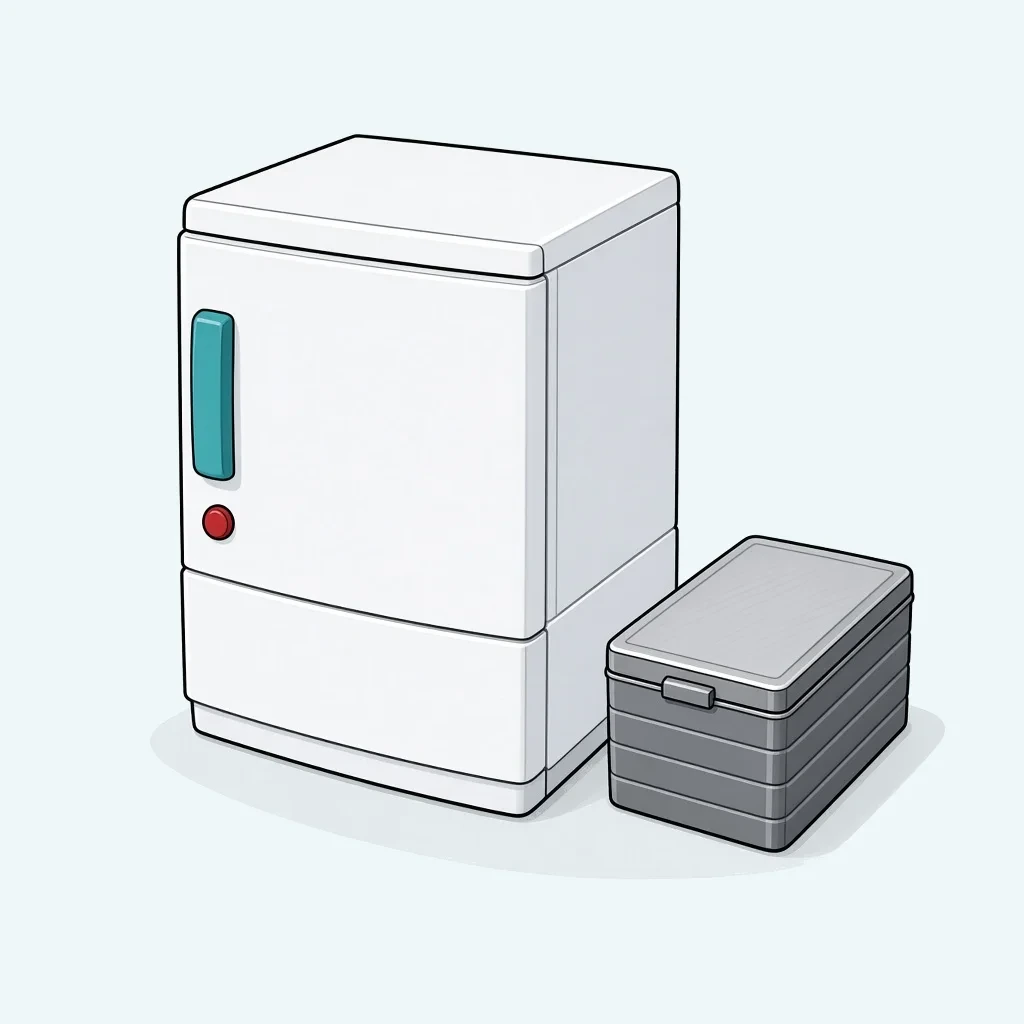
Instrument Washers: HYDRIM vs MELAtherm vs Miele
Instrument washers compared on cassette capacity and drying, and how SciCan HYDRIM, Melag, and Miele differ.

Reviewed by Dr. Sean Myran, DMDDoctor of Dental Medicine, University of Pennsylvania
How we rank explains how these product lists are ordered.
An instrument washer cleans cassettes before they go into the sterilizer. It is not the ultrasonic tank, and it is not the autoclave. Hand scrubbing is the step this machine is meant to replace. The ultrasonic cleaner guide covers the tank. The sterilizer guide covers the cycle that comes after the cassette is clean and dry.
How to choose an instrument washer
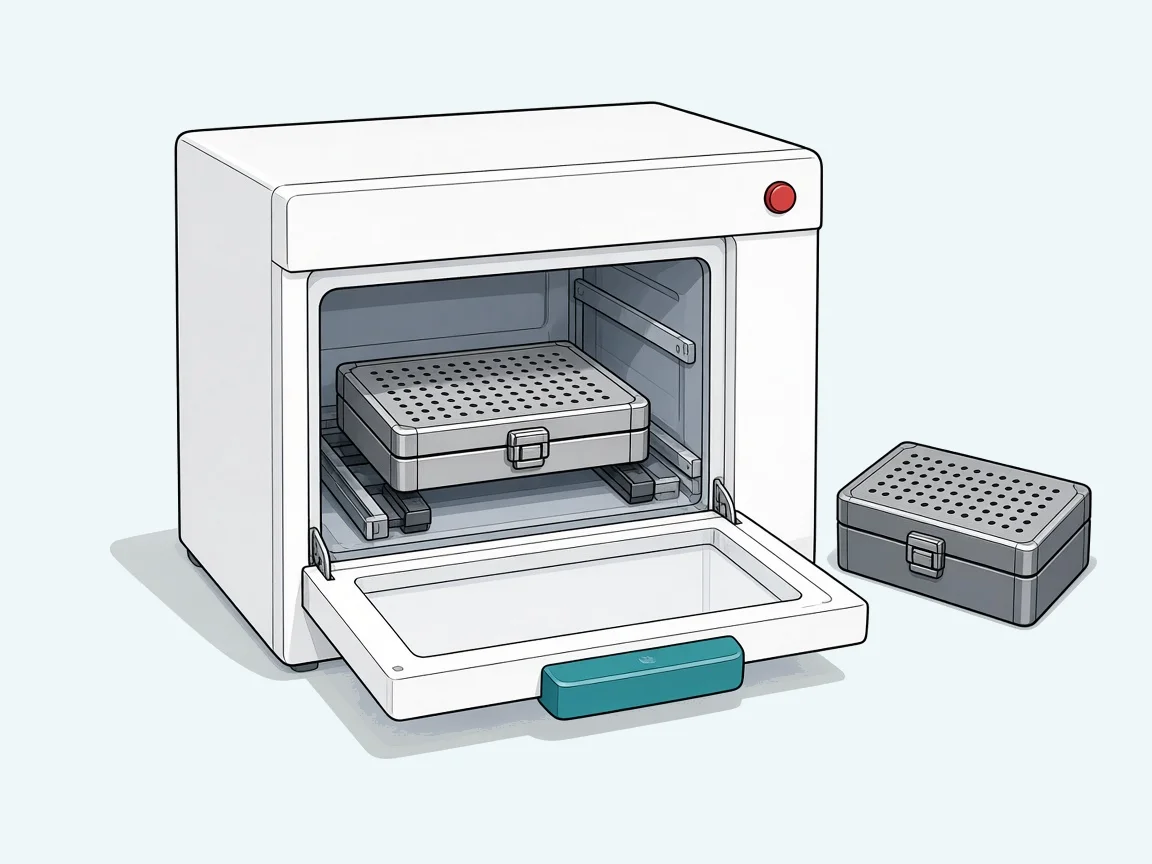
- A washer-disinfector, not a kitchen dishwasher. Dental units hold cassettes and run a controlled wash. A home dishwasher does not.
- Capacity and the cabinet opening. Size the machine by cassettes per cycle and by whether it sits under a counter or needs a tall stericenter bay. Two models from the same brand can need different cutouts.
- Drying. A cassette that comes out wet waits before it can be pouched. Some units dry with forced air. Some open the door and let leftover heat finish the job. Those are different cycles.
- Water, drain, power, and detergent. The quote has to include the install. These machines want hot water, a drain, and often a dedicated circuit. They dose a chemistry made for that unit, not whatever is under the sink.
- It still is not sterilization. Thermal disinfection inside the washer is not a pouch cycle. Instruments leave the washer and go into the sterilizer.
How common washer lines differ
Treat the table as product differences, not a score. The model on the quote is the one that has to fit the cabinet.
| Brand | Known for | Best fit | Watch for |
|---|---|---|---|
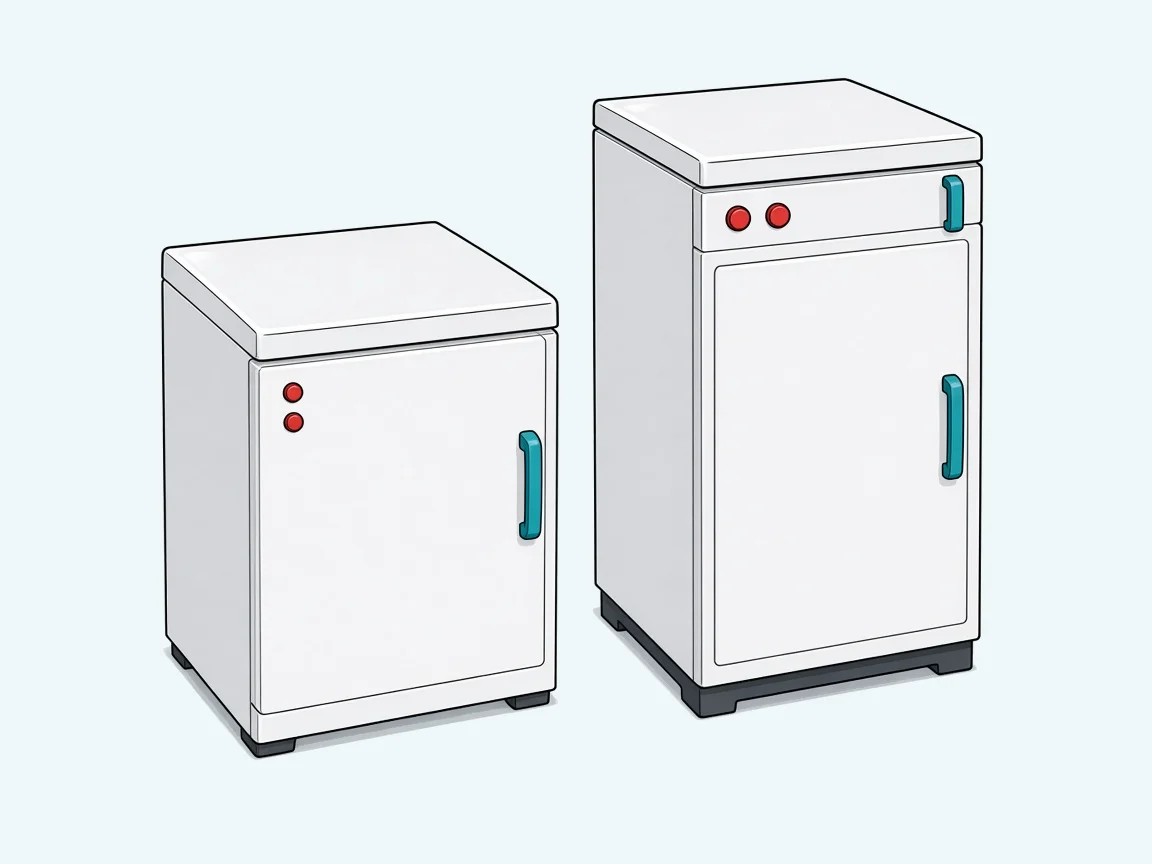
| SciCan HYDRIM | Cassette washers built for a dental stericenter, in more than one size | Offices that already use SciCan sterilizers and want the washer in the same service call | A countertop HYDRIM and a tall HYDRIM need different openings. The quote has to name the model |
| Melag MELAtherm | Thermal washer-disinfector with active drying | Offices comparing a European washer-disinfector | 230-volt and 400-volt versions are different installs. The room has to have the one you are buying |
| Miele | Undercounter washer-disinfectors with dental baskets | Offices that want the washer under a counter, not as a tall cabinet | Door-open drying and forced-air drying are different Miele models. Handpiece inserts are a separate rack |
SciCan HYDRIM
HYDRIM is the washer most U.S. offices meet next to a STATIM. SciCan sells more than one size. The smaller unit can sit on a counter or under one. The taller unit needs a stericenter bay. A newer chamber is on current quotes as well. Do not accept a line that only says “HYDRIM.” Ask which model the cabinet cutout is drawn for, and whether the detergent is included or a standing order.
Melag MELAtherm
MELAtherm is Melag’s washer-disinfector. The point offices buy it for is active drying and a thermal disinfection cycle, with the process chemicals stored in the unit. Melag offers it in a 230-volt version and a 400-volt version. The higher-voltage connection is the shorter cycle, and only if the building can supply it. Service coverage matters as much as the chamber. A washer nobody local can repair becomes a counter.
Miele
Miele’s dental units are undercounter washer-disinfectors, sold with baskets for cassettes and loose instruments. Some finish drying by opening the door after the cycle. Others add forced hot air. Those are different machines, and a handpiece injection rack is an insert, not the base unit. The quote should name the model and say whether that rack is on it.
Related guides
Where a washer sits in the CDC sequence
The CDC’s dental sterilization summary says cleaning, to remove debris and organic contamination, always comes before disinfection or sterilization. Blood, saliva, and other soil can shield microorganisms and compromise the step that follows. The CDC names automated cleaning equipment, an ultrasonic cleaner or a washer-disinfector, as the way to remove that debris, because it cleans more effectively and cuts the worker’s exposure to blood. After cleaning, instruments are dried, inspected, and then wrapped, packaged, or placed in a container before heat sterilization. The washer is not the last machine in that sentence.
The CDC’s 2003 dental infection-control guidelines describe a washer-disinfector as an automatic unit that cleans and thermally disinfects instruments with a high-temperature cycle rather than a chemical bath. The broader CDC disinfection guideline says washer-disinfectors circulate water and detergent and sometimes add a heat step. One example given there is 93°C for 10 minutes. That example is not a promise that every dental washer on a quote runs that cycle. Ask which cycle is the one you will use, and whether the instruments that go into it are listed by their manufacturers for that cycle.
Critical items, such as surgical instruments and periodontal scalers, penetrate soft tissue or bone and are heat sterilized. Semicritical items that touch mucous membranes are heat sterilized too when they can tolerate heat. Dental handpieces, low-speed motors, and reusable prophylaxis angles are called out for heat sterilization between patients even though they are semicritical, because their insides can pick up patient material. A cassette that comes out of a washer still has to be packaged and heat sterilized if that is what those instruments require. Packages are labeled with the sterilizer, the cycle or load number, the date, and an expiration date if you use one, so a failed spore test can be traced.
Washer questions
Can the office keep the ultrasonic and skip the washer?
Yes. An ultrasonic tank is still a cleaner. A washer is the closed, repeatable version when the cassette volume is high enough that hand scrubbing or a small tank is the bottleneck. Some offices keep a small ultrasonic for the pieces that do not go through in a cassette.
Does the washer replace the autoclave?
No. A clean, dry cassette is the input to the sterilizer. Packaging and the steam or dry-heat cycle still happen after the washer.
Does a thermal disinfect cycle replace sterilization?
No. The CDC says cleaning, including a washer-disinfector, comes before heat sterilization. Critical instruments and heat-tolerant semicritical instruments, including handpieces, are still heat sterilized after they are clean, dry, inspected, and packaged.
Sources
Centers for Disease Control and Prevention
Sterilization and Disinfection. Dental Infection Prevention and Control.
Updated May 15, 2024cdc.gov (opens in a new tab)Centers for Disease Control and Prevention
Guidelines for Infection Control in Dental Health-Care Settings — 2003. MMWR 2003;52(RR-17). Washer-disinfector definition.
Centers for Disease Control and Prevention
Guideline for Disinfection and Sterilization in Healthcare Facilities. Cleaning. Example of a washer heat step at 93°C for 10 minutes.
Related articles
Keep exploring related topics from Dental Country.
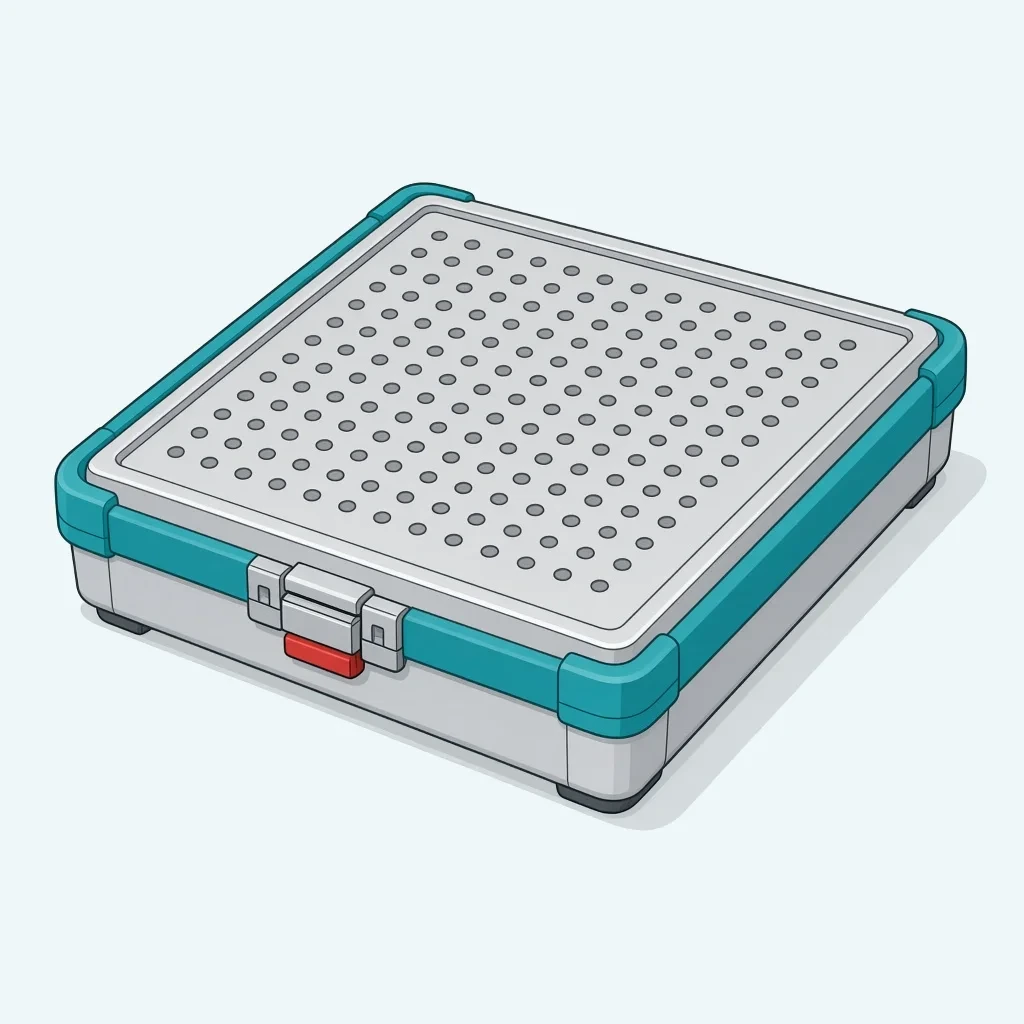
Instrument Cassettes: IMS Signature vs Infinity Sizes
Instrument cassettes by capacity and rails, and how IMS, compact, and E-Z Jett cassettes differ.
Read article
Dental Sterilizers: Midmark, STATIM, Tuttnauer, Lexa
Steam chamber, cassette, or dry-heat sterilizers for the dental office, and how Midmark, SciCan, Tuttnauer, and W&H differ.
Read article
Dental Ultrasonic Cleaners: BioSonic, SweepZone, Crest
Ultrasonic cleaners compared on cassette fit, sweep, and heat, and how BioSonic, L&R, and Crest units differ.
Read article
Handpiece Cleaners and Lubricants: Sprays and Systems
Handpiece cleaners and lubricants matched to the unit, with Morita, DentaLube, KaVo, Midwest, and NSK compared.
Read article