

CAD/CAM & Lab
Intraoral scanners, milling machines, 3D printers, CAD/CAM discs, porcelain furnaces and denture processing tools for the digital office and the lab.
Summary
These guides cover digital dentistry and the dental lab: intraoral scanners, milling machines, 3D printers and the CAD/CAM discs they cut, plus porcelain furnaces, waxing instruments and denture processing equipment. Each guide compares the main systems and what a practice or lab should check before adding one to its workflow.
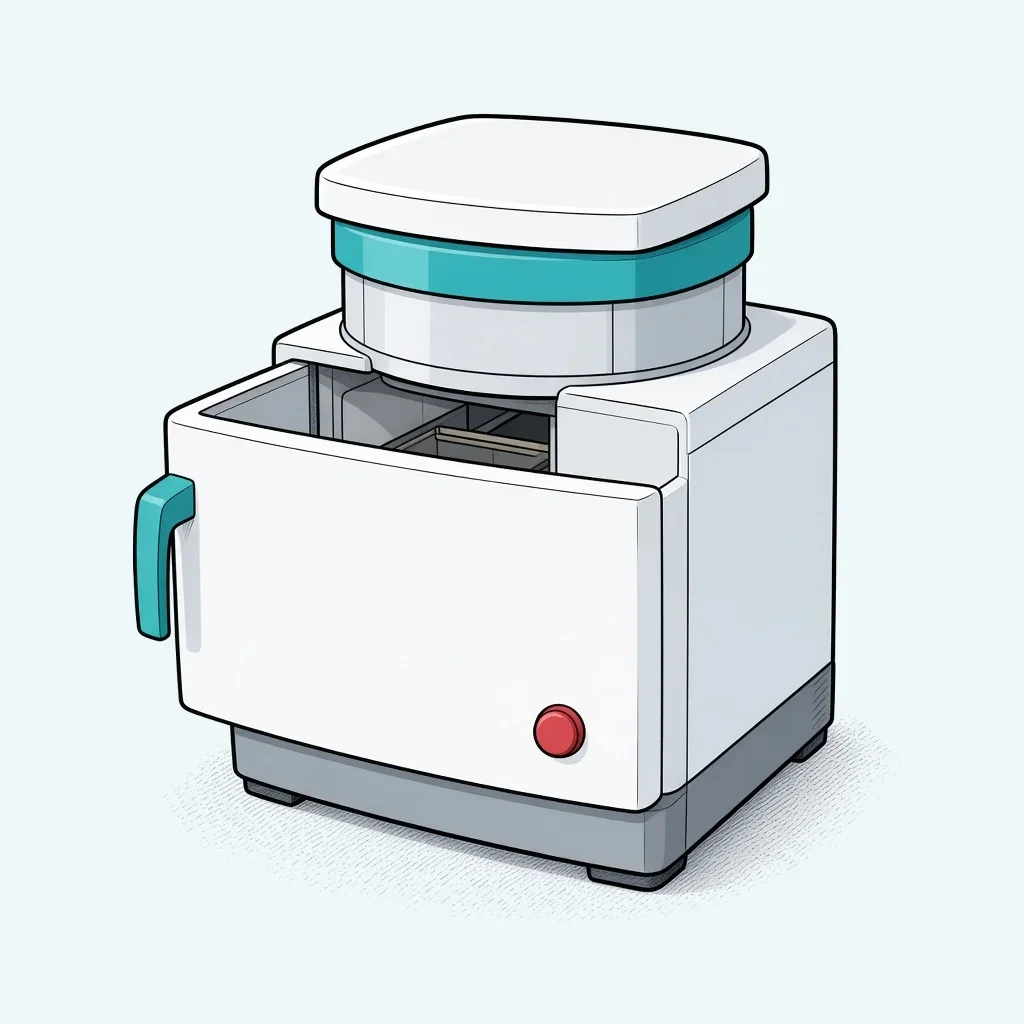
Porcelain Furnaces: Programat, Dekema, Whip Mix
Pressing, firing, and zirconia sintering are different machines: porcelain furnaces including Programat, Dekema, and Whip Mix.
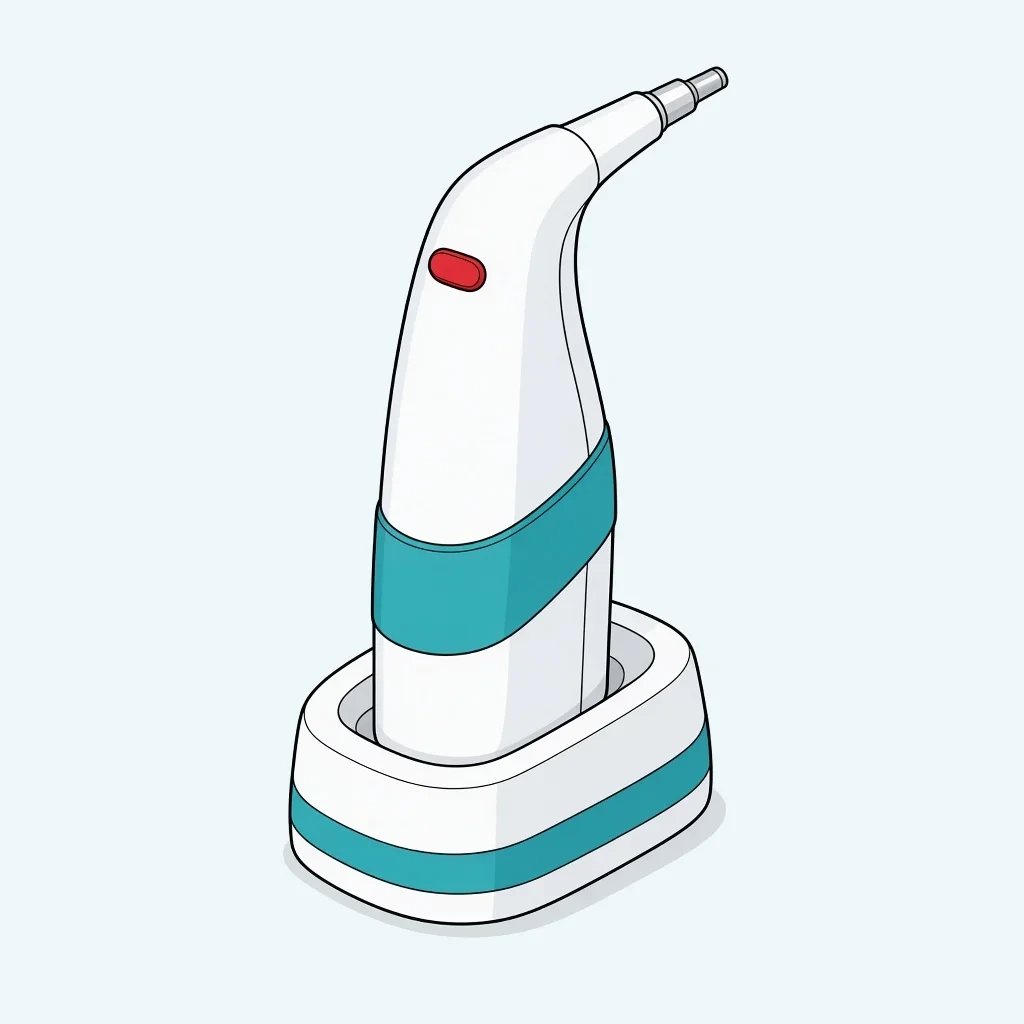
Intraoral Scanners: TRIOS, iTero, Primescan, Medit
Intraoral scanners for digital impressions: open STL files, Invisalign, carts, and how TRIOS, iTero, Primescan, Medit, and Planmeca differ.
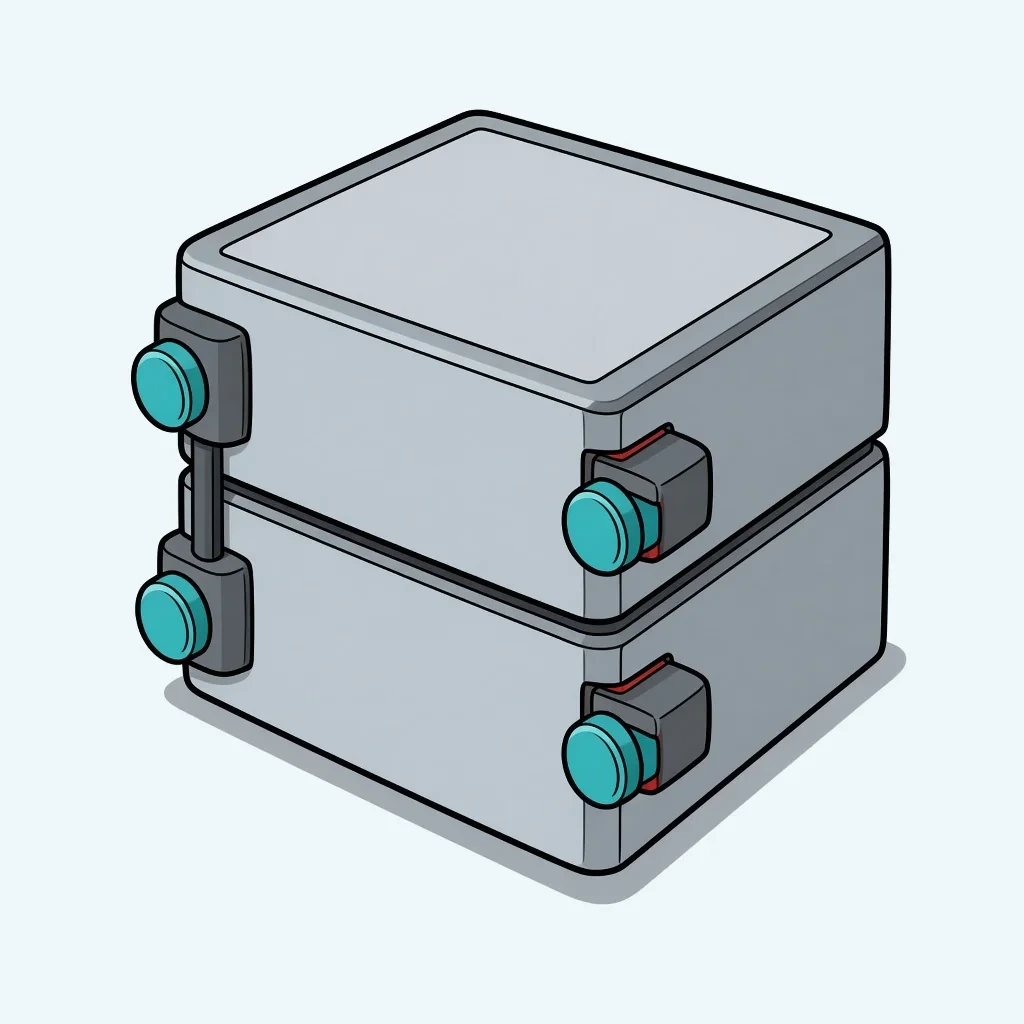
Denture Flasks, Presses and Pressure Pots
Denture flasks, presses, and pressure pots, including the Atlas 44 bronze flask, Handler Big Boy, and Lang Aquapres.
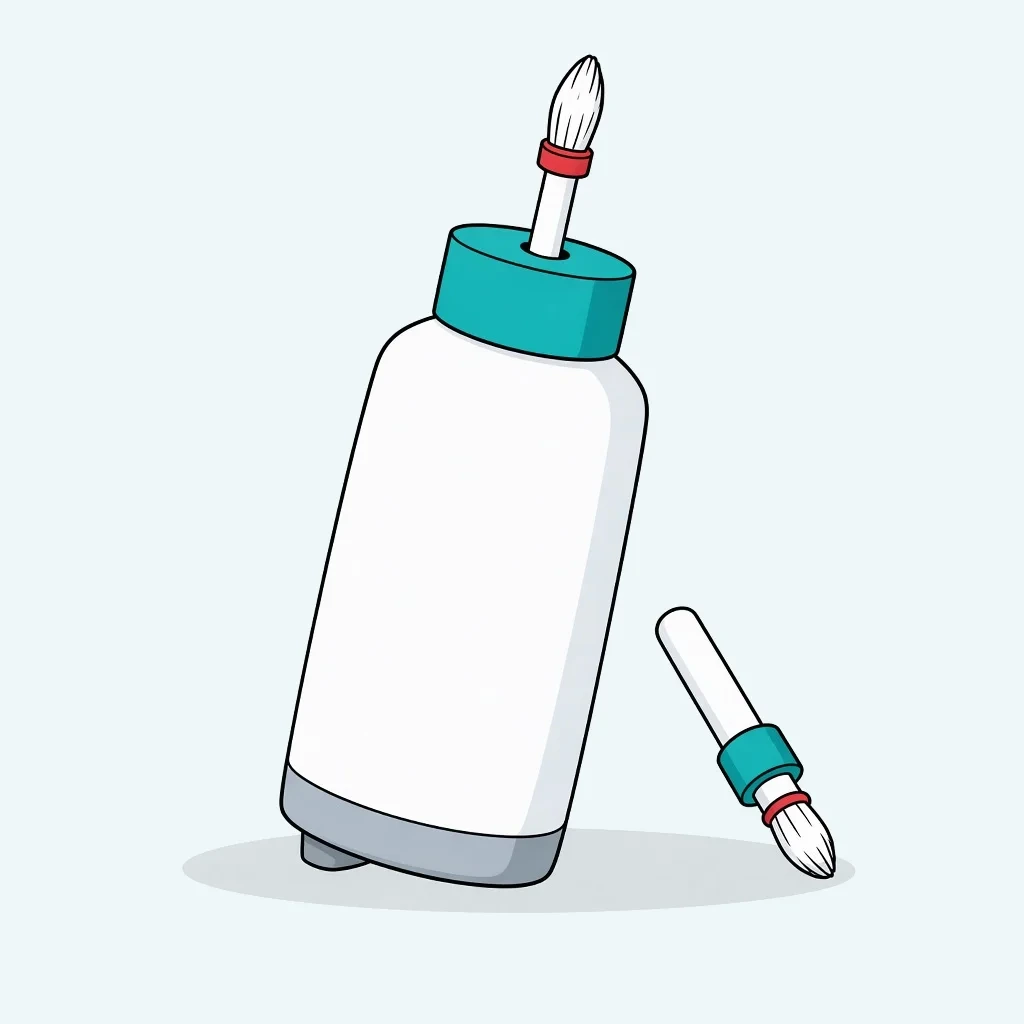
Denture Separators and Liquid Foil: COE-SEP and More
Denture separators: tin-foil substitutes, trial-pack film, real foil, and a debubblizer that is not one.
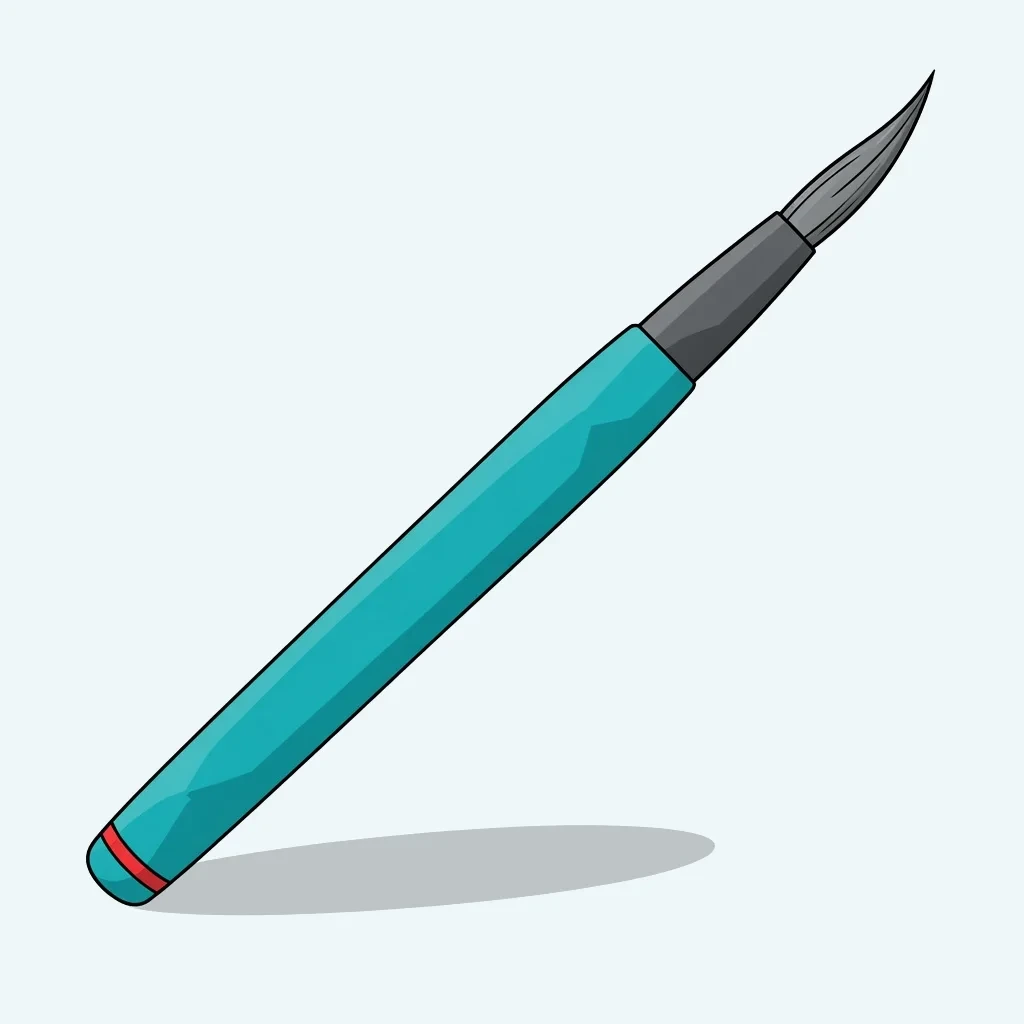
Porcelain Brushes for the Dental Lab: Sable vs Kolinsky
Kolinsky, red sable, and synthetic porcelain brushes for build-up, stain, and glaze at the lab bench.
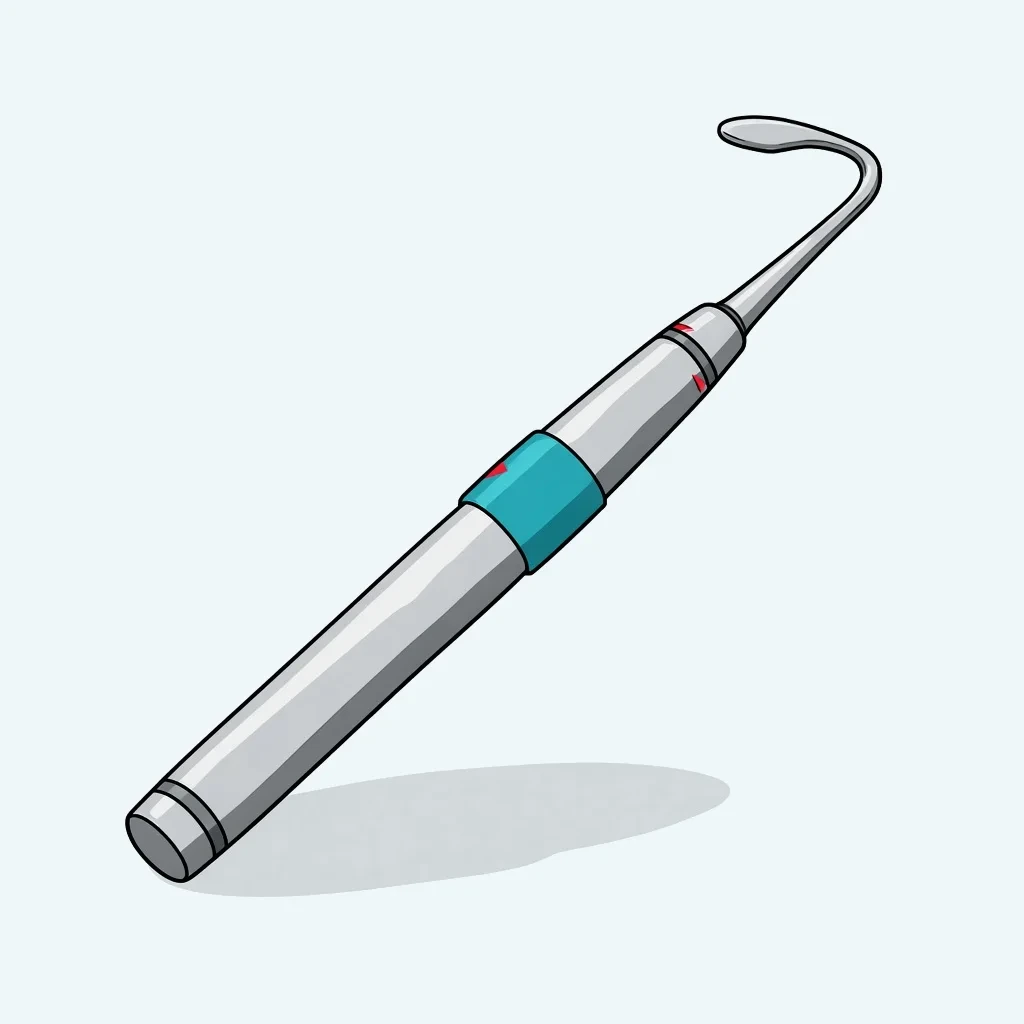
Dental Waxing Instruments: LeCron, PK Thomas Sets
PK Thomas, LeCron, Roach, Akers, and TiN waxing instruments for crown and partial wax-ups.
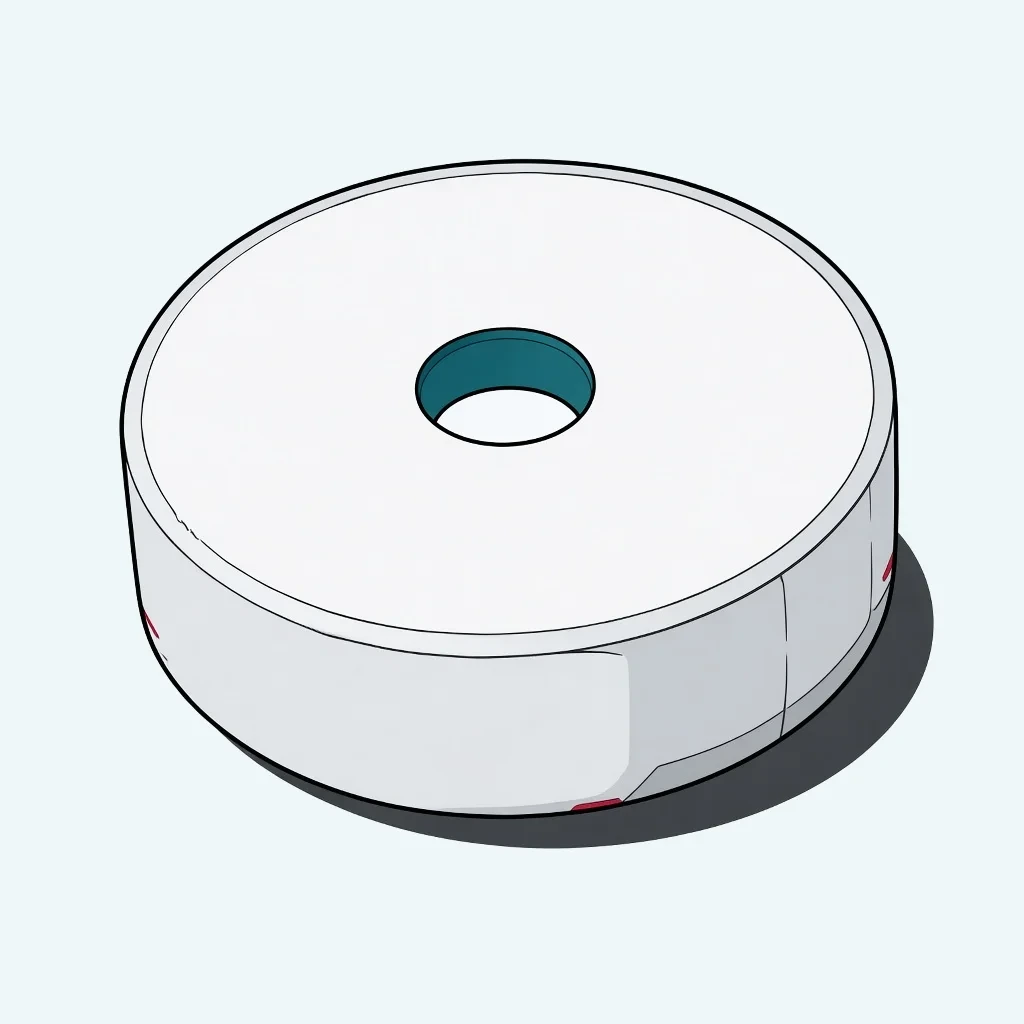
CAD/CAM Discs: Zirconia, PMMA and Wax Compared
Zirconia, PMMA, wax, and denture-blank CAD/CAM discs, and how NexxZr, Lucitone, and inCoris differ.
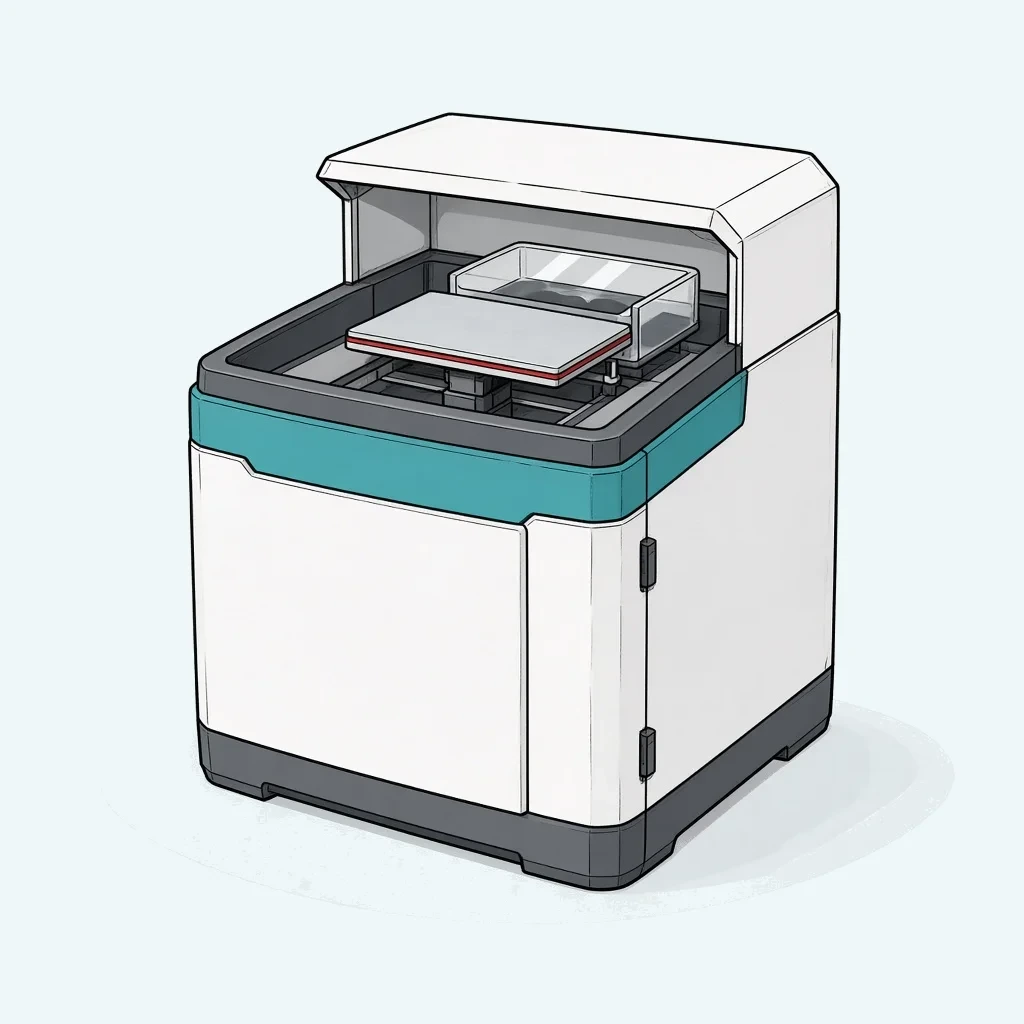
Dental 3D Printers: SprintRay, Formlabs, Stratasys
Dental 3D printers matched to indication, and how SprintRay, Formlabs, VOCO, Stratasys, and Arfona differ.
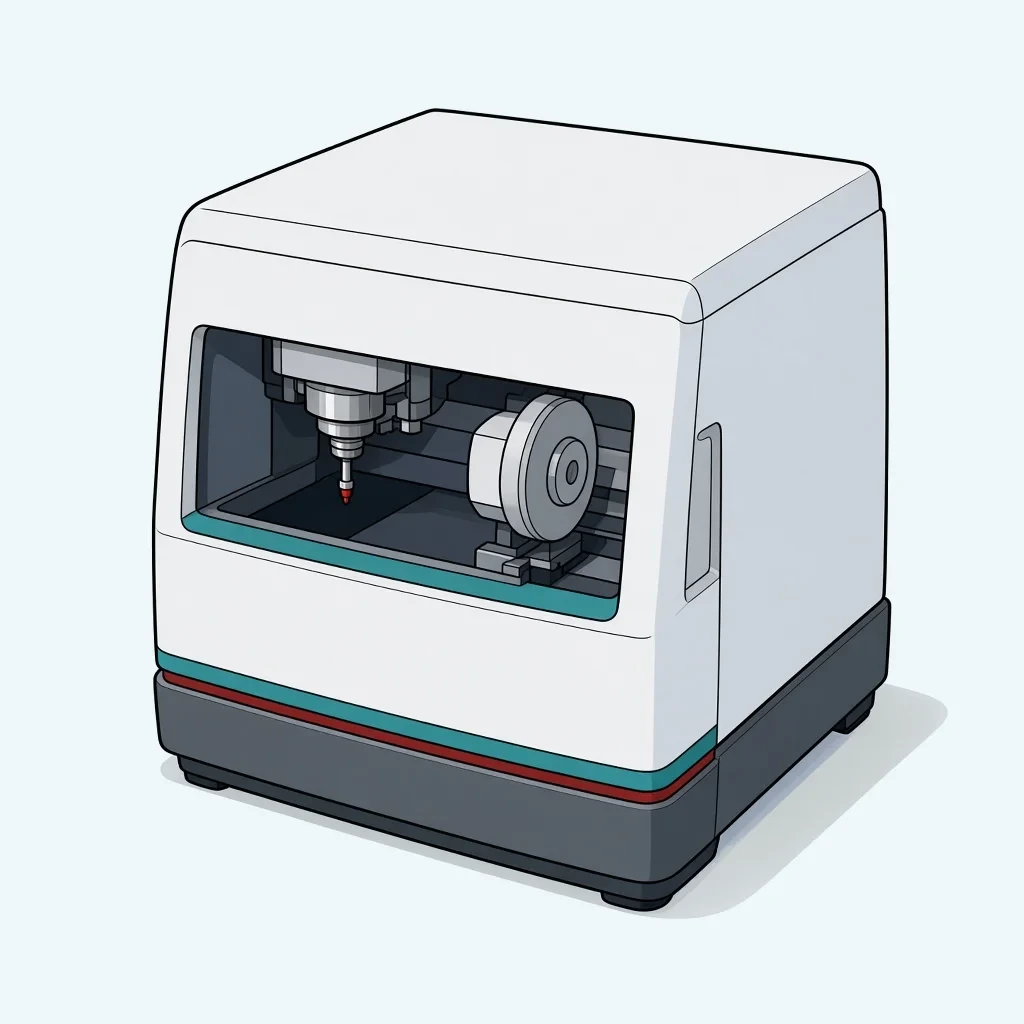
Dental Milling Machines: Primemill, PlanMill, PrograMill
Chairside blocks versus lab discs, and how the CEREC, PlanMill, PrograMill, Ceramill, and Roland milling machines differ.
Scanner accuracy and lab air
Reviews of intraoral scanners against conventional impressions do not treat every case as the same comparison. A 2023 umbrella review of 23 systematic reviews found conflicting accuracy results, especially for full-arch work, and found digital impressions favored for time and patient preference. A 2022 rapid umbrella review says clinical data support similar accuracy for fixed prostheses of fewer than four units, and recommends a conventional impression for more extensive definitive fixed work and for removable prostheses. The scanners and the spans in those studies are not identical, so a single trueness number does not travel with the brand name.
ISO 22052:2020, the standard for central dental compressed-air equipment, states that it does not include requirements for dental laboratory applications such as CAD/CAM. Air for a mill is a separate specification from air for a dental unit. Read the mill maker’s air requirement on its own page.
Topics that now land here
Older lists for CAD/CAM blocks, scan bodies, ti-bases, stains and glazes, articulators, gypsum, investment, waxes, porcelain, and vacuum-forming material now redirect to this page. The exocad and Glidewell brand pages redirect here as well. A design file still has to be something a mill or a printer you own, or a lab you send to, can actually make. Start with the equipment guides, not the retired brand URL.
Intraoral scanners
A scanner makes the file. It does not mill the crown. The accuracy question is not one number you can carry from a brochure to every case. The reviews cited above disagree on full-arch accuracy and are more comfortable with short-span fixed work. Which wand fits the lab or the mill you use is the intraoral scanners guide. A physical impression, when the case still needs one, is the impression materials guide.
Mills, disks, and blocks
A mill grinds or cuts a restoration from a block or a disk. The material has to be on that mill’s list. A zirconia disk and a glass-ceramic block are not interchangeable pucks, and a wet mill and a dry mill are not the same machine. Compare mills in the milling machines guide and the pucks in the CAD/CAM disks guide. Air for the mill is not the dental-unit air in ISO 22052. Read the mill maker’s air requirement on its own page.
Blocks, block kits, scan bodies, and ti-bases from the retired lists are the restorative side of an implant or a chairside crown. A scan body has to match the implant connection you placed. A ti-base has to match that same connection and the ceramic you are bonding to it. A shade guide or a stain-and-glaze kit follows the ceramic system, not a universal bottle. If the restoration is pressed or sintered, the furnace is a separate machine. See the porcelain furnaces guide.
Printers and resins
A 3D printer makes models, splints, surgical guides, temporaries, or denture bases, depending on the resin. The resin has to be validated for that printer. Model resin is not guide resin. Compare printers in the 3D printers guide. Printed models do not retire gypsum for every lab. They replace the pours you choose to print.
Gypsum, investment, wax, and articulators
Gypsum is the stone a lab pours. Dies, study models, and mounting stone are different mixes. The bag states the water-to-powder ratio and a setting time. Use that ratio. Investment is the material a wax pattern is invested in before a casting burnout. It is not plaster. Casting wax, baseplate wax, and wax patterns are the forms you shape and then eliminate or keep, depending on the technique. Waxing instruments are in the hand waxing instruments guide.
An articulator holds casts so you can see occlusion outside the mouth. A simple hinge and an adjustable articulator are different instruments. Buy the one your cases use. If the lab mounts everything, a second articulator in the office only helps when you are checking that mount. Dowel pins, die spacers, and duplicating material are the small parts of a die and a refractory model. They are not scanners.
Porcelain, furnaces, and denture processing
Dental porcelain and pressable ceramics are the materials a furnace fires or presses. Stains and glazes are the surface layer for that ceramic system. Brushes for stain are in the porcelain brushes guide. A denture base is a different chemistry. Acrylics are in the denture acrylics guide, and the flask and press that process a packed denture are in the flasks and presses guide.
Vacuum forming and the bench tools
Vacuum-forming sheet for a mouthguard, a bleach tray, or a retainer is not a milling disk and not a printed resin. Match the sheet thickness and the material to the appliance. The machine is a former, not a mill.
A scan post and a scan body both give the design software a known shape, and they are not universal. The implant manufacturer’s scan body is the one that matches the connection and the library your design software already has. A ti-base kit with the abutment screw is the hardware under a ceramic crown. Order the screw with the base. A shade tab for a milled ceramic is not the same tab as a stain kit for a layered porcelain crown. Pressable ceramics still need the furnace and the investment the ingot instructions name.
Chairside milling pays off when the same visit can finish the restoration and someone in the office will actually design it. Sending the scan to a lab is the other path, and it is the path the umbrella reviews are really about when they compare a digital impression with a conventional one. Do not buy a mill to justify a scanner you wanted for lab crowns. Do not keep pouring alginate for every crown if the scanner and the lab already agree on the file. Separating liquid and foil, when a die is still poured, are in the separating liquid and foil guide.
Lathe chucks, model-trimmer wheels, vibrators, bunsen burners, and bench stones from the retired lists are lab bench tools. A vibrator removes bubbles from a pour. A trimmer squares a cast. A lathe polishes a denture or a metal. They do not design a crown. Keep them when the lab work you do in the office still uses a pour and a polish. If every model is printed and every crown is milled, do not buy the bench to match a catalog that no longer matches the work.
Sources
Conventional versus Digital Dental Impression Techniques: What Is the Future? An Umbrella Review. Dentistry Journal. 2023;5(3):60.
Accuracy of intraoral scanners versus traditional impressions: a rapid umbrella review. Journal of Evidence-Based Dental Practice. 2022.
ISO 22052:2020
Dentistry — Central compressed air source equipment.