
Handpieces & Instruments.
Handpieces, scalers, curing lights, lasers, loupes, headlamps, microscopes, and the instruments used chairside.
The CDC’s dental sterilization summary says dental handpieces and associated attachments, including low-speed motors and reusable prophylaxis angles, are heat sterilized between patients. They are not high-level disinfected or surface disinfected. The CDC’s reason is that the internal surfaces can pick up patient material during use. If they are not cleaned and heat sterilized, the next patient can be exposed to that material. A handpiece that has no manufacturer instructions for reprocessing may not be suitable for more than one patient.
Scalers that penetrate soft tissue are critical items and are heat sterilized. A loupe headlamp is not an operatory light under ISO 9680:2026. That standard excludes dental headlamps from the operating-light requirements, including the 15,000 lx figure measured at 700 mm.
Sources
Centers for Disease Control and Prevention
Sterilization and Disinfection. Dental Infection Prevention and Control.
Updated May 15, 2024cdc.gov (opens in a new tab)ISO 9680:2026
Dentistry — Operating lights. Scope excludes dental headlamps.
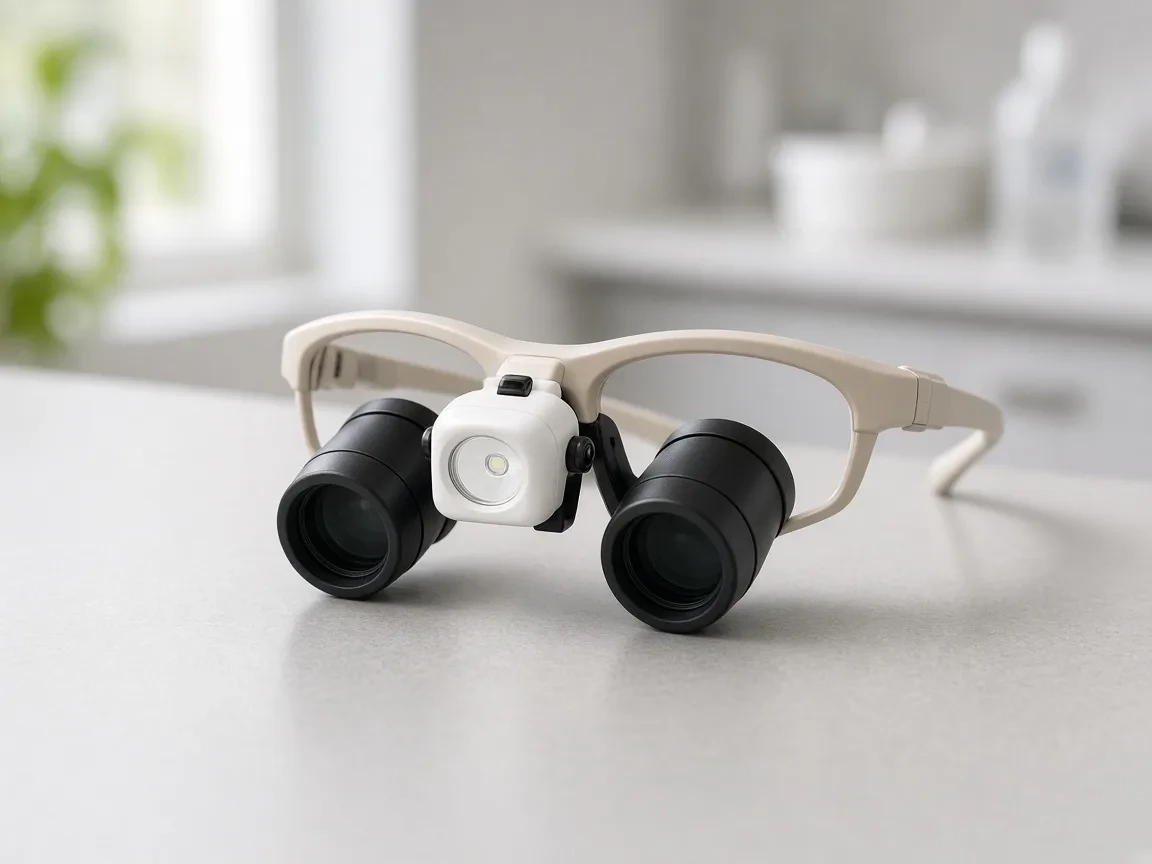
Dental Loupe Headlamps: How to Choose
How to choose a loupe headlamp: a mount that fits the frame, a pack or a cordless light, and how Designs for Vision, Orascoptic, and Lumadent differ.
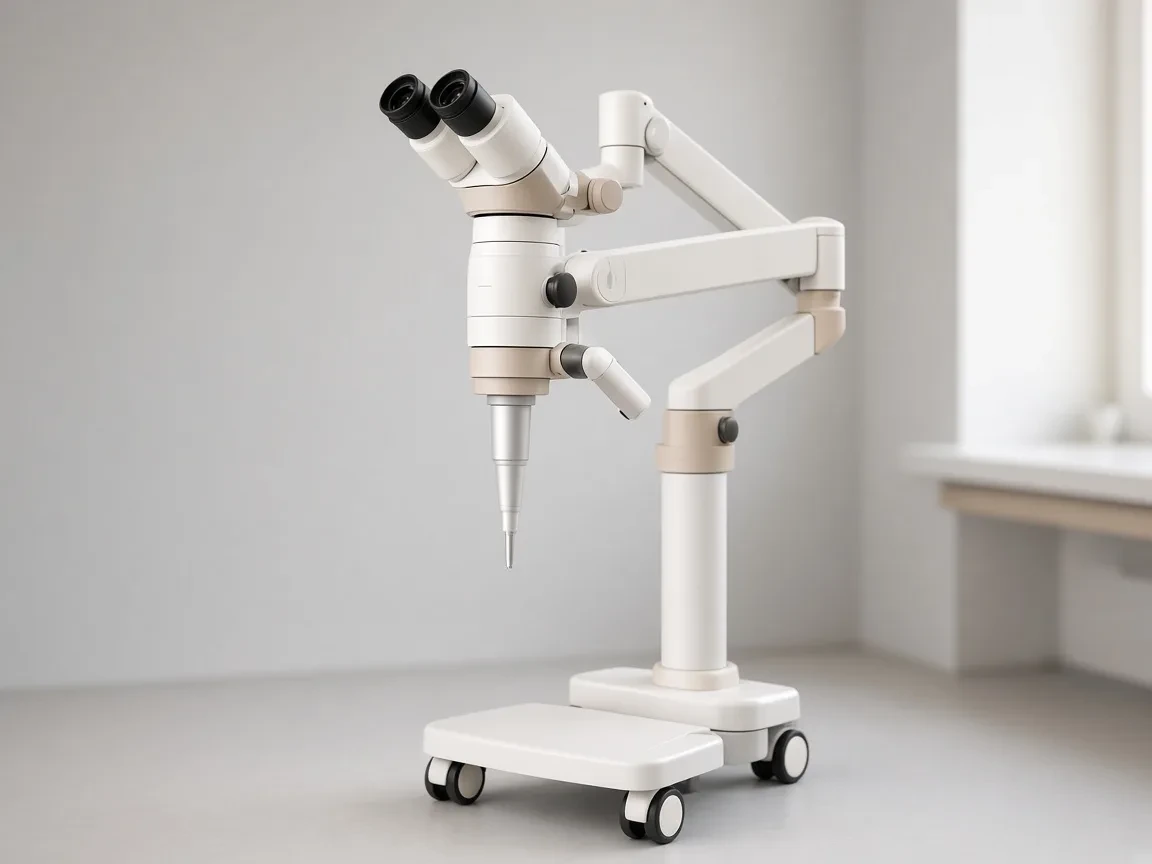
Dental Operating Microscopes: How to Choose
How to choose a dental operating microscope: the mount, the magnification steps, and how Zeiss, Global, and Zumax differ from loupes.
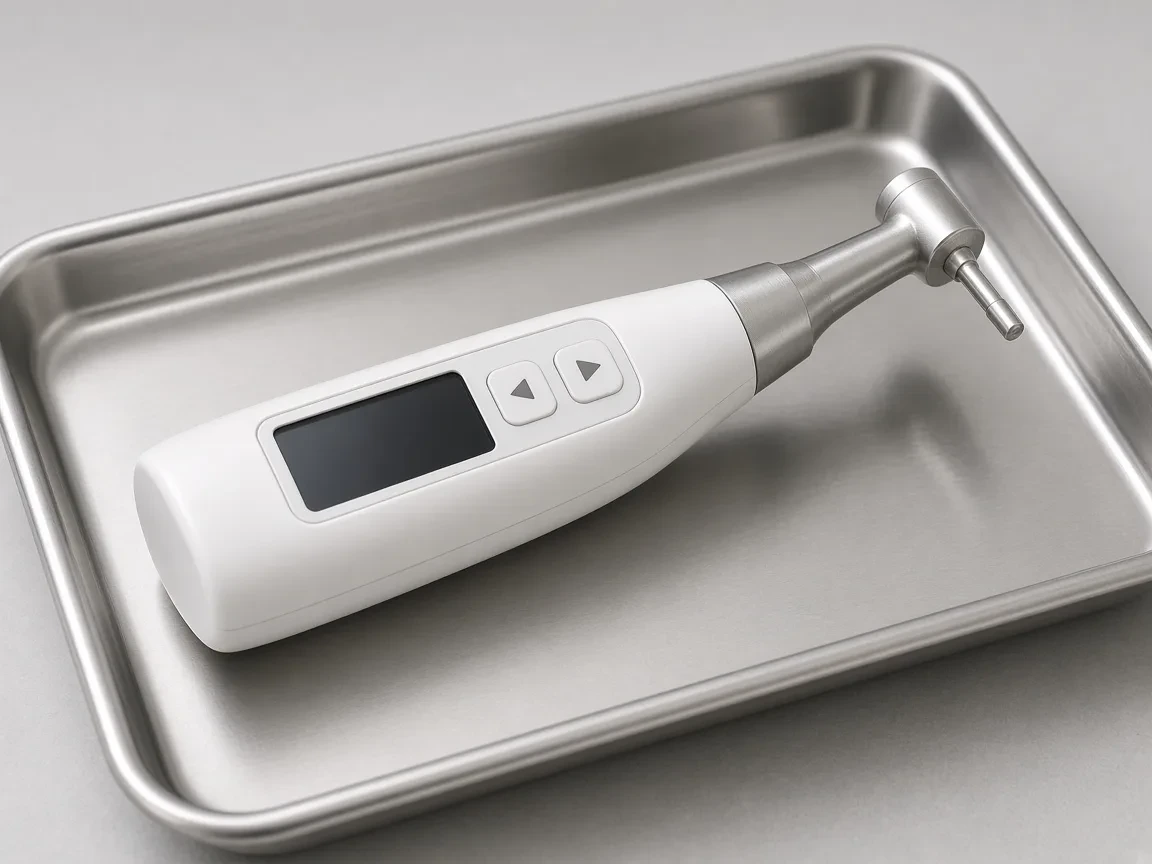
Dental Endodontic Motors: How to Choose
How to choose an endodontic motor: rotary or reciprocating, cordless or with a built-in apex locator, and how Morita, X-Smart, and NSK differ.
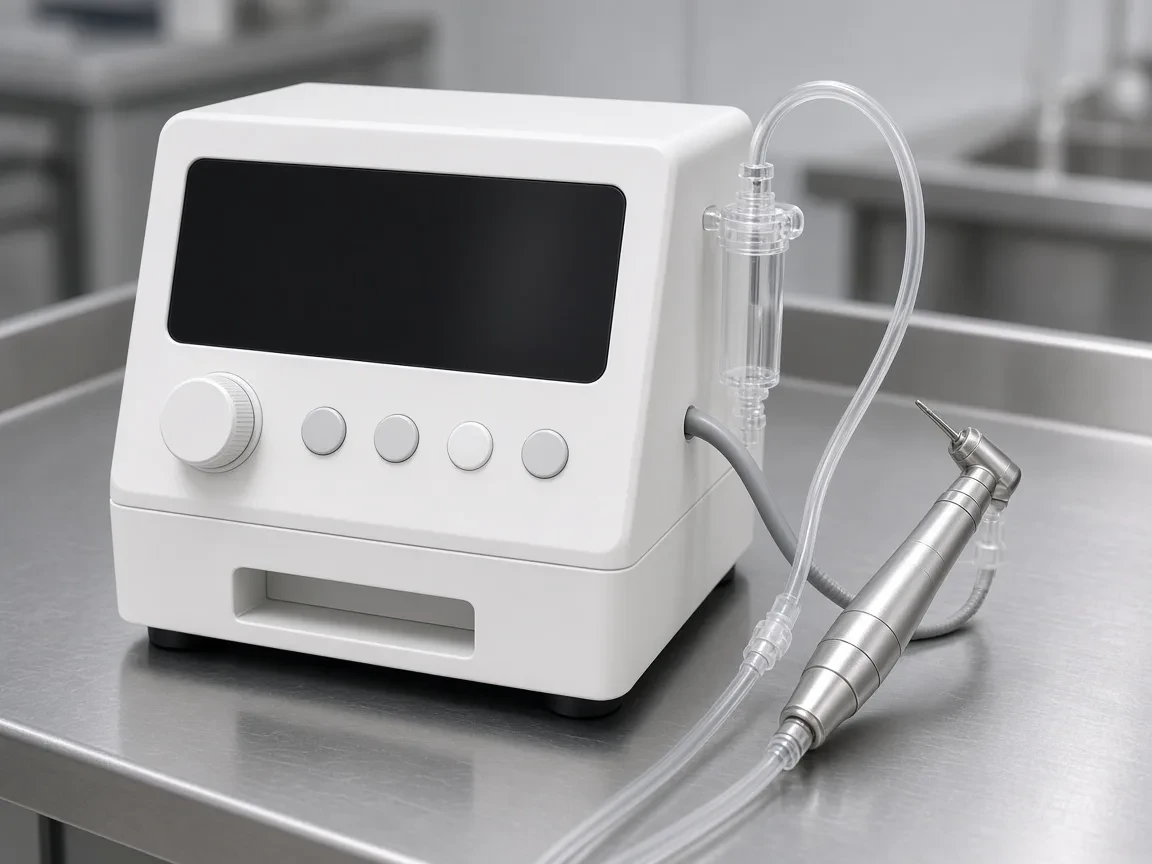
Dental Implant Motors: How to Choose
How to choose an implant motor: torque control, saline irrigation, and how W&H, NSK, Aseptico, and Bien-Air differ.
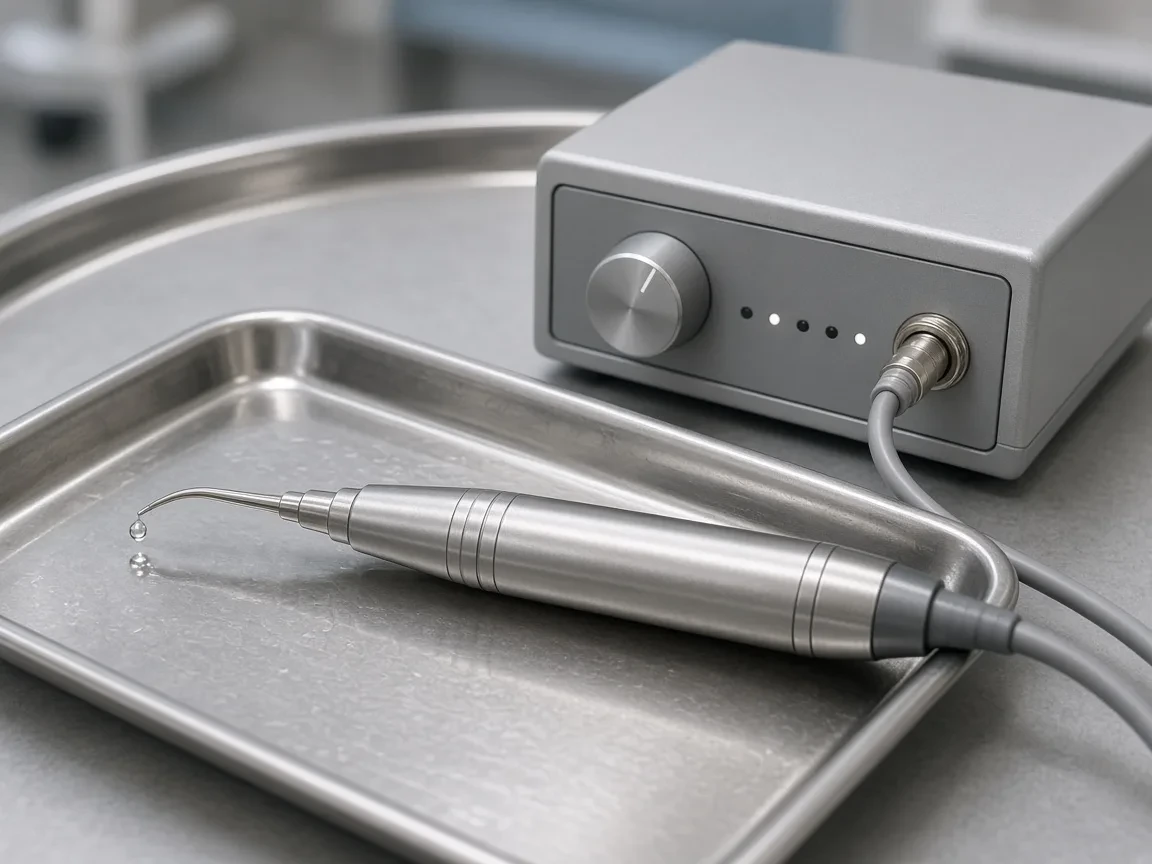
Dental Ultrasonic Scalers: How to Choose
How to choose an ultrasonic scaler: magnetostrictive versus piezo, and how Cavitron, Acteon, EMS, and NSK differ.
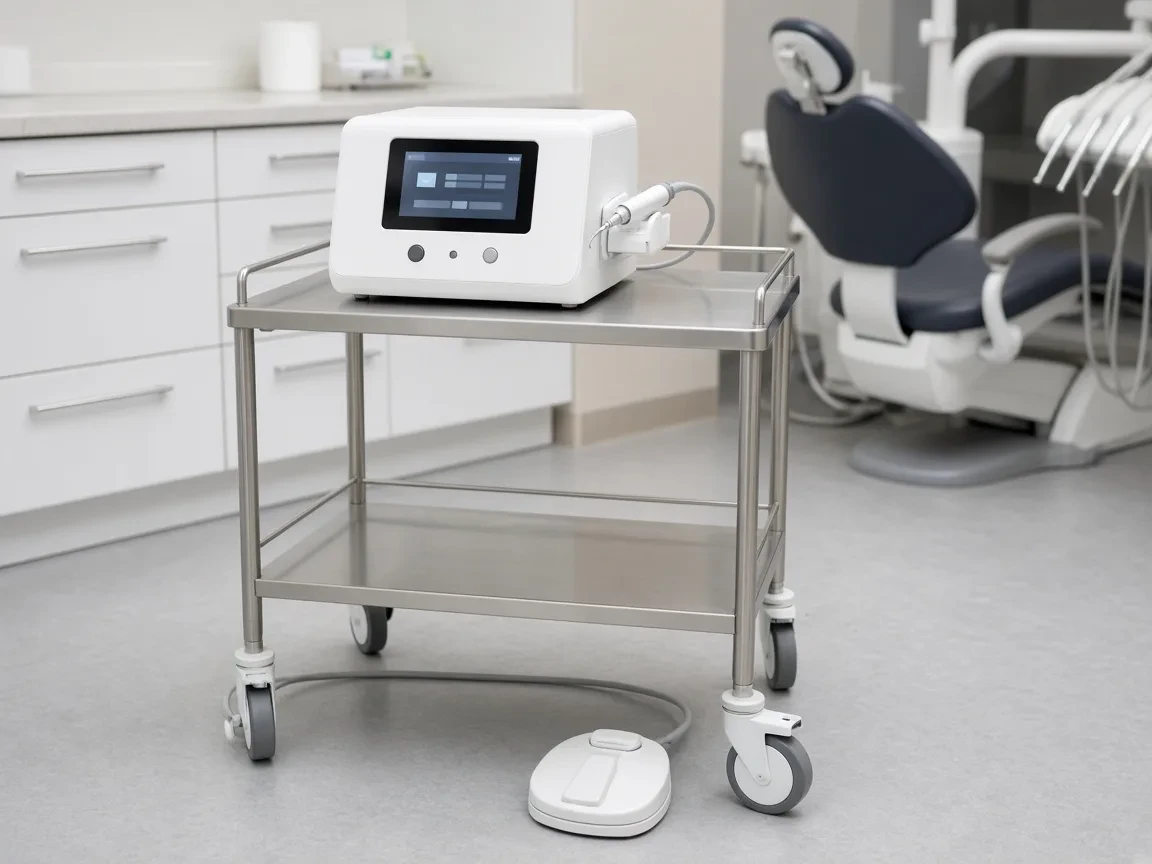
Dental Lasers: How to Choose
How to choose a dental laser by wavelength: diode, erbium, CO2, and Nd:YAG, and how Biolase, Fotona, Convergent, Ultradent, AMD, and Millennium differ.
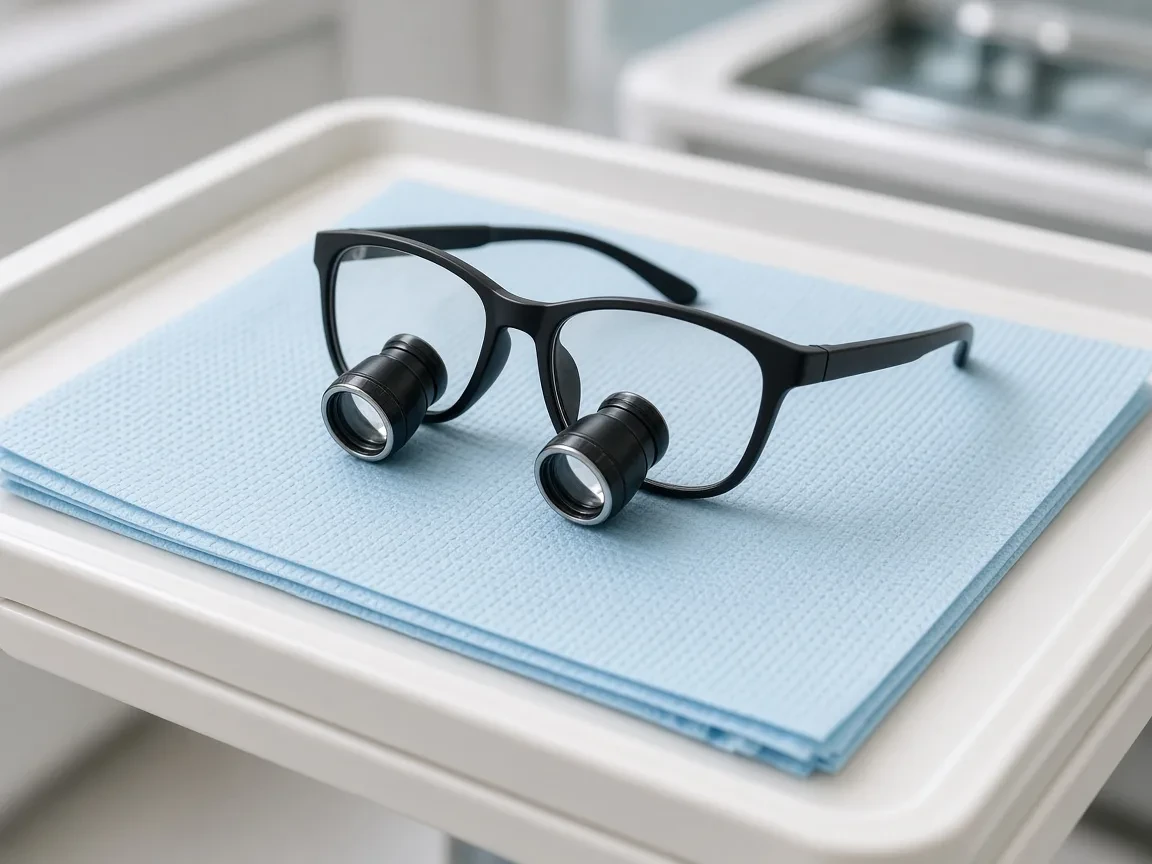
Dental Loupes: How to Choose
How to choose dental loupes: magnification, working distance, TTL or flip-up, and how Designs for Vision, Orascoptic, SurgiTel, and Q-Optics differ.
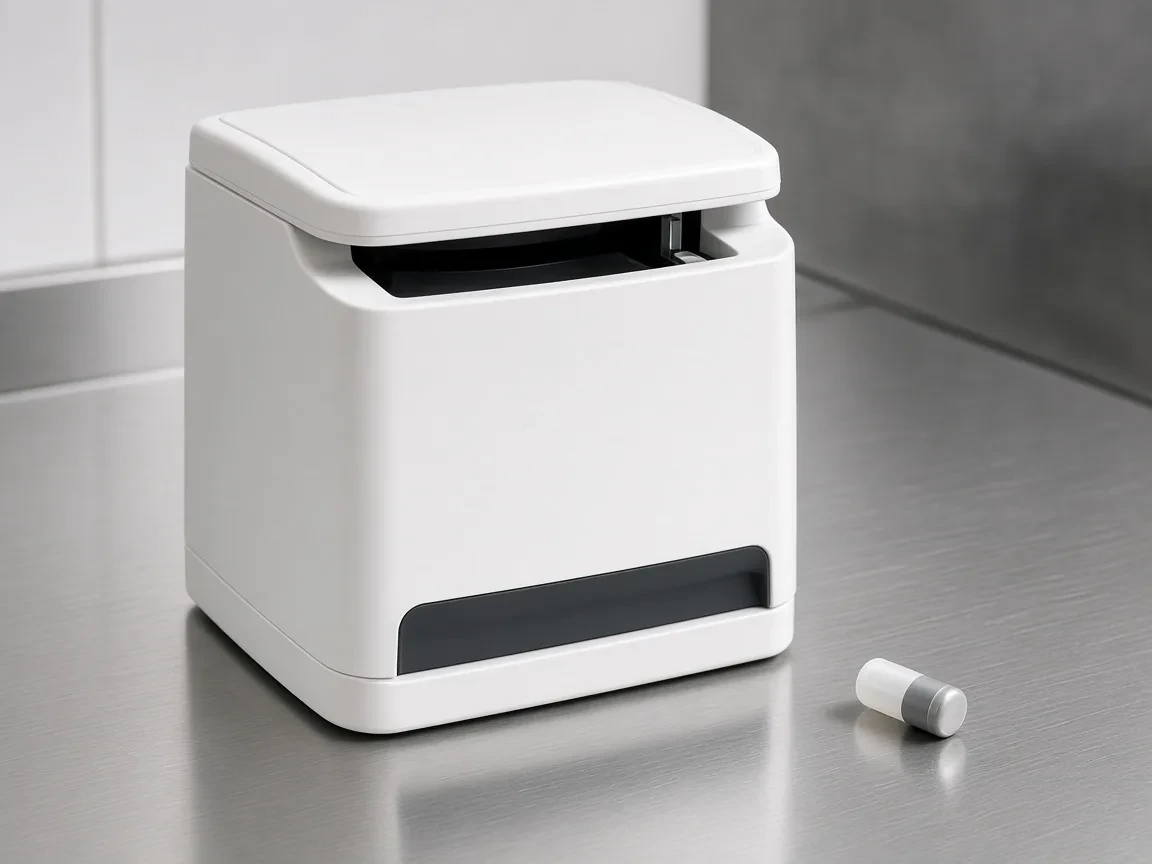
Dental Capsule Mixers: How to Choose
How to choose a capsule mixer: Silamat S6, RotoMix, Ultramat 2, and GC CM-II, plus the cover and fork that fail first.
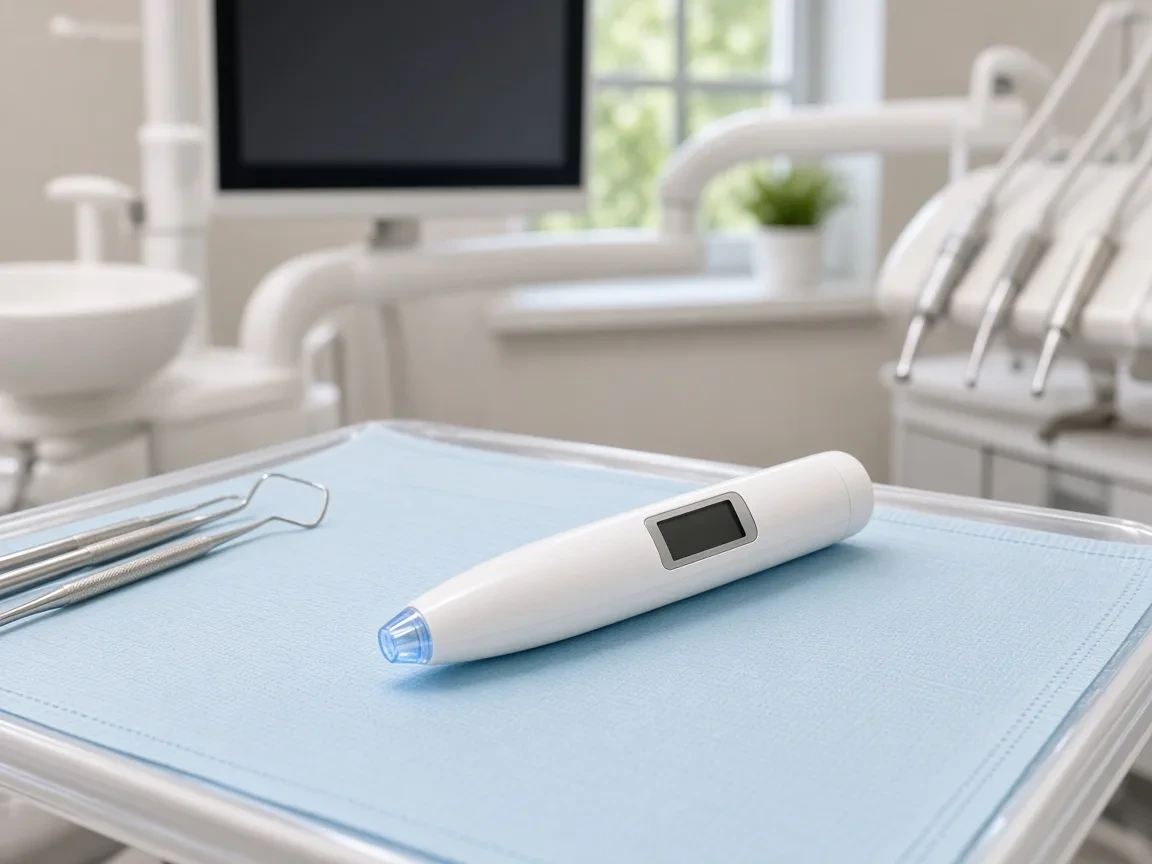
Dental Curing Lights: How to Choose
How to choose a curing light: wavelength, tip size, and how Elipar, Bluephase, and S.P.E.C. 3 differ.
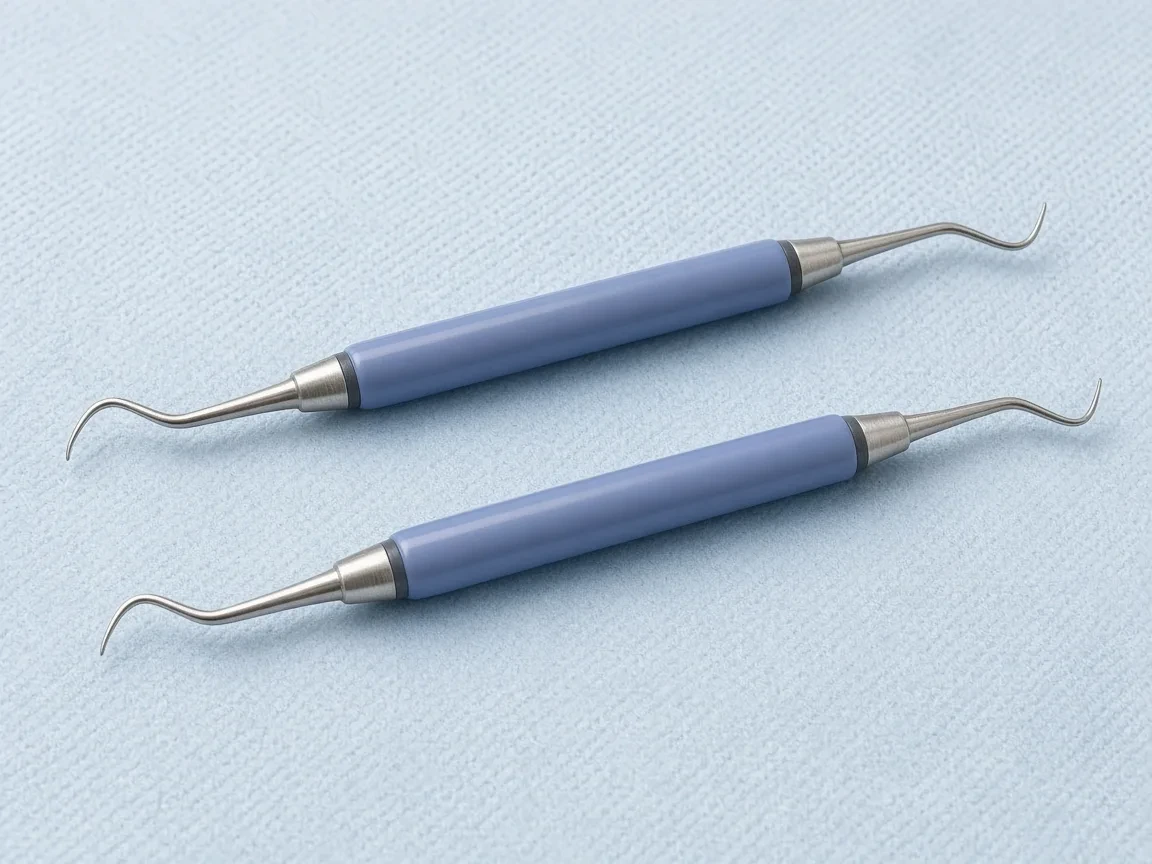
Dental Hand Scalers: How to Choose
How to choose a hand scaler: sickle or curette, the handle, and how Hu-Friedy, American Eagle, and Nordent differ.
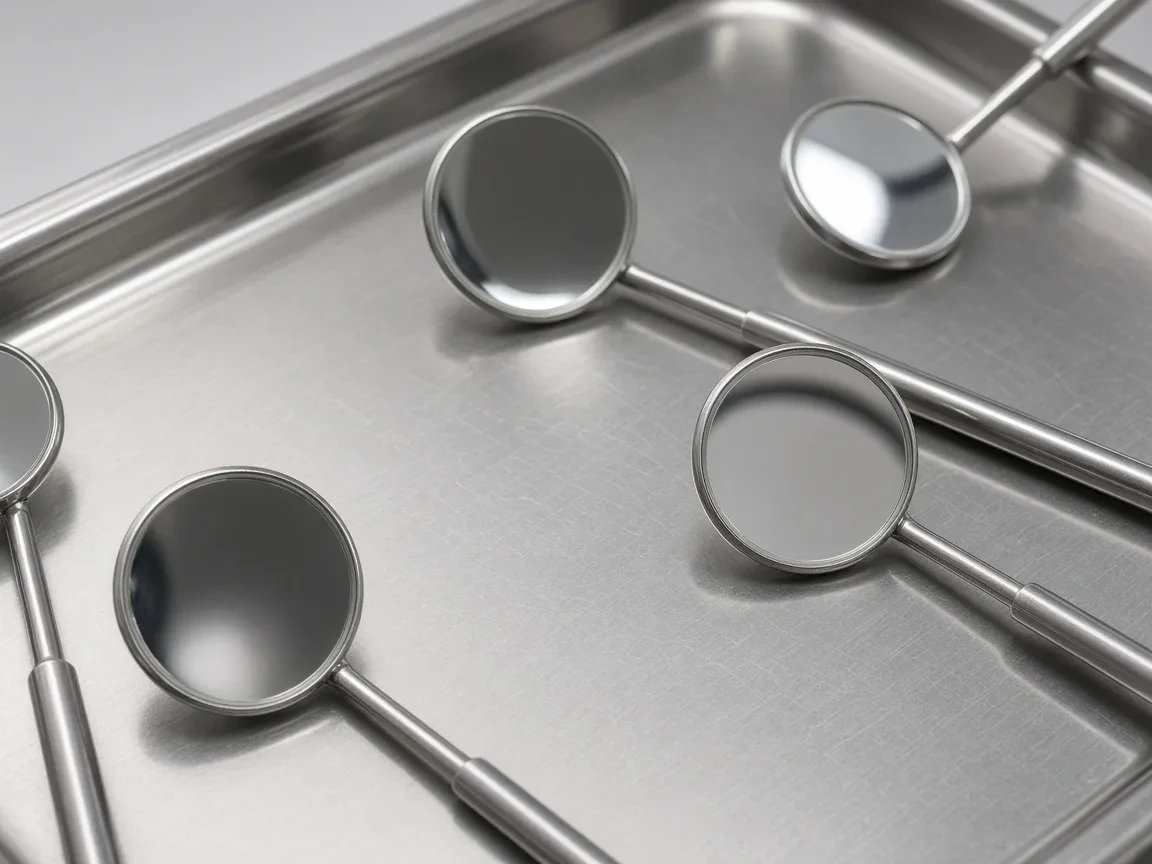
Dental Mouth Mirrors: How to Choose
How to choose a mouth mirror head: socket, size, and coating, including rhodium, black-line, magnifying, and Crystal HD.
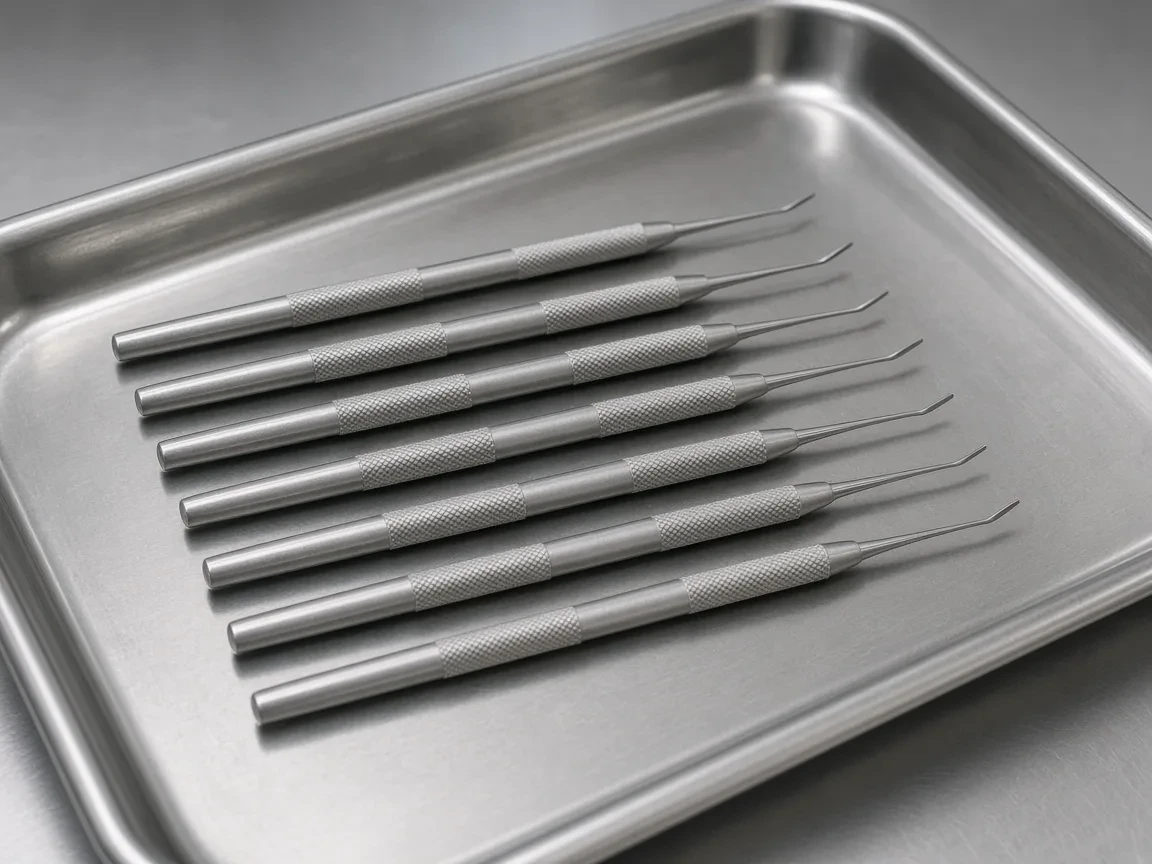
Dental Periotomes: How to Choose
How to choose a periotome: anterior and posterior blades from Premier, Hu-Friedy, Directa Luxator, TBS, and Nordent.
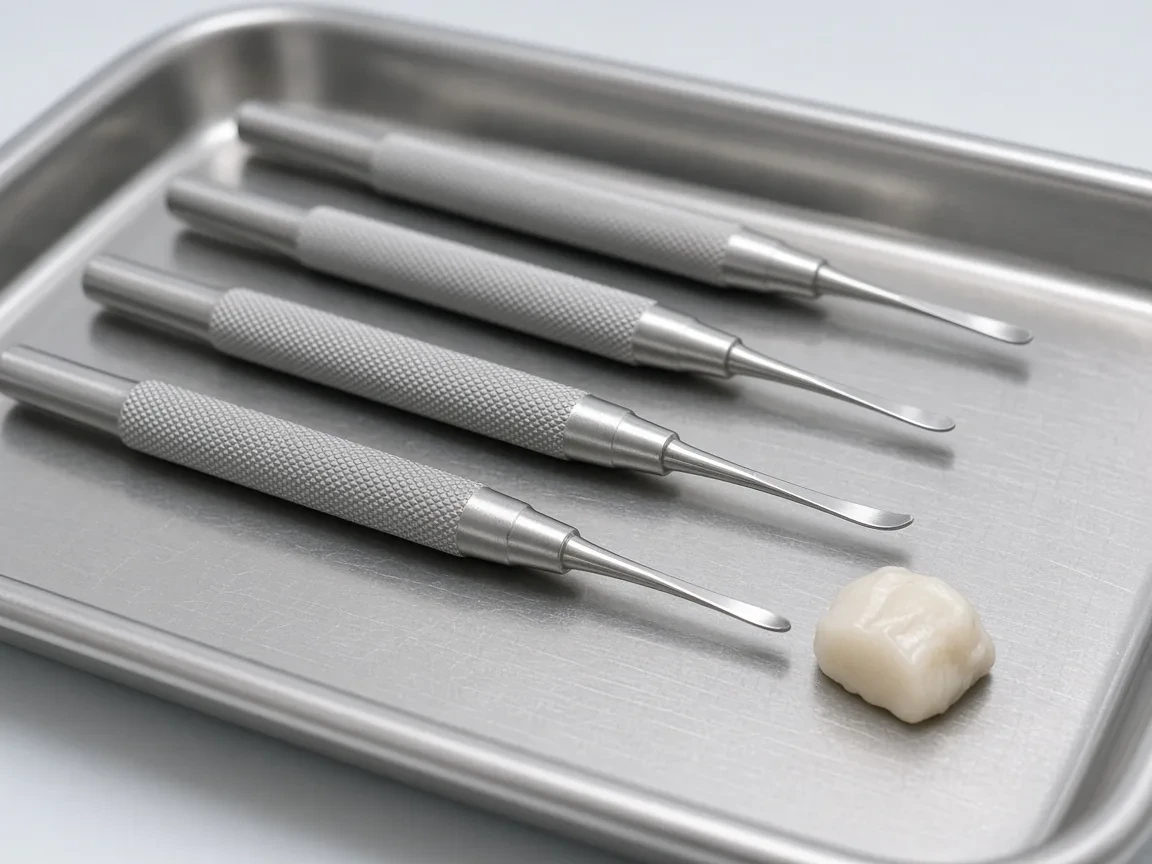
Dental Composite Instruments: How to Choose
How to choose a composite instrument: XTS contact formers, Goldstein blades, LM-Arte, and XP pluggers by tip and stick.
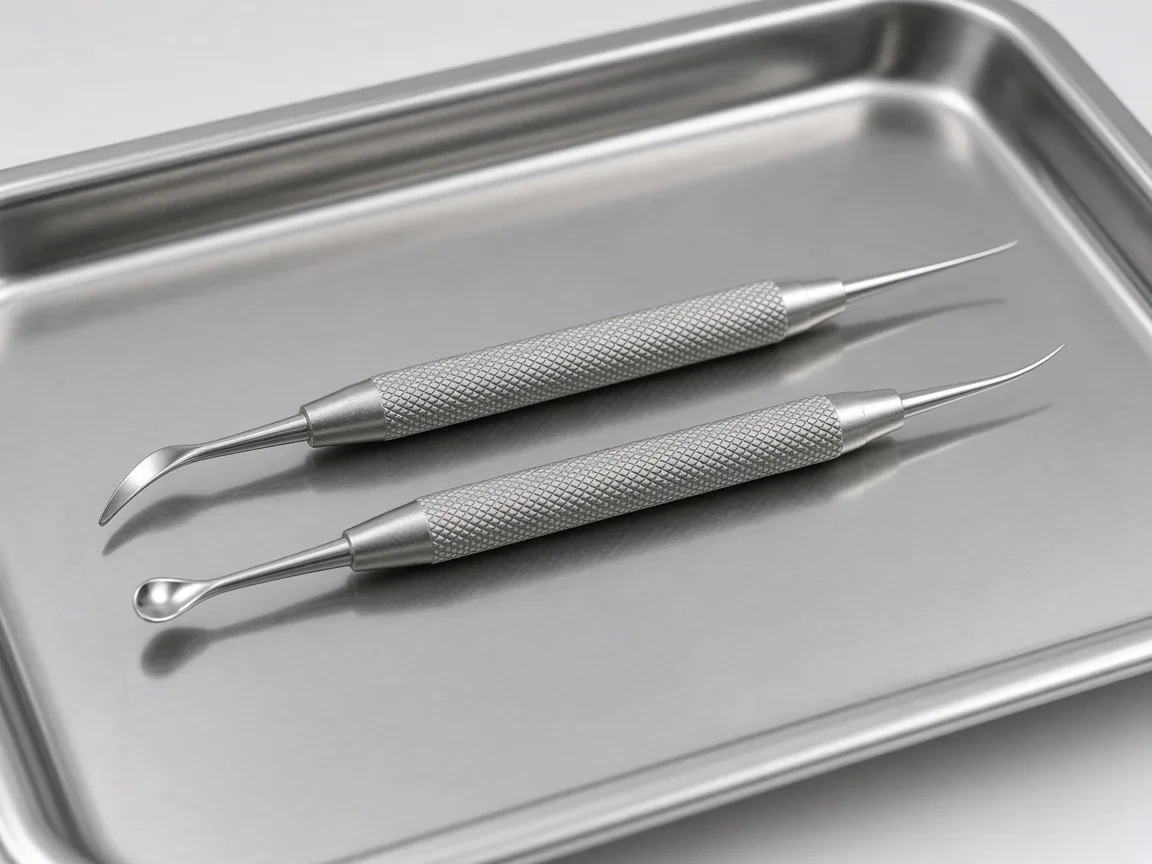
Dental Carvers: How to Choose
How to choose a dental carver: Ward, Hollenback, discoid-cleoid, and IPC, plus the PFI and Bliss that place composite.
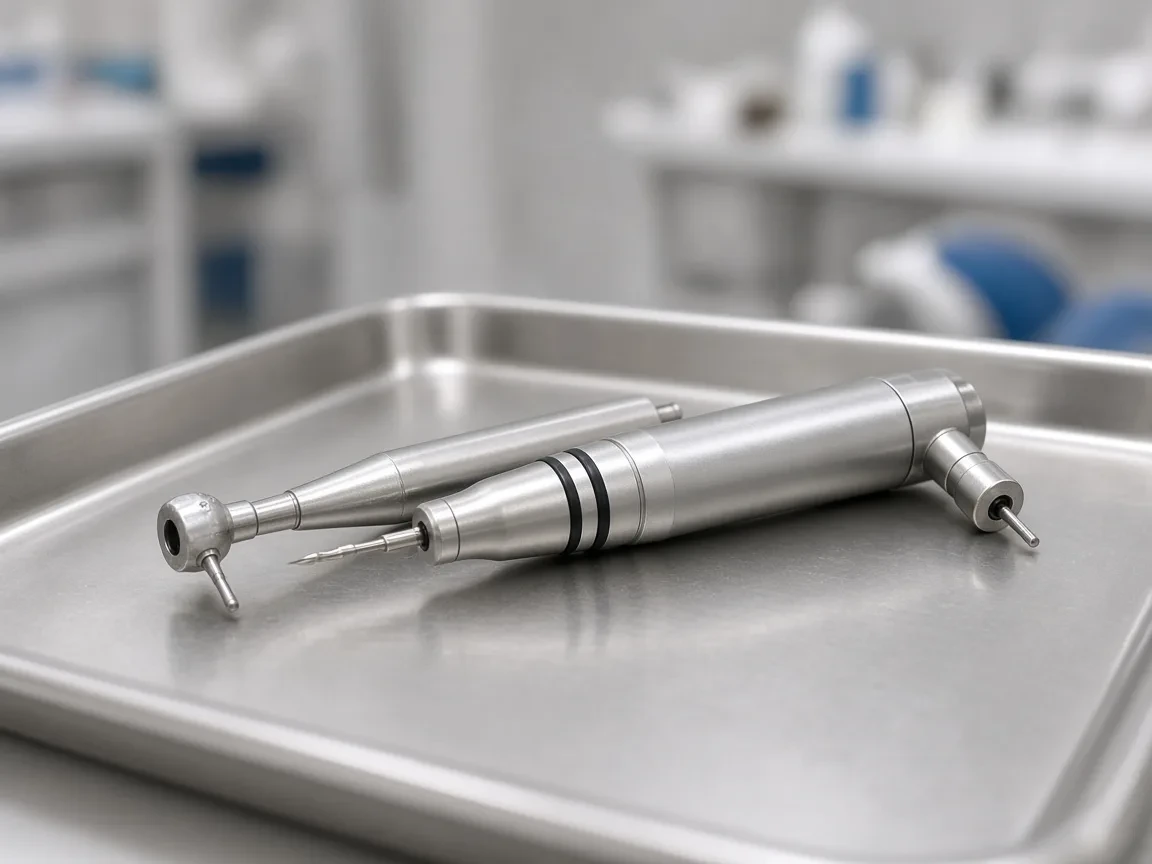
Dental Handpieces: How to Choose
How to choose a dental handpiece: air versus electric, high-speed versus slow-speed, and how W&H, NSK, Morita, and Midwest differ.
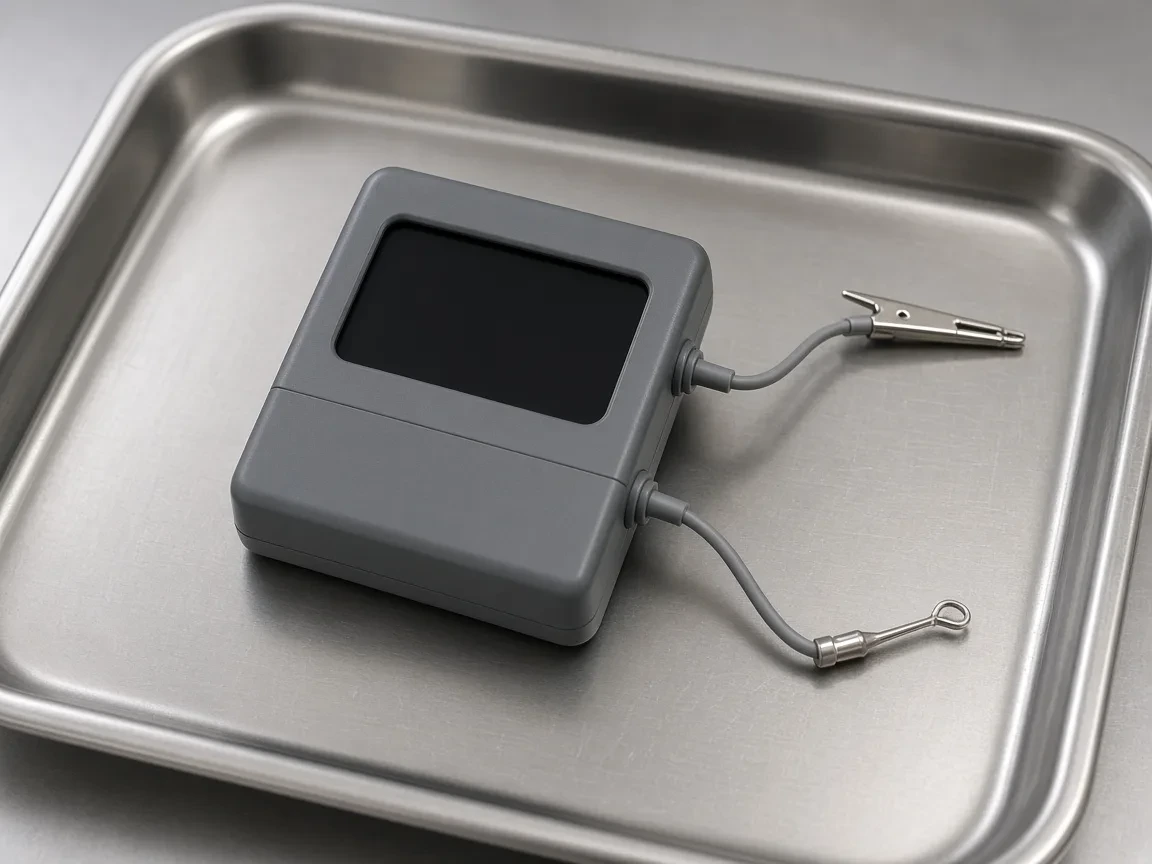
Dental Apex Locators: How to Choose
How to choose an apex locator: a standalone unit or one built into the endo motor, and how Root ZX, Propex, Apex ID, and CanalPro differ.