
Dental Lasers: Erbium vs Diode vs CO2, Waterlase, Solea
Diode, erbium, CO2, and Nd:YAG dental lasers by wavelength, and how Biolase, Fotona, Convergent, Ultradent, AMD, and Millennium differ.

Reviewed by Dr. Sean Myran, DMDDoctor of Dental Medicine, University of Pennsylvania
How we rank explains how these product lists are ordered.
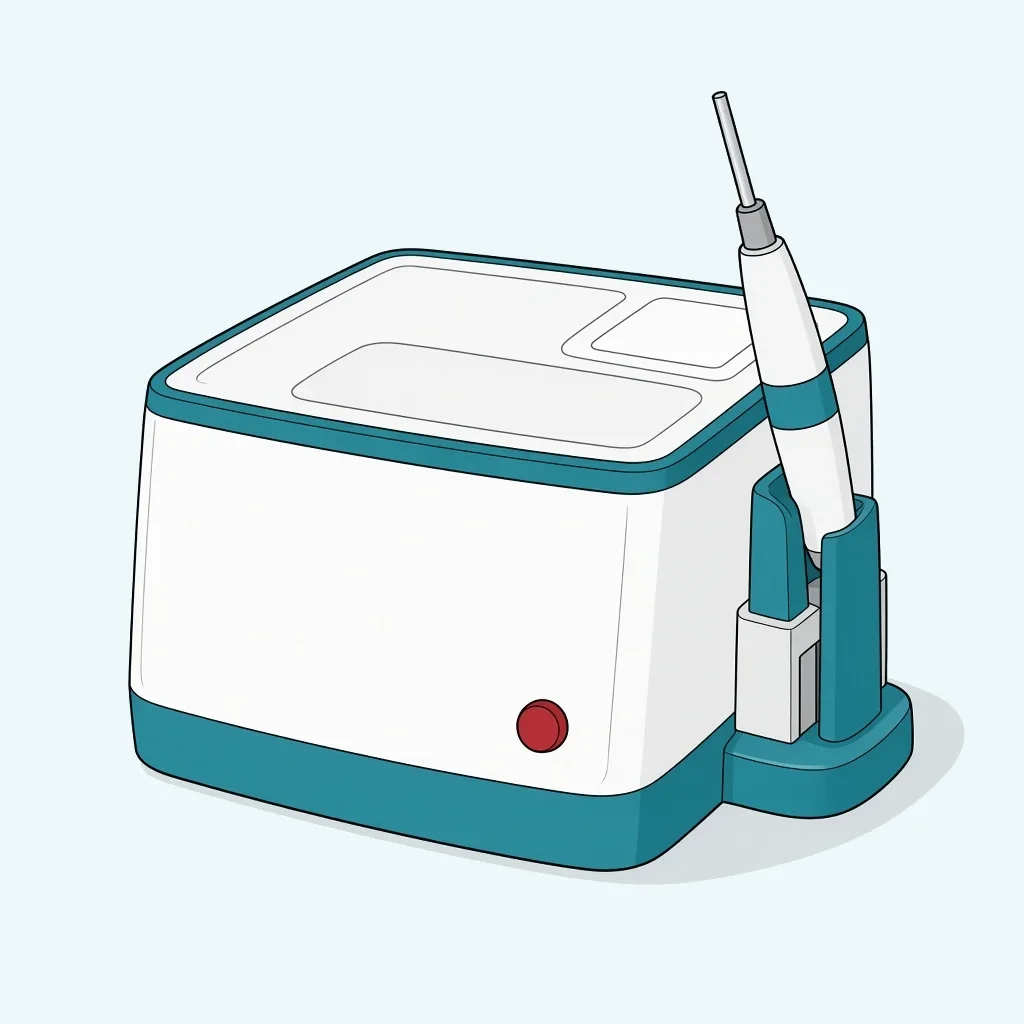
A dental laser is not one instrument. Wavelength decides what tissue it can cut. A diode trims soft tissue and is often used for whitening or pain protocols. An erbium or the Solea CO2 can cut tooth and bone as well as soft tissue. An Nd:YAG such as the PerioLase is sold for the LANAP periodontal protocol. It is not the same purchase as a diode, and Millennium does not present it as a general cavity-preparation laser. Buy the procedures you will do this year, not the procedures in the brochure.
How to choose a dental laser
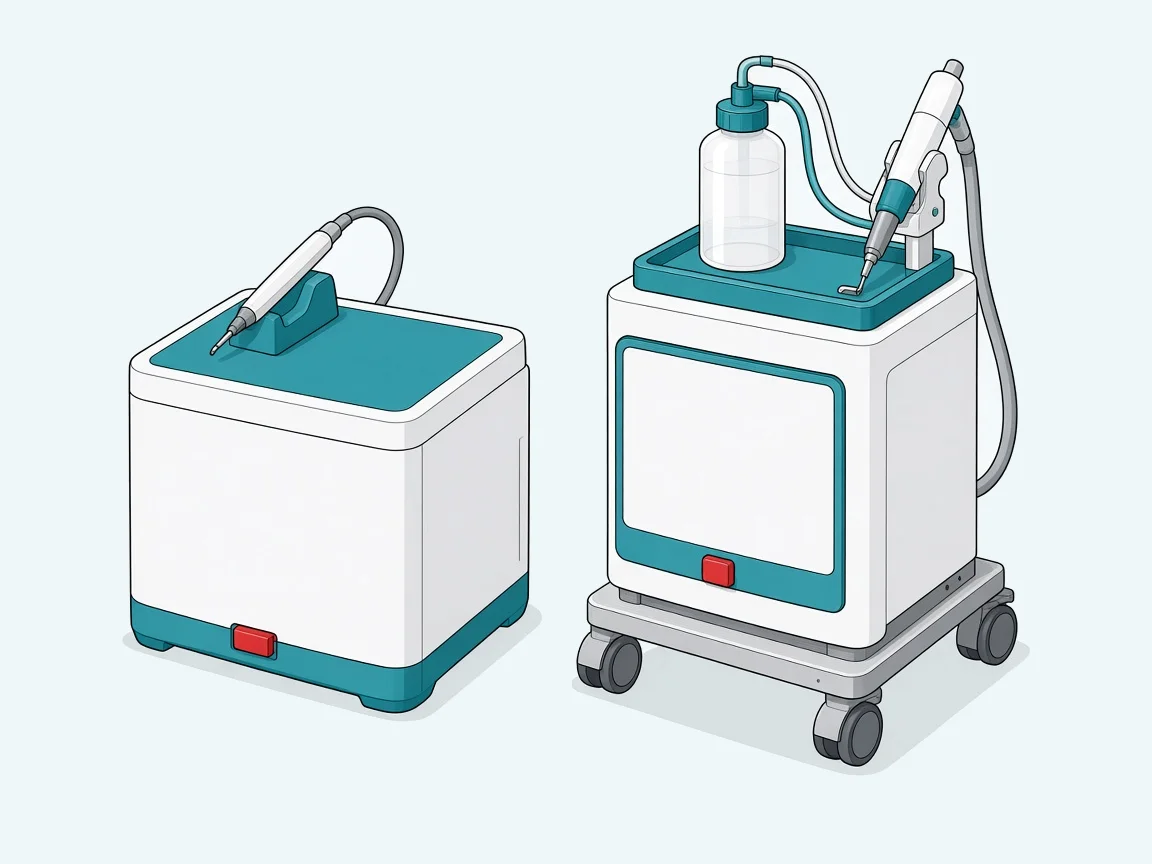
- Wavelength first. Diode and some Nd:YAG units are soft-tissue devices. Er:YAG and Er,Cr:YSGG (Waterlase) cut hard and soft tissue with water cooling. The 9.3 µm CO2 used by Solea is a hard- and soft-tissue laser with a different handpiece feel.
- Who will use it. A diode in hygiene for troughing and lesion treatment is a different purchase from a hard-tissue laser that replaces a handpiece on preps. If only one doctor will touch it, do not size the investment for a five-doctor group.
- Tip cost and single-use items. Tips, fibers, and handpiece windows are the ongoing cost. Ask for a year of those consumables at your expected case count.
- Training and state rules. Soft-tissue use by hygienists is regulated state by state. A laser the hygienists cannot legally use is a doctor-only device. Price it that way.
- Plume and anesthesia. Hard-tissue lasers are often sold on reduced anesthesia. That depends on the tooth, the patient, and the wavelength. Do not write it into the business plan as a guarantee.
How the major laser types differ
| Brand | Type | Best fit | Watch for |
|---|---|---|---|
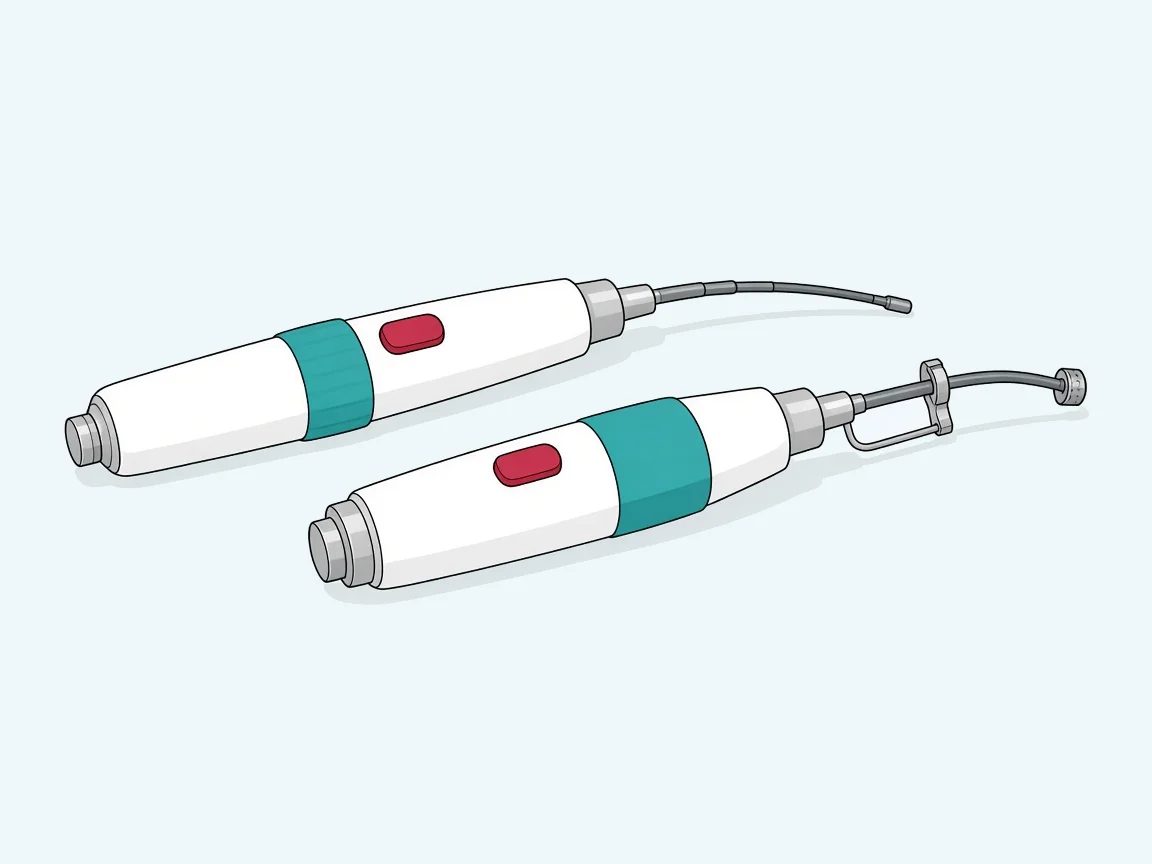
| Biolase Waterlase iPlus | Er,Cr:YSGG at 2780 nm, hard and soft tissue | Offices that want one laser for tooth and soft tissue | Biolase also lists Waterlase Express. Confirm which model is on the quote. Tip cost is the ongoing number |
| Biolase Epic X | 940 nm diode, soft tissue. Epic 10 is the version Biolase points outside the U.S. and Canada | Hygiene and minor soft-tissue procedures | A diode will not cut enamel. Peak power on the Epic X page is 10 W |
| Fotona LightWalker II | Er:YAG at 2940 nm and Nd:YAG at 1064 nm | Practices that want hard-tissue ablation and a separate Nd:YAG wavelength | Two wavelengths means two learning curves. Fotona states up to 20 W of Er:YAG on this system |
| Convergent Dental Solea | 9.3 µm CO2. The manufacturer describes hard and soft tissue, and anesthesia-free cavity preps | Restorative offices that will test that claim on their own case mix | The anesthesia wording is the manufacturer’s. It is not a promise for every tooth |
| Ultradent Gemini Nova | Cordless diode, 810 nm and 980 nm, used separately or together | Soft-tissue procedures with a cordless diode | Still a diode: gingiva, not enamel. Ultradent states 20 W peak super-pulsed power |
| AMD Picasso+ | 810 nm diode, 7.0 W, from AMD Lasers | Offices adding a soft-tissue diode | Compare fiber and tip replacement cost. A promotional price on the maker’s shop was not copied here |
| Millennium PerioLase MVP-7 | Free-running pulsed Nd:YAG, 1064 nm, for the LANAP protocol | Periodontal practices that will use that protocol | Millennium also lists other soft-tissue and hard-tissue procedures. It does not present the laser as a general cavity prep |
Biolase
Waterlase iPlus is Biolase’s Er,Cr:YSGG laser. Biolase states the wavelength as 2780 nm and describes it for hard and soft tissue. The same site also lists Waterlase Express, so the quote has to name the model. Epic X is the diode Biolase documents for the U.S.: 940 nm ± 10 nm, peak power 10 W, for soft tissue, pain therapy, and whitening modes. Epic 10’s page says it is intended for sale outside the U.S. or Canada, where Epic X has not received clearance. A diode does not prepare enamel. Biolase does not publish a street price on those pages. Ask what a year of tips costs.
Fotona
Fotona’s current LightWalker II page describes one platform with Er:YAG and Nd:YAG. Case captions on that page label Er:YAG at 2940 nm and Nd:YAG at 1064 nm, and the page says Er:YAG power is up to 20 W. You are learning two delivery modes. That is a reason to buy it when more than one procedure line will use the unit every week, and it is a reason to skip it when only one will.
Convergent Dental Solea
Convergent Dental describes Solea as a 9.3 µm CO2 laser for hard and soft tissue, and the product page says cavity preparations are reliably anesthesia-free. That sentence is the manufacturer’s. Treat it as a claim to test on the teeth you actually prep, not as a promise that every patient skips the injection. Ask which of your procedures the trainer will do on day one. The page does not list a price.
Diode lines: Gemini Nova, Picasso+, Epic X
Ultradent’s current diode page is the Gemini Nova: cordless, 810 nm and 980 nm, each wavelength alone or both together, with 20 W of peak super-pulsed power stated on the page. AMD Lasers lists the Picasso+ as a 7.0 W, 810 nm diode. Biolase Epic X is the 940 nm diode above. All three are soft-tissue instruments. Compare tip replacement, not a sale price. AMD’s shop showed a promotional price in November 2026. It is not repeated here because it will change.
Millennium PerioLase
Millennium’s page for the PerioLase MVP-7 describes a free-running pulsed Nd:YAG at 1.064 µm (1064 nm), with average power from 0.2 to 6 W, made for the LANAP and LAPIP protocols. The same page says the laser is also used for other soft-tissue and hard-tissue procedures. It does not describe those procedures as routine cavity preparations. Buy it when the practice will follow the protocol and send the doctors to the training.
Related guides
Laser questions
Will a diode replace my electrosurge?
For many small soft-tissue trims, yes. Hemostasis and lateral heat are different. Try the procedures you do now before you retire the electrosurge.
Will a hard-tissue laser replace the handpiece?
It can replace the handpiece on some preparations. It will not replace it for every material removal, and you will still own high-speeds for the cases and the days the laser is down.
Sources
Biolase
Waterlase iPlus.
Biolase
Er,Cr:YSGG wavelength, 2780 nm.
Biolase
Epic X.
Biolase
Epic 10, sale outside the U.S. and Canada.
Fotona
LightWalker II.
Convergent Dental
Solea.
Ultradent
Gemini Nova, 810 nm and 980 nm.
AMD Lasers
Picasso+.
Millennium Dental Technologies
PerioLase MVP-7.
What changed: Nov 2026: named the current model and wavelength from each manufacturer page. A promotional Picasso price was not copied. No other prices.
Related articles
Keep exploring related topics from Dental Country.

Dental Mouth Mirrors: Front-Surface vs HD vs Plastic
Mouth mirror heads by socket, size, and coating, including rhodium, black-line, magnifying, and Crystal HD.
Read article
Periotomes for Atraumatic Extraction: Big Easy, Luxator
Anterior and posterior periotome blades from Premier, Hu-Friedy, Directa Luxator, TBS, and Nordent.
Read article
Dental Loupes: Galilean vs Prismatic, TTL vs Flip-Up
Dental loupes by magnification, working distance, and TTL or flip-up, and how Designs for Vision, Orascoptic, SurgiTel, and Q-Optics differ.
Read article
Endodontic Motors: Tri Auto ZX2, X-Smart Pro, Endo-Mate
Rotary or reciprocating, cordless or with a built-in apex locator: endo motors from Morita, X-Smart, and NSK.
Read article