
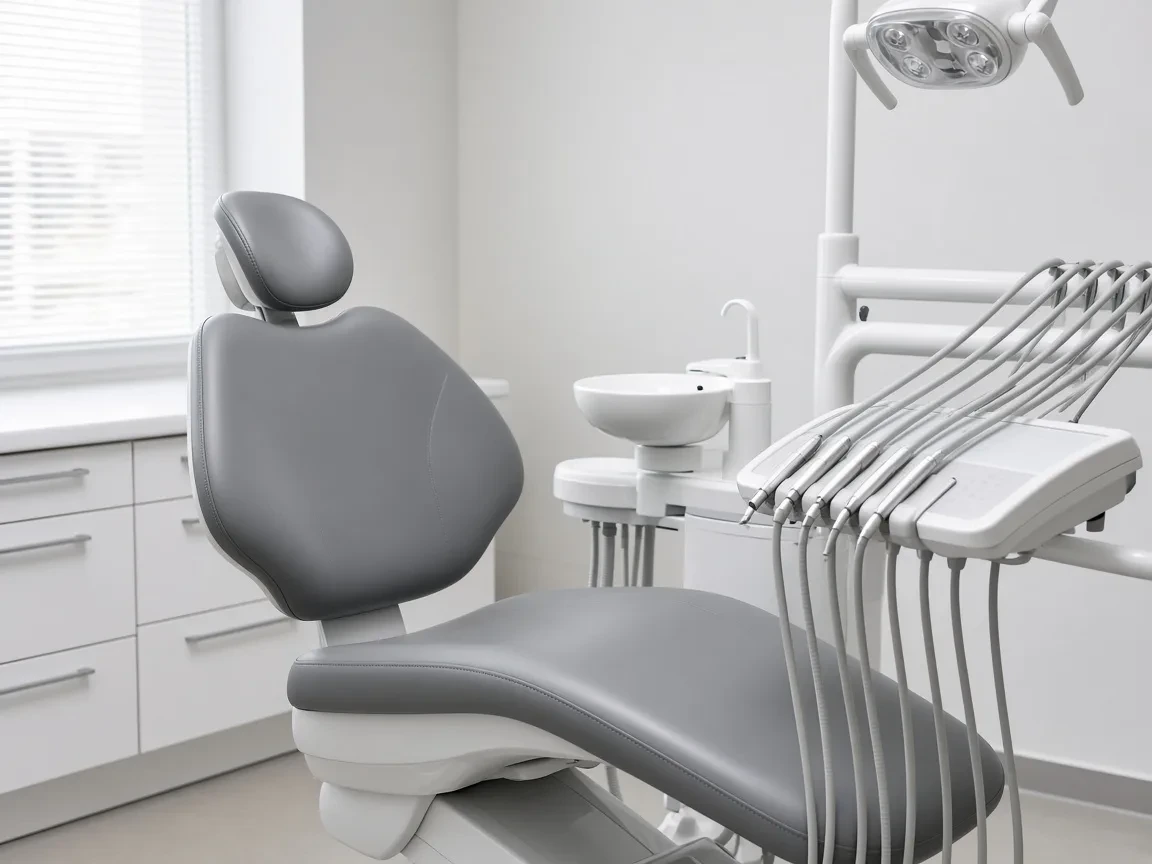
Operatory
Dental chairs, stools, delivery systems, cabinets, operatory lights, vacuum, air compressors, nitrous oxide and amalgam separators for the treatment room.
Summary
This hub collects our guides to the equipment that makes up a treatment room, from the dental chair and stools to the delivery system, cabinets and operatory light. It also covers the utilities behind the wall: vacuum, compressed air, nitrous oxide and amalgam separators. Each guide compares brands and what to check before buying.
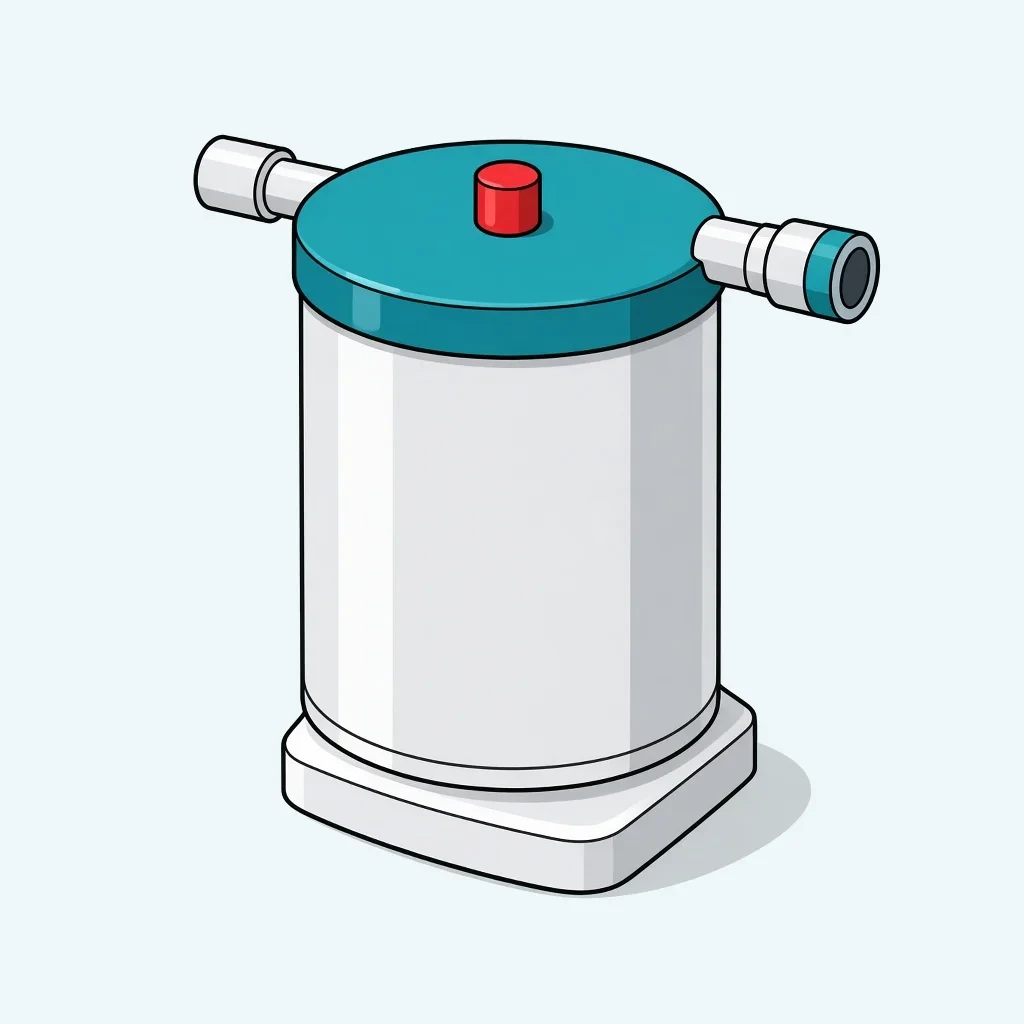
Amalgam Separators: Solmetex, Rebec, Dürr, Metasys
Central or chairside amalgam separators, canister recycling, and how Solmetex, Rebec, Dürr, and Metasys differ.
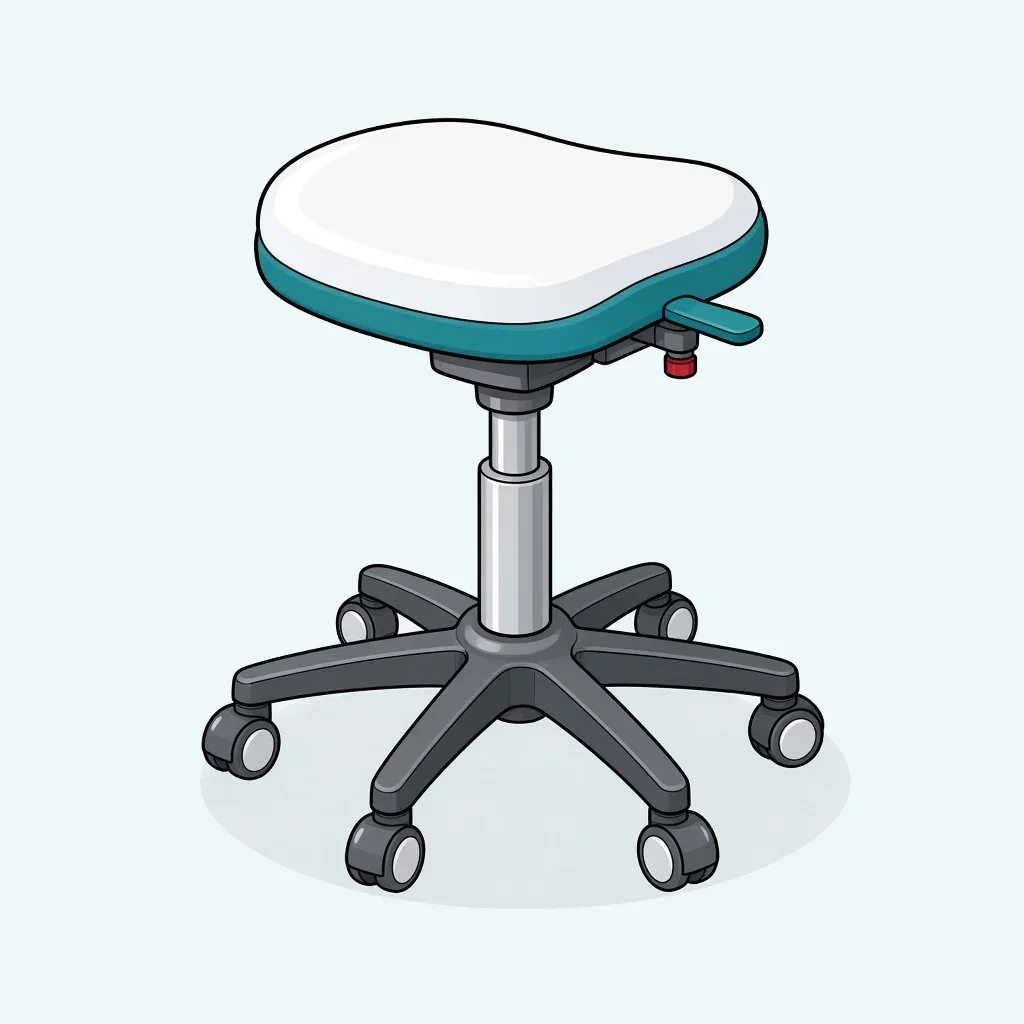
Dental Operator Stools: A-dec, Midmark, Brewer, Crown
Doctor versus assistant stools, seat height, and how A-dec, Midmark, Brewer, and Crown Seating differ.
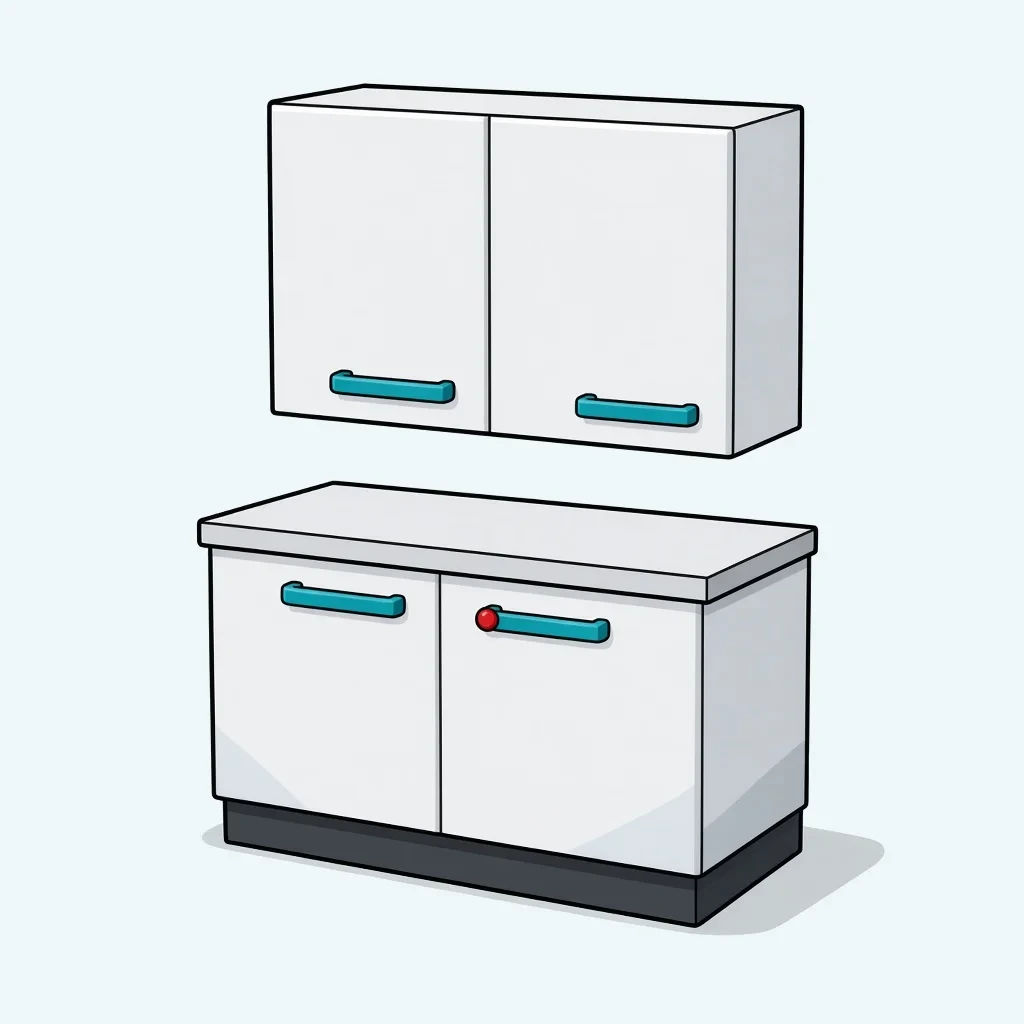
Dental Cabinets: A-dec, Midmark, Pelton & Crane
Treatment room versus sterilization center cabinets, and how A-dec, Midmark, Pelton & Crane, and DentalEZ differ.
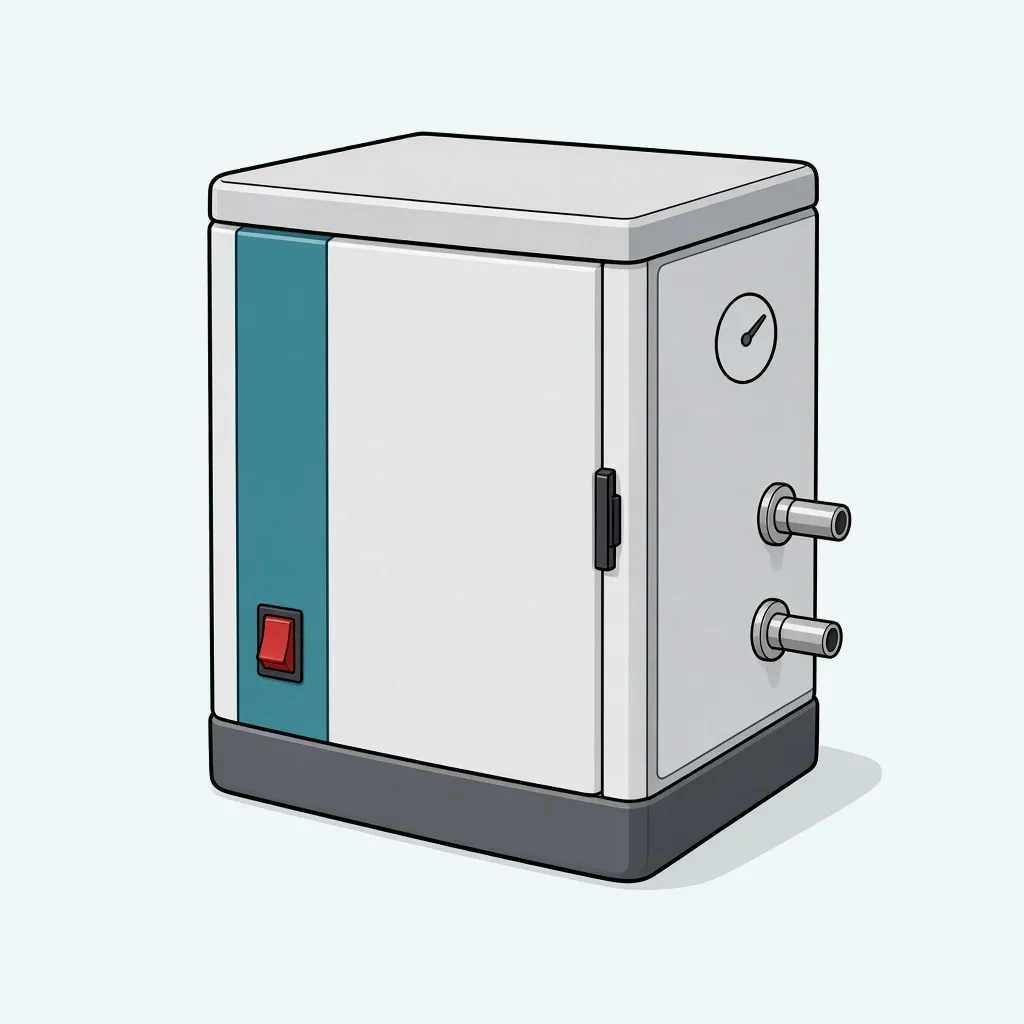
Dental Air Compressors: Oil-Free, Dry Air and Sizing
Oil-free air, drying, and noise in a dental air compressor, and how Air Techniques, Dürr, Midmark, Jun-Air, and DentalEZ differ.
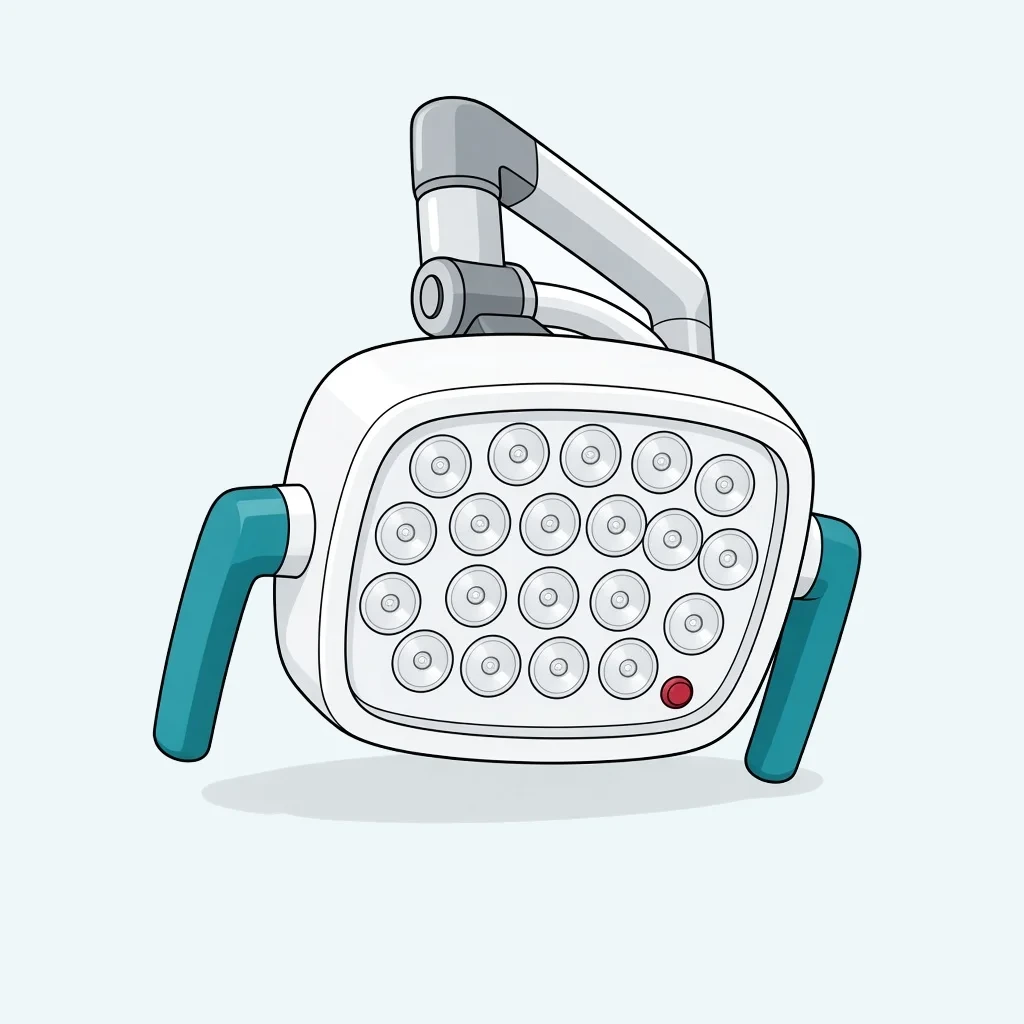
Operatory Lights: LED Options and ISO 9680 Explained
Operatory lights by LED color, intensity, composite mode, and mounting: A-dec, Belmont, Planmeca, Pelton & Crane, and DentalEZ.
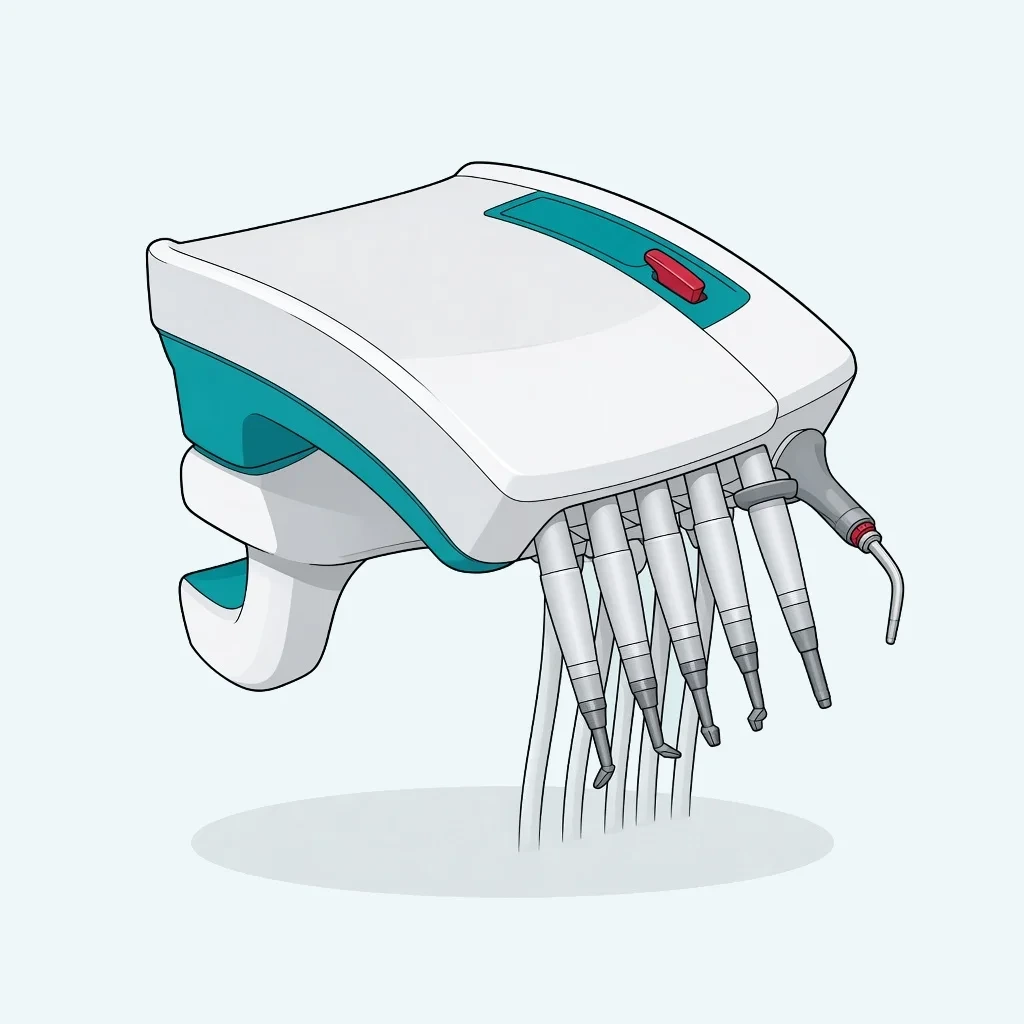
Delivery Systems: Rear, Side and Over-the-Patient
Over-the-patient, rear, and side delivery, and how A-dec, DentalEZ, Belmont, Pelton & Crane, Forest, and Planmeca systems differ.

Nitrous Oxide Systems: Porter vs Accutron, Plumbing
Nitrous oxide flowmeters, scavenging, and central gas versus portable tanks, and how Porter and Accutron systems differ.
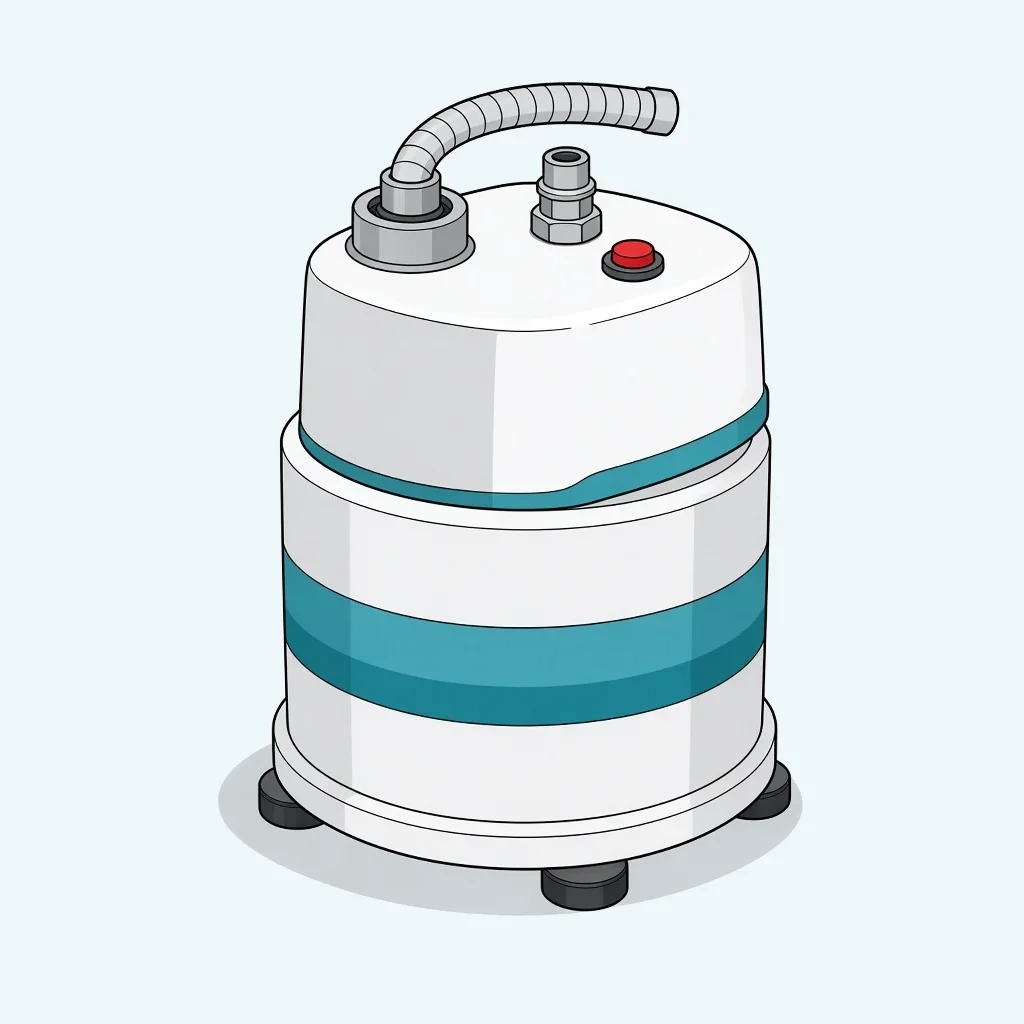
Dental Vacuum Systems: Wet vs Dry, Ramvac, Dürr, Cattani
Wet-ring versus dry vacuum pumps, simultaneous users, and amalgam separation: Ramvac, Air Techniques, Dürr, Cattani, and Midmark.
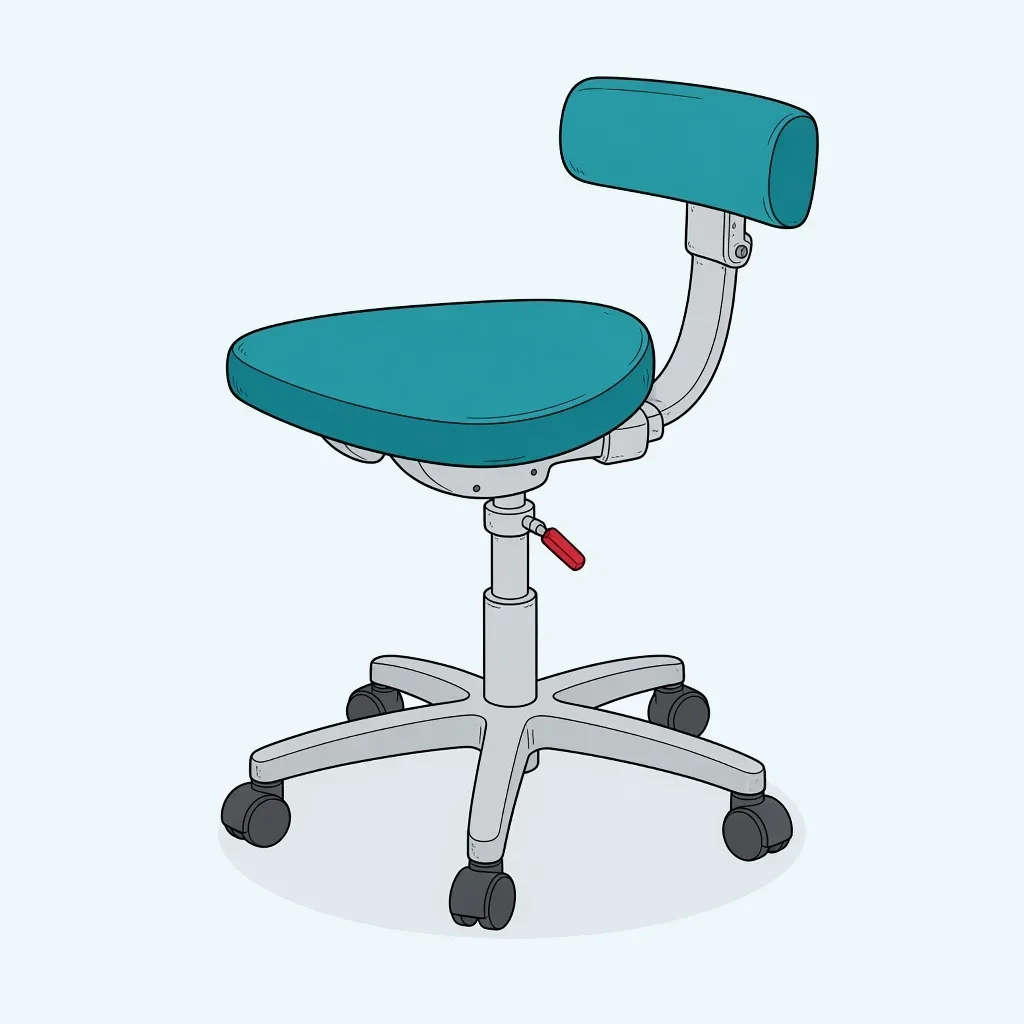
Dental Assistant Stools: Galaxy, Virtu, Saddle Seats
Dental assistant stools compared on seat height and backrest, and how Galaxy, Crown Seating, and TPC differ.
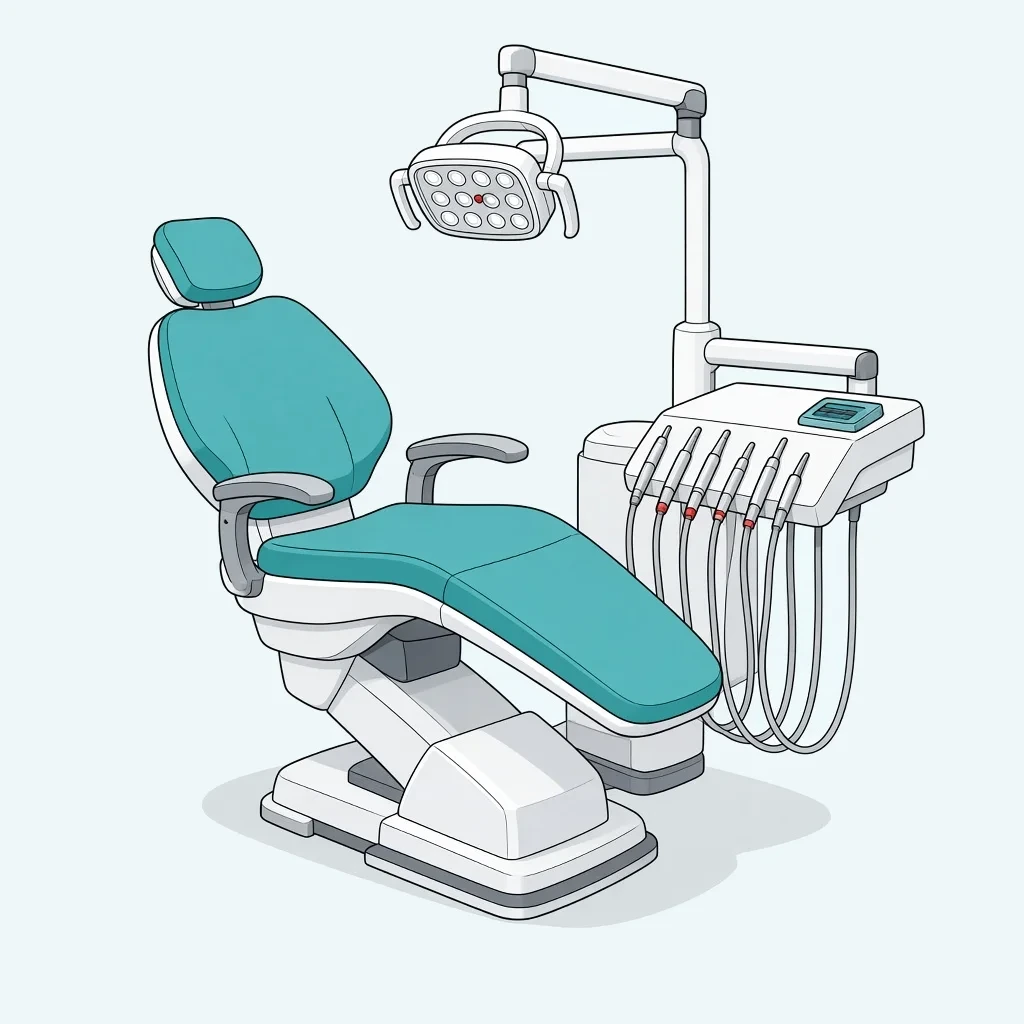
Refurbished Dental Chairs: Where to Buy and What to Check
Where to buy a refurbished dental chair: service, parts, and how Dental Planet, Liquidators, Collins, ABC, and Capital differ.
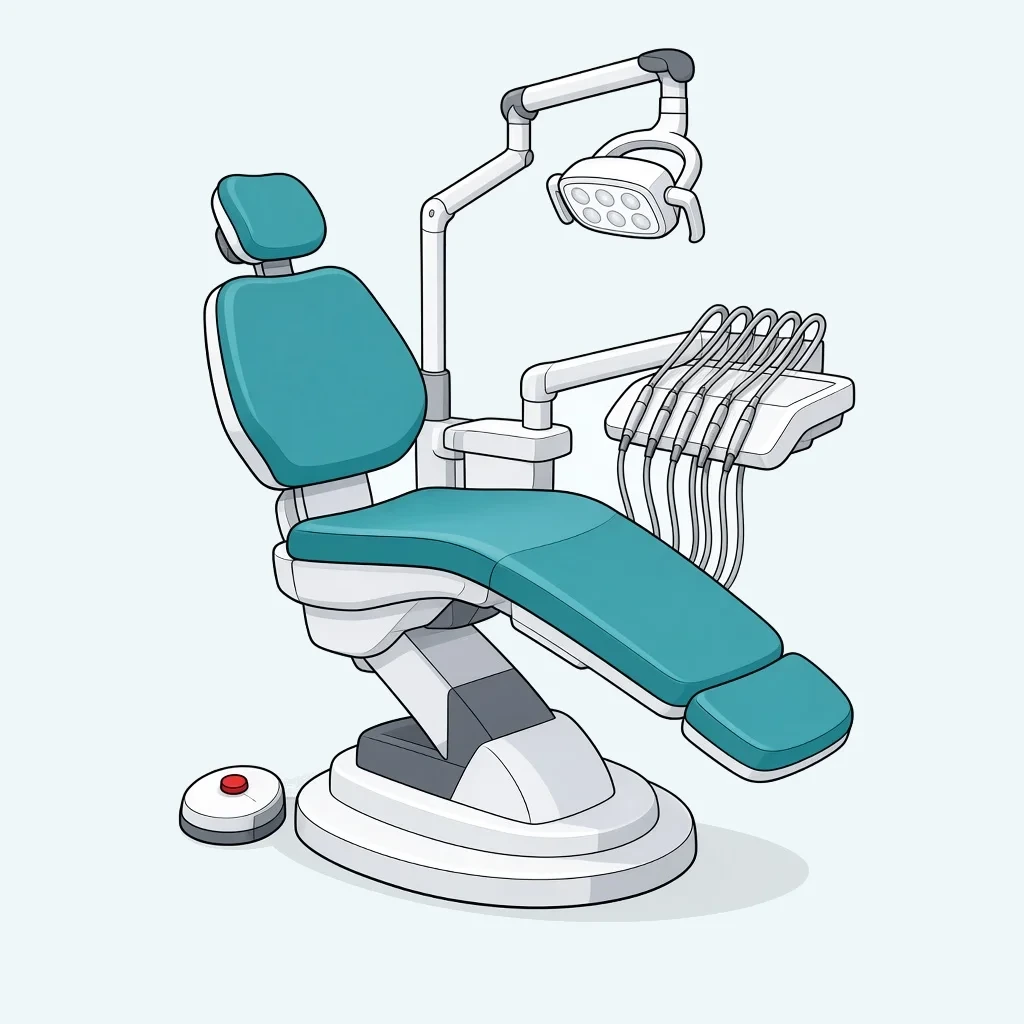
Dental Chair Brands Compared: A-dec, Midmark, Planmeca
Compare five dental chair brands, including A-dec and DentalEZ, by backrest, patient entry, and the delivery unit on the quote.
Lights, air, and infection control in the operatory
An operatory light is covered by ISO 9680:2026 when it is used to illuminate the oral cavity. That standard sets optical requirements at 700 mm, requires adjustable illuminance, and sets the manufacturer’s specified maximum at the highest setting at no less than 15,000 lx. It excludes dental headlamps. Light handles are clinical contact surfaces in the CDC’s dental infection-control summary: barrier-protect them or clean and disinfect them between patients with an EPA-registered hospital disinfectant.
Sterile instruments, when this room is also where packs are stored, should ideally be kept in covered or closed cabinets. A wet, torn, or punctured pack is reprocessed. Compressed air that powers the handpieces and dries the teeth is ANSI/ADA Specification No. 94 air. That specification does not cover breathable air. Nitrous oxide scavenging, if the room has it, is a NIOSH question: about 45 L/min at the mask and exhaust to the outdoors, with a recommended exposure limit of 25 ppm during administration.
Topics that now land here
In-office waterline test kits, waterline treatment solutions, waterline filters, and mobile carts now redirect to this page. DCI’s brand page redirects here as well. Delivery units and carts are compared in the delivery systems guide. The room still contains the chair, the light, the suction, and the air that the standards above already separate from one another.
In-office dental waterline test kits
A waterline test kit samples water that comes out of the dental unit, usually from the handpiece line, the air-water syringe, or the scaler. It is not a treatment product, and it is not a filter. The CDC’s dental unit water summary says routine treatment water should meet EPA drinking-water standards, at or below 500 CFU/mL of heterotrophic water bacteria. Untreated dental units cannot be relied on to produce that water. An independent bottle of sterile or distilled water is not enough by itself, because the CDC says the water-bearing pathway cannot be reliably sterilized and biofilm in the lines will recontaminate the output.
Monitoring follows the instructions of the dental-unit manufacturer or the waterline-treatment product, not a single interval printed on this page. In-office kits and a mail-in water laboratory are both methods the CDC’s training material names. Use the method your unit or treatment maker specifies, and record the result. If a test is above 500 CFU/mL, the CDC says to treat the unit according to the manufacturer’s instructions and retest immediately after treatment. A unit that stays high may need the waterlines or other water-bearing parts replaced.
Surgery is a different standard. The CDC says to use sterile water or sterile saline as a coolant, delivered with a device that does not pass that sterile fluid through the dental unit waterlines, such as a sterile bulb syringe or sterile single-use tubing. A passing routine-water test does not make unit water sterile.
Waterline treatment and filters
Sample the outlets the unit or the treatment instructions name. That is often a handpiece line and the air-water syringe, not a cup of water from the faucet. A kit that changes color and a kit that asks you to count colonies are different products. Read which result equals a value at or below 500 CFU/mL before you file the card. Keep the record with the operatory, because a later failure is easier to explain when the last passing test has a date.
Tablets, liquids, and continuous cartridges are treatment products. Use the ones the dental-unit manufacturer allows if you want output water at or below that 500 CFU/mL mark. A filter strains particles or bacteria at one point in the line. The CDC lists filtration as one of the approaches that exist, together with independent reservoirs, chemical treatment, and combinations of those, and it says to consult the dental-unit manufacturer before you pick one. A filter is not a substitute for the monitoring step, and a bottle system is not a substitute for treatment. Shock the lines on the schedule the treatment instructions give, then test. Do not mix a chemical the unit maker has not approved. The scaler and the handpiece are the outlets you are testing. The machines themselves are in the ultrasonic scalers guide and the handpieces guide.
Chairs, stools, and carts
The chair is the platform the rest of the room is built around. Compare chairs in the dental chairs guide. Operator stools and assistant stools are not the same seat. The operator stool is in the operator stools guide. Assistant stools are in the assistant stools guide. Look at the range of height, the back, and whether the stool fits under the chair you already own.
A cart is a delivery unit on wheels. A built-in unit is mounted to the chair or a cabinet. Both put the handpiece tubing, the syringe, and the suction where the operator can reach them. The retired cart list lands here because the cart is operatory equipment, not a material. Tubing length, which side the dentist works from, and whether the cart carries its own water bottle are the questions in the delivery systems guide. A cart does not replace the compressor or the vacuum. Those are central machines.
Lights, suction, air, and amalgam separation
The operating light is the ISO 9680 light described above, not a loupe headlamp. How to compare lights is the operatory lights guide. Handles are clinical contact surfaces. Barrier them or clean and disinfect them between patients with an EPA-registered hospital disinfectant, which is the CDC’s instruction for those surfaces.
Suction is the high-volume evacuator and the saliva ejector. The central vacuum that feeds them is a different machine. See the vacuum systems guide. Compressed air for the handpieces and for drying teeth is ANSI/ADA Specification No. 94 air, and that specification does not cover the air a person breathes. Compressor choices are in the air compressors guide. Nitrous scavenging, when the room has it, stays the NIOSH question already cited above. The equipment guide is the nitrous oxide systems guide.
An amalgam separator sits on the vacuum line and is there because of the discharge rules that apply to the practice, not because it cleans instruments. Compare units in the amalgam separators guide. Cabinets that store sterile packs should be covered or closed, which is the CDC preference already stated above. Cabinet layouts are in the cabinets guide.
Sources
ISO 9680:2026
Dentistry — Operating lights.
Centers for Disease Control and Prevention
Sterilization and Disinfection. Dental Infection Prevention and Control.
Updated May 15, 2024cdc.gov (opens in a new tab)ANSI/ADA Specification No. 94 for Dental Compressed Air Quality.
National Institute for Occupational Safety and Health
Controlling Exposures to Nitrous Oxide During Anesthetic Administration. DHHS (NIOSH) Publication No. 94-100.
Centers for Disease Control and Prevention
Dental Unit Water Quality. Dental Infection Prevention and Control.
Centers for Disease Control and Prevention
Best Practices for Dental Unit Water Quality. Dental Infection Prevention and Control.