
Loupe Headlamps: Designs for Vision, Orascoptic
A loupe headlamp mount that fits the frame, a pack or a cordless light, and how Designs for Vision, Orascoptic, and Lumadent differ.

Reviewed by Dr. Sean Myran, DMDDoctor of Dental Medicine, University of Pennsylvania
How we rank explains how these product lists are ordered.
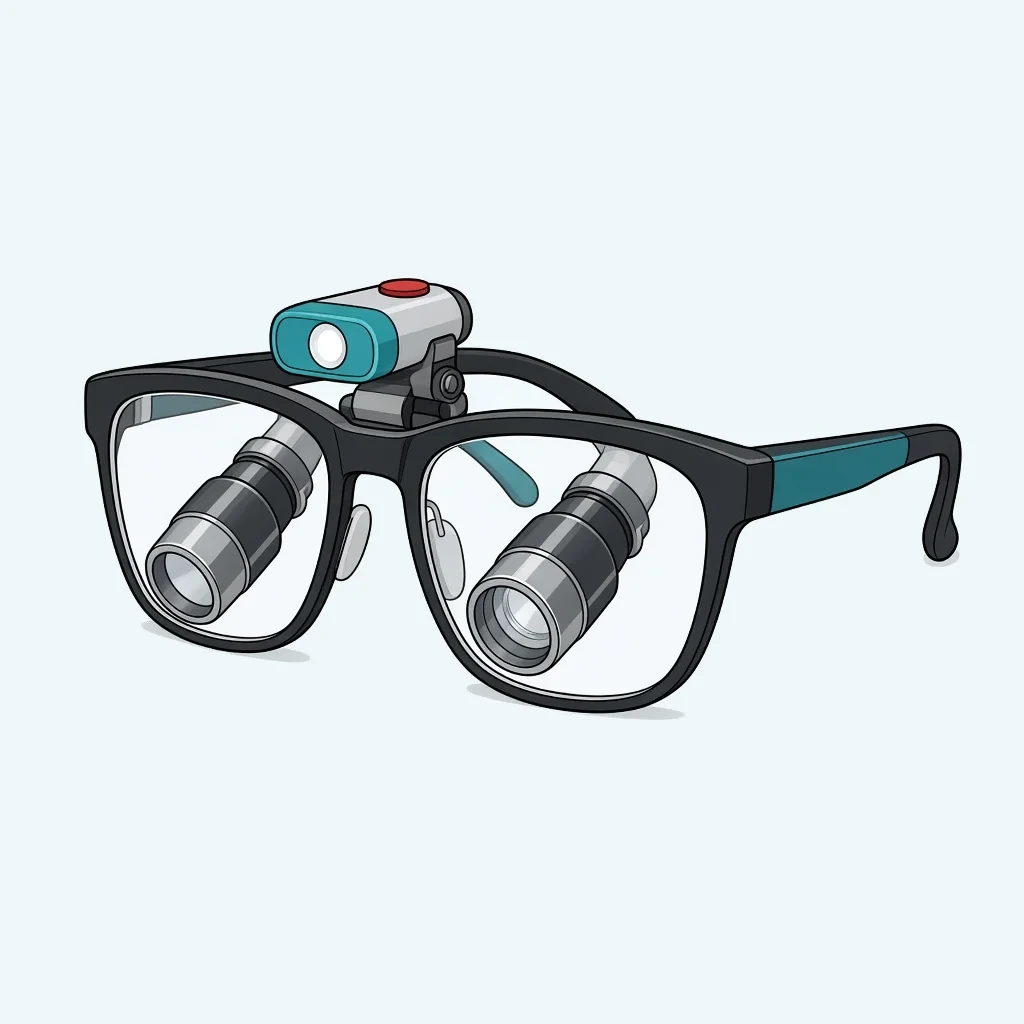
A loupe headlamp is the light on the frame, aimed with your eyes. It is not the operatory light over the patient, and it is not the curing light in the tray. The loupes are the magnification. This page is the lamp that mounts on them.
How to choose a loupe headlamp
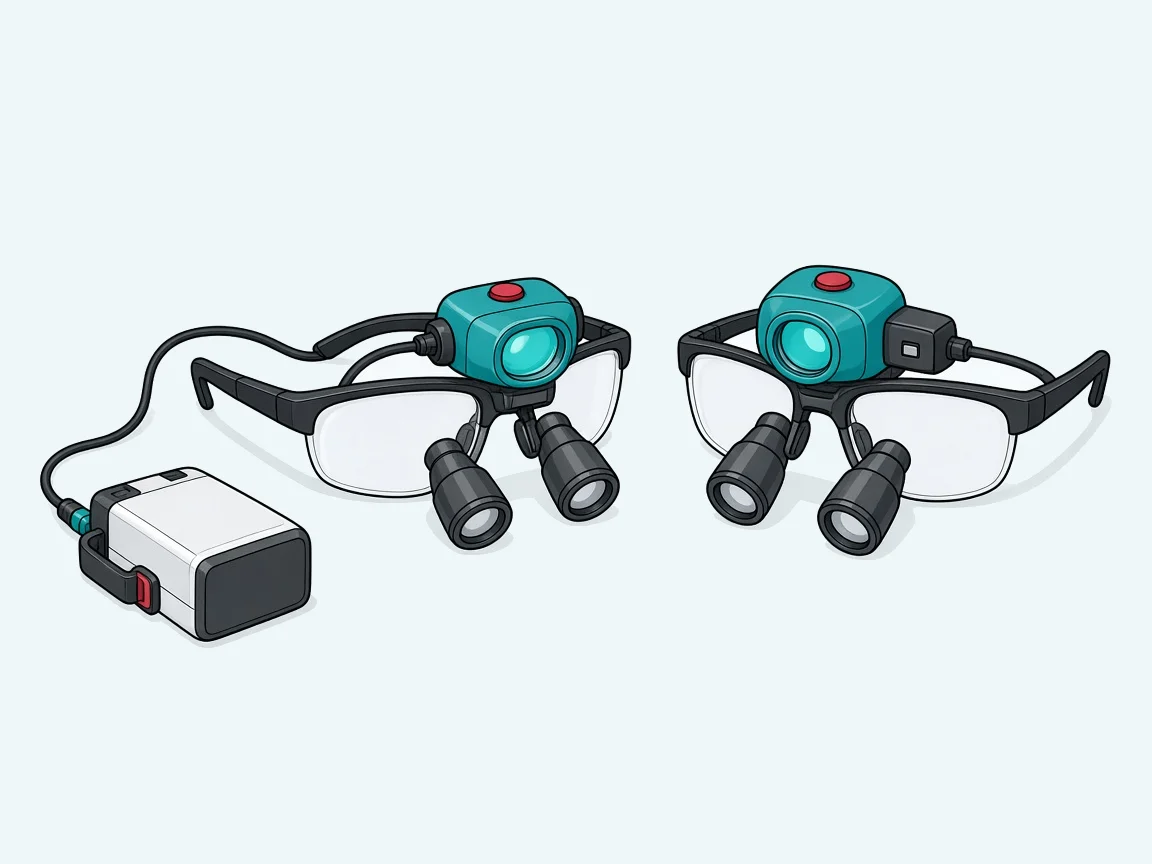
- The mount has to match the frame. A light from the loupe maker clips onto that frame. A light sold for many frames still needs the clip for the frame you wear. Do not assume a Designs for Vision mount fits Orascoptic, or the reverse.
- Pack or cordless. A belt or pocket pack takes the battery weight off your nose. A cordless light keeps the cord off your back and puts the weight on the frame. Wear the pair you will buy, with the light attached, long enough to feel the difference. Working distance and posture are fitted on the loupes page. The light should not undo that fit.
- The beam follows your eyes. The useful light lands in the mouth when you are looking through the loupes, not on your hands or the patient’s chest. Ask the fitter to aim it while you are in your working posture.
- Shade matching. A bright LED can look blue on a shade tab. If you match shades under this light, look at a tab in the mouth with the light you will own. The overhead light is a different lamp. This page does not print a color temperature.
- Composite. A bright beam on the prep can start to set resin. Ask whether that model has a filter, or plan to turn the beam off the tooth while you place composite. This page does not rank which lights cure and which do not.
How the headlamp lines differ
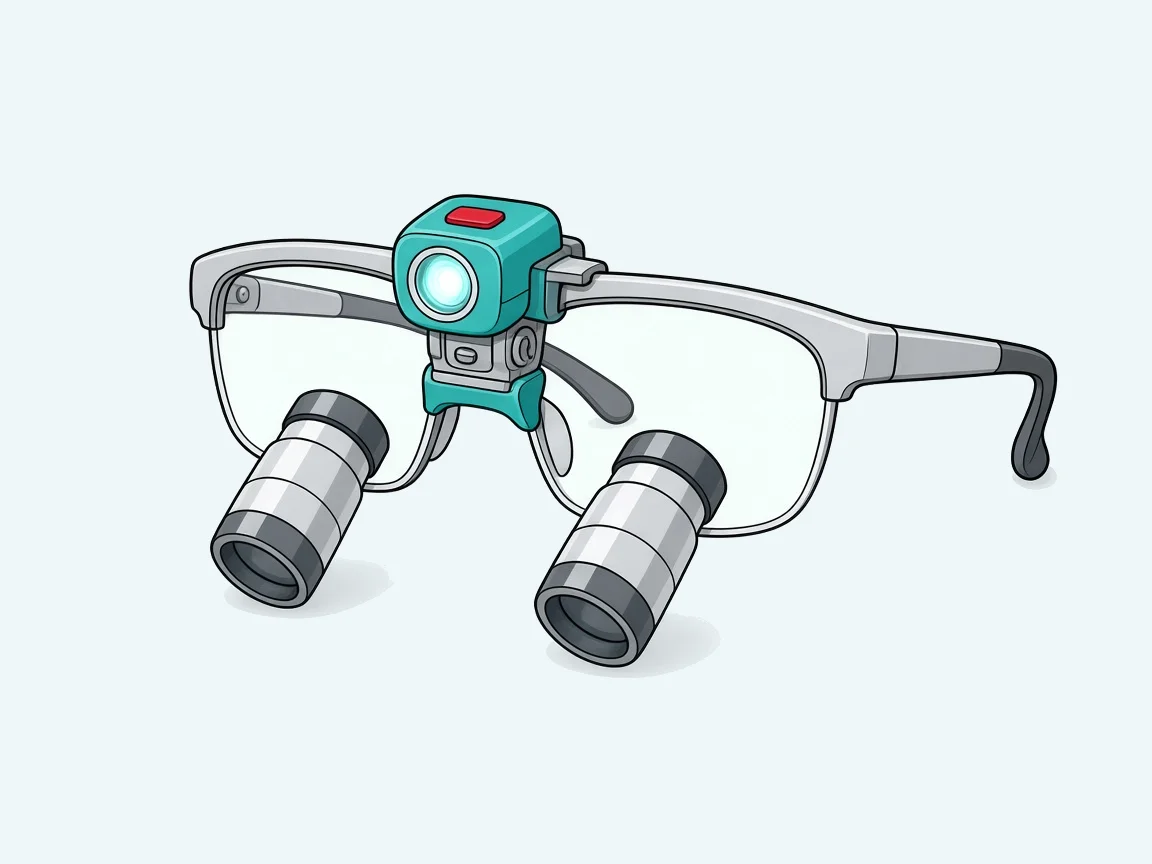
Treat the table as product differences, not a score. Brightness claims stay on each maker’s sheet. They are not copied here.
| Line | What you are buying | Best fit | Watch for |
|---|---|---|---|
| Designs for Vision | The light sold with Designs for Vision loupes | You were fitted in Designs for Vision frames | Confirm the mount is for that frame, and whether the battery is a pack or on the frame |
| Orascoptic | Orascoptic’s frame light | You were fitted in Orascoptic loupes | Do not take the mount from a Designs for Vision quote |
| Lumadent | A light sold to mount on more than one loupe brand | You already own loupes and you are adding a light | Confirm the clip for your frame. A claim that it fits most is not a fit until it is on your pair |
Designs for Vision
Buy the Designs for Vision light when the loupes are already Designs for Vision. The fitter should mount it on the frame you will wear, not on a demo frame. Confirm where the battery sits. A heavier frame changes posture, which is the subject of the loupes guide.
Orascoptic
Orascoptic’s light belongs on Orascoptic loupes. Confirm the mount and whether the quote is cordless or a pack. Do not assume a light from Designs for Vision, or from Lumadent, uses the same clip.
Lumadent
Lumadent is the light to ask about when the loupes are already yours and you are not replacing them. The buying question is the clip for that frame. SurgiTel and Q-Optics, the other lines on the loupes page, follow the same rule: use their own light at the fitting, or a clip that is made for that frame. Try it on the pair you own before you accept the quote.
Related guides
Why an operatory-light standard does not grade a headlamp
ISO 9680:2026 specifies operating lights used to illuminate the oral cavity. The scope excludes dental headlamps, along with handpiece lights, fibreoptic intraoral lights, and lights designed specifically for oral surgery. The 15,000 lx maximum, the 700 mm test distance, and the colour-fidelity requirement in that standard are operating-light requirements. They are not a pass-fail test for a light clipped to loupes.
That split matches how the two devices are used. The operatory light is the room fixture the assistant and the operator share. The CDC lists light handles among clinical contact surfaces that should be barrier-protected or cleaned and disinfected between patients. A headlamp moves with the operator’s eyes. It does not become an ISO operating light because it is bright, and the operatory light does not become optional because a headlamp is on the loupes. Read each quote against its own standard and its own reprocessing instructions.
Loupe headlamp questions
Can the operatory light replace it?
The overhead light fills the room. The headlamp follows your eyes into the mouth. Most restorative rooms use both. One does not make the other unnecessary.
Will it fit the loupes I already own?
Only when the clip is for that frame. Ask to see it mounted on your pair, or on the same model, before you buy. A light that fits a different brand is a different mount.
Is this the curing light?
No. A curing light is the wand that sets composite. A headlamp is for seeing. A bright headlamp can still start to set resin if it stays on the prep, which is why the filter question belongs on the quote.
Can I compare a headlamp to an operatory light with the ISO 9680 lux number?
No. ISO 9680:2026 excludes dental headlamps. The 15,000 lx figure is for operating lights tested at 700 mm.
Sources
ISO 9680:2026
Dentistry — Operating lights. The scope excludes dental headlamps from the operating-light requirements.
Centers for Disease Control and Prevention
Sterilization and Disinfection. Dental Infection Prevention and Control.
Updated May 15, 2024cdc.gov (opens in a new tab)
Related articles
Keep exploring related topics from Dental Country.
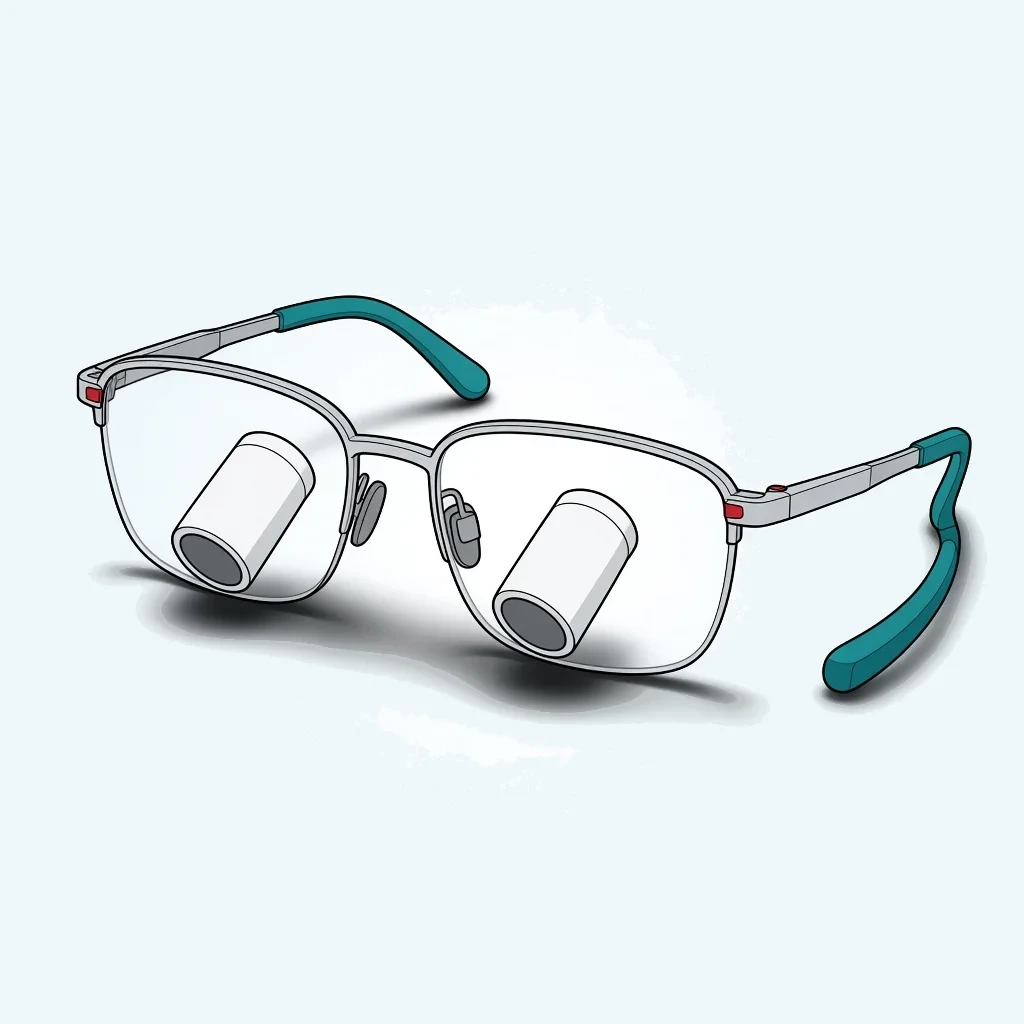
Dental Loupes: Galilean vs Prismatic, TTL vs Flip-Up
Dental loupes by magnification, working distance, and TTL or flip-up, and how Designs for Vision, Orascoptic, SurgiTel, and Q-Optics differ.
Read article
Endodontic Motors: Tri Auto ZX2, X-Smart Pro, Endo-Mate
Rotary or reciprocating, cordless or with a built-in apex locator: endo motors from Morita, X-Smart, and NSK.
Read article
Implant Motors: Implantmed, Surgic Pro, Chiropro
Implant motors compared on torque control and saline irrigation: W&H, NSK, Aseptico, and Bien-Air.
Read article
Dental Lasers: Erbium vs Diode vs CO2, Waterlase, Solea
Diode, erbium, CO2, and Nd:YAG dental lasers by wavelength, and how Biolase, Fotona, Convergent, Ultradent, AMD, and Millennium differ.
Read article