

For Patients
Dental FAQ.
Clear aligner FAQ covering comfort, wear schedules, cleaning, diet limits, attachments, retainers, adult treatment, and checkup expectations.
FAQ categories
Browse by topic
- View All220
- Braces & Traditional Orthodontics11
- Clear Aligners11
- Crowns, Bridges & Restorations11
- Dental Anxiety & First Visits11
- Dental Implants11
- Dental Insurance, Cost & Financing11
- Dentures & Partial Dentures11
- Emergency Dental Care11
- Gum Disease & Periodontics11
- Invisalign vs Alternatives11
- Oral Hygiene & Home Care11
- Oral Surgery & Sedation11
- Pediatric Dentistry11
- Preventive Care & Cleanings11
- Root Canals & Endodontics11
- Sleep Apnea & Oral Appliances11
- Teeth Whitening11
- TMJ, Bite & Jaw Pain11
- Tooth Extraction & Wisdom Teeth11
- Veneers & Cosmetic Dentistry11
Clear Aligners
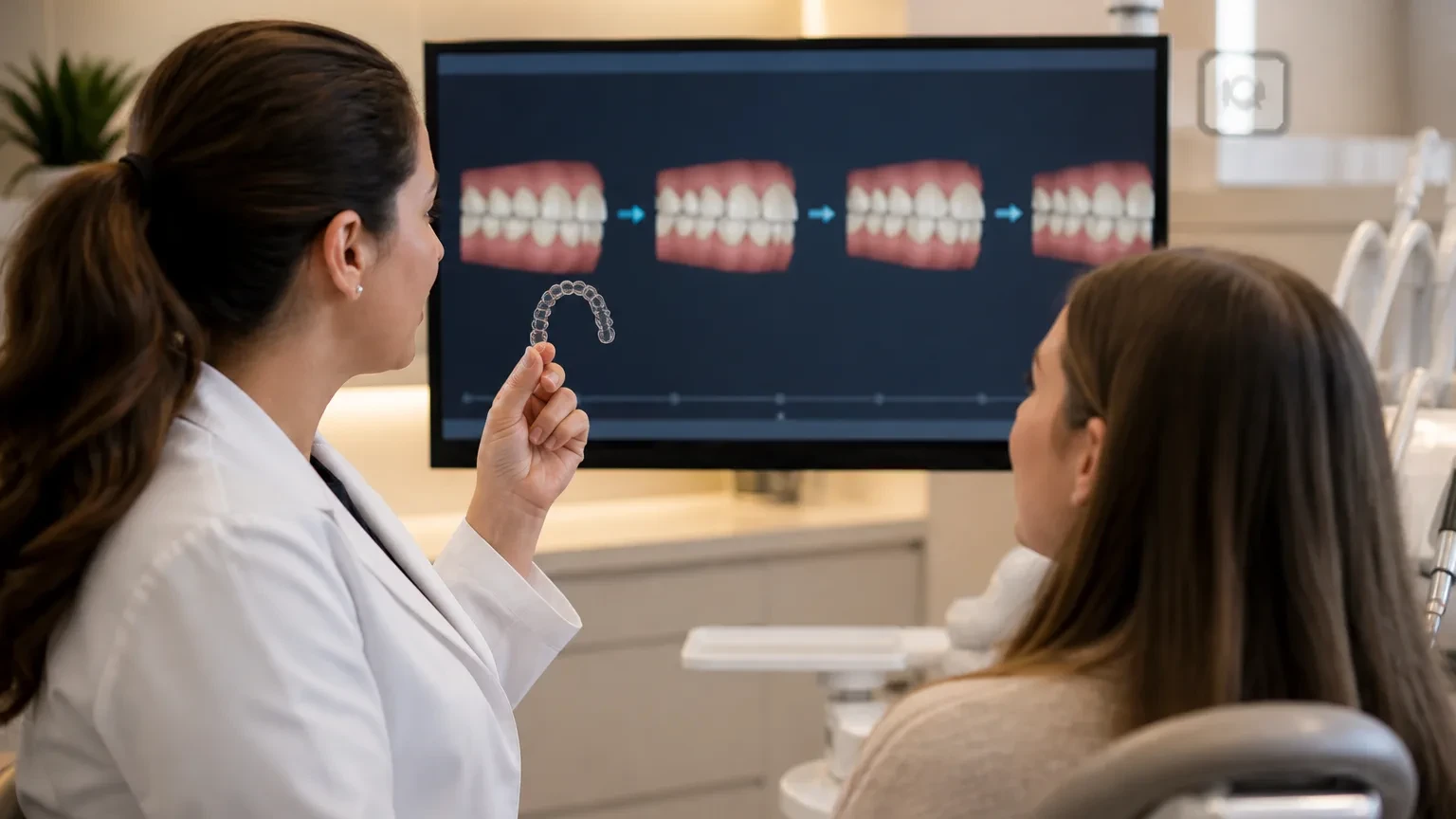
How Do Clear Aligners Work?
Clear aligners work by delivering programmed pressure through a series of custom trays you wear nearly full-time. Results depend on a sound plan, healthy gums, and honest wear—not on plastic looking “invisible.”

How Much Do Clear Aligners Cost?
Clear aligner fees usually reflect case complexity, clinical time, lab work, refinements, and retainers—not just a tray sticker price. Compare full pathways, including what happens if tracking stalls.

Are Clear Aligners Painful?
Clear aligners usually feel like firm pressure for a day or two after each new tray—not sharp ongoing pain. Persistent one-sided pain, sores that worsen, or trays that will not seat deserve a call, not toughing it out.
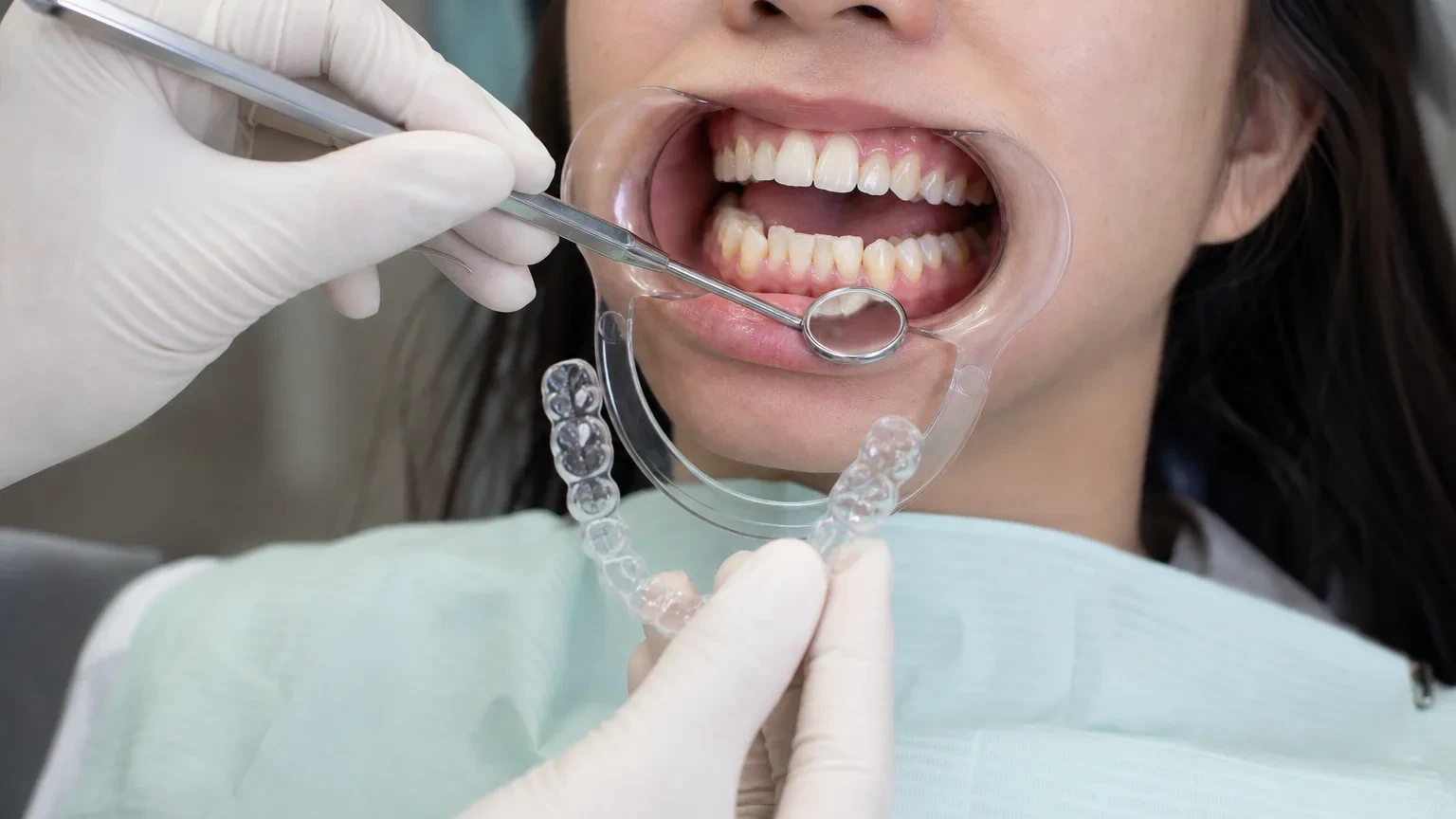
Can Clear Aligners Fix Crowded Teeth?
Clear aligners can fix many mild-to-moderate crowding cases when space is created thoughtfully and wear stays consistent. Severe crowding, impacted teeth, or complex bites may still need braces or a combined plan.
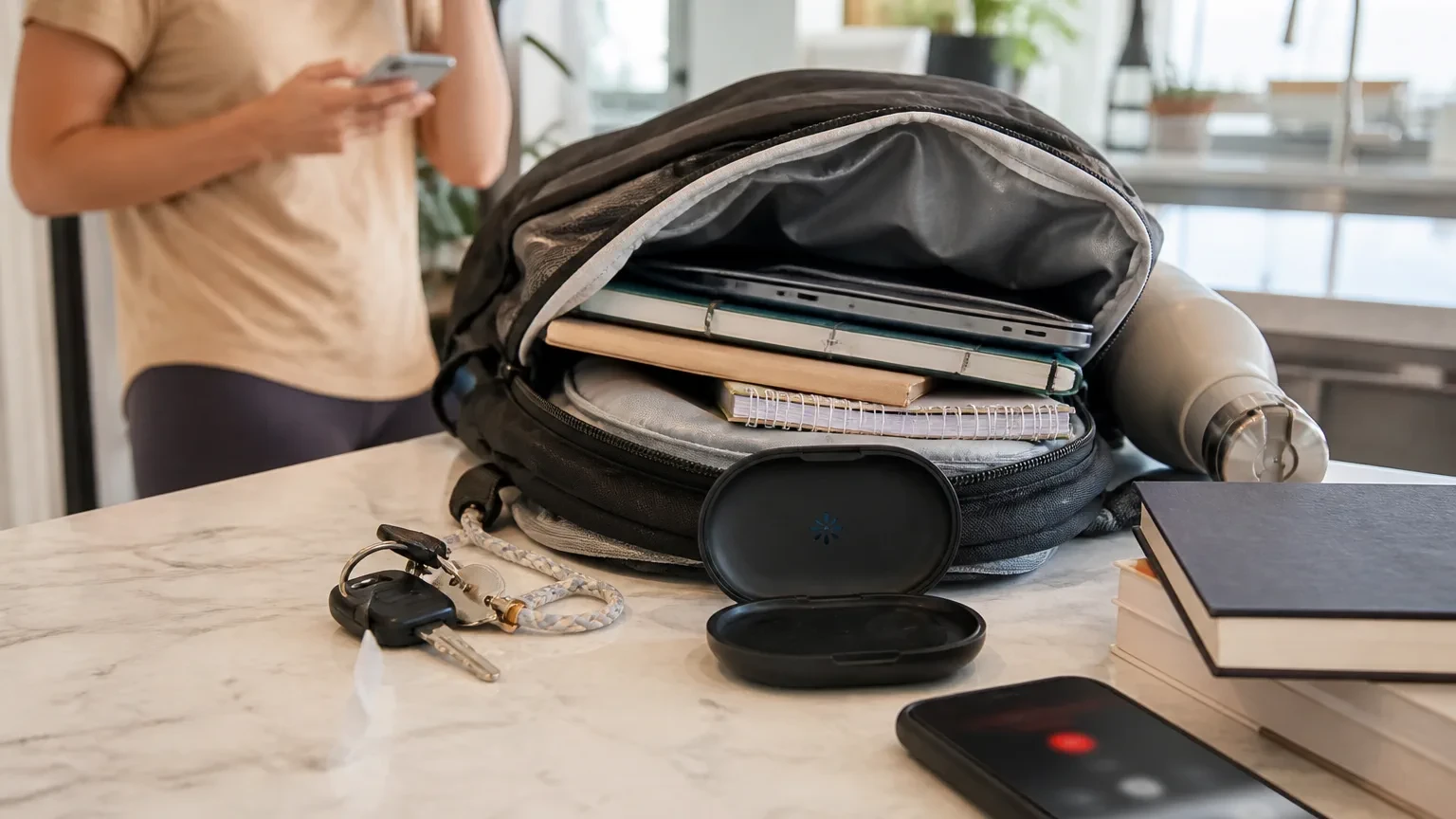
What Happens If You Lose A Clear Aligner?
If you lose a clear aligner, call your dental office promptly—do not guess for days. Many plans have you wear the prior tray, move ahead carefully, or order a replacement so teeth do not drift off track.
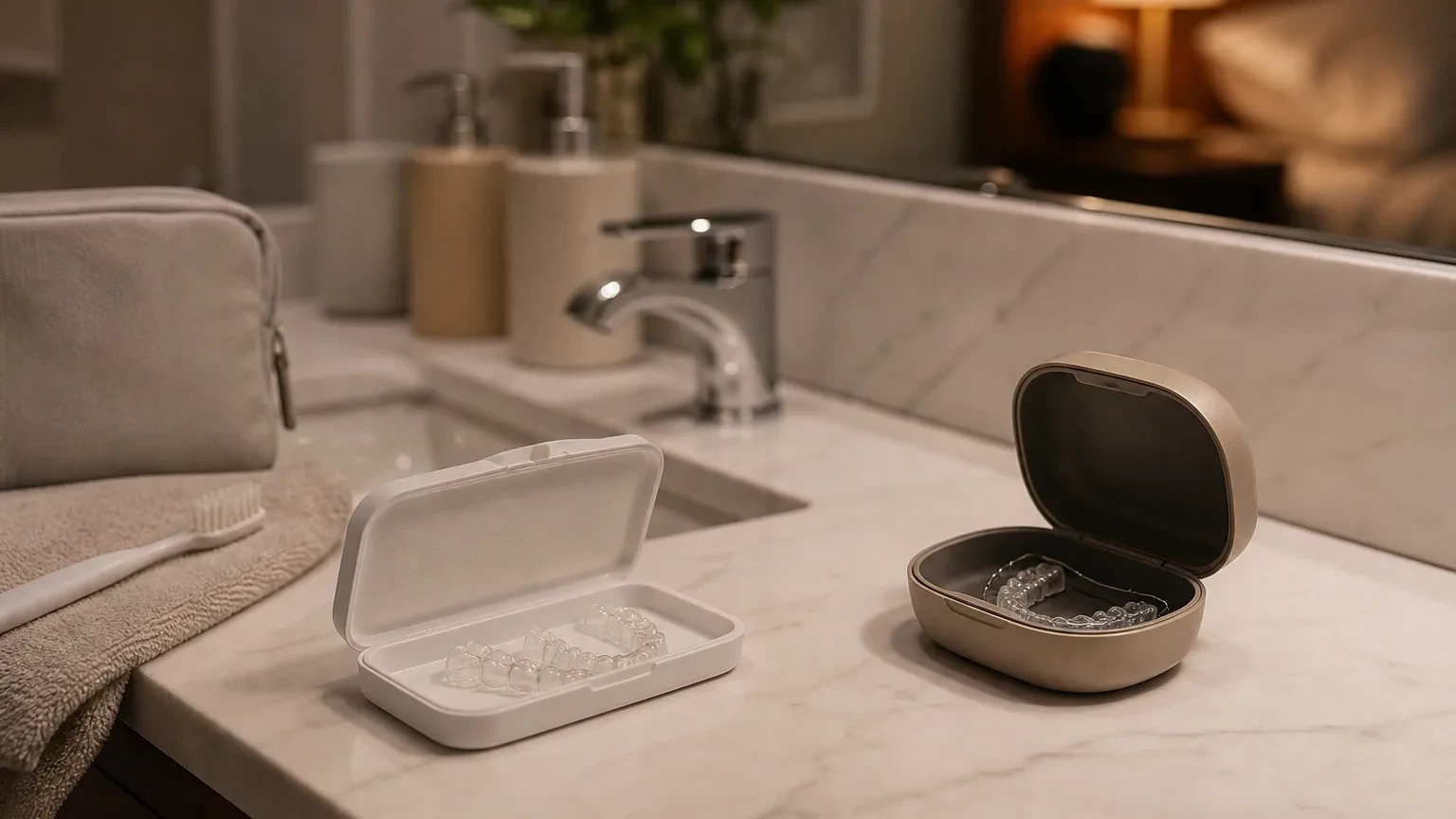
Clear Aligners Vs Retainers: What’s The Difference?
Clear aligners are active appliances that move teeth through a sequence; retainers hold teeth after movement. They can look similar in the case, yet swapping their jobs risks stalled treatment or relapse.

Do Clear Aligners Work For Adults?
Clear aligners often work for adults with mild-to-moderate goals, healthy gums, and reliable wear. Crowns, implants, recession, and busy schedules change the plan more than age alone does.
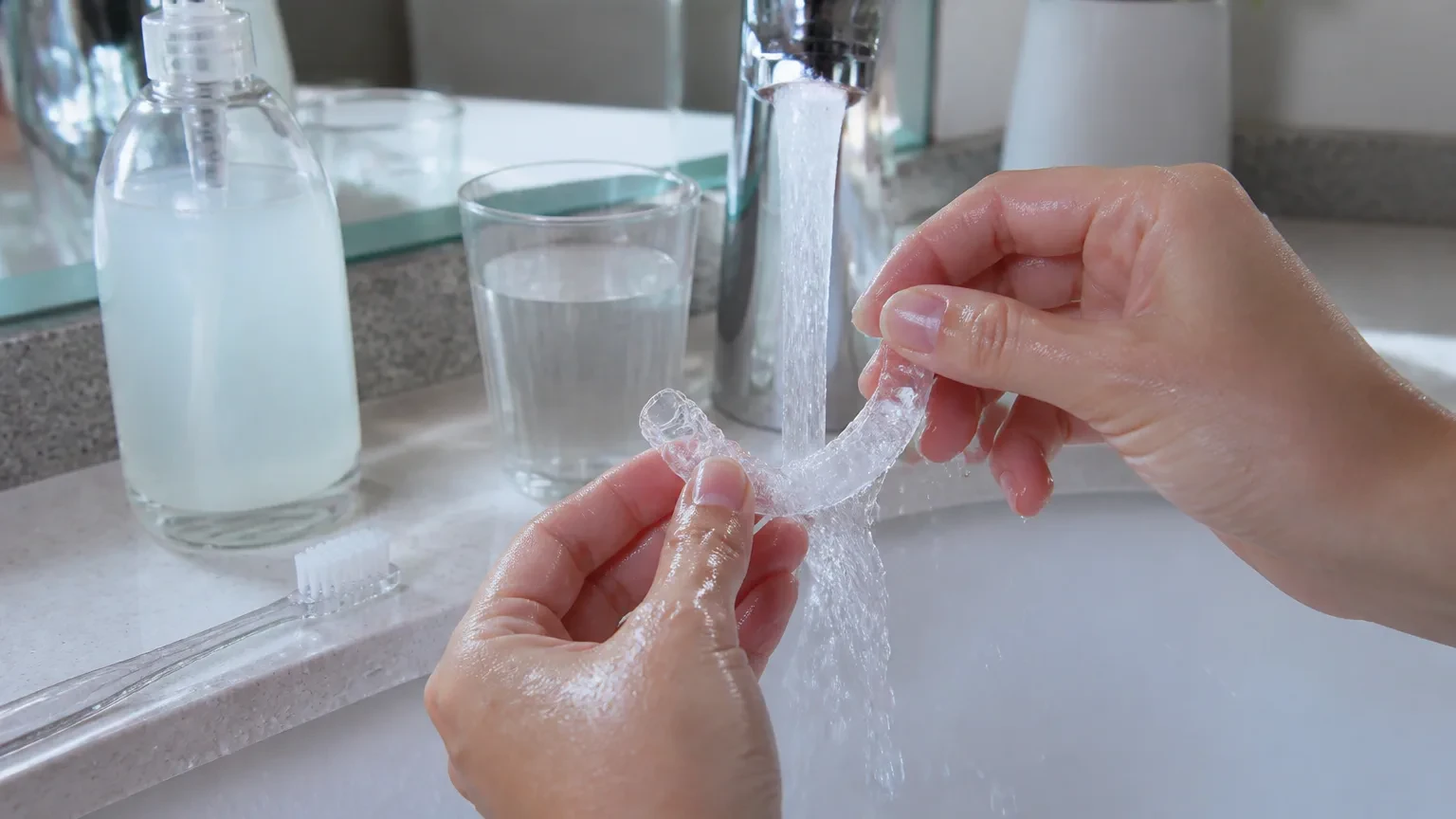
How Do You Clean Clear Aligners?
Clean clear aligners when they come out: rinse, brush gently, and use only cleaning methods your dental team approves. Hot water, boiling, and abrasive toothpaste can haze or warp the plastic that is supposed to fit prec

Can You Eat With Clear Aligners In?
You should take clear aligners out before eating and before drinking anything other than plain water. Food and most drinks can damage trays or trap sugar and acid against teeth while plastic holds the liquid close.
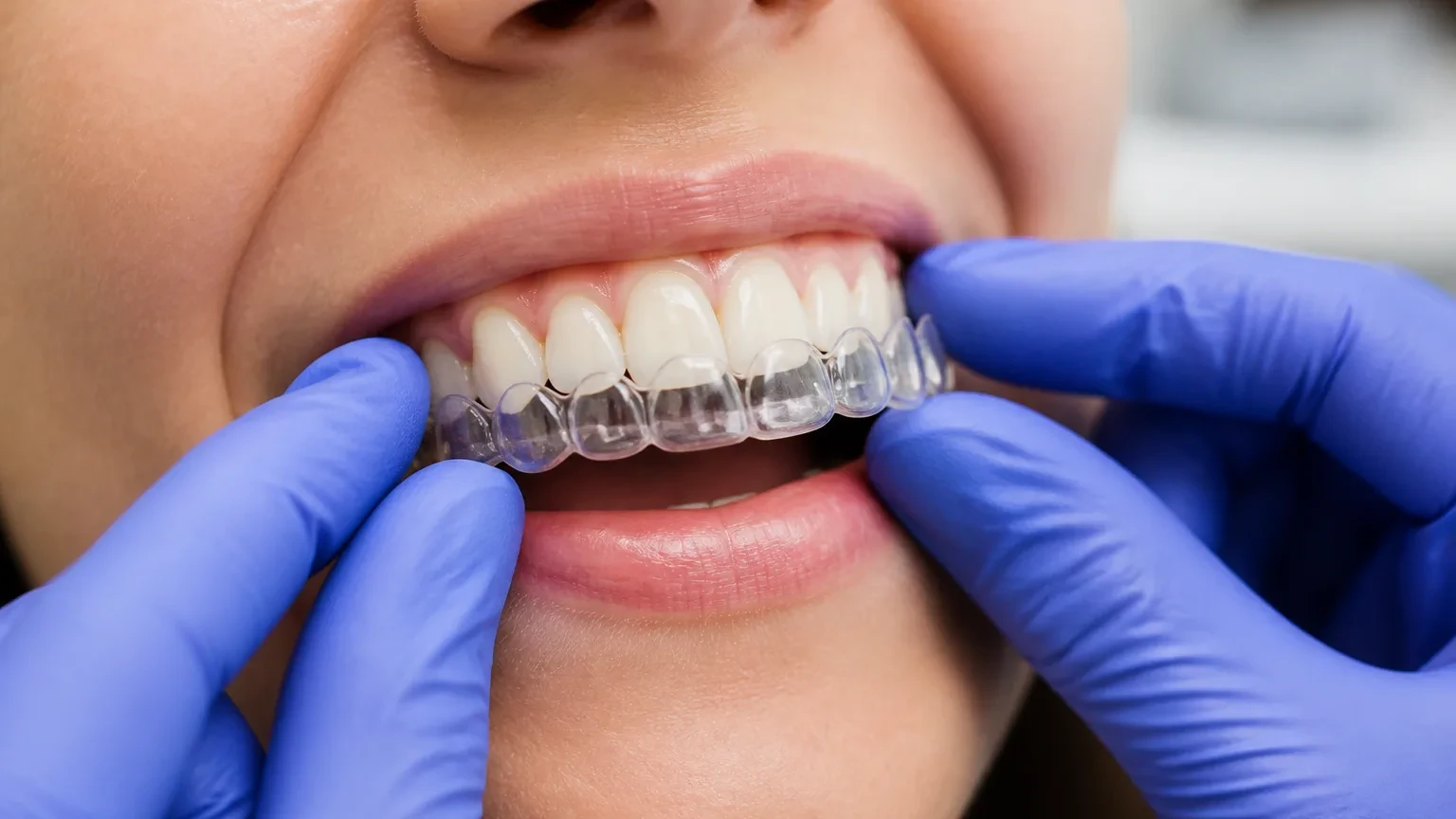
What Are Clear Aligner Attachments?
Clear aligner attachments are small tooth-colored composite shapes bonded to selected teeth so trays can grip and move them more predictably. They are temporary tools in many plans—not a sign that treatment failed.
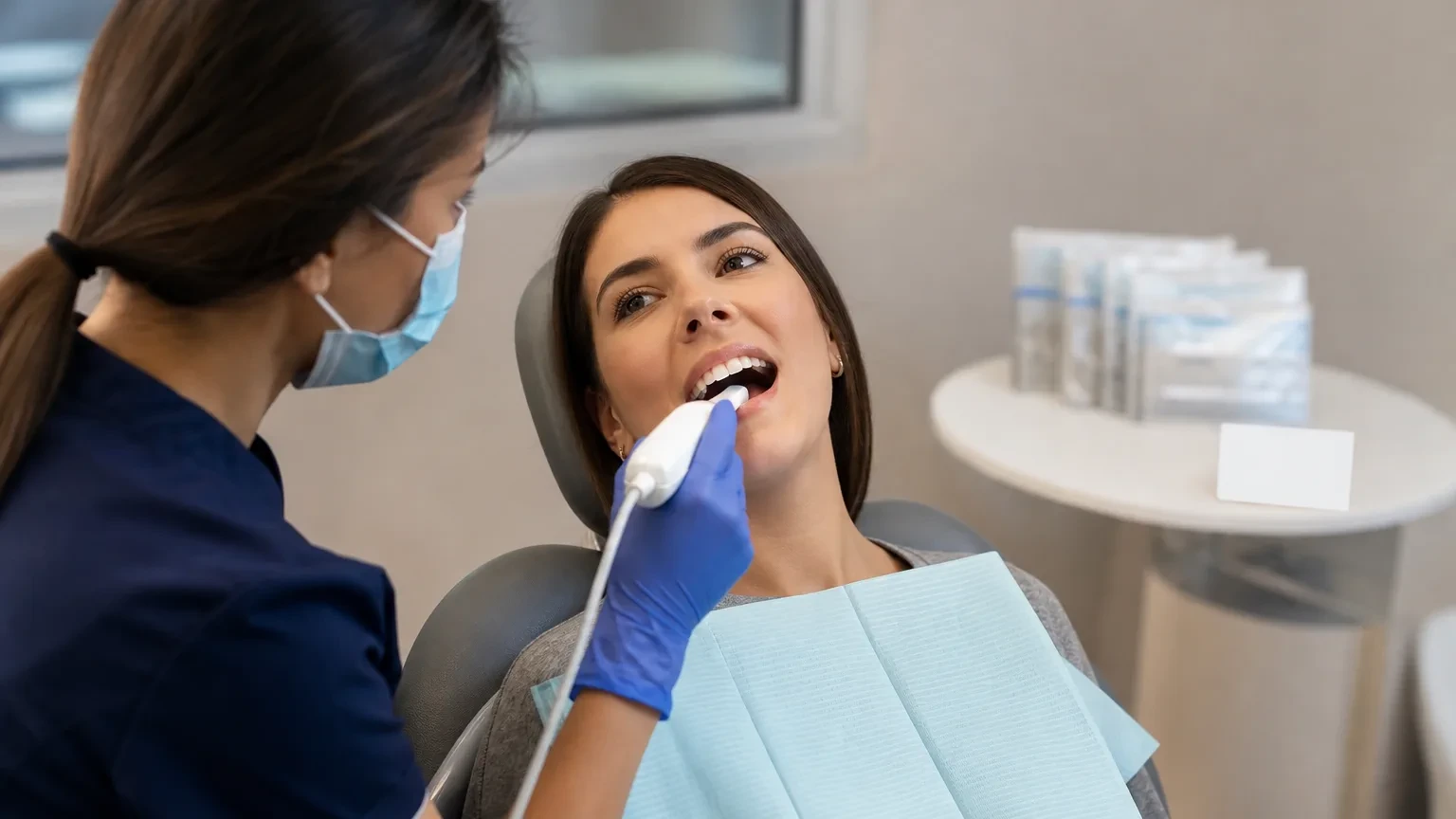
How Often Do Clear Aligner Checkups Happen?
Clear aligner checkups commonly land every six to ten weeks, though simpler cases and remote photo reviews can change the rhythm. Visits confirm tracking, attachments, bite, and hygiene before small misses become delays.