

Are Clear Aligners Painful?
Clear aligners often cause temporary pressure after tray changes. Learn normal soreness versus warning signs that mean you should call your dentist.

Reviewed by Dr. Sean Myran, DMDDoctor of Dental Medicine, University of Pennsylvania
Most people feel pressure or mild ache when a new clear aligner seats—especially for the first few days of a series or after a tray change. That sensation is usually the planned force starting bone remodeling, not a sign that something is broken. Sharp, escalating, or one-sided pain is different and should not be ignored. MedlinePlus explains that orthodontic appliances move teeth gradually and that discomfort can occur as pressure is applied. Soft foods, clinician-approved pain relief, and full seating help many patients through the early window.
What Often Feels Normal
- Tightness for 24–72 hours after inserting a new tray.
- Tenderness when biting into firmer foods early in a stage.
- A short lisp or tongue awareness until speech adapts.
- Mild rubbing at tray edges that settles after polishing or wax if advised.
Compare meal habits in eating rules with clear aligners and cleaning steps in how to clean trays so soreness is not confused with irritation from trapped debris.
Pain perception varies. First-time orthodontic patients often notice more than people who had braces years ago. Night grinding can amplify ache. If you dose over-the-counter medicine constantly just to wear trays, tell your clinician—the force schedule or fit may need a look.
Attachments can create temporary hot spots where plastic grips composite bumps. That friction usually eases as tissues adapt. Persistent ulcers in the same spot may mean an edge needs smoothing or an attachment needs reshaping—not that you should stop wearing trays without guidance.
 Fit problems change the feel.
Tracking tells the pain story
Trays that float, rock, or leave a large gap at the edges can hurt unevenly because force is not distributed as planned. Photograph seating problems and bring the tray to your visit. Skipping wear to “rest” without instructions can make the next tray hurt more because teeth lag the sequence. Ask whether chewies, a slower change schedule, or a refinement scan is the right next step.
When To Seek Care Promptly
- Pain that worsens day after day instead of easing.
- Swelling, fever, or gum sores that look infected.
- A tooth that feels high, loose in a new way, or clicks the bite oddly.
- Trays that crack, cut the cheek, or will not seat after honest attempts.
- Numbness, joint locking, or headache patterns that are new for you.
AAO aligner materials note that trays are not right for everyone and that an orthodontist recommends what fits unique needs. Pain that never settles can be a candidacy or tracking signal, not a character test.
 Report patterns, not stoicism.
Call before you abandon the plan
Describe timing, which teeth hurt, and whether trays seat fully. Bring photos if edges cut tissue. For supervised care that can adjust attachments or polish tray margins, use Find a Dentist and say you need a progress check for discomfort—not a sales pitch. For visit rhythm, see how often checkups happen. Mild pressure is common; silent endurance of warning signs is not.
Clear aligners are often uncomfortable for short windows and tolerable for most of each stage. Treat sharp or worsening pain as clinical information. A quick call can save enamel, time, and a stalled series.
Cold sensitivity or chewing tenderness on one tooth deserves a quick note to the office, especially if that tooth had a large filling or prior trauma. Orthodontic force can highlight a tooth that already needed a closer look. Over-the-counter wax can help a rough edge for a short stretch if your clinician agrees, but wax is not a plan for a tray that will not seat. Keep a simple log of which tray number hurt and for how many days—patterns help the team decide whether to polish, rescan, or slow the schedule.
Hydration and soft meals help the first forty-eight hours of a new tray for many people. If you cannot eat comfortably after several days, that is useful clinical feedback—not a badge of toughness.
Related articles
Keep exploring related topics from Dental Country.
How Do Clear Aligners Work?
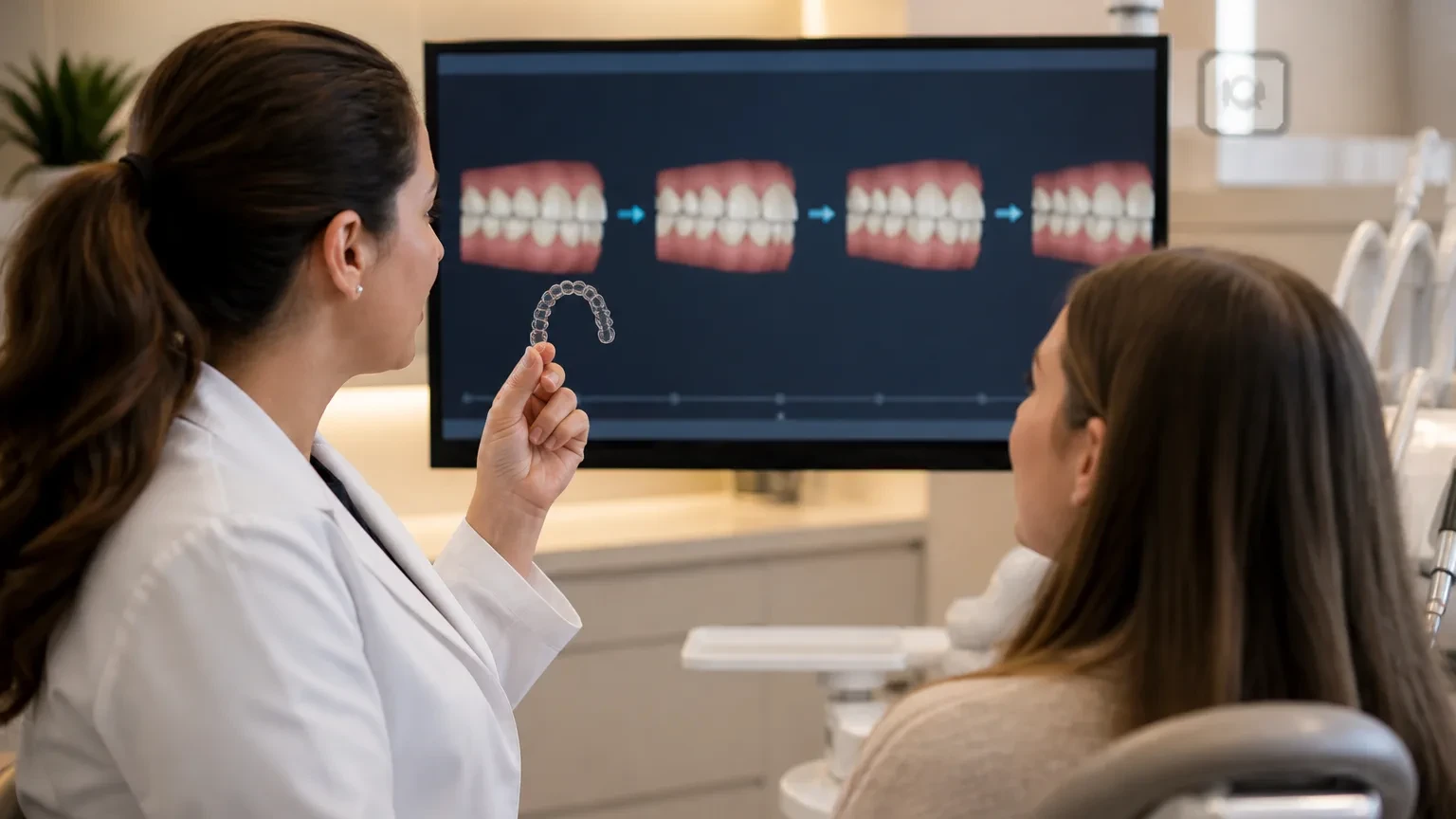
Clear aligners work by delivering programmed pressure through a series of custom trays you wear nearly full-time. Results depend on a sound plan, healthy gums, and honest wear—not on plastic looking “invisible.”
Read article
How Much Do Clear Aligners Cost?
Clear aligner fees usually reflect case complexity, clinical time, lab work, refinements, and retainers—not just a tray sticker price. Compare full pathways, including what happens if tracking stalls.
Read article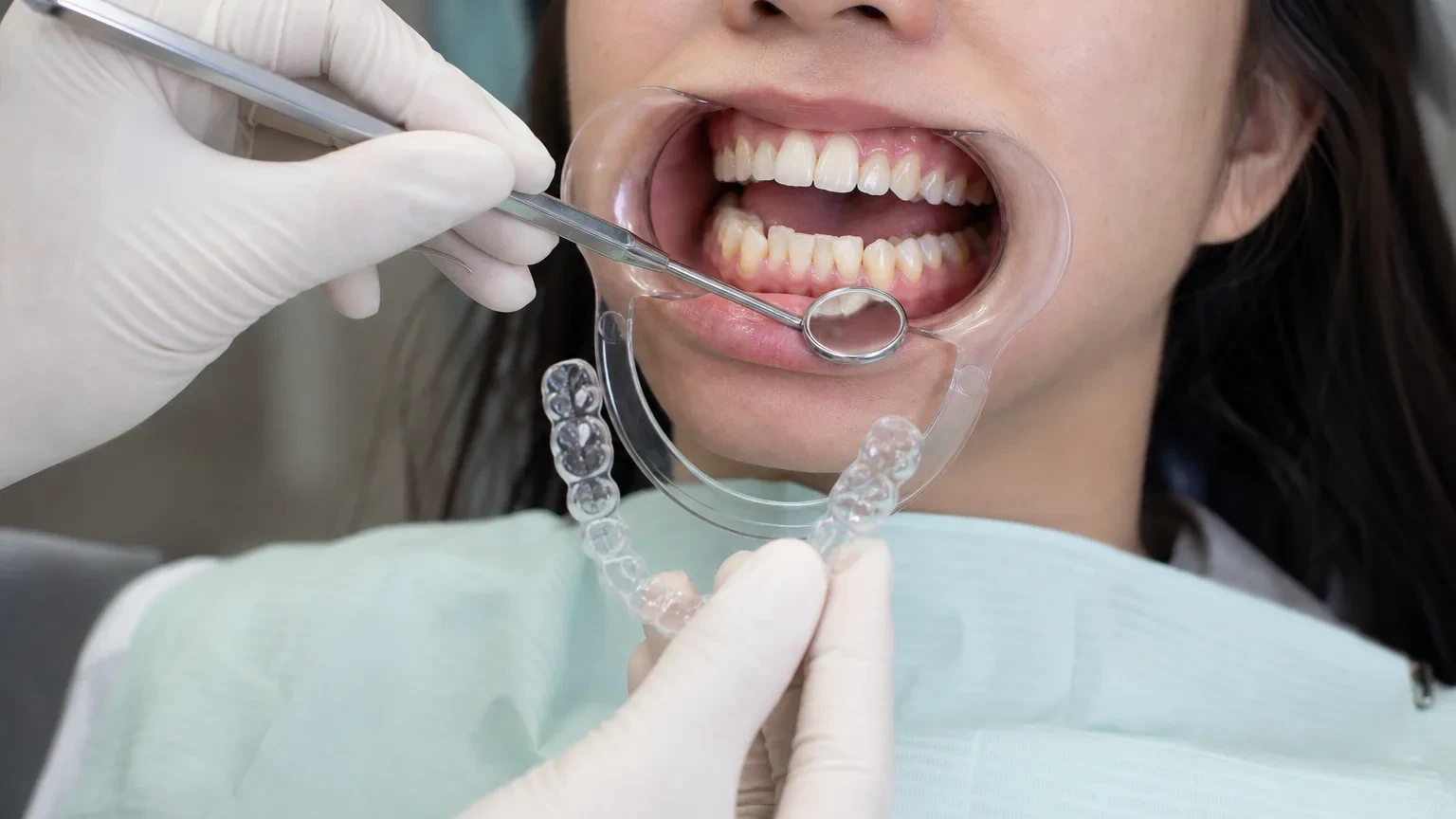
Can Clear Aligners Fix Crowded Teeth?
Clear aligners can fix many mild-to-moderate crowding cases when space is created thoughtfully and wear stays consistent. Severe crowding, impacted teeth, or complex bites may still need braces or a combined plan.
Read article
What Happens If You Lose A Clear Aligner?
If you lose a clear aligner, call your dental office promptly—do not guess for days. Many plans have you wear the prior tray, move ahead carefully, or order a replacement so teeth do not drift off track.
Read article