
Can Clear Aligners Fix Crowded Teeth?
Clear aligners can improve many mild-to-moderate crowding cases when space is planned carefully. See who is a fit and when braces may be wiser.

Reviewed by Dr. Sean Myran, DMDDoctor of Dental Medicine, University of Pennsylvania
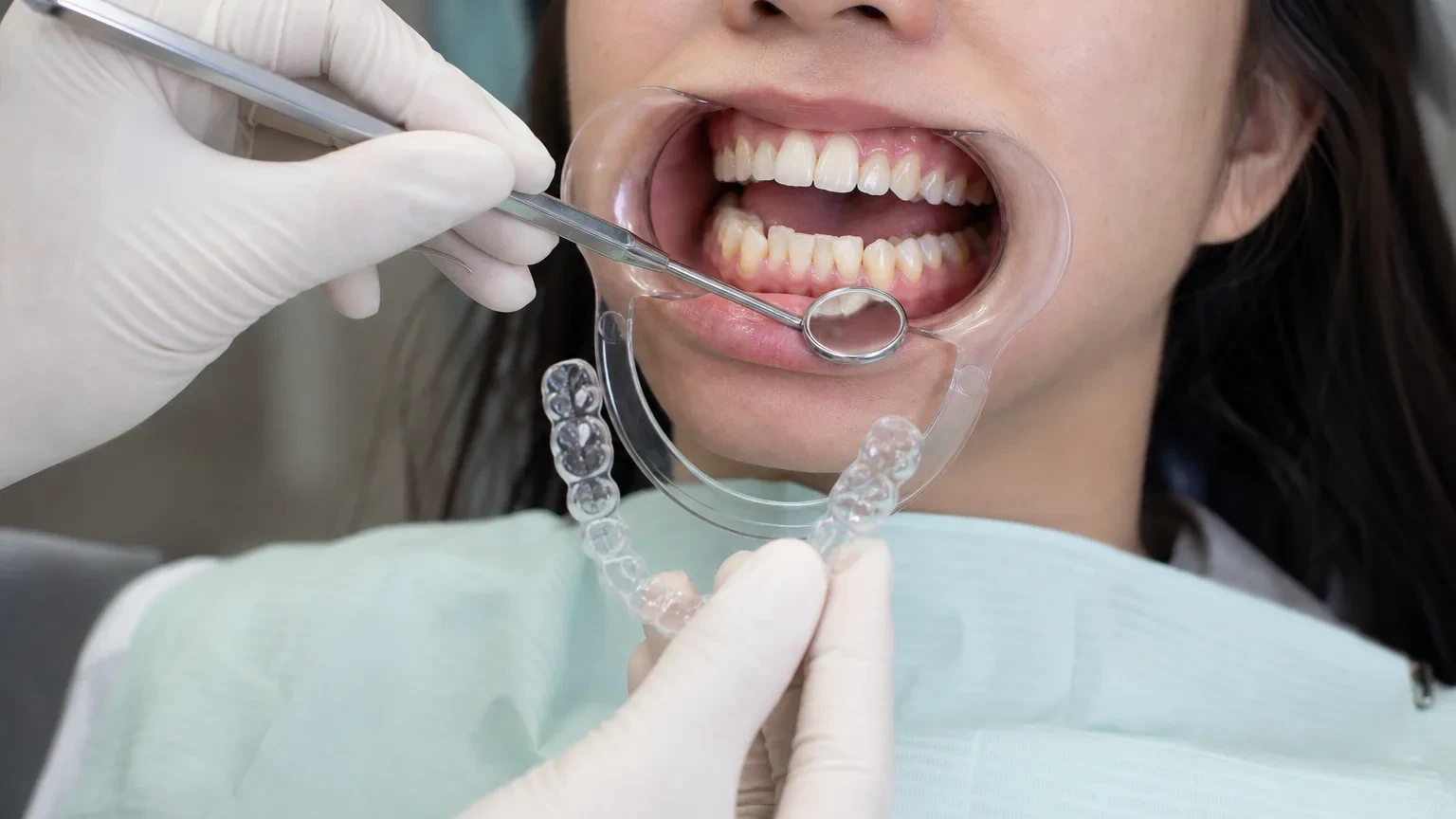
Yes—for many mild-to-moderate crowding patterns—when a clinician builds a realistic space plan and you wear trays as directed. Crowding means teeth lack room to line up; aligners cannot invent bone or magic millimeters. Plans may tip teeth carefully, expand the arch within biologic limits, or use IPR (tiny polishing between contacts). Severe overlap, impacted canines, or skeletal problems can push the recommendation toward braces or surgery-assisted pathways. The AAO explains that aligner suitability is case-dependent while braces can treat a wide range of problems.
If cost and adult candidacy are next questions, skim clear aligner cost drivers and aligners for adult patients.
Who Is Most Affected By Crowding Limits
- People with severe overlap where roots compete for thin bone.
- Patients with active gum disease or bone loss around crowded lower fronts.
- Cases with impacted or blocked-out teeth that need surgical exposure.
- Bites that need large vertical or rotational control beyond tray strengths.
- Anyone shopping remote kits without X-rays or periodontal charting.
Crowding in a healthy teen with good bone differs from crowding in an adult with recession and thin tissue. Moving teeth into a thinner gum envelope can worsen recession even if the smile looks straighter from the front. That risk framing belongs in the consult—not in a surprise after month eight.
Prior extractions, missing teeth, or large restorations change how space is shared. An implant does not move; the plan must work around it. Bring a full history so “just straighten the fronts” does not ignore anchors you already have.
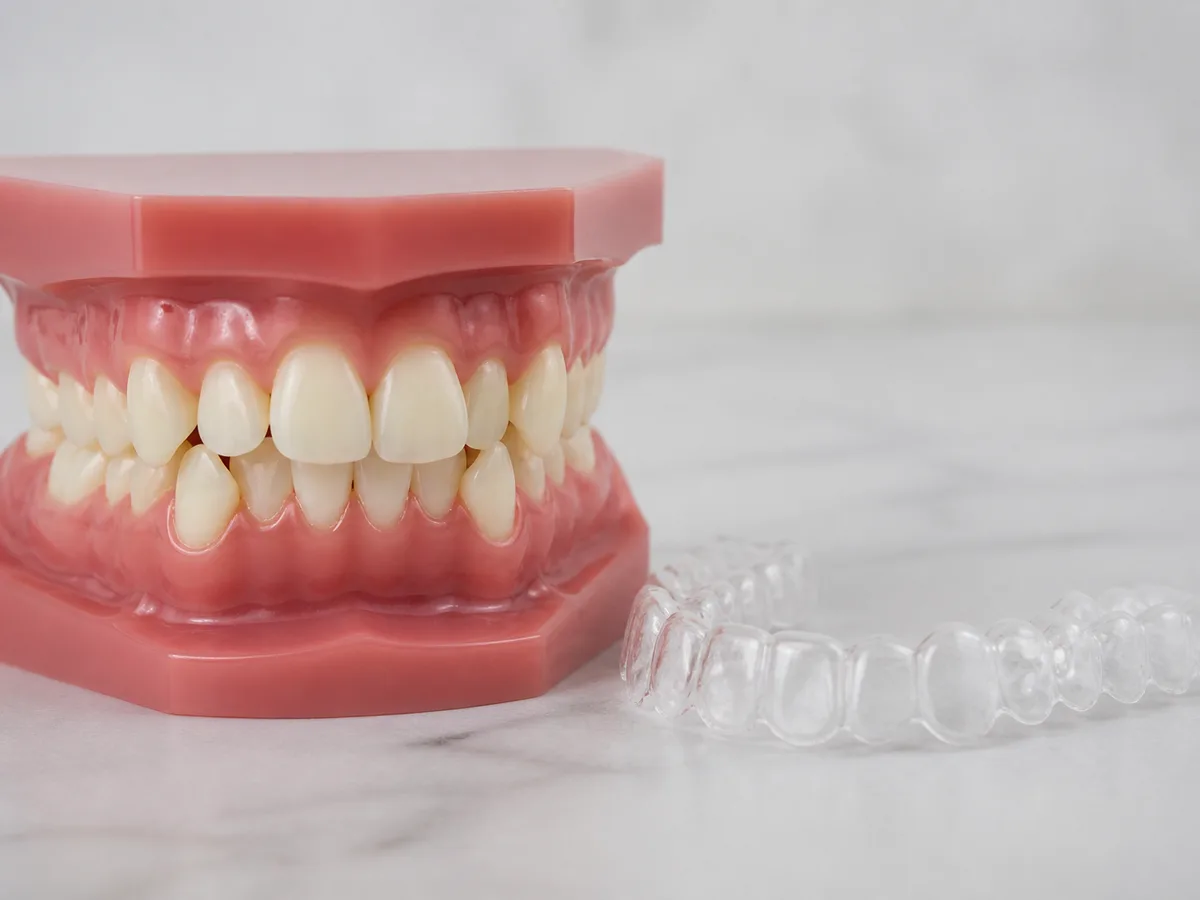 Space strategy follows records.
What changes the plan
Records—photos, scans, and needed X-rays—show root positions, bite depth, and periodontal support. Those details decide whether IPR, expansion, extraction, or braces are honest tools. Attachments often help rotate crowded teeth; see what clear aligner attachments are. A pretty simulation that hides gum risk is not a safer plan. Ask what would make the clinician switch to fixed braces mid-treatment.
Safer Path Forward
- Complete a dental and periodontal exam before any trays.
- Ask how much crowding is in millimeters and how space will be made.
- Confirm which teeth are realistic aligner targets versus braces candidates.
- Get refinement, retainer, and braces-backup policies in writing.
- Commit to wear hours; crowding cases stall quickly when trays sit in a case.
AAO guidance emphasizes professional evaluation because moving teeth is a complex biological process. That applies doubly when teeth are already competing for space.
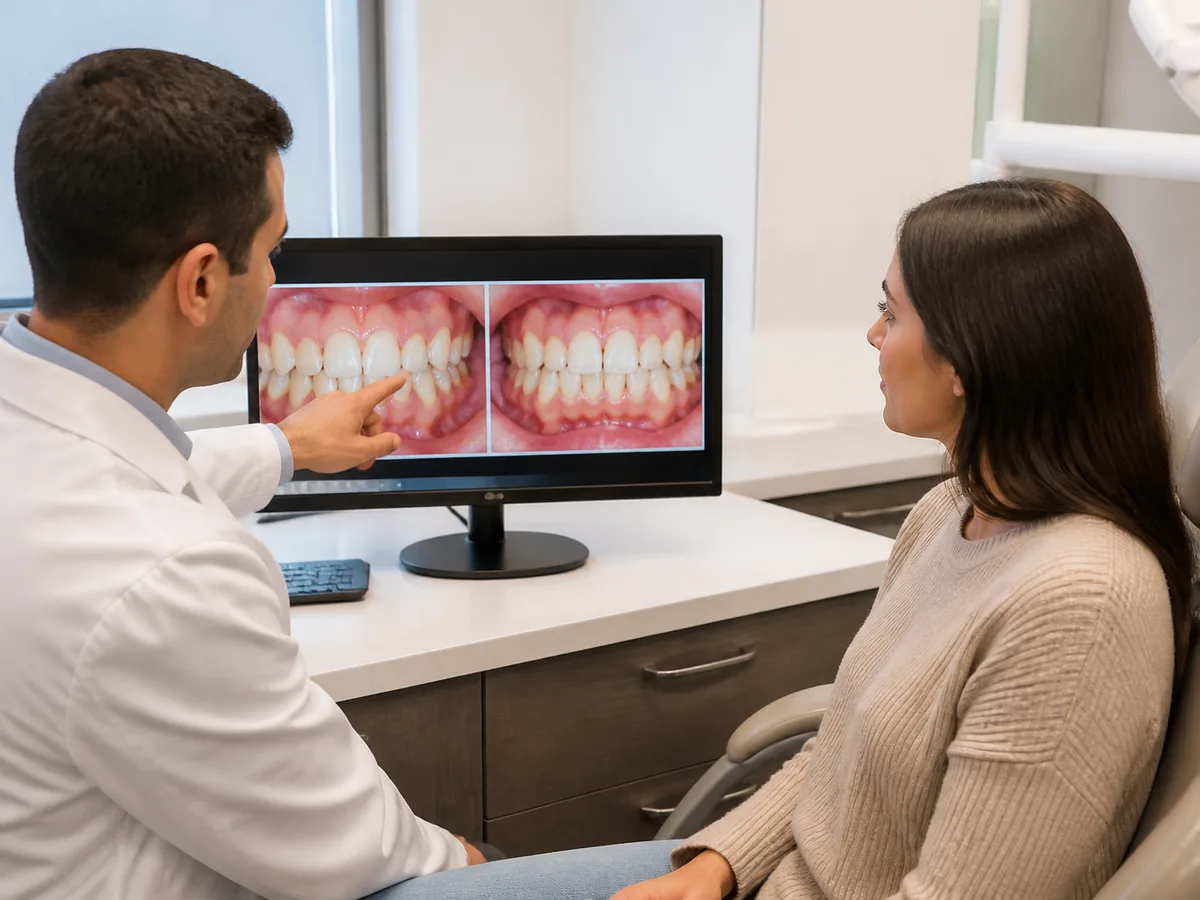 Finish and gum health both count.
Prefer predictable finishing
A supervised plan that finishes with healthy gums beats a fast cosmetic lineup that thins tissue. For local clinicians who treat crowding with aligners, braces, or hybrids, use Find a Dentist and ask to see similar finished cases—not only stock animations. Bring photos of your goals and any prior orthodontic records so the consult stays grounded.
Clear aligners can fix many crowded smiles when space, biology, and compliance align. Severe patterns deserve an honest braces or hybrid conversation early. Straighter teeth on unhealthy foundations are not a win.
Expansion has limits. Pushing teeth too far outside the bony envelope for a flatter photo can trade a neat lineup for thinner gums later. IPR has limits too: polishing is measured in fractions of a millimeter, not endless filing. Extraction decisions, when they arise, belong to a full records review—not a chat-window quiz. Patients who already had expansion or IPR in prior orthodontics should bring those details so the new plan does not stack the same compromises blindly. Crowding fixes succeed when biology and aesthetics are negotiated together.
Retainers after crowding correction matter especially for lower front teeth, which are famous for drifting. Ask how retention will protect the space you worked to create before you celebrate the last active tray.
Related articles
Keep exploring related topics from Dental Country.
How Do Clear Aligners Work?
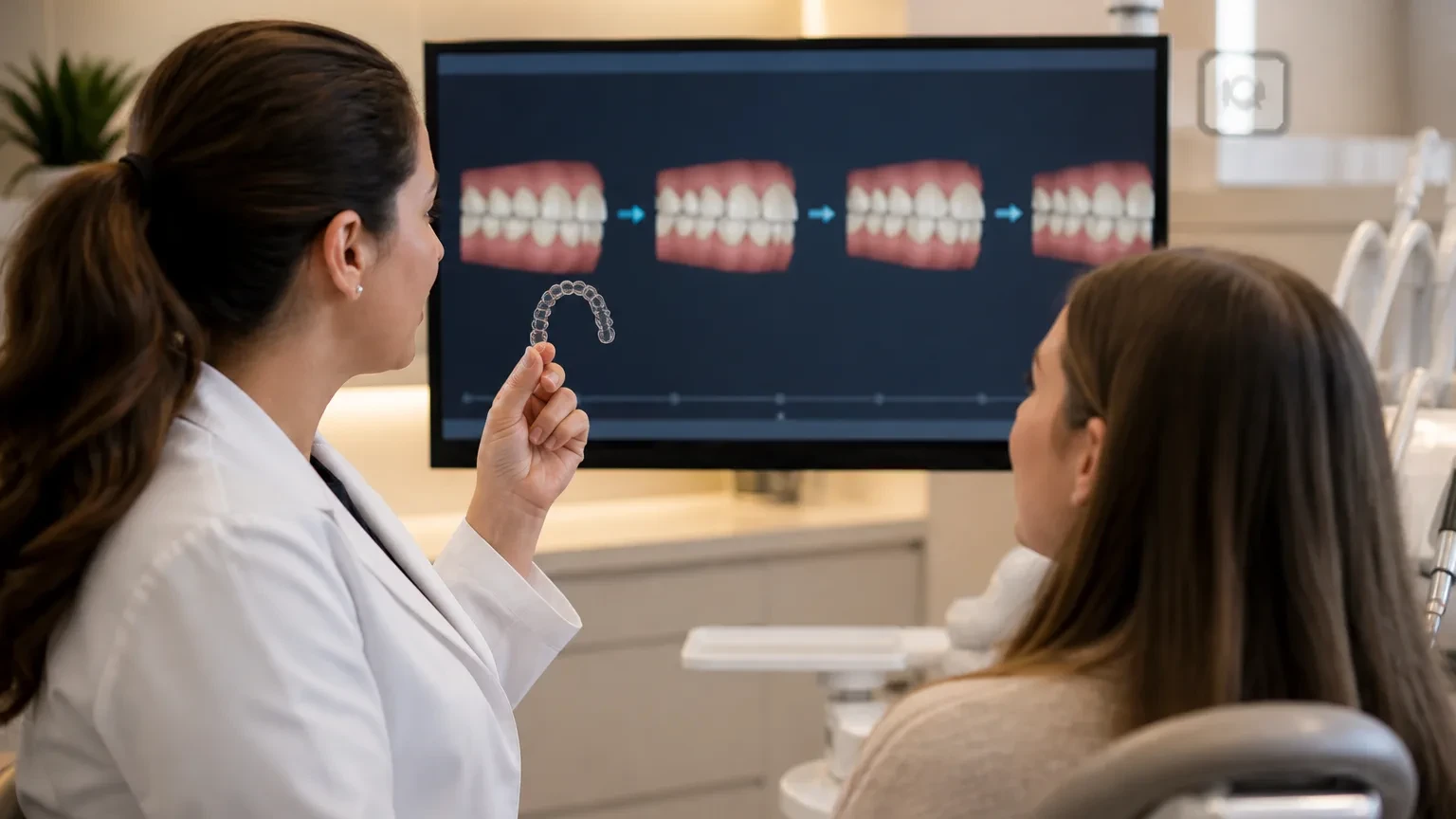
Clear aligners work by delivering programmed pressure through a series of custom trays you wear nearly full-time. Results depend on a sound plan, healthy gums, and honest wear—not on plastic looking “invisible.”
Read article
How Much Do Clear Aligners Cost?
Clear aligner fees usually reflect case complexity, clinical time, lab work, refinements, and retainers—not just a tray sticker price. Compare full pathways, including what happens if tracking stalls.
Read article
Are Clear Aligners Painful?
Clear aligners usually feel like firm pressure for a day or two after each new tray—not sharp ongoing pain. Persistent one-sided pain, sores that worsen, or trays that will not seat deserve a call, not toughing it out.
Read article
What Happens If You Lose A Clear Aligner?
If you lose a clear aligner, call your dental office promptly—do not guess for days. Many plans have you wear the prior tray, move ahead carefully, or order a replacement so teeth do not drift off track.
Read article