

What Happens If You Lose A Clear Aligner?
Lost a clear aligner tray? See usual next steps, how to limit tooth drift, and when to call your dentist for a replacement before tracking slips.

Reviewed by Dr. Sean Myran, DMDDoctor of Dental Medicine, University of Pennsylvania
Losing a clear aligner is common and fixable when you act quickly. Teeth can start to shift within days if nothing holds them, especially early in a stage. Most offices would rather hear from you the same day than untangle a week of unplanned movement. Do not boil a random sports mouthguard as a substitute, and do not skip wear while you “wait to see.” AAO aligner information notes that trays are worn many hours daily under a clinician-directed plan; a missing tray breaks that plan until you get instructions.
Keep cleaning habits steady while you wait—see how to clean the trays you still have—and review checkup timing so you know who to contact after hours.
Day-By-Day Recovery Path
- Hour 0–2: search the usual spots (napkins, lunch trays, pets, laundry). Call the office with your current tray number.
- Same day: follow their script—often wear the previous tray full-time, or advance if you were near a scheduled change.
- Days 1–3: keep wear hours honest; photograph any new gaps or rocking if a backup tray feels odd.
- Replacement window: a new tray may be ordered from records; ask about fees and shipping time.
- After reseating: expect brief tightness; report pain that escalates instead of easing.
Travel weeks are high-risk for lost trays. Pack a case, not a pocket; ask before a trip whether your office can ship a spare to your hotel or whether wearing the prior tray is the interim rule. A brand with slow replacement logistics can turn a lunch mishap into a tracking problem.
Pets and toddlers love plastic. Store trays high and closed. If a dog chews a tray, do not wear the warped plastic—call for a replacement path. Cracked trays that still seat may be temporary bridges; your clinician decides.
 Call before you invent a plan.
Instructions beat improvisation
Offices differ: some want you in the last well-fitting tray; others advance early if the lost tray was nearly finished. Advancing without guidance can leave a tooth lagging under a tray that never seated. Staying in an old tray too long can also stall the sequence. The right answer is the one your treating clinician gives for your tray number and bite. Write it down so travel companions are not guessing for you.
Cost questions belong in the same call—replacement fees vary. Tie that to how clear aligner fees are structured so surprises are smaller.
Habits That Prevent The Next Loss
- Case first, napkin never—napkins get thrown away.
- One dedicated spot at home and at work for the case.
- Backup travel case in a bag you always carry.
- Photo of your current tray number on your phone for faster support calls.
 Replace fast, track carefully.
Resume tracking with eyes open
When the replacement arrives, seat it fully and note any corners that will not drop. Mild pressure is expected; floating edges are not. For supervised practices that explain lost-tray protocols up front, use Find a Dentist and ask how replacements and emergency visits are handled in writing. Keep your wear log honest so the next checkup is about evidence. A lost tray is a setback; silent drifting is a larger one.
Losing a clear aligner is manageable when you call early, follow interim wear rules, and protect the next trays. Build boring storage habits so the drama stays rare.
If you are mid-elastics when a tray disappears, ask specifically about rubber-band wear with the interim tray. Bite mechanics can change when the plastic stage and elastic plan get out of sync. Keep spare cases in the places you actually eat—desk drawer, gym bag, car console—so “I had nowhere to put them” stops being the story. After replacement, resume your normal change schedule only when the office confirms you are back on the map. One lost tray is a hassle; three in a month is a habit problem worth solving out loud.
Related articles
Keep exploring related topics from Dental Country.
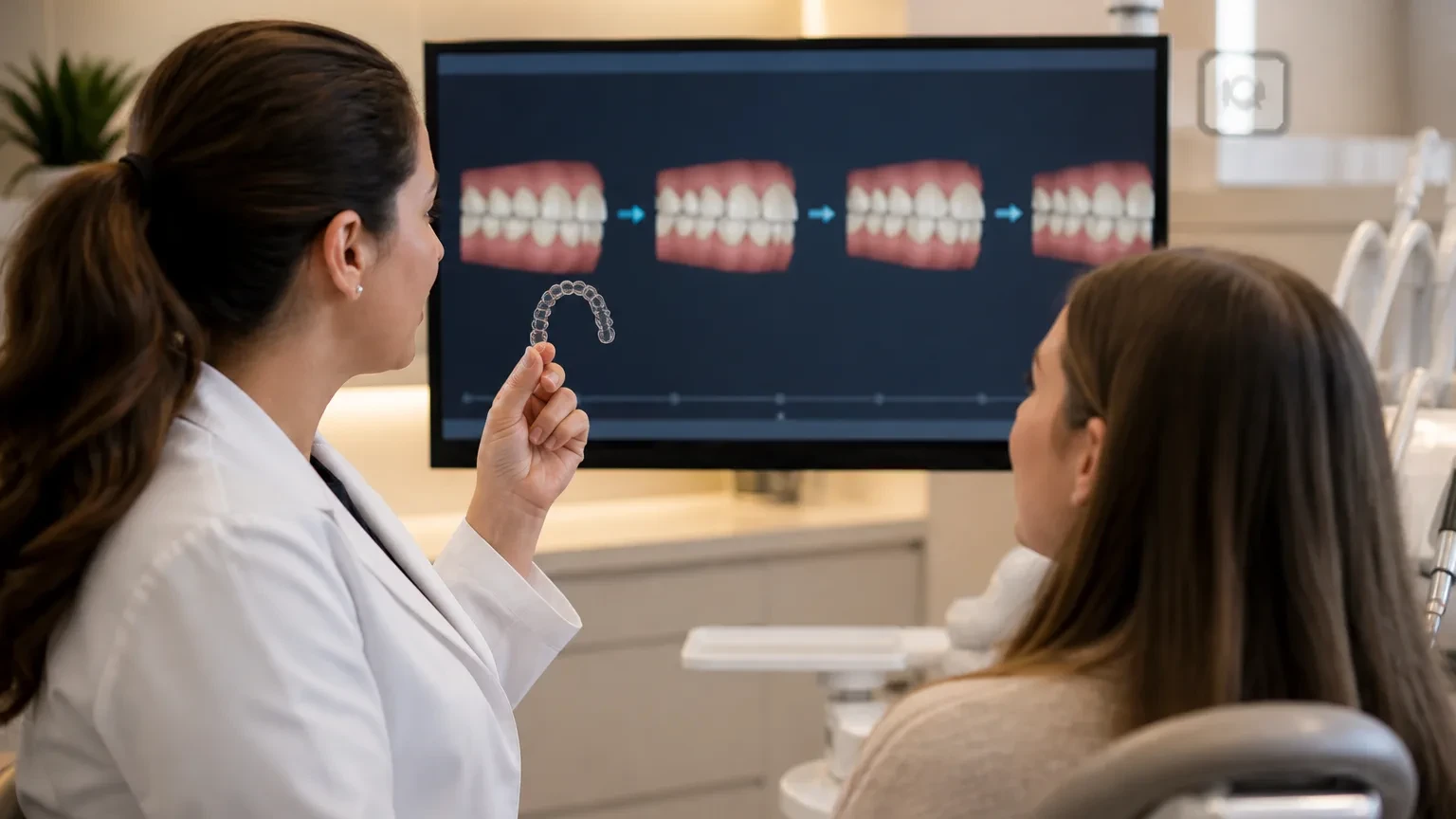
How Do Clear Aligners Work?
Clear aligners work by delivering programmed pressure through a series of custom trays you wear nearly full-time. Results depend on a sound plan, healthy gums, and honest wear—not on plastic looking “invisible.”
Read article
How Much Do Clear Aligners Cost?
Clear aligner fees usually reflect case complexity, clinical time, lab work, refinements, and retainers—not just a tray sticker price. Compare full pathways, including what happens if tracking stalls.
Read article
Are Clear Aligners Painful?
Clear aligners usually feel like firm pressure for a day or two after each new tray—not sharp ongoing pain. Persistent one-sided pain, sores that worsen, or trays that will not seat deserve a call, not toughing it out.
Read article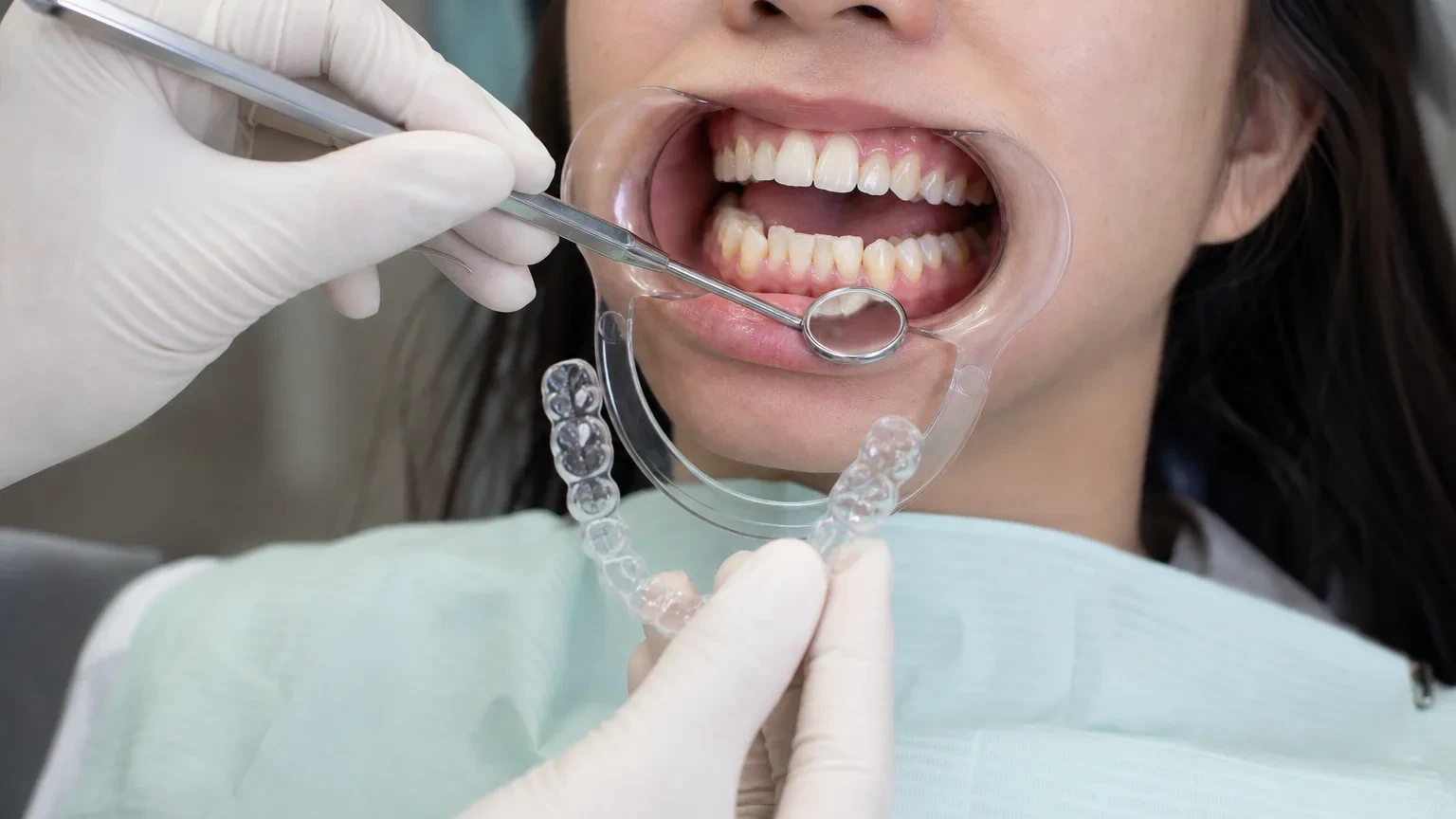
Can Clear Aligners Fix Crowded Teeth?
Clear aligners can fix many mild-to-moderate crowding cases when space is created thoughtfully and wear stays consistent. Severe crowding, impacted teeth, or complex bites may still need braces or a combined plan.
Read article