
How Often Do Clear Aligner Checkups Happen?
Clear aligner checkups often fall every 6–10 weeks, with remote reviews in some plans. Learn what visits check and why timing still varies by case.

Reviewed by Dr. Sean Myran, DMDDoctor of Dental Medicine, University of Pennsylvania
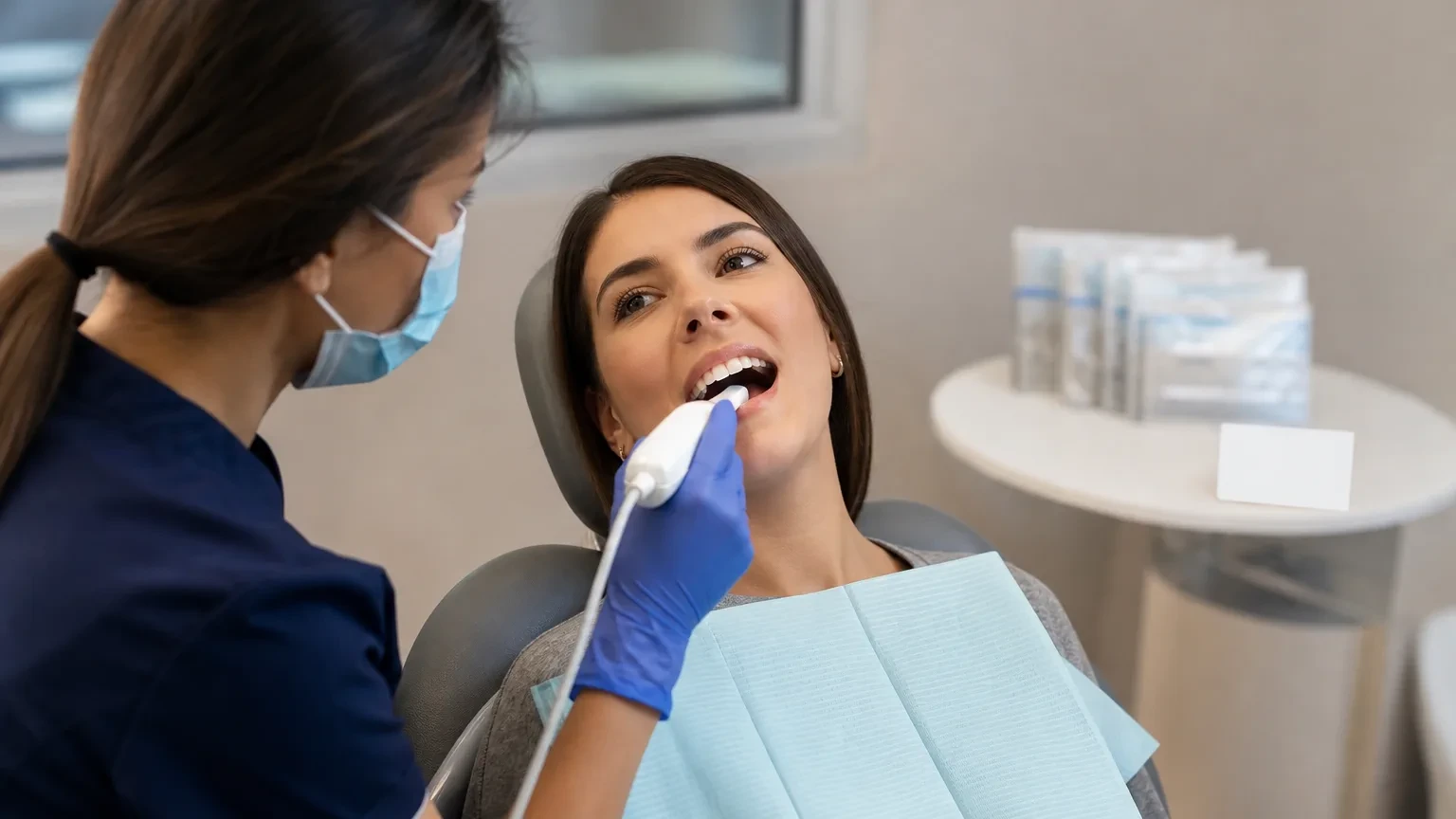
Clear aligner checkups often happen every six to ten weeks, but your clinician sets the rhythm based on case complexity, brand protocols, and how reliably trays have been tracking. Some plans add remote photo or scan reviews between chairside visits. The goal is to catch lagging teeth, failed attachments, or hygiene problems early. The American Association of Orthodontists discusses clear aligner treatment as care that should be professionally evaluated and monitored. A shipping calendar alone is not a checkup.
AAO aligner guidance notes that trays are worn many hours daily and are not right for everyone. Visit frequency is one way supervised care stays honest about that fit.
Timeline Of A Typical Monitoring Path
- Start visit: trays, attachments if needed, wear instructions, and emergency contacts.
- Early check (often weeks 4–8): confirm seating, speech adaptation, and hygiene under plastic.
- Mid-series visits: every several weeks to months—inspect tracking, bite changes, and attachment condition.
- Remote touchpoints: photo uploads if your office uses them; they do not replace hands-on exams when something feels wrong.
- Refinement scan: new records if teeth lag the plan—see also how the aligner sequence works.
- Finishing and retention: detail checks, then retainers; compare roles in aligners versus retainers.
Busy adults sometimes ask for the longest possible interval. Longer gaps can work when tracking is excellent and goals are limited. Complex bites, elastics, or prior non-tracking usually need tighter oversight. Be wary of plans that collect full payment then disappear until the box of trays is empty.
Between visits, you are the daily monitor. Trays that stop seating, pain that escalates, or cracked plastic deserve a call before the next scheduled date—especially after a loss; see lost aligner steps.
 Monitoring is part of the product.
What a checkup actually checks
Expect fit checks, attachment inspection, bite review, and hygiene coaching. Your clinician may approve the next several trays, slow you down, or order a rescan. Remote apps can flag obvious problems; they cannot feel gum inflammation or see early decay the way a dental exam can. Bring a wear-time honest summary—optimistic hours help nobody. Ask whether your fee includes these visits or bills them separately.
What Changes The Visit Rhythm
- Poor tracking or repeated lost trays.
- New decay risk, gum inflammation, or broken restorations.
- Elastics or complex bite stages that need closer coaching.
- Travel, college, or work schedules that require planned remote reviews.
- Refinement fabrication time when you need interim wear instructions.
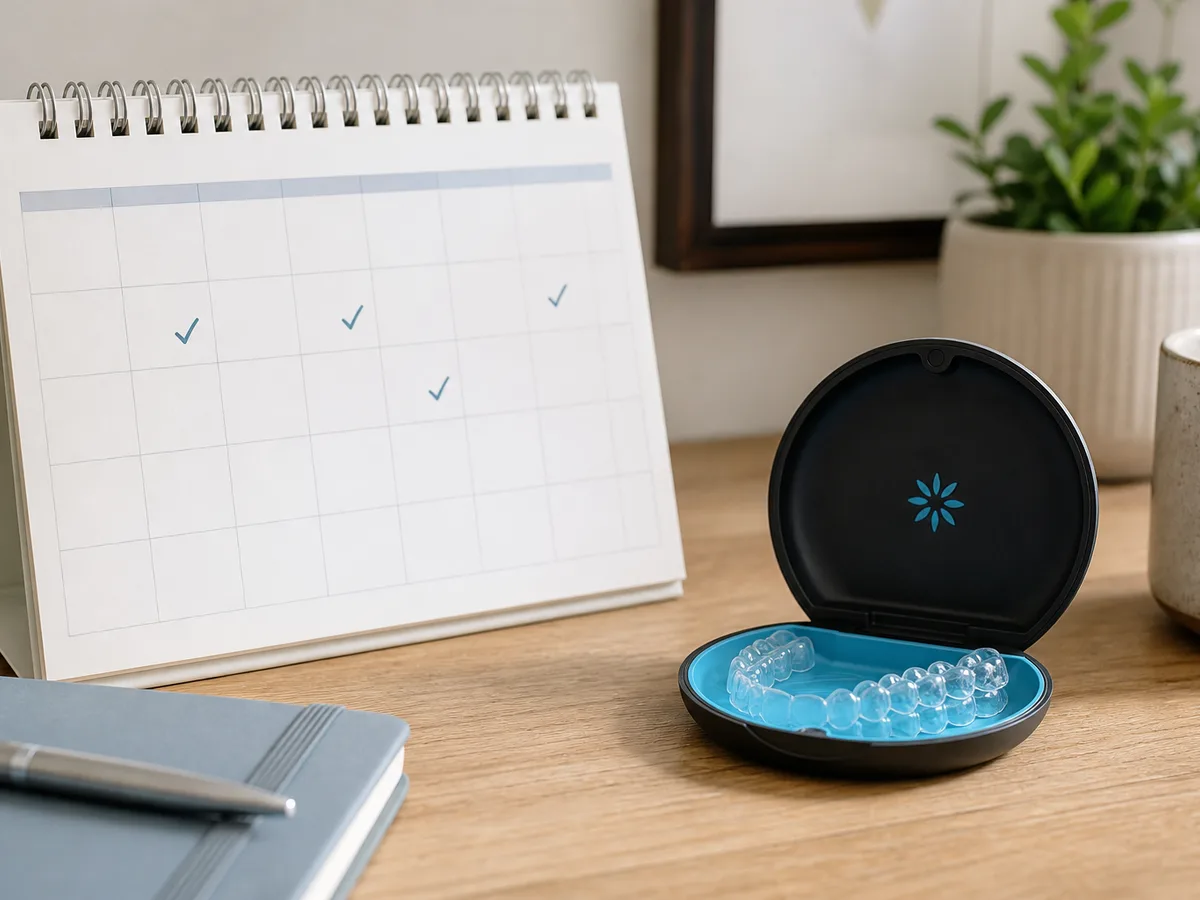 Cadence should be explicit.
Put the schedule in writing
Leave with the next visit date, what to do if a tray cracks, and whether photo check-ins are expected. For supervised aligner practices that explain monitoring up front, use Find a Dentist and ask how often patients are seen in person for cases like yours. Cost and visit bundles often travel together, so ask whether progress visits are included in the treatment fee. A clear calendar beats a vague “we’ll message you.”
Clear aligner checkups commonly land every six to ten weeks, with adjustments for complexity and remote tools. Treat visits as tracking insurance—not optional interruptions. Call early when fit or comfort changes between appointments.
Teen and adult schedules differ. School calendars and sports may favor after-school blocks; adults may need early or remote-friendly options. Ask how missed appointments affect tray authorization so you are not stuck waiting on a shipment because a visit slipped. If you relocate mid-treatment, request records transfer before the gap grows. Checkups are also when you can revisit goals—midline, bite comfort, or speech—before the finishing phase locks in compromises you did not mean to accept.
Bring your current trays to every visit, even if you think nothing is wrong. Fit in the chair is information photos alone can miss, and it keeps authorization for the next stages on schedule.
Related articles
Keep exploring related topics from Dental Country.
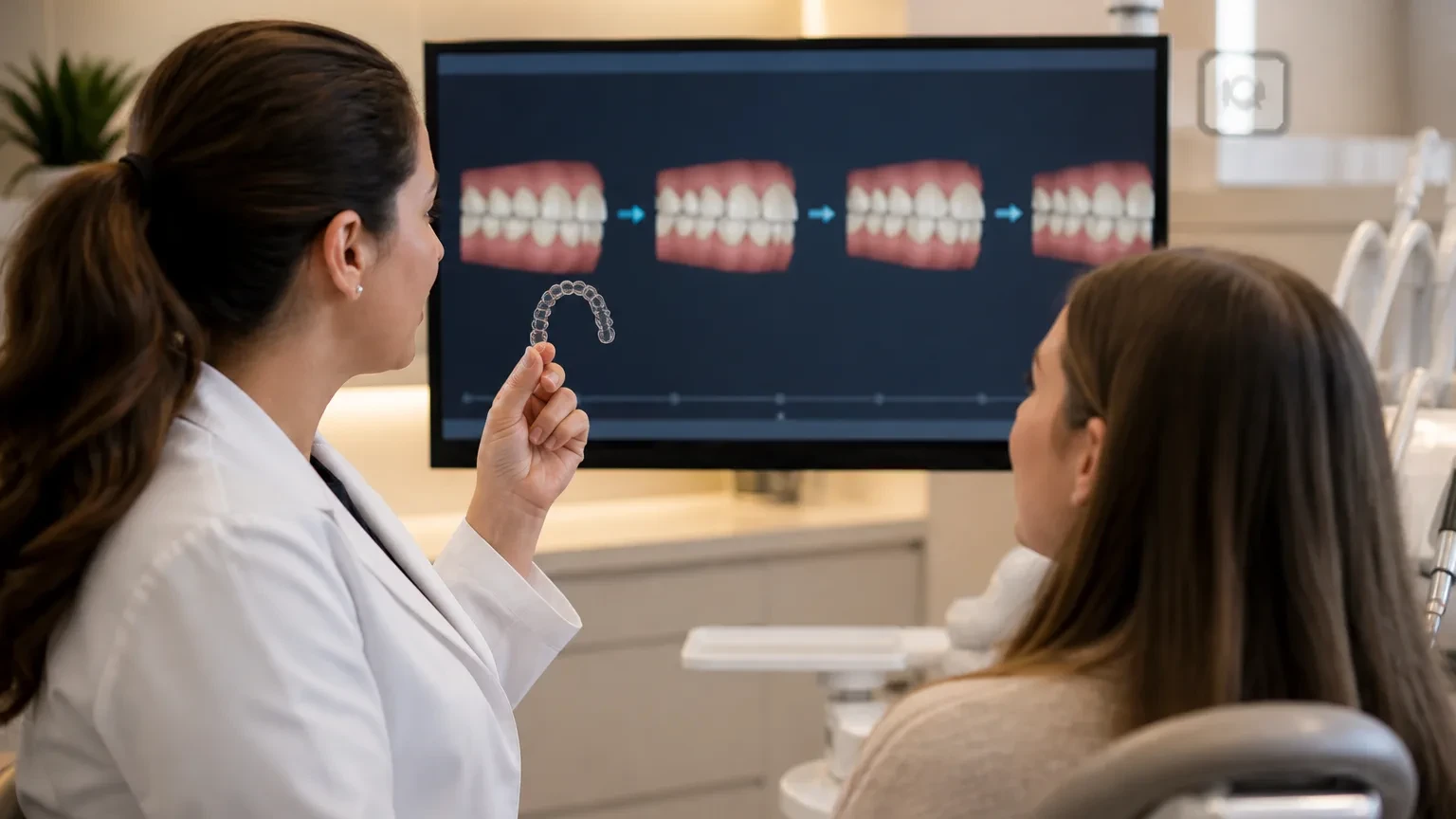
How Do Clear Aligners Work?
Clear aligners work by delivering programmed pressure through a series of custom trays you wear nearly full-time. Results depend on a sound plan, healthy gums, and honest wear—not on plastic looking “invisible.”
Read article
How Much Do Clear Aligners Cost?
Clear aligner fees usually reflect case complexity, clinical time, lab work, refinements, and retainers—not just a tray sticker price. Compare full pathways, including what happens if tracking stalls.
Read article
Are Clear Aligners Painful?
Clear aligners usually feel like firm pressure for a day or two after each new tray—not sharp ongoing pain. Persistent one-sided pain, sores that worsen, or trays that will not seat deserve a call, not toughing it out.
Read article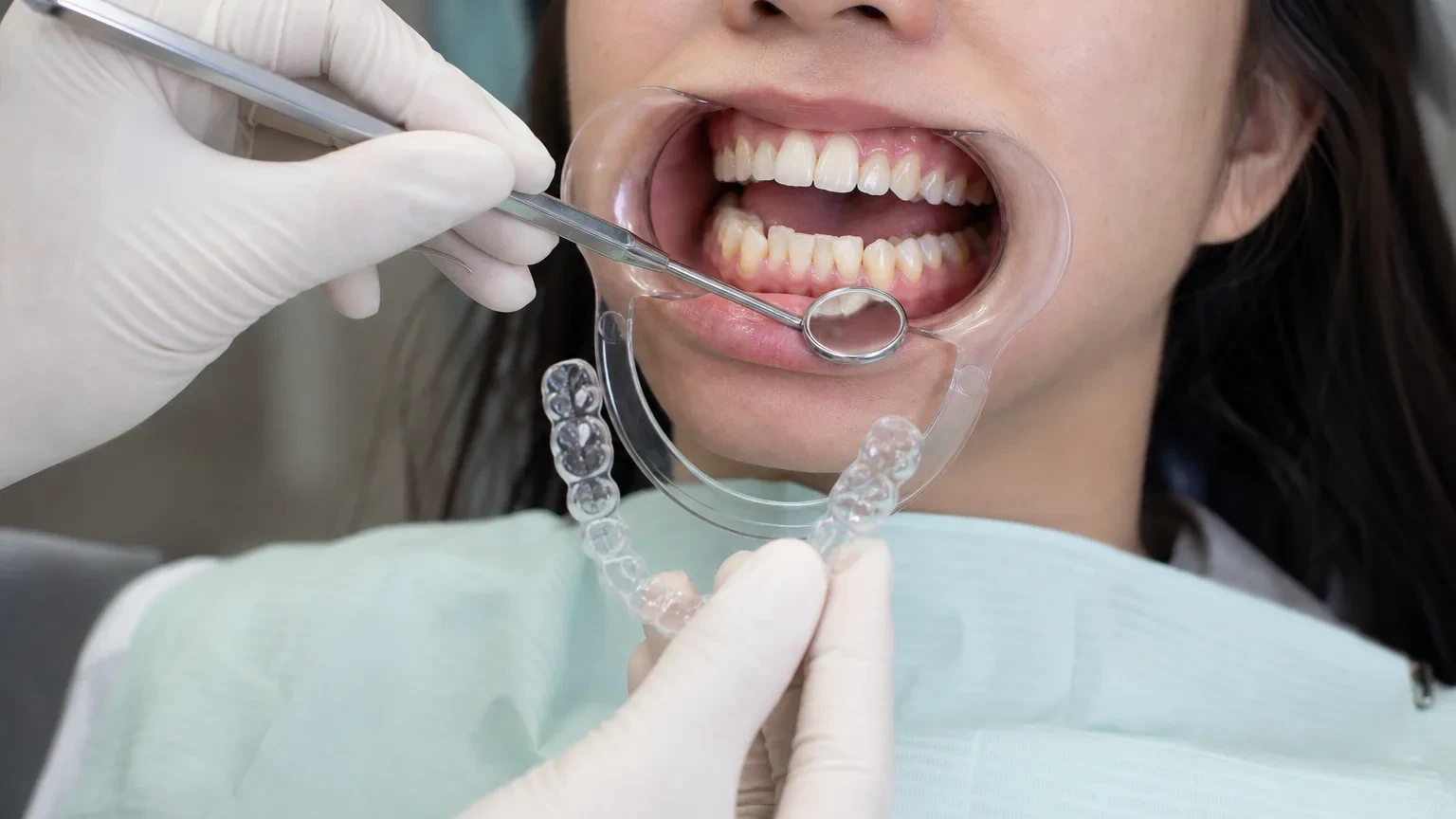
Can Clear Aligners Fix Crowded Teeth?
Clear aligners can fix many mild-to-moderate crowding cases when space is created thoughtfully and wear stays consistent. Severe crowding, impacted teeth, or complex bites may still need braces or a combined plan.
Read article