

Clear Aligners Vs Retainers: What’s The Difference?
Clear aligners move teeth; retainers hold results. Compare purpose, wear schedules, and why using one as the other can stall or reverse progress.

Reviewed by Dr. Sean Myran, DMDDoctor of Dental Medicine, University of Pennsylvania
Clear aligners and retainers can look like cousins in a plastic case, but they are built for different jobs. Aligners are a sequenced series meant to move teeth. Retainers are holding devices meant to keep teeth from drifting after active treatment—or, in some plans, to maintain a position while other care happens. MouthHealthy notes that retainers may be worn after braces to keep teeth from shifting; the same retention logic applies after clear aligners. Using a stretched final aligner as a forever retainer without guidance is a common mix-up.
For movement mechanics, read how clear aligners work; for adult timing, see whether adults are candidates.
Side-By-Side Snapshot
| Factor | Clear aligners | Retainers |
|---|---|---|
| Purpose | Move teeth in planned stages | Hold teeth after movement |
| Sequence | Many trays, each slightly different | Usually one design (sometimes replaced) |
| Wear pattern | Nearly full-time during active care | Often full-time briefly, then nights long-term |
| Feel over time | Tight with each new tray | Should seat without progressive “new force” |
| If skipped | Tracking fails; next tray may not fit | Teeth can relapse toward old positions |
Tables simplify; your prescription still wins. Some “retainers” are clear plastic similar to aligner material; others are Hawley acrylic-and-wire designs or fixed wires bonded behind teeth. A night guard for grinding is yet another appliance—even if it is clear.
If a retainer suddenly feels as tight as a brand-new aligner, teeth may have shifted. Call before you force it for weeks. Conversely, an aligner that feels like a loose night tray may mean you are behind—or that the stage is done and the next tray is due.
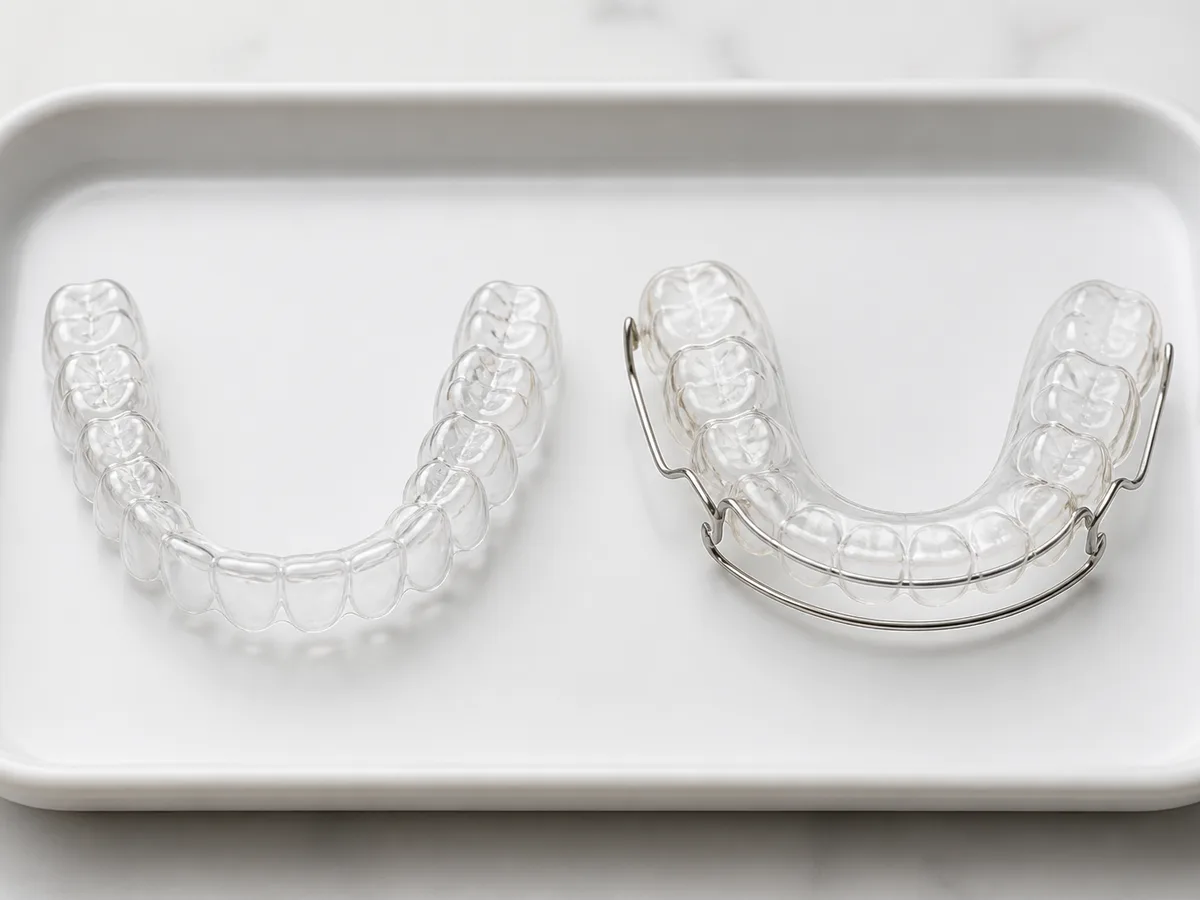 Label the job before you wear.
Same plastic family, different job
Aligners change shape across a series; retainers are meant to be stable holders. Cleaning routines overlap—brush teeth before either returns to the mouth—but replacement rules differ. Ask which appliance you are holding before you invent a wear schedule from a social post. If you are between refinement scans, your office may prescribe a hold tray; that is a temporary clinical instruction, not a freestyle retainer phase.
Questions That Prevent Mix-Ups
- Am I still in active movement or in retention?
- Which tray number or retainer type should I wear tonight?
- What do I do if a retainer cracks or an aligner is lost?
- How long is night wear expected after the last aligner?
- Is a bonded wire part of my retention plan?
AAO materials describe aligners as custom trays for tooth movement under professional guidance. Retention is the chapter after that story—not a footnote you can skip.
 Retention finishes the result.
Plan retention before the last tray
Ask what retainer is included, how replacements are priced, and how often retention is checked. For help finding a practice that plans movement and retention together, use Find a Dentist and mention you want the difference explained in writing. Related: what to do if an active tray goes missing. Teeth can shift at any age when holders stay in a drawer.
Clear aligners move; retainers hold. Keep the jobs straight, follow the wear rules for the phase you are in, and call when fit suddenly changes. Looking similar in a case does not make them interchangeable.
Parents sometimes reuse a sibling’s old retainer or a leftover aligner from a finished series. That shortcut can press teeth in unplanned directions or crack brittle plastic. Retention should be fitted to your mouth after your movement phase, with a replacement path when grinding or loss happens. Fixed retainers need floss access; removable ones need night discipline for years, not weeks. If your bite feels different after a vacation without retention, call before the shift becomes a new aligner case. Holding a result is quieter work than winning it the first time—and just as clinical.
Related articles
Keep exploring related topics from Dental Country.
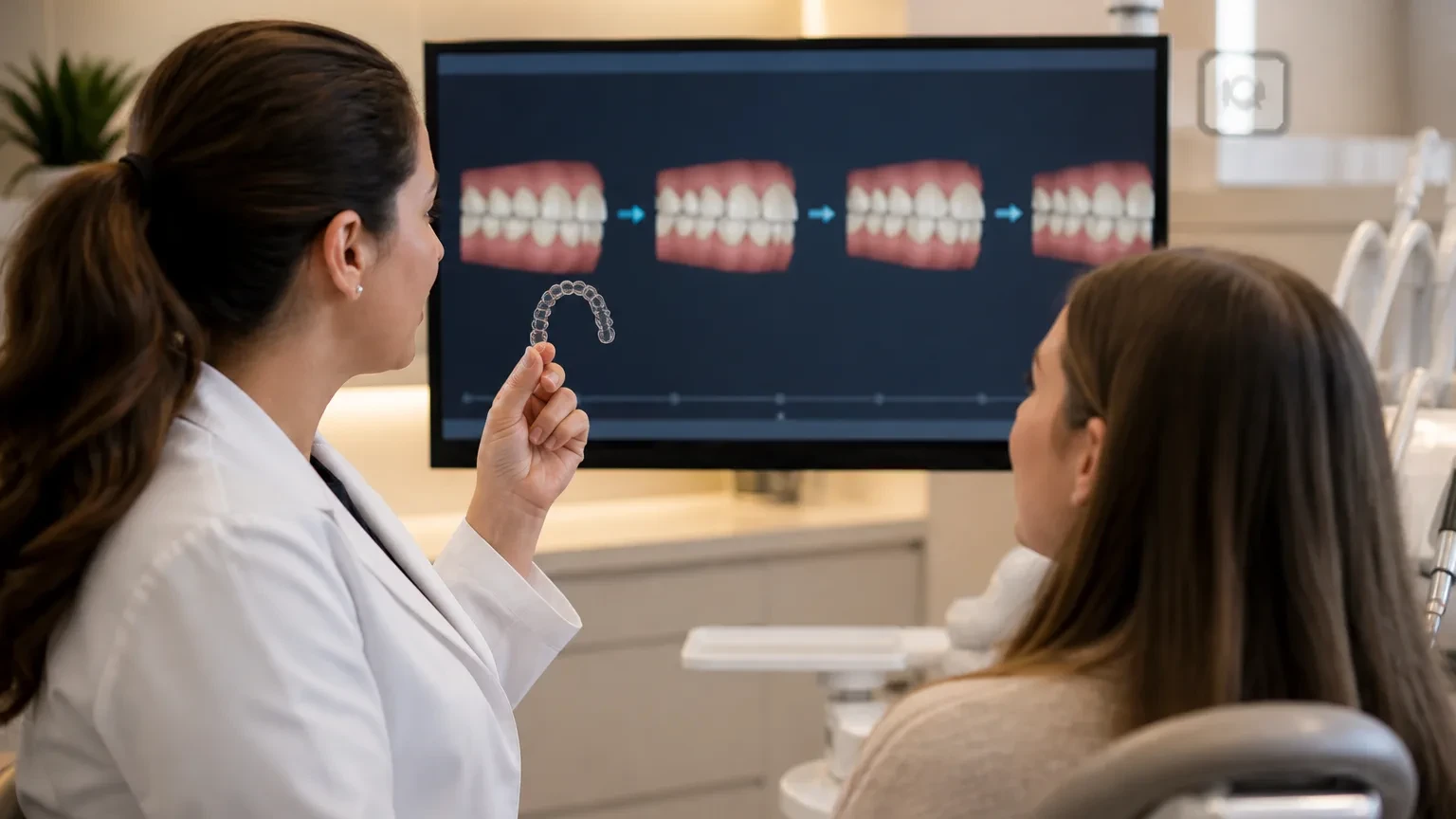
How Do Clear Aligners Work?
Clear aligners work by delivering programmed pressure through a series of custom trays you wear nearly full-time. Results depend on a sound plan, healthy gums, and honest wear—not on plastic looking “invisible.”
Read article
How Much Do Clear Aligners Cost?
Clear aligner fees usually reflect case complexity, clinical time, lab work, refinements, and retainers—not just a tray sticker price. Compare full pathways, including what happens if tracking stalls.
Read article
Are Clear Aligners Painful?
Clear aligners usually feel like firm pressure for a day or two after each new tray—not sharp ongoing pain. Persistent one-sided pain, sores that worsen, or trays that will not seat deserve a call, not toughing it out.
Read article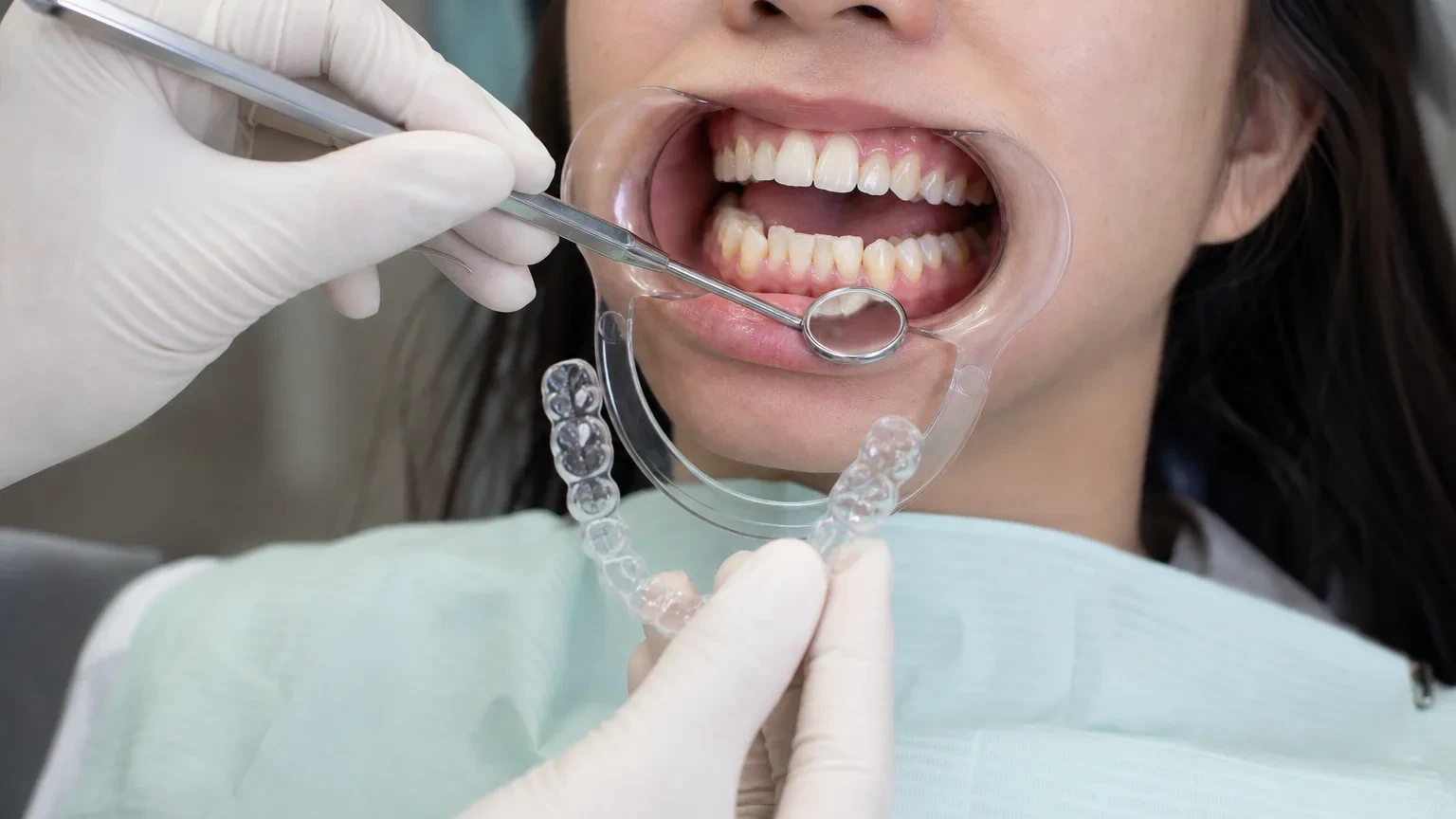
Can Clear Aligners Fix Crowded Teeth?
Clear aligners can fix many mild-to-moderate crowding cases when space is created thoughtfully and wear stays consistent. Severe crowding, impacted teeth, or complex bites may still need braces or a combined plan.
Read article