

Do Clear Aligners Work For Adults?
Clear aligners can work well for many adults when gums are healthy and wear is consistent. See what adult mouths change about candidacy and timing.

Reviewed by Dr. Sean Myran, DMDDoctor of Dental Medicine, University of Pennsylvania
Picture Alex, mid-forties, with mild crowding that relapsed after teenage braces and a calendar full of client dinners. Alex wants a discreet option and asks whether clear aligners “still work” for adults. Age alone is rarely the blocker. Adult bone remodels more slowly than a growing teen’s, yet many adult cases finish well when the bite fits aligner mechanics and trays stay in. Mayo Clinic notes that braces and related appliances apply steady pressure to move teeth; clear aligners are another way to deliver that pressure when the case fits.
Alex also compares whether crowding is aligner-friendly and what discomfort to expect.
Decision Factors In Adult Mouths
- Gums and bone: recession and periodontitis change which movements are safe.
- Restorations: crowns, bridges, and implants that cannot move reshape the plan.
- Bite history: prior extractions, jaw-joint symptoms, or wear facets matter.
- Compliance: dinners, travel, and speeches test 20–22 hour wear.
- Goals: front-tooth cosmetics versus full bite correction.
Adults often want speed. Biology still needs months. A short package that under-counts bite issues becomes a long frustration. Ask which problems are in scope before chasing a wedding date on a brochure.
Medications, dry mouth, and grinding are adult realities. Dry mouth under plastic raises cavity risk if cleaning slips. Grinders may crack trays or need a different retention plan later. Say these out loud in consult so materials and schedules stay realistic.
 Match the appliance to the week.
Lifestyle honesty is clinical data
Alex’s client lunches mean trays come out often. That freedom helps food choices and hurts progress if the case sits open through coffee and dessert. Fixed braces would keep working through those meals but change cleaning and appearance. Neither pattern is wrong; each maps to a different burden. Adults who admit the chaotic weeks get better appliance advice than adults who promise perfect wear they will not keep.
Next Steps For Alex’s Visit
- Update exam, X-rays as needed, and periodontal charting.
- List must-fix bite issues versus nice-to-have tweaks.
- Ask how attachments would sit in the smile zone on camera.
- Compare written months, refinement rules, retainers, and braces backup.
- Decide with the clinician who will own mid-course changes.
The AAO stresses professional evaluation for clear aligner therapy. Adult DIY kits that skip that step trade short-term savings for redo risk.
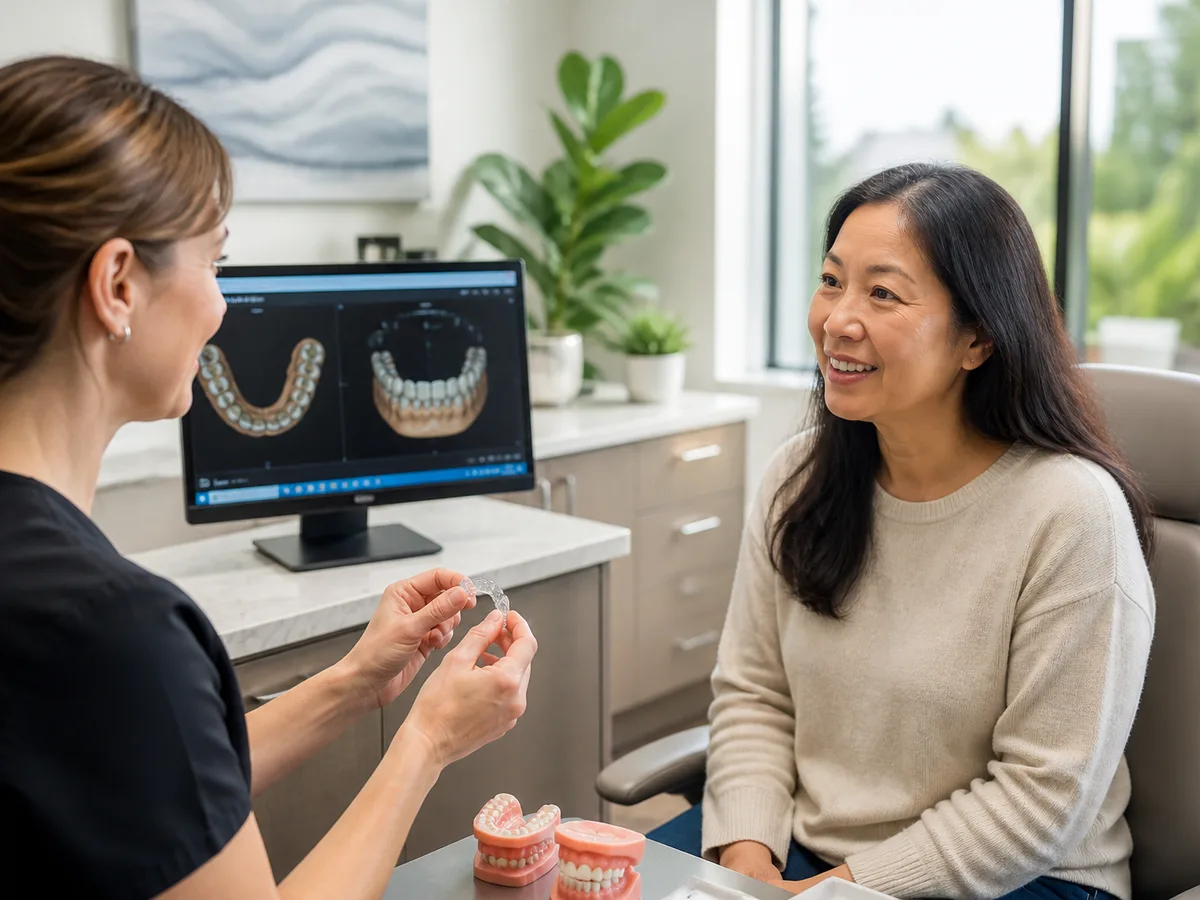 Records plus habits decide.
Leave with one accountable plan
You should know wear hours, visit rhythm, and what happens if tracking fails. For supervised adult aligner or braces consults near you, use Find a Dentist and bring a priority list—discretion, timeline, or budget. Cost context lives in how much clear aligners cost. Adults succeed with trays when candidacy and calendar both fit—not when a filter promises overnight change.
Clear aligners can work very well for adults when gums are ready, goals match the appliance, and wear is real. Age is a chapter title; diagnosis is the plot. Revisit the choice if health or goals shift before trays arrive.
Workplace culture shows up in adult success rates more than ads admit. Open-plan offices, constant snacks, and back-to-back calls make tray discipline harder than a quiet home schedule. Some adults do better with braces for that reason alone, even when trays could move the teeth. Others thrive with aligners because brushing without wires fits their hygiene style. Whitening during treatment is a separate conversation—many clinicians prefer to wait until attachments are off. Adults who treat aligners as a scheduled appliance, not a lifestyle filter, tend to finish closer to the predicted bite.
If gum therapy or fillings are needed first, that delay protects the aligner phase rather than blocking it. Starting force on inflamed tissue is a false head start adults regret more than a short wait.
Second opinions are reasonable when one office promises a six-month miracle and another describes a longer bite-focused plan. Compare diagnoses, not personalities, before you sign.
Related articles
Keep exploring related topics from Dental Country.
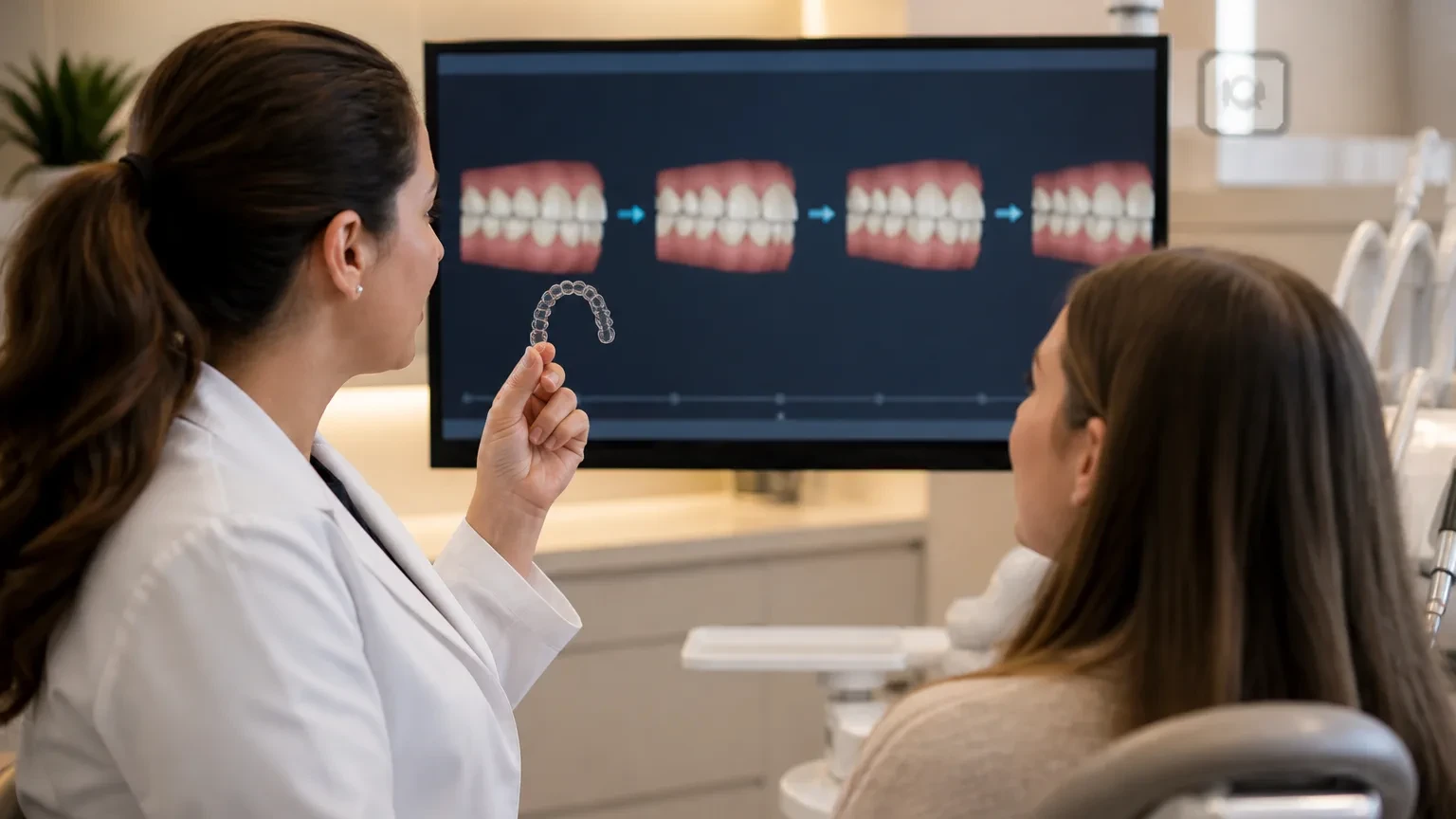
How Do Clear Aligners Work?
Clear aligners work by delivering programmed pressure through a series of custom trays you wear nearly full-time. Results depend on a sound plan, healthy gums, and honest wear—not on plastic looking “invisible.”
Read article
How Much Do Clear Aligners Cost?
Clear aligner fees usually reflect case complexity, clinical time, lab work, refinements, and retainers—not just a tray sticker price. Compare full pathways, including what happens if tracking stalls.
Read article
Are Clear Aligners Painful?
Clear aligners usually feel like firm pressure for a day or two after each new tray—not sharp ongoing pain. Persistent one-sided pain, sores that worsen, or trays that will not seat deserve a call, not toughing it out.
Read article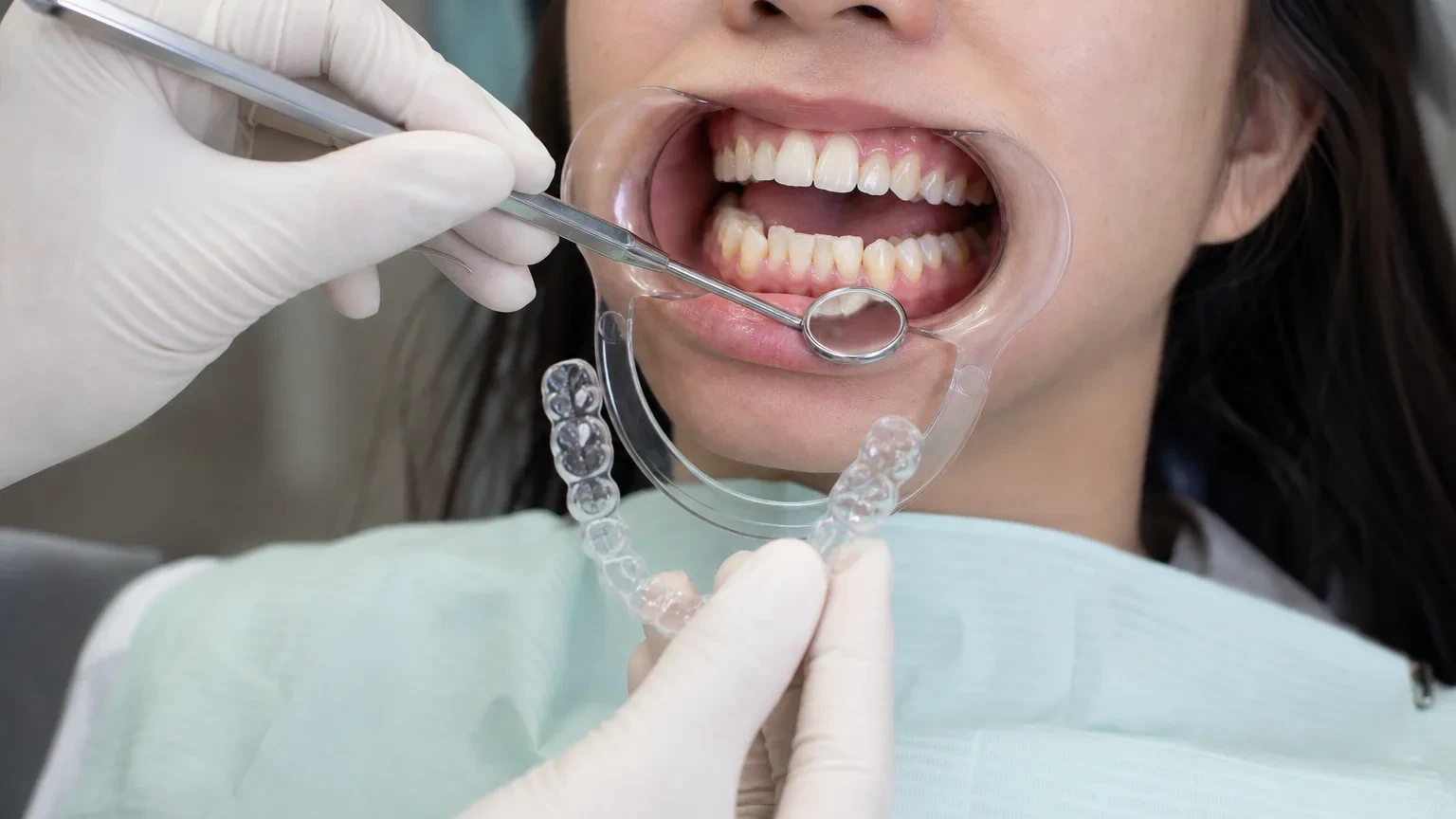
Can Clear Aligners Fix Crowded Teeth?
Clear aligners can fix many mild-to-moderate crowding cases when space is created thoughtfully and wear stays consistent. Severe crowding, impacted teeth, or complex bites may still need braces or a combined plan.
Read article