

How Much Do Clear Aligners Cost?
Clear aligner cost varies by case scope, visits, refinements, and retainers. See what drives the fee and which questions clarify a written quote.

Reviewed by Dr. Sean Myran, DMDDoctor of Dental Medicine, University of Pennsylvania
Clear aligner cost is a range, not a single national number. Mild front-tooth alignment with few trays can sit far below a full-arch bite correction with attachments, elastics, and multiple refinements. Office fees, regional lab contracts, and whether an orthodontist or general dentist is planning care also move the quote. The AAO notes that clear aligner therapy should be professionally evaluated; that evaluation is part of what you are paying for—not an optional upsell.
Mail-order prices can look lower until you add exams, fillings, redo care, or braces conversion. Pair cost shopping with how clear aligners actually work and whether adult cases fit trays.
Cost And Timeline Drivers
- Scope: limited cosmetic tweaks versus full bite correction.
- Tray count and months: more staging usually means more visits and lab work.
- Attachments, IPR, elastics: extra mechanics add chair time.
- Refinement policy: included rounds versus à la carte fees.
- Retainers: often a separate line item after active movement.
- Insurance and financing: orthodontic benefits, age limits, and payment plans vary widely.
Timeline promises should be read as ranges. A short plan finishes quickly only when the problem list is truly small. Under-counted midlines, bite depth, or stubborn rotations stretch calendars and budgets. Ask which problems are in scope before you deposit.
Insurance language can muddy comparisons. Some plans cover “orthodontics” similarly across appliances; others have waiting periods or lifetime maximums that ignore brand names. Get a pre-treatment estimate that names the clinical plan, not only a product SKU.
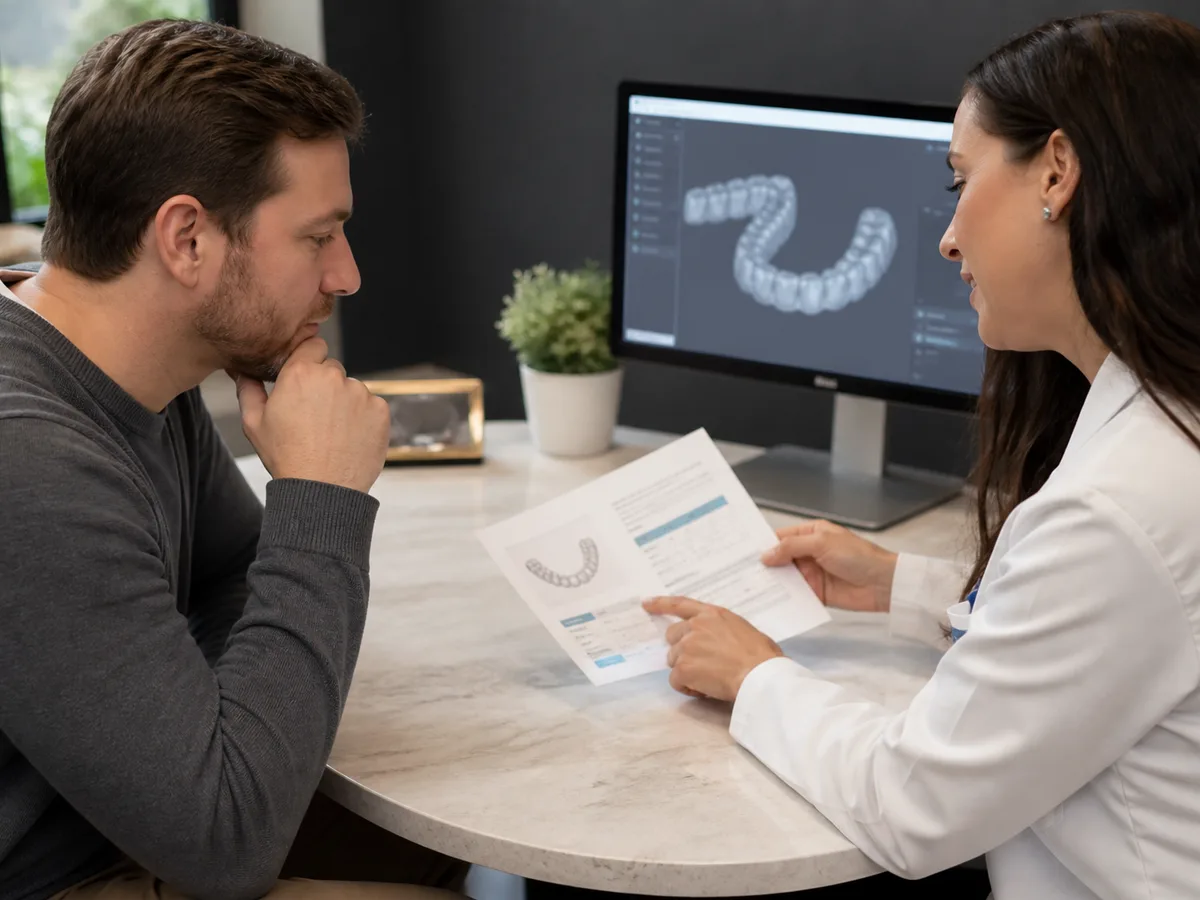 Price the full pathway.
Cheap trays can be expensive
A low tray fee that cannot finish your bite may lead to upgrades, transfer to braces, or a second opinion after months of wear. A comprehensive quote that includes refinements and retainers can look higher on day one and still be the clearer investment. Ask the clinician to map your problem list to the fee before you sign. Marketing timelines should follow diagnosis. If exclusions are hard to explain in plain English, pause.
Questions To Ask Before You Sign
- Which teeth and bite issues are included—and which are excluded?
- How many aligners and refinement rounds sit inside this fee?
- What is the upgrade or braces-conversion cost if trays stop tracking?
- Are scans, emergency visits, and final retainers included?
- How often will I be seen in person, and is remote monitoring extra?
Visit rhythm also affects value—see how often clear aligner checkups happen. A bargain that skips monitoring can cost enamel and time.
 Clarity beats sticker shock.
Put dollars next to diagnosis
Request a written summary: diagnosis, estimated months, refinement rules, retainer plan, and backup if tracking fails. For a supervised consult that explains fees without a countdown clock, use Find a Dentist and bring your insurance booklet or benefit summary. Compare two written plans if you are unsure—the exercise often clarifies scope faster than another brochure.
Clear aligner cost follows case difficulty, clinical oversight, and what the fee truly includes. Choose the plan that covers needed movements with a clear refinement and backup policy—not the shortest marketing timeline. Names on boxes change; matching price to the bite does not.
Financing ads can blur the picture. A low monthly payment still rests on the same clinical scope questions: refinements, retainers, and braces backup. Ask whether interest, down payments, and missed-visit fees change the total. If two offices quote widely different numbers for what sounds like the same crowding, compare their written problem lists—the expensive quote may include bite work the cheaper one quietly excluded. Clear aligner cost literacy is mostly scope literacy with a calculator nearby.
Ask whether virtual monitoring tools change the fee or simply supplement visits. Technology can help, yet it should not replace a clinician who can adjust attachments or recommend braces when trays stall. A transparent office will show you both the payment schedule and the clinical decision points that could change it.
Related articles
Keep exploring related topics from Dental Country.
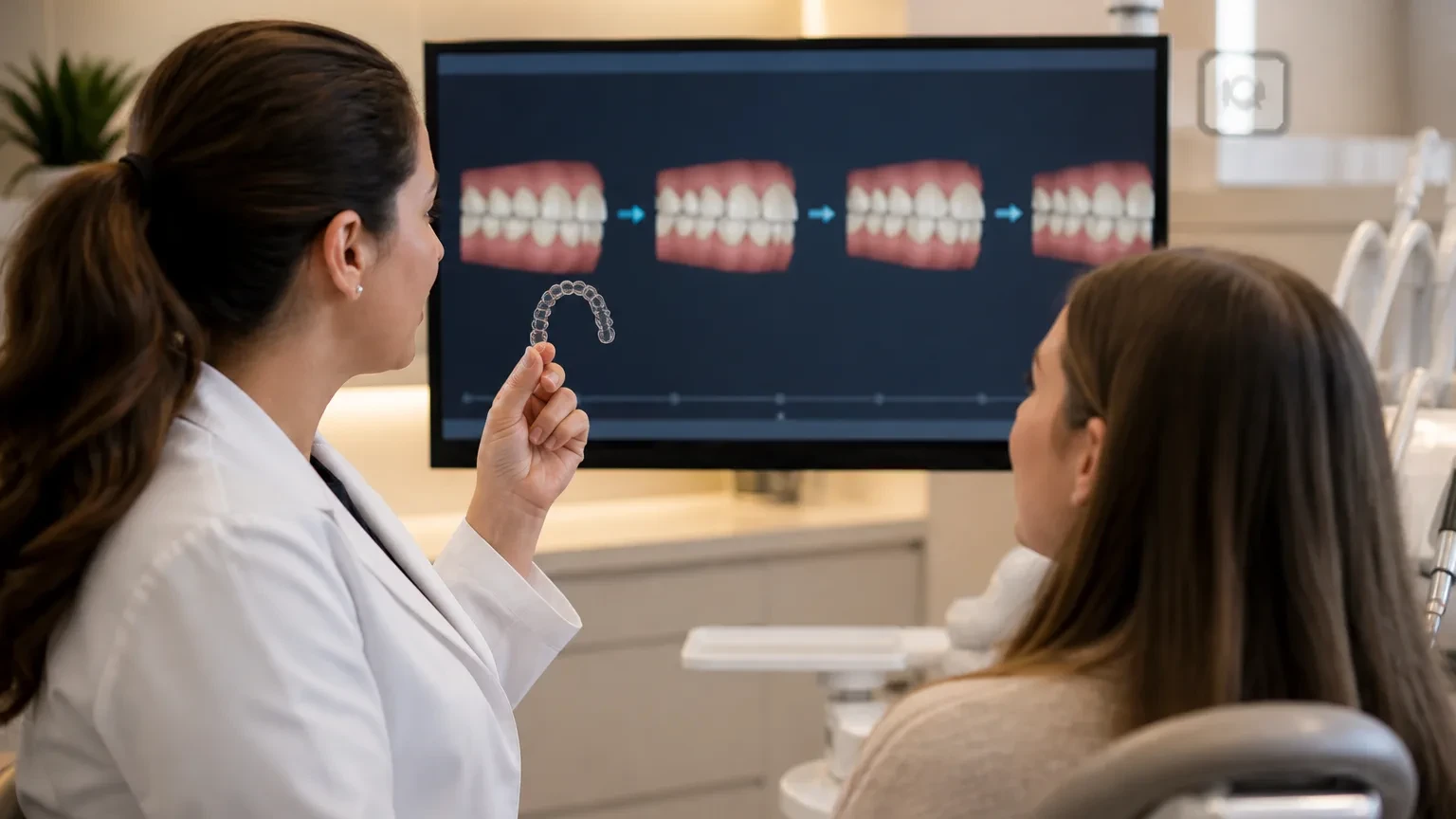
How Do Clear Aligners Work?
Clear aligners work by delivering programmed pressure through a series of custom trays you wear nearly full-time. Results depend on a sound plan, healthy gums, and honest wear—not on plastic looking “invisible.”
Read article
Are Clear Aligners Painful?
Clear aligners usually feel like firm pressure for a day or two after each new tray—not sharp ongoing pain. Persistent one-sided pain, sores that worsen, or trays that will not seat deserve a call, not toughing it out.
Read article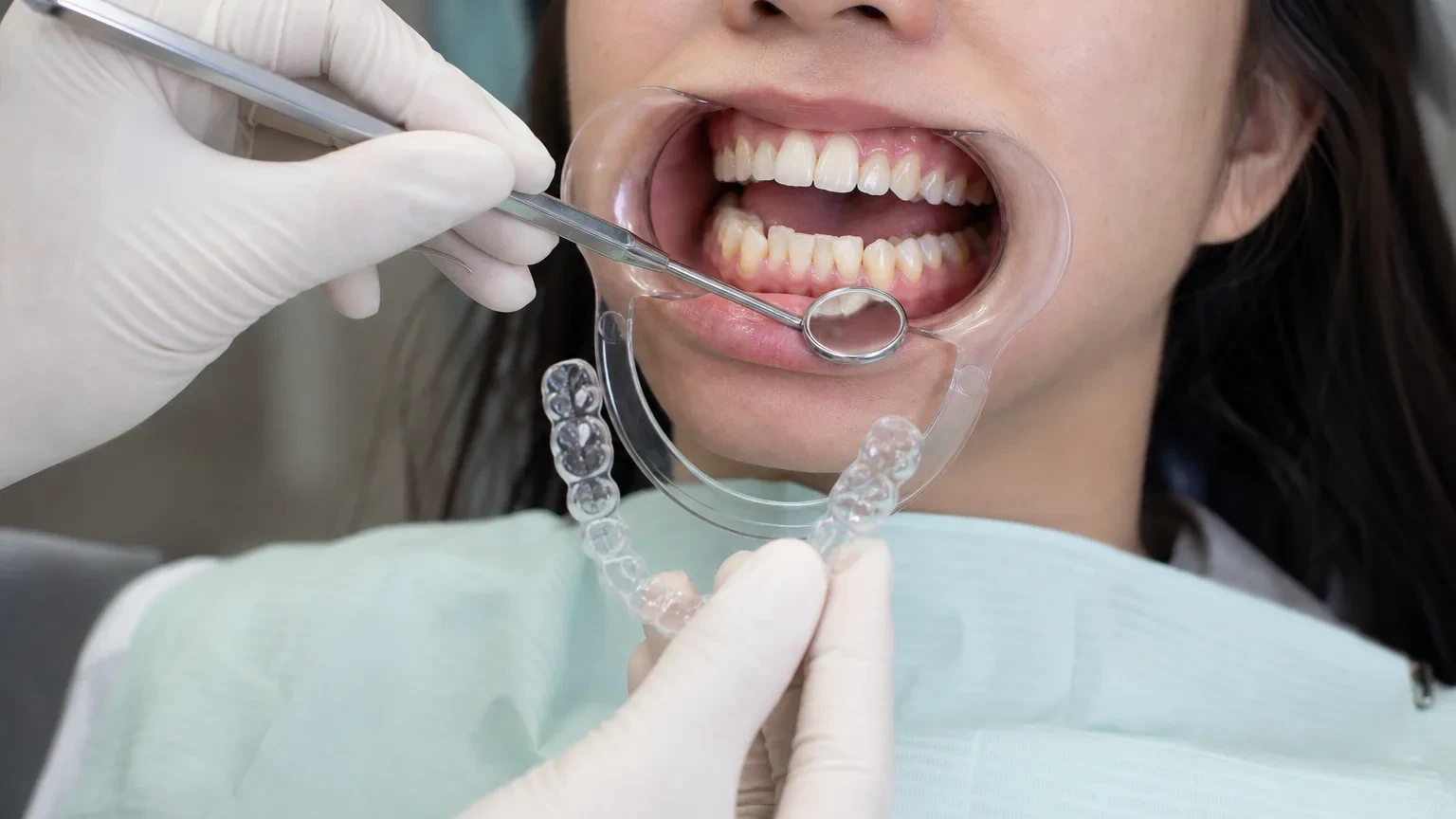
Can Clear Aligners Fix Crowded Teeth?
Clear aligners can fix many mild-to-moderate crowding cases when space is created thoughtfully and wear stays consistent. Severe crowding, impacted teeth, or complex bites may still need braces or a combined plan.
Read article
What Happens If You Lose A Clear Aligner?
If you lose a clear aligner, call your dental office promptly—do not guess for days. Many plans have you wear the prior tray, move ahead carefully, or order a replacement so teeth do not drift off track.
Read article