
What Are Clear Aligner Attachments?
Clear aligner attachments are small tooth-colored bumps that help trays grip and move teeth. Learn why they are used, how they feel, and when they come off.

Reviewed by Dr. Sean Myran, DMDDoctor of Dental Medicine, University of Pennsylvania
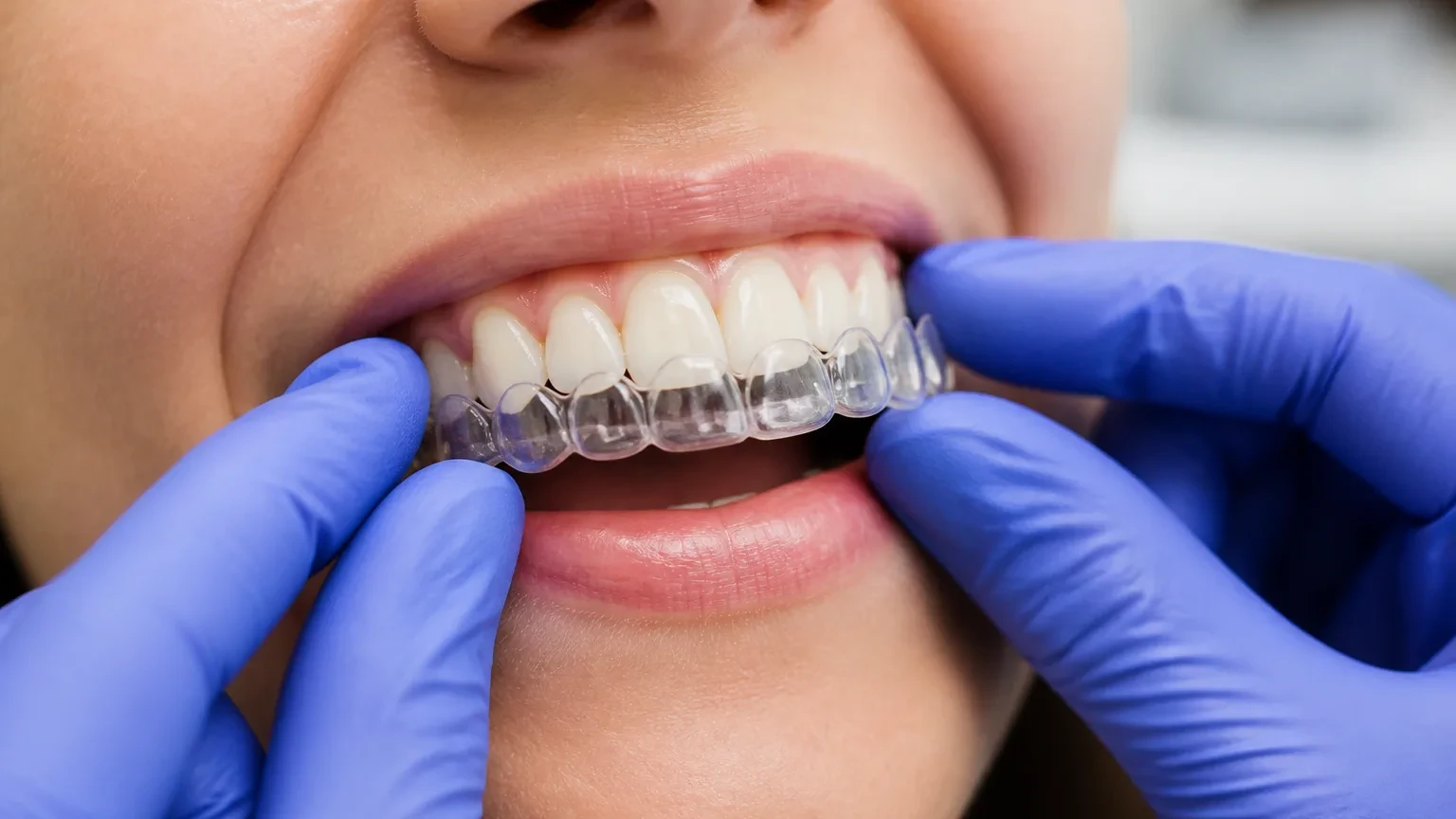
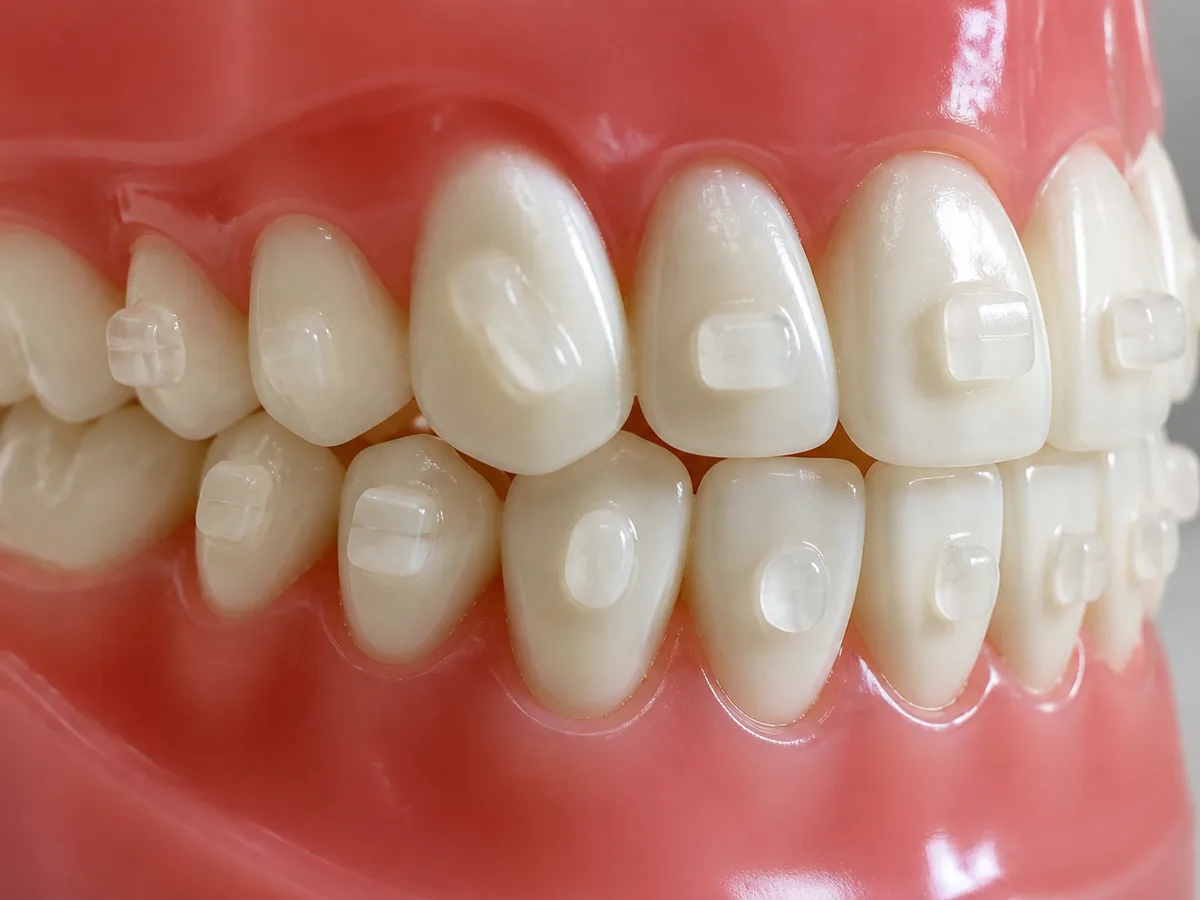
Clear aligner attachments—sometimes called buttons or engagers—are small tooth-colored composite shapes bonded to specific teeth during treatment. They give the plastic tray something to push against so rotations, extrusions, and other moves stay on plan. Smooth enamel alone can be slippery for certain forces. AAO aligner education notes that clear aligners are custom trays selected for unique needs; attachments are one common way clinicians customize those forces. They are usually removed when that phase ends or when treatment finishes.
The AAO also stresses professional evaluation for clear aligner therapy; attachment design belongs in that supervised plan, not in a one-size kit.
Do all clear aligner patients need attachments?
No. Mild spacing or limited tipping sometimes proceeds with few or none. Crowding, rotations, and bite details more often need them. Ask to see your predicted attachment map before bonding day so smile-zone bumps are not a surprise on camera. Related candidacy context: aligners for crowded teeth.
Will attachments show?
They are tooth-colored, yet they can catch light up close or in flash photos. Larger attachments on front teeth are more noticeable than tiny ones on back teeth. Discretion still depends on lighting, lip posture, and how many sit in the smile zone—compare with overall appearance questions in adult aligner planning.
 Report missing bumps early.
Grip is the point
Attachments create tiny handles so trays can apply force in a planned direction. You may feel them with your tongue for a few days. Speech usually adapts. If a tray will not seat over an attachment, do not force painfully—call for seating tips or a fit check. Broken or missing attachments should be reported; the digital plan may assume they are present.
How do you clean around attachments?
Brush carefully along the edges where composite meets enamel. Floss or other interdental tools still matter. Plaque at attachment margins can stain and irritate gums. Pair this with tray cleaning routines so plastic and bonded shapes stay compatible.
When do attachments come off?
Often at the end of active treatment, or earlier if a refinement changes the design. Removal is usually quick polishing by the dental team. A little sensitivity afterward can occur. Ask whether any enamel polishing or whitening wait time is advised after removal.
Elastics sometimes use separate buttons or hooks; those are related but not identical to aligner attachments. If your plan includes rubber bands, get wear hours in writing so attachments and elastics work together.
 Preview beats surprise bumps.
Ask about the map before bonding
Request a preview of which teeth get attachments, how large they will be, and whether refinements might add more. For clinicians who explain attachment strategies without surprise bonding days, use Find a Dentist and bring photo priorities if video calls matter at work. Attachments are tools for movement—not decorations. Knowing the plan keeps expectations honest.
Clear aligner attachments help trays grip teeth for planned moves. Not every case needs them; many do. Ask how they will look, how to clean them, and when they come off before they appear in your smile.
Some plans add attachments only for a few stages, then remove them when those moves finish. Others keep a stable set through most of treatment. Either approach can be reasonable; what matters is that the tray you are wearing matches the attachment layout it was made for. If an attachment chips on a popcorn kernel, save the fragment if you can and call—do not sand it yourself. Whitening strips over attachments are usually a poor idea. Think of attachments as temporary hardware: visible up close, purposeful in the plan, and gone when their job is done.
If social events make you self-conscious about attachments, ask whether staging can delay smile-zone bumps until after a specific date—sometimes yes, sometimes biology says no. Honest timing beats last-minute panic.
Related articles
Keep exploring related topics from Dental Country.
How Do Clear Aligners Work?
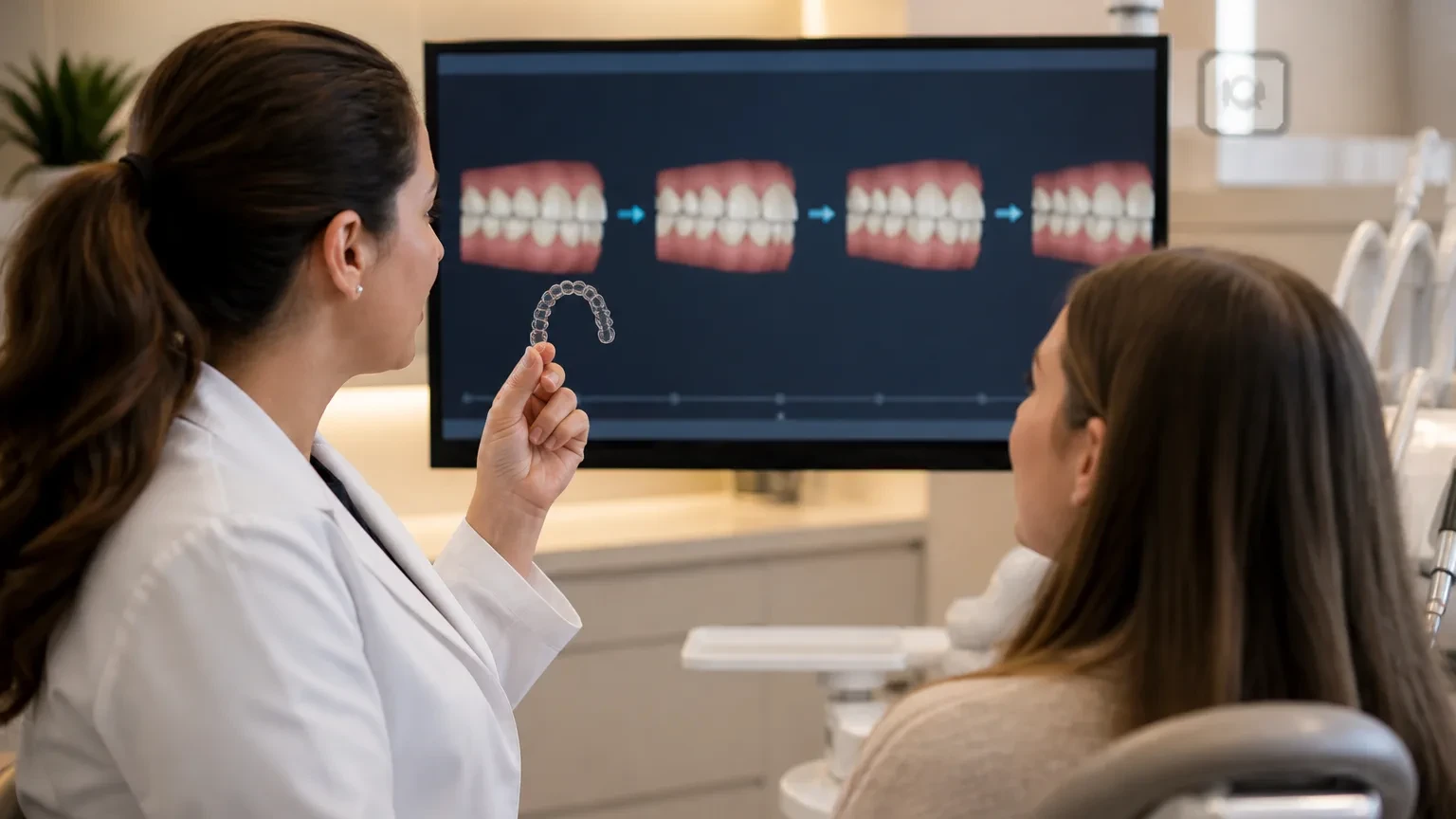
Clear aligners work by delivering programmed pressure through a series of custom trays you wear nearly full-time. Results depend on a sound plan, healthy gums, and honest wear—not on plastic looking “invisible.”
Read article
How Much Do Clear Aligners Cost?
Clear aligner fees usually reflect case complexity, clinical time, lab work, refinements, and retainers—not just a tray sticker price. Compare full pathways, including what happens if tracking stalls.
Read article
Are Clear Aligners Painful?
Clear aligners usually feel like firm pressure for a day or two after each new tray—not sharp ongoing pain. Persistent one-sided pain, sores that worsen, or trays that will not seat deserve a call, not toughing it out.
Read article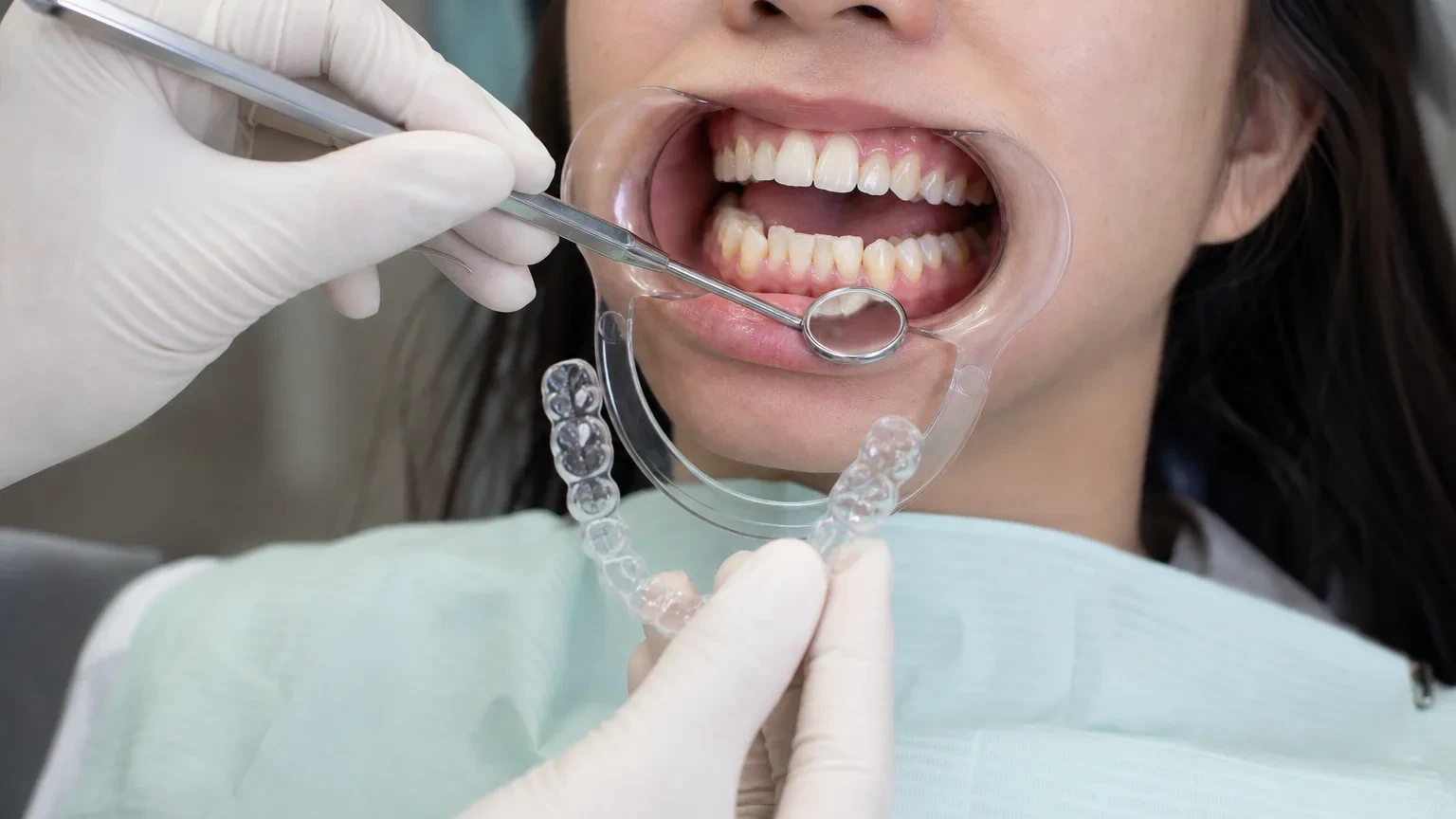
Can Clear Aligners Fix Crowded Teeth?
Clear aligners can fix many mild-to-moderate crowding cases when space is created thoughtfully and wear stays consistent. Severe crowding, impacted teeth, or complex bites may still need braces or a combined plan.
Read article