
For Patients
Dental FAQ.
Preventive dentistry FAQ covering cleanings, X-ray safety, deep cleaning, fluoride, tartar, checkup visits, cavities, and oral cancer screens.
FAQ categories
Browse by topic
- View All220
- Braces & Traditional Orthodontics11
- Clear Aligners11
- Crowns, Bridges & Restorations11
- Dental Anxiety & First Visits11
- Dental Implants11
- Dental Insurance, Cost & Financing11
- Dentures & Partial Dentures11
- Emergency Dental Care11
- Gum Disease & Periodontics11
- Invisalign vs Alternatives11
- Oral Hygiene & Home Care11
- Oral Surgery & Sedation11
- Pediatric Dentistry11
- Preventive Care & Cleanings11
- Root Canals & Endodontics11
- Sleep Apnea & Oral Appliances11
- Teeth Whitening11
- TMJ, Bite & Jaw Pain11
- Tooth Extraction & Wisdom Teeth11
- Veneers & Cosmetic Dentistry11
Preventive Care & Cleanings
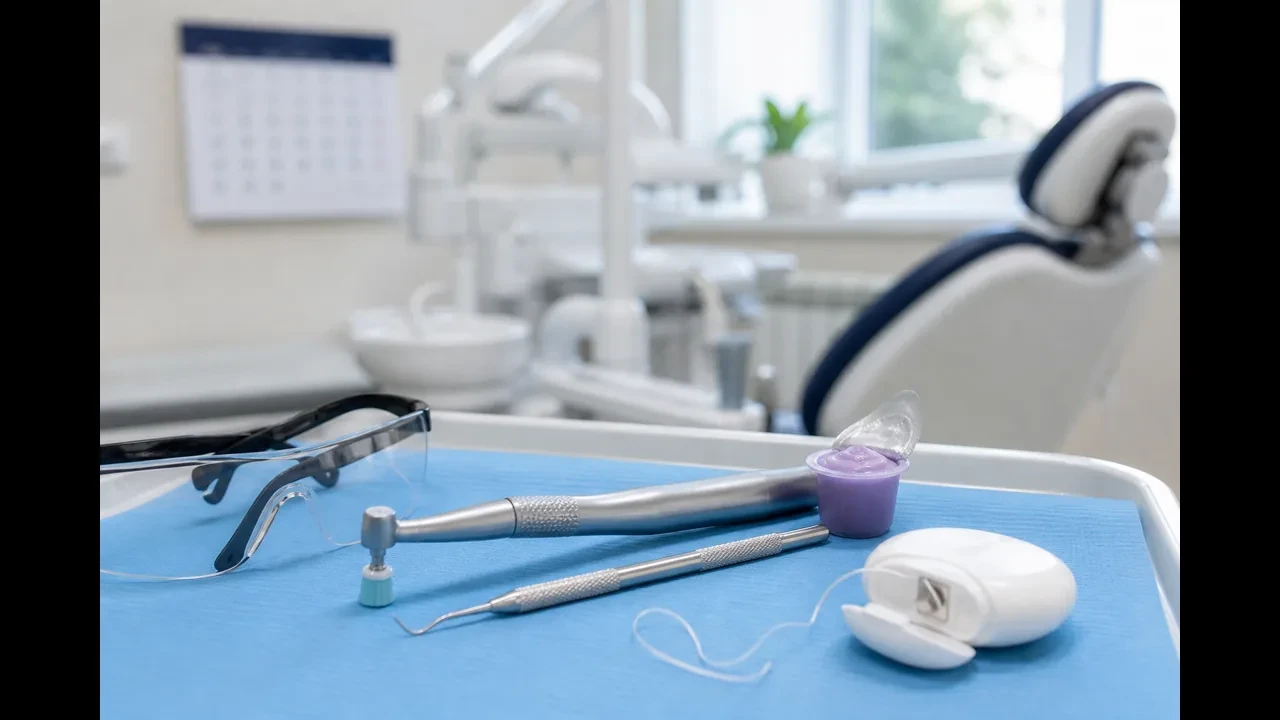
How Often Should You Get A Dental Cleaning?
Cleaning frequency follows risk: stable gums and low decay may fit a six-month rhythm, while bleeding, dry mouth, or rapid tartar often need closer recalls.
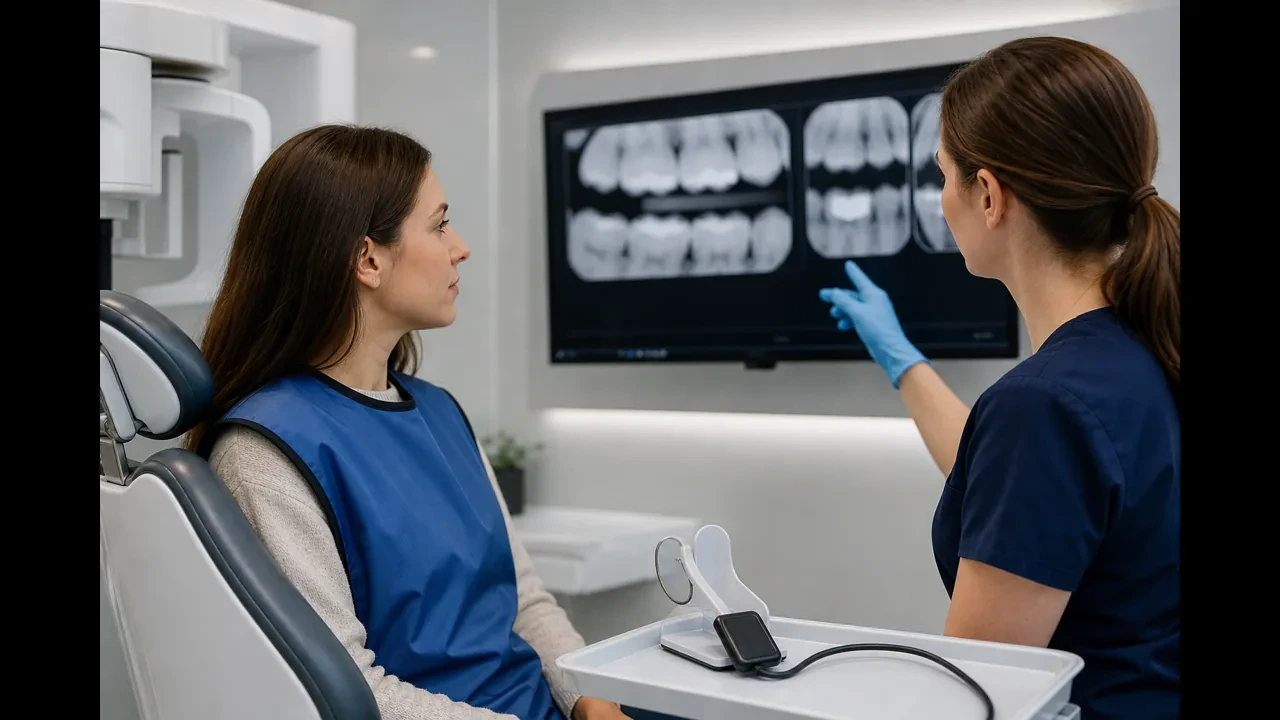
Are Dental X-Rays Safe?
Dental radiographs are low-dose tools used when the benefit of seeing hidden decay or bone loss outweighs the small radiation exposure of modern imaging.
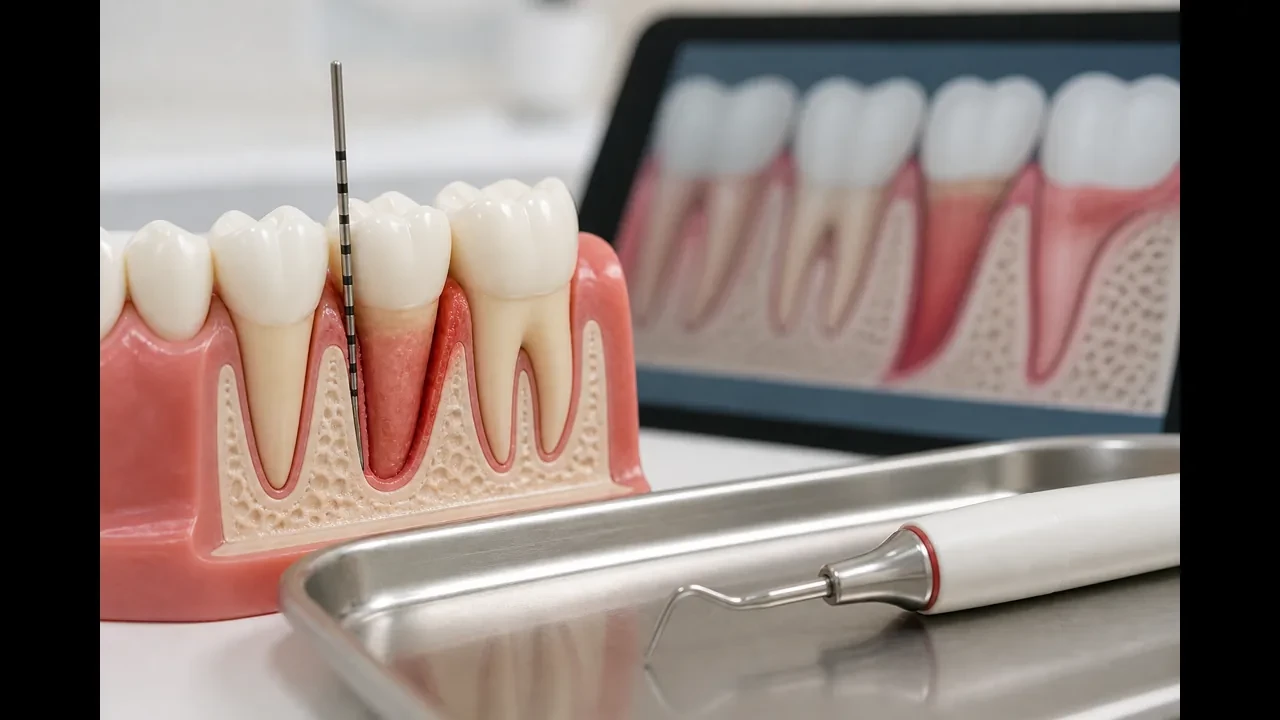
What Is A Deep Cleaning At The Dentist?
Deep cleaning reaches plaque and calculus under inflamed gums and along root surfaces, aiming to calm periodontal pockets that a polish alone cannot treat.
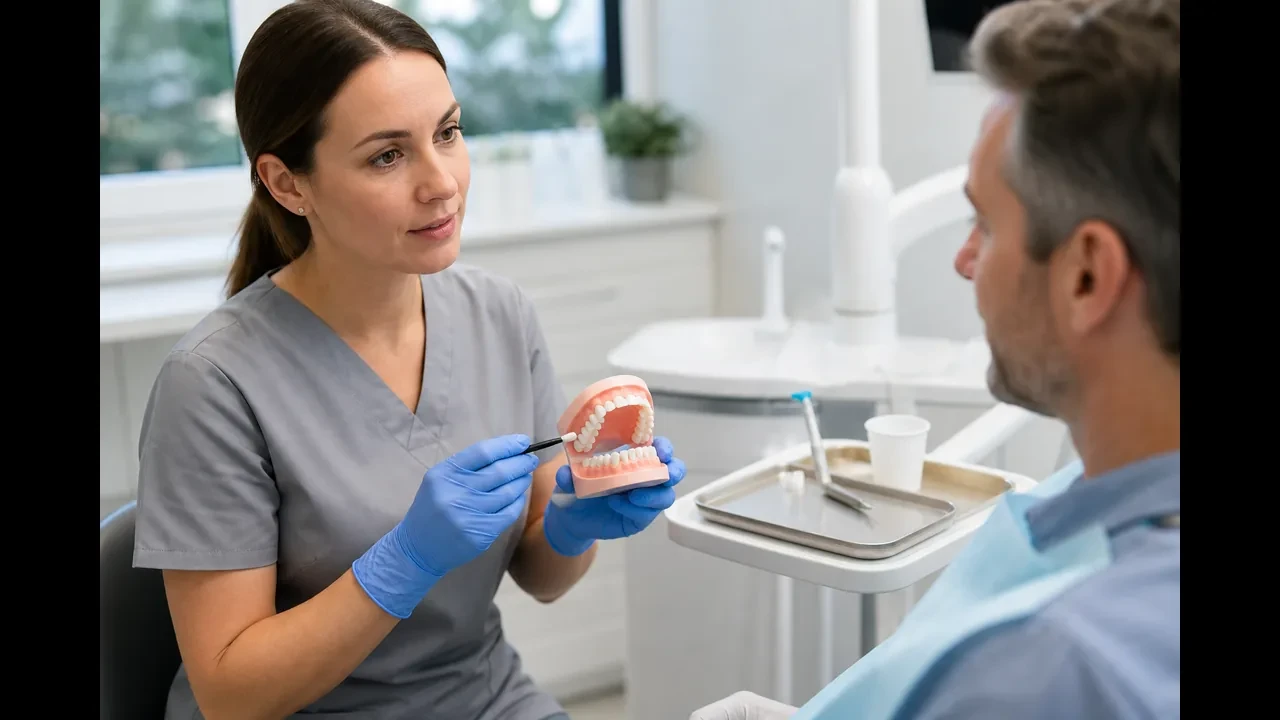
Do You Need Fluoride Treatments As An Adult?
Adult fluoride is about risk, not age: exposed roots, dry mouth, orthodontic scars, and recurring decay are common reasons in-office treatments still help.
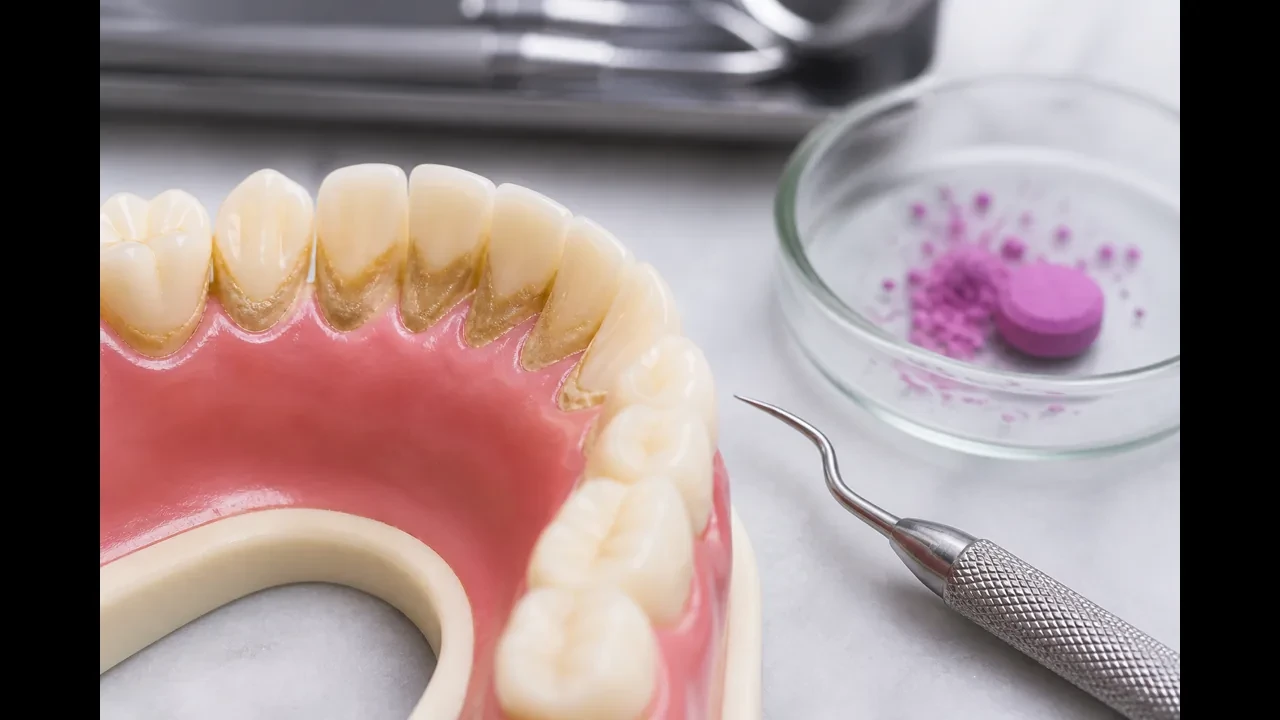
What Is Dental Calculus?
Calculus is mineralized plaque—tartar—that forms when soft biofilm sits long enough for saliva minerals to lock it onto enamel and roots.
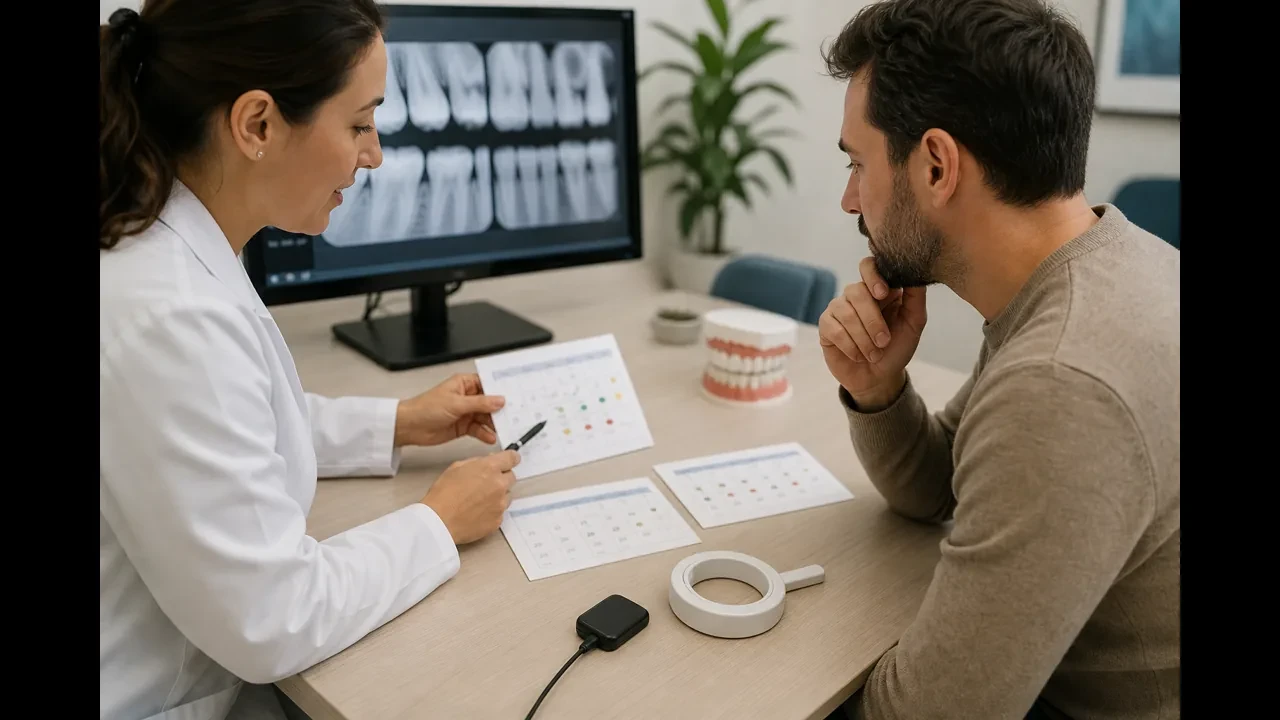
How Often Should You Get Dental X-Rays?
X-ray timing is individualized: higher decay or periodontal risk means shorter gaps, while stable low-risk adults often wait longer between bitewing sets.
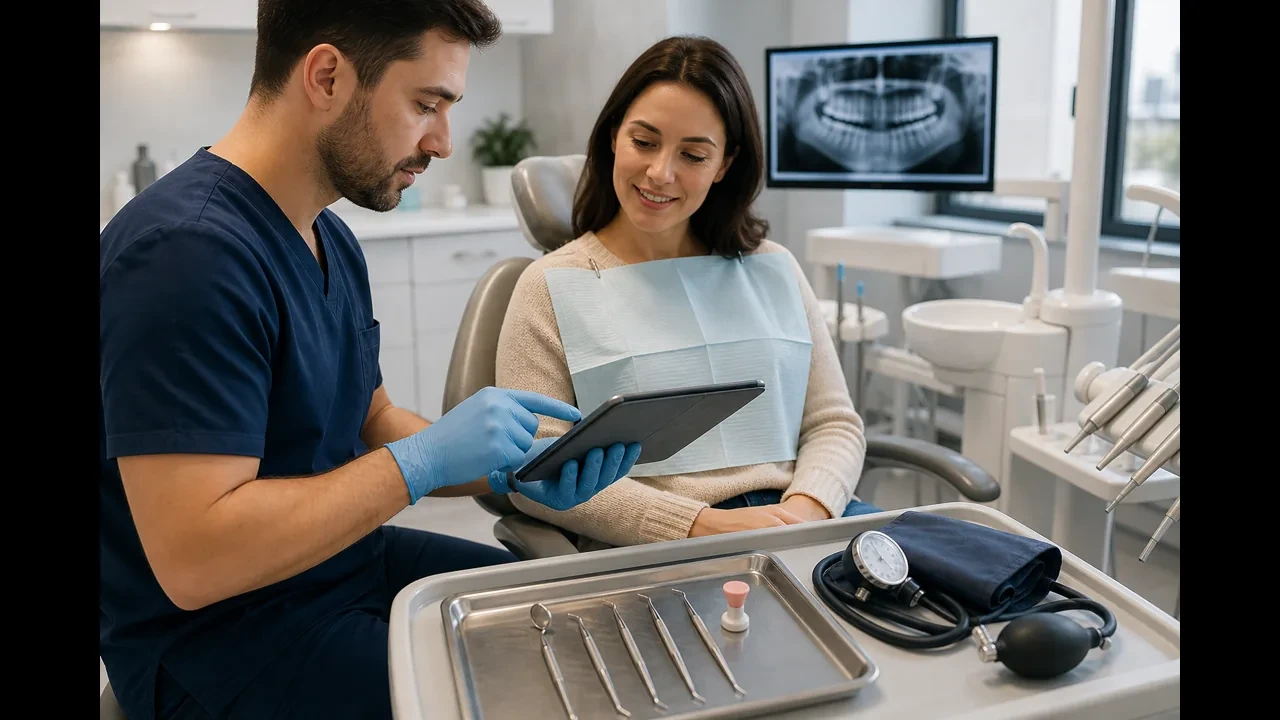
What Happens At A Routine Dental Checkup?
A checkup is a sequence: update health history, examine teeth and soft tissue, measure gums, clean deposits, and plan X-rays or treatment only when indicated.
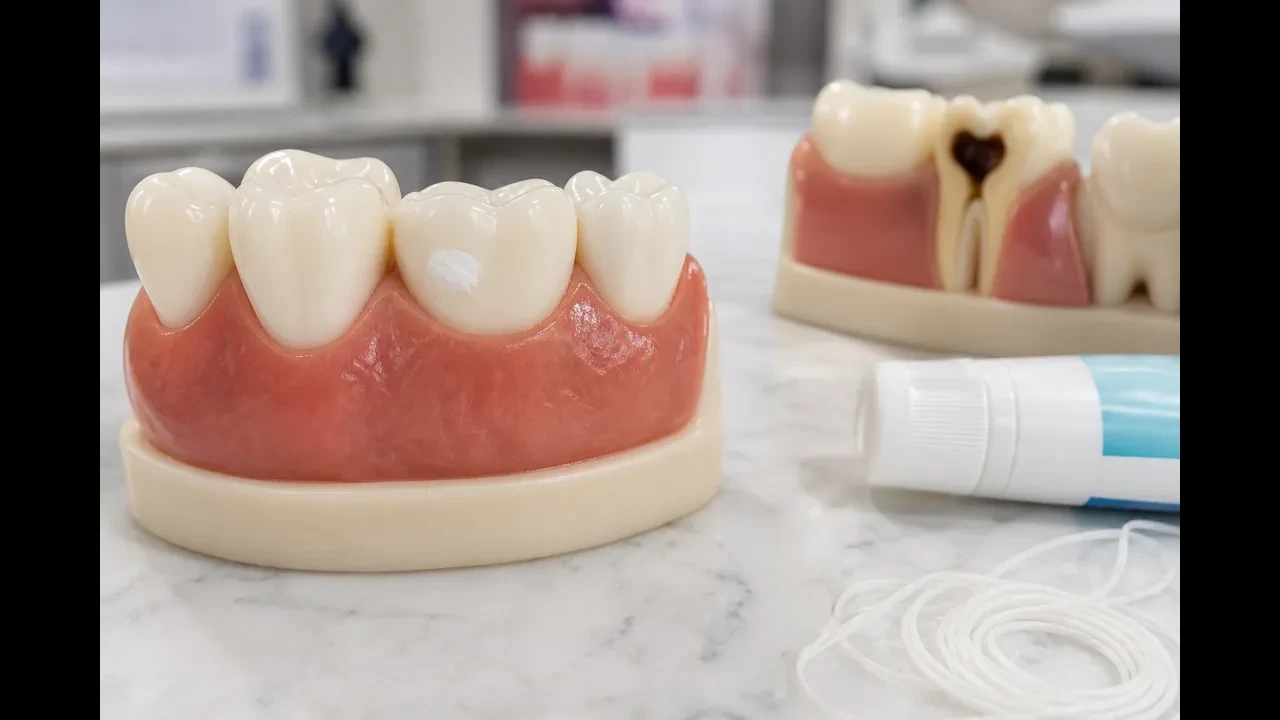
Can Cavities Heal On Their Own?
Softened early enamel can harden again with fluoride and fewer acid attacks, yet a cavitated hole needs a dentist—myths about self-healing fillings mislead.
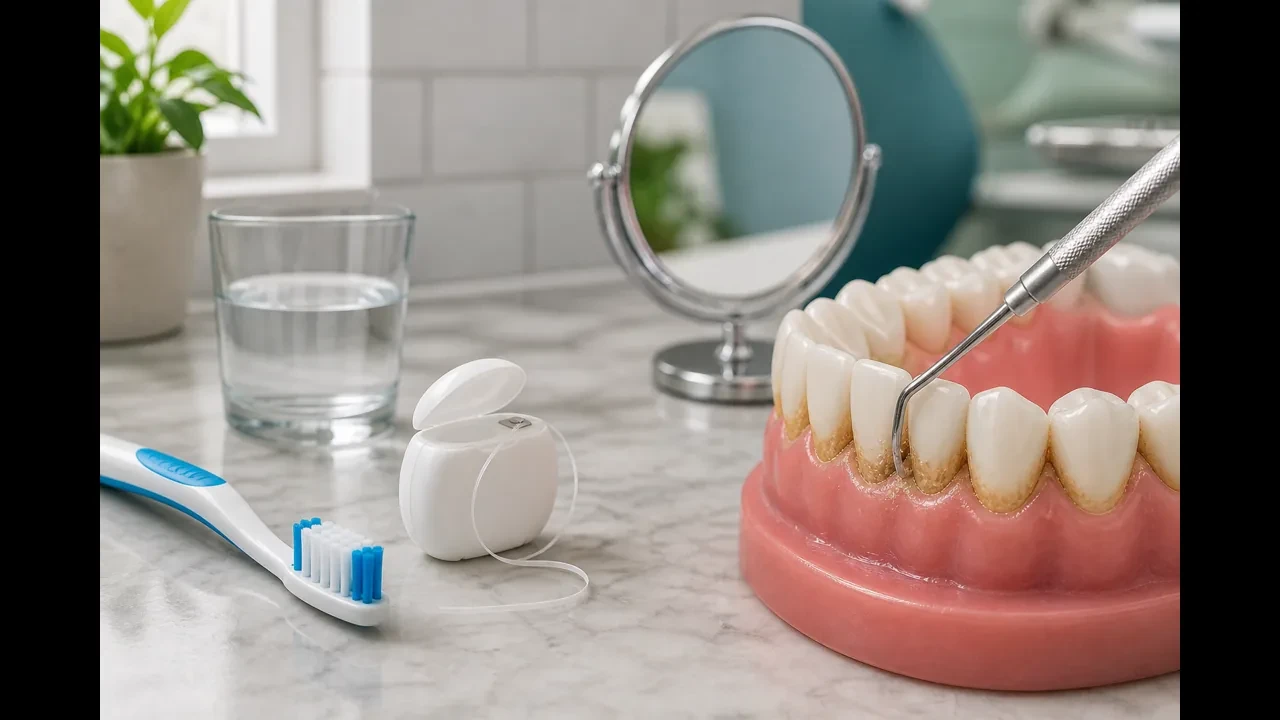
Why Do I Need A Dental Cleaning If I Brush?
Home brushing manages soft plaque; professional cleanings remove mineralized tartar and polish places your bristles never fully reach under the gumline.
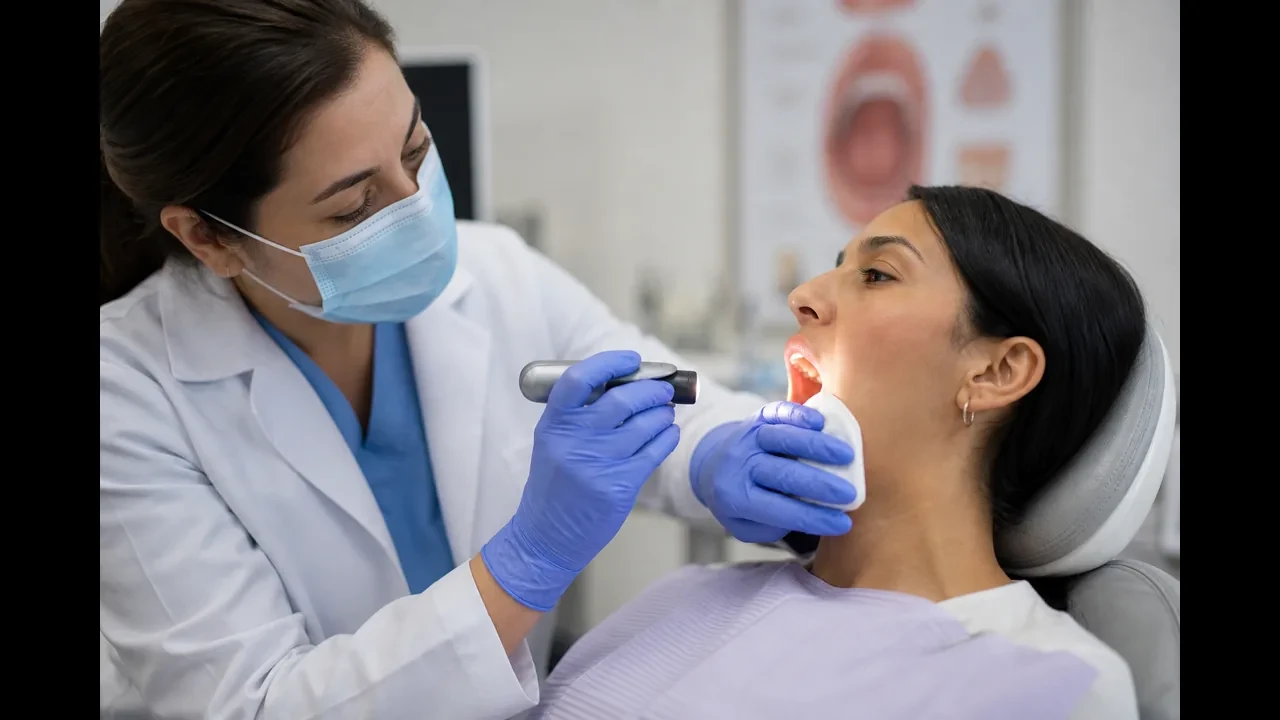
What Is An Oral Cancer Screening?
Screening is a systematic look and feel of the lips, tongue, cheeks, floor of mouth, and neck to catch persistent sores or lumps that need further testing.
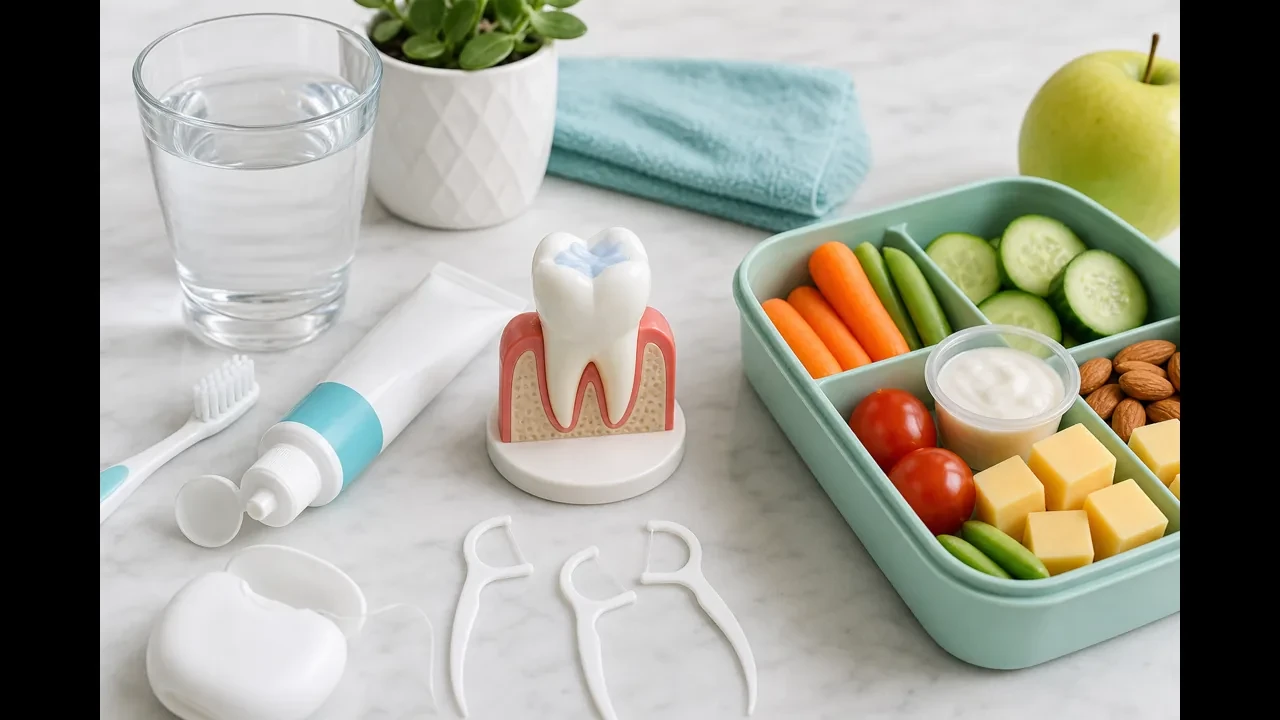
How Do You Prevent Cavities?
Cavity prevention is a repeatable routine: fluoride toothpaste, interdental cleaning, fewer acid snacks, saliva-friendly habits, and checkups that catch early lesions.