
How Do You Prevent Cavities?
Prevent cavities with fluoride, daily cleaning between teeth, smarter snacks, and regular checkups. Build a simple home-care routine that actually sticks.

Reviewed by Dr. Sean Myran, DMDDoctor of Dental Medicine, University of Pennsylvania
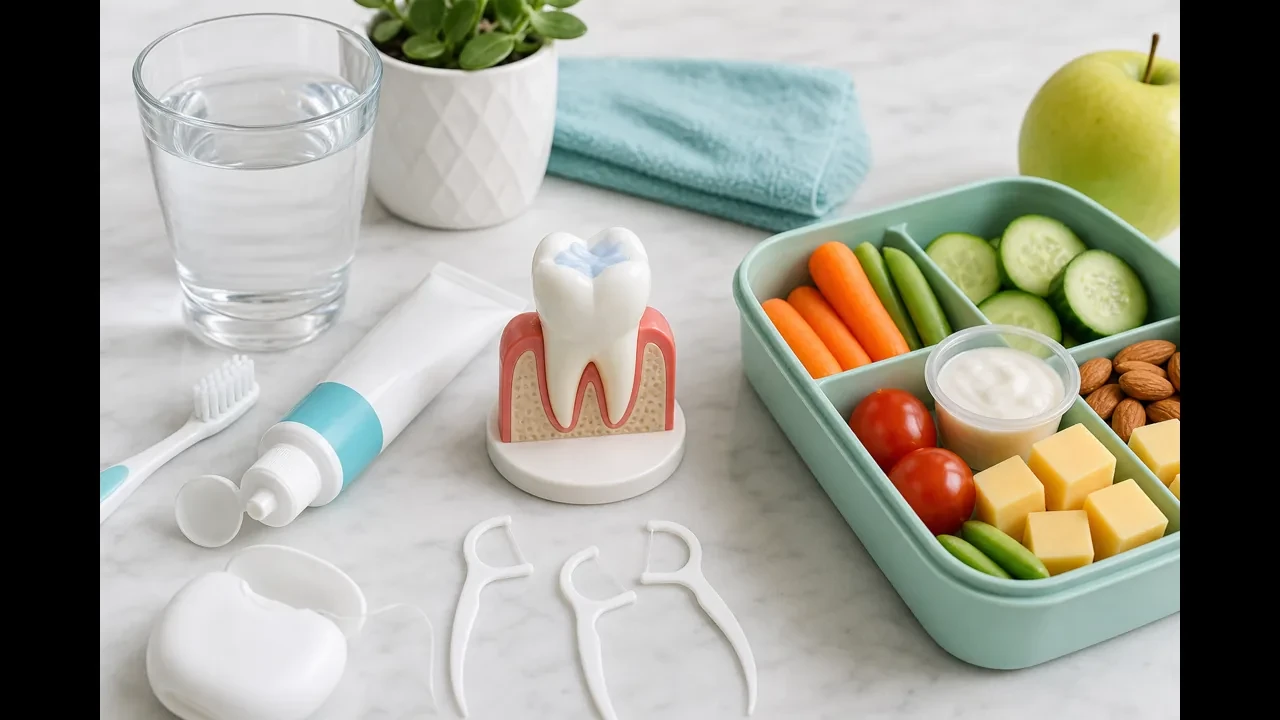
You prevent cavities by combining fluoride, thorough plaque removal, smarter snacking, saliva-friendly habits, and regular professional care that catches early lesions before they need large fillings. MouthHealthy emphasizes brushing with fluoride toothpaste, cleaning between teeth, eating a healthy diet, and seeing your dentist regularly to prevent decay. No single product cancels a constant sweet drink habit, and no checkup replaces nightly flossing around a tight contact.
CDC oral health prevention guidance highlights fluoride, dental sealants where appropriate, and routine dental care. Adults still benefit from the same chemistry kids do, especially on exposed roots. If early spots already exist, revisit what can remineralize versus what needs a filling so expectations stay realistic.
A Home-Care Prevention Routine
- Morning: brush two minutes with fluoride toothpaste; spit lightly; clean between teeth once daily (morning or night—pick the slot you will keep).
- Daytime: water between meals; limit sticky grazes; finish sweets with a meal rather than hourly sips.
- After acidic drinks: wait before brushing so softened enamel is not scrubbed away; rinse with water first.
- Night: floss or use interdental brushes, then brush—the overnight stretch is long without saliva spikes from meals.
- Weekly: check retainers, guards, and brush heads; replace worn bristles.
- Per recall: keep cleaning visits and ask about adult fluoride if risk is high.
Consistency beats perfection. A routine you follow five nights a week outperforms an elaborate kit you abandon after a weekend. If evenings are chaotic, park floss picks next to the TV remote or toothbrushing beside your phone charger—the cue matters more than the brand. Replace “I will floss everything” with “I will clear the two molars that trap popcorn,” then expand once that stick.
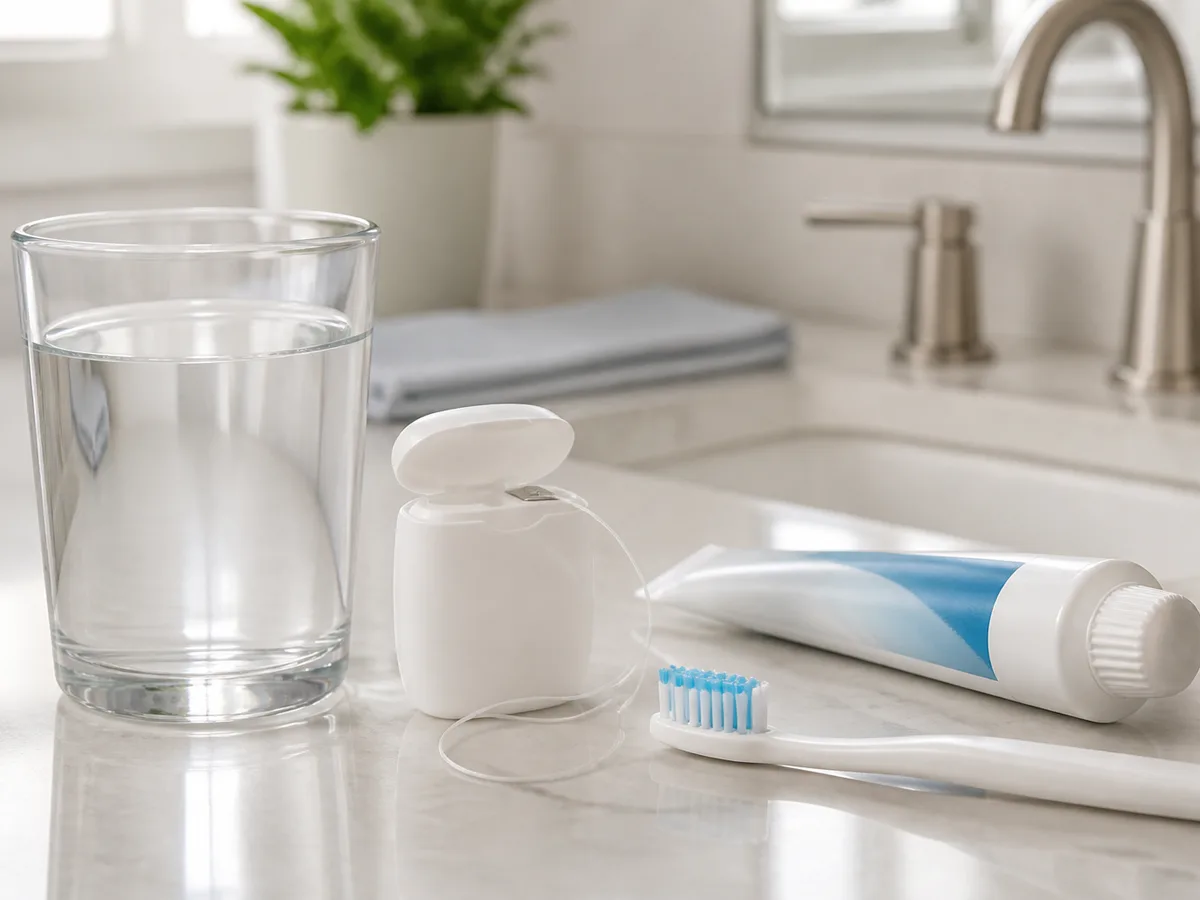 Between teeth is the high-yield zone.
Contacts are where many cavities start
Bitewing X-rays often find decay between teeth long before you feel a hole. That is why floss, soft picks, or sized interdental brushes are non-negotiable in a prevention routine. If floss shreds, ask whether a tighter contact, a rough filling edge, or a calculus ledge is the cause. Technique coaching during a routine checkup beats buying more gadgets you will not use. Start with the two contacts that trap food every lunch—you will feel the win sooner. Revisit sizing of interdental brushes as gums change so you are not forcing a tool that scrapes or skipping one that is too skinny to wipe the surface.
Support Habits That Multiply Fluoride’s Effect
- Saliva: stay hydrated; discuss dry-mouth medicines with your physician and dentist.
- Sealants: still useful for some adult molars with deep grooves.
- Xylitol gum: after meals may help when your dentist agrees it fits your diet.
- Stain versus decay: dark grooves are not automatically cavities—verify on exam rather than DIY drilling.
- Night guards when grinding: worn enamel and chipped cusps create niches where plaque hides.
Work and school cultures that normalize all-day sweet coffee or energy drinks are cavity machines because acid attacks stack. Packing water, eating sweets with lunch, and keeping a travel toothbrush for after team lunches are unglamorous tactics that outperform an expensive paste used over the same sipping habit. If you have orthodontic retainers, clean them daily so you are not pressing a plaque-coated tray against enamel overnight.
 Fewer acid attacks, stronger routine.
Frequency of sugar beats portion size
Three desserts at meals stress teeth less than an all-afternoon latte with syrup sipped every few minutes. Each sip restarts acid production. Park sweet drinks with food, then switch to water. If sports drinks are required for long workouts, rinse with water afterward and keep them out of desk hours. For personalized prevention planning, use Find a Dentist and ask for a risk-based visit that includes home-care coaching, not only a polish.
Cavity prevention is a routine you can name step by step, not a vague hope that genetics will spare you. Fluoride, interdental cleaning, snack timing, and checkups reinforce each other—keep all four in play and early lesions have a harder time becoming fillings.
Related articles
Keep exploring related topics from Dental Country.
How Often Should You Get A Dental Cleaning?
Cleaning frequency follows risk: stable gums and low decay may fit a six-month rhythm, while bleeding, dry mouth, or rapid tartar often need closer recalls.
Read article
Are Dental X-Rays Safe?
Dental radiographs are low-dose tools used when the benefit of seeing hidden decay or bone loss outweighs the small radiation exposure of modern imaging.
Read article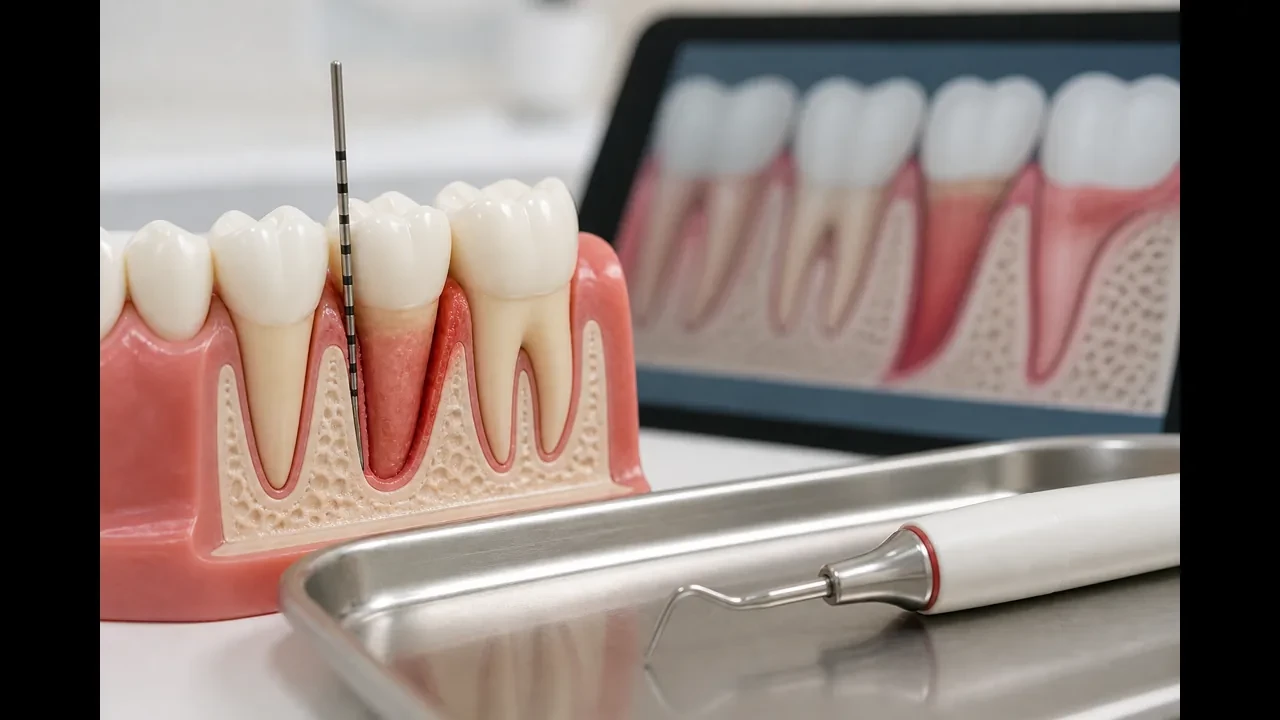
What Is A Deep Cleaning At The Dentist?
Deep cleaning reaches plaque and calculus under inflamed gums and along root surfaces, aiming to calm periodontal pockets that a polish alone cannot treat.
Read article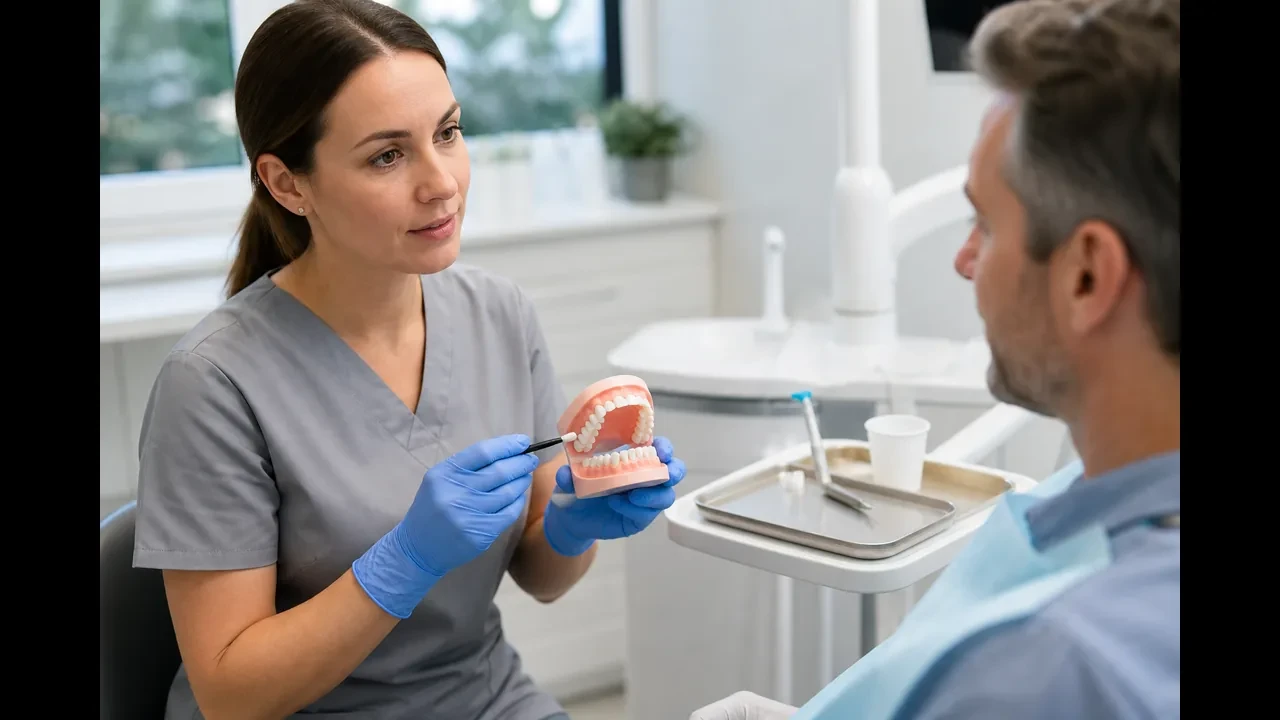
Do You Need Fluoride Treatments As An Adult?
Adult fluoride is about risk, not age: exposed roots, dry mouth, orthodontic scars, and recurring decay are common reasons in-office treatments still help.
Read article