
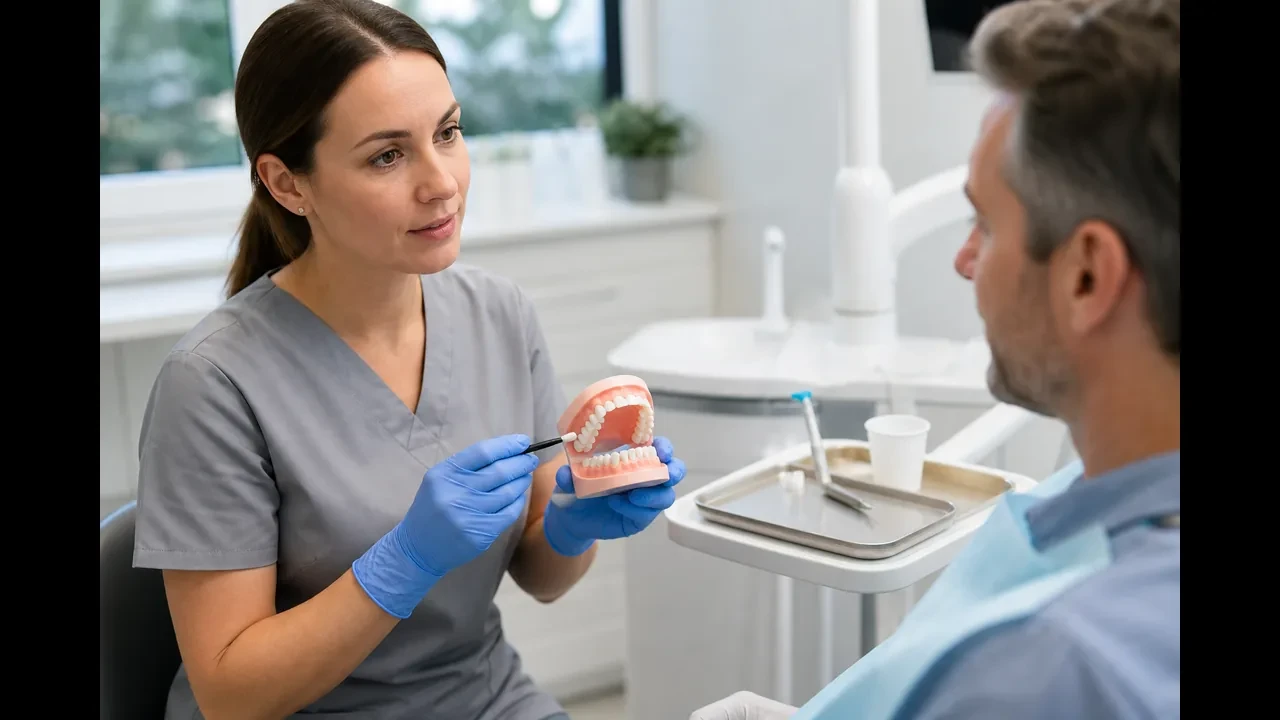
Do You Need Fluoride Treatments As An Adult?
Adults with dry mouth, root exposure, braces history, or frequent cavities may still benefit from fluoride. Learn who is a good candidate and what to expect.

Reviewed by Dr. Sean Myran, DMDDoctor of Dental Medicine, University of Pennsylvania
Adults can benefit from fluoride treatments when cavity risk stays elevated—even if childhood trays feel like a distant memory. In-office varnish or gel adds a concentrated burst that complements daily fluoride toothpaste. MouthHealthy explains that fluoride helps prevent tooth decay and can be delivered in professional treatments as well as toothpaste and water. Need is driven by saliva, diet, root exposure, and recent decay—not by birthday.
CDC notes that fluoride varnish can prevent cavities and is commonly applied in dental settings. For adults, varnish is quick, sticks to enamel and exposed cementum, and usually allows you to eat soft foods soon after with simple post-care rules. Prescription high-fluoride toothpaste may also enter the plan for home use when risk is high.
Adult Fluoride Candidacy Checklist
- Two or more new cavities in recent years despite routine brushing.
- Dry mouth from medicines, Sjögren’s, or mouth breathing at night.
- Receding gums / exposed roots that decay faster than enamel.
- Orthodontic history, crowded contacts, or rough enamel that traps plaque.
- Frequent sugary or acidic sipping for work or sports.
- White-spot lesions that have not yet cavitated—see early decay and remineralization.
- Limited dexterity that makes interdental cleaning inconsistent.
If none of these apply and exams stay quiet, daily fluoride toothpaste plus community water fluoride may be enough. If several boxes check yes, professional applications at cleaning visits are a low-burden way to tip chemistry toward remineralization while you improve snacks and flossing.
Cost and coverage vary. Some plans include fluoride for adults when risk is documented; others label it elective. Ask the office to note dry mouth, root exposure, or recent decay in your chart so the recommendation is clearly preventive rather than cosmetic. If varnish is declined for budget reasons, a prescription-strength toothpaste used nightly can still raise the fluoride dose at home under guidance. Do not combine multiple high-dose products without asking—more is not automatically safer for young children in the house who might misuse a tube.
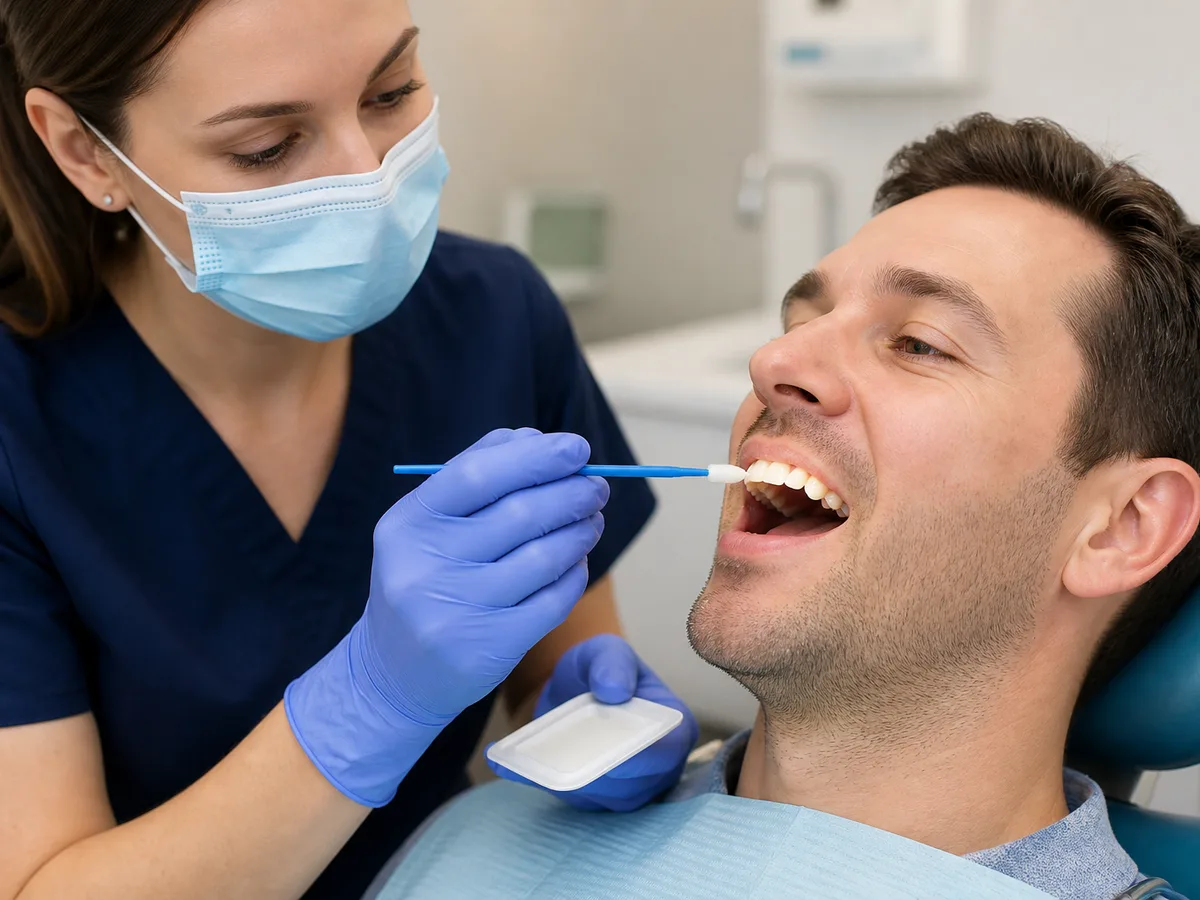 Minutes in the chair, weeks of chemistry help.
Varnish targets the teeth that need it
Application often takes a few minutes after cleaning. The varnish may feel sticky or tinted briefly. Avoid hot drinks and crunchy snacks for the window your office recommends so the film can work. Tell the team about allergies to varnish components and about any large open cavities that need filling first—fluoride supports enamel chemistry but does not replace a restoration when a hole already exists. Ask whether a tray gel or varnish fits your gag reflex better.
Home Pairings That Make Treatments Worth It
- Use a pea-sized smear of fluoride toothpaste twice daily; spit, and avoid rinsing heavily if your dentist advises.
- Clean between teeth daily so fluoride can reach contact areas—core to cavity prevention.
- Swap constant sweet drinks for water between meals.
- Ask about prescription toothpaste if roots keep decaying.
 Risk score guides the product mix.
Office fluoride is not a free pass
Treatments work best beside habits, not instead of them. If dry mouth is the driver, talk about sugar-free gum with xylitol, humidifiers, or saliva substitutes in addition to varnish. For a dentist who will score your risk and recommend adult fluoride only when it fits, use Find a Dentist and mention recent cavities or medications when you schedule. Bring your current toothpaste so they can see whether you already use fluoride daily.
Silver diamine fluoride is a different conversation used mainly to arrest active decay in selected teeth; it is not the same as a clear varnish polish after cleaning. If your dentist mentions SDF, ask about dark staining and which teeth are candidates. Ordinary varnish aims to strengthen surfaces and slow new lesions without that hallmark darkening.
You need adult fluoride treatments when your risk profile says enamel and roots need extra defense—not because every adult automatically does. A short candidacy checklist with your dentist turns a vague “add-on” into a clear yes, no, or periodic maybe.
Related articles
Keep exploring related topics from Dental Country.
How Often Should You Get A Dental Cleaning?
Cleaning frequency follows risk: stable gums and low decay may fit a six-month rhythm, while bleeding, dry mouth, or rapid tartar often need closer recalls.
Read article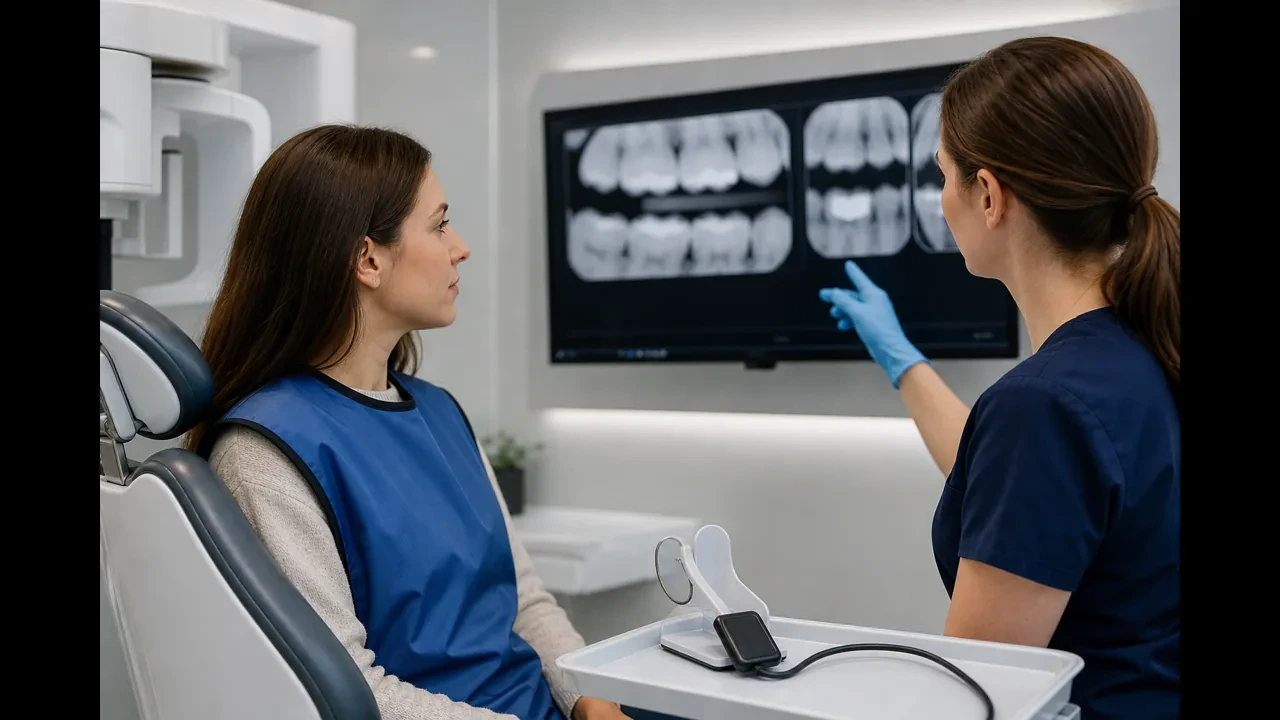
Are Dental X-Rays Safe?
Dental radiographs are low-dose tools used when the benefit of seeing hidden decay or bone loss outweighs the small radiation exposure of modern imaging.
Read article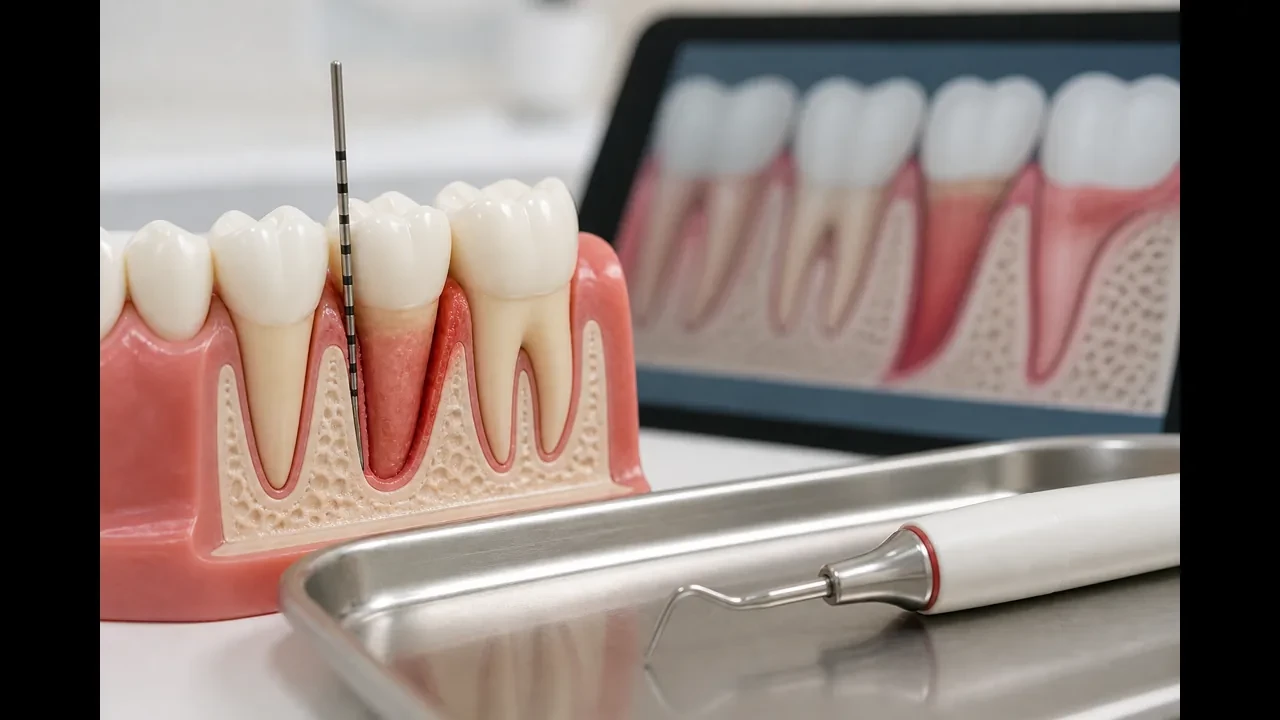
What Is A Deep Cleaning At The Dentist?
Deep cleaning reaches plaque and calculus under inflamed gums and along root surfaces, aiming to calm periodontal pockets that a polish alone cannot treat.
Read article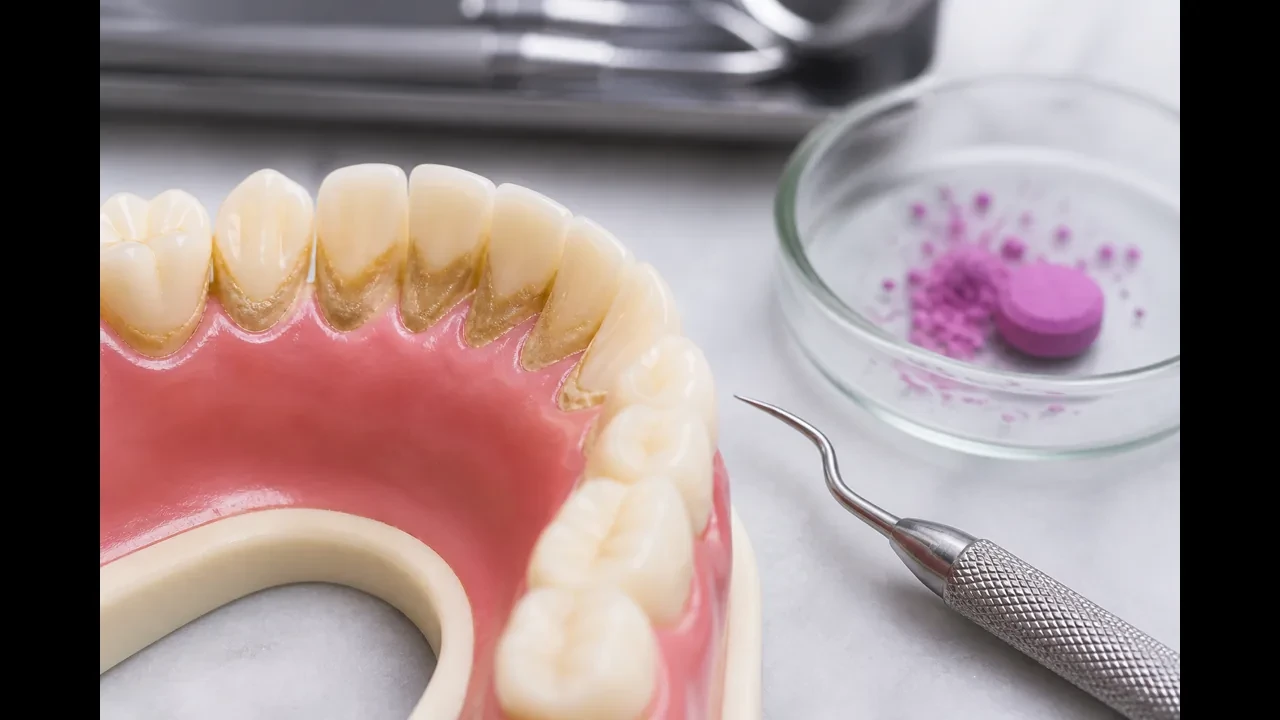
What Is Dental Calculus?
Calculus is mineralized plaque—tartar—that forms when soft biofilm sits long enough for saliva minerals to lock it onto enamel and roots.
Read article