
How Often Should You Get A Dental Cleaning?
Many adults clean every six months, but gum disease, dry mouth, or high cavity risk can mean shorter visits. Learn how dentists set your schedule.

Reviewed by Dr. Sean Myran, DMDDoctor of Dental Medicine, University of Pennsylvania
Many adults do well with a professional dental cleaning about every six months, but that interval is a starting point—not a rule carved for every mouth. People with gum inflammation, rapid tartar buildup, dry mouth, braces history, tobacco use, diabetes, or frequent cavities often need shorter recalls so plaque and calculus do not quietly undo home care. MouthHealthy explains that professional cleanings remove plaque and tartar that brushing alone can miss. Your dentist sets the schedule after looking at gums, bitewing history, and how fast deposits return between visits.
Think of frequency as risk framing rather than loyalty to a calendar. A patient with firm pink gums, shallow pocket depths, and little new calculus can often stay on a standard preventive cadence. Someone whose gums bleed, whose pockets deepen, or whose last cleaning left heavy deposits may need three- or four-month visits until the pattern stabilizes. Insurance defaults sometimes match six months, yet clinical need can differ from plan language.
Who Usually Needs Closer Recalls
- Active gum disease or recent deep cleaning: shorter intervals help keep roots free of plaque while tissue settles—related to what a deep cleaning involves.
- Heavy calculus formers: some mouths mineralize plaque quickly; see how dental calculus forms.
- Dry mouth or many medications: less saliva means plaque sticks longer and cavities start faster.
- Orthodontic retainers, crowded teeth, or implant restorations: extra edges trap biofilm where a brush skims past.
- Pregnancy, uncontrolled diabetes, or immune challenges: inflammation risk rises, so monitoring often tightens.
If you brush carefully and still hear “you have a lot of tartar,” the issue is usually mineralized deposits and pocket geometry, not a moral failure. That is why professional cleanings still matter when you brush. Hygienists use scalers and ultrasonics that reach under the gumline in ways floss cannot when calculus is already hard.
Between visits, watch for bleeding when you floss, a persistent rough ledge near the gumline, or new sensitivity after sweet drinks. Those signals do not always mean you must come in tomorrow, but they are reasons to ask whether your recall should move earlier rather than waiting for a distant anniversary date. People who form calculus quickly often feel smoother for only a few months after scaling; that pattern is clinical information, not proof that home care “failed.” Share it at the next exam so the interval can match your biology.
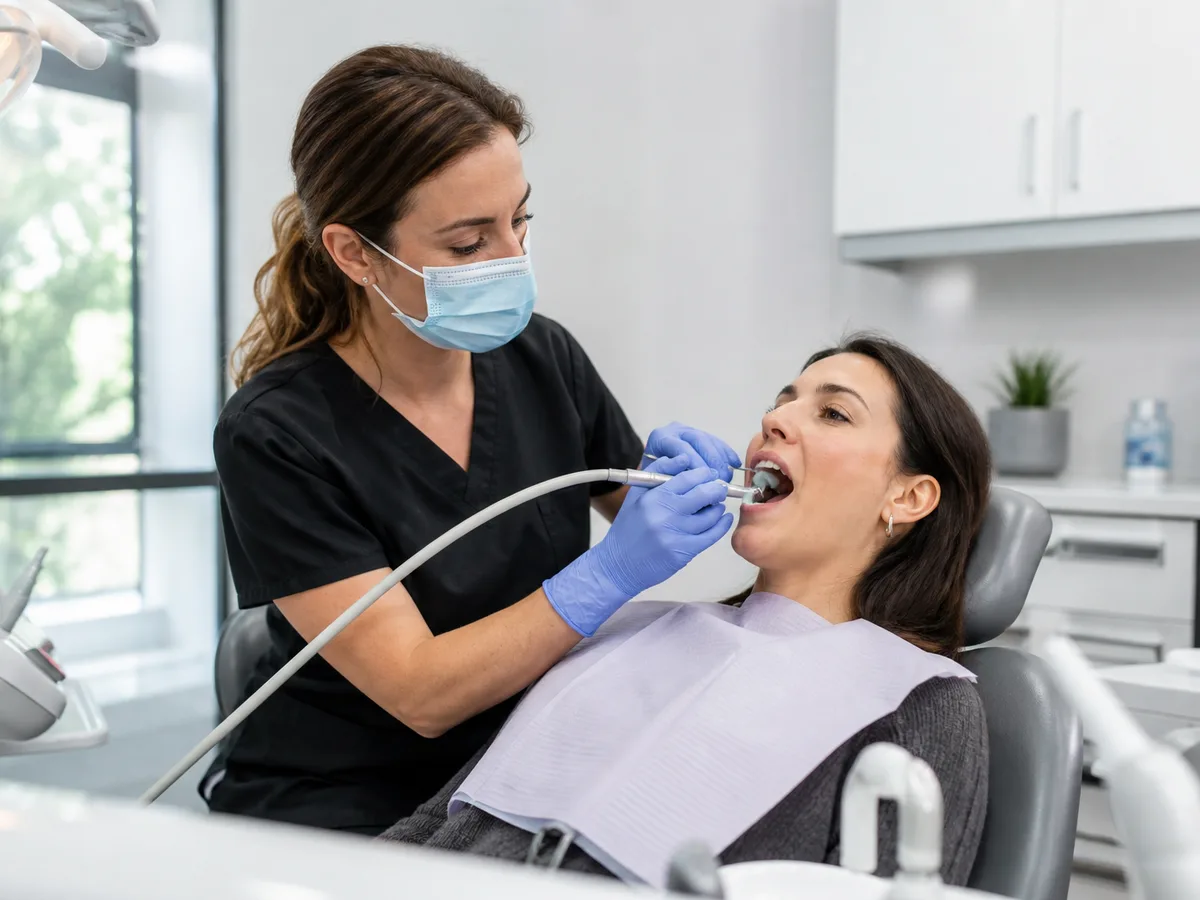 Interval follows risk, not habit alone.
Ask what changed since your last visit
A useful recall conversation names the reason for the interval: bleeding points, pocket numbers, new decay, orthodontic hardware, or dry-mouth medicines. Write the recommended months on your phone the same day you leave. If cost or travel forces a stretch, ask which home upgrades matter most until the next opening—fluoride toothpaste, interdental brushes, or a prescription rinse—rather than guessing. Skipping without a plan usually costs more later when inflamed gums need deeper therapy. If your plan covers two cleanings a year but your gums need four, ask the office how to document medical necessity so you are not surprised by fees.
What Can Stretch Or Shorten The Gap
- Stable exams: no new cavities, improving bleeding scores, and light plaque can support keeping or carefully extending time between cleanings.
- Rising risk: new white-spot lesions, smoker’s stain with irritation, or pregnancy gingivitis often pull the next visit forward.
- Life changes: starting Sjögren’s care, cancer therapy, or a high-sugar sip-all-day habit should trigger a schedule review even if your last cleaning looked fine.
- Missed years of care: the first visit back may need a longer cleaning or staged therapy before a steady recall rhythm returns.
 A booked recall protects the plan.
Book before you leave the chair
Openings fill weeks out in many offices. Leaving without a booked recall is how six months becomes ten. If you need a new office after a move, use Find a Dentist and ask for a preventive visit that includes gum charting, not only a polish. Bring a list of medicines and any prior deep-cleaning dates so the hygienist can set a realistic first interval instead of a generic default. Same-day booking after the exam is the simplest way to keep risk-based timing from drifting.
Cleaning frequency is a living decision. Revisit it whenever gums change, medicines change, or checkup findings show new risk. The goal is enough professional removal of deposits to keep teeth and tissue stable—not the shortest or longest gap someone else follows.
Related articles
Keep exploring related topics from Dental Country.
Are Dental X-Rays Safe?
Dental radiographs are low-dose tools used when the benefit of seeing hidden decay or bone loss outweighs the small radiation exposure of modern imaging.
Read article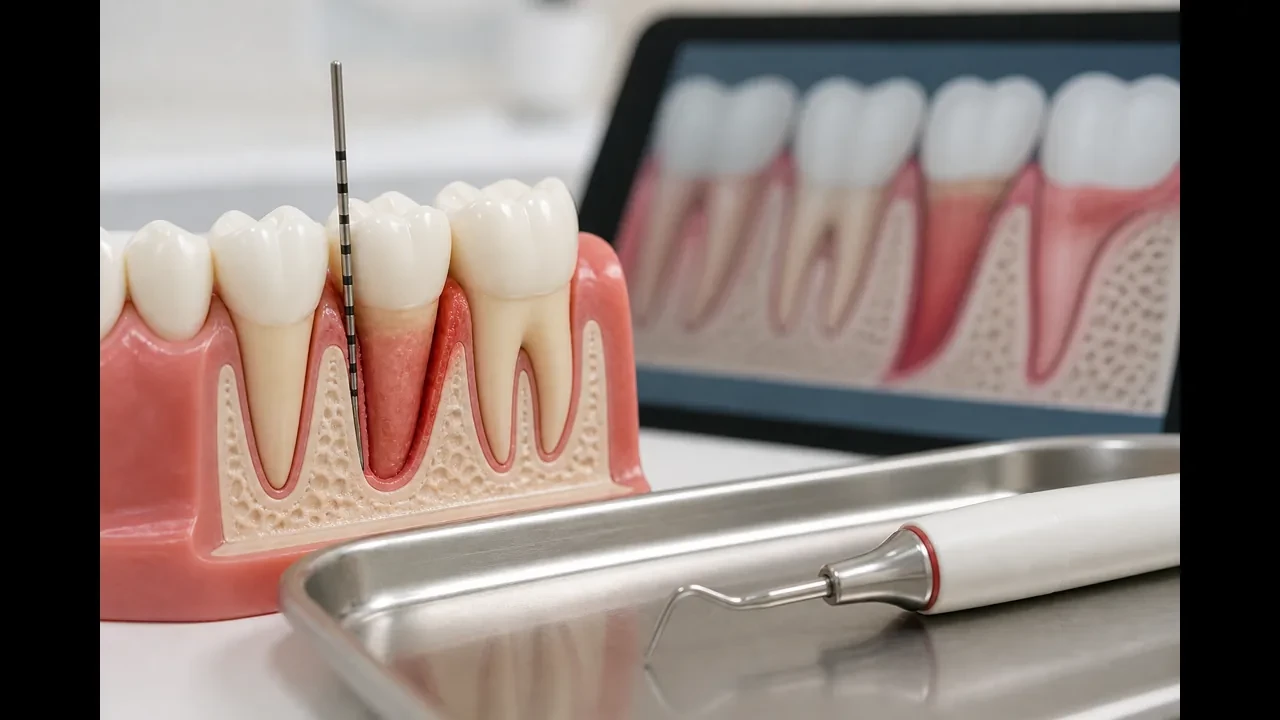
What Is A Deep Cleaning At The Dentist?
Deep cleaning reaches plaque and calculus under inflamed gums and along root surfaces, aiming to calm periodontal pockets that a polish alone cannot treat.
Read article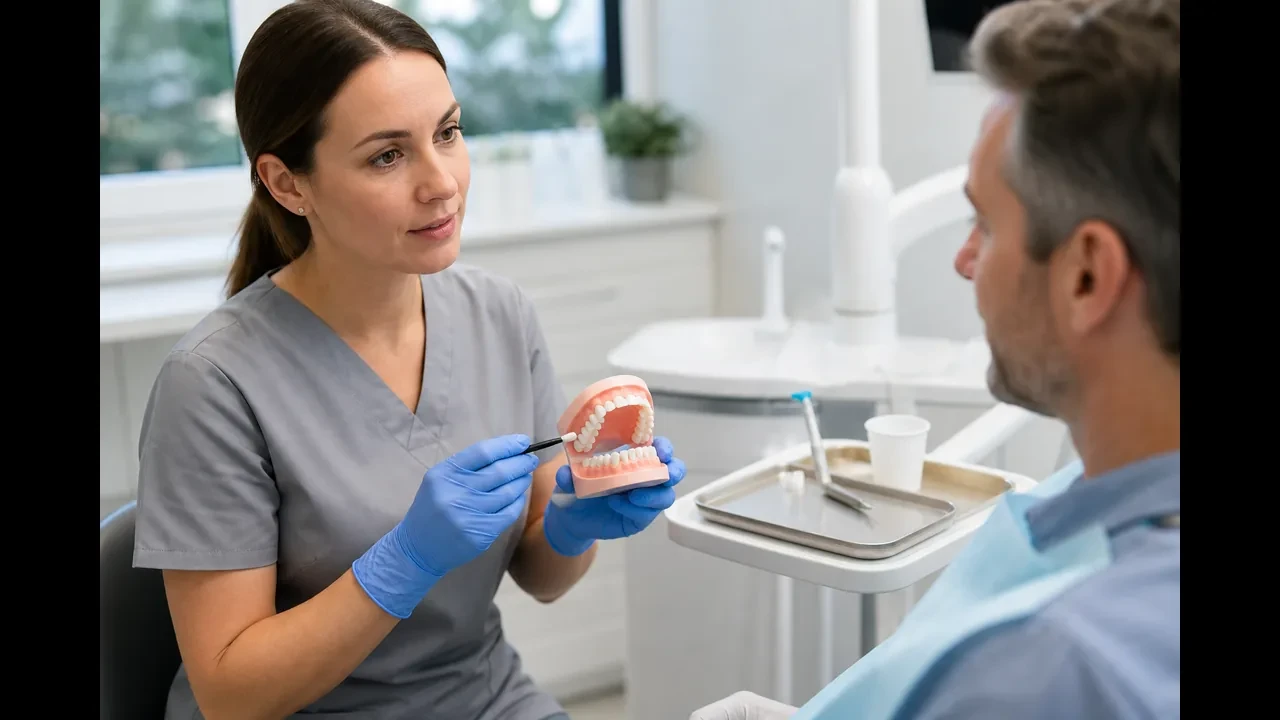
Do You Need Fluoride Treatments As An Adult?
Adult fluoride is about risk, not age: exposed roots, dry mouth, orthodontic scars, and recurring decay are common reasons in-office treatments still help.
Read article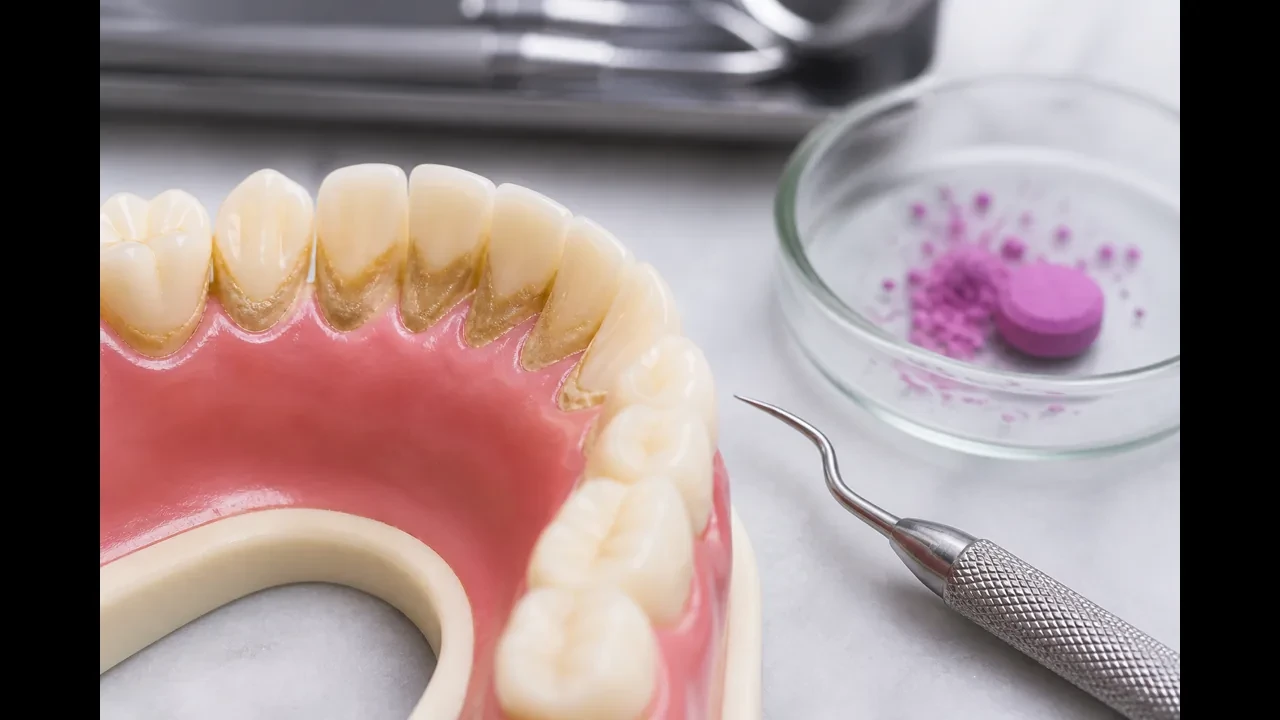
What Is Dental Calculus?
Calculus is mineralized plaque—tartar—that forms when soft biofilm sits long enough for saliva minerals to lock it onto enamel and roots.
Read article