
Why Do I Need A Dental Cleaning If I Brush?
Brushing removes soft plaque, but hardened calculus and hidden pockets need professional tools. Learn why cleanings still matter if you brush carefully.

Reviewed by Dr. Sean Myran, DMDDoctor of Dental Medicine, University of Pennsylvania
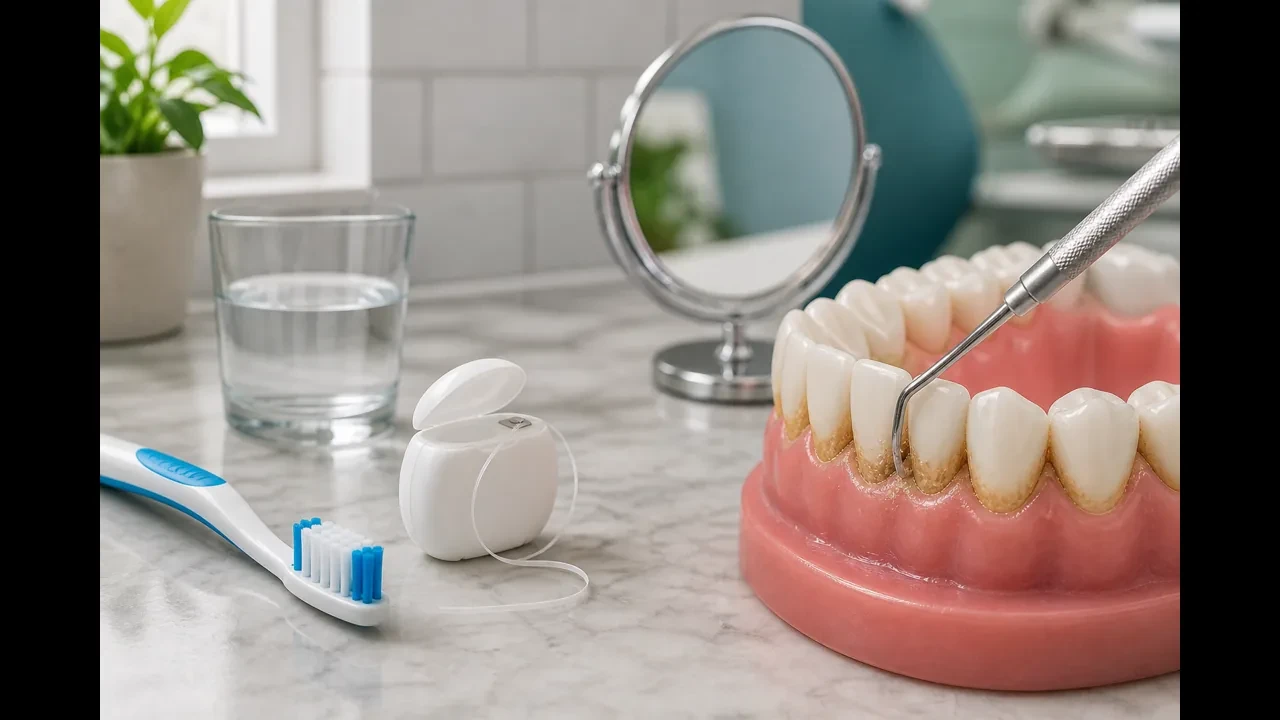
You still need dental cleanings if you brush because toothbrushes remove soft plaque, while professional instruments remove hardened calculus and clean deeper along the gumline than bristles reliably reach. Excellent home care slows buildup; it does not make you immune to saliva-driven mineralization or to biofilm in furcations and tight contacts. MouthHealthy states that a dental cleaning removes plaque and tartar that can lead to cavities and gum disease. Brushing and cleaning are complementary layers, not rivals.
Comparison helps. Home care is daily disruption of a living film. Professional cleaning is periodic removal of what already calcified plus stain polishing and a gum checkup. Skipping cleanings because your brush technique is proud often ends with bleeding gums and a longer scaling visit later. Skipping brushing because “the hygienist will fix it” guarantees heavier deposits and more sensitivity after treatment.
Home Care Versus Professional Cleaning
- What brushing does well: sweeps soft plaque from faces of teeth; fluoride toothpaste supports enamel—see cavity prevention.
- What flossing / interdental tools do: clear contacts before they mineralize into calculus.
- What cleanings add: scaler access under gums, ultrasonic lavage, stain removal, and measured pocket trends.
- What cleanings cannot replace: tonight’s brushing after a sticky snack.
If your gums bleed when you floss, that is often inflammation from plaque—not proof that flossing is wrong. Gentle daily technique plus a professional visit usually improves the bleeding score. If deposits sit deep, you may hear about scaling and root planing rather than a standard polish.
Stain from coffee, tea, or tobacco is another reason people book cleanings even when they brush well. Polish and gentle air polishing can brighten appearance, yet the deeper value remains medical: removing the rough calculus underneath stained layers and checking for pockets that stain sometimes hides. Whitening strips do not remove tartar; they can even make calcified ledges look more obvious. Get the deposits off first, then discuss color.
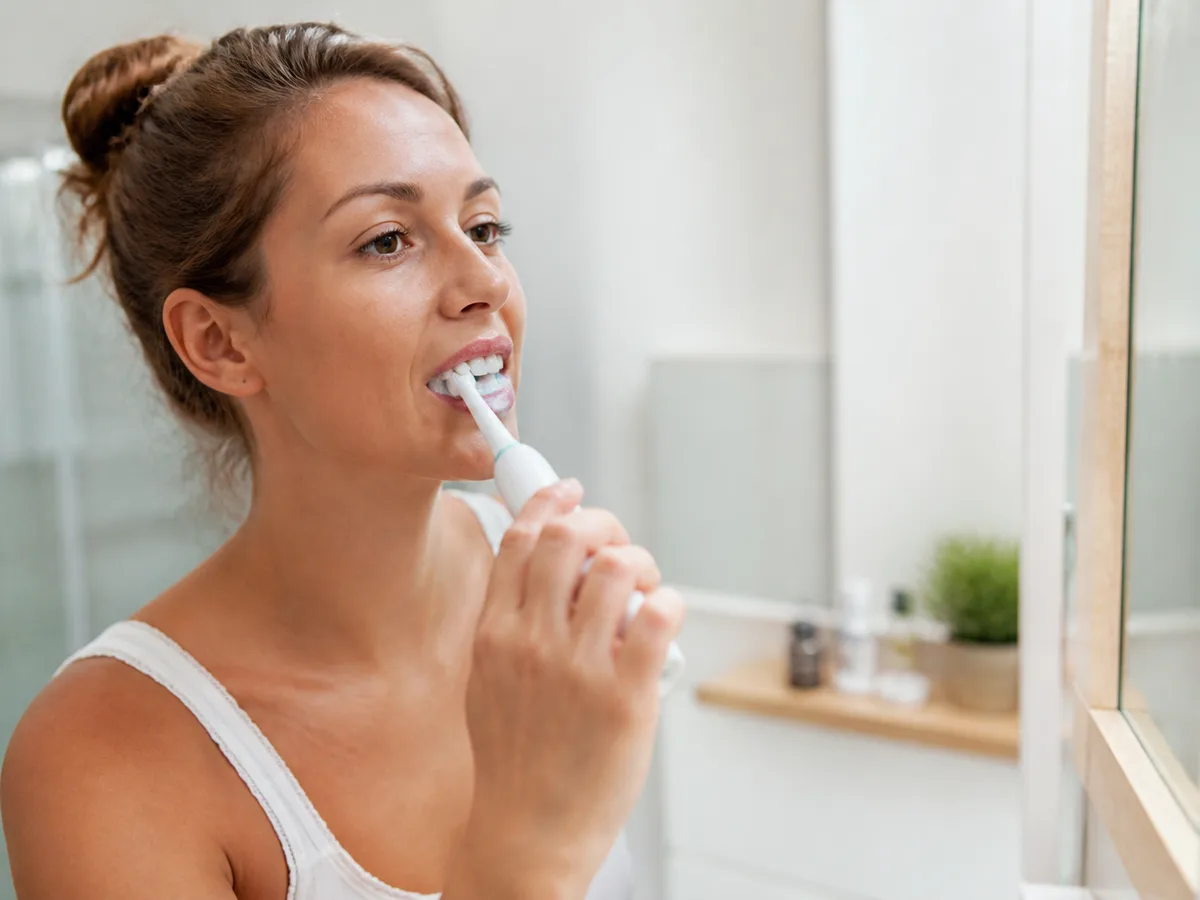 Soft plaque is a home job.
Home care wins the daily battle
Two minutes twice a day with a soft brush angled at the gumline keeps the film thin enough that saliva minerals have less to lock onto. Electric brushes help many adults with consistency, but angulation still matters around crowded lower fronts. If you wear a retainer or night guard, clean those devices too so you are not reseating plaque each evening. Home care is the volume control on how hard the next cleaning must work.
Signs Your Brushing Still Needs A Pro Partner
- Rough ledges your tongue finds near the gumline.
- Pink toothpaste or floss despite careful technique.
- Persistent bad taste that returns after brushing.
- Hygienists consistently noting heavy tartar at the same sites.
- Recalls stretching far beyond the interval in cleaning frequency guidance.
People with braces, fixed retainers, implant bridges, or dexterity limits after injury often need the professional layer even more because home tools cannot fully negotiate every wing and wire. Ask for tailored aids—floss threaders, water flossers, or proxy brushes—and still keep the hygiene appointments that catch what those aids miss.
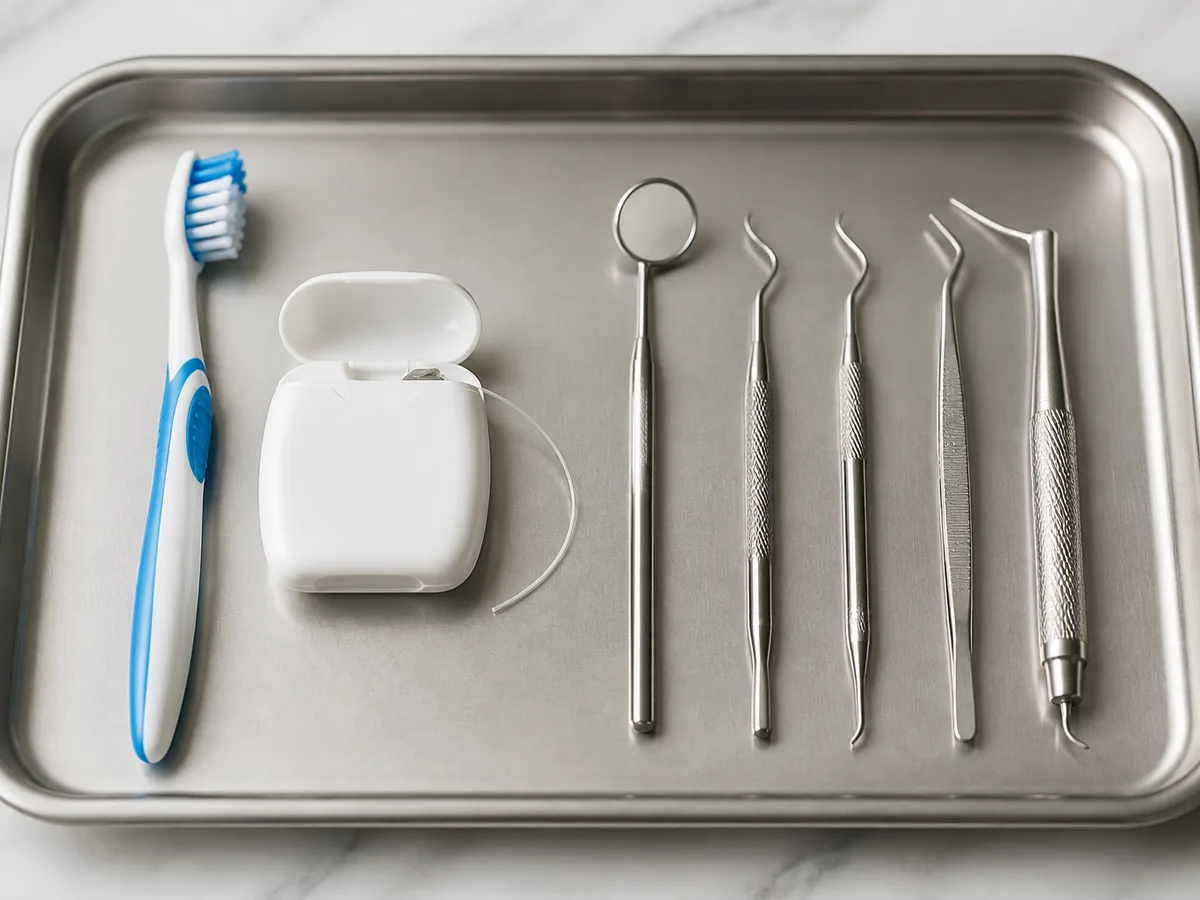 Two toolkits, one healthier mouth.
Hard tartar is an office job
Watching calculus chip away during a cleaning is the clearest proof that brushing alone had reached its limit. Afterward, your smoother teeth should make floss slide with less shredding. Schedule the next visit before willpower fades. If you need an office that explains the home-versus-pro split without judgment, use Find a Dentist and ask for a preventive appointment with gum charting. Bring your brush and floss picks so technique coaching matches what you actually use.
Brushing is necessary and not sufficient. Cleanings handle the mineralized remainder and the checkup your bathroom mirror cannot perform. Keep both on the calendar and each one works less hard.
Related articles
Keep exploring related topics from Dental Country.
How Often Should You Get A Dental Cleaning?
Cleaning frequency follows risk: stable gums and low decay may fit a six-month rhythm, while bleeding, dry mouth, or rapid tartar often need closer recalls.
Read article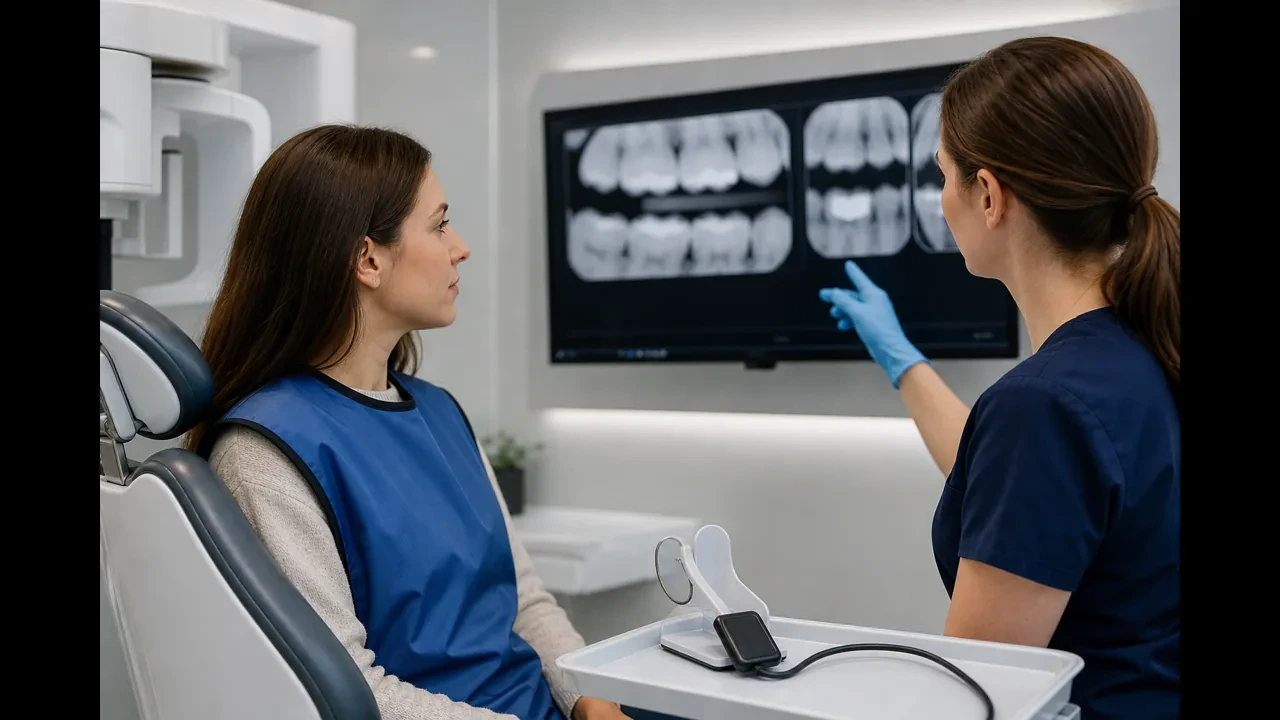
Are Dental X-Rays Safe?
Dental radiographs are low-dose tools used when the benefit of seeing hidden decay or bone loss outweighs the small radiation exposure of modern imaging.
Read article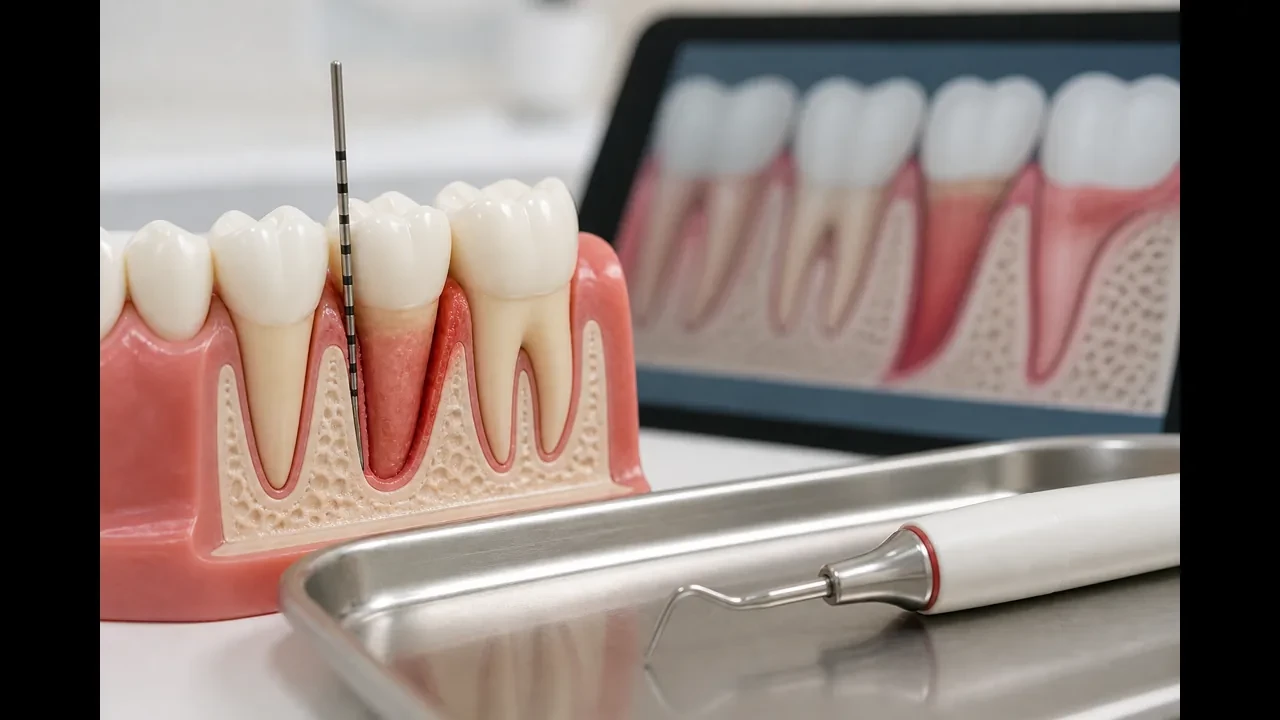
What Is A Deep Cleaning At The Dentist?
Deep cleaning reaches plaque and calculus under inflamed gums and along root surfaces, aiming to calm periodontal pockets that a polish alone cannot treat.
Read article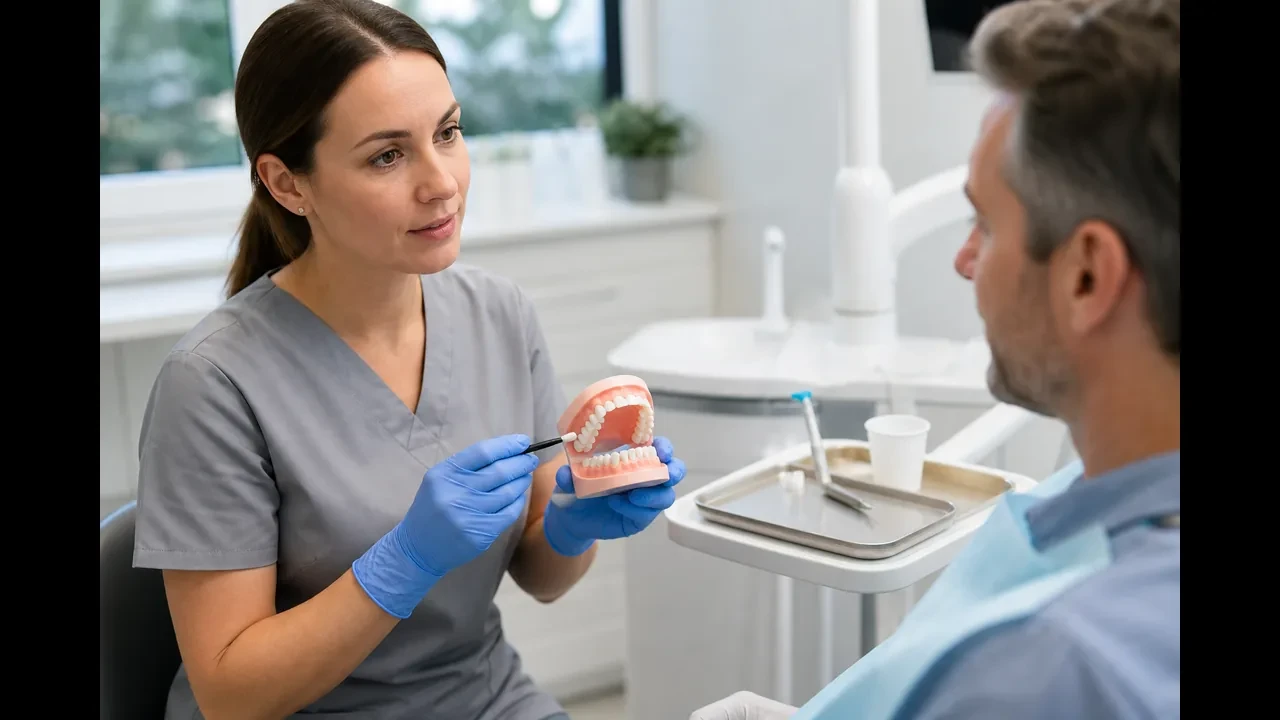
Do You Need Fluoride Treatments As An Adult?
Adult fluoride is about risk, not age: exposed roots, dry mouth, orthodontic scars, and recurring decay are common reasons in-office treatments still help.
Read article