
Are Dental X-Rays Safe?
Dental X-rays use low radiation and help find problems early. Learn how lead aprons, digital sensors, and need-based timing keep imaging reasonably safe.

Reviewed by Dr. Sean Myran, DMDDoctor of Dental Medicine, University of Pennsylvania
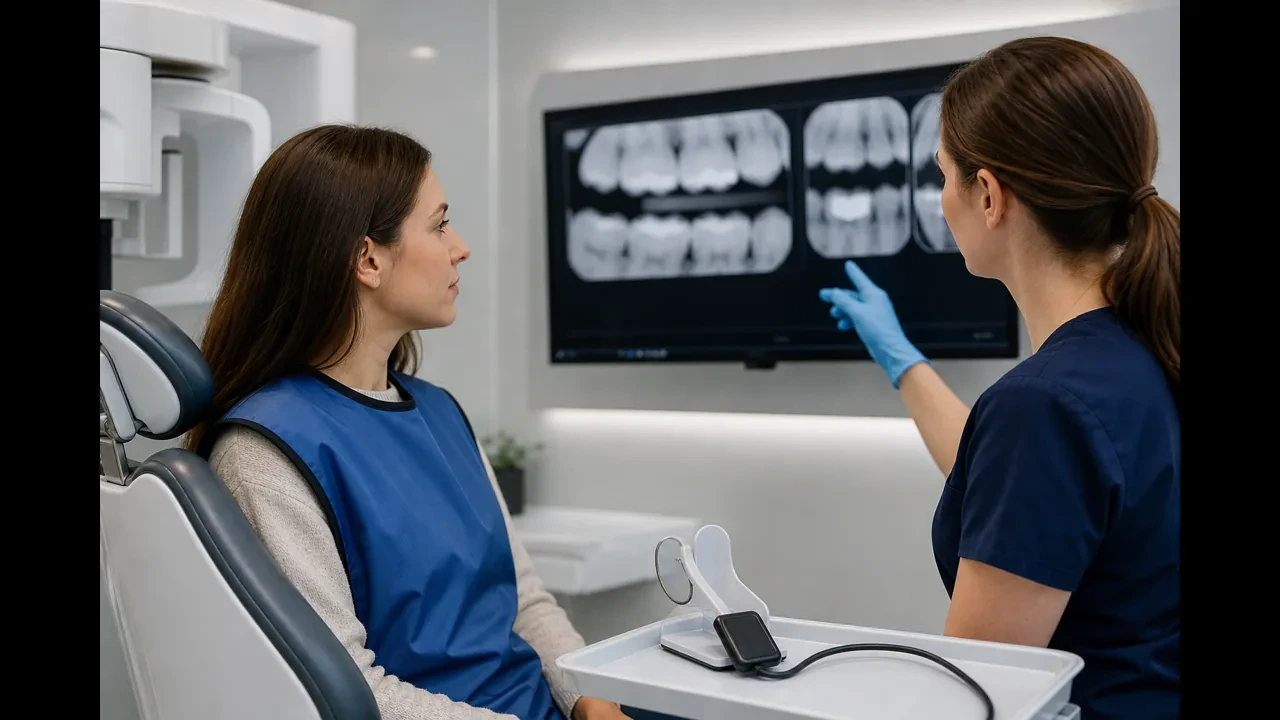
Dental X-rays are considered reasonably safe when they are taken for a clear diagnostic reason, with modern digital sensors or film and protective measures such as a lead apron and thyroid collar when appropriate. The radiation dose from a typical set of dental films is low compared with many medical imaging exams and with everyday background exposure. MouthHealthy notes that dental X-rays are safe and that dentists follow guidelines to limit exposure. Safety is about justified use and technique, not about never imaging.
Myths often treat any radiation as equally risky or claim that offices take films only to increase fees. Facts look different: bitewings catch decay between teeth that a mirror cannot show, periapicals check root tips and bone, and panoramic images map wisdom teeth or jaw relationships. Skipping needed films can delay care for silent problems. Taking films with no clinical indication is also poor practice. The middle path is need-based imaging.
Offices also reduce exposure with rectangular collimation when available, proper sensor holding so retakes are rare, and selection of a few targeted views instead of a full series when only one area hurts. If you change dentists, hand over recent images early in the visit so the team is not forced to guess whether a new set is redundant. Asking “what decision will this film change today?” keeps the conversation practical rather than fearful.
Myths Versus Facts
- Myth: “One dental X-ray equals a huge medical CT.” Fact: dental doses are typically far smaller; ask your office which views they propose and why.
- Myth: “Digital means zero radiation.” Fact: digital usually lowers dose versus older film, but it is not zero—collimation and selection still matter.
- Myth: “Pregnant people can never have dental X-rays.” Fact: necessary imaging with shielding is often still appropriate; tell the team about pregnancy so timing and protection are planned.
- Myth: “If nothing hurts, films are useless.” Fact: early decay and bone changes are often painless—see how often X-rays are recommended.
MedlinePlus describes dental X-rays as pictures of teeth, bones, and soft tissues used to find problems not visible during a regular exam. That hidden-view benefit is why clinicians weigh a small exposure against the risk of missing infection, decay under an old filling, or bone loss beside an implant.
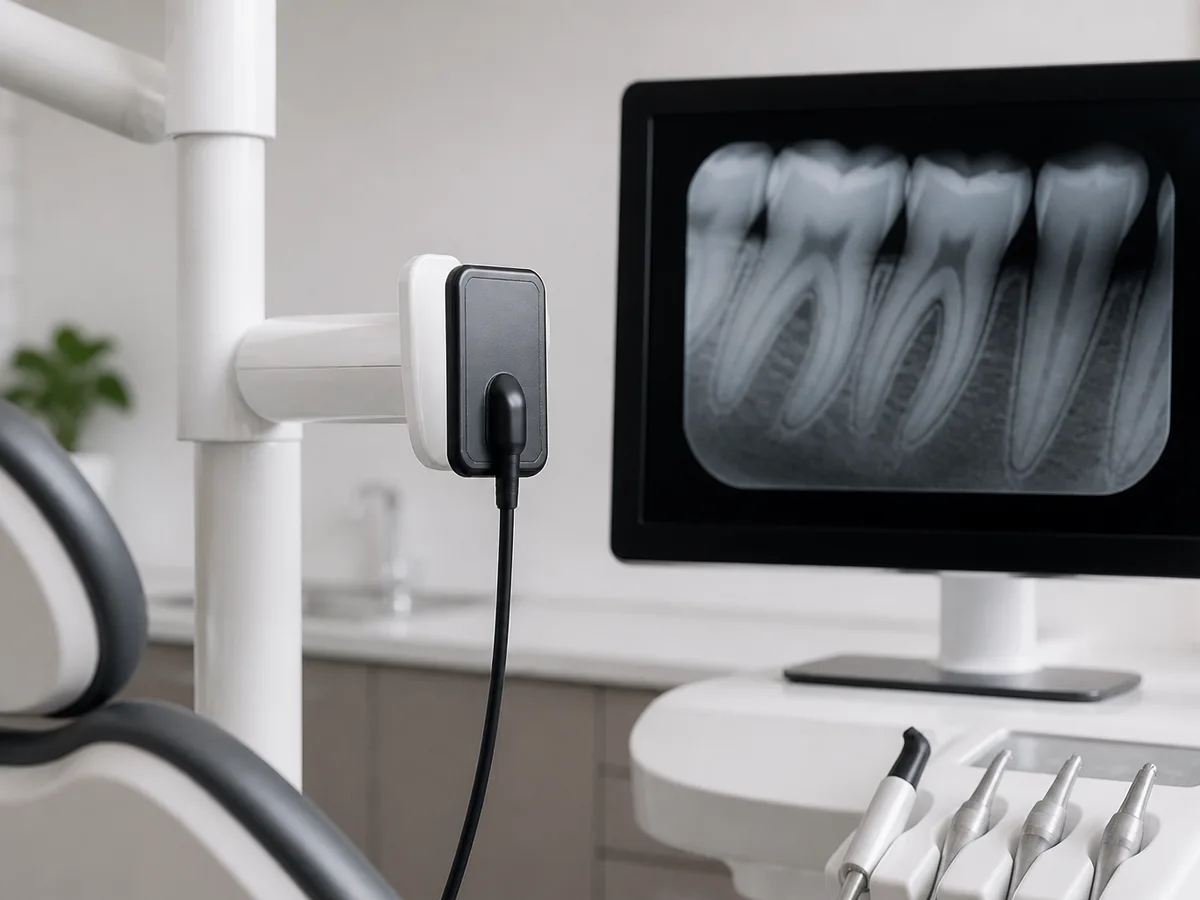 Technique and indication lower risk.
Dose control is a checklist, not a slogan
Good technique includes the smallest field that answers the question, a properly placed sensor, and avoiding retakes from rushed positioning. If a film is unclear, ask whether a retake is truly needed or if another view already covers the area. Share prior images from another office when you switch dentists so identical bitewings are not repeated the same month without reason. Bring pregnancy status, recent CT history, and radiation therapy notes to the conversation.
Questions That Clarify Your Comfort
- Which teeth or problem will these films evaluate today?
- Are prior images from another office usable instead of a full new set?
- Will shielding include a thyroid collar for this view?
- How will the findings change treatment if something appears?
 See the reason on the screen.
Safety includes understanding the answer
After imaging, ask to see the areas of concern on the screen. Understanding why a dark spot between molars matters makes the small exposure feel purposeful. If anxiety about radiation is high, discuss spacing films across visits when clinically acceptable rather than refusing all radiographs indefinitely. Pair imaging decisions with what a routine checkup includes so exam findings and films tell one story.
Children and teens sometimes need films more often because contacts are tight and decay can race through thinner enamel; adults with stable histories often need them less often. That age pattern still yields to individual risk—dry mouth or new restoration margins can put an adult back on a shorter imaging cadence. Keep a simple log of dates and view types in your phone so future offices inherit a clear timeline.
When used thoughtfully, dental X-rays are a low-dose way to protect teeth and bone. For a dentist who will explain each view before clicking the button, use Find a Dentist and mention any prior films or pregnancy concerns when you book. Decay timing questions overlap with whether cavities can heal on their own.
Related articles
Keep exploring related topics from Dental Country.
How Often Should You Get A Dental Cleaning?
Cleaning frequency follows risk: stable gums and low decay may fit a six-month rhythm, while bleeding, dry mouth, or rapid tartar often need closer recalls.
Read article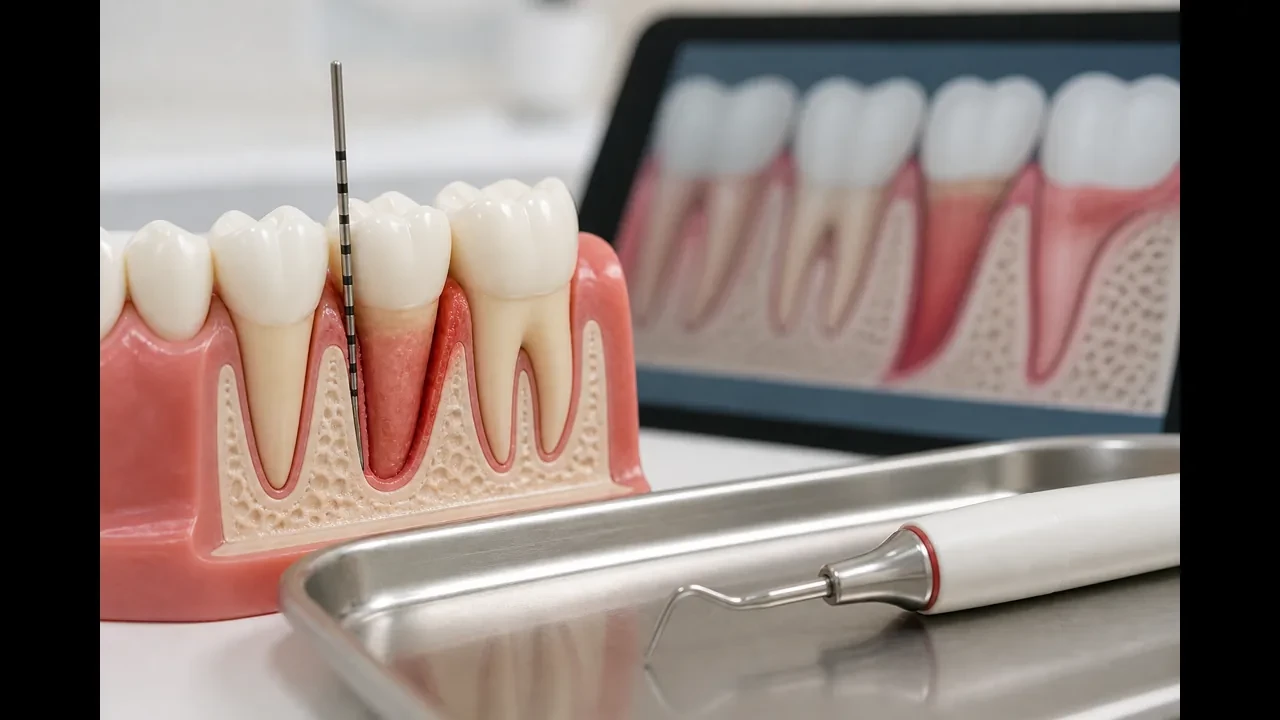
What Is A Deep Cleaning At The Dentist?
Deep cleaning reaches plaque and calculus under inflamed gums and along root surfaces, aiming to calm periodontal pockets that a polish alone cannot treat.
Read article
Do You Need Fluoride Treatments As An Adult?
Adult fluoride is about risk, not age: exposed roots, dry mouth, orthodontic scars, and recurring decay are common reasons in-office treatments still help.
Read article
What Is Dental Calculus?
Calculus is mineralized plaque—tartar—that forms when soft biofilm sits long enough for saliva minerals to lock it onto enamel and roots.
Read article