
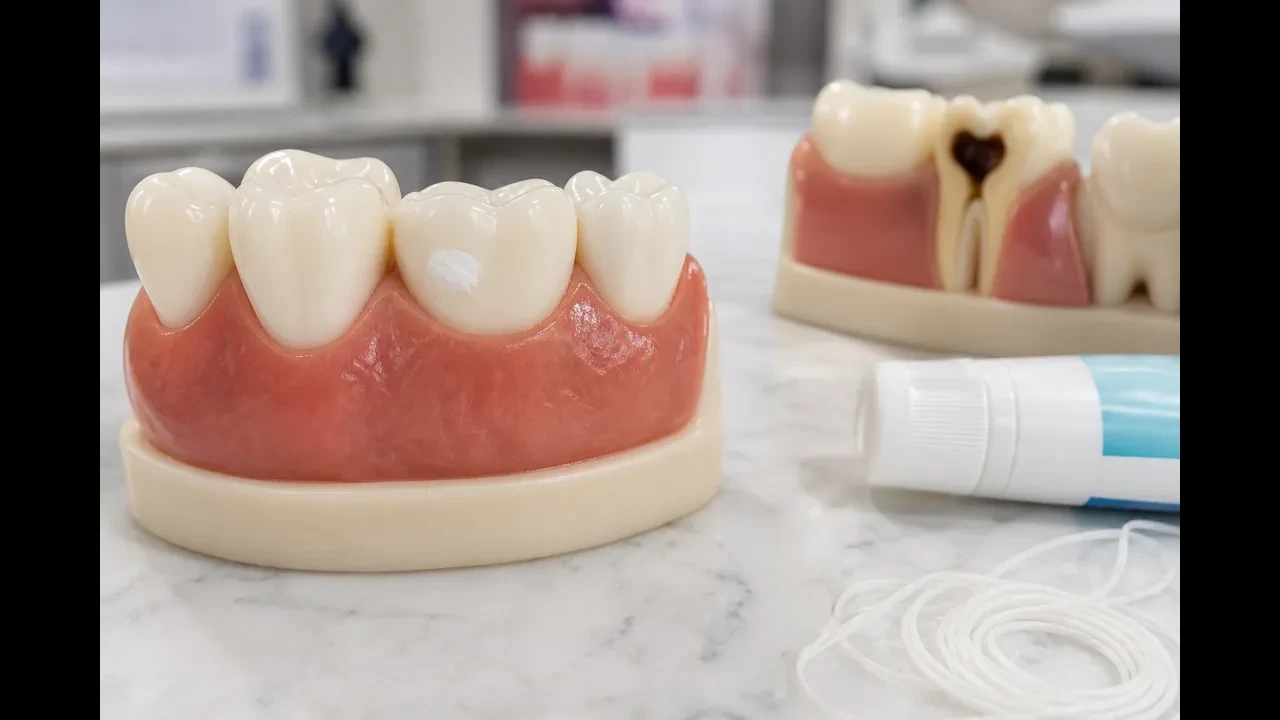
Can Cavities Heal On Their Own?
Early tooth decay can remineralize with fluoride and diet changes, but a true hole does not fill itself. Learn myths versus the real repair path.

Reviewed by Dr. Sean Myran, DMDDoctor of Dental Medicine, University of Pennsylvania
Early tooth decay that has only softened enamel can sometimes reverse or arrest with fluoride, saliva, and fewer sugar attacks, but a true cavity—a physical hole through enamel—does not grow a new enamel plug on its own. MouthHealthy explains that fluoride can help reverse early decay and that untreated decay grows larger over time. Myths about raisins, oil pulling, or waiting for pain confuse remineralization chemistry with filling a missing wall.
NIDCR notes that tooth decay is damage to the tooth’s surface that can progress to a cavity if untreated. The repair path splits by stage: white-spot or early lesions get intense prevention; cavitated lesions get restorative care; deep decay near the nerve may need more complex treatment. Pain is a late signal, not a reliable early alarm.
Myths Versus The Real Repair Path
- Myth: “If it does not hurt, it is healing.” Path: many cavities stay quiet until they near the pulp.
- Myth: “Cutting out sugar for a week refills the hole.” Path: diet helps chemistry; it does not rebuild lost enamel bulk.
- Myth: “Home remedies replace fillings.” Path: remineralization aids early lesions; restored contours need professional materials.
- Myth: “Fluoride is only for kids.” Path: adults with root exposure still use fluoride treatments strategically.
Arrested decay can look brown and hard; active decay often feels soft to a gentle explorer. Only a clinician should make that call. Trying to dig at a spot with a pin at home risks pulp injury. If you see a dark groove, book an exam rather than starting an internet protocol.
Saliva is the quiet partner in remineralization. It buffers acids and delivers minerals back to enamel when sugar attacks are spaced out. Dry mouth from medicines, nighttime mouth breathing, or autoimmune conditions slows that repair chemistry, which is why the same white spot may reverse in one person and cavitate in another. Chewing sugar-free gum after meals, sipping water, and reviewing medicine side effects with your physician can support the “heal early” path when your dentist says a lesion is still surface-level.
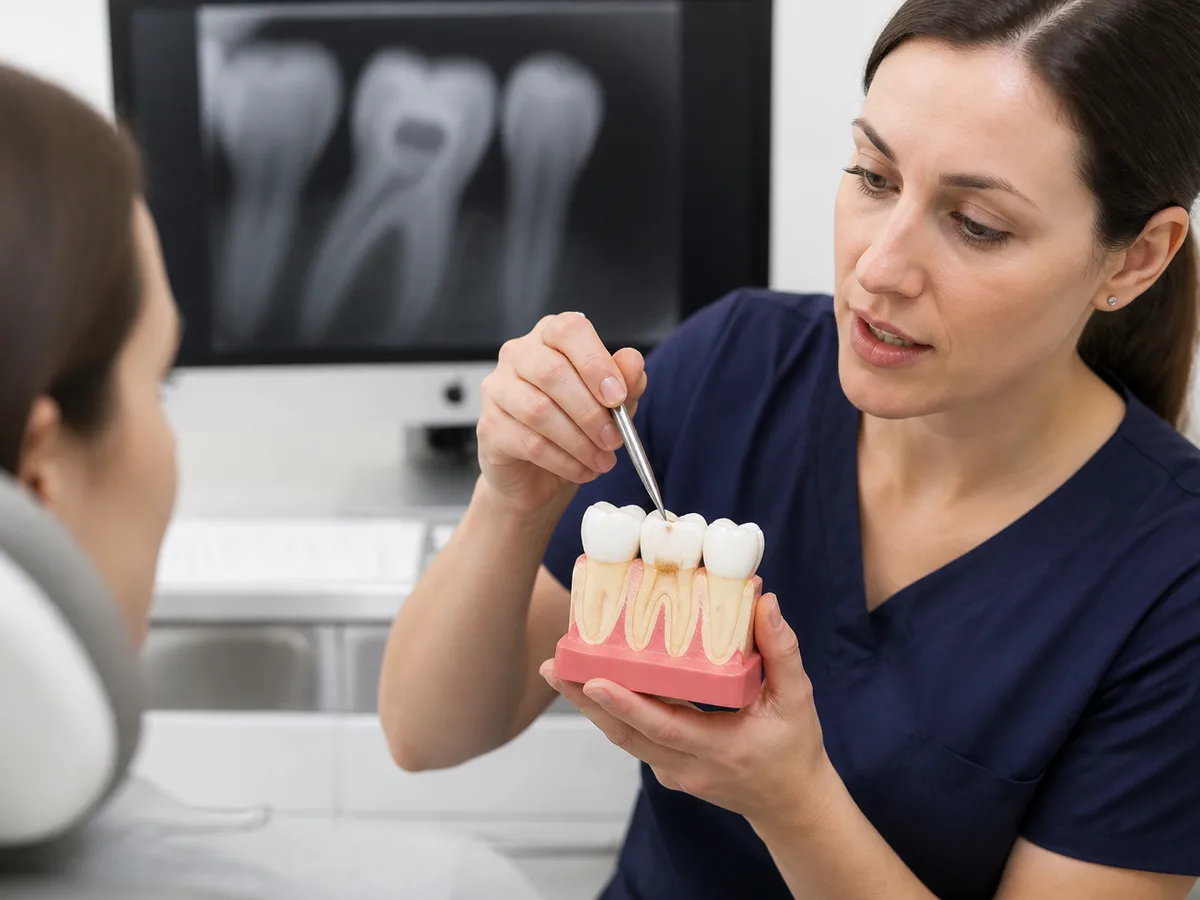 Watch means work, not ignore.
Early lesions need chemistry, not waiting
When your dentist labels a spot “watch with fluoride,” that is an active plan: toothpaste technique, possible varnish, fewer acidic sips, and a closer recall—not neglect. Ask what visual changes would move the spot from watch to fill. Clean between teeth so the contact area gets saliva and fluoride. Pair the plan with broader cavity prevention so one white spot does not become five. Take the watch date seriously; “see you in a year” may be too loose for an active lesion.
When A Filling Or More Is The Kind Path
- Enamel has broken into a catchable hole.
- Decay shows on bitewing X-rays between teeth.
- Cold pain lingers or spontaneous throbbing begins.
- An old filling has open margins harboring new decay.
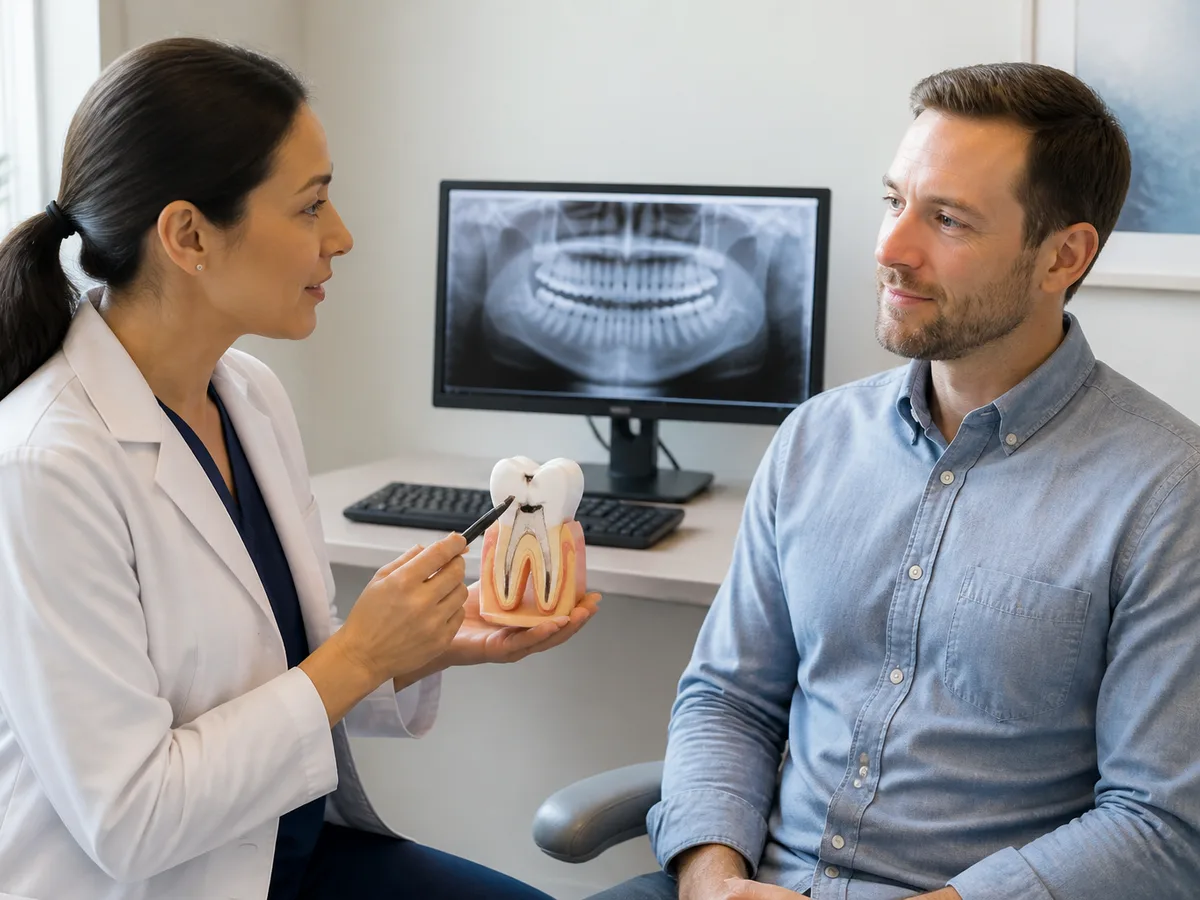 Cavitated teeth need materials, not myths.
Small repairs beat large rebuilds
Treating a modest cavity early usually means a simpler filling and less tooth structure removed. Waiting for self-healing that cannot occur often ends in larger restorations. If cost anxiety delays care, ask about phased treatment and prevention so new holes do not appear while one is fixed. Find a clinician through Find a Dentist and request an exam with radiographs if your last films are outdated. Bring photos of the tooth if staining worries you between visits.
Root surfaces deserve special honesty: cementum is softer than enamel, so “watching” a root notch is riskier than watching a smooth enamel white spot. Adults with recession should treat new root sensitivity or brown root spots as high priority for an exam, not as candidates for indefinite home remineralization experiments.
Cavities do not heal the way a cut skin surface closes. Early demineralization can harden again; holes need professional repair. Separate those stages and the myths lose their grip.
Related articles
Keep exploring related topics from Dental Country.
How Often Should You Get A Dental Cleaning?
Cleaning frequency follows risk: stable gums and low decay may fit a six-month rhythm, while bleeding, dry mouth, or rapid tartar often need closer recalls.
Read article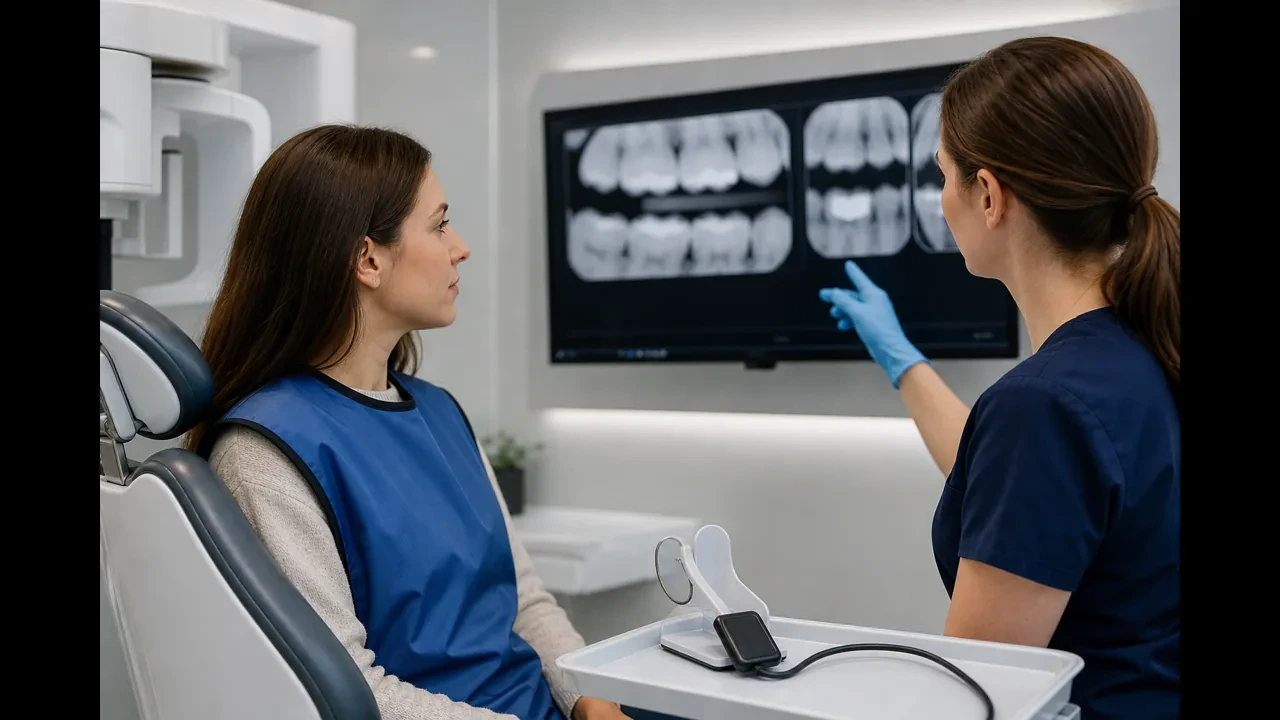
Are Dental X-Rays Safe?
Dental radiographs are low-dose tools used when the benefit of seeing hidden decay or bone loss outweighs the small radiation exposure of modern imaging.
Read article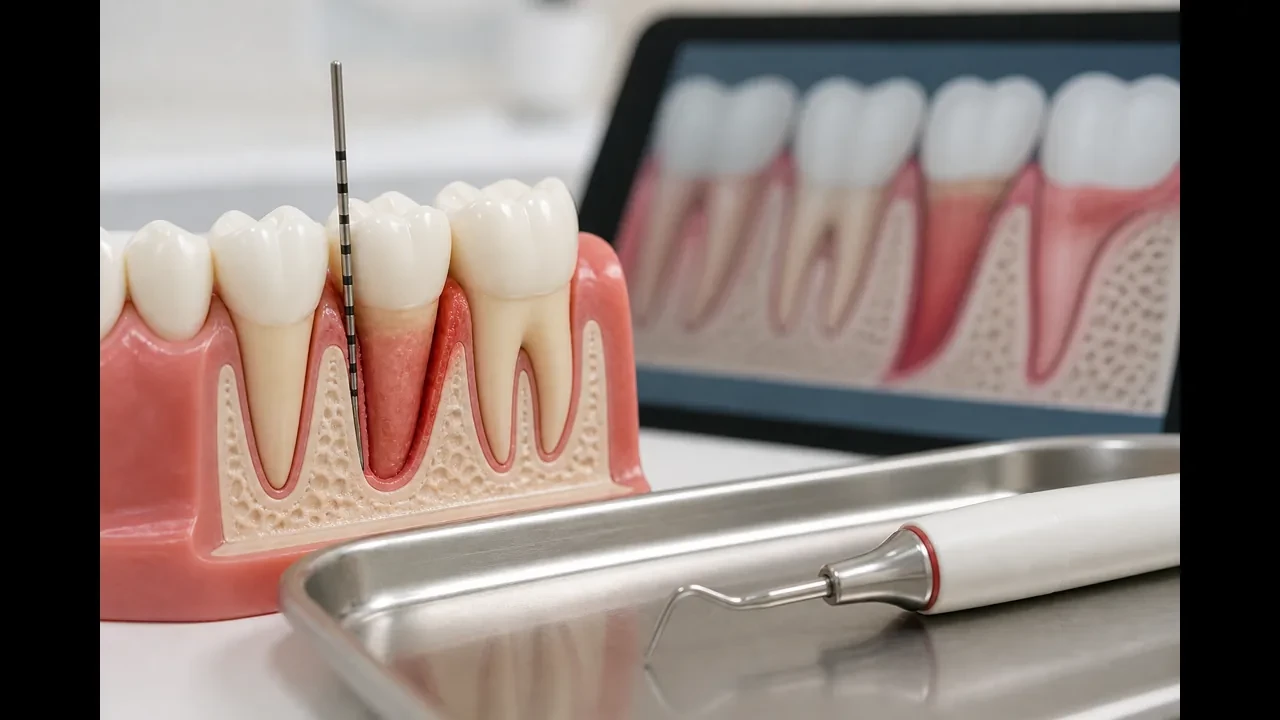
What Is A Deep Cleaning At The Dentist?
Deep cleaning reaches plaque and calculus under inflamed gums and along root surfaces, aiming to calm periodontal pockets that a polish alone cannot treat.
Read article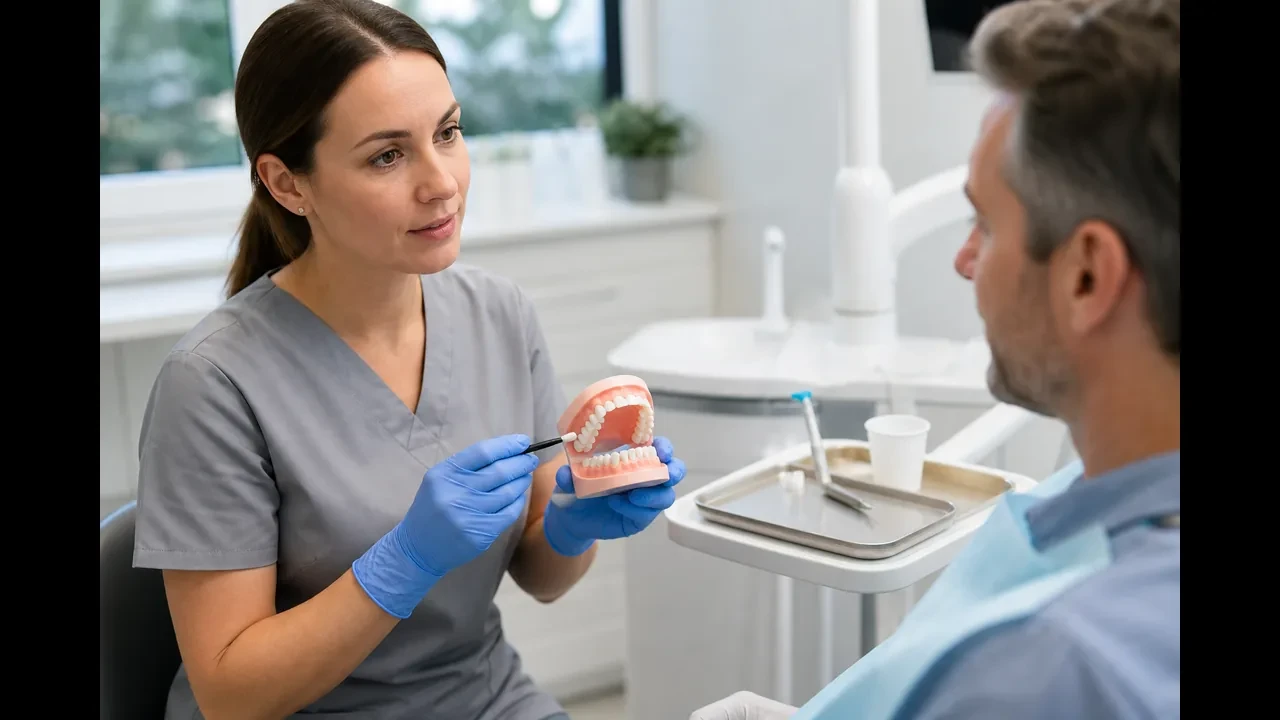
Do You Need Fluoride Treatments As An Adult?
Adult fluoride is about risk, not age: exposed roots, dry mouth, orthodontic scars, and recurring decay are common reasons in-office treatments still help.
Read article