
What Is A Deep Cleaning At The Dentist?
A deep cleaning, or scaling and root planing, treats gum disease below the gumline. Learn how it differs from a regular cleaning and what recovery feels like.

Reviewed by Dr. Sean Myran, DMDDoctor of Dental Medicine, University of Pennsylvania
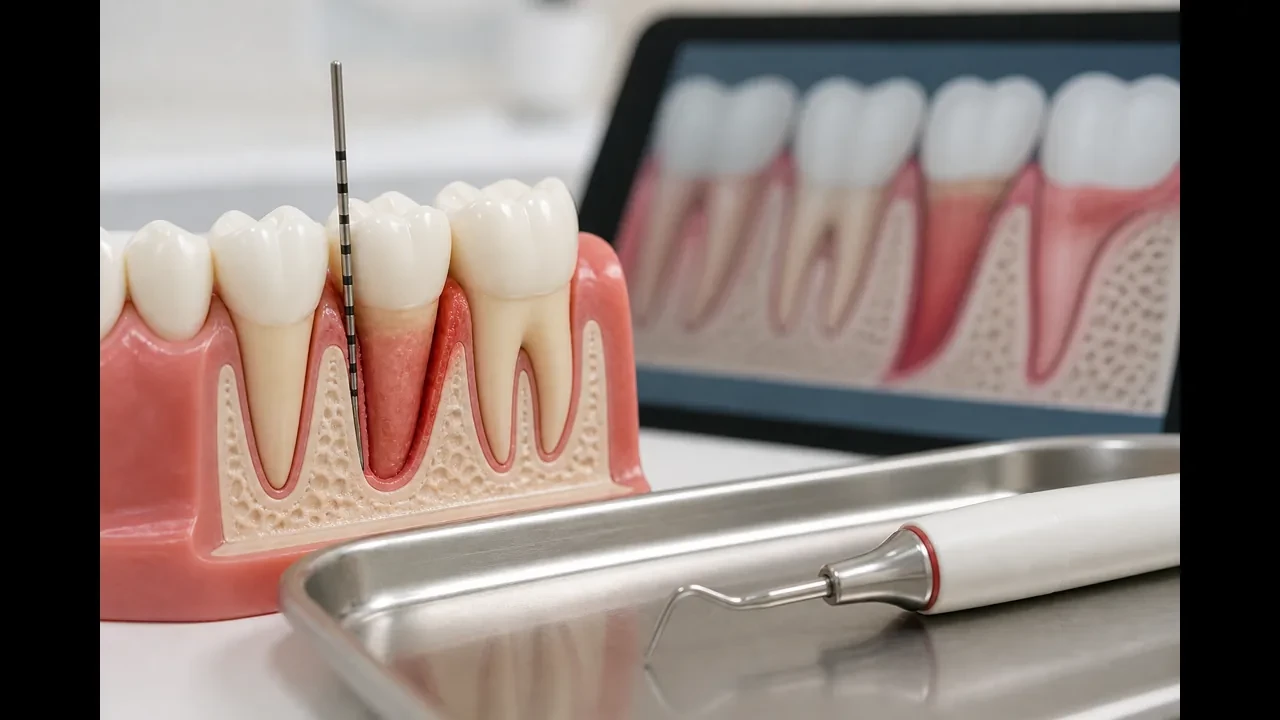
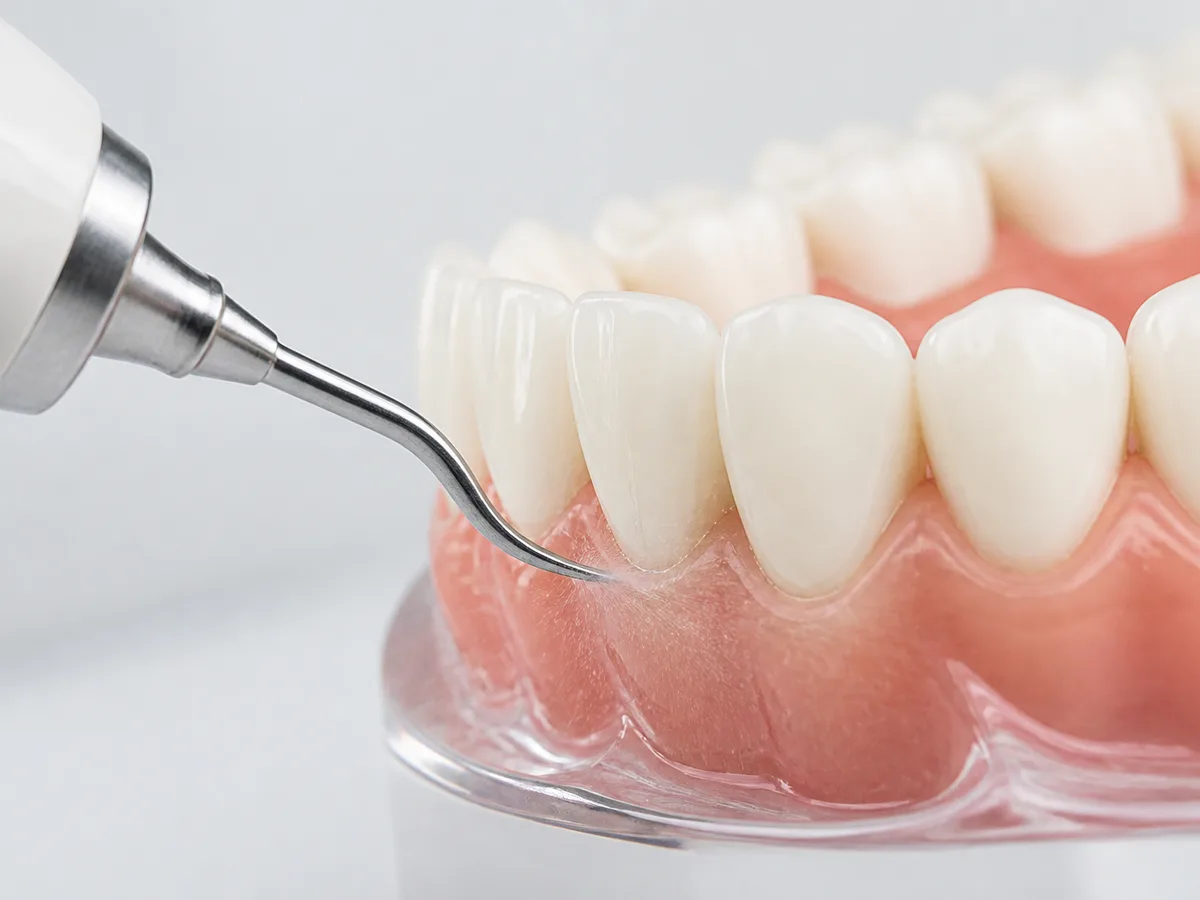
A deep cleaning at the dentist—often called scaling and root planing—is a nonsurgical treatment for gum disease that removes plaque and hardened calculus from below the gumline and smooths root surfaces so inflamed tissue can reattach more cleanly. It is deeper and more thorough than a routine prophylaxis polish. MouthHealthy describes scaling and root planing as a deep cleaning below the gumline for periodontal disease. Dentists recommend it when pocket depths, bleeding, and deposits show periodontitis rather than simple gingivitis.
How it works is mechanical and biological. Ultrasonic and hand instruments break up dental calculus and biofilm that sit in the pocket against the root. Root planing reduces rough cementum that harbors bacteria. Local anesthetic is commonly used so you can stay comfortable while the hygienist or periodontist works quadrant by quadrant. The goal is a cleaner root environment that lets swelling settle and pocket depths improve over weeks with good home care.
Appointments may be split across two visits when all four quadrants need therapy, or completed in a longer single session if that fits your schedule and medical history. You might notice slight bleeding during treatment because inflamed tissue is fragile; that usually calms as the bacterial load drops. Teeth can feel “taller” or more sensitive afterward because swollen gums shrink toward a healthier contour and expose root surfaces that were previously covered. Sensitivity toothpaste and soft-food days help while the tissue adapts.
How Deep Cleaning Differs From A Regular Cleaning
- Depth: routine cleanings focus on crowns and shallow sulcus areas; deep cleaning enters diseased pockets.
- Purpose: polish visits maintain health; scaling and root planing treat infection and inflammation already present.
- Anesthesia: numbing is common for deep work and unusual for a simple cleaning.
- Follow-up: reevaluation and often shorter cleaning intervals come after therapy.
MedlinePlus explains that periodontitis involves infection and inflammation of the gums and bone supporting the teeth. Deep cleaning is one of the first-line ways to disrupt that process before surgery is considered. It does not rebuild lost bone by itself, but it can stop the driving irritation when patients keep plaque thin afterward.
 Charting decides the treatment map.
Pockets guide where the work goes
Before treatment, expect gum measurements and often radiographs to map bone levels. Numbers that stay in the healthier range usually need only preventive cleanings; deeper bleeding pockets with tartar on roots are classic deep-cleaning territory. Ask which quadrants will be treated, whether anesthetic gel or injections will be used, and how sensitive teeth may feel for a few days. Sensitivity to cold is common while roots are temporarily more exposed and tissue is healing.
Candidacy Notes And Aftercare
- Good candidates: persistent bleeding, calculus under gums, and pocket depths that show periodontitis on exam.
- Same-day tips: soft foods if tender, careful brushing as instructed, and prescribed rinses if given.
- Home care upgrade: interdental brushes or water flossers often join the routine once tenderness allows.
- Watch for: fever, severe swelling, or pain that worsens after the first day—call the office rather than waiting for the reevaluation visit.
 Maintenance protects the investment.
Healing depends on the weeks after
Deep cleaning succeeds when the roots stay cleaner than they were before therapy. That means showing up for the periodontal maintenance schedule your office sets and not treating the procedure as a one-time reset. If anxiety is high, ask about numbing options or staggered appointments. For an office experienced with gum therapy, use Find a Dentist and request a periodontal evaluation. Understanding why cleanings matter even with brushing helps the maintenance phase stick.
Reevaluation a few weeks later checks whether bleeding decreased and whether any sites still need referral to a periodontist. Pocket depths do not always return to ideal numbers when bone has already been lost, but a cleaner, less inflamed pocket is still a meaningful win. Without daily plaque control, bacteria repopulate quickly and the benefit fades—so the instruments start the story and your routine finishes it.
A deep cleaning is targeted therapy for deposits and toxins below the gumline—not a harsher version of a cosmetic polish. When your dentist explains pocket numbers and root roughness, you are hearing the how-it-works rationale for scaling and root planing rather than a routine cleaning.
Related articles
Keep exploring related topics from Dental Country.
How Often Should You Get A Dental Cleaning?
Cleaning frequency follows risk: stable gums and low decay may fit a six-month rhythm, while bleeding, dry mouth, or rapid tartar often need closer recalls.
Read article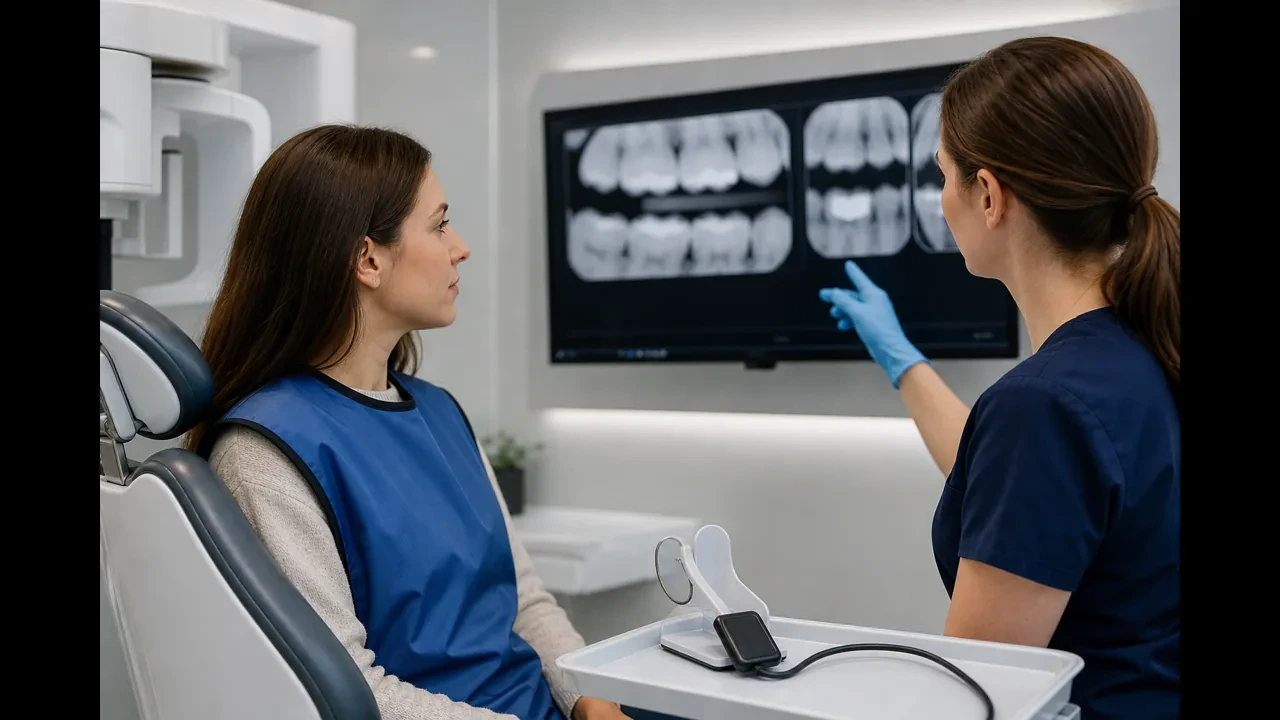
Are Dental X-Rays Safe?
Dental radiographs are low-dose tools used when the benefit of seeing hidden decay or bone loss outweighs the small radiation exposure of modern imaging.
Read article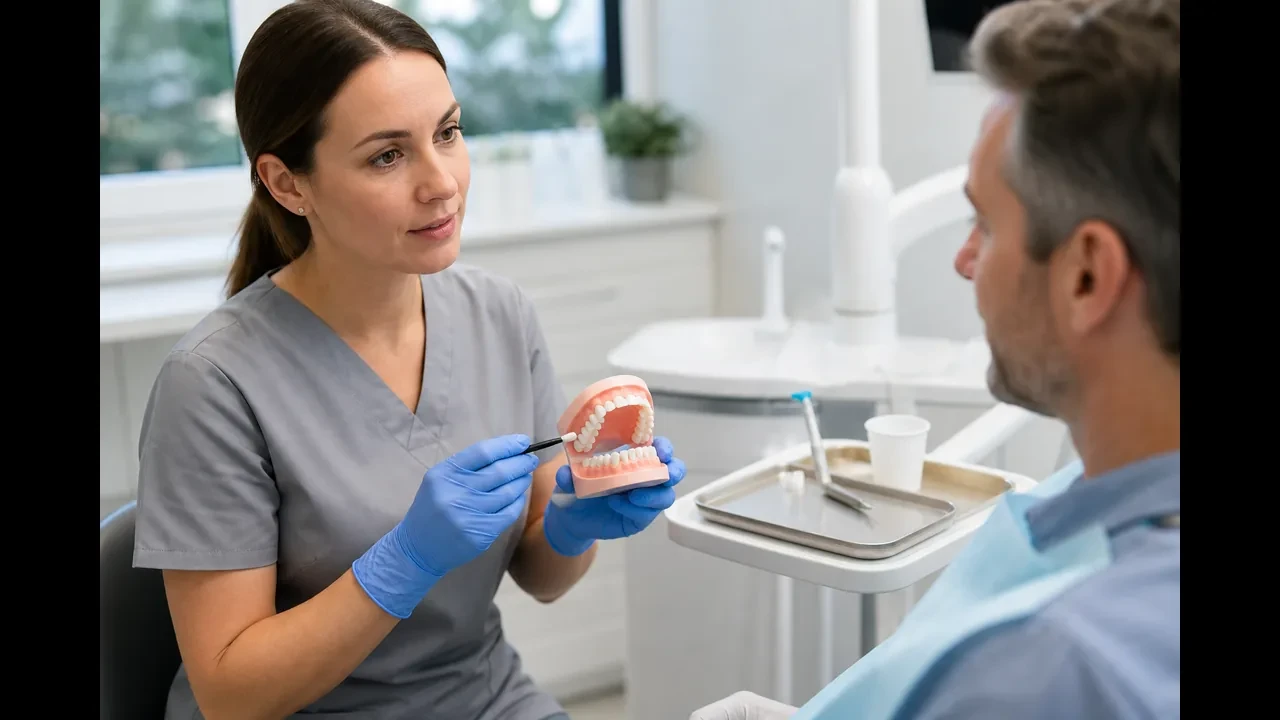
Do You Need Fluoride Treatments As An Adult?
Adult fluoride is about risk, not age: exposed roots, dry mouth, orthodontic scars, and recurring decay are common reasons in-office treatments still help.
Read article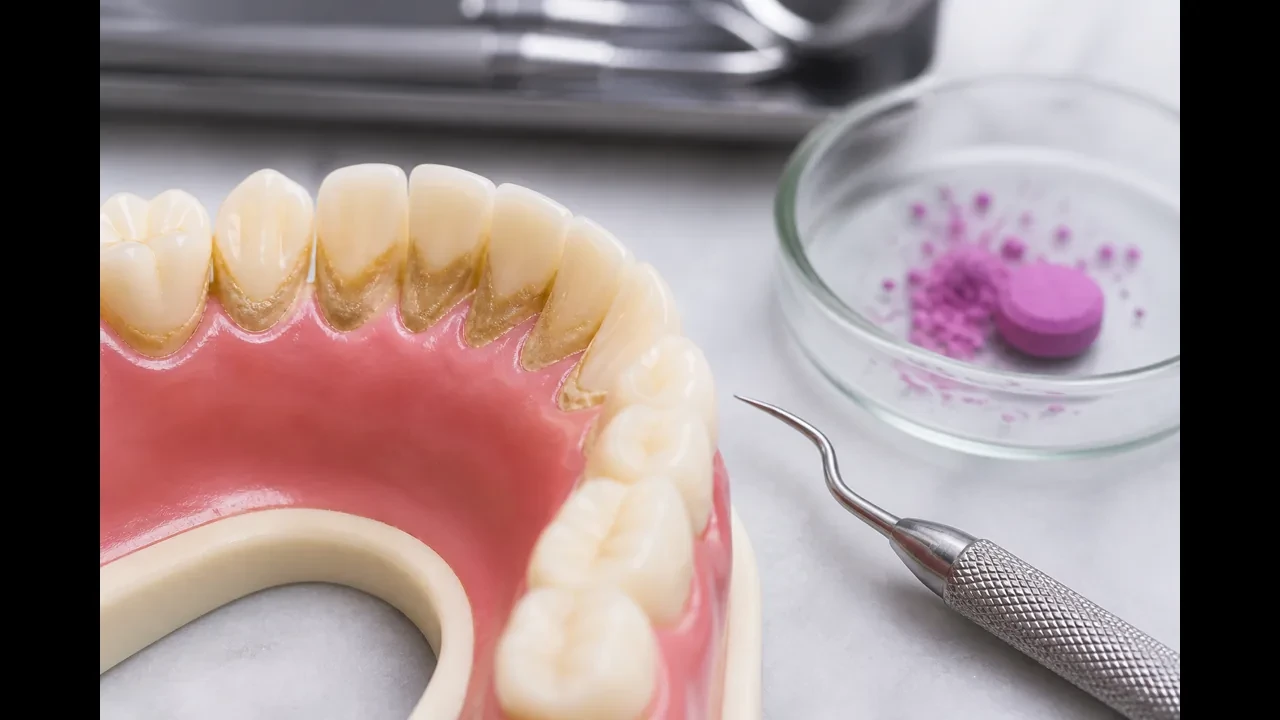
What Is Dental Calculus?
Calculus is mineralized plaque—tartar—that forms when soft biofilm sits long enough for saliva minerals to lock it onto enamel and roots.
Read article