
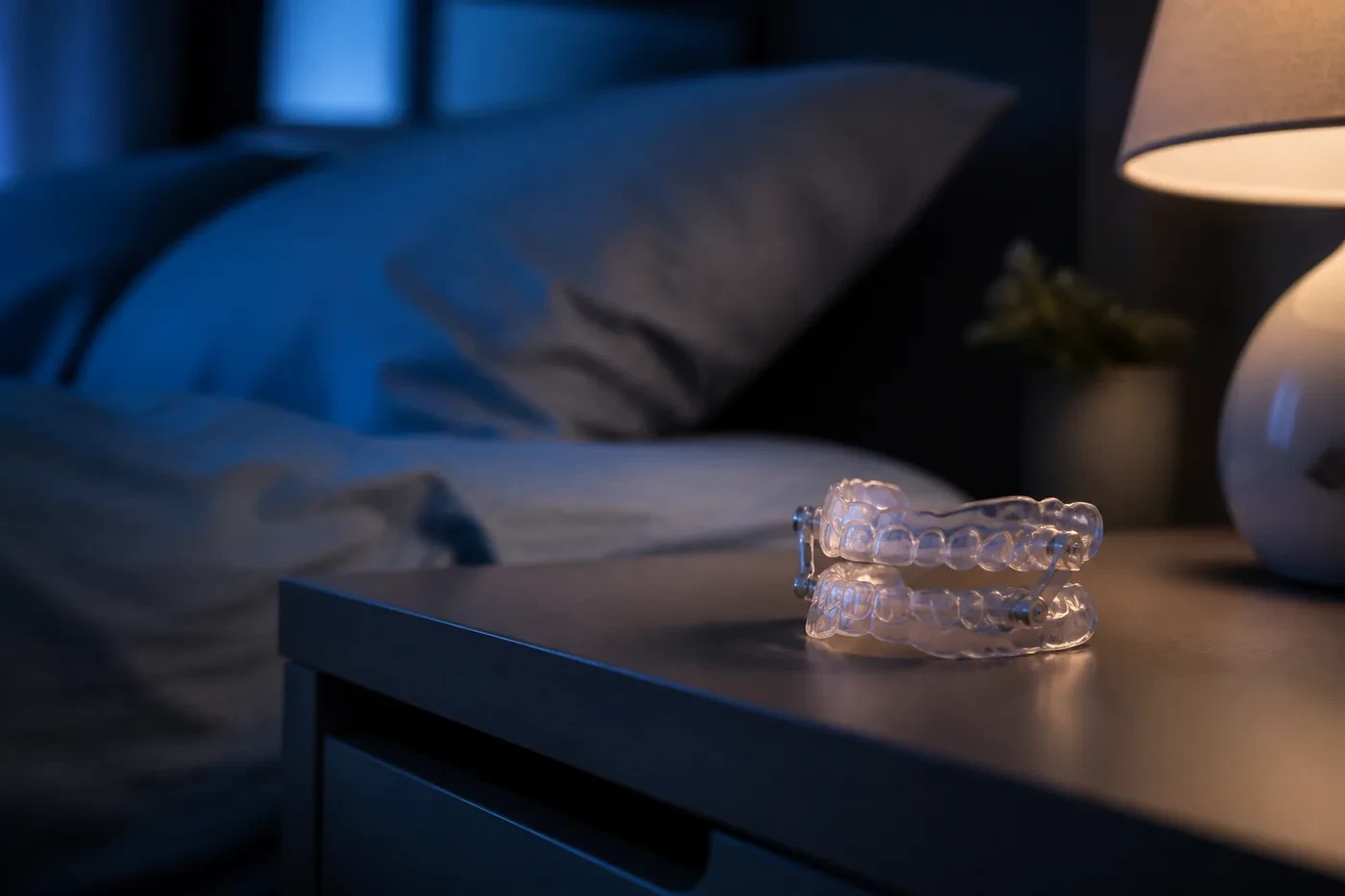
For Patients
Dental FAQ.
Sleep apnea FAQ for dental appliances covering CPAP alternatives, candidacy, side effects, snoring care, insurance, and physician teamwork.
FAQ categories
Browse by topic
- View All220
- Braces & Traditional Orthodontics11
- Clear Aligners11
- Crowns, Bridges & Restorations11
- Dental Anxiety & First Visits11
- Dental Implants11
- Dental Insurance, Cost & Financing11
- Dentures & Partial Dentures11
- Emergency Dental Care11
- Gum Disease & Periodontics11
- Invisalign vs Alternatives11
- Oral Hygiene & Home Care11
- Oral Surgery & Sedation11
- Pediatric Dentistry11
- Preventive Care & Cleanings11
- Root Canals & Endodontics11
- Sleep Apnea & Oral Appliances11
- Teeth Whitening11
- TMJ, Bite & Jaw Pain11
- Tooth Extraction & Wisdom Teeth11
- Veneers & Cosmetic Dentistry11
Sleep Apnea & Oral Appliances
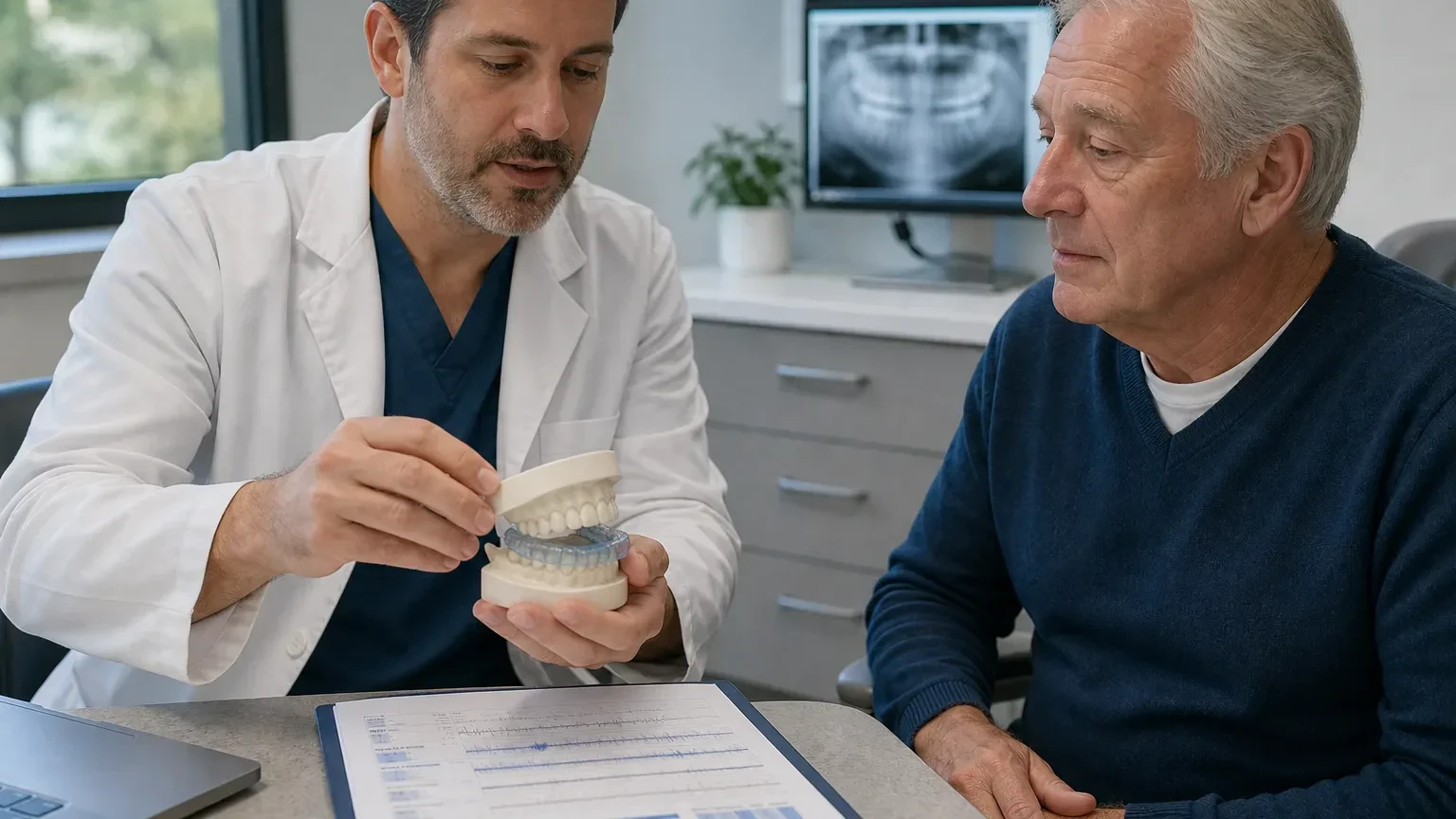
Can A Dentist Treat Sleep Apnea?
A dentist can often deliver a custom oral appliance for obstructive sleep apnea once a physician confirms the diagnosis—but dentists do not replace sleep-medicine evaluation or claim CPAP is unnecessary for every patient
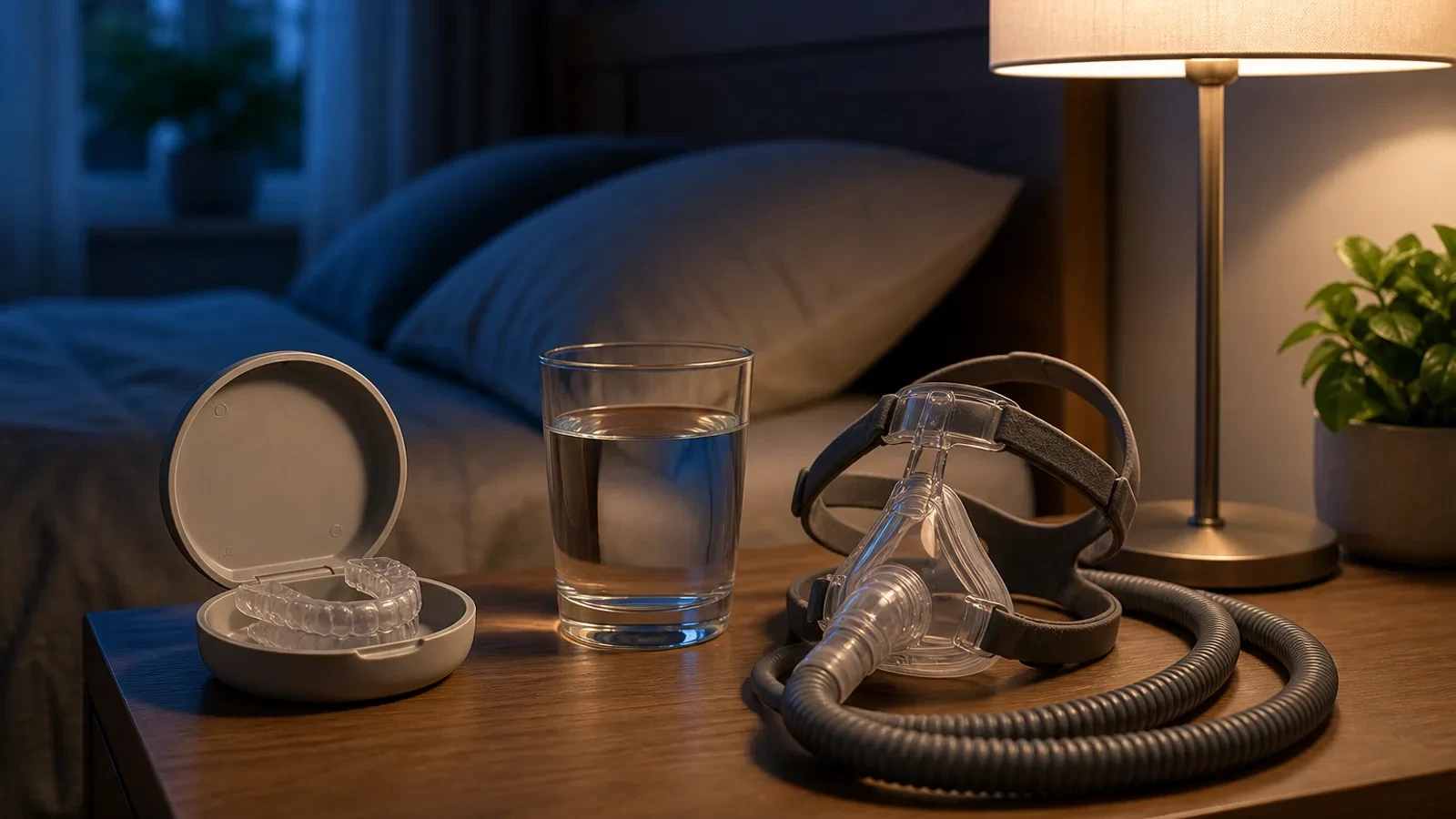
Oral Appliance Vs CPAP: Which Is Better?
CPAP usually opens the airway more reliably, while custom oral appliances can be simpler to travel with and tolerate—so “better” depends on severity, preference, and medical guidance rather than a single winner.
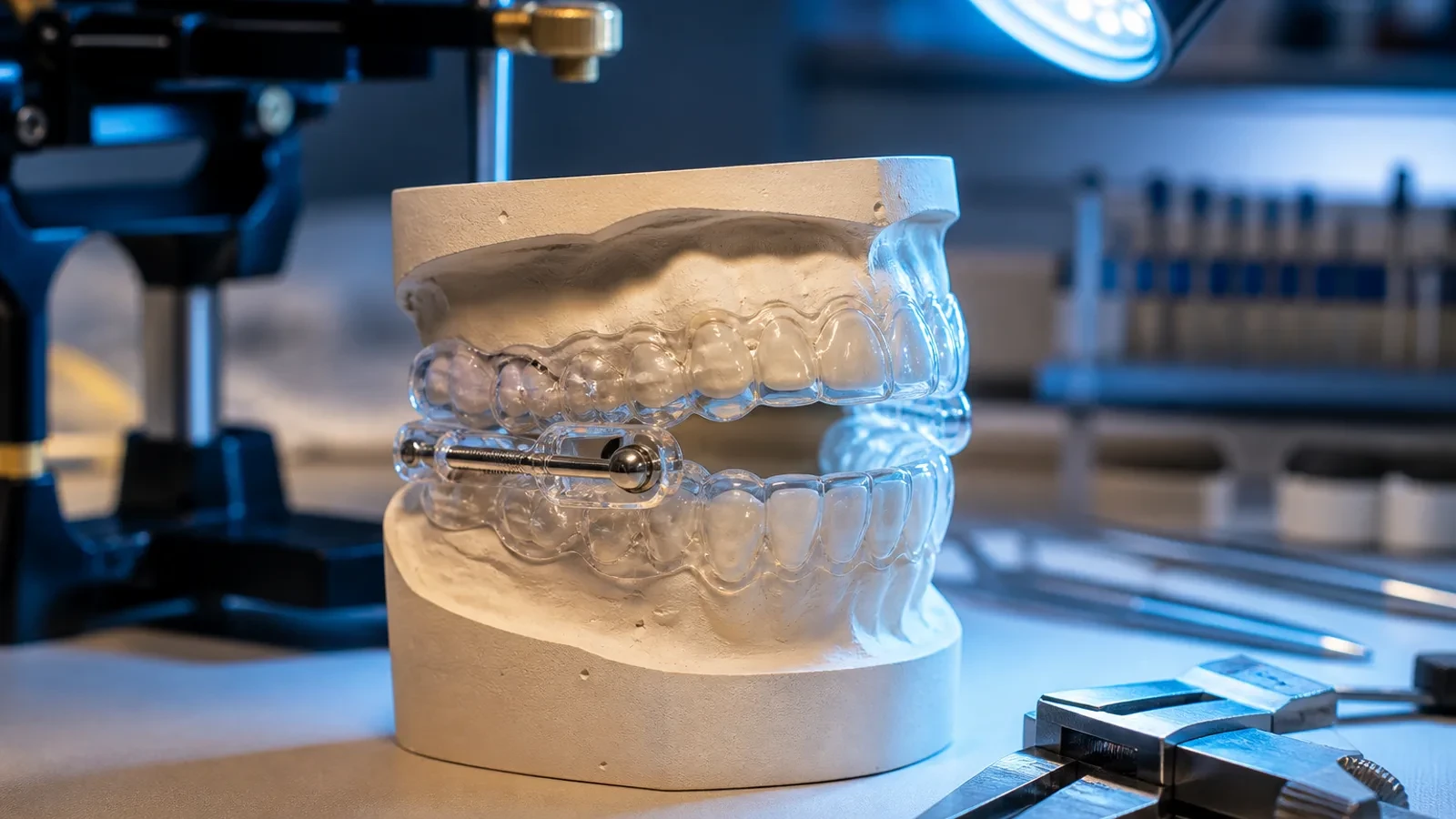
What Is A Mandibular Advancement Device?
A mandibular advancement device is a custom oral appliance that holds the lower jaw slightly forward during sleep to reduce airway collapse in selected people with snoring or obstructive sleep apnea.
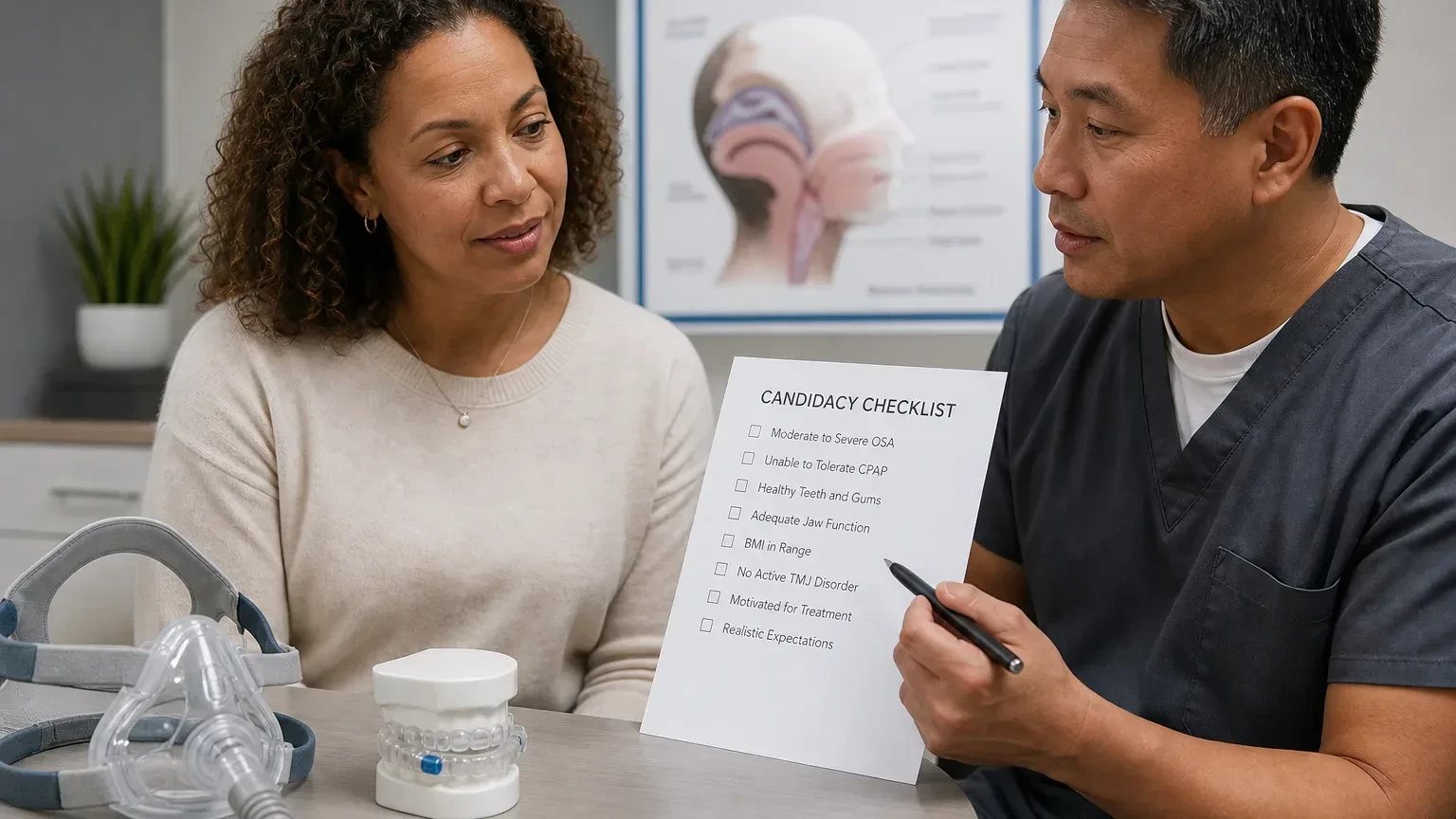
Who Is A Candidate For A Sleep Apnea Oral Appliance?
Strong oral-appliance candidates usually have a confirmed OSA or snoring diagnosis, enough healthy teeth, manageable jaw joints, and a physician plan that supports appliance therapy—especially when CPAP is poorly tolerat
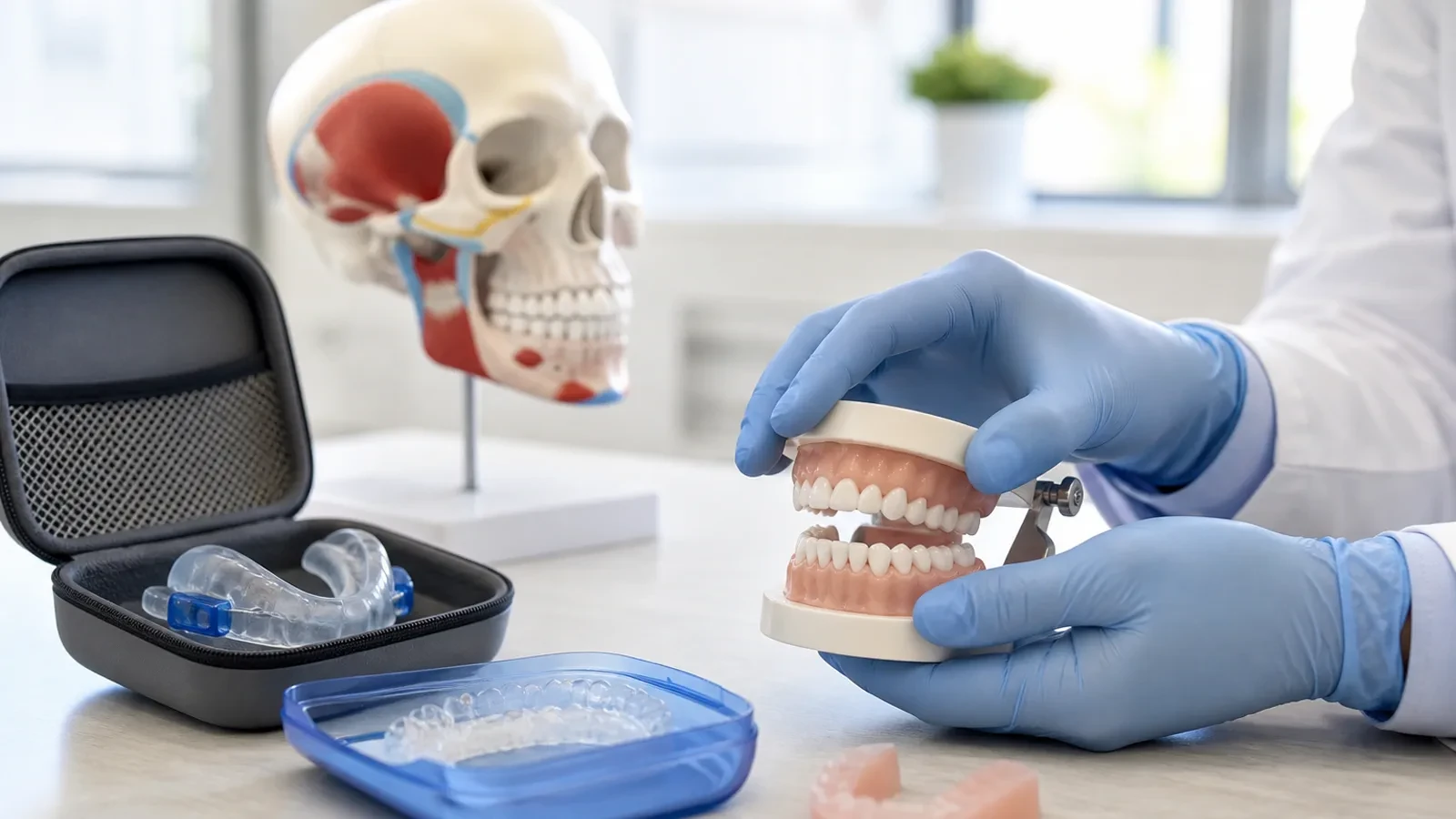
Do Oral Sleep Appliances Have Side Effects?
Yes—custom oral sleep appliances can bring temporary jaw or tooth soreness, excess saliva, and sometimes longer-term bite shifts, which is why dental follow-up is part of safe therapy.
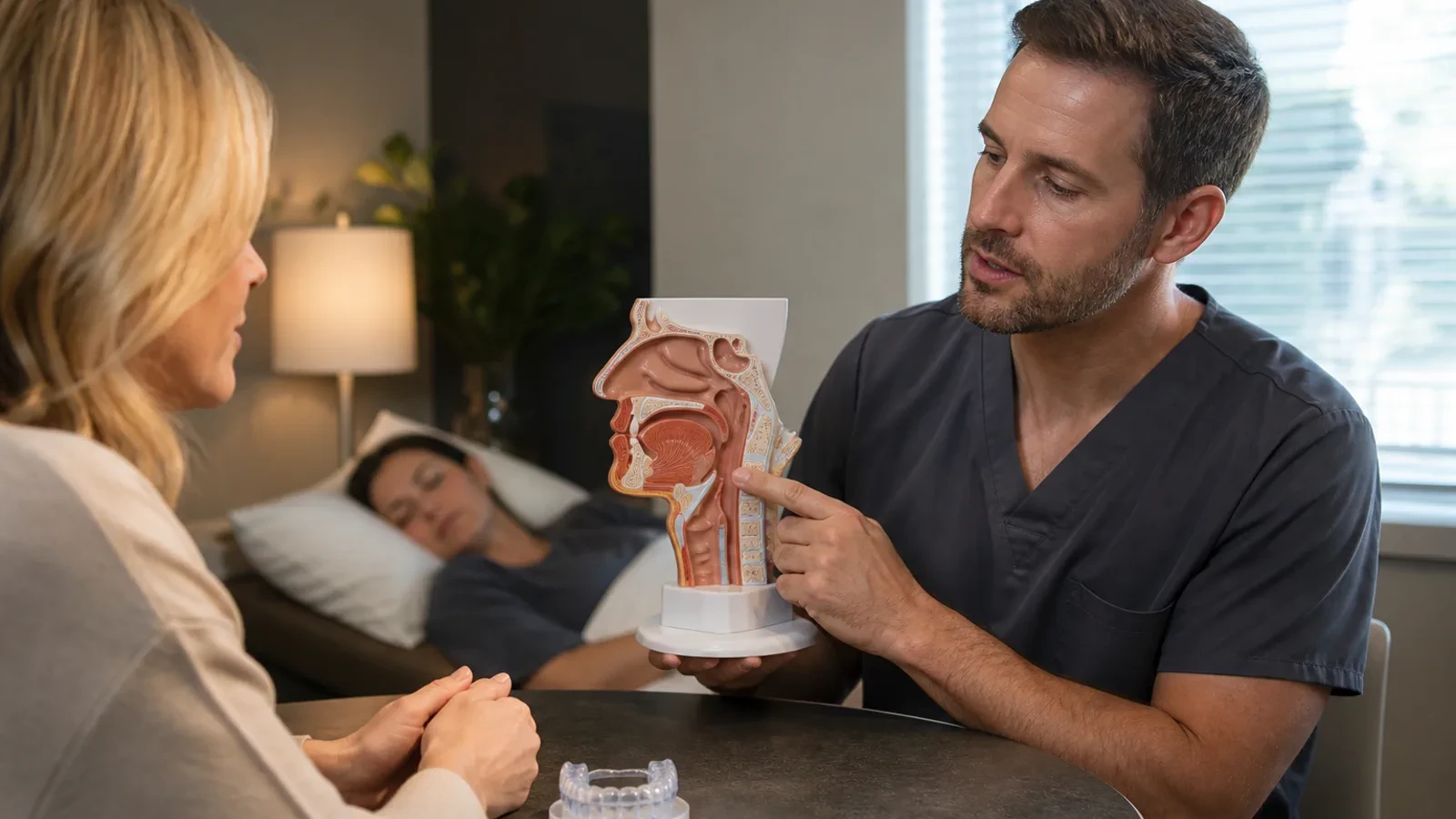
Can Snoring Be Treated By A Dentist?
Dentists can help certain snoring problems with custom oral appliances—especially when a sleep physician rules out or classifies sleep apnea—but noisy breathing is not automatically a DIY dental fix.
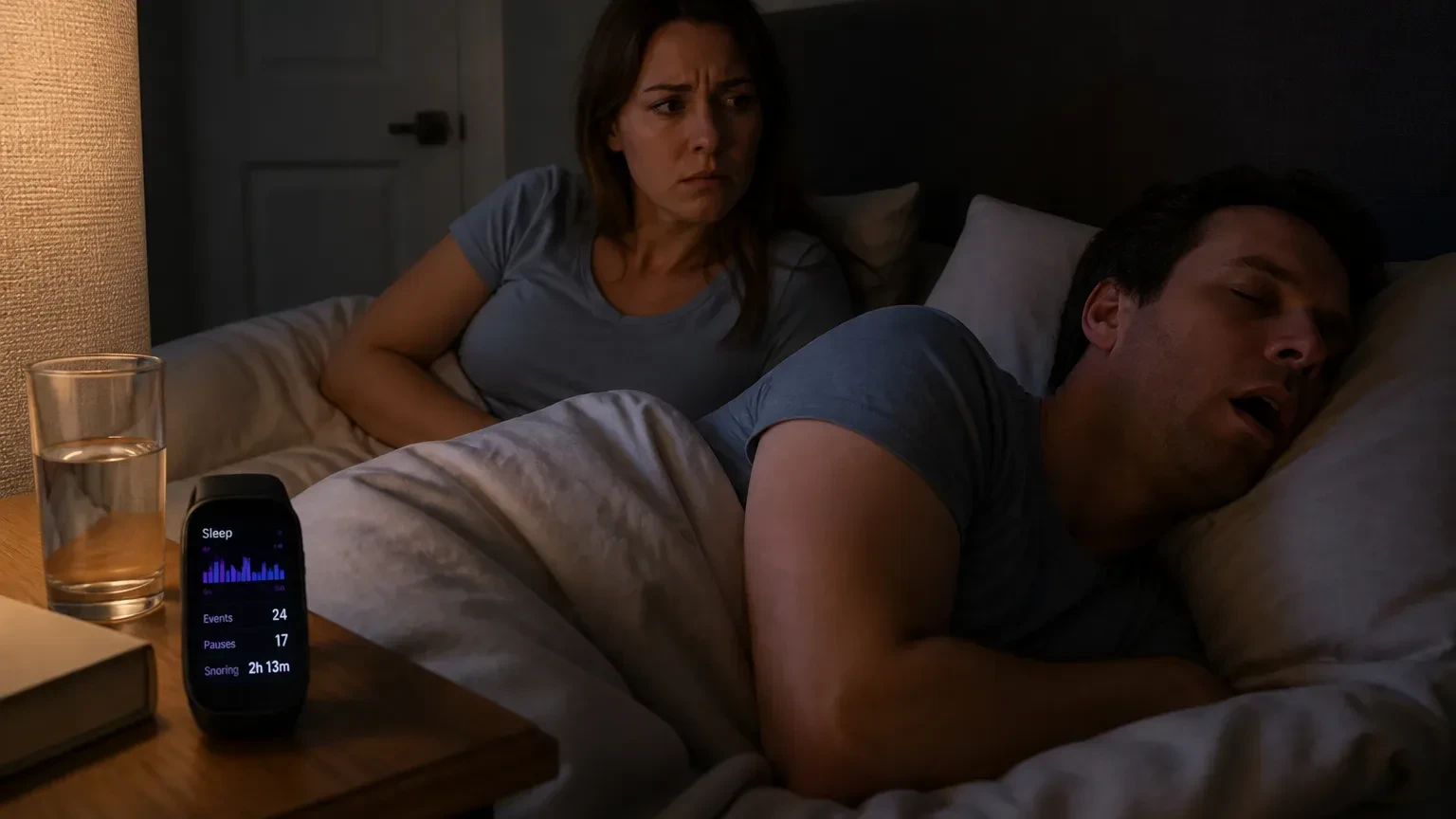
How Do You Know If You Have Sleep Apnea?
You cannot confirm sleep apnea from snoring alone—loud snoring with pauses, gasping, morning headaches, or heavy daytime sleepiness are clues that should prompt a medical evaluation and possible sleep study.
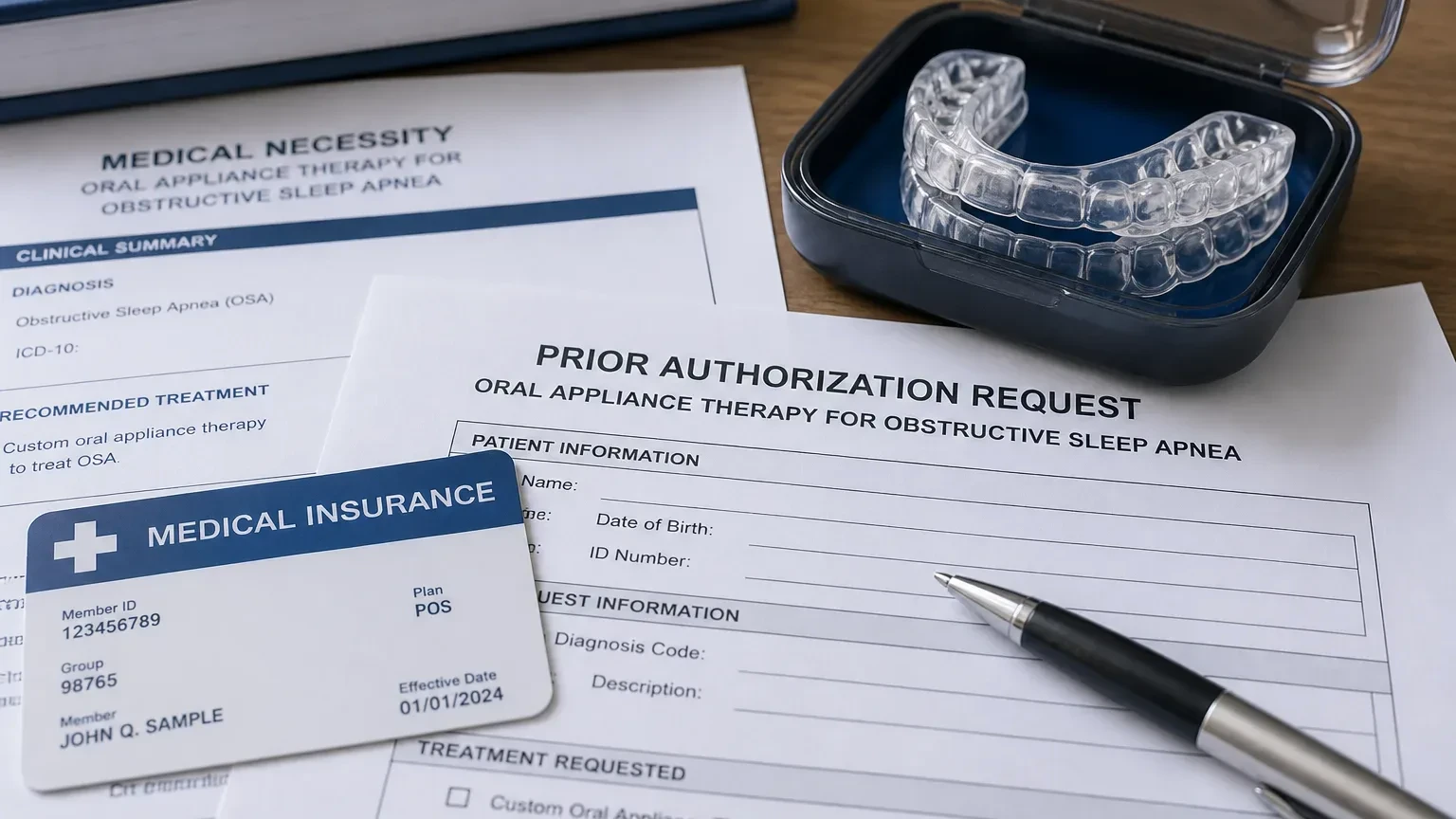
Does Insurance Cover Oral Sleep Appliances?
Custom oral sleep appliances are often billed through medical insurance when OSA is diagnosed and criteria are met, but coverage, copays, and documentation rules vary widely by plan.
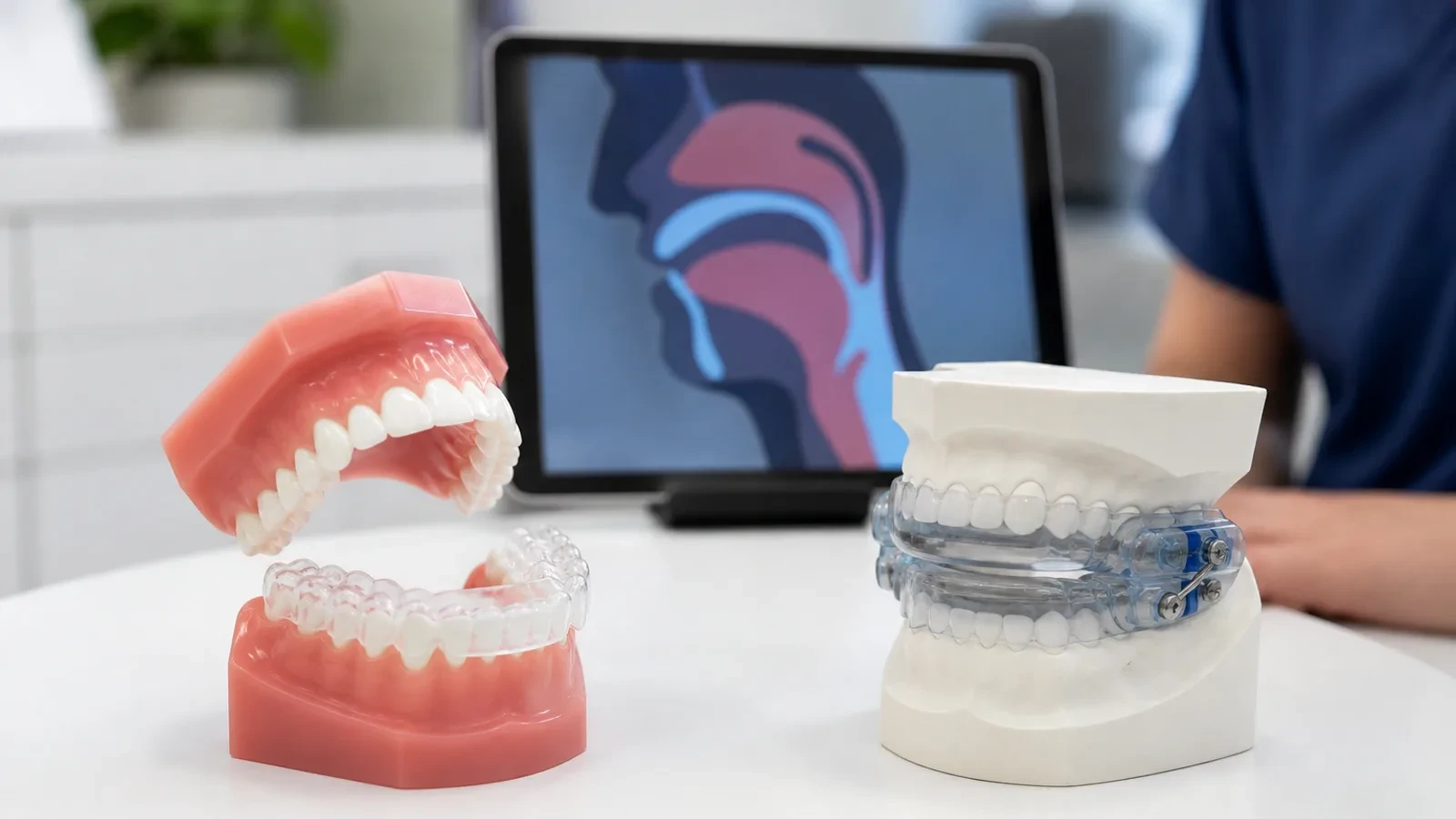
Can Clear Aligners Help Sleep Apnea?
Clear aligners are orthodontic tools for moving teeth—not a substitute for CPAP or a custom oral sleep appliance—and should not be marketed as a standalone sleep apnea cure.
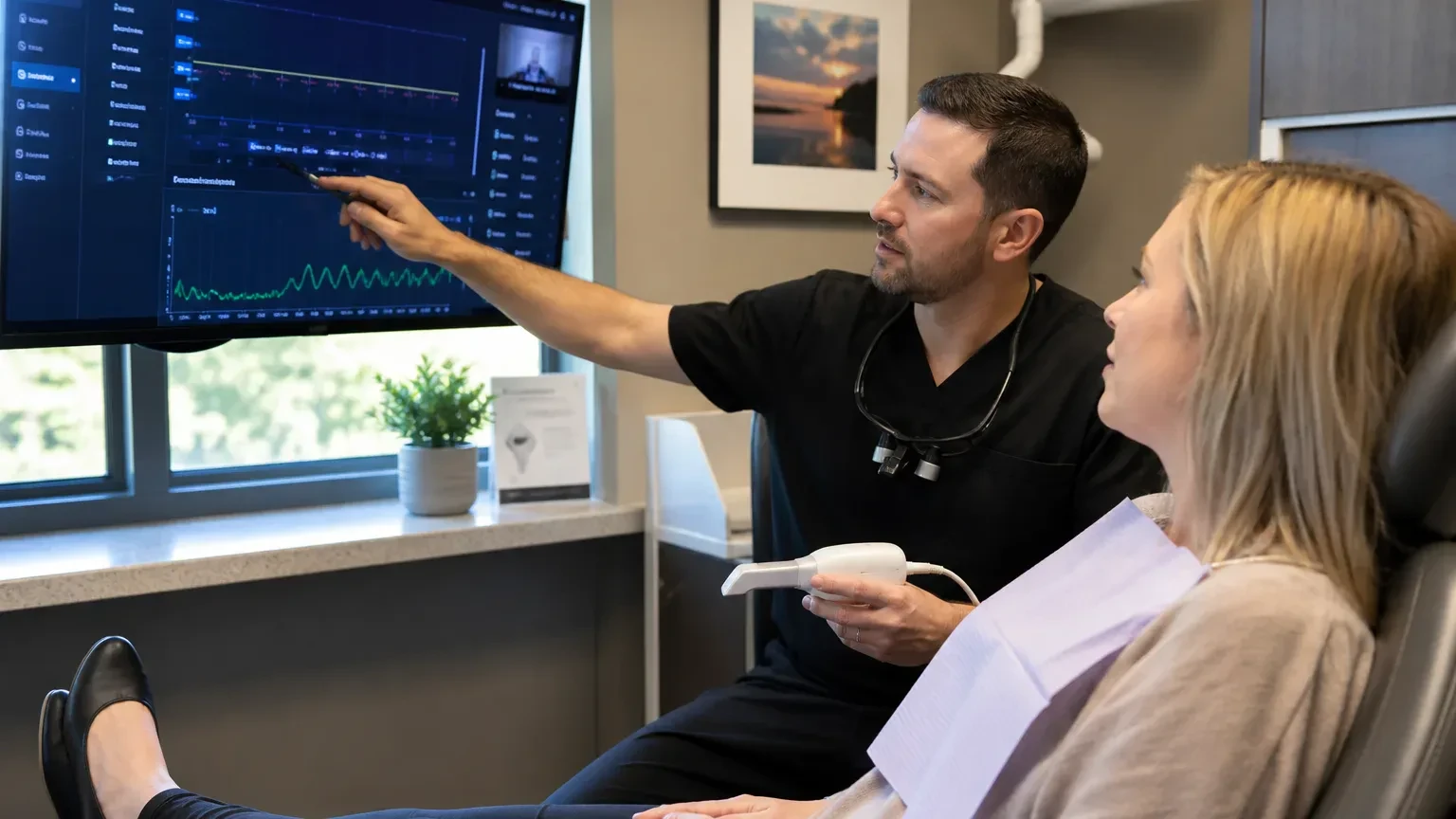
What Happens At A Dental Sleep Apnea Consultation?
A dental sleep apnea consultation reviews your medical sleep diagnosis, examines teeth and jaw joints, discusses custom appliance options, and outlines impressions, titration, and follow-up—not a same-day cure.
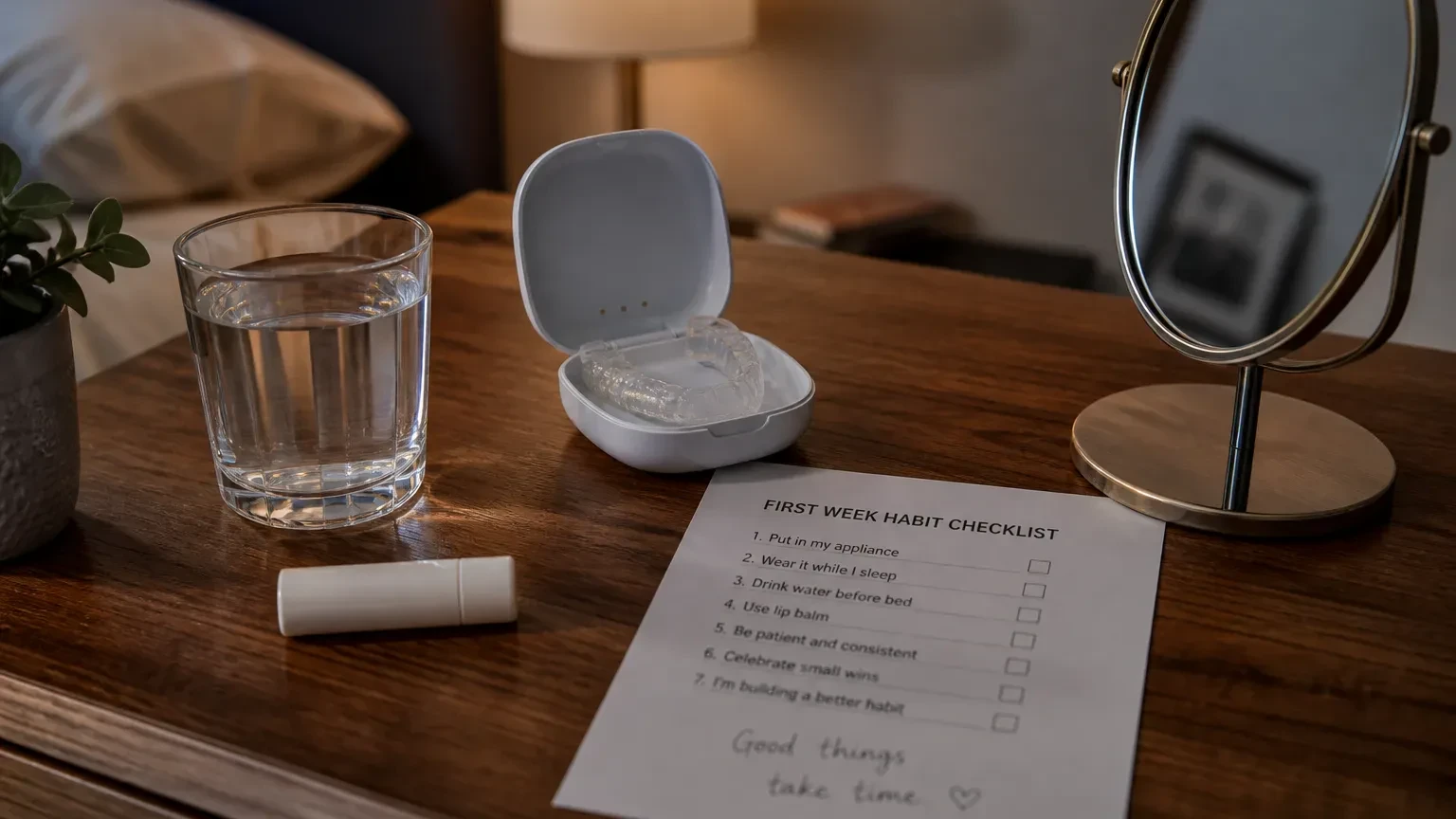
How Long Does It Take To Get Used To A Sleep Appliance?
Many people adapt to a custom oral sleep appliance within several nights to a few weeks with gradual wear, gentle morning routines, and planned adjustments—while lasting pain means you should not simply wait it out.