
How Long Does It Take To Get Used To A Sleep Appliance?
Most people adapt to a custom oral sleep appliance over days to a few weeks. Build a wear routine, ease soreness, and know when to call your dentist.

Reviewed by Dr. Sean Myran, DMDDoctor of Dental Medicine, University of Pennsylvania
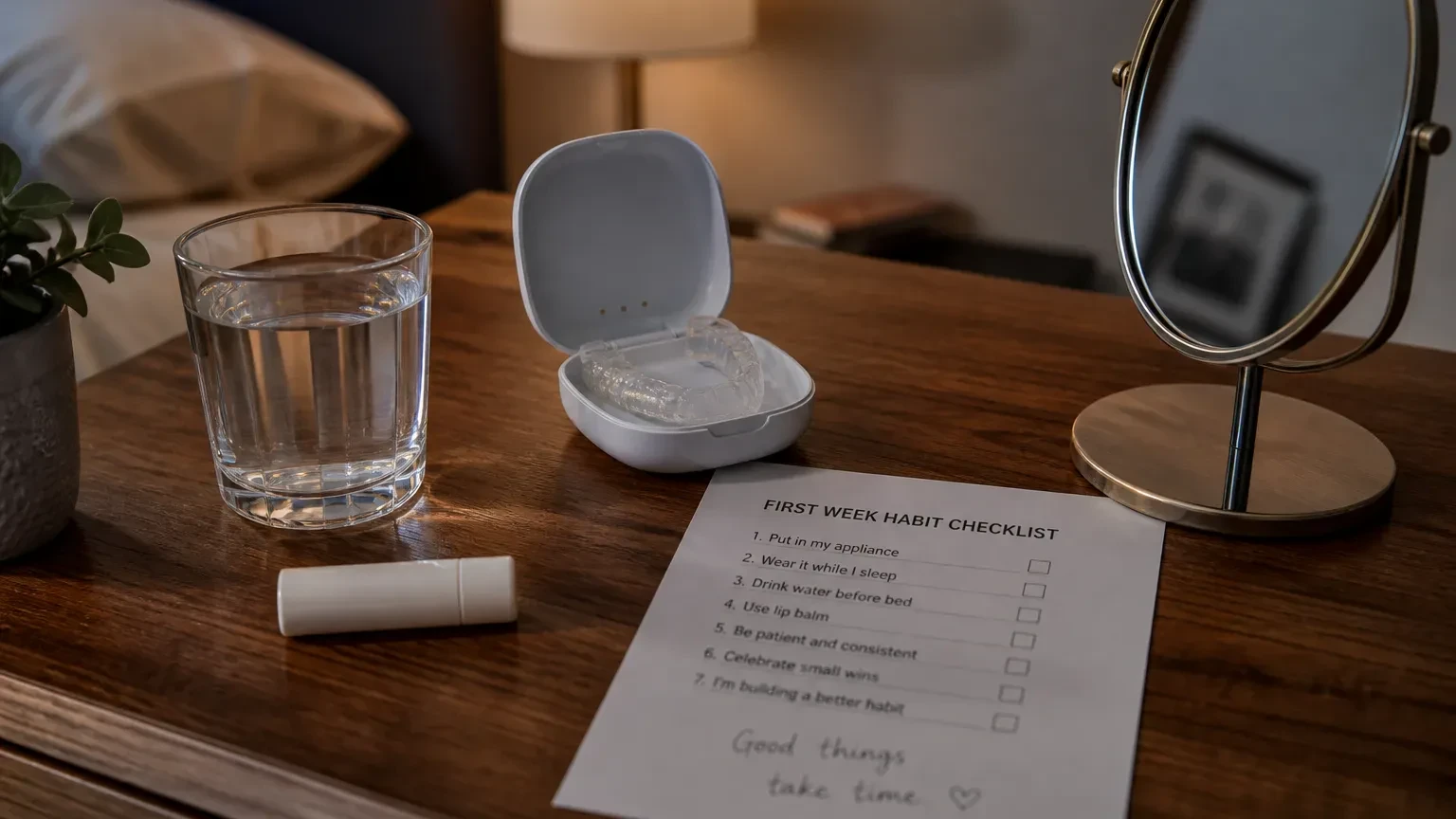
Most people need several nights to a few weeks to get used to a custom oral sleep appliance, though comfort timelines vary with jaw sensitivity, how far the device advances the mandible, and prior appliance experience. Early saliva changes, tooth pressure, and mild morning stiffness are common; sharp pain or a bite that will not settle is not a “just get used to it” problem. Mayo Clinic stresses follow-up to ensure successful treatment and to watch for dental changes. Adaptation is a routine you build, not a test of toughness.
NHLBI notes that your dentist will teach you how to use a custom oral device for best results. That teaching should include cleaning, insertion order, and what to do if you skip nights. Pair adaptation with realistic side-effect watch points from appliance side effects and device mechanics in MAD basics.
A Practical Adaptation Routine
- Nights 1–3: wear as directed; practice insertion while awake for 15–30 minutes if advised; choose softer breakfasts.
- Nights 4–14: aim for full-night wear; log jaw soreness (0–10), saliva issues, and residual snoring.
- Morning habit: remove, clean, perform recommended stretches or chew exercises, and check whether your bite settles within a short window.
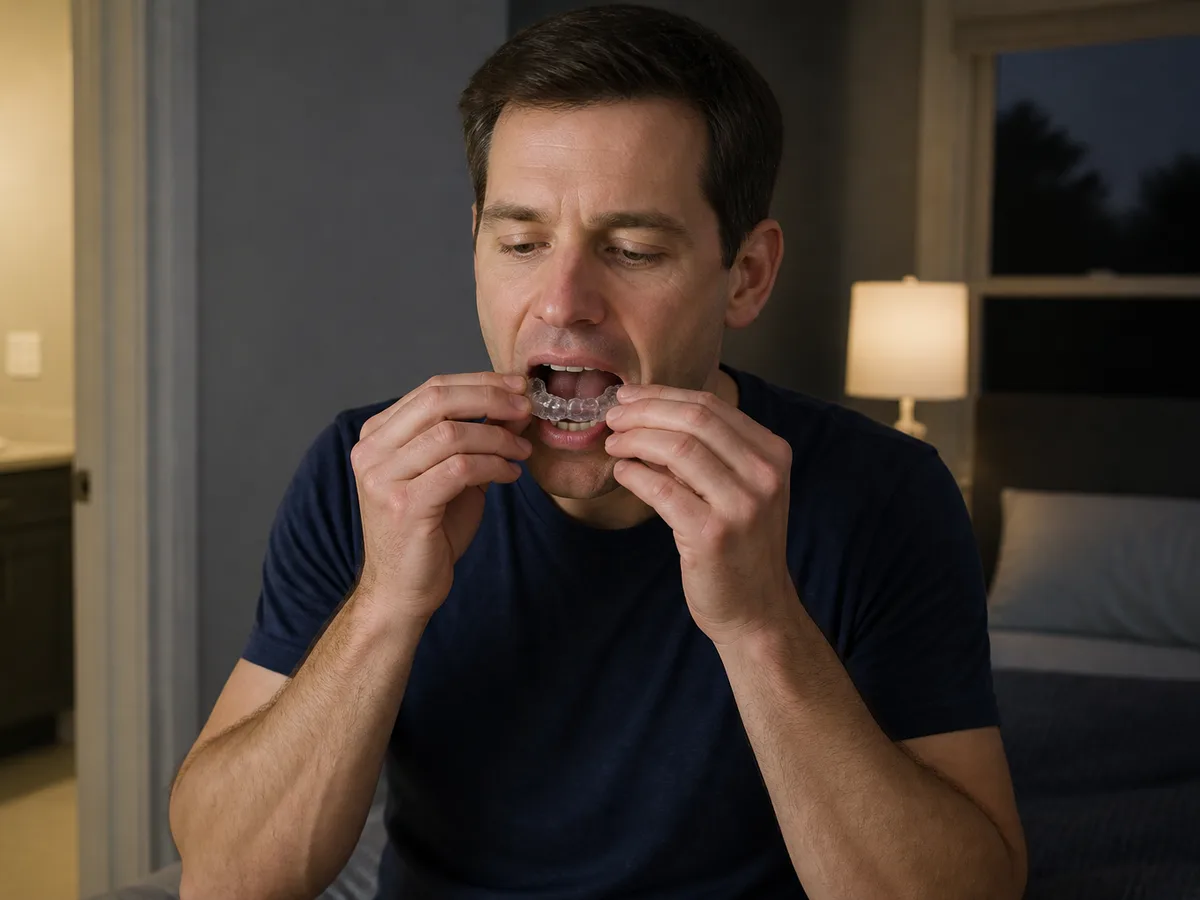
- Hygiene: brush the device with approved cleaner—not abrasive toothpaste that scratches acrylic—and store dry in its case.
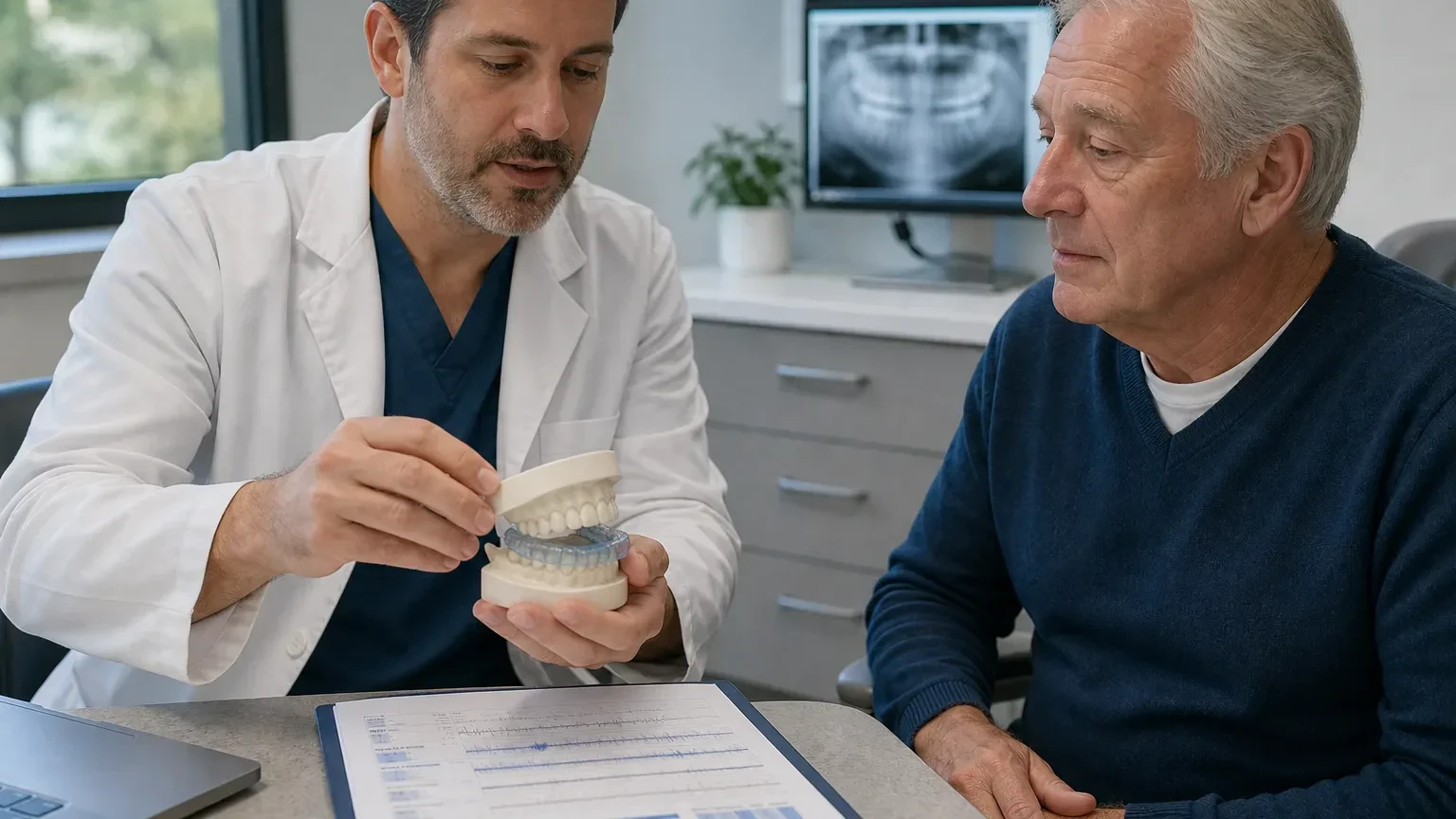
- Follow-ups: keep titration visits; do not self-advance screws or elastics beyond instructions.
AASM/AADSM guidance encourages periodic follow-up with both a qualified dentist and a sleep physician for patients using oral appliances. Getting “used to” the feel is only half of success; confirming that apneas improve is the other half. If sleepiness persists after comfortable wear, tell your physician rather than assuming adaptation failed.
Travel nights test habits: pack the case in carry-on, bring cleaner tablets if you use them, and keep a backup plan if the device is lost. Colds and stuffy noses can make any oral device harder; ask whether short CPAP return is advised during illness for higher-risk OSA. Alcohol near bedtime can worsen obstruction even with perfect appliance wear—adaptation does not cancel physiology.
Partners can help track snoring changes without turning the bedroom into a debate stage. Agree on a two-week review date. If you want to quit the device on night two because it feels foreign, message the office for coaching before abandoning therapy that might work by night ten with a small adjustment.
 Hygiene supports comfort and longevity.
Clean gear is easier to wear every night
A film of plaque on the appliance makes odor and gum irritation more likely—both sabotage adherence. Rinse after removal, clean as instructed, and never wrap the device in a tissue that gets thrown away. If a clasp feels sharp, request relief rather than filing it yourself. Consistent hygiene turns the appliance into a normal bedtime step beside brushing, which is the real secret of “getting used to it.” Skip harsh mouthwash soaks unless your dentist approves the product.
Maintenance After You Adapt
- Keep recall visits even when nights feel easy—bite drift can be quiet.
- Replace worn retention components when your dentist advises.
- Reassess therapy after major dental work, new dentures, or orthodontics.
- Revisit whether CPAP should return if weight, illness, or symptoms change.
 Logs make adjustments smarter.
Comfort coaching prevents early dropout
Bring your wear log and describe the exact hour symptoms appear. Early evening awareness often fades; pain that escalates after each titration step needs a different response. Ask when a medical efficacy check is planned so adaptation and outcomes stay linked. For coaching-oriented dental sleep care, use Find a Dentist and mention that you are newly adapting to an oral sleep appliance when you schedule. Time helps most people—guided time helps almost everyone more.
Getting used to a sleep appliance usually takes days to a few weeks with steady wear, cleaning, and planned adjustments. Give adaptation a structured routine, keep follow-ups, and call early if pain or bite changes outrun normal settling.
Related articles
Keep exploring related topics from Dental Country.
Can A Dentist Treat Sleep Apnea?
A dentist can often deliver a custom oral appliance for obstructive sleep apnea once a physician confirms the diagnosis—but dentists do not replace sleep-medicine evaluation or claim CPAP is unnecessary for every patient.
Read article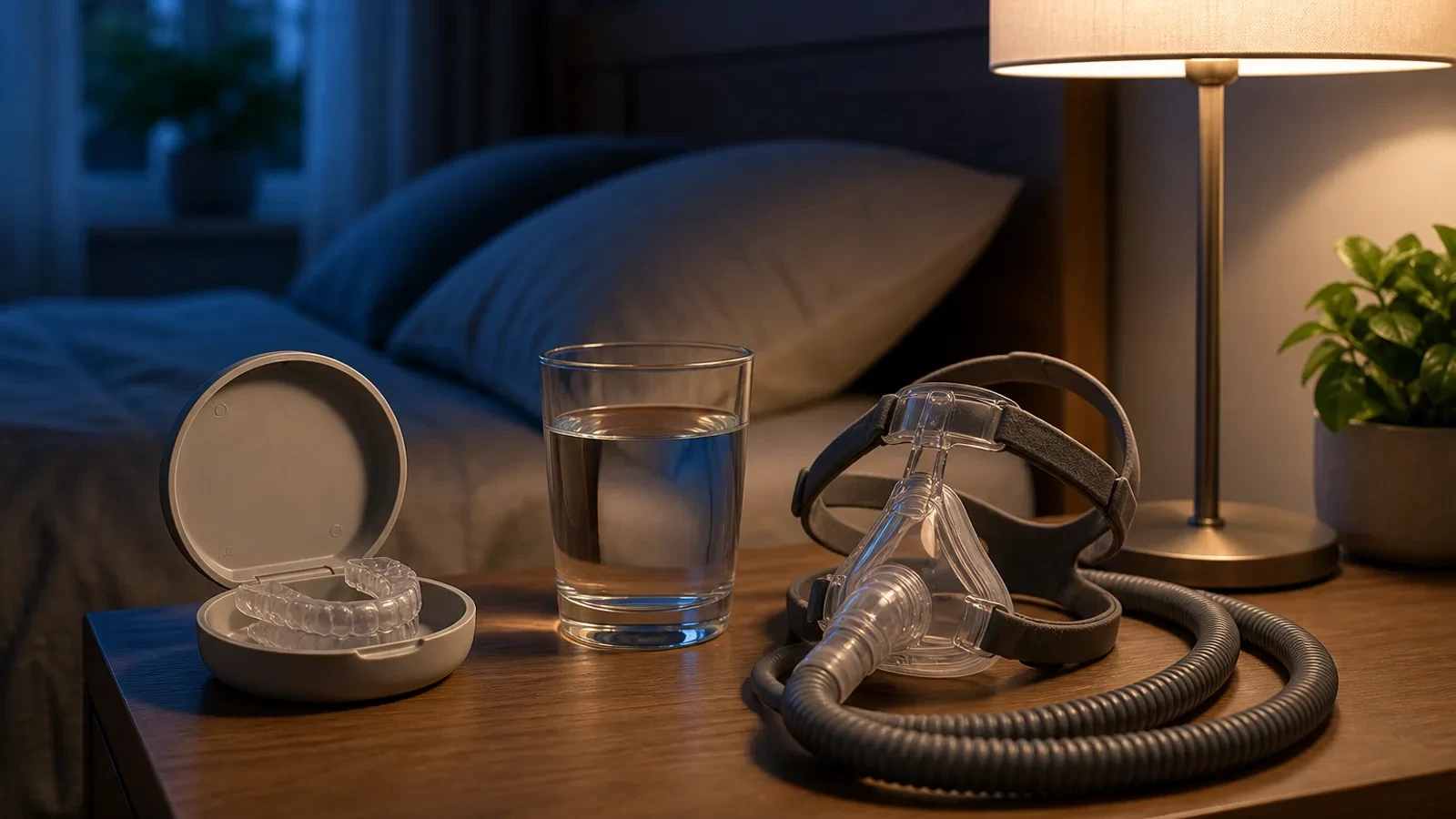
Oral Appliance Vs CPAP: Which Is Better?
CPAP usually opens the airway more reliably, while custom oral appliances can be simpler to travel with and tolerate—so “better” depends on severity, preference, and medical guidance rather than a single winner.
Read article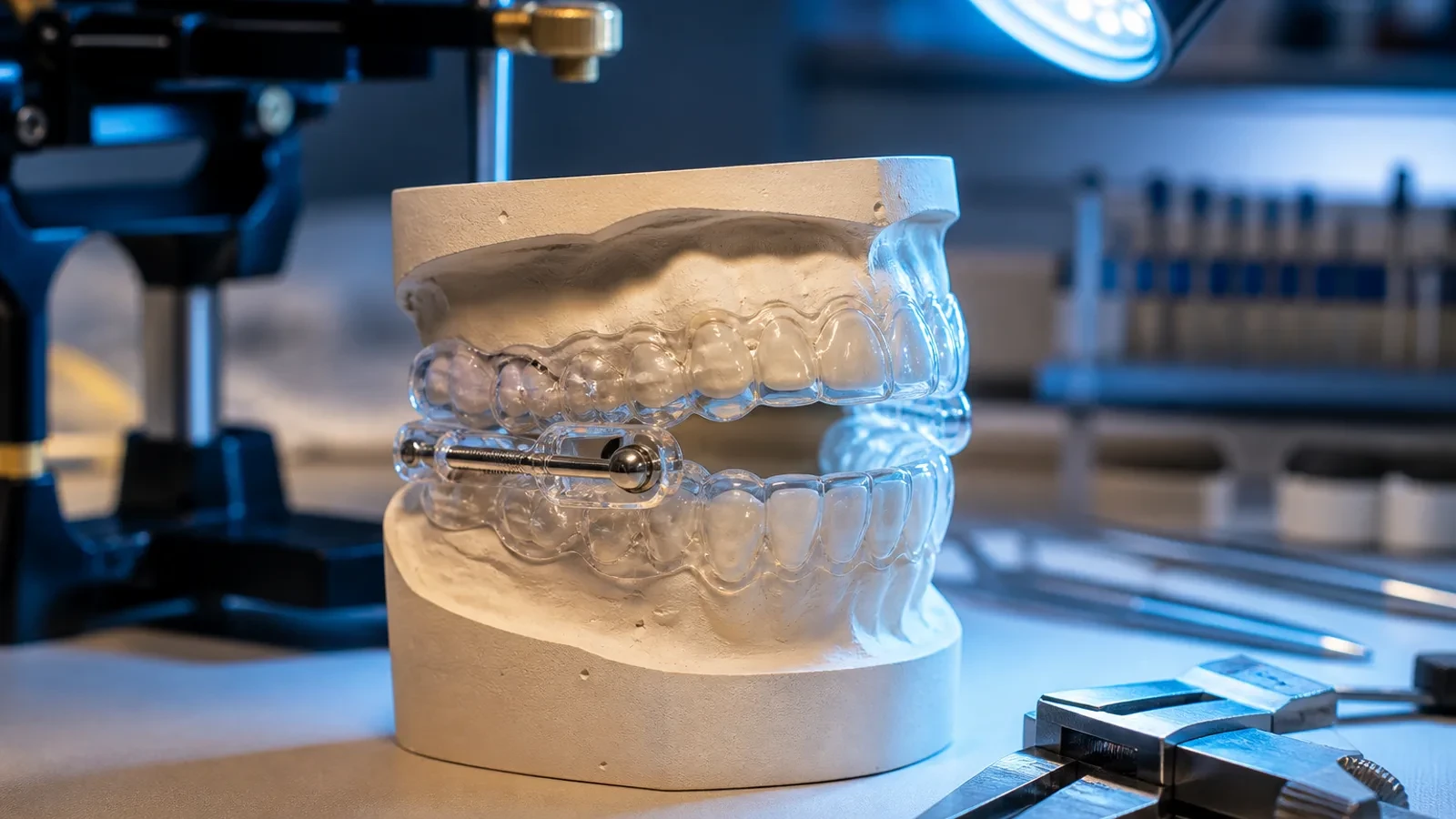
What Is A Mandibular Advancement Device?
A mandibular advancement device is a custom oral appliance that holds the lower jaw slightly forward during sleep to reduce airway collapse in selected people with snoring or obstructive sleep apnea.
Read article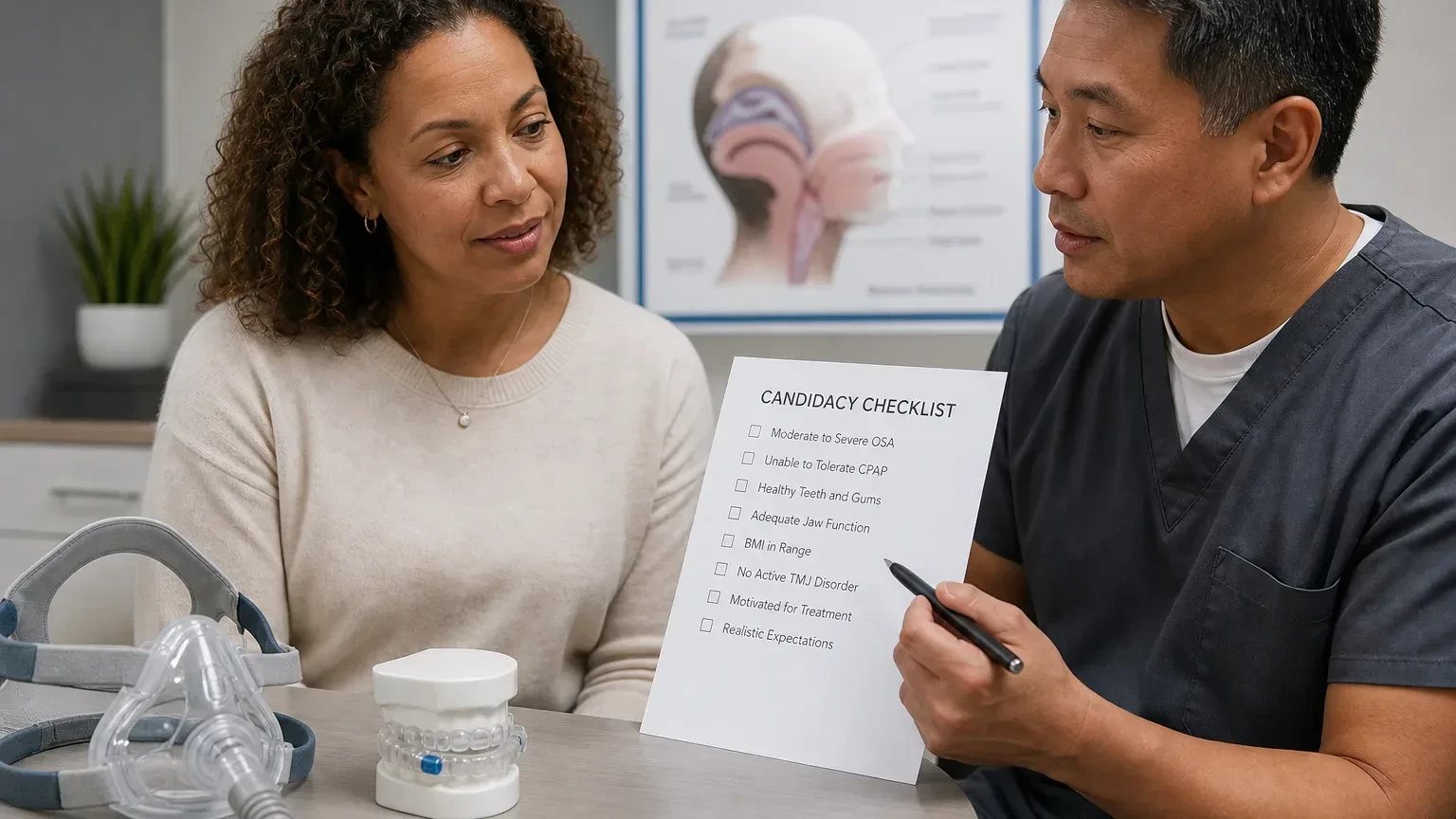
Who Is A Candidate For A Sleep Apnea Oral Appliance?
Strong oral-appliance candidates usually have a confirmed OSA or snoring diagnosis, enough healthy teeth, manageable jaw joints, and a physician plan that supports appliance therapy—especially when CPAP is poorly tolerated.
Read article